





A property rarely has one vulnerable hour. Problems show up after close, during shift changes, on long weekends, and in the quiet window between an alarm signal and someone arriving on site. That is why 24 hour security coverage is not just about having a guard present around the clock. It is about closing the gaps that theft, trespassers, vandals, and opportunistic bad actors count on.
For Calgary property managers, builders, retail operators, condo boards, and event organizers, the real question is not whether round-the-clock protection sounds useful. It is whether the coverage is designed properly for the site, the risk, and the hours when incidents actually happen. Good security planning starts there.
What 24 hour security coverage really means
Some providers use the term loosely. In practice, 24 hour security coverage can mean a single static guard, a combination of concierge and overnight patrol, scheduled mobile patrols backed by alarm response, or a layered plan that changes by time of day. A busy residential tower does not need the same model as an industrial yard or an active construction site.
The difference matters because continuous coverage is only effective if it matches how the property operates. During business hours, the priority may be access control, visitor management, and visible presence. After hours, it may shift to perimeter checks, lock-up verification, alarm attendance, and watching for unauthorized vehicles or foot traffic. The best programs do not force one approach onto every site. They build around the site itself.
Where 24 hour security coverage makes the biggest difference
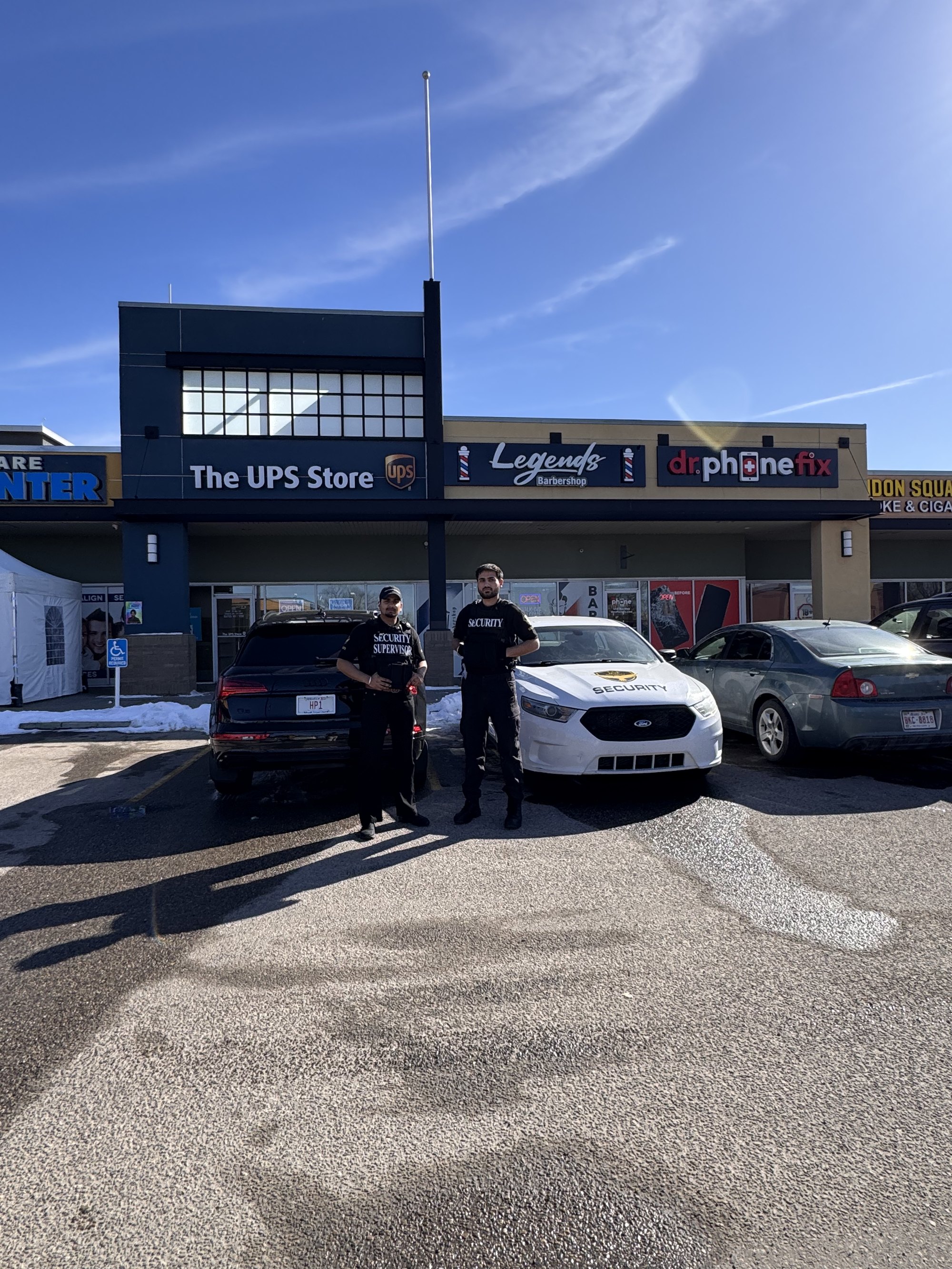
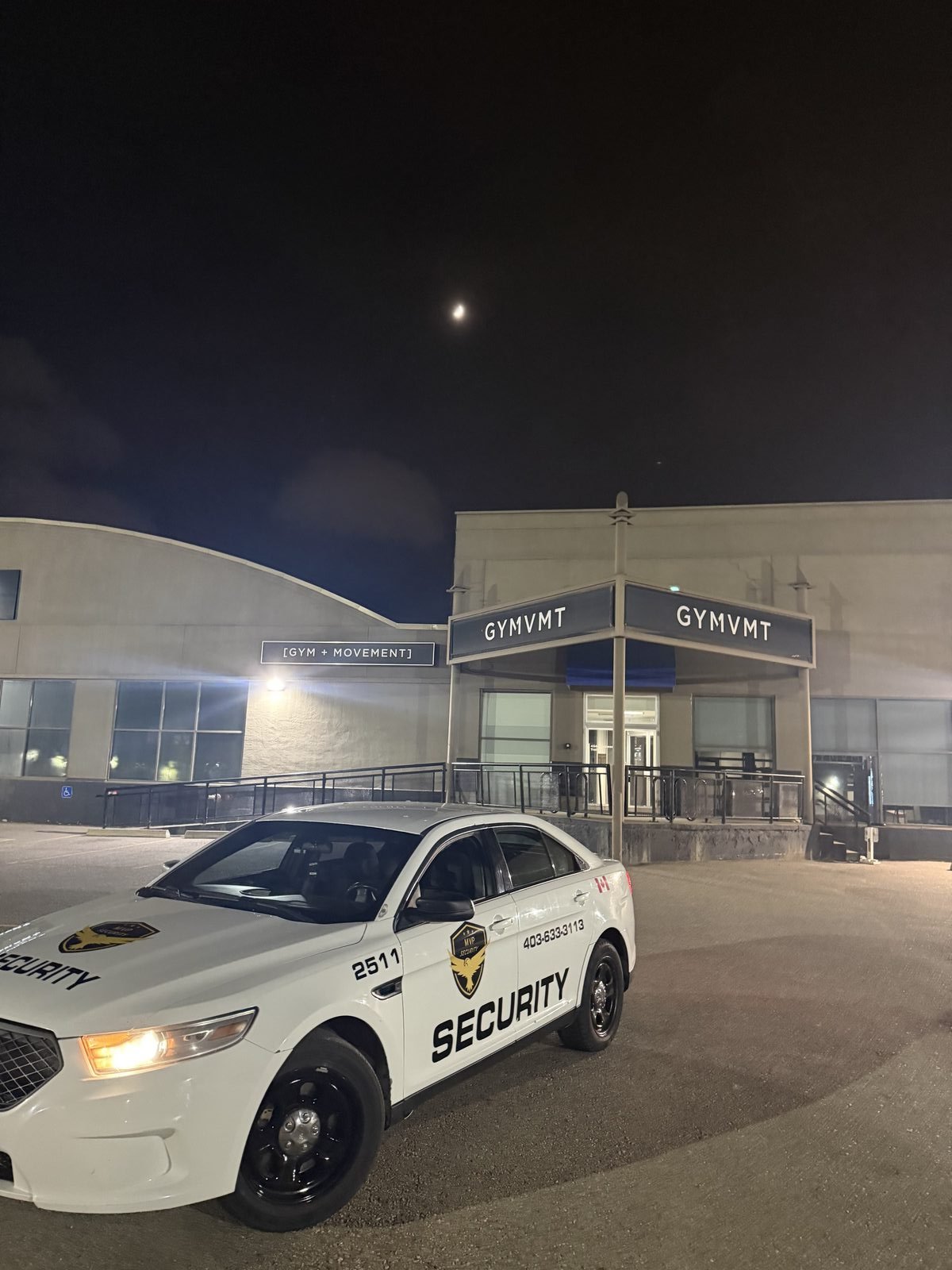
Commercial properties often need coverage because risk does not stop when staff leave. Office buildings, retail plazas, and mixed-use sites deal with after-hours loitering, break-in attempts, loading bay access, and nuisance activity that can turn into property damage if ignored. A visible guard presence or documented patrol activity can reduce those issues before they escalate.
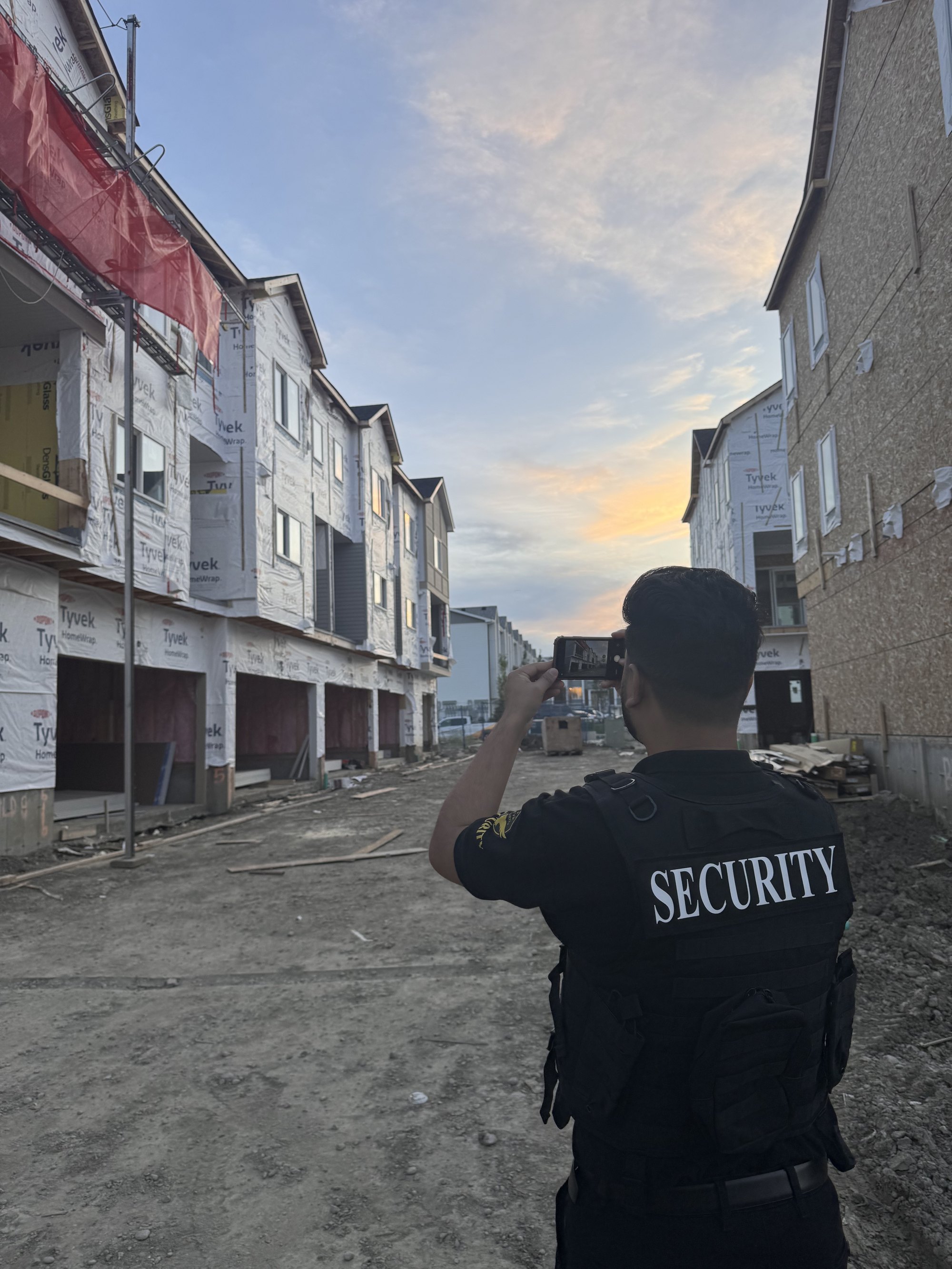
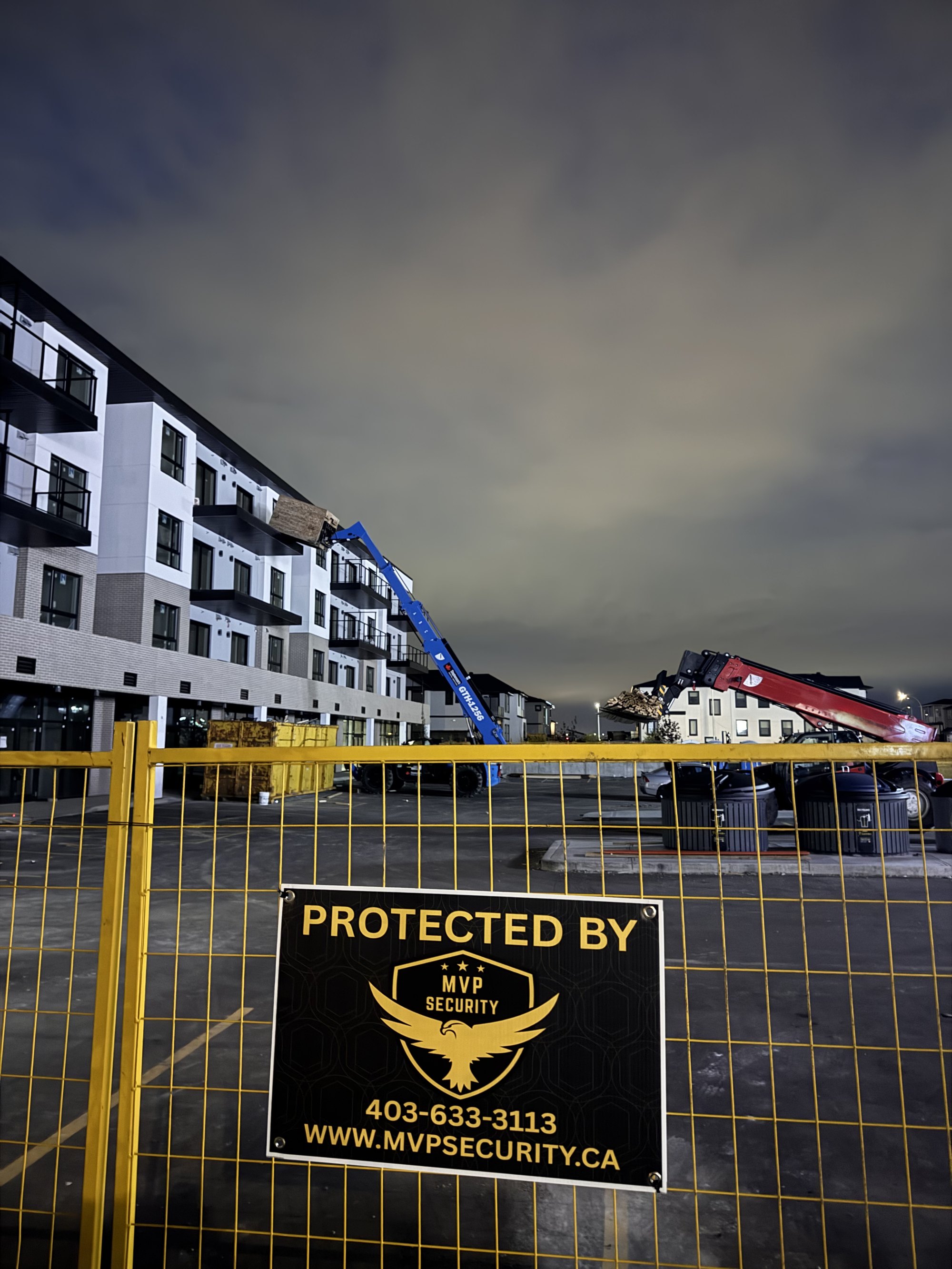
Construction sites are another clear example. Materials, tools, copper, fuel, and equipment are attractive targets, especially overnight and on weekends. One breach can delay trades, create insurance issues, and throw off an entire schedule. Here, coverage usually works best when it combines visible deterrence with perimeter patrols, incident reporting, and quick escalation if something is off.
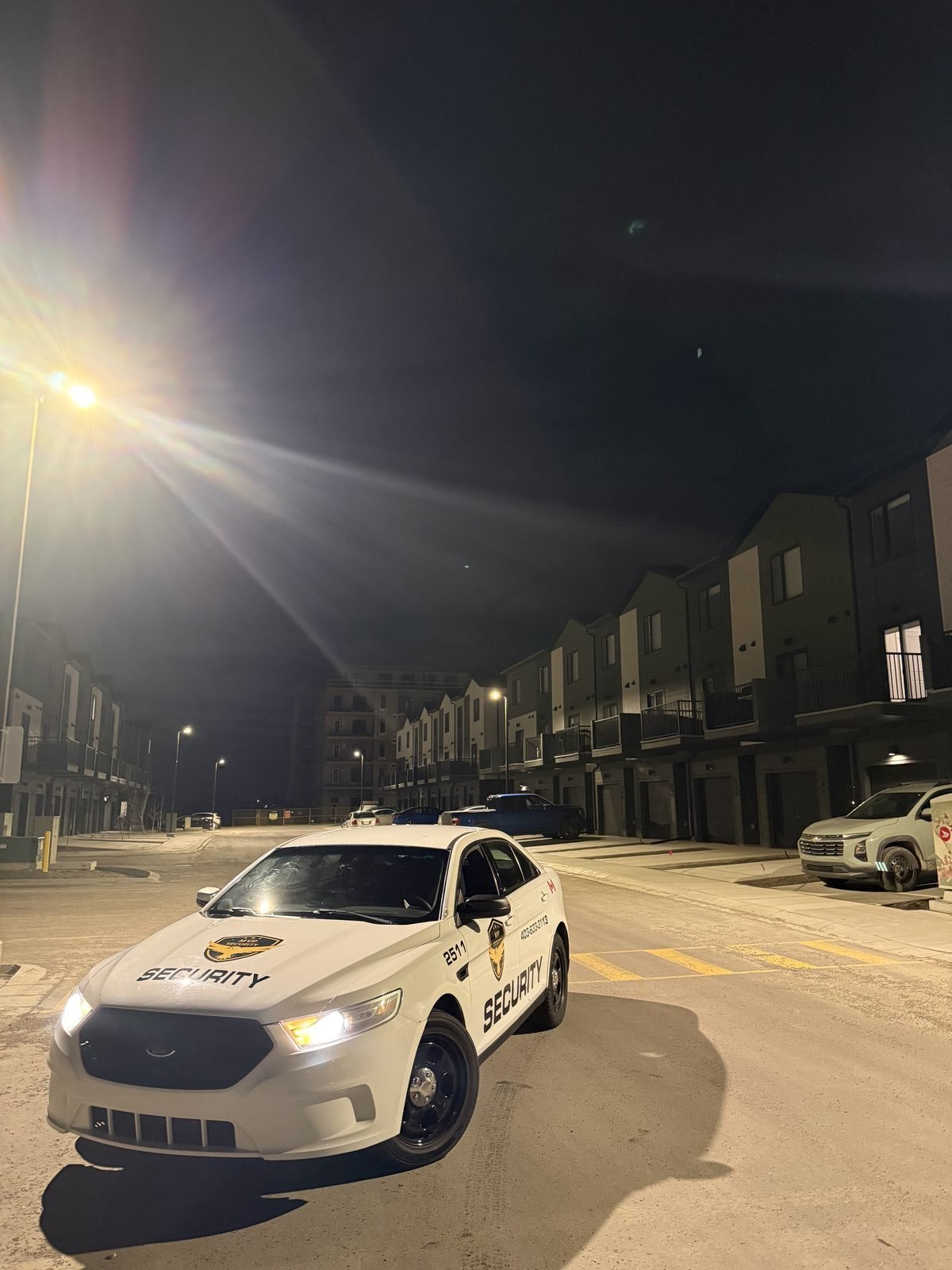
Residential and condo properties have a different set of concerns. Building managers need help with access control, unauthorized entry, resident safety concerns, and response to disturbances or suspicious activity. Around-the-clock coverage can support both day-to-day operations and overnight peace of mind, especially in buildings where front desk staff cannot reasonably handle every security issue alone.
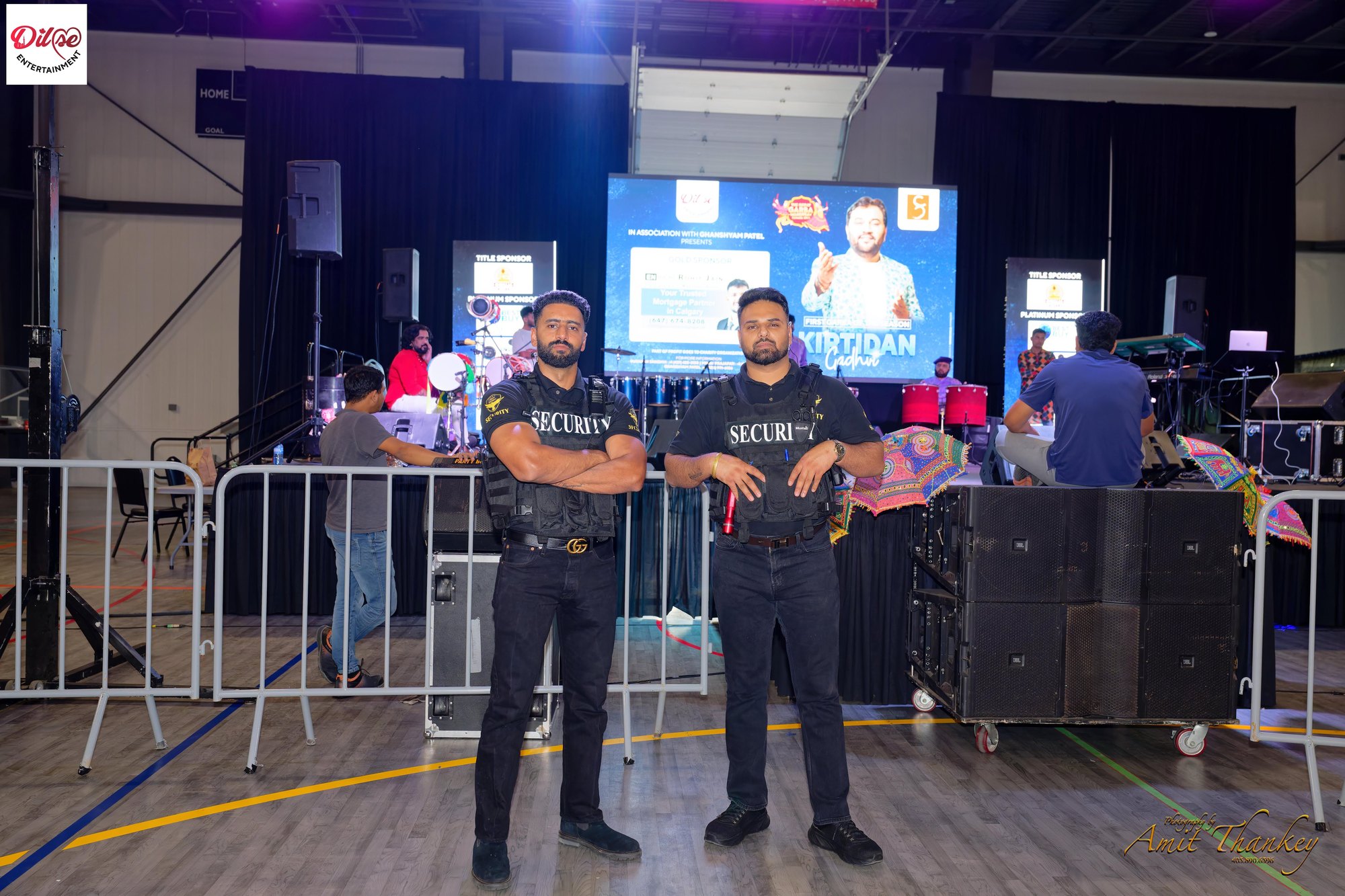
Events are more compressed but just as demanding. Set-up, live attendance, teardown, and overnight equipment protection each create different risks. Continuous coverage is often less about one long shift and more about coordinated staffing that follows the event schedule closely.
The trade-off between static guards and mobile patrol
There is no single correct format for 24 hour security coverage. It depends on the layout, the threat profile, and the budget.
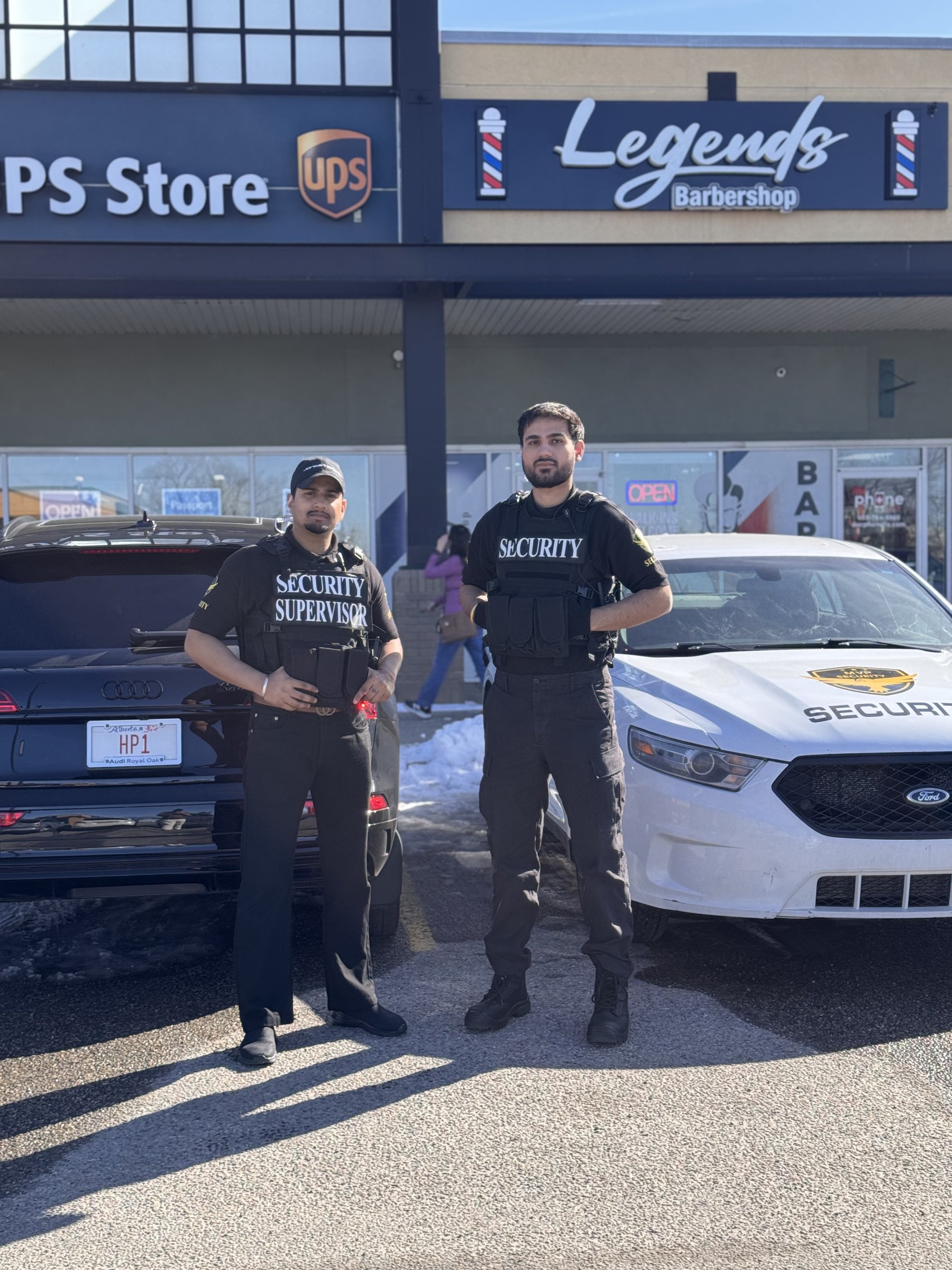
A static guard gives you constant on-site presence. That is valuable when a property has high public traffic, repeated incidents, controlled entry points, or a need for immediate intervention. Concierges and lobby guards are common in residential and commercial settings for exactly that reason. People see the guard, know the site is monitored, and are less likely to test the property.
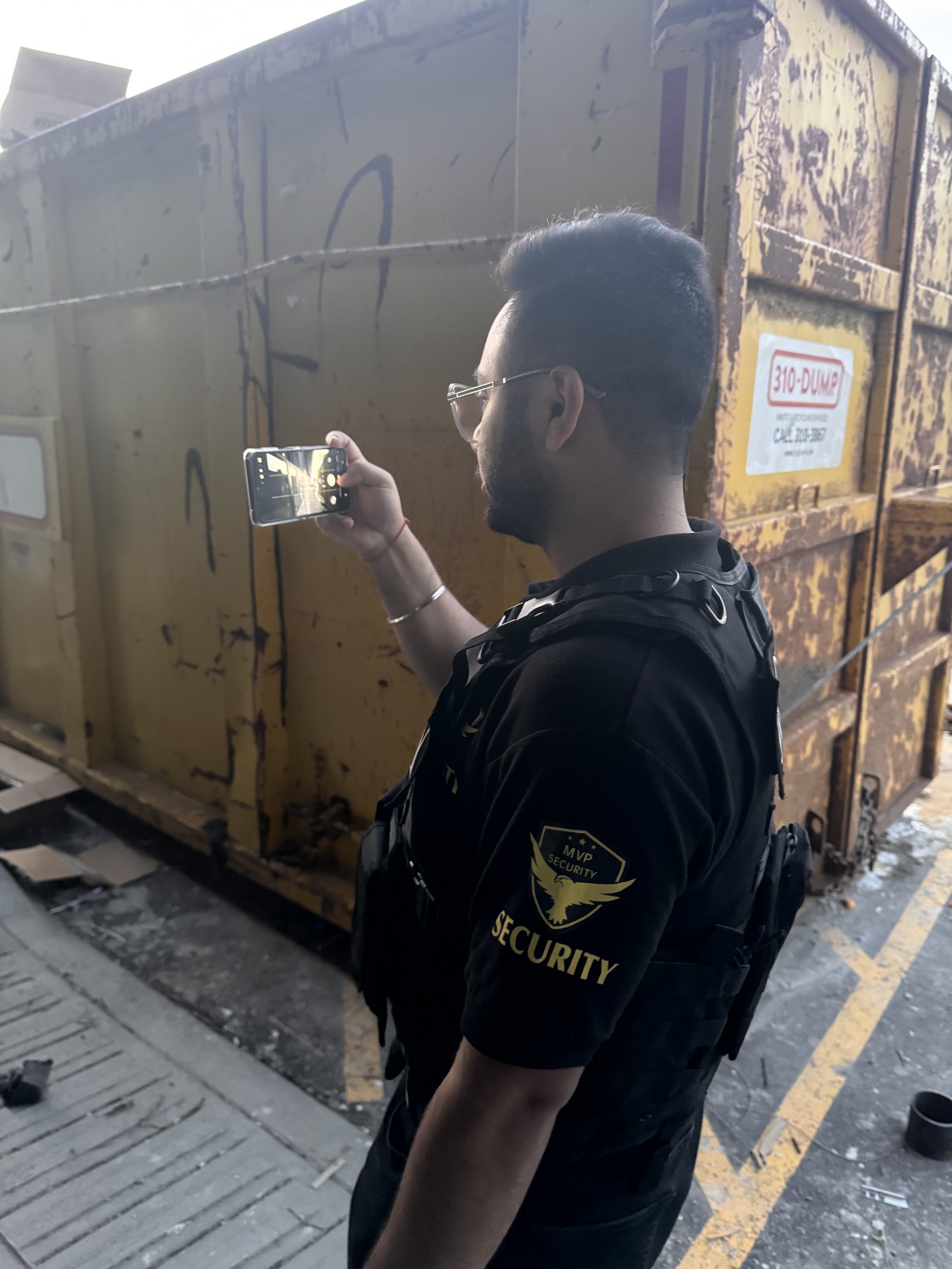
Mobile patrol works differently. It can be a strong fit for larger perimeters, lower-traffic sites, and properties that do not need someone standing at a post every minute of the day. Patrol officers can check gates, doors, fencing, parked vehicles, equipment laydown areas, and dark or isolated sections of the site. When patrols are GPS-tracked and supported by photo-documented reporting, the client can verify that checks were actually completed.
In many cases, the strongest approach is a mix. A site may use concierge or front access coverage during active hours, then transition to overnight patrol and alarm response once traffic drops. That kind of layered planning usually gives better value than paying for the same model 24 hours a day when the risk changes by the hour.
Why fast response matters as much as staffing
Coverage on paper is not enough. If a provider is slow to dispatch, hard to reach, or inconsistent with after-hours communication, the program starts to fail where it counts.
This is one reason local deployment matters. A security company serving Calgary and surrounding communities needs enough operational depth to respond quickly when a guard calls in sick, an alarm goes off, or a client needs same-day coverage. Decision-makers are not just buying scheduled shifts. They are buying reliability during the moments when plans change.
That is also where accountability separates serious providers from the rest. Detailed reports, photo documentation, shift logs, and clear escalation procedures give property managers and site supervisors something usable. If there is damage, attempted theft, trespassing, or a policy breach, they need a record they can act on, not a vague note that someone checked the site.
Compliance and training are not optional details
When buyers compare providers, price gets attention first. That is understandable, but low-cost coverage often becomes expensive when guards are not properly licensed, poorly supervised, or unclear on site procedures.
In Alberta, security work is regulated for a reason. Licensed guards, trained supervision, and SSIA compliance protect the client as much as the provider. The same applies to insurance, documented post orders, and role-specific training for fire watch, alarm response, mobile patrol, or concierge work. If a provider cannot explain how guards are briefed, tracked, and supervised, the risk sits with the client.
For higher-risk properties, this is especially important. Construction sites, industrial facilities, and public-facing venues need guards who can do more than stand visibly. They need to identify suspicious behaviour, follow reporting procedures, manage access points, and escalate appropriately without creating unnecessary conflict.
How site-specific planning keeps costs under control
One of the most common mistakes with 24 hour security coverage is overbuilding the plan in one area and underprotecting another. A property may pay for full-time static presence where mobile patrol would be enough, then overlook vulnerable periods like early morning access, deliveries, or overnight blind spots.
A better approach starts with a realistic site assessment. When do incidents usually happen? Which access points are most exposed? Is the issue theft, nuisance activity, unauthorized entry, fire watch compliance, or tenant safety? Does the site need a public-facing professional at a desk, or a patrol-based deterrent around the perimeter? Once those answers are clear, staffing can be matched to the actual risk.
For some clients, that means full 24/7 guard coverage. For others, it means targeted overnight security backed by alarm response and scheduled patrols. The point is not to sell the biggest package. The point is to keep the property protected without wasting budget on the wrong deployment model.
What buyers should ask before committing
If you are sourcing 24 hour security coverage, ask practical questions. How quickly can the company deploy in Calgary or nearby communities? How are patrols verified? What reporting will you receive after incidents or overnight checks? Are guards licensed in Alberta? Who supervises the site, and what happens if coverage needs to be changed on short notice?
You should also ask how the provider tailors service by property type. A good answer will sound operational, not generic. It should reference post orders, reporting standards, shift planning, escalation paths, and how the team handles the difference between daytime activity and after-hours risk.
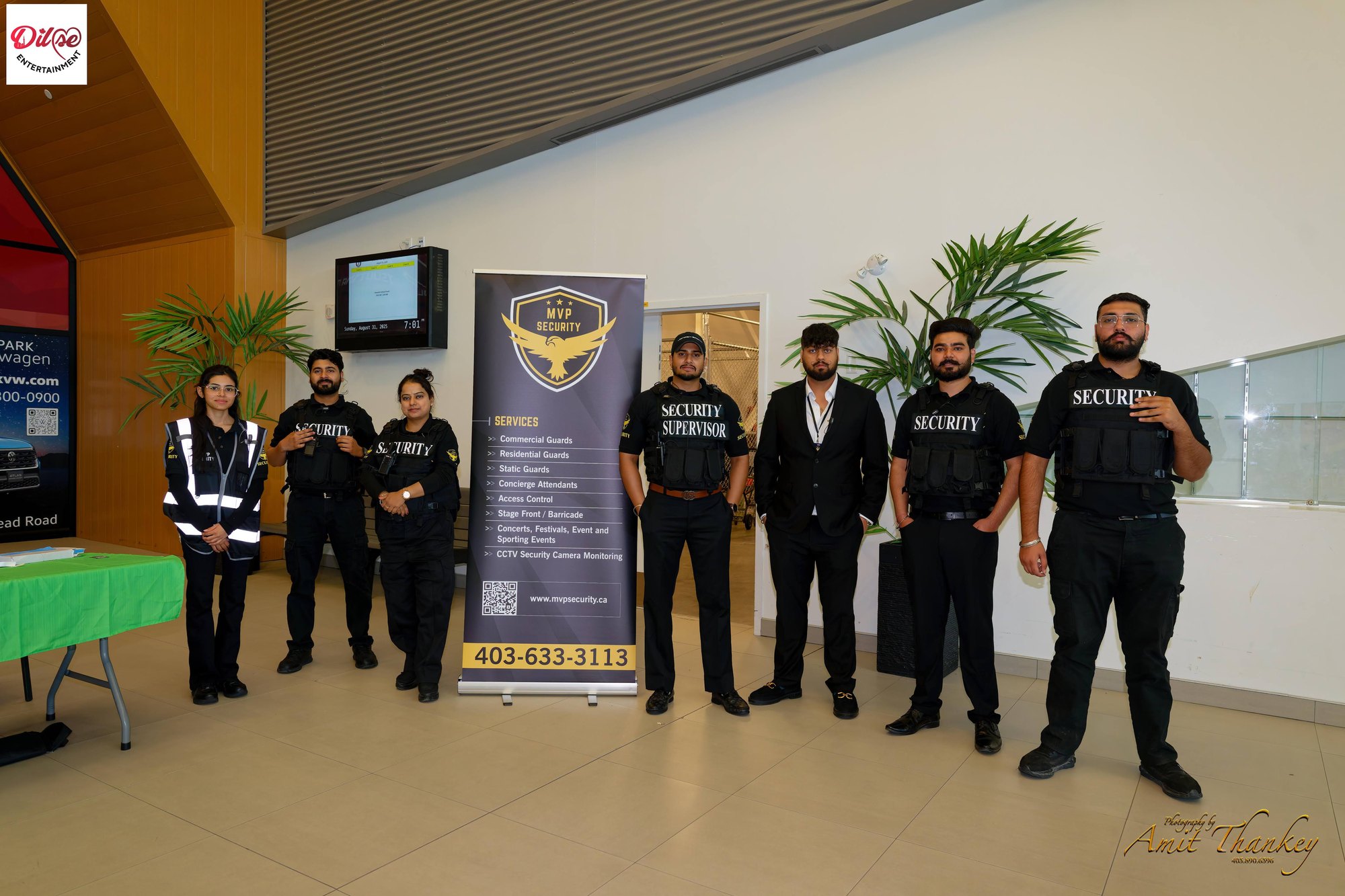
That is where a local company like MVP Security Inc. tends to stand out. The advantage is not just proximity. It is the ability to deploy quickly, document work clearly, and adjust coverage based on what the site actually needs.
24 hour security coverage is only as strong as the plan behind it
Continuous protection works when it is visible, documented, compliant, and built around the way a property really functions. It should reduce uncertainty for managers, create a clear deterrent on site, and give you confidence that someone is paying attention when your own team is off the clock.
If your current coverage leaves unanswered questions after an alarm, a break-in attempt, or an overnight incident, the issue may not be the idea of round-the-clock security. It may be the way the coverage was designed. The right plan feels less like extra staffing and more like operational control when the property needs it most.