


A building can look quiet after closing while still carrying real exposure. A propped rear door, unsecured rooftop hatch, unlocked service room, or person lingering in a loading area can become a costly issue long before the first employee arrives. An after hours building lockup patrol gives property managers and operators a documented way to confirm that their site is secure at the point when oversight usually drops off.
For Calgary commercial properties, multi-residential buildings, industrial yards, retail locations, and active construction projects, lockup is not simply a walk around the block. It is a scheduled security procedure built around the site’s access points, operating hours, known vulnerabilities, and escalation requirements. The goal is straightforward: identify problems early, create visible deterrence, and leave a clear record of what was checked and what action was taken.
What an after hours building lockup patrol covers
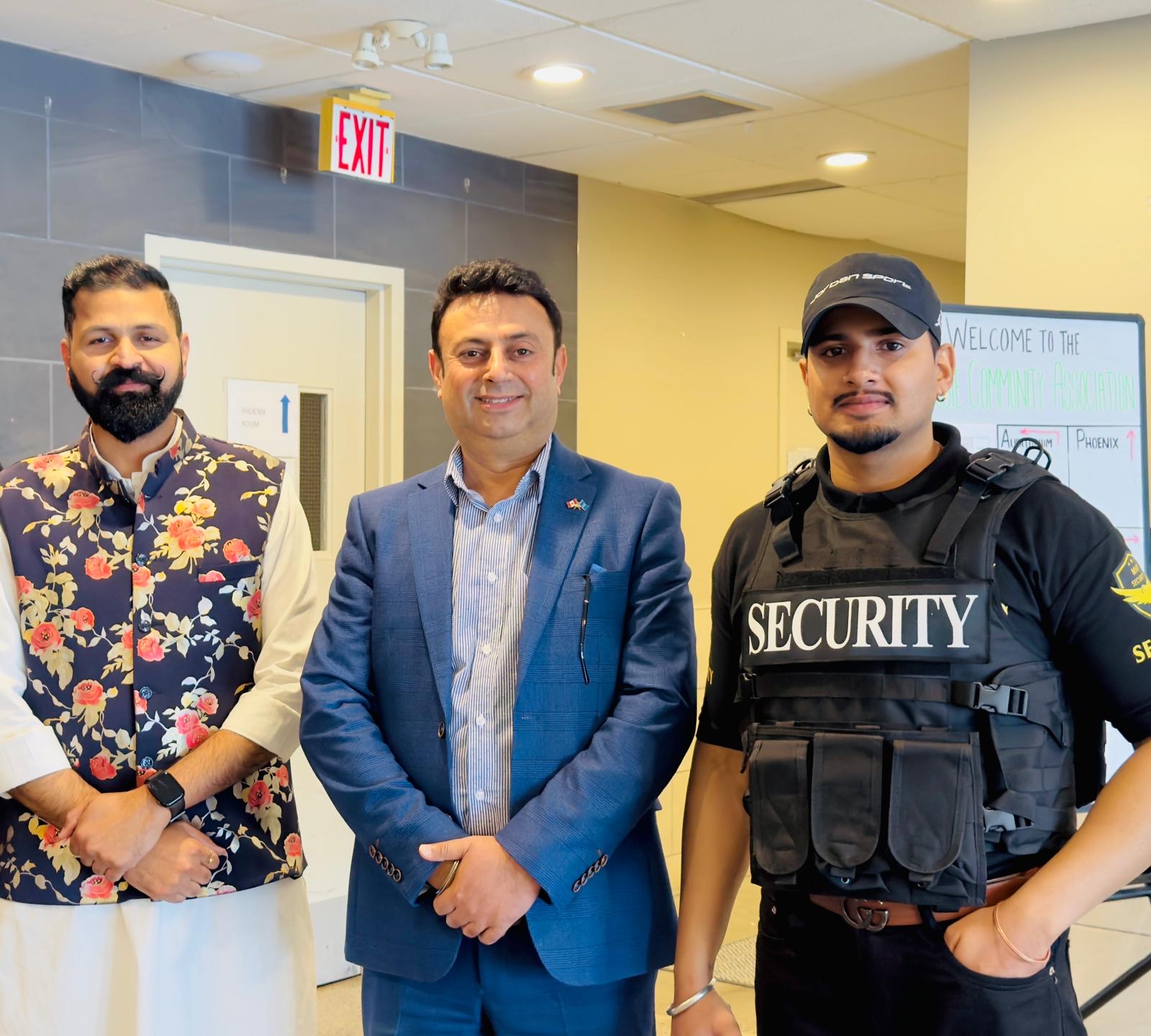
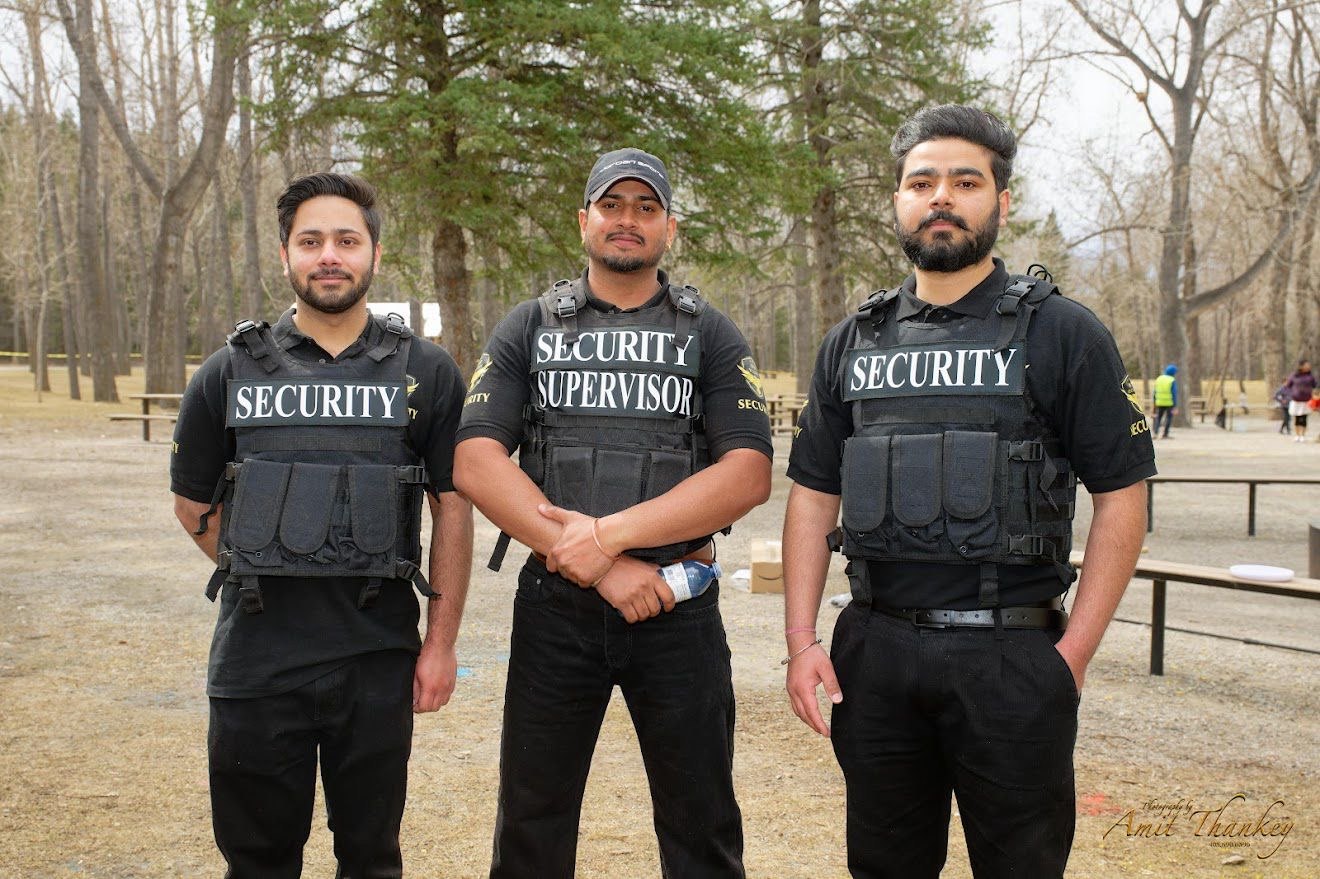
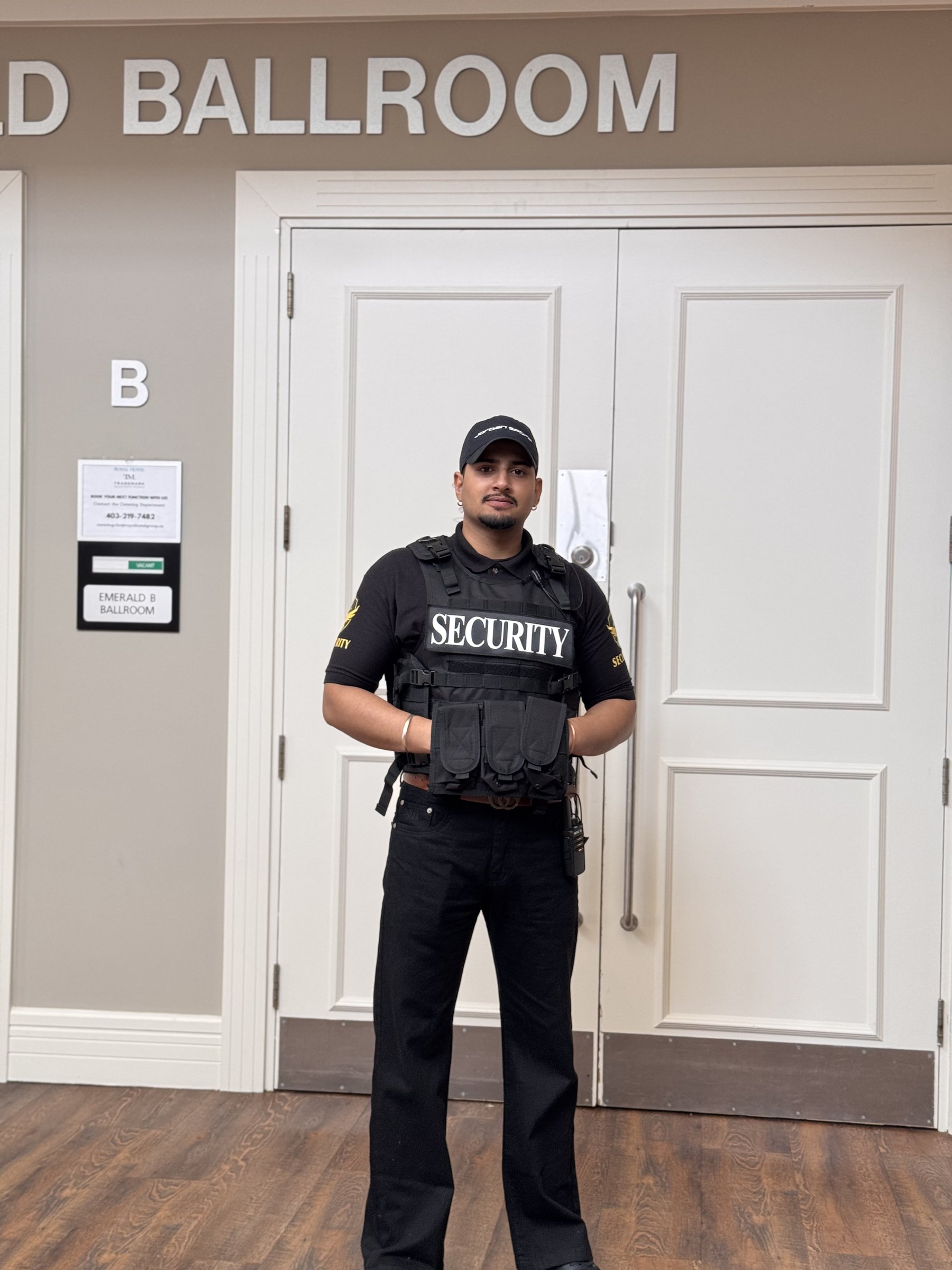
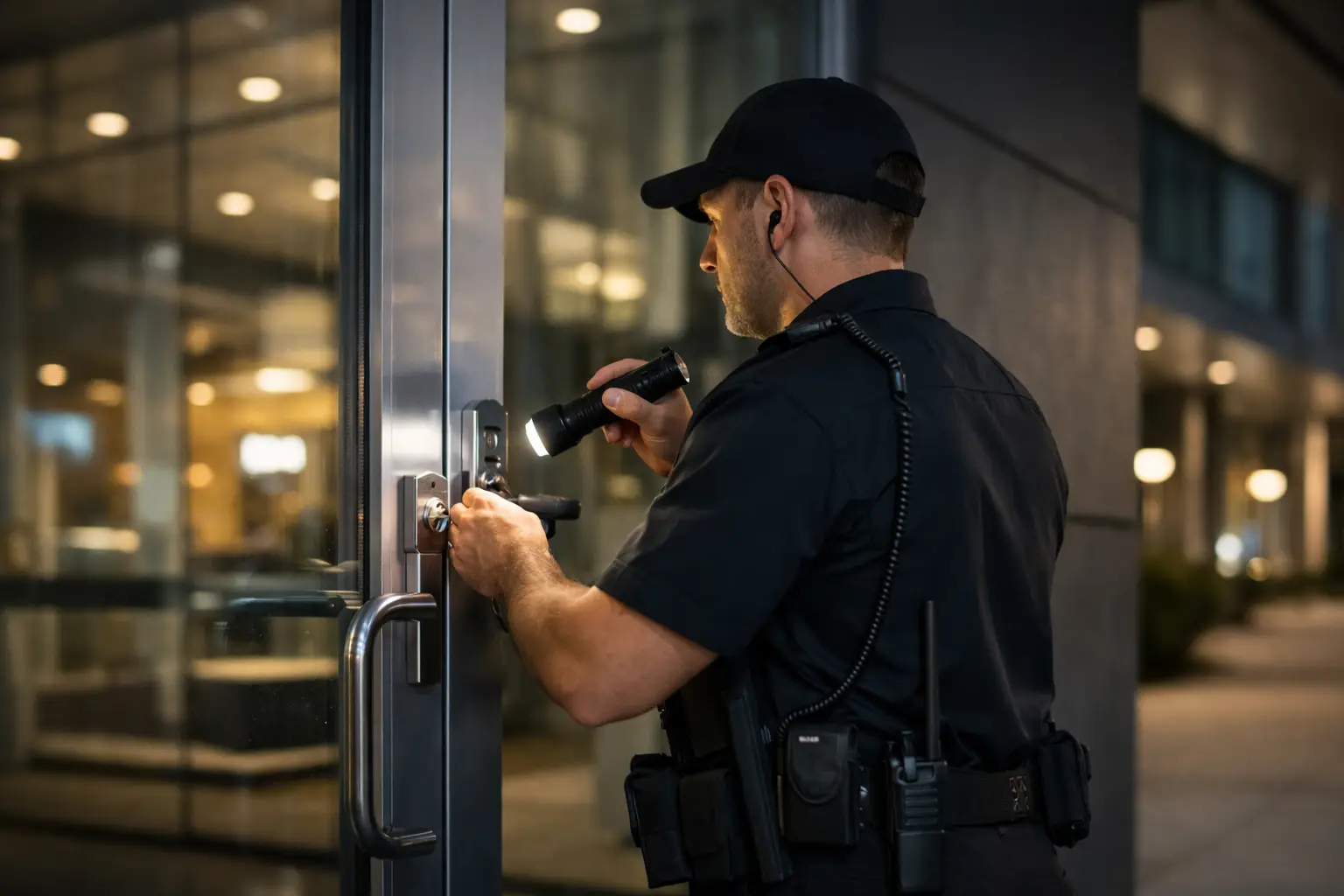
The scope of a lockup patrol depends on the property, but it should begin with a site-specific checklist rather than assumptions. A trained, Alberta-licensed security guard attends at the agreed time, checks designated exterior and interior areas where access is authorized, and confirms that doors, gates, windows, fencing, and common areas are in the expected condition.
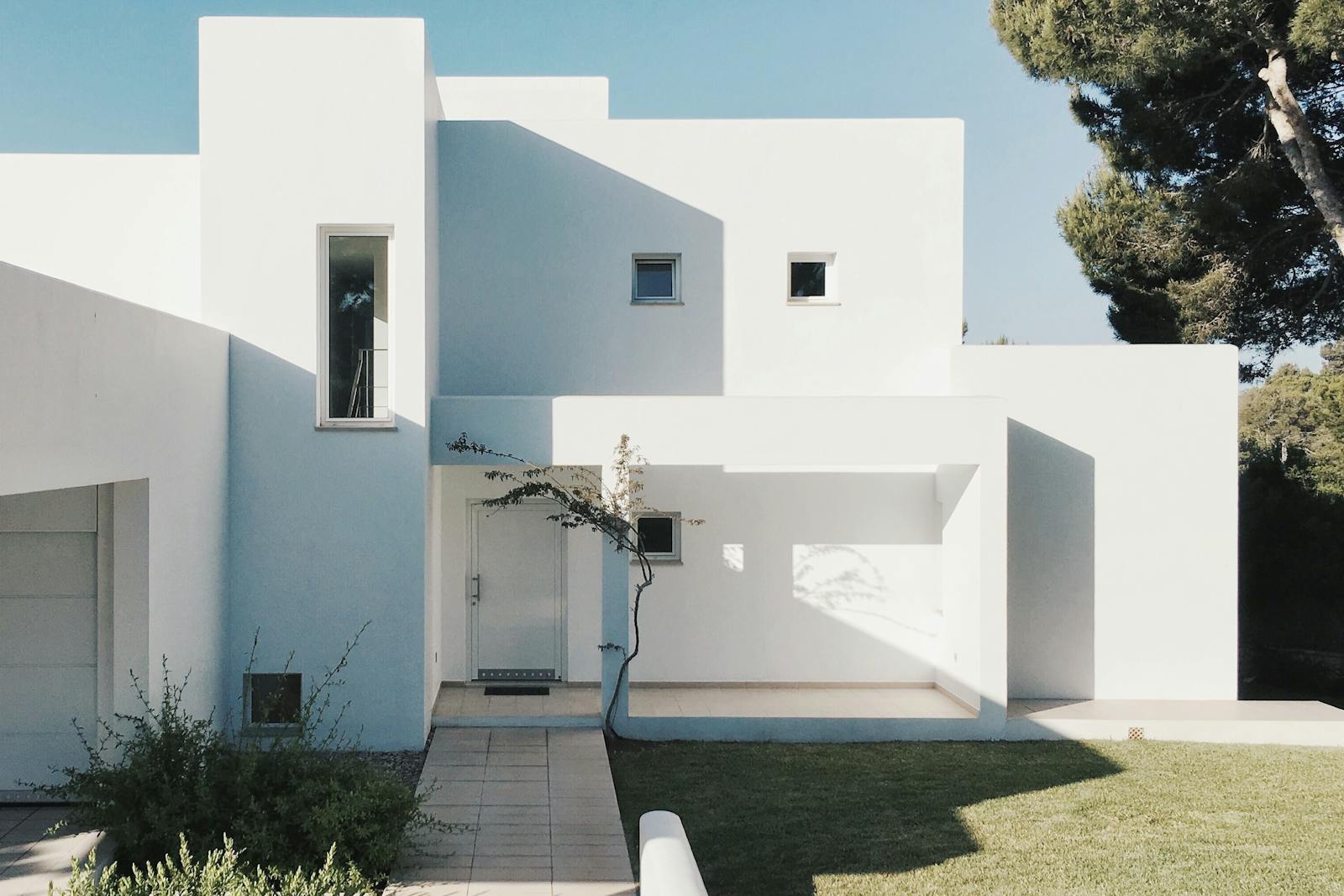
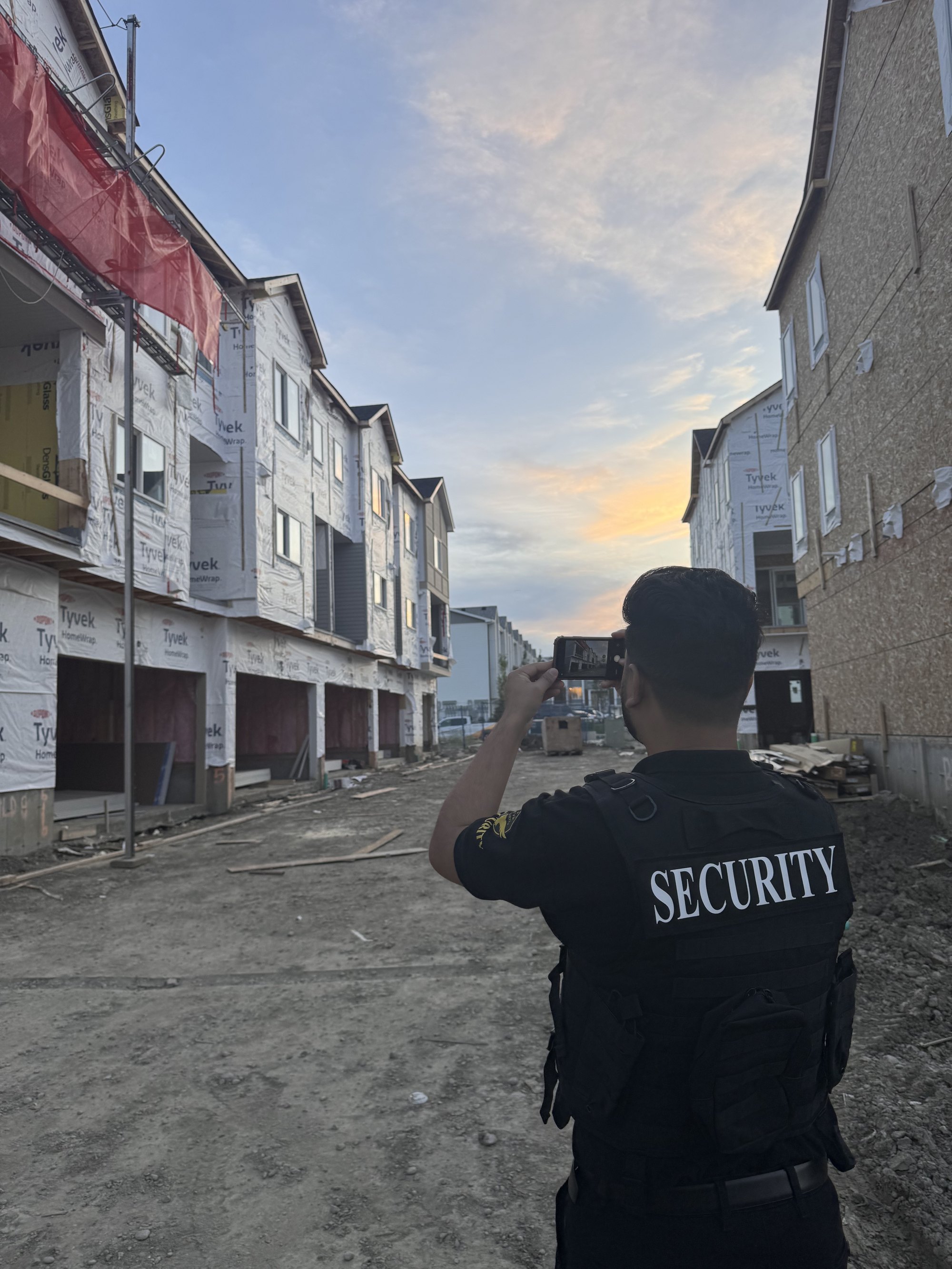
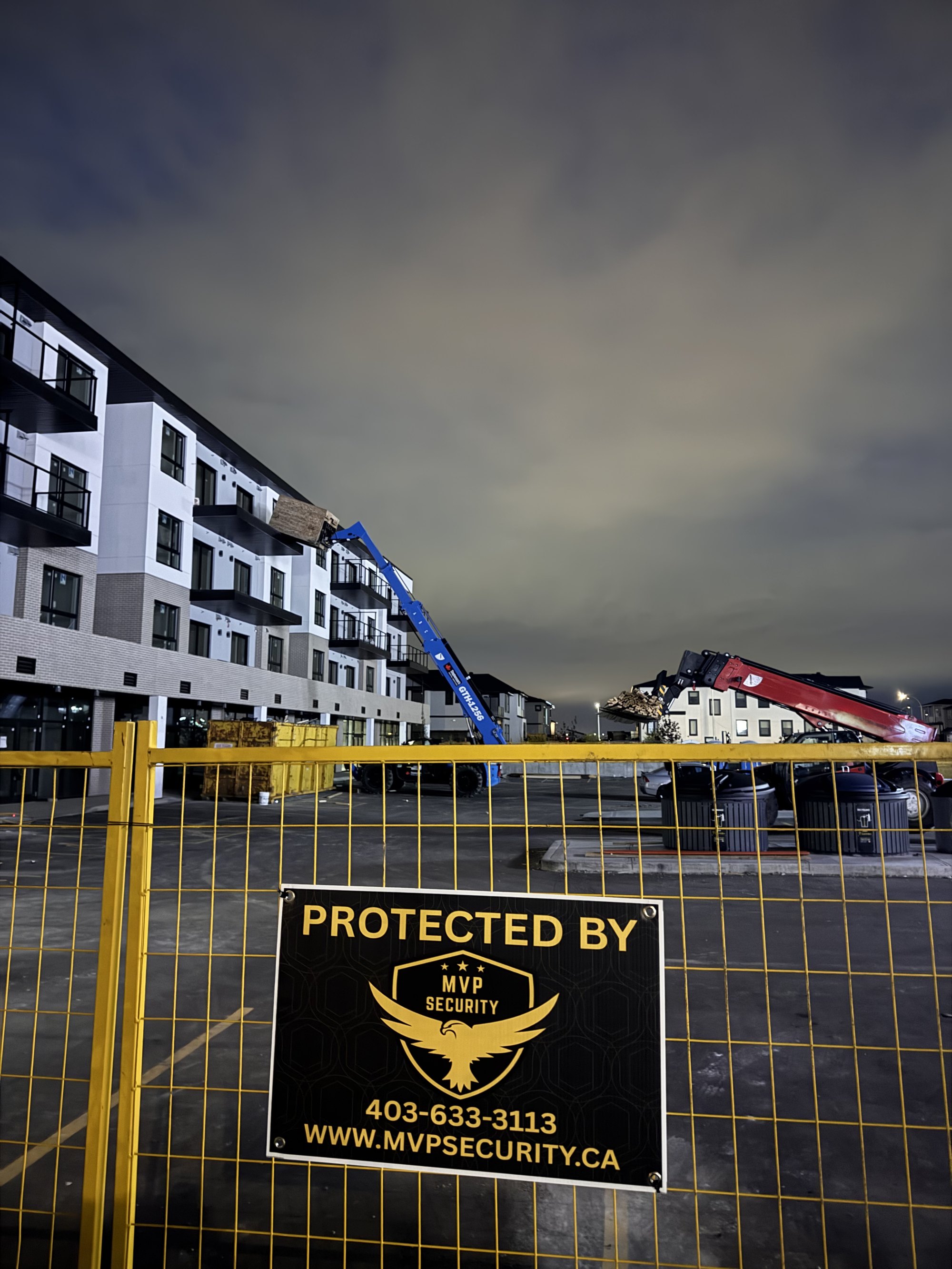
At a typical commercial building, this can include front and rear entrances, loading doors, parkade access, stairwell exits, utility rooms, rooftop access, garbage enclosures, tenant corridors, and the perimeter. At an industrial or construction location, the focus may shift to gates, equipment storage, fuel areas, laydown yards, portable offices, and temporary fencing. A condo or apartment property may need attention around parkades, mail areas, fitness rooms, amenity spaces, and side entrances.
The strongest patrol programs do not treat every door equally. A rear delivery entrance used by multiple contractors deserves a different level of attention than a locked office suite on the third floor. Patrol instructions should reflect how people actually move through the site, where incidents have occurred, and which areas create the greatest liability if they are left unsecured.
Why lockup checks prevent more than break-ins
Unauthorized entry is a major concern, but it is not the only reason to schedule patrol coverage. An open door may expose confidential material, tenant property, tools, inventory, or restricted areas. It can also create a safety concern if an unauthorized person enters a mechanical room, parkade, vacant unit, or active work area.
A lockup patrol can also identify conditions that need prompt attention, such as damaged fencing, a malfunctioning gate, broken glass, water leaks, unsafe debris near an entrance, or lighting that has failed in a high-traffic area. Not every finding requires an emergency response. However, seeing it overnight instead of discovering it at 8 a.m. gives the responsible contact more options.
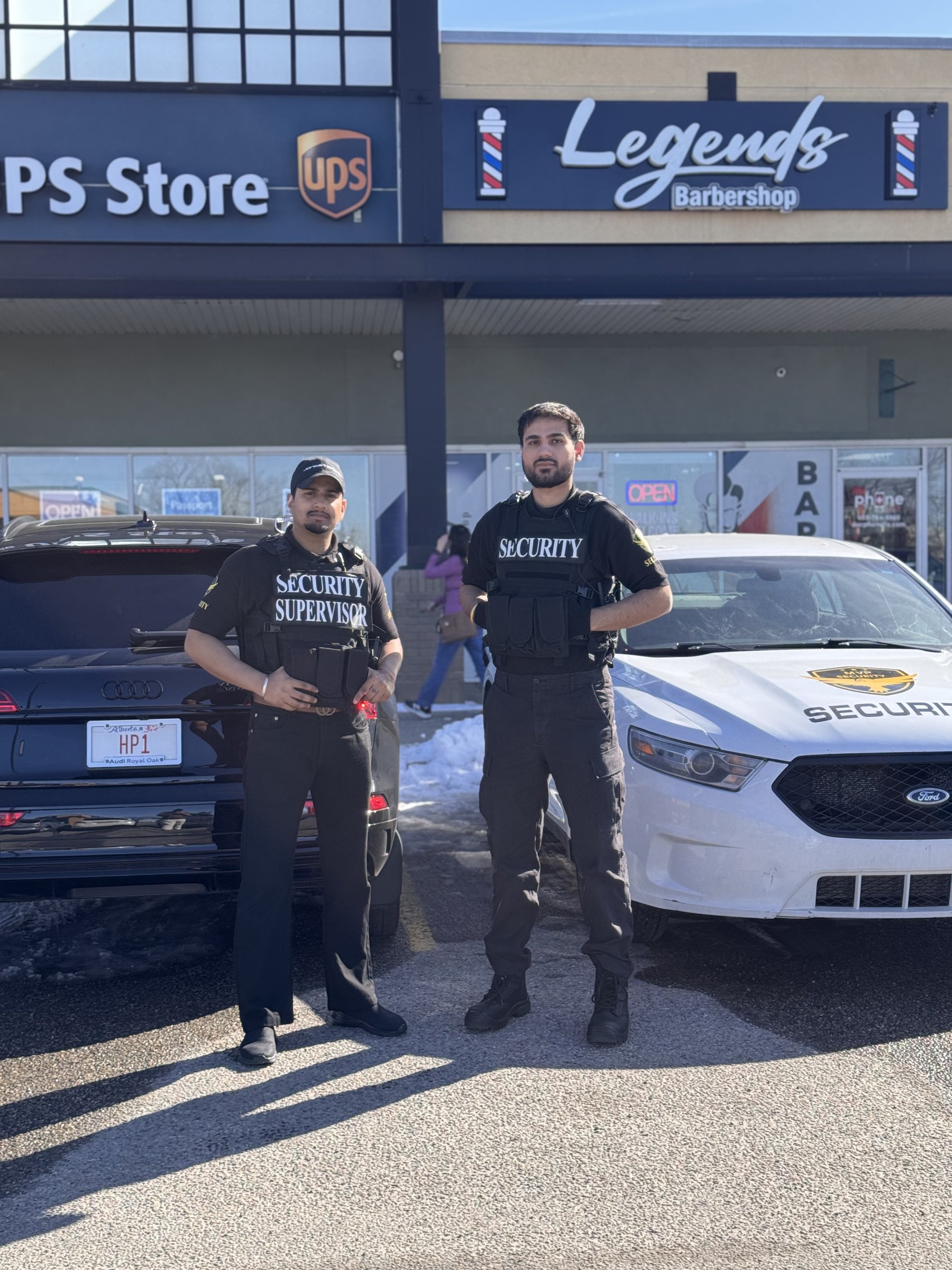
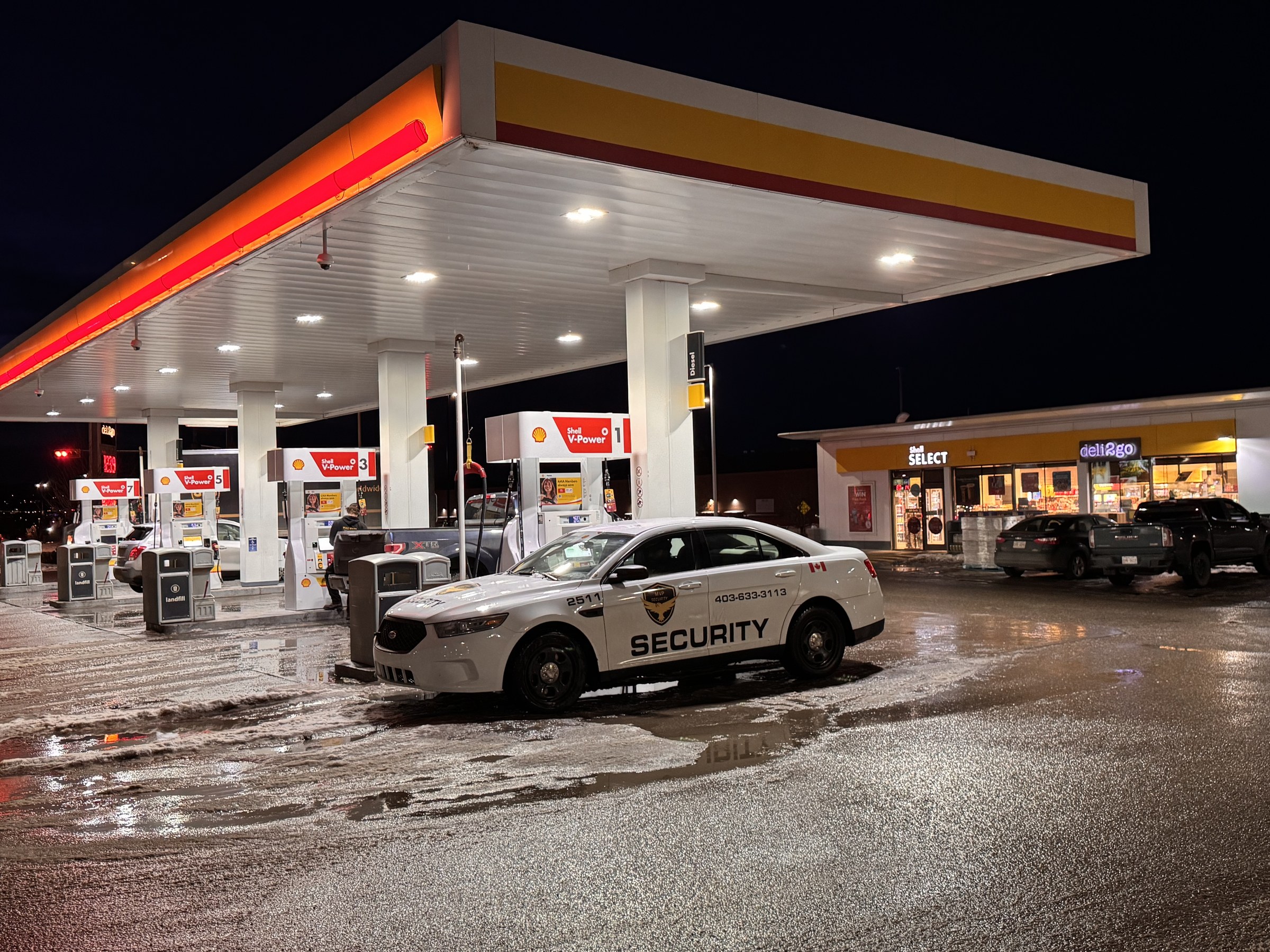
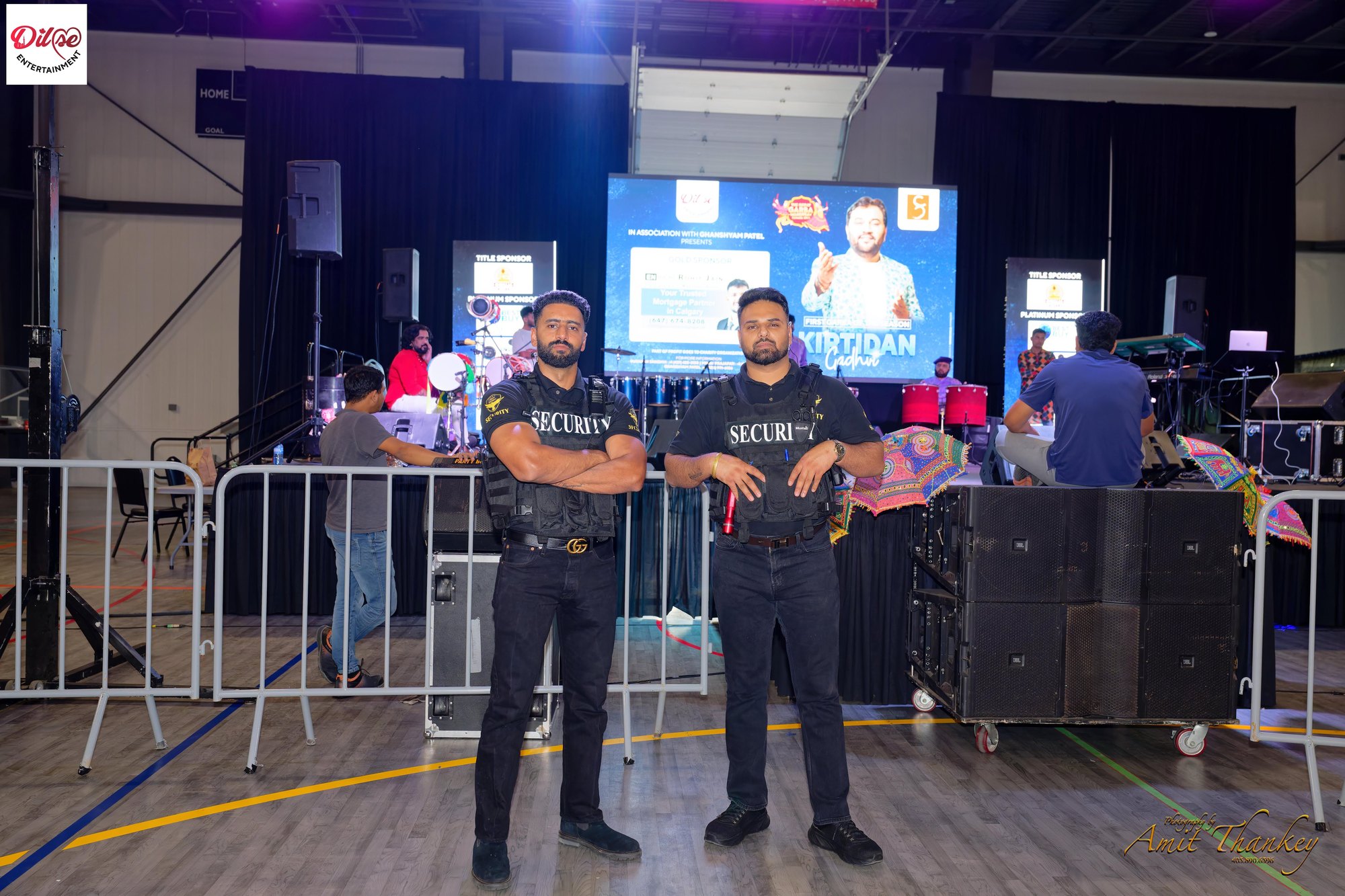
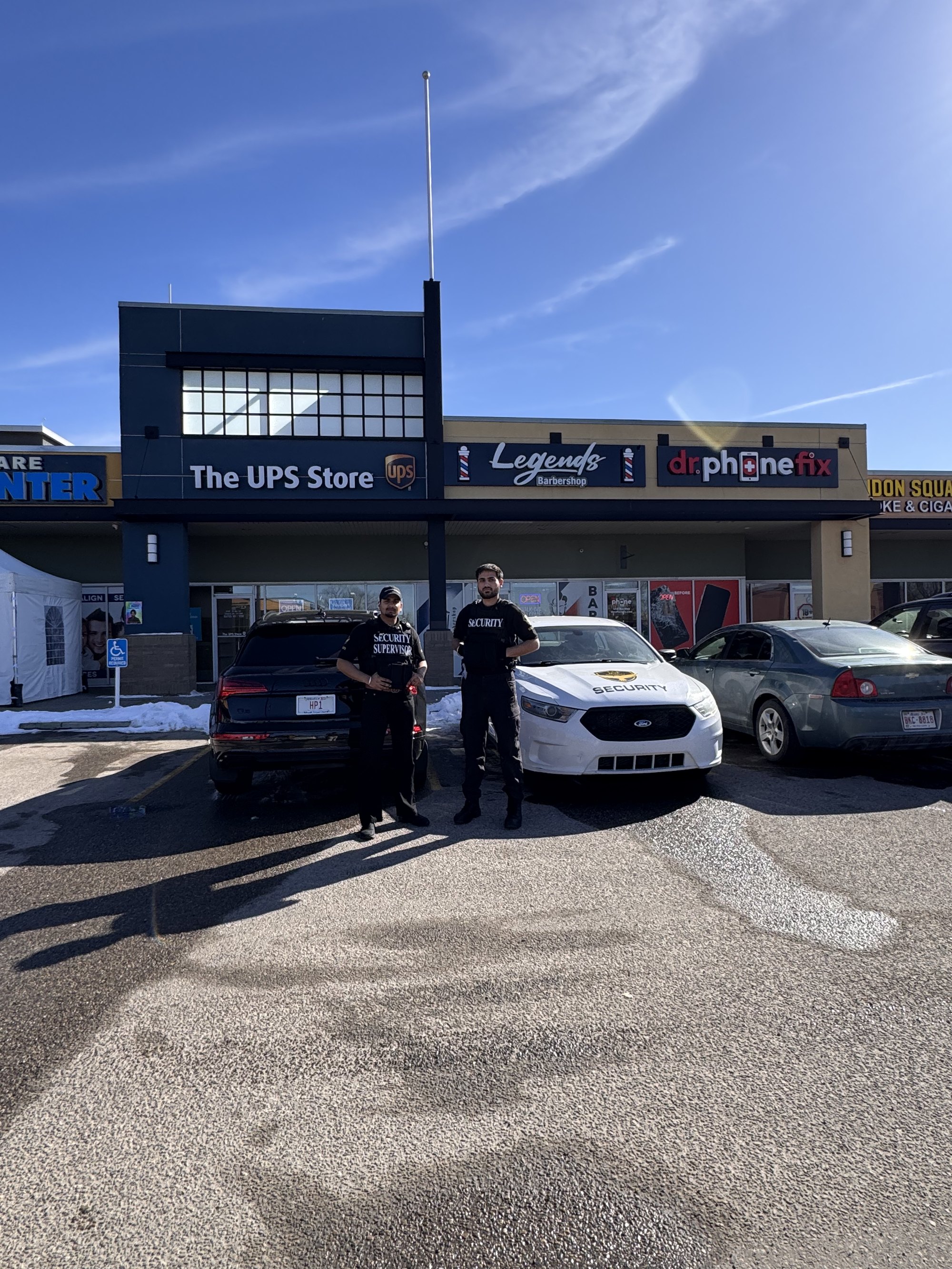
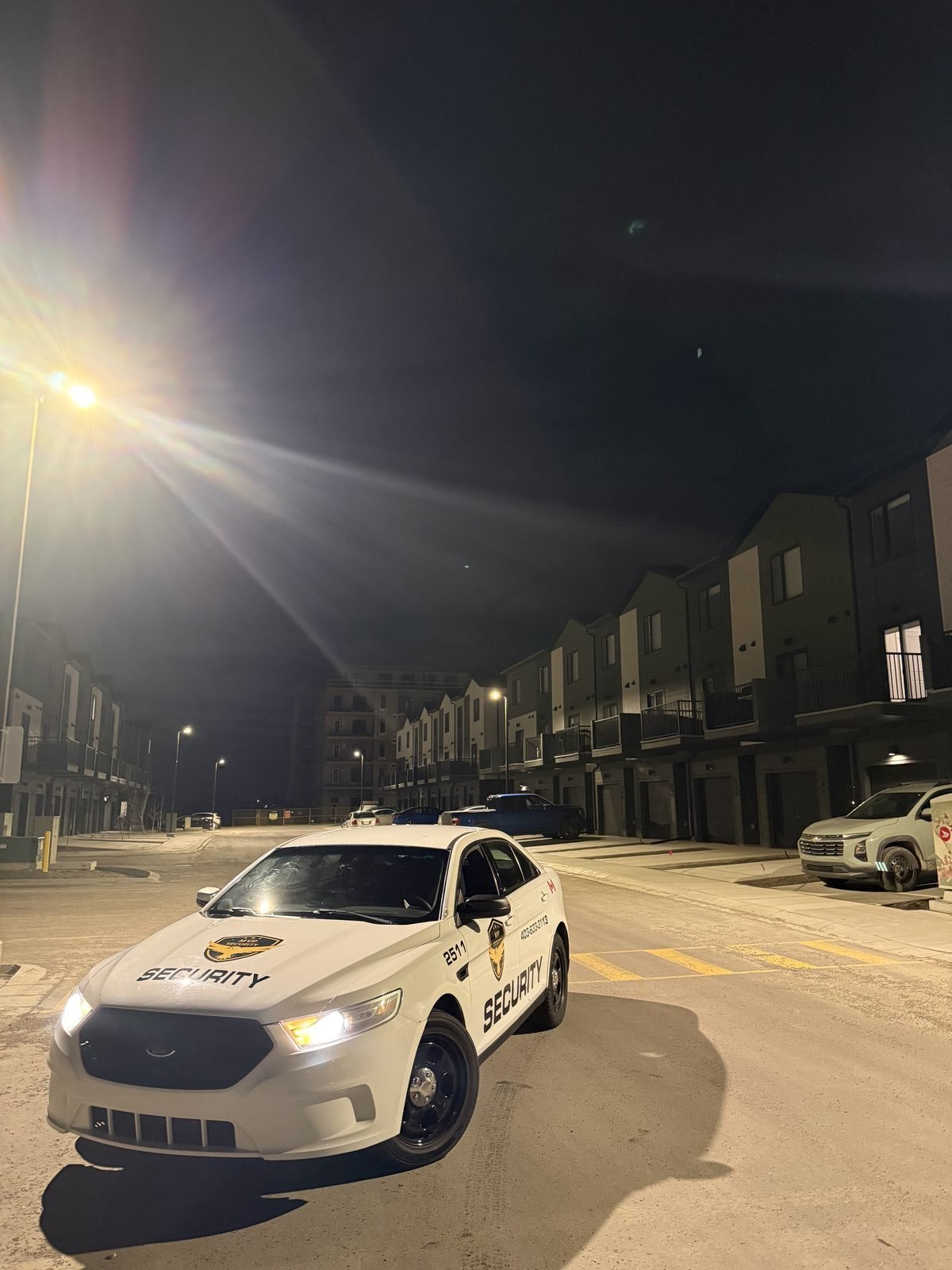
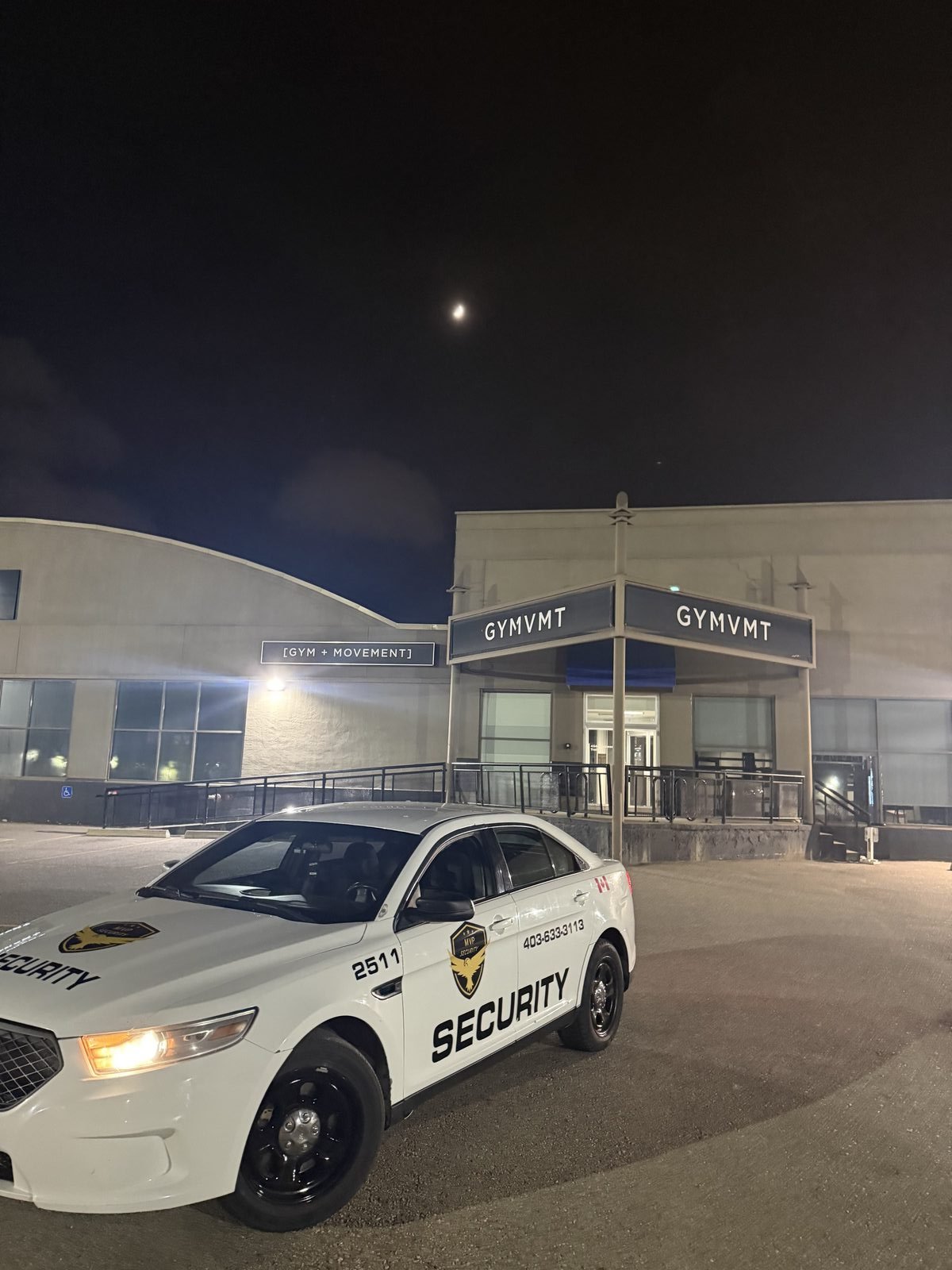
Visible mobile patrol vehicles and uniformed guards also change the risk calculation for opportunistic trespassers, vandals, and thieves. This is particularly relevant for properties that close at predictable times or sit vacant overnight. A patrol schedule should not be so predictable that it becomes easy to work around, but consistent coverage still establishes that the property is actively monitored.
The difference between a drive-by and a documented patrol
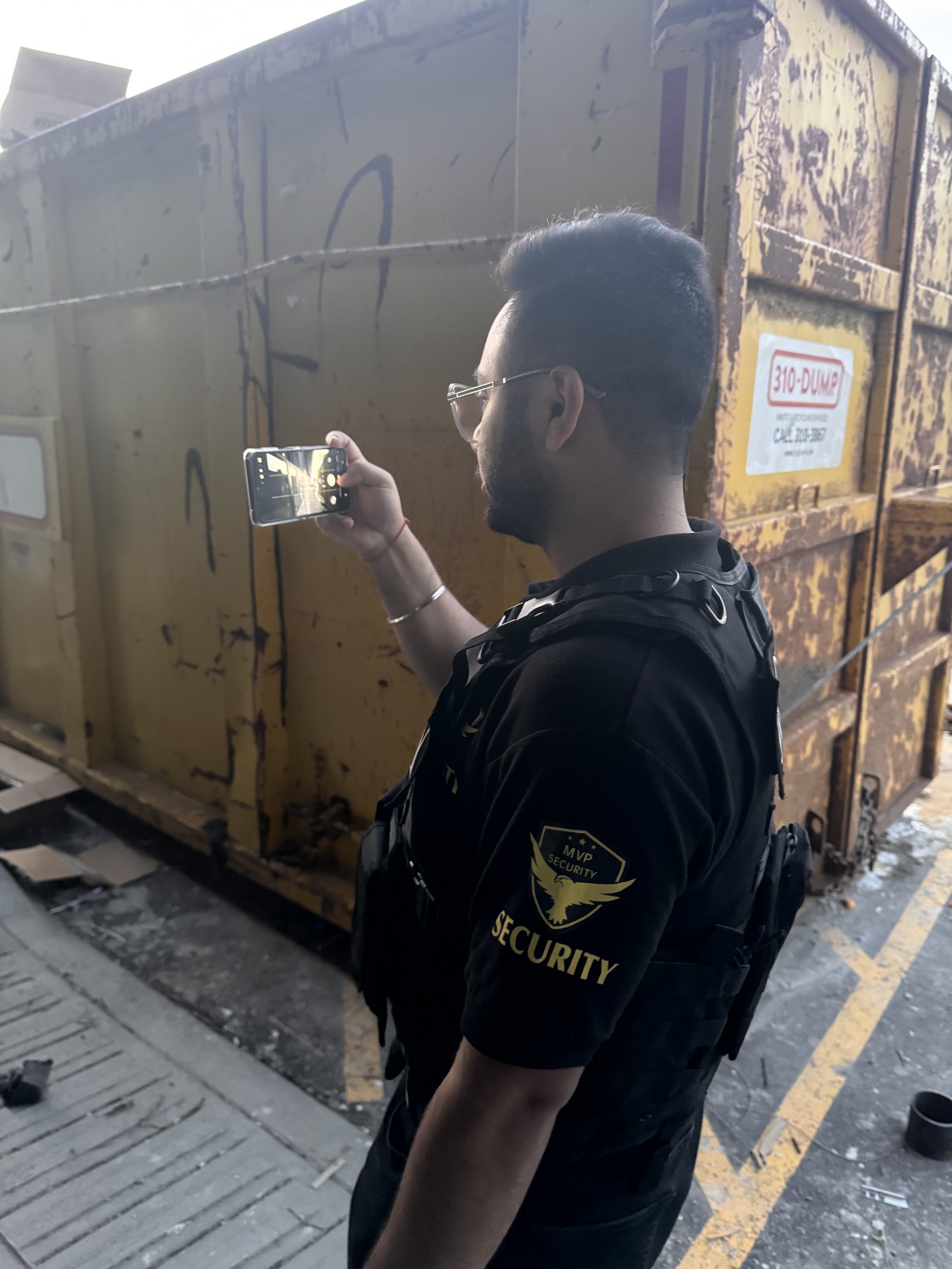
A security provider should be able to show what occurred during a patrol, not just state that someone attended. GPS-tracked activity, time-stamped reporting, and photo documentation where appropriate give managers a usable record for operational follow-up, insurance discussions, tenant communication, and contractor accountability.
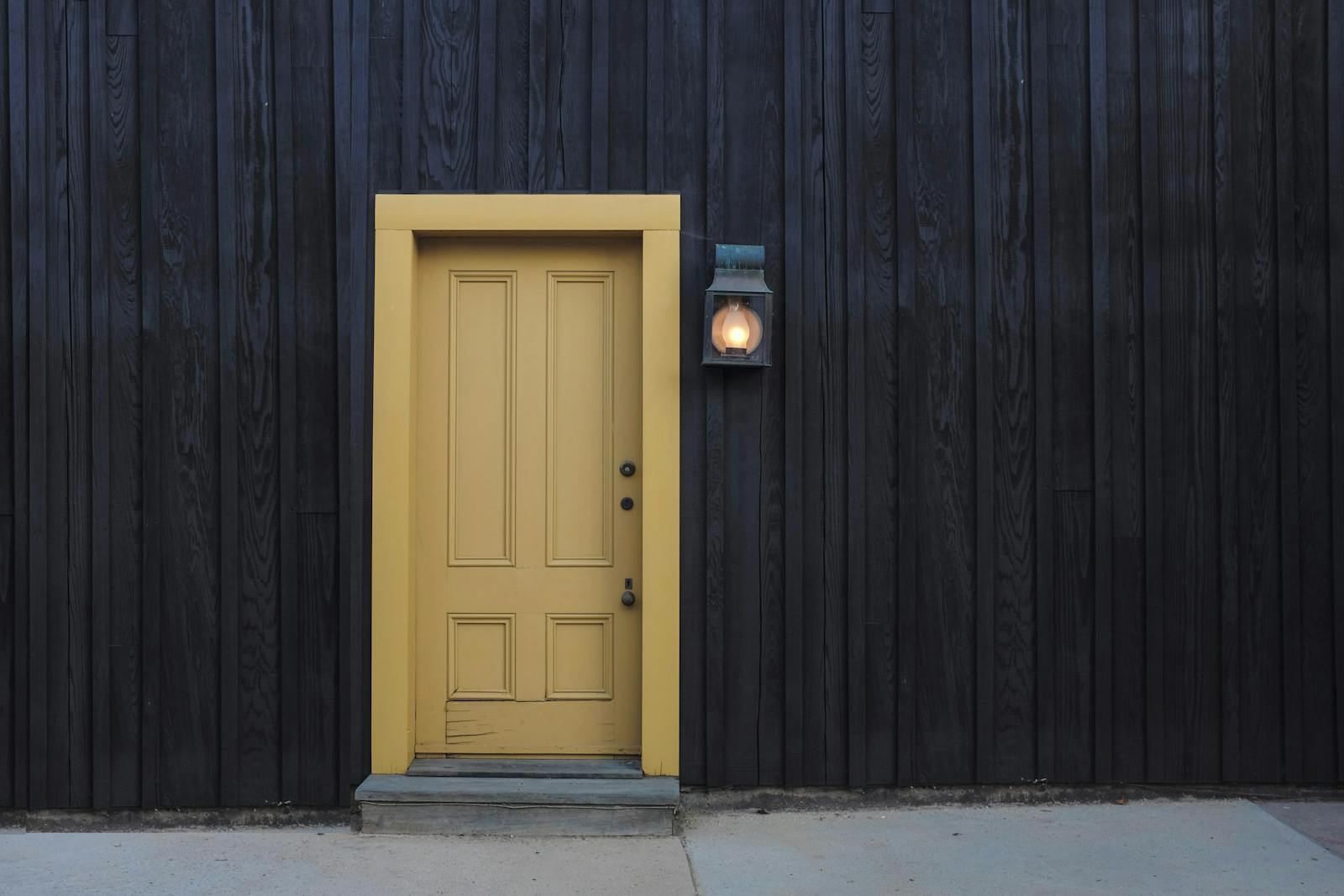
For example, if a guard finds an unsecured side door, the report should identify the location, time, observed condition, action taken, and whether the designated contact was notified. If the door can be secured safely, that should be documented. If it cannot, the patrol plan may require the guard to remain on site, request additional coverage, contact building maintenance, or involve police when there is evidence of a break-in or immediate threat.
This accountability matters when multiple parties share responsibility for a building. Property managers may oversee the common areas, while tenants control their suites, contractors access certain rooms, and maintenance teams hold keys or codes. Clear reports reduce the guesswork the next morning. They also help identify patterns, such as the same loading door being left unsecured after deliveries or the same gate repeatedly failing to latch.
Building the right lockup schedule
There is no single patrol frequency that suits every property. A small professional office building with limited evening traffic may need one verified lockup check after tenants leave. A retail plaza with a history of loitering, a construction site with valuable equipment, or an industrial yard with several access points may need multiple patrols through the night.
The right schedule depends on closing times, occupancy, property size, nearby activity, alarm coverage, previous incidents, and the consequence of an access failure. A site with monitored alarms may still benefit from patrol service. An alarm generally responds after a triggering event; a lockup check can identify an unsecured condition before it becomes an alarm call, break-in, or safety incident.
Cost is also a practical consideration. Permanent static guard coverage provides continuous on-site presence, but it is not necessary for every building. Mobile patrol can be a cost-effective option where the primary requirement is scheduled checks, visible deterrence, alarm response, and clear reporting. Where risk rises during certain periods, coverage can be adjusted for weekends, holiday closures, tenant move-outs, renovations, or seasonal construction work.
Questions to settle before service begins
A useful lockup plan identifies who has authority to provide access, who receives incident notifications, and what the guard may do if an issue is found. It should also define restricted areas, key or fob procedures, alarm-panel instructions, approved contractor activity, and escalation contacts.
Property managers should be specific about recurring issues. If people regularly cut through a parkade, if a former tenant has not returned keys, or if a fence line is vulnerable near a transit stop, those details should be part of the patrol instructions. The best security coverage is practical because it reflects the site’s actual conditions, not a generic checklist.
When a patrol finds a problem
The response should match the situation. A door that was accidentally left open may be secured and reported. Signs of forced entry, an active trespasser, fire risk, medical emergency, or immediate threat require a different response, including contact with emergency services when appropriate.
Professional guards should work within clear post orders and avoid creating unnecessary risk. They observe, assess, communicate, preserve the scene when needed, and escalate according to the client’s instructions and applicable law. That measured approach is especially important when guards encounter people sheltering in an entryway, individuals affected by substance use, or an uncertain disturbance in a parkade. The objective is to protect people and property while keeping the response lawful, calm, and properly documented.
For alarm events, patrol officers can attend the property, assess the exterior and authorized areas, meet police or fire personnel if required, and provide the client with a clear report. This can reduce the burden on a manager who would otherwise need to leave home in the middle of the night without knowing what they are walking into.
Local coverage makes a practical difference
After-hours security is time-sensitive. A provider that understands Calgary and surrounding communities can plan patrol routes, account for weather and road conditions, and dispatch support without relying on a distant operations centre. For clients in Airdrie, Cochrane, Chestermere, Okotoks, and High River, the same principle applies: coverage must be designed around realistic response expectations, not vague promises.
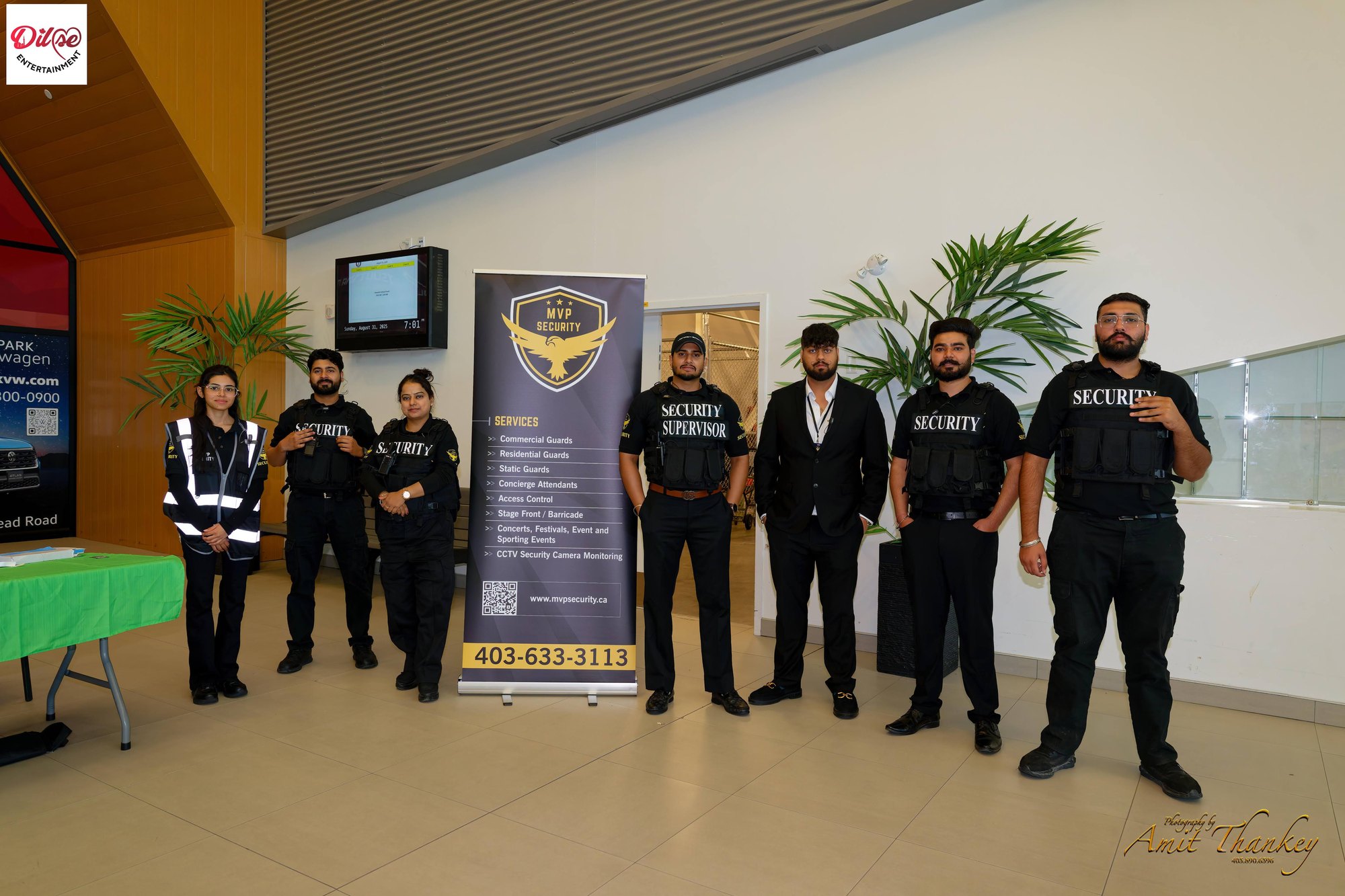
MVP Security builds lockup patrol programs around the property’s hours, risk points, budget, and reporting requirements. That may mean a single nightly closing check, rotating overnight patrols, alarm response integration, or added coverage during a known high-risk period. The service should be easy to review because the activity, observations, and follow-up are documented.
A lockup patrol is most valuable when it becomes part of how a property is managed, not an afterthought following an incident. Start with the doors, gates, spaces, and hours that create exposure, then set a response plan your team can rely on when the building is empty.