




















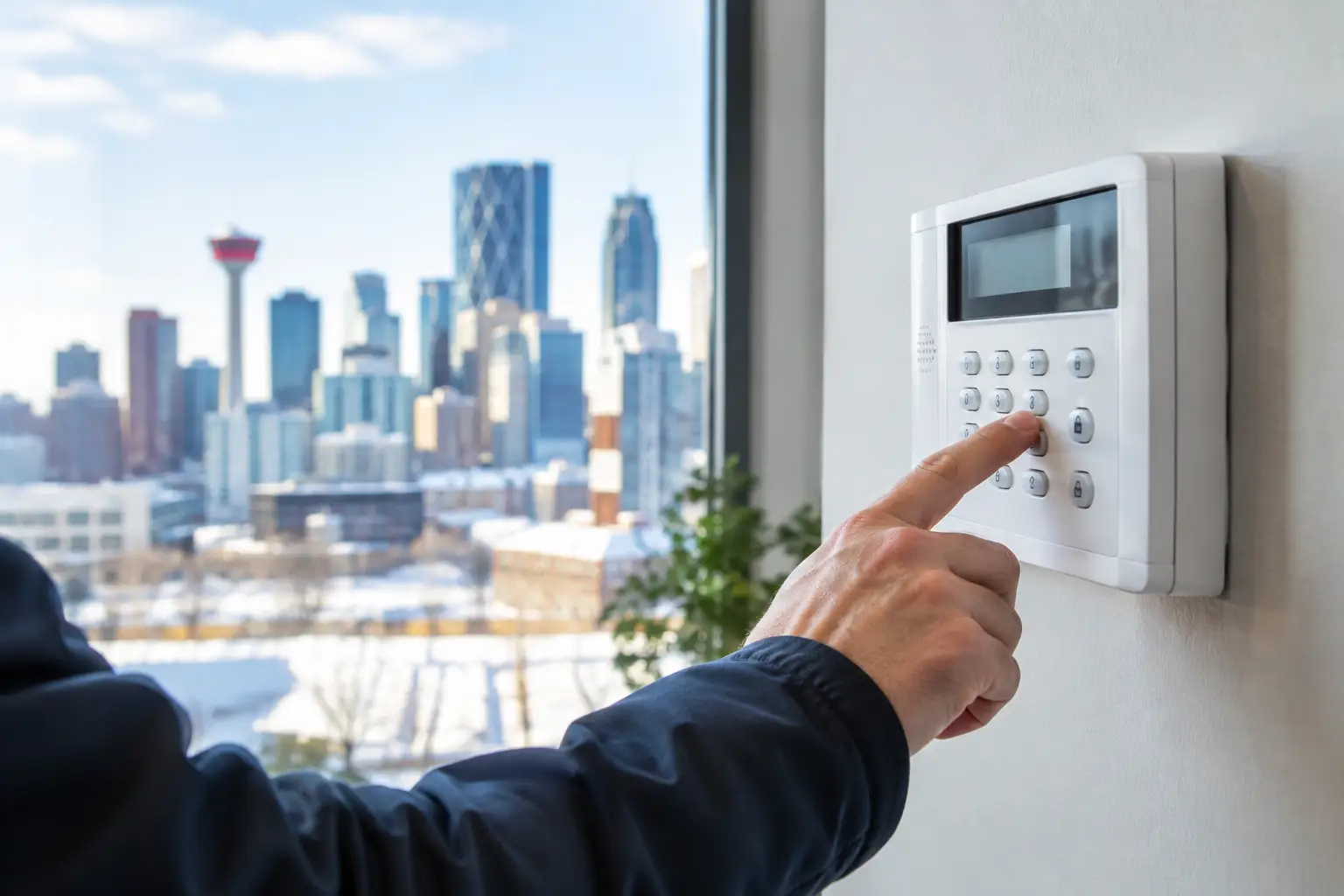
An alarm at 2:15 a.m. does not automatically mean a break-in. It may be a delivery door left unsecured, a faulty motion detector, a tenant mistake, or a genuine attempt to enter the property. Effective alarm activation procedures give property teams a disciplined way to determine the difference without putting staff, tenants, or responding personnel at unnecessary risk.
For Calgary property managers, construction supervisors, retail operators, and building owners, the goal is not simply to silence an alarm. The goal is to protect people first, preserve the scene when a crime may have occurred, secure the site quickly, and document what happened well enough to support next steps.
Why alarm activations need a defined response plan
An alarm creates pressure. A monitoring centre may need a decision immediately. A manager may be called outside business hours. A site can be vulnerable if a door, gate, glass panel, or access point has been compromised.
Without a clear plan, common problems follow: an untrained employee attends alone, responders enter a potentially unsafe building, police are called without enough site information, or damage is discovered but not documented. The result can be longer exposure to theft, delayed repairs, disputed events, and avoidable liability.
A site-specific response plan removes guesswork. It identifies who receives alarm notifications, who can authorize a response, when police should be contacted, how keys or credentials are controlled, and what must be reported before the event is closed. The right procedure will vary by property. A vacant construction site needs a different response than an occupied condo building or a retail storefront with high-value inventory.
Alarm activation procedures: the first actions
The first rule is straightforward: do not treat an alarm as a routine callout. Until the cause is confirmed, assume there may be an active safety or security concern.
The monitoring centre or designated contact should first confirm the alarm type, zone, time of activation, and available site details. A perimeter alarm, glass-break sensor, fire panel signal, panic alarm, and interior motion detector require different decisions. If CCTV is available, live or recorded footage can provide valuable context, but it should not replace a physical assessment when a breach is possible.
The authorized decision-maker should then determine whether police, fire services, emergency medical support, or a licensed security response is required. Where there are signs of forced entry, visible suspects, an active threat, smoke, fire, or an unverified panic alarm, emergency services should be contacted immediately. Staff should never be directed to investigate an active threat on their own.
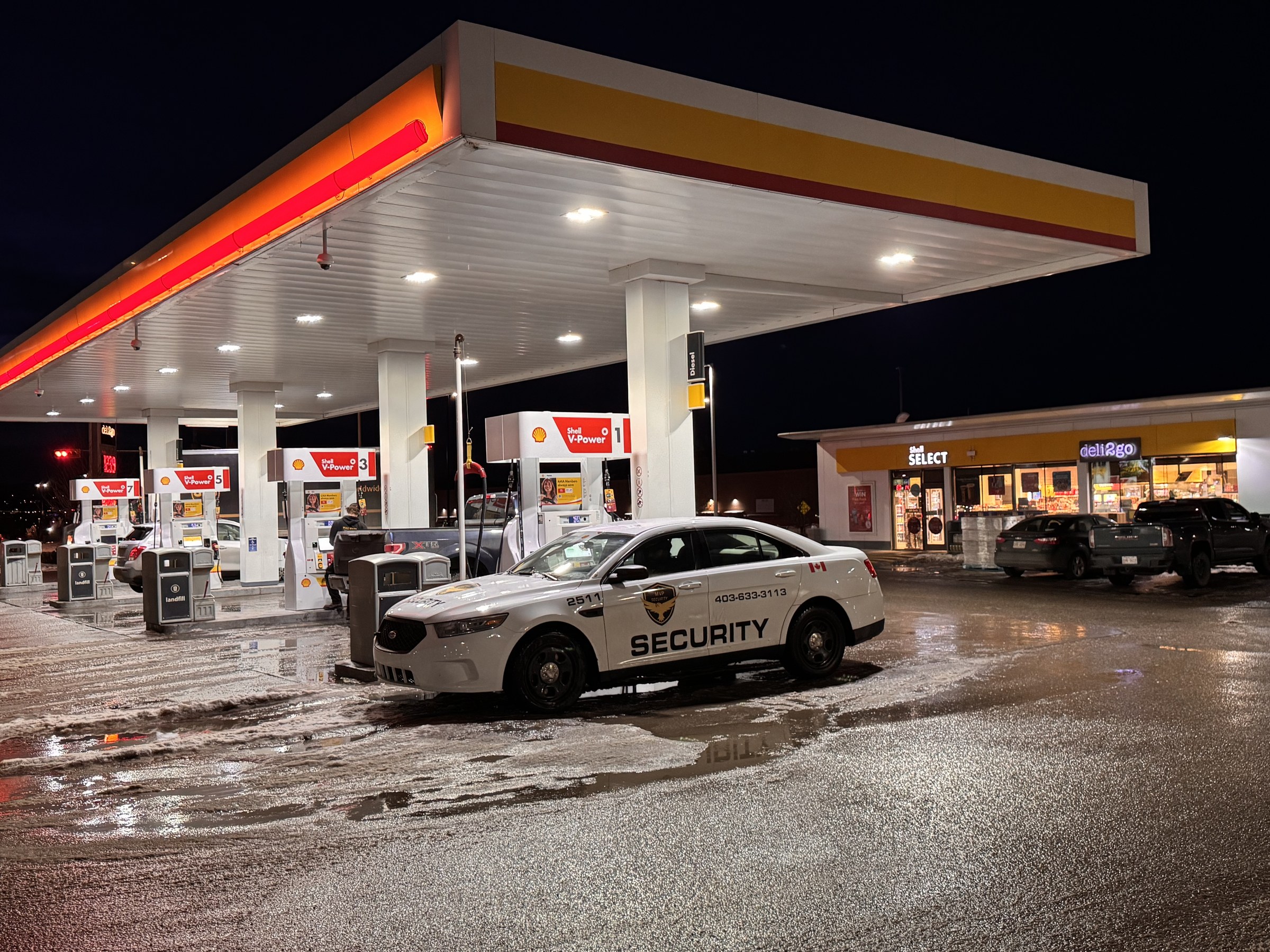
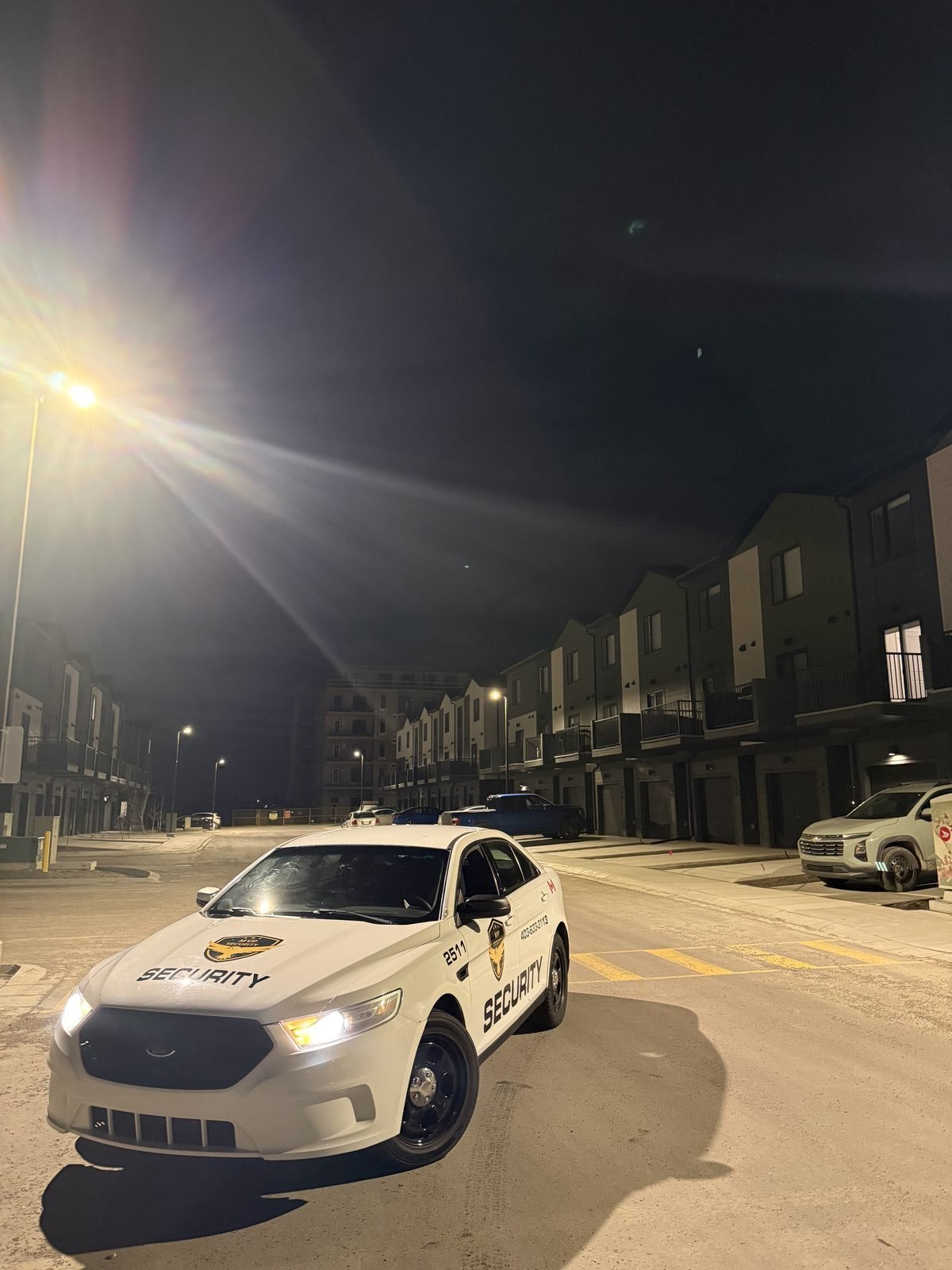
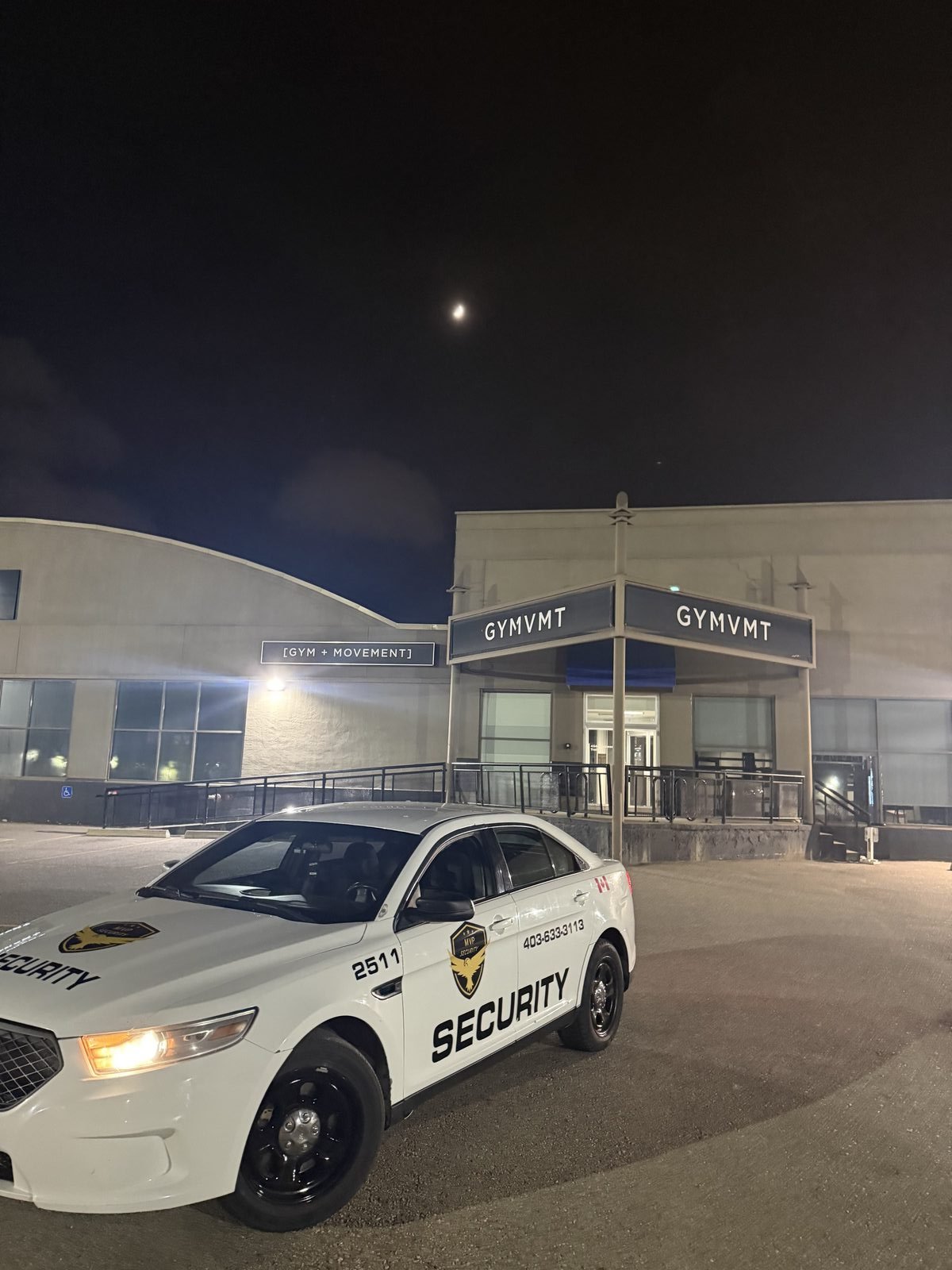
For a standard intrusion alarm without confirmed danger, dispatching a trained security professional is often the most practical first response. A mobile patrol officer can attend, assess exterior conditions, check approved access points, identify obvious damage, and escalate based on what is found. This reduces the need for a property manager or employee to attend a dark, vacant, or unfamiliar site alone.
Respond safely before entering
A responding guard should arrive with current site instructions, keyholder contacts, approved entry methods, known hazards, and any available alarm zone information. GPS-tracked dispatch and documented arrival times also create a clear record of the response.
Before entering, the responder should conduct an exterior assessment. This includes checking doors, windows, gates, fencing, lock boxes, loading areas, rooftop access points, and the alarm panel location where practical. Signs of forced entry, broken glass, an open door, cut fencing, suspicious vehicles, or movement inside the building change the response immediately.
If there is evidence of a break-in or a suspect may still be present, the responder should not enter to search the property. The area should be kept secure from a safe position while police are notified or awaited. Protecting the scene matters. Unnecessary entry can compromise evidence and create safety risks.
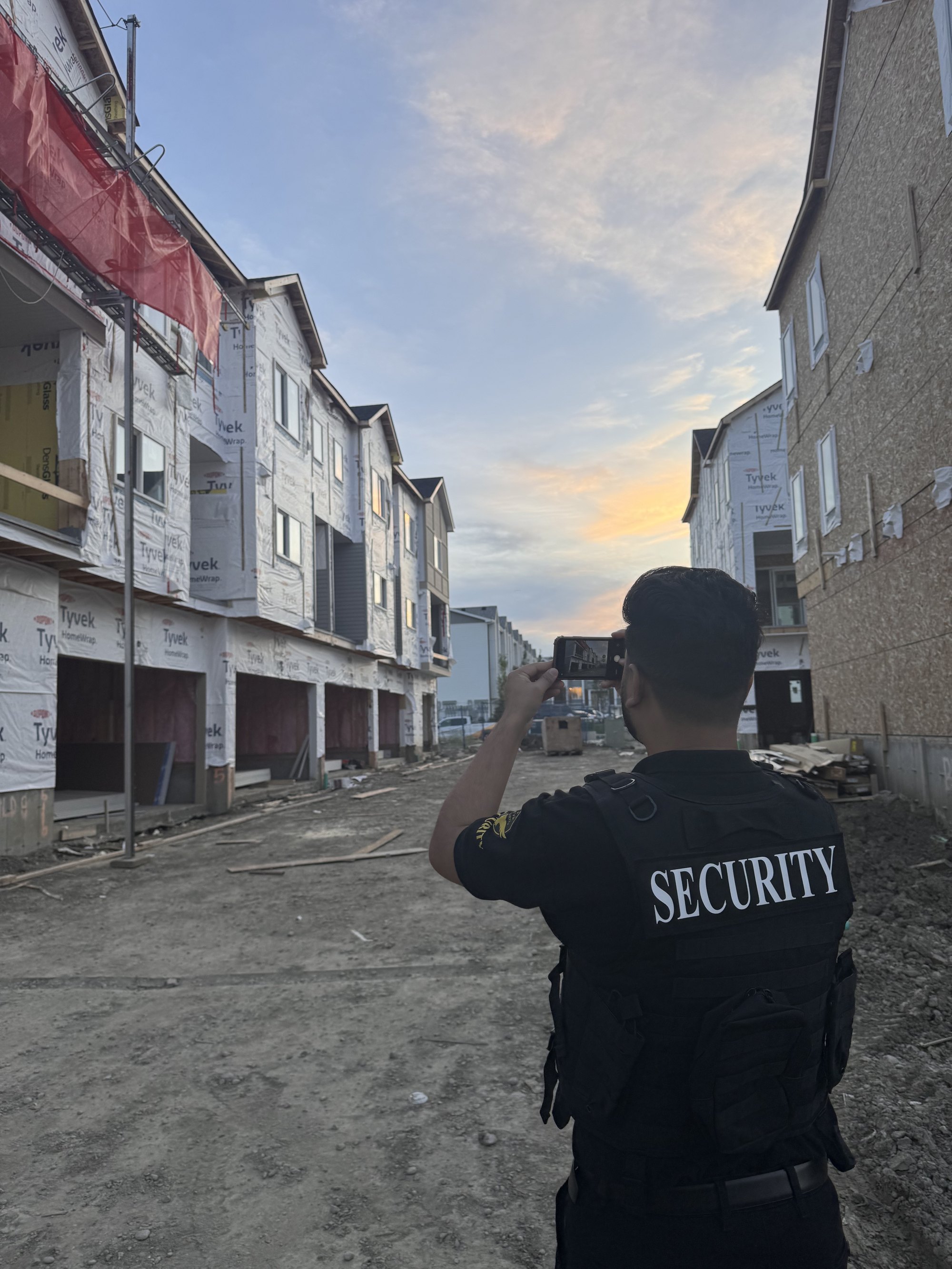
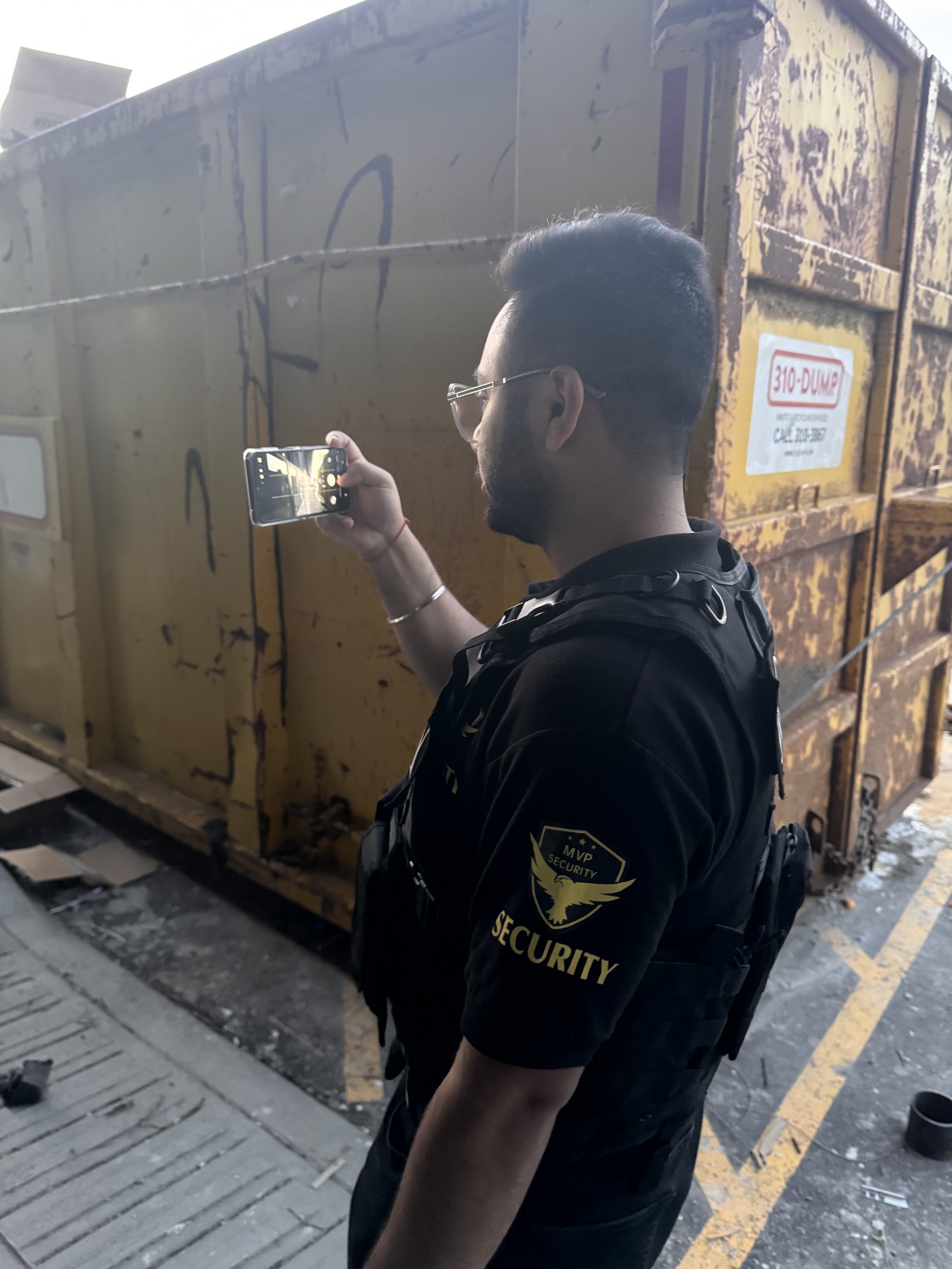
If the exterior is secure and entry is authorized, the responder can complete a controlled interior check according to the site's instructions. This is not a casual walkthrough. The check should focus on the alarmed area, likely access routes, valuable assets, mechanical rooms, offices, storage areas, and other identified risk points. Any damage, unsecured opening, water issue, safety hazard, or suspicious condition should be photographed and reported.
Verify, reset, and secure the property
Once the source of the activation is identified, the next steps depend on the finding. A false alarm caused by an employee error or sensor fault may only require a reset, log entry, and follow-up with the alarm provider. A door found ajar may require a lock inspection, temporary guarding, or immediate repair. A break-in may require police attendance, emergency board-up, evidence preservation, and continued security coverage.
The alarm should only be reset when the premises are secure and the cause has been addressed. Resetting a system while an entry point remains open can create a false sense of security and leave the site exposed to a second incident.
For sites with recurring issues, a temporary response is rarely enough. Repeated alarms from the same door, motion sensor, access control point, or construction trailer should trigger a review of the underlying condition. That may mean adjusting sensor placement, changing staff closing procedures, improving lighting, repairing hardware, updating access permissions, or increasing patrol frequency during vulnerable hours.
Documentation is part of the security response
A useful alarm report should answer practical questions quickly: when was the alarm received, when did the responder arrive, what zone activated, what conditions were observed, who was notified, what actions were taken, and was the site secure at departure?
Photo documentation is especially valuable when there is property damage, an unsecured entry point, vandalism, debris, or evidence of attempted access. It gives managers a factual record for owners, insurers, contractors, and police when required.
The report should also note any limitations. For example, a responder may secure a door temporarily but be unable to complete a permanent repair overnight. Clear reporting prevents assumptions during a morning handoff and helps the client arrange the right follow-up service.
Build procedures around the actual site
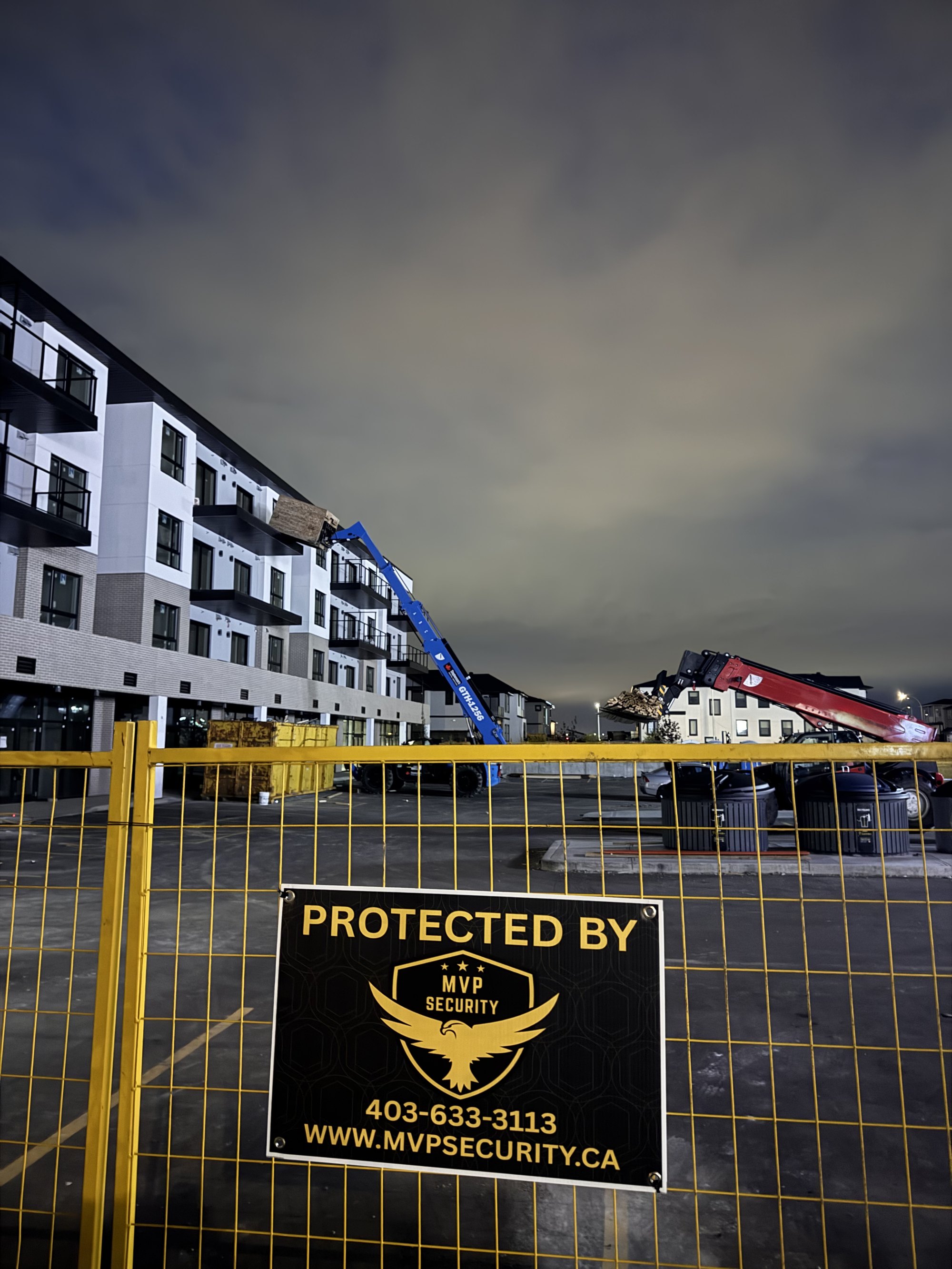
The strongest alarm response plan is written for the property, not copied from a generic template. A downtown commercial office may need tenant communication steps and access-card controls. A construction project may require gate checks, equipment protection, and coordination with a superintendent. A condo community may need concierge escalation, resident privacy considerations, and common-area camera review.
At minimum, the site file should include current emergency contacts, alarm provider information, authorized responders, access instructions, key and credential protocols, alarm zone details, known hazards, utility shutoff information where applicable, and escalation contacts for repairs. Review this information whenever management, access systems, tenant use, or building conditions change.
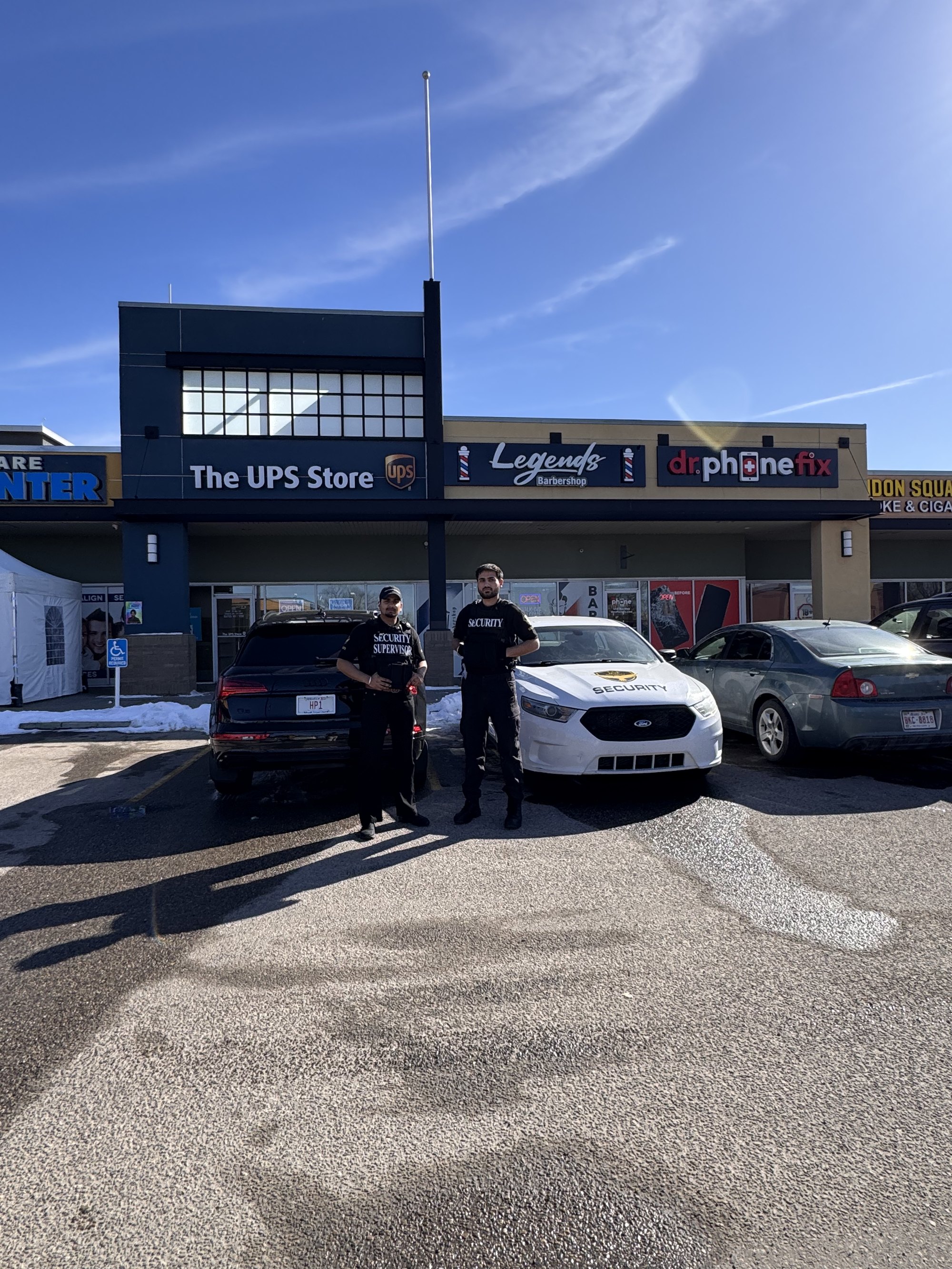
MVP Security supports Calgary-area properties with licensed security personnel, mobile patrol response, documented reporting, and site-specific instructions designed around real operating conditions. The value of a local response is not only speed. It is having personnel who arrive prepared to make sound decisions, communicate clearly, and keep the site protected until the next responsible party takes over.
Train the people who receive the call
Even a well-written procedure fails if the people receiving alarm notifications do not know their role. Property managers, supervisors, concierge teams, and after-hours contacts should understand what information to collect, when not to attend personally, and who has authority to approve additional coverage or emergency repairs.
A brief review after an activation can improve future performance. If the call list was outdated, correct it. If access instructions were unclear, update them. If a contractor triggered the system, adjust the work authorization process. Small corrections reduce repeat incidents and make the next response faster.
A dependable alarm process is measured in calm decisions made under pressure. When the plan is current, the response is trained, and every action is documented, an alarm event becomes manageable rather than disruptive.