










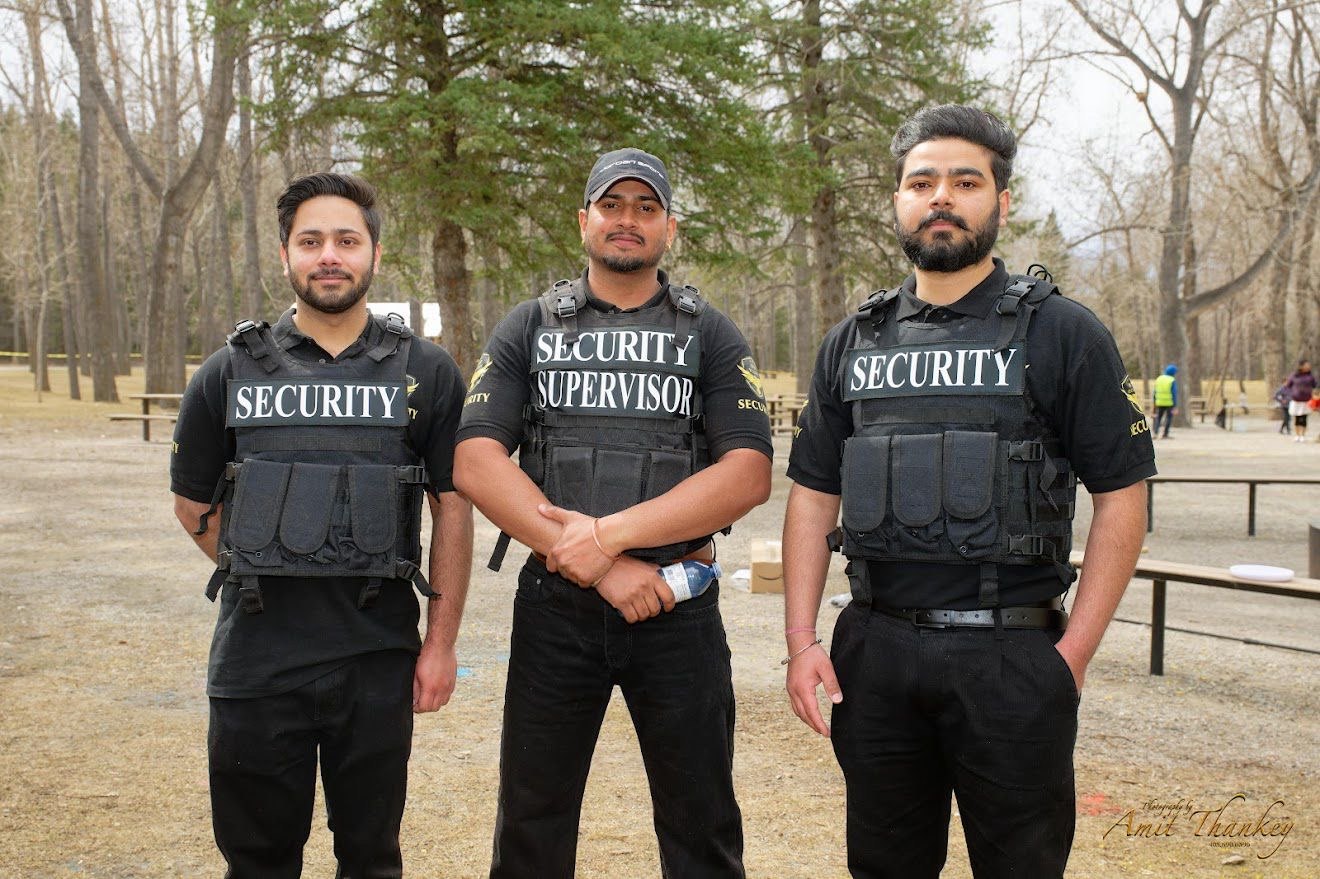
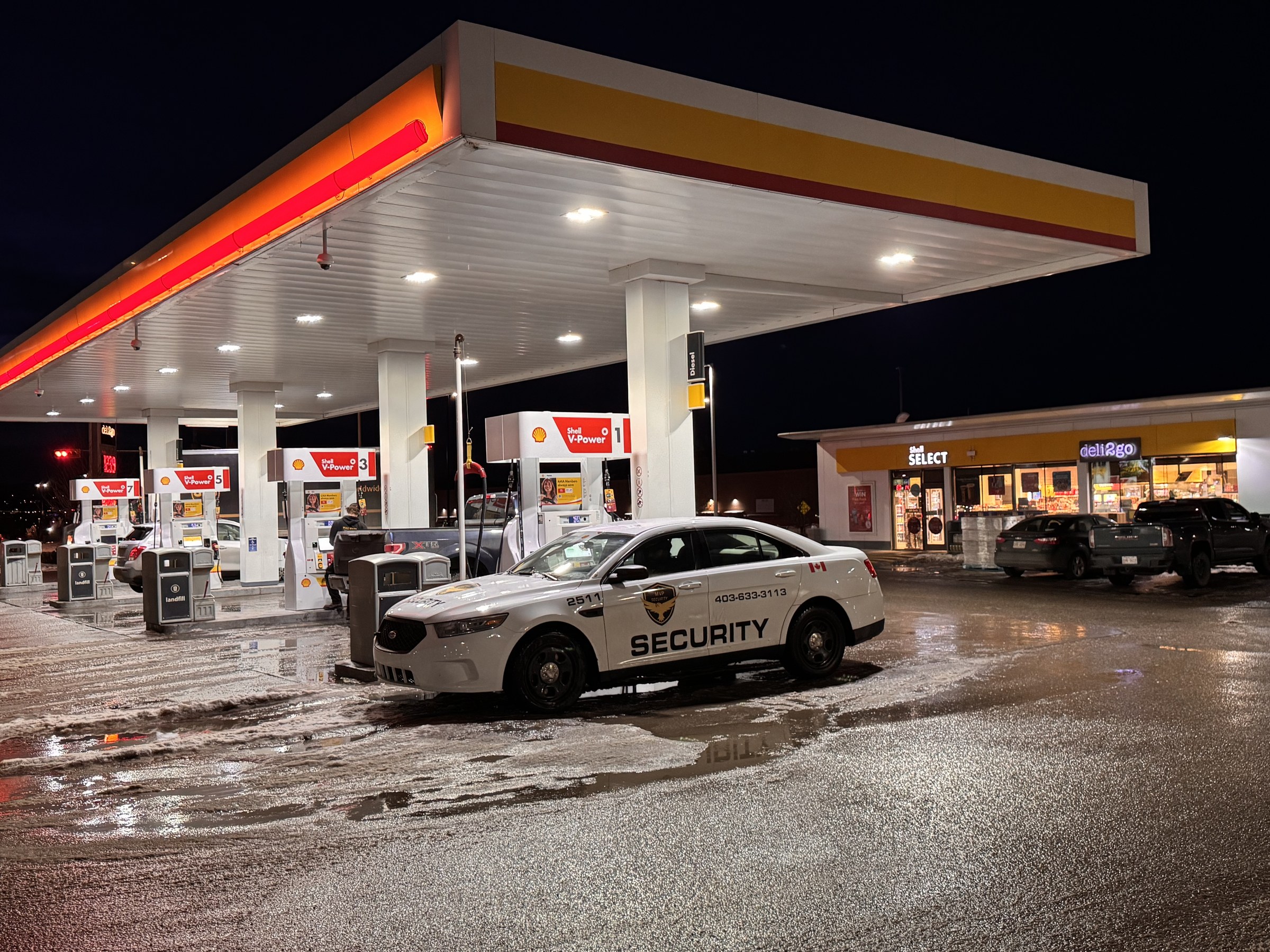
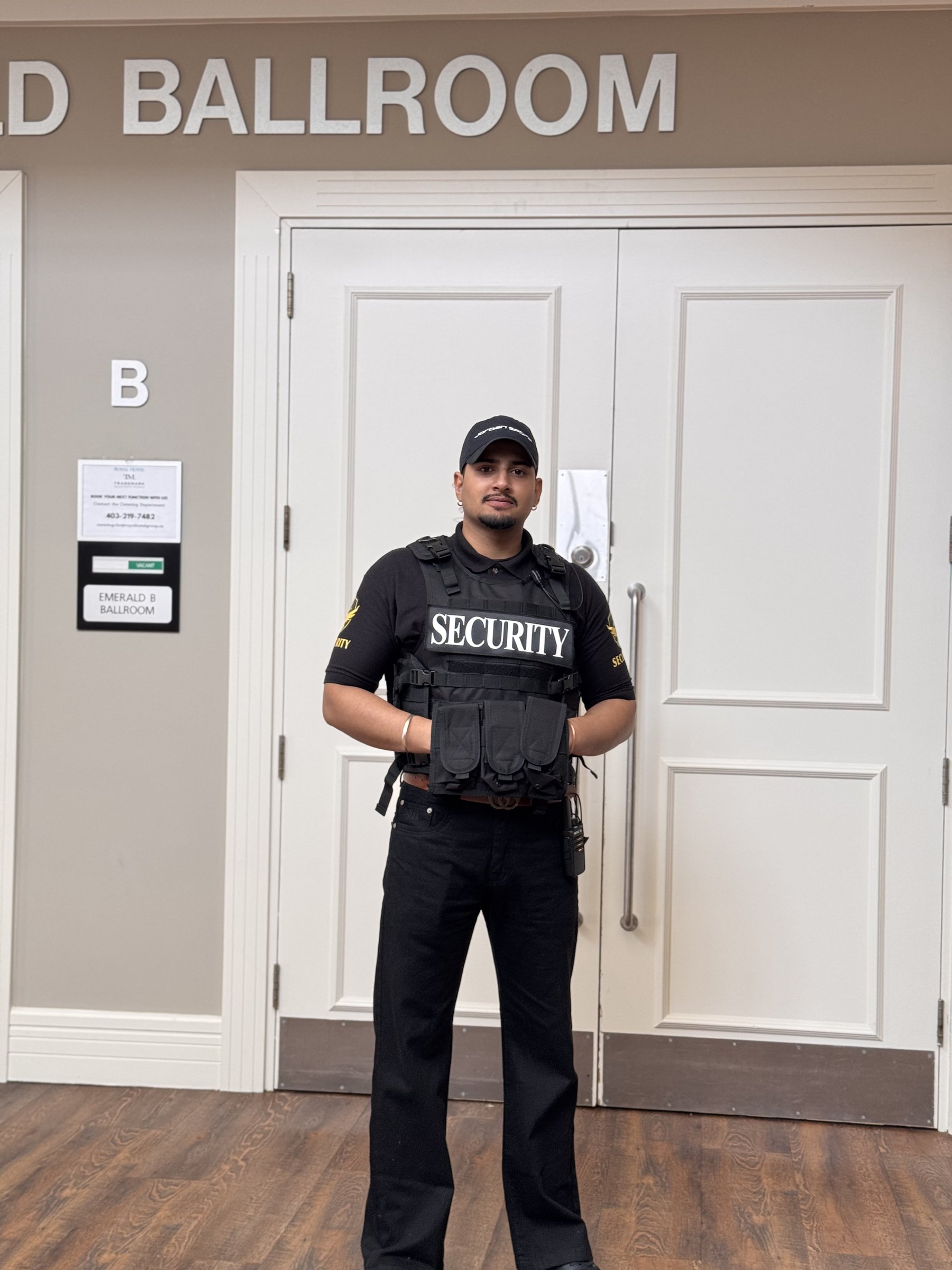


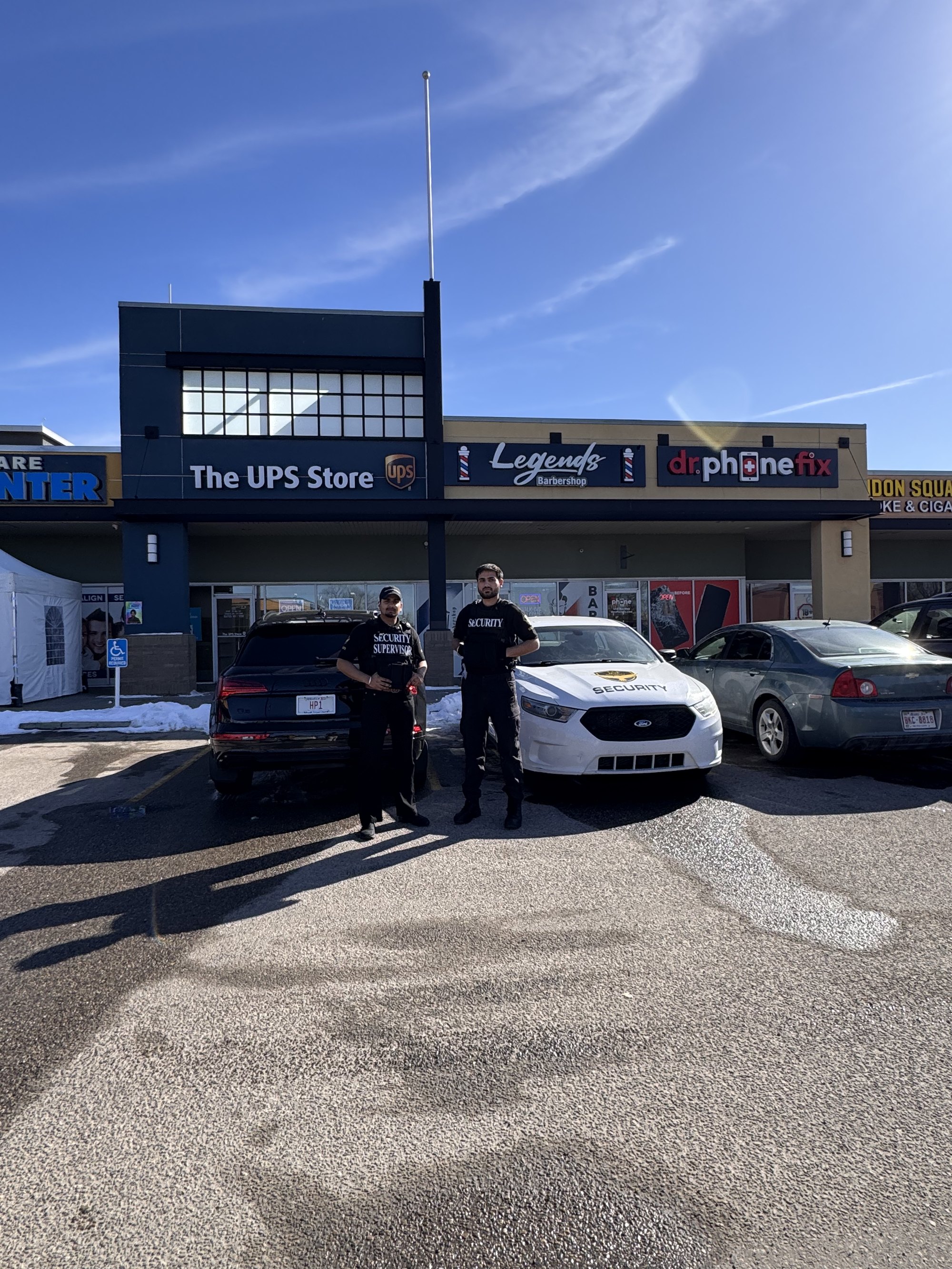
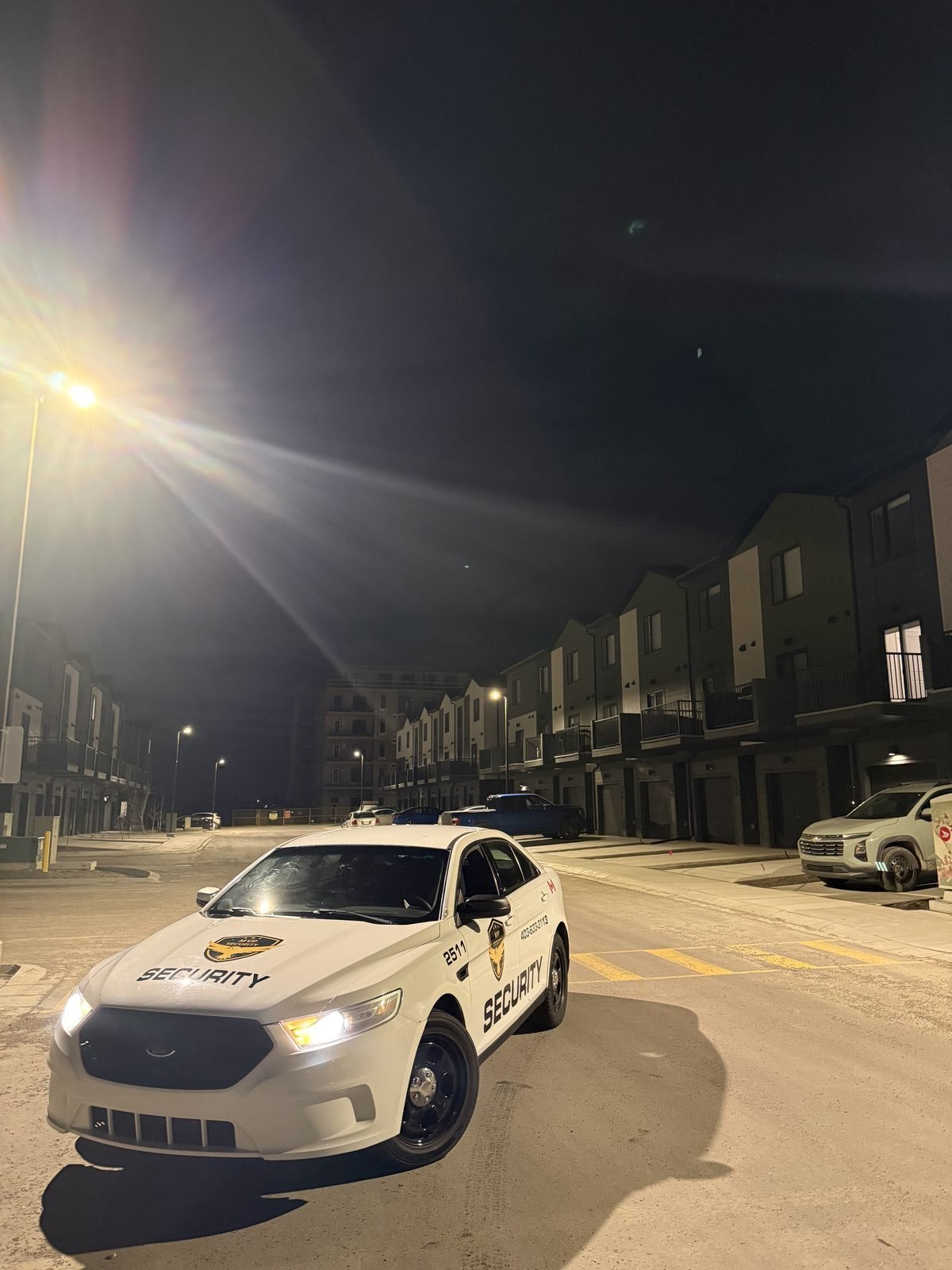
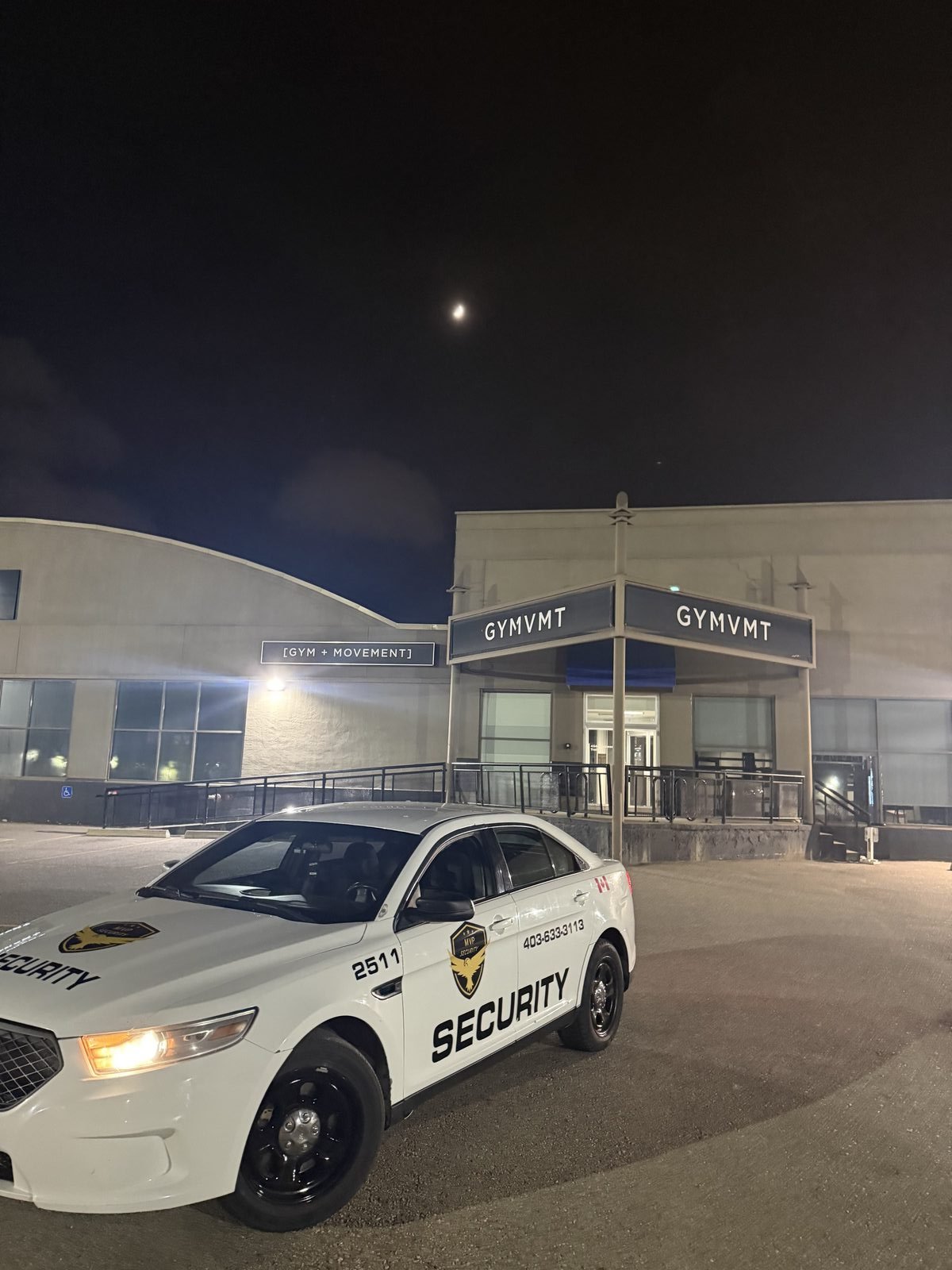
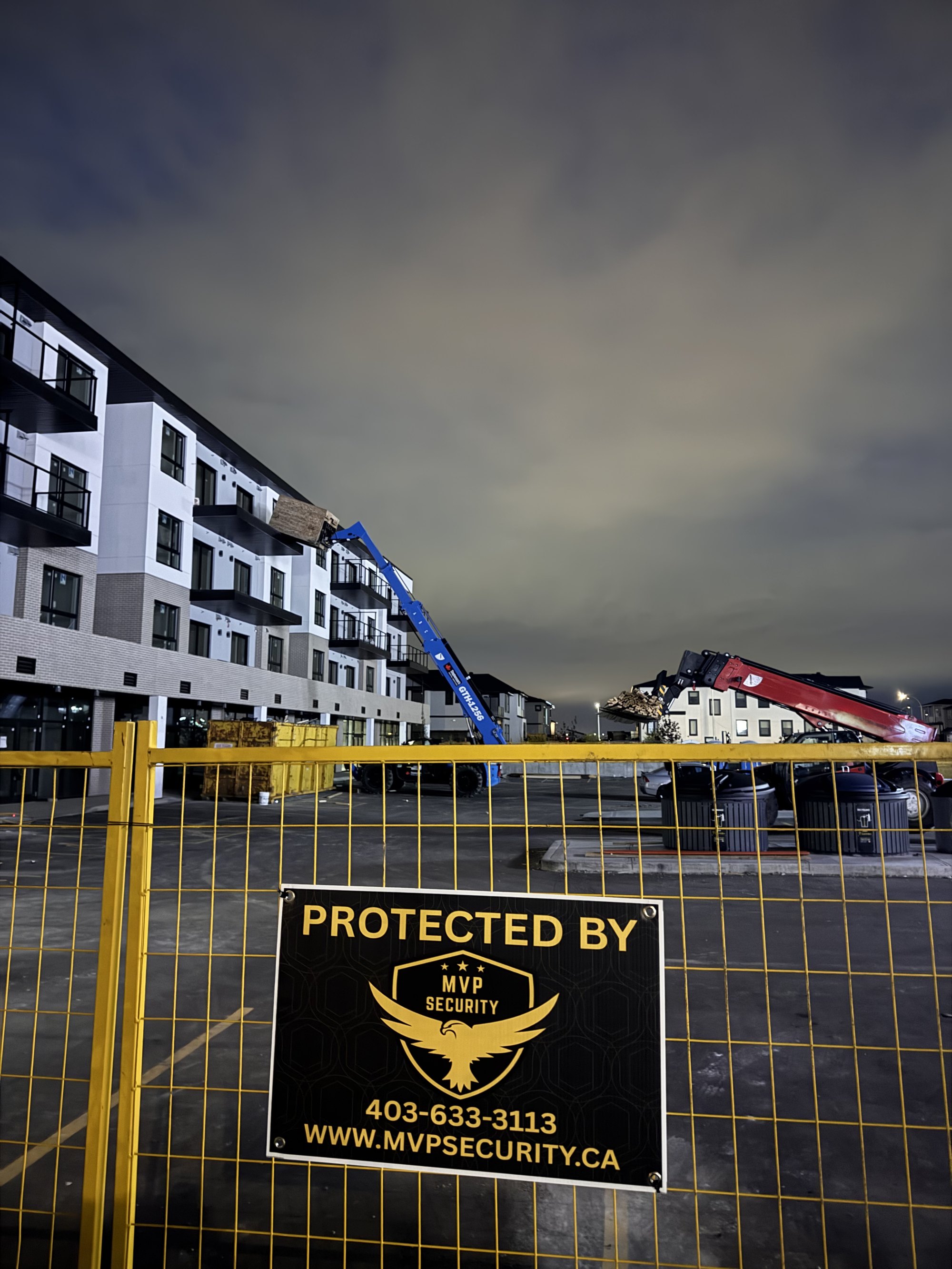

At 2:13 a.m., an alarm signal can mean a forced door, a tenant mistake, a power issue, or a sensor fault. What it should not mean is that a property manager, site supervisor, or business owner has to decide whether it is safe to attend alone. Alarm response security puts a trained, licensed guard between an alarm event and an uncertain situation, with clear reporting for the person responsible for the site.
For Calgary properties, the value is practical. Commercial buildings may be vacant overnight. Construction sites can be exposed to theft after crews leave. Condo managers may need a reliable response without waking a board member for every alarm. A designated security response creates a controlled process: attend, assess, secure what can be secured, escalate when required, and document what happened.
What alarm response security actually covers
Alarm monitoring and alarm response are related, but they are not the same service. A monitoring centre receives the signal from a connected alarm system and follows its call list or dispatch procedures. Alarm response security is the on-site component. A security professional attends the address, investigates within the agreed scope, and provides a record of the event.
The response begins before any alarm is activated. The security provider needs accurate site instructions, current key or access arrangements, alarm panel information, emergency contacts, known hazards, and guidance on when police, fire services, or other contractors should be contacted. Without that preparation, even a well-intentioned response can be delayed by a locked gate, an outdated contact list, or uncertainty about who has authority to make decisions.
On arrival, the guard’s first job is to assess the exterior and approach safely. They look for signs of forced entry, open doors, broken glass, suspicious vehicles, people on site, smoke, water leaks, or other immediate concerns. If there is evidence of a crime in progress or a serious hazard, the appropriate emergency service takes priority. Security guards are there to observe, deter, preserve the scene where necessary, and communicate clearly. They are not a substitute for police, fire crews, or emergency medical services.
If the event appears to be a false alarm, the guard can reset procedures where authorized, confirm that doors and access points are secure, and report the cause if it is identifiable. If a window has been damaged or a lock cannot be secured, the response may include maintaining a presence until an approved contact, glazing company, or emergency repair contractor arrives. The right scope depends on the property and the service agreement.
Why local response changes the outcome
Alarm events are time-sensitive, but response time is not the only measure that matters. A fast arrival is useful only when the attending guard has the right instructions, knows how to access the property, and can provide a reliable account of conditions on site.
A Calgary-based security team also understands the practical realities of local properties. Winter weather can affect access and equipment. Industrial yards, retail plazas, downtown towers, and outlying construction projects each have different entry points, lighting conditions, and after-hours activity. Sites in Airdrie, Cochrane, Chestermere, Okotoks, and High River require dispatch planning that reflects travel routes and coverage availability, not assumptions made from a distant office.
For many clients, a mobile patrol program is the most efficient foundation for alarm response. Scheduled or randomized patrols create visible deterrence and help guards become familiar with the site. When an alarm occurs, the responding team already knows where the electrical room is, which gate is normally used, and which areas have recurring access issues.
That said, alarm response alone may be enough for a lower-risk property with a reliable monitored system and limited overnight activity. A vacant commercial unit, a small office, or a condominium common area may not require a full-time guard. A high-value construction site, a location with repeated break-ins, or a facility with active overnight operations may need more than reactive attendance. Static coverage, enhanced patrol frequency, CCTV oversight, access control, or temporary fire watch may be the more appropriate solution.
A response plan should answer the hard questions early
The best alarm response program is built around site-specific decisions made during normal business hours, not improvised at night. Property managers should expect a provider to ask detailed questions about risk, access, occupancy, and escalation authority.
A workable plan should establish five areas clearly:
- Which alarm zones, events, or monitoring calls require security attendance.
- How guards access the site, including keys, fobs, lockboxes, gate codes, and alarm panel instructions.
- Who receives updates, who can authorize repairs, and when emergency contacts should be called.
- What the guard is authorized to do after an inspection, such as resetting an alarm, waiting for a contractor, or maintaining scene security.
- How each event is documented, including patrol times, observations, photographs where appropriate, and follow-up recommendations.
This level of detail reduces missed handoffs. It also helps prevent a common problem: an alarm system is monitored, but no one has established who will physically attend when the monitoring centre cannot reach the primary contact.
Access management deserves special attention. Keys stored without a controlled process can create their own security exposure. Access credentials should be logged, updated when personnel change, and limited to authorized responders. If a property uses multiple doors, gates, or separate tenant spaces, the response instructions should identify exactly which areas a guard may enter and which require further authorization.
What a documented alarm response looks like
After an event, the report is often as important as the attendance itself. A vague note stating that a guard “checked the property” does not give a manager enough information to make a repair decision, communicate with a tenant, or identify a recurring issue.
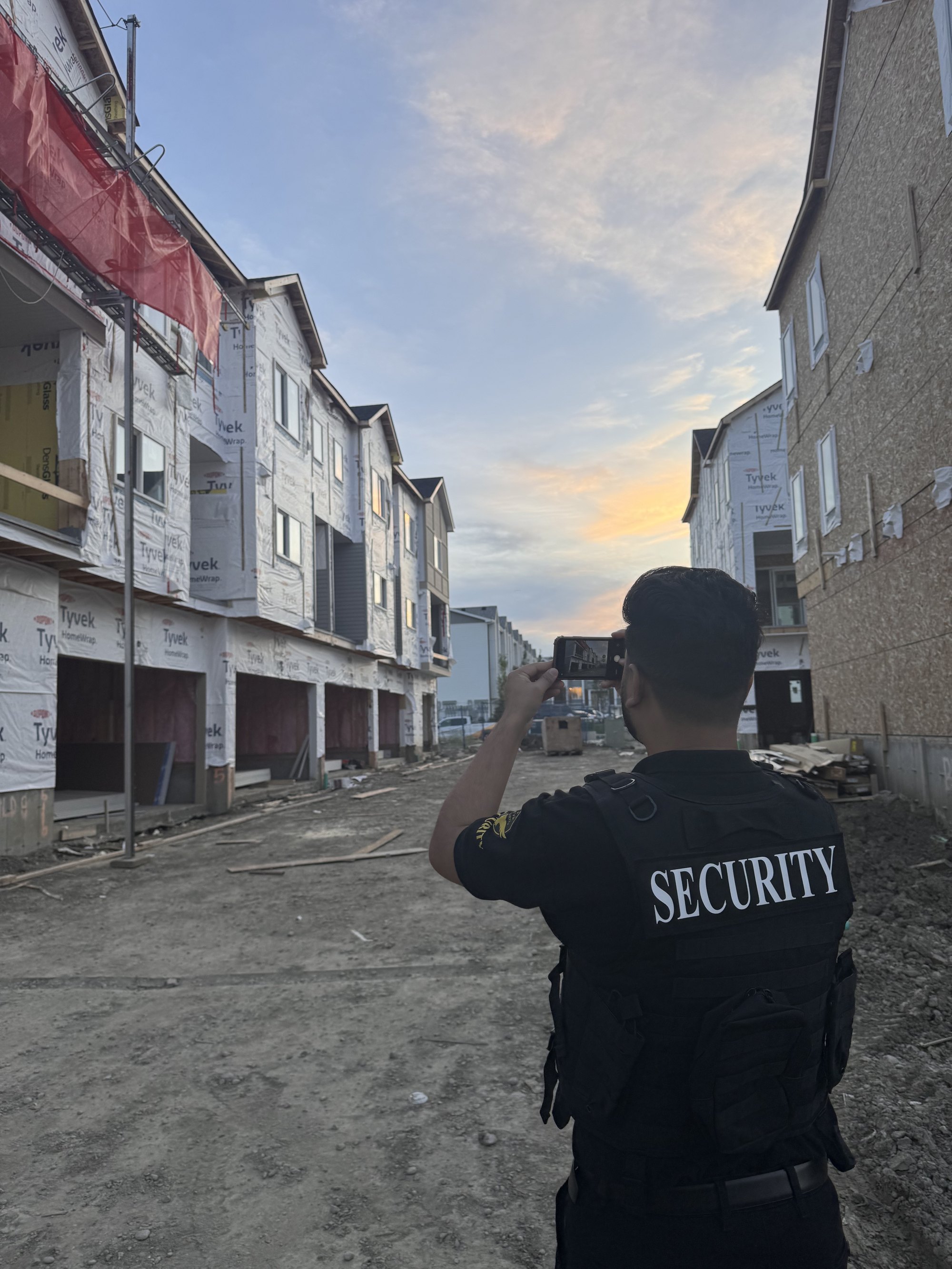
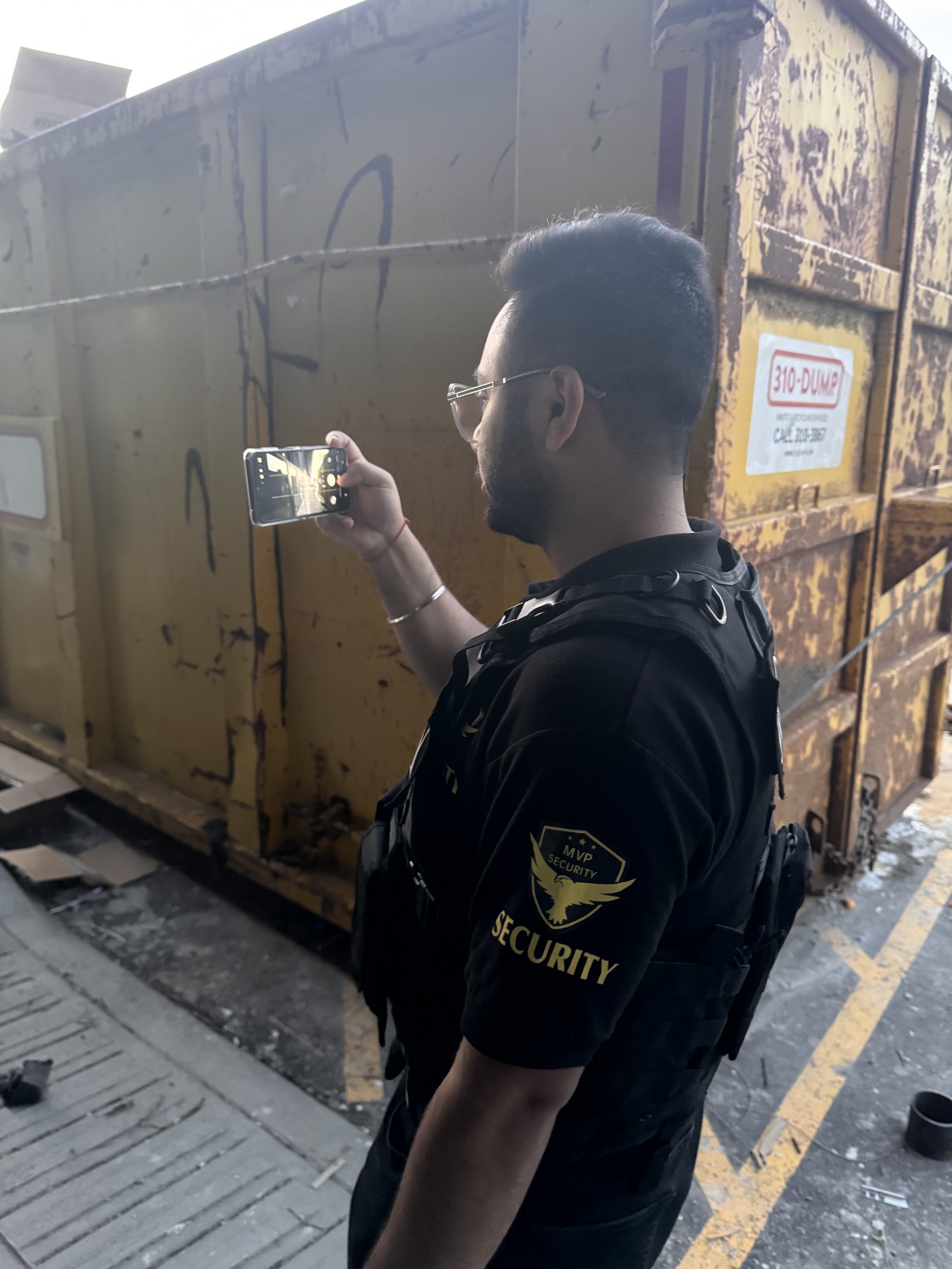
Useful reporting records the dispatch time, arrival and departure times, alarm location or zone when available, exterior and interior observations, actions taken, people contacted, and any outstanding vulnerabilities. Photo documentation can be particularly valuable when there is property damage, an unsecured entrance, dumped materials, or signs of attempted entry. GPS-tracked patrol activity adds accountability by confirming the response occurred as reported.
Documentation also turns isolated events into usable intelligence. If a rear-door alarm activates repeatedly during high winds, the issue may be a faulty contact or an unlatched door rather than an intruder. If alarms coincide with delivery hours or contractor access, the property may need a clearer access procedure. If the same section of fencing is repeatedly breached, the client can make a targeted repair instead of increasing security costs across the entire site.
Choosing an alarm response provider in Calgary
Price matters, but the cheapest per-call arrangement can become expensive if instructions are unclear, reports are incomplete, or the provider cannot deploy when coverage is needed. Ask how dispatch is handled after hours, whether guards are licensed under Alberta’s SSIA requirements, how incident reports are delivered, and what happens when an alarm reveals a need for ongoing site security.
It is also reasonable to ask about training, supervision, patrol tracking, insurance, and the provider’s ability to cover short-notice needs. The goal is not a scripted promise that every situation will be simple. The goal is a provider with a defined process for normal alarms, false alarms, break-ins, weather damage, safety hazards, and events that require police or fire services.
MVP Security Inc. builds alarm response programs around the property rather than forcing every client into the same coverage model. For a retail operator, that may mean after-hours alarm attendance and exterior patrols. For a builder, it may mean monitored alarm response combined with overnight checks, gate inspections, and photo-documented reporting. For a condominium, it may mean a dependable alternative to asking volunteers or staff to attend potentially unsafe situations.
When to review your current arrangement
Alarm response plans should be reviewed when a property changes hands, renovations begin, tenants move, access systems are updated, or a site experiences a theft or vandalism incident. They should also be reviewed after repeated false alarms. Frequent unnecessary dispatches create cost and complacency, while a poorly configured system can hide a real pattern of vulnerability.
A short review can confirm that contact numbers still work, keyholders are current, alarm zones are correctly labelled, and reporting expectations remain clear. It is a modest administrative task that can make a significant difference when an event occurs after hours.
The right alarm response security arrangement gives the person responsible for a property a better option than attending alone or waiting until morning. It creates an accountable, documented response that protects people first, helps secure the premises, and gives Calgary-area operators clear information for the next decision.