
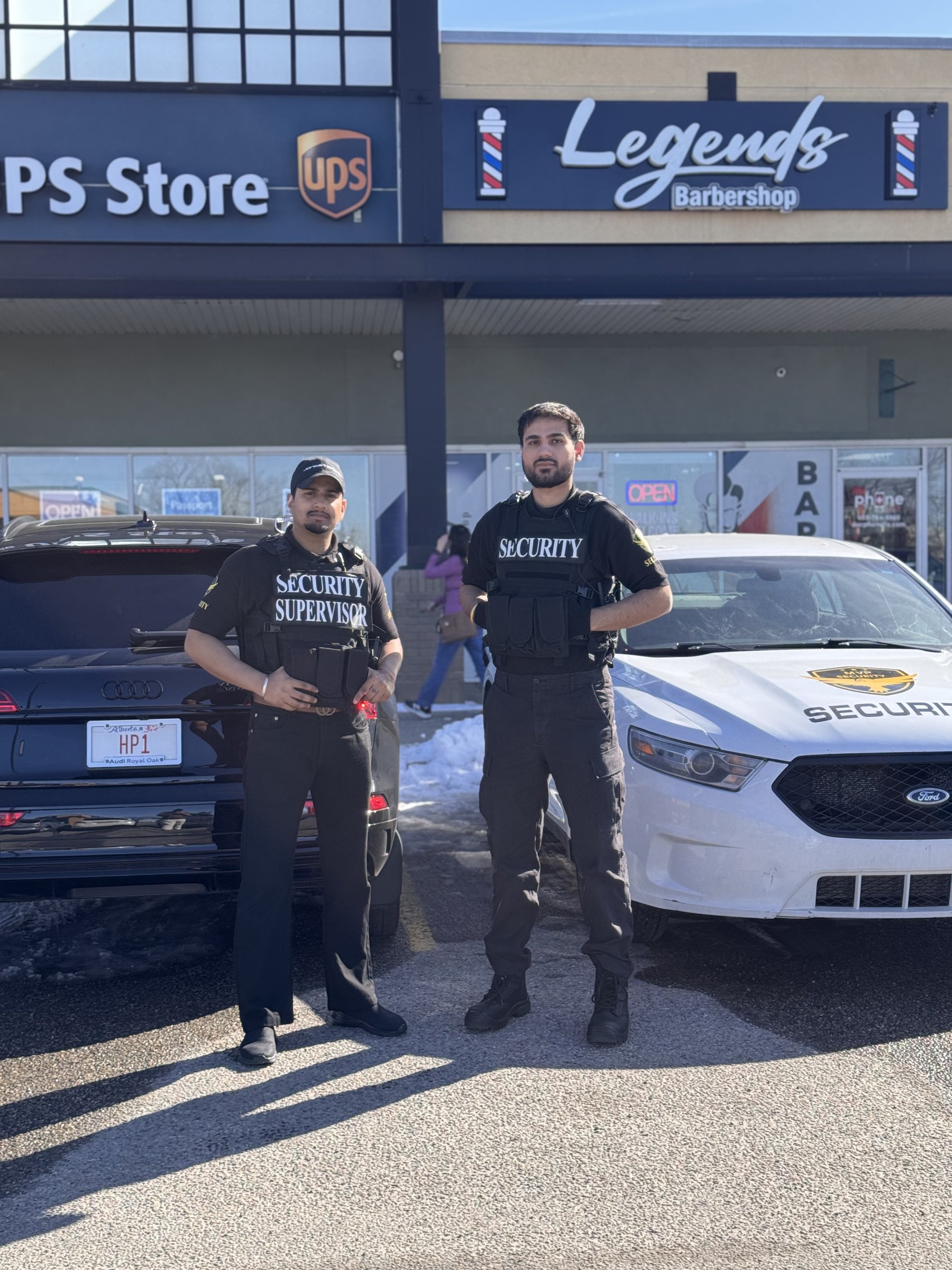


















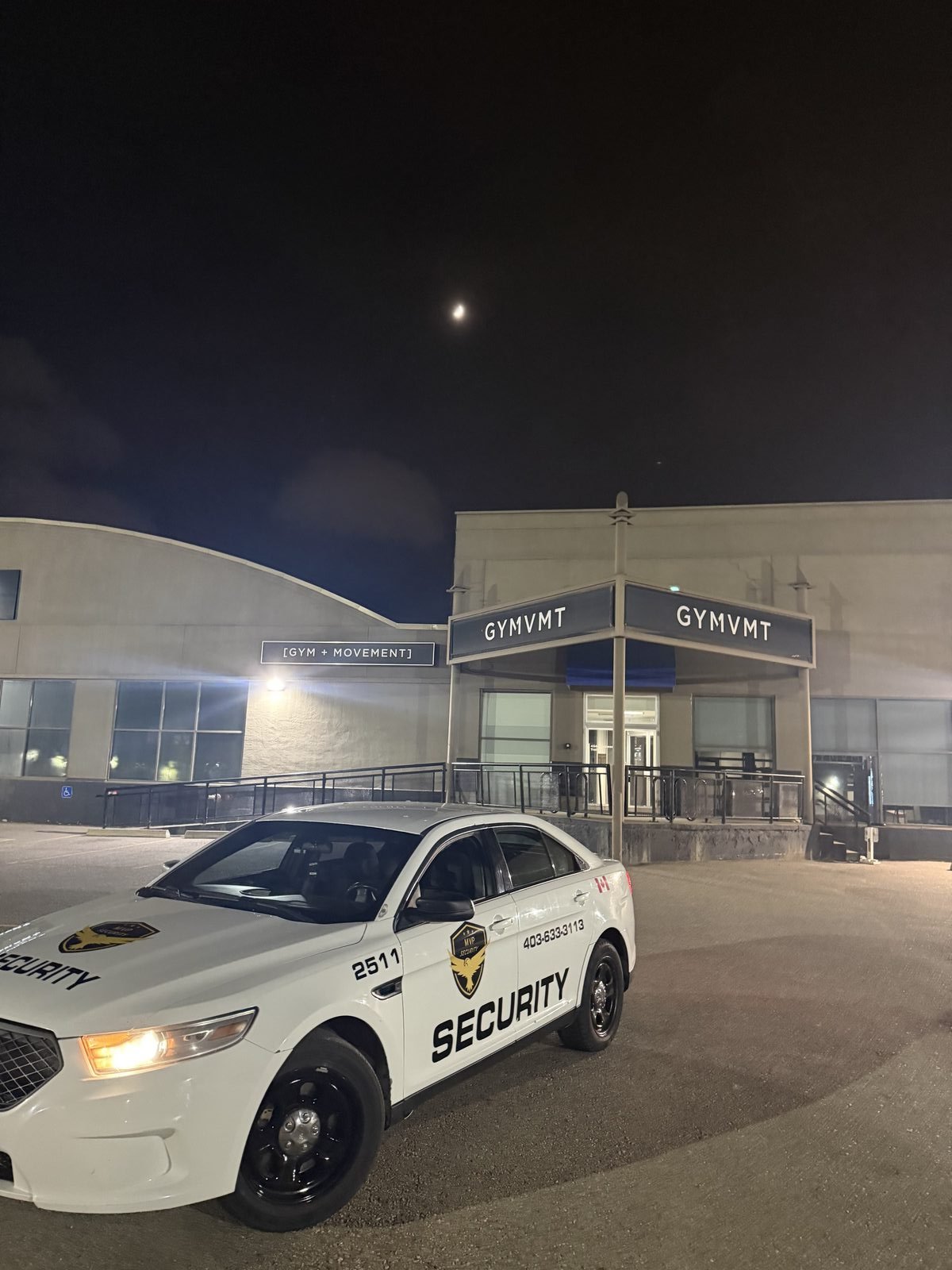
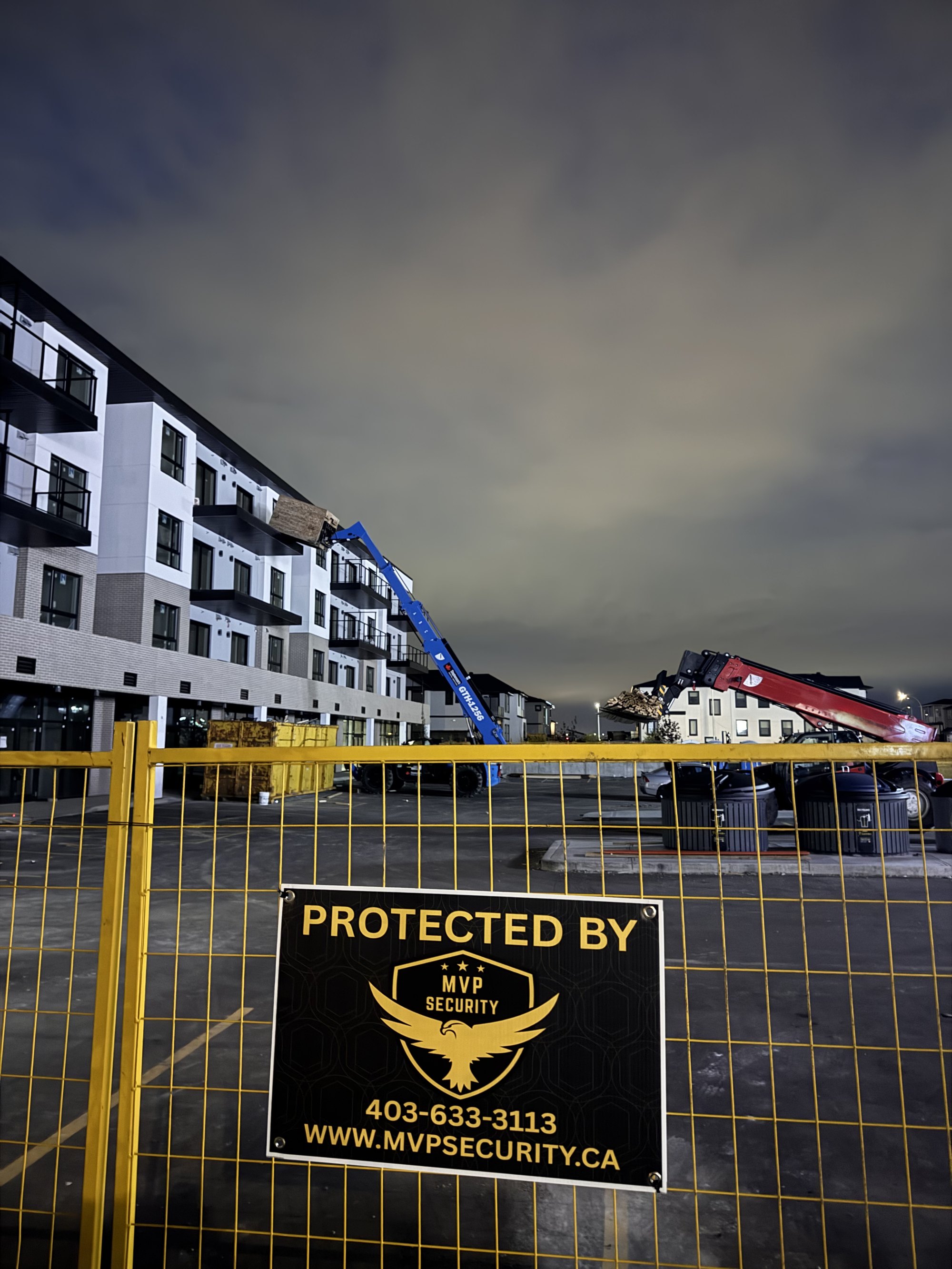

An alarm at 2:17 a.m. does not give a property manager much room for guesswork. Someone has to attend the site, assess whether it is a false alarm or an active issue, secure the entry point if needed, and document what happened before the next business day begins. That is why alarm response services Calgary property owners rely on are not just about showing up - they are about showing up prepared, fast, and with a clear process.
For commercial buildings, construction sites, retail units, condo properties, and industrial facilities, alarm events create immediate operational pressure. If no one attends quickly, a break-in can continue, a damaged door can remain open, or tenants and staff can arrive to an unsecured property. If the wrong provider attends, the issue may be logged without being properly addressed. Good alarm response is practical security work. It starts with dispatch and ends with a site that is safer, documented, and under control.
What alarm response services in Calgary should actually include
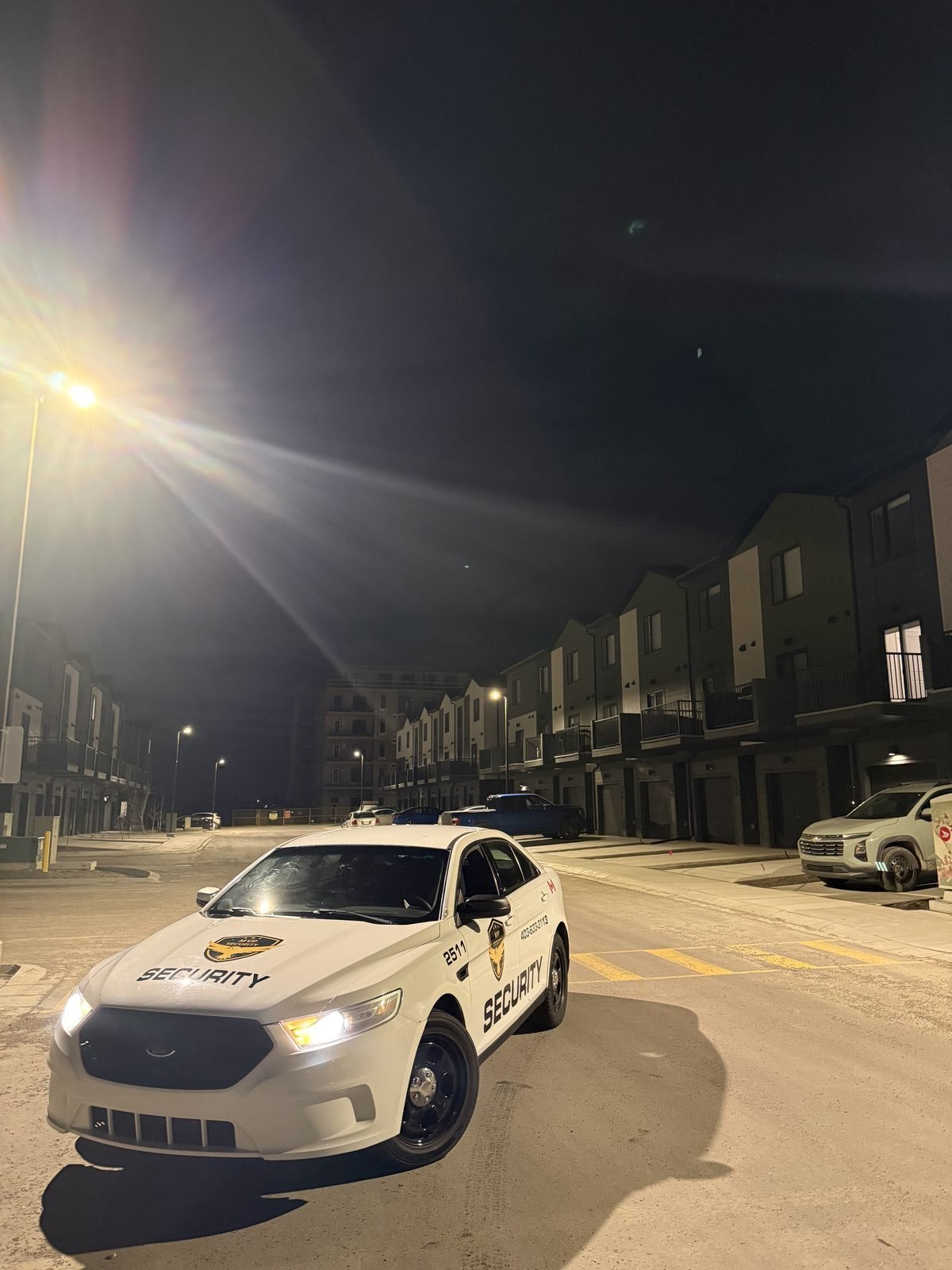
A proper alarm response service does more than send a body to a location. The responding guard should be licensed in Alberta, briefed on the site, and able to follow client instructions for access, escalation, and after-hours contact. If the alarm panel indicates a zone issue, forced entry, motion trigger, or perimeter breach, the response needs to reflect that specific risk.
At a minimum, the service should include rapid mobile dispatch, on-site inspection, visible attendance, incident documentation, and communication with the designated contact. In some cases, the guard may need to coordinate with police, fire, or a locksmith. In others, the issue is contained on-site with a reset, patrol check, and lockup verification.
This is where many buyers see the difference between a low-cost vendor and a dependable operator. Alarm response only works when the provider can connect monitoring information, local routing, guard availability, and reporting into one reliable process.
Why local alarm response services Calgary clients choose matter
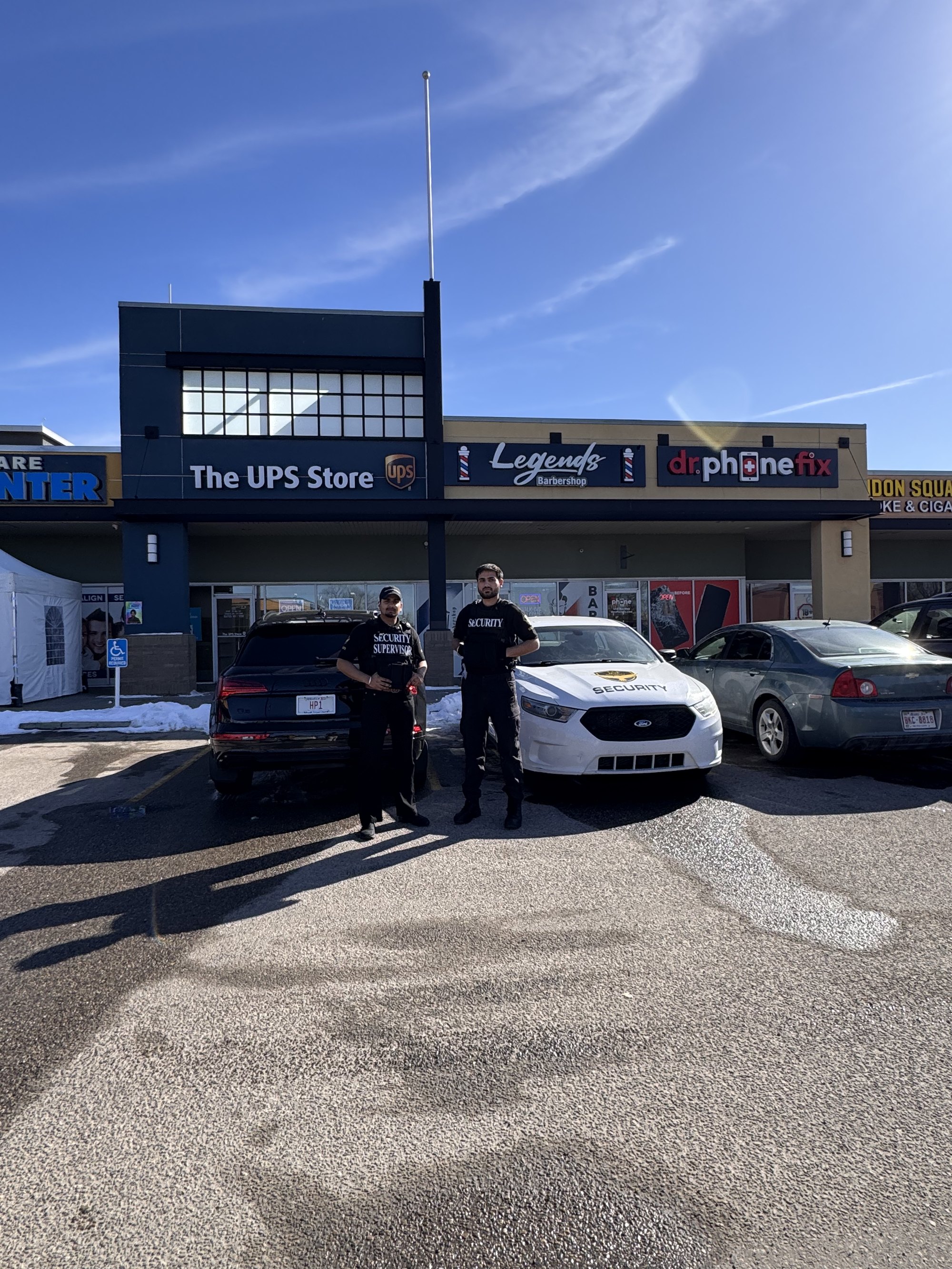
Calgary is not one uniform response environment. Downtown towers, suburban retail plazas, active construction projects, and industrial yards each present different access challenges, travel times, and after-hours risks. A provider that knows local roads, traffic patterns, vulnerable zones, and community-specific issues can respond more efficiently and make better decisions once on site.
That local factor matters even more in surrounding communities such as Airdrie, Cochrane, Chestermere, Okotoks, and High River. Buyers in these areas often discover that a broad regional promise does not always translate into practical coverage. If the nearest available unit is too far away, response quality drops fast.
A locally deployed team is usually better positioned to maintain realistic response times and consistent coverage. It also tends to be more accountable. When a security company is operating in the same market where its reputation is built, clients can expect clearer communication and stronger follow-through.
False alarm, active break-in, or open door - response changes with the event
Not every alarm requires the same action. That sounds obvious, but it is where many service gaps appear. A motion alarm in a vacant construction trailer is different from a rear-door contact alarm at an occupied retail site. A repeated trouble signal from a panel may point to equipment issues, while a sudden overnight perimeter alarm could indicate a forced entry.
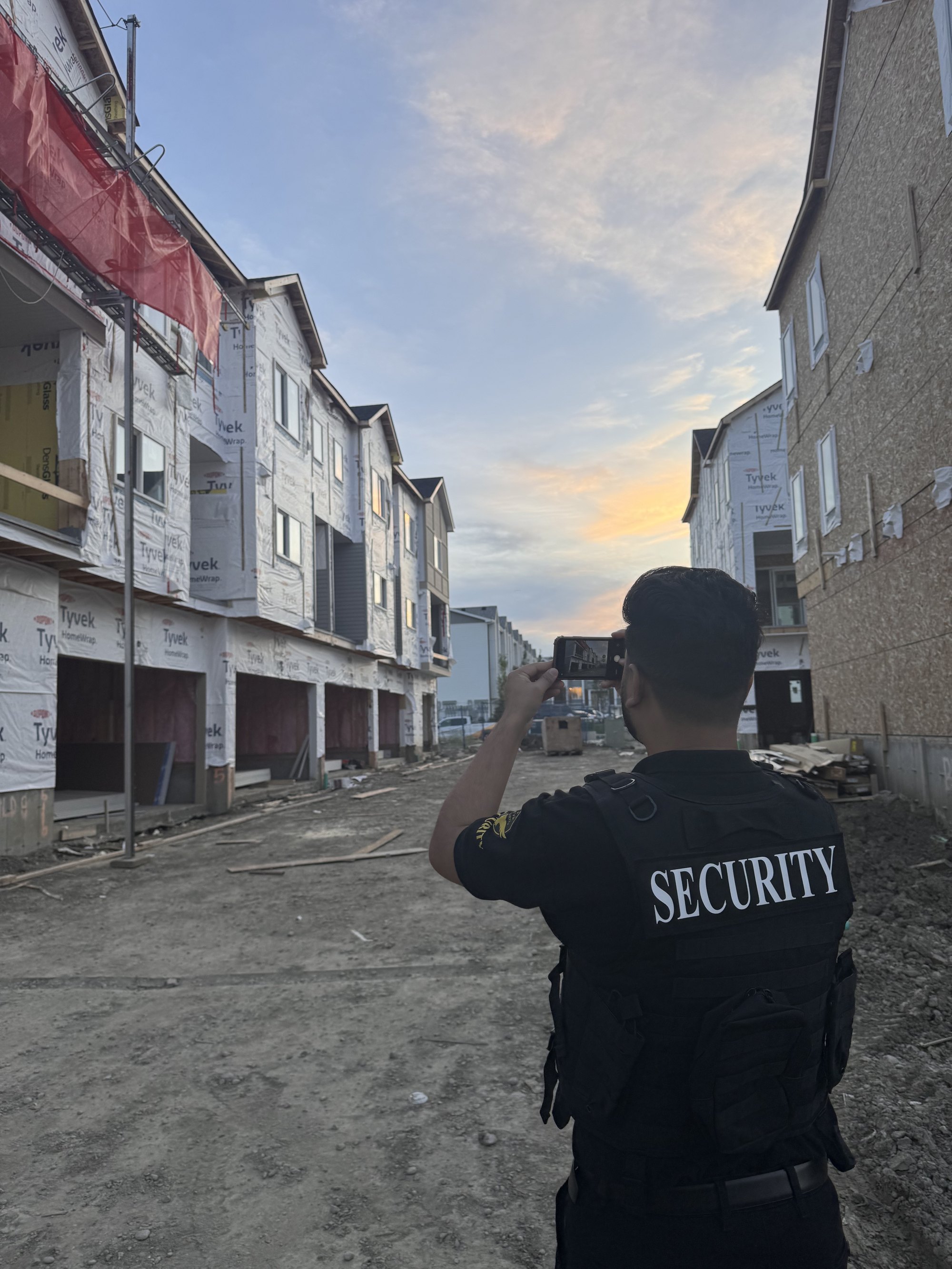
The best response programs are site-specific. They account for the type of property, the alarm history, keyholder instructions, high-value assets, and whether the location has CCTV, fencing, gates, or known blind spots. A construction site may need a wider patrol and visual inspection of material laydown areas. A condominium building may require a check of parkade access points, lobby entry, and amenity spaces. A commercial warehouse may need perimeter verification and loading bay inspection before the site can be cleared.
There is no single script that fits every alarm event. Buyers should expect the response plan to reflect their real operating conditions, not a generic checklist.
What property managers and operators should ask before signing
If you are hiring alarm response coverage, the key question is not simply whether a company offers it. The better question is how the service is delivered after dispatch.
Ask who attends the alarm and whether they are Alberta-licensed guards. Ask how activity is tracked, how reports are submitted, and whether photos are included when relevant. Ask what happens if the guard finds a broken door, trespasser, fire risk, or evidence of theft. Ask whether the company can provide ongoing patrol support if alarm frequency increases or if the property enters a higher-risk period.
You should also ask how the service integrates with your monitored alarm system and site contacts. Confusion at this stage creates delays later. If dispatch instructions, gate codes, lockbox access, and escalation contacts are not current, even a well-staffed provider can lose valuable time.
A dependable company should be able to explain its process in plain language. Not sales language - operating language.
Documentation is not a detail - it is part of the service
For many clients, the alarm event itself is only part of the problem. The next issue is proving what happened and what was done about it. Property managers may need records for ownership groups, insurers, tenants, or internal incident tracking. Construction managers may need after-hours evidence of site condition. Retail operators may need confirmation that a store was secured before opening.
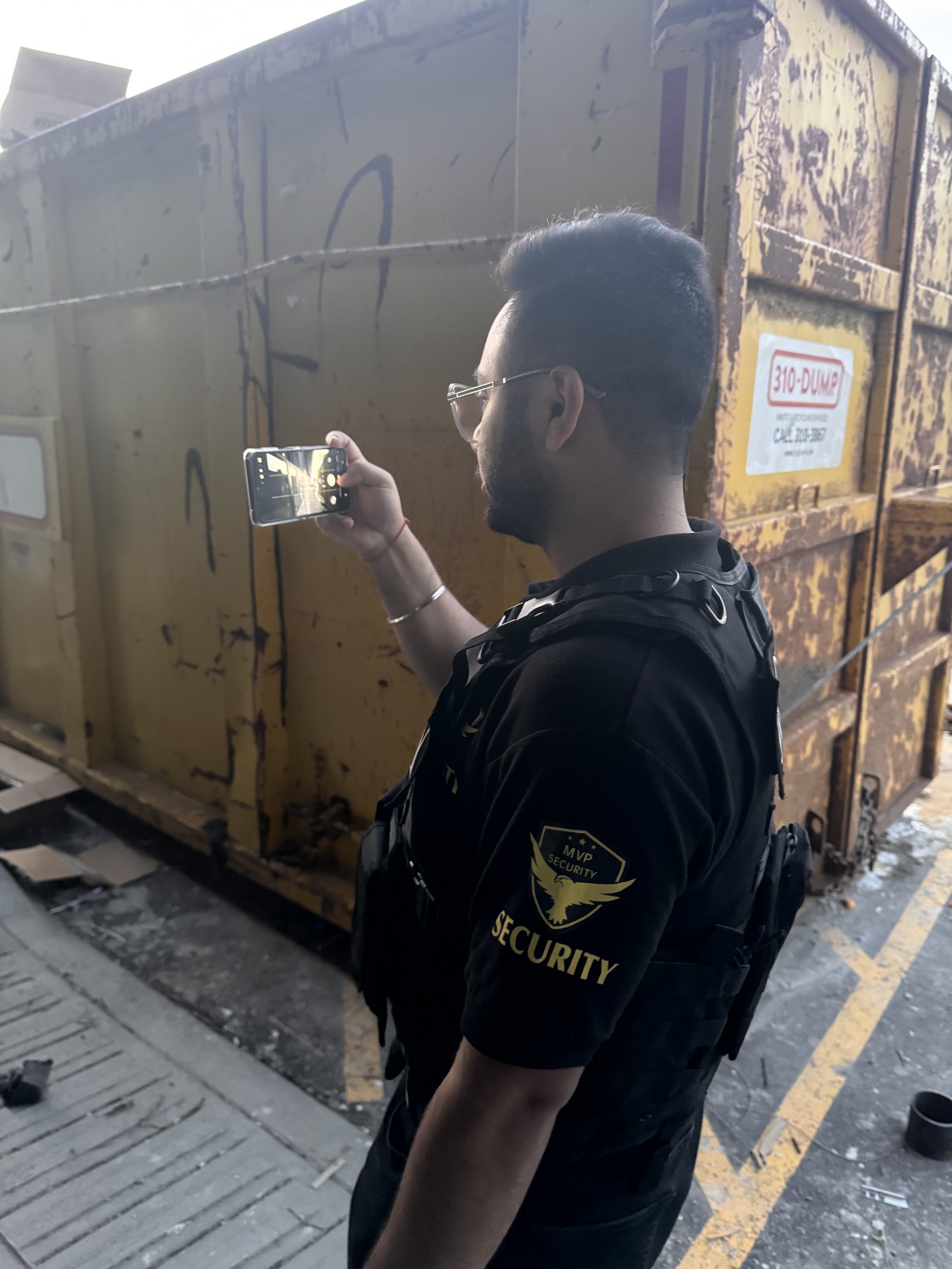
That is why reporting matters. Time-stamped incident logs, GPS-tracked patrol activity, guard notes, and photo documentation give clients something they can act on. Good documentation reduces disputes, supports maintenance follow-up, and helps identify recurring patterns such as repeated perimeter breaches or faulty access points.
This is one of the strongest practical advantages of a professional alarm response service. It turns an after-hours event into a documented operational record, not just a phone call saying someone checked the site.
When alarm response should be paired with patrol or guard coverage
Sometimes alarm response is enough. Sometimes it is only the first layer.
A property with occasional false alarms and low overnight traffic may only need mobile attendance when an event occurs. But a site dealing with repeated trespassing, copper theft, vandalism, or open-access vulnerabilities often needs more than reactive coverage. In those cases, scheduled mobile patrols, overnight static guards, access control, or temporary high-visibility security can reduce the number of alarm events in the first place.
This is especially common for construction sites, vacant commercial units, and properties under renovation. Alarm systems can alert you to a problem, but they do not physically deter loitering, intercept unauthorized entry, or monitor vulnerable areas between activations. Pairing response with active guard presence is often more cost-effective than repeatedly dealing with damage, downtime, and emergency callouts.
That is where a provider with broader service capability has an advantage. If site conditions change, the security plan can change with them.
Choosing a provider based on accountability, not promises
The market is full of companies that claim fast response. What matters is whether they can support that claim with local coverage, trained personnel, dispatch readiness, and documented results.
For buyers comparing alarm response services Calgary options, the strongest indicators are usually straightforward. Is the company licensed and insured? Are guards trained for real site assessment, not just attendance? Is communication clear when an incident happens? Can the service scale from one retail unit to a multi-site portfolio? Can the provider step in quickly if you need same-day or emergency coverage?
MVP Security Inc. is built around that kind of operational accountability - local deployment, licensed guards, clear reporting, and response programs tailored to site risk, hours, and budget. For decision-makers who need more than a basic callout service, that distinction matters.
Alarm response should reduce uncertainty, not add to it. When the phone rings after hours, you want to know the site will be attended by someone who understands the assignment, follows procedure, and leaves you with a clear record of what happened. That is the difference between simply answering an alarm and actually protecting a property.