















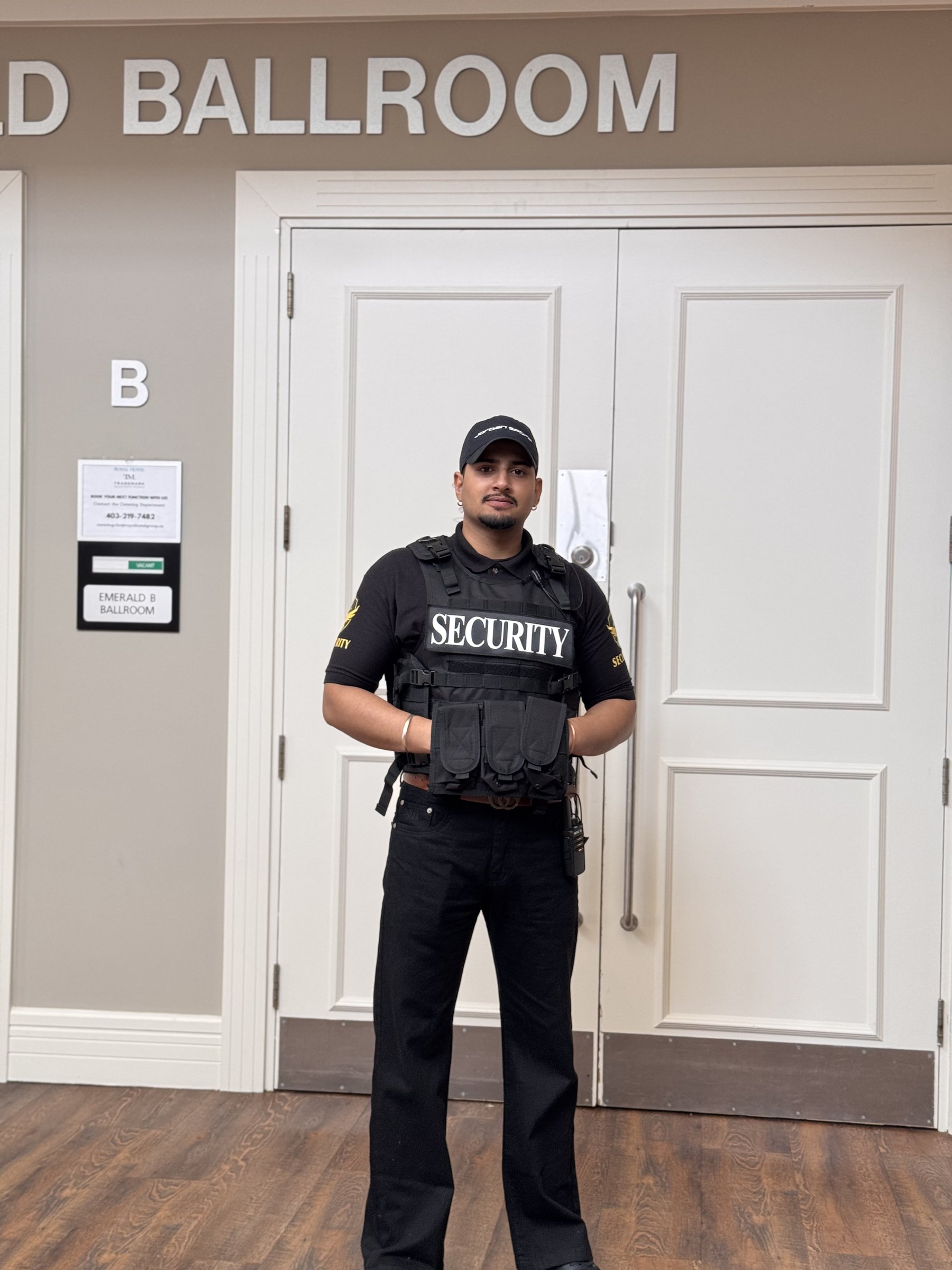
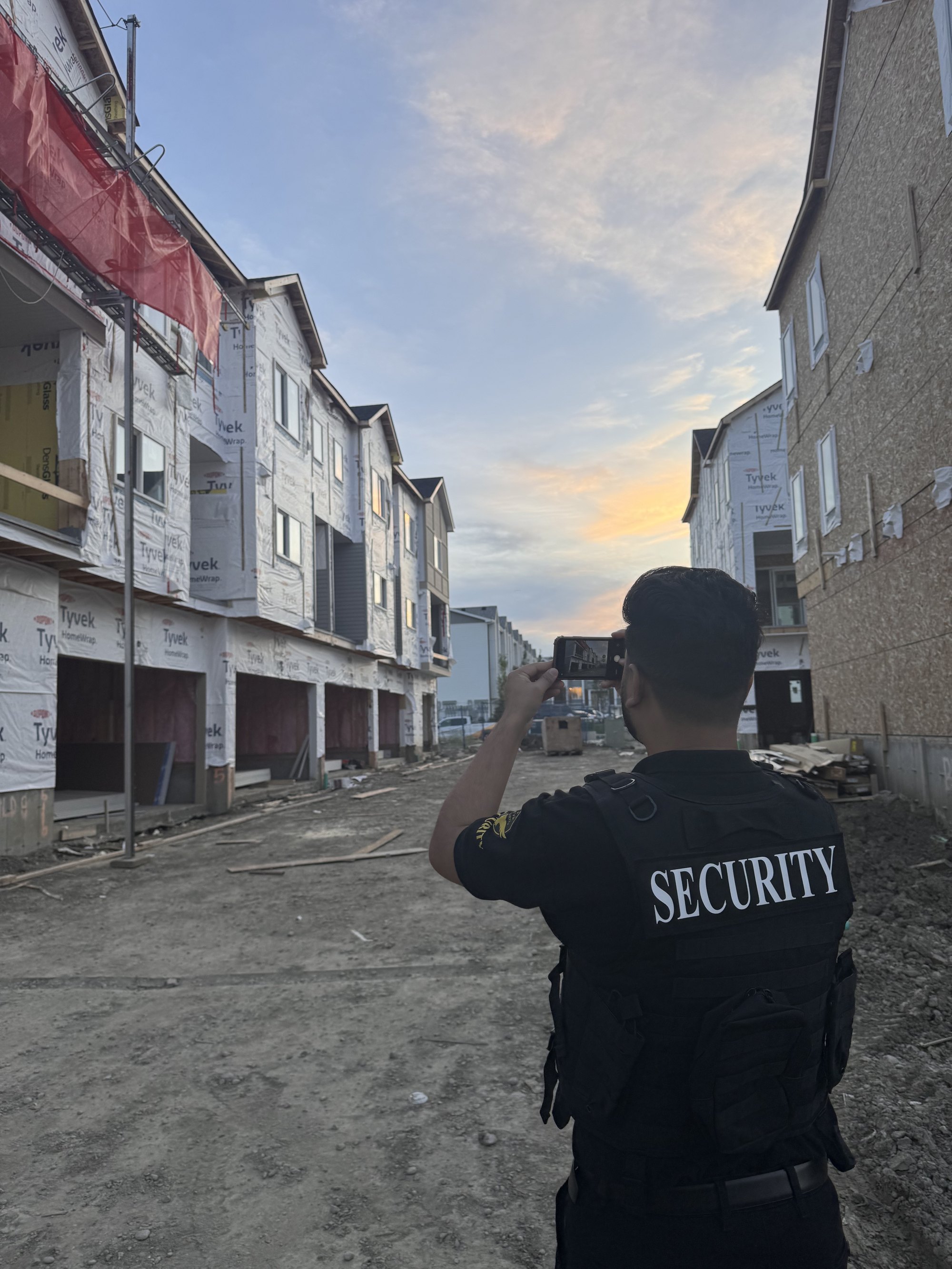


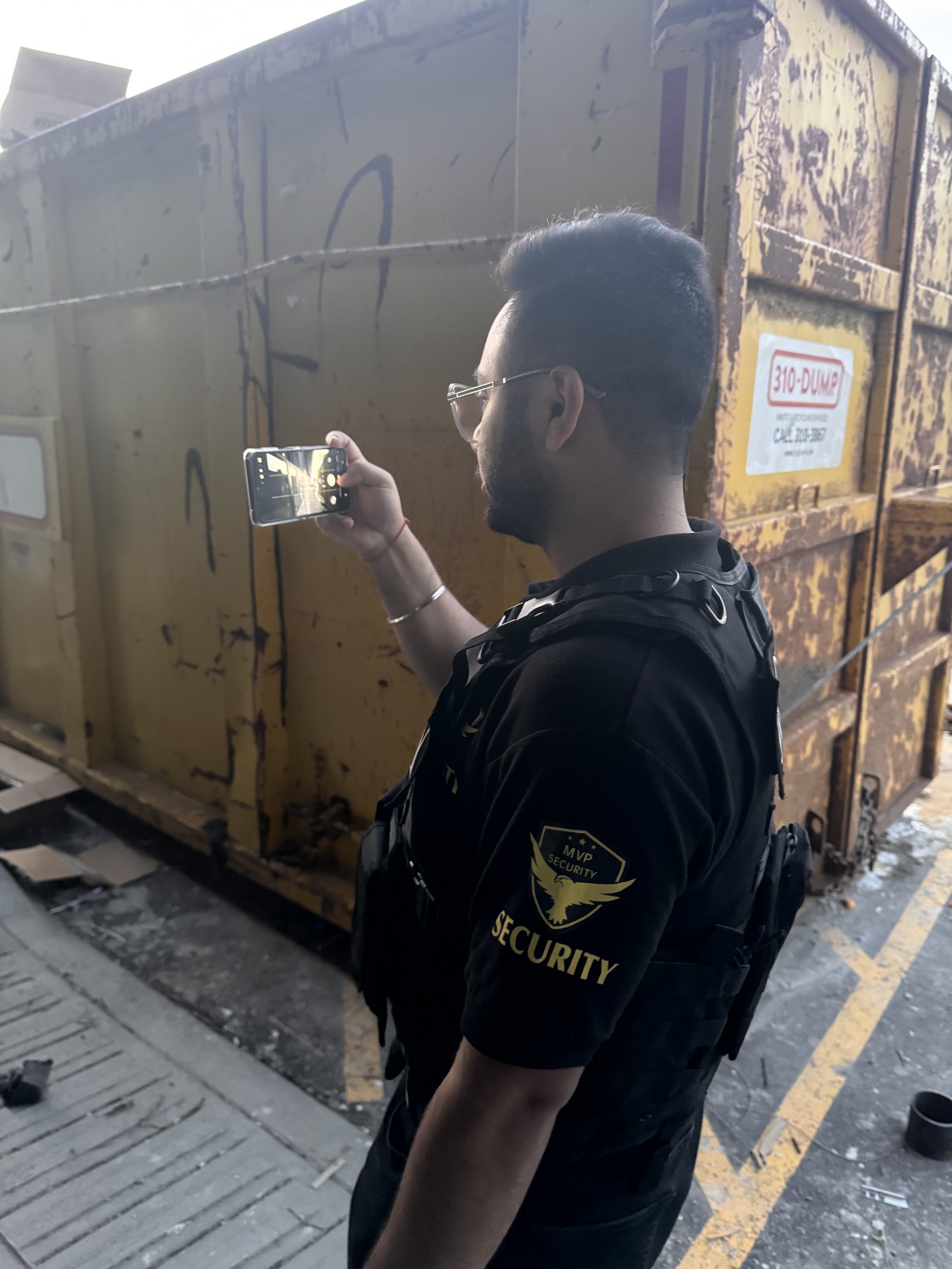
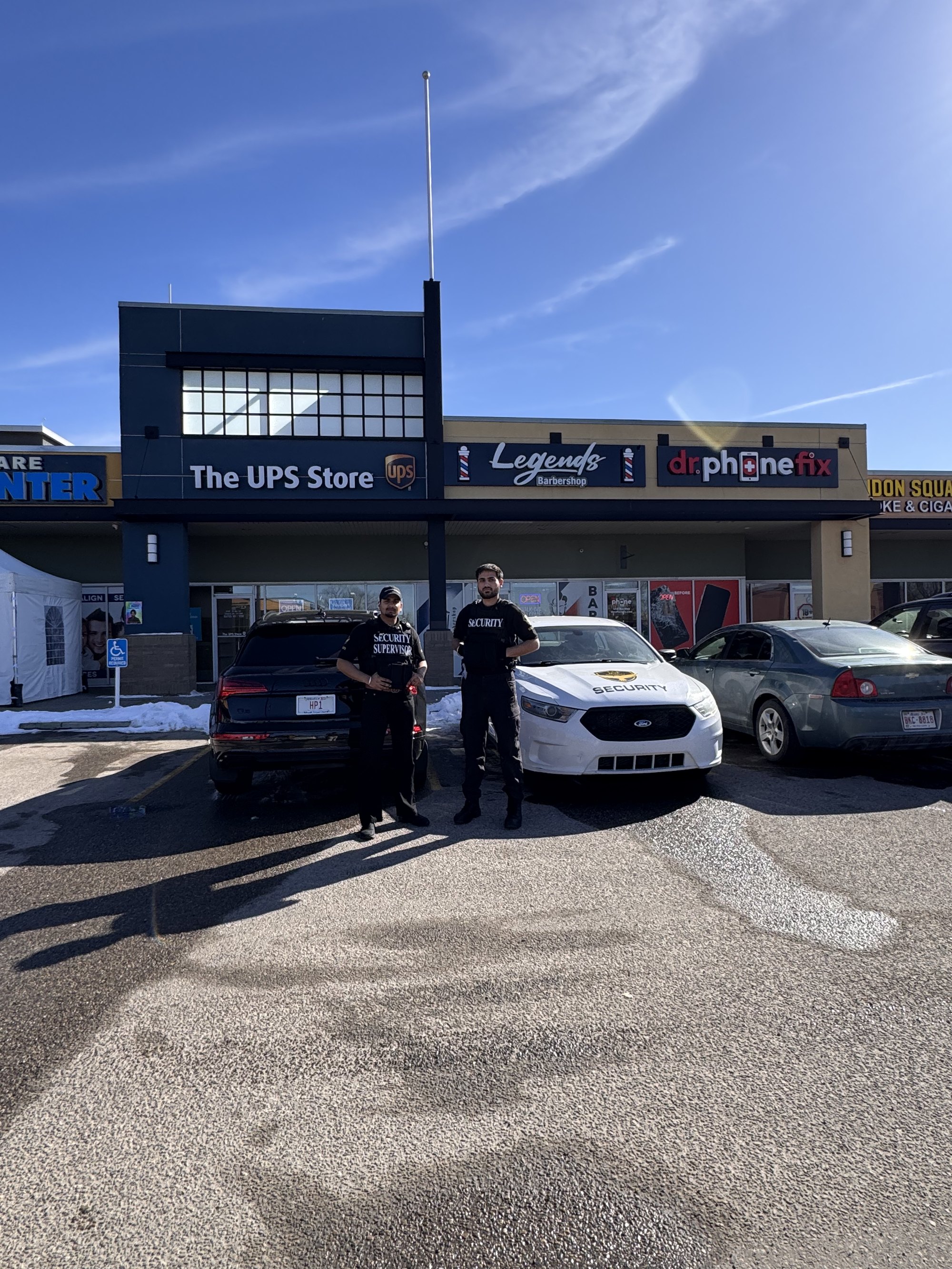

A guard arriving without a valid licence, an incident report that cannot be verified, or a CCTV program collecting more information than a site can justify can create problems well beyond the original security issue. Alberta security compliance changes matter because they affect the people, processes, and records behind your security coverage - not just the contract you signed.
For Calgary property managers, builders, retail operators, and event planners, compliance should be treated as an operating requirement. It influences who can work on site, how incidents are handled, what information is documented, and whether your provider can demonstrate accountability when a client, insurer, owner, or regulator asks questions.
What Alberta Security Compliance Changes Mean for Site Managers
The rules that govern private security in Alberta are built around the Security Services and Investigators Act and its regulations. They set expectations for licensing and conduct within the private security industry. Requirements can be updated through legislation, regulation, provincial policy, or changes to licence administration, so site managers should avoid relying on old onboarding documents or verbal assurances from a vendor.
The practical question is not whether your site needs to become a legal expert. It is whether your security program can show that guards are properly authorized, duties are appropriate, and incidents are being managed with a clear record of what happened.
This is especially relevant when coverage changes quickly. A construction site may need overnight patrols after copper theft. A condo may require access-control coverage following repeated unauthorized entry. A retail operator may add guards for a seasonal rush. Short-notice deployment is useful, but it should not bypass licence verification, site orientation, post orders, or reporting expectations.
Licensing is the first checkpoint
Security personnel working in regulated roles in Alberta must hold the applicable provincial licence. A responsible provider should be able to verify that deployed guards are licensed for their role and that licences remain current. This is not paperwork for paperwork's sake. Licensing supports minimum training, identity verification, and professional accountability.
Ask a prospective provider how it verifies licences before scheduling a guard and how it tracks expiry dates for active staff. If your site has specialized needs - such as access control, fire watch, mobile patrol, or a high-volume event entrance - ask how guard training and experience are matched to those duties.
A licensed guard is not automatically the right guard for every assignment. A quiet industrial gate, an occupied residential lobby, and a crowded public event require different communication skills, escalation practices, and site awareness.
Guard authority has limits
A visible uniform can discourage trespass, theft, and disorderly conduct, but it does not give private security the same authority as police. Your post orders should reflect that distinction. Guards need clear instructions on when to observe, document, de-escalate, contact site representatives, call emergency services, and preserve the scene for police.
Problems often arise when a client expects security to solve a staffing, tenancy, or enforcement issue outside a guard's lawful role. For example, a guard can monitor access and report a breach, but they should not be asked to make decisions that belong to a property manager, employer, emergency responder, or law enforcement officer.
Clear escalation paths protect everyone involved. They also make reports more useful when an incident becomes an insurance claim, a police file, or a dispute with a contractor or visitor.
Review Your Security Provider's Compliance Controls
Compliance is not limited to individual guards. The company providing the service should have operating controls that support reliable delivery across every shift. This is where a low hourly rate can carry hidden risk: a vendor may place a person on site, but lack effective supervision, dispatch support, documentation standards, or replacement coverage.
For ongoing coverage, review the provider's Alberta business licensing status, insurance, guard screening practices, supervisor availability, and process for filling absences. You should also understand who is responsible for notifying your team if the assigned guard changes, an incident occurs, or a scheduled patrol cannot be completed.
A provider should be able to explain these controls in plain language. If the answer is vague, the service may be difficult to manage when conditions change at 2 a.m. or during a weekend alarm response.
Documentation should prove the work was done
A daily activity report is more than a recap email. It should create a usable record of patrols, access-control issues, incidents, observations, and follow-up actions. For mobile patrol and vacant-property coverage, GPS-tracked activity and time-stamped, photo-documented reporting can give owners and managers evidence that required checks occurred.
The right amount of reporting depends on the site. A construction project may need gate status, equipment observations, perimeter checks, and photos of damage or unsecured areas. A condominium may need concise records of visitor issues, parking concerns, lockouts, or common-area incidents. An event organizer may need entry counts, ejections, medical calls, and post-event notes.
More reports are not always better. Reports should be factual, timely, and relevant to the assignment. They should avoid opinions, unnecessary personal details, or language that overstates what the guard saw.
Privacy changes the way sites use cameras and reports
Security cameras, visitor logs, access records, and incident reports can contain personal information. Alberta private-sector organizations generally need to consider privacy obligations when collecting, using, safeguarding, and retaining that information.
For site managers, this means having a clear reason for surveillance, limiting access to footage and reports, and avoiding casual sharing through personal devices or unsecured email. It also means ensuring that security staff know when to record information and what not to include.
A useful test is proportionality. If a camera, log, or report does not support a legitimate security purpose, reconsider whether it is needed. If it is needed, establish who can review it, how long it is retained, and how it is protected. Residential sites require particular care because visitor and tenant information can be sensitive.
Update Post Orders When the Risk Changes
One of the most common compliance gaps is an outdated post order. The guard may be licensed and the company may be properly established, but the instructions on site no longer match the actual risk.
A construction site that has moved from excavation to finishing work may have different theft targets and access points. A commercial building with a new tenant may require revised visitor procedures. An event venue may change its entry layout, alcohol service plan, or emergency exits shortly before opening. Each change should trigger a review of guard placement, patrol routes, radio communications, emergency contacts, and reporting requirements.
Post orders should identify the site boundaries, restricted areas, emergency contacts, alarm procedures, keys or access credentials, and escalation rules. They should also specify what the guard must document on every shift. Keep the instructions practical enough to use under pressure.
A Practical Review Before You Renew or Add Coverage
Before renewing a security contract or adding temporary coverage, review four areas together: personnel, procedures, proof, and privacy. Confirm that the guards assigned to your site are appropriately licensed and suitable for the work. Confirm that the post orders match current conditions. Confirm that patrol and incident records are accessible and consistent. Confirm that camera footage, visitor information, and reports are handled with appropriate controls.
It also helps to test the response process. Call after hours and see how quickly the provider answers. Ask what happens if a guard is delayed, a patrol finds a break-in, or an alarm activation cannot be cleared. A security plan is only as strong as the response behind it.
MVP Security Inc. builds site-specific coverage around Alberta-licensed personnel, local dispatch, documented activity, and clearly defined escalation procedures. That approach is particularly useful for clients who need coverage adjusted quickly without losing sight of compliance and accountability.
Regulatory requirements and site risks will not stand still. The most useful next step is to pull out your current post orders and last few incident reports, then compare them with what is actually happening at your property. The gaps are usually easier to fix before the next alarm, theft, or access-control failure puts them under scrutiny.