


























A person sleeping in a parkade stairwell, a former contractor returning to a construction site, or a customer refusing to leave after closing can create very different risks. Yet each situation starts with the same operational question: who has permission to be on the property, and what happens when that permission ends? Understanding Alberta trespass laws helps property managers, site supervisors, and business owners respond consistently before a minor access issue becomes a safety incident, theft loss, or tenant complaint.
This is general operational information, not legal advice. Site rules, lease terms, tenancy issues, employment matters, and the facts of an incident can affect the appropriate response. When there is an immediate threat, violence, or a crime in progress, contact police or emergency services.
How Alberta trespass laws work in practice
In Alberta, the Trespass to Premises Act gives occupiers a framework for controlling access to their premises. An occupier can include an owner, tenant, person in possession of a property, or another person with responsibility for and control over the site. For a commercial building, that may be the property owner or manager. On a construction project, it may include the general contractor or an authorized site representative.
The core principle is straightforward: people need permission to enter or remain on private property. Permission can be explicit, such as a visitor being admitted through reception, or implied, such as a shopper entering a retail store during business hours. That permission is not unlimited. It may be subject to conditions, including where visitors can go, when they can be there, and expected conduct while on site.
A retail customer generally has permission to shop, not to enter staff-only areas. A delivery driver may have permission to access a designated loading zone, not an unsecured warehouse floor. A contractor may have permission to be on a job site during scheduled work hours but not after their assignment has ended. Clear limits make enforcement easier and reduce arguments during an incident.
Notice is the foundation of enforceable access control
Property managers often assume a sign alone solves the issue. Signs help, but effective site control depends on a wider process. Notice that entry is prohibited or restricted may be given verbally, in writing, through signs, or through physical measures such as fencing and gates. The right approach depends on the property and its normal public access.
For locations with public traffic, such as office towers, retail centres, condo lobbies, and event venues, access conditions should be visible and reasonable. Posted rules can address after-hours access, restricted areas, no loitering, prohibited conduct, visitor registration, and the need to follow staff or security direction. A guard or site representative can also give a person direct verbal notice that they must leave or must not return.
The notice should be specific enough to document later. Rather than saying, “You are not welcome here,” an effective direction identifies the location, the required action, and the consequence. For example: “You are no longer authorized to remain at this construction site. Leave through the main gate now. You are not permitted to return without written approval from site management.”
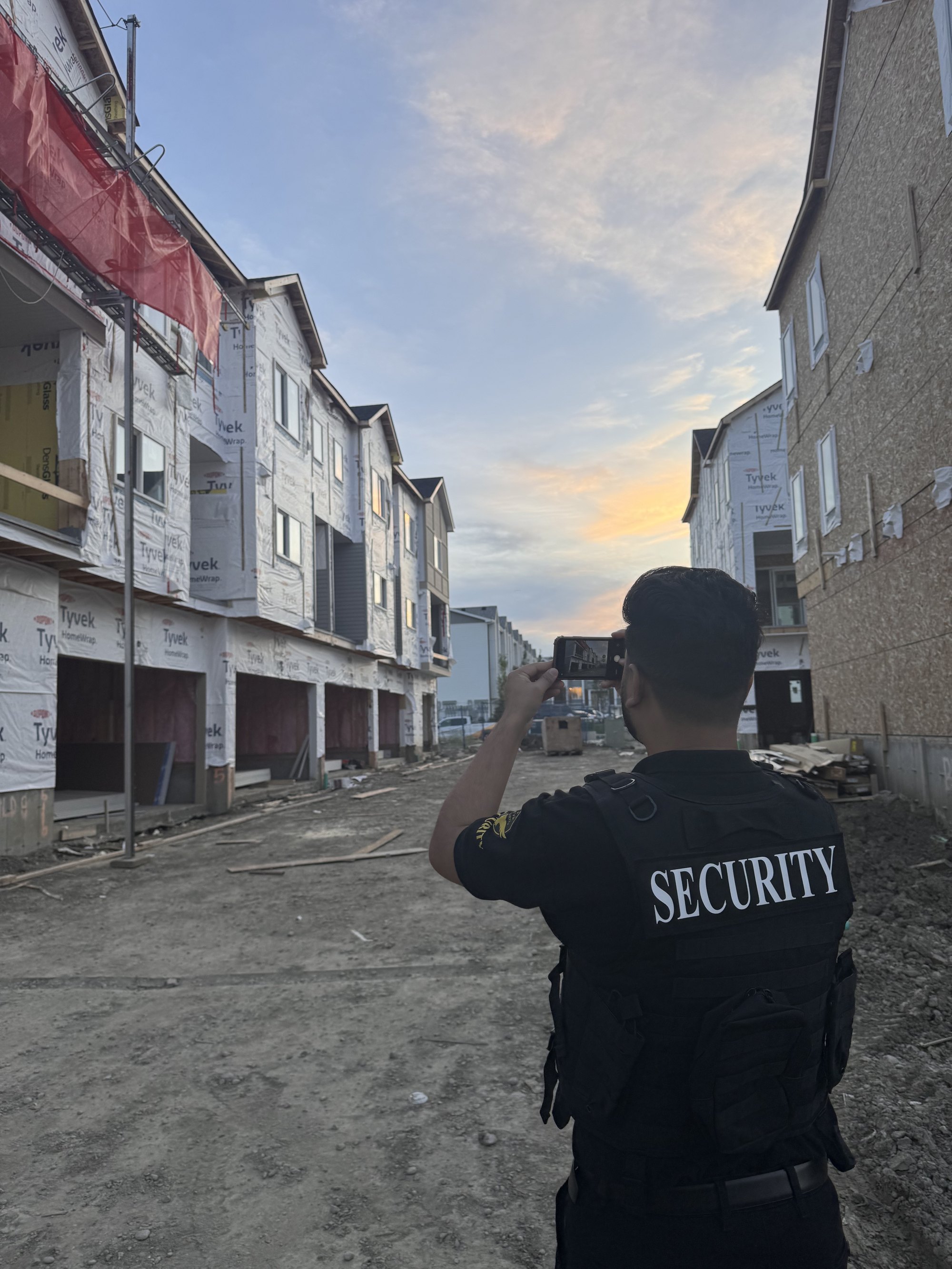
For repeat concerns, a written trespass notice creates a stronger operational record. Record the person’s name if voluntarily provided or lawfully available, a description, date, time, location, reason for the notice, staff involved, and any photos or video available through site systems. Do not create unnecessary confrontation simply to collect details. Staff safety comes first.
Why signs still matter
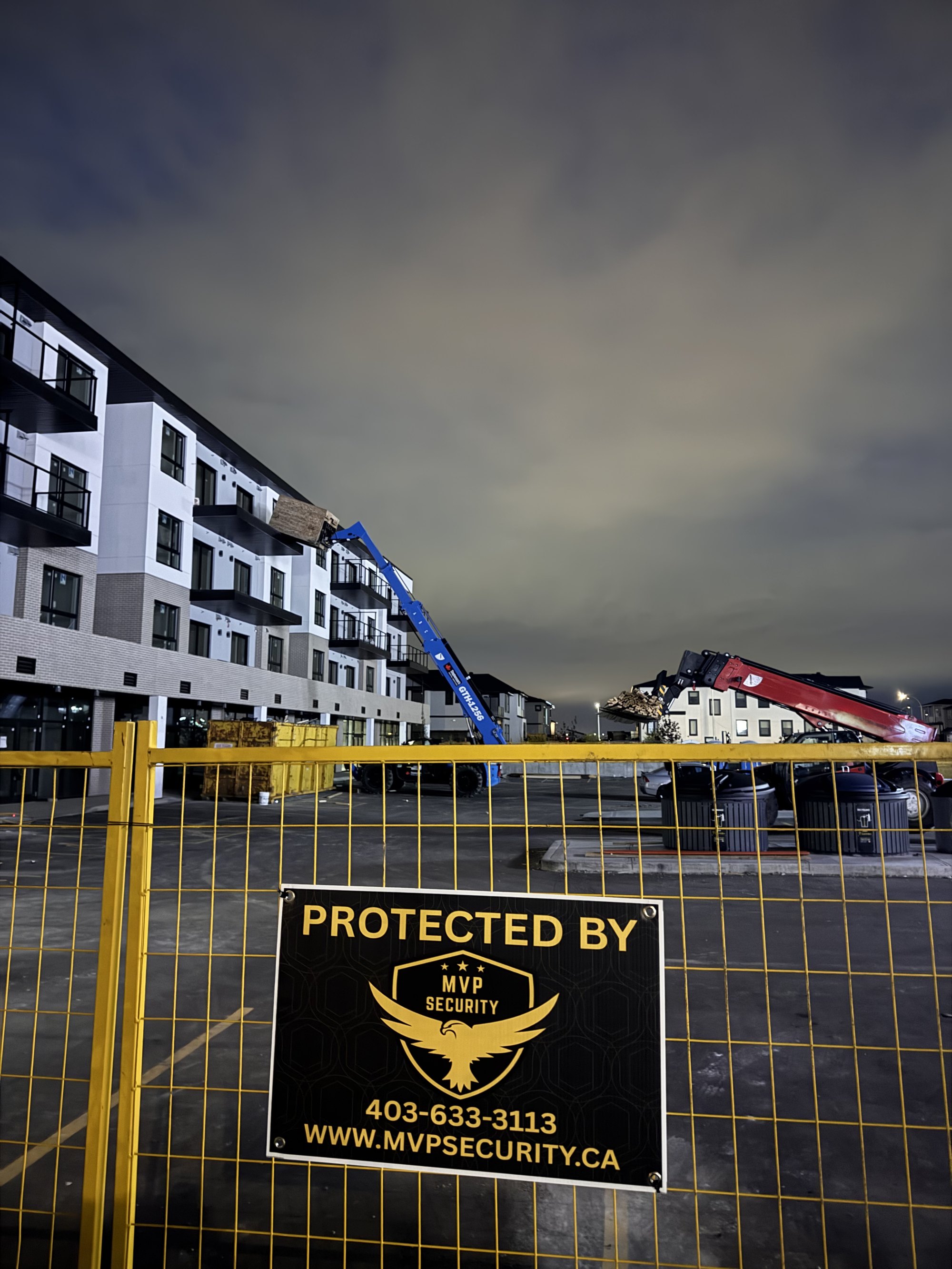
Well-placed signs establish expectations before a guard needs to intervene. They are particularly useful at fenced compounds, vacant properties, parkades, loading areas, rooftops, construction sites, and other locations where unauthorized entry creates elevated risk.
Signs should be readable at the point of entry and match the actual rules being enforced. A site with “No Trespassing” signs but an open gate, no visitor process, and inconsistent staff direction sends mixed messages. Physical security, documented procedures, and clear communication work together.
When permission ends
Permission can end when a person violates a stated condition, enters a restricted area, refuses a lawful direction to leave, or remains after business or authorized hours. The facts matter. A confused visitor who takes a wrong corridor needs a different response than someone testing access points or damaging property.
This is where trained security personnel add value. A professional guard can assess behaviour, verify whether the person has a legitimate purpose, communicate site rules clearly, and escalate according to a documented post order. For many incidents, a calm, visible presence and a direct instruction resolve the issue without police involvement.
If a person refuses to leave, becomes aggressive, or returns after being prohibited, the property representative should preserve the details needed for a police report or follow-up. Video footage, access-control records, patrol logs, witness names, photographs of damage, and a timeline can all be useful. Vague notes such as “suspicious male removed” do not give a property manager enough information to identify patterns or support enforcement.
What security guards can and should not do
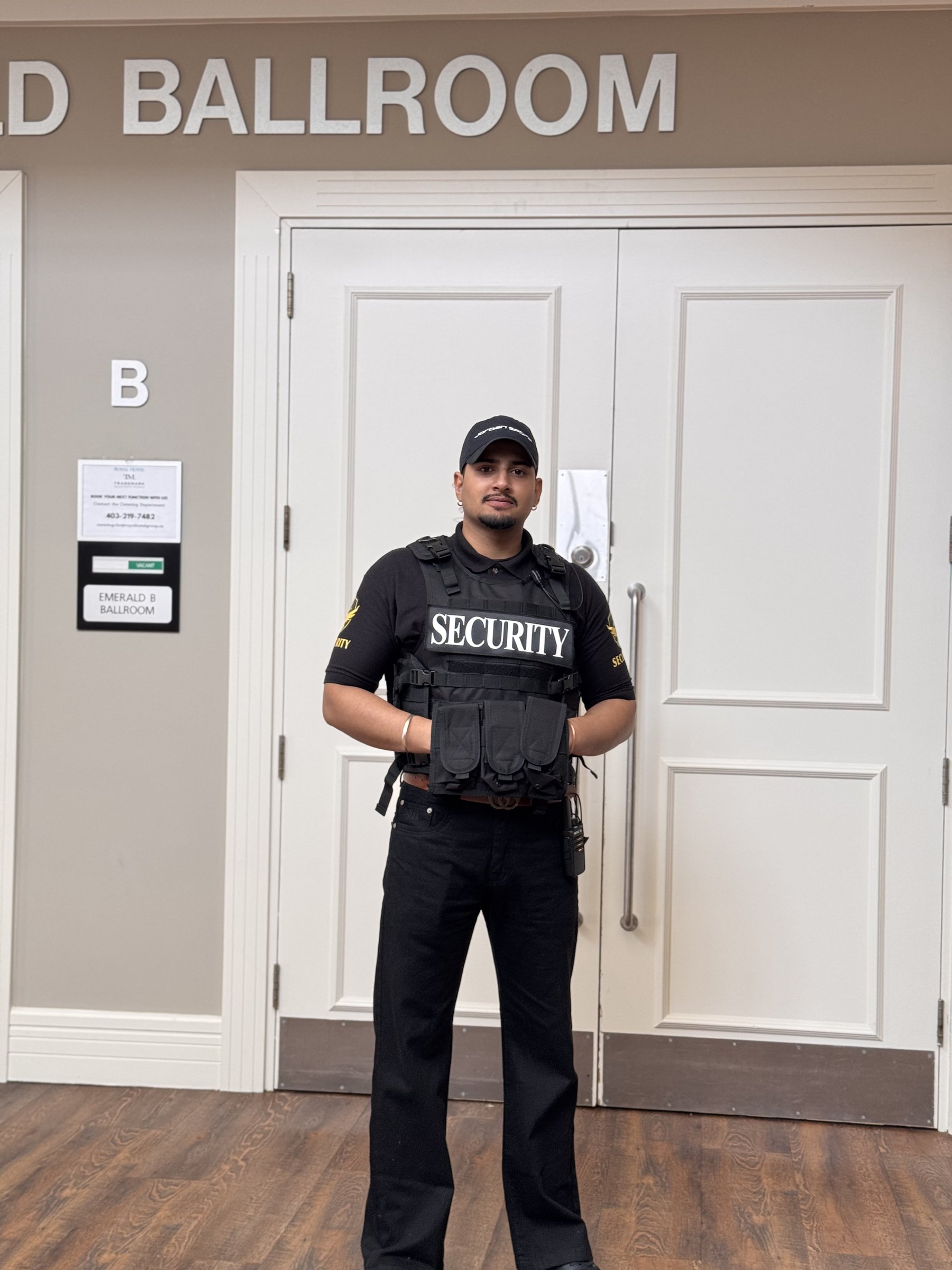
Security guards are not police officers. Their authority, training, and role must be understood by everyone involved in a site security plan. Guards can monitor property, enforce site policies on behalf of the occupier, request identification where appropriate, ask people to leave, observe and report, and contact police when circumstances require it.
They should not use a trespass concern as a reason to take unnecessary physical action. Any intervention must be lawful, proportionate, and guided by the circumstances, the guard’s training, and company policy. Physical confrontation can create injury, liability, and a rapid escalation of risk. In most cases, maintaining distance, using clear verbal direction, calling for support, and preserving evidence is the better operational choice.
A guard should also avoid making promises that site management cannot support. If a person is issued a ban, the authorized client representative should confirm its scope: which property it covers, whether it applies indefinitely or for a defined period, and who can revoke it. Consistency matters when multiple guards, concierge staff, and building employees work the same location.
Site plans should match the risk
Trespass prevention is not the same for every property. A condo facing recurring overnight parkade entries needs a different plan than an active construction site with exposed materials and changing subcontractors. An industrial facility may need visitor screening, vehicle logs, and strict perimeter controls. A retail operation may need visible floor patrols and a measured response to disruptive behaviour.
A practical security plan starts by identifying where unauthorized people enter, when incidents occur, and what they are seeking. Common pressure points include unsecured side doors, parkade pedestrian access, loading bays, stairwells, vacant suites, perimeter fencing, and alarmed doors that staff routinely prop open.
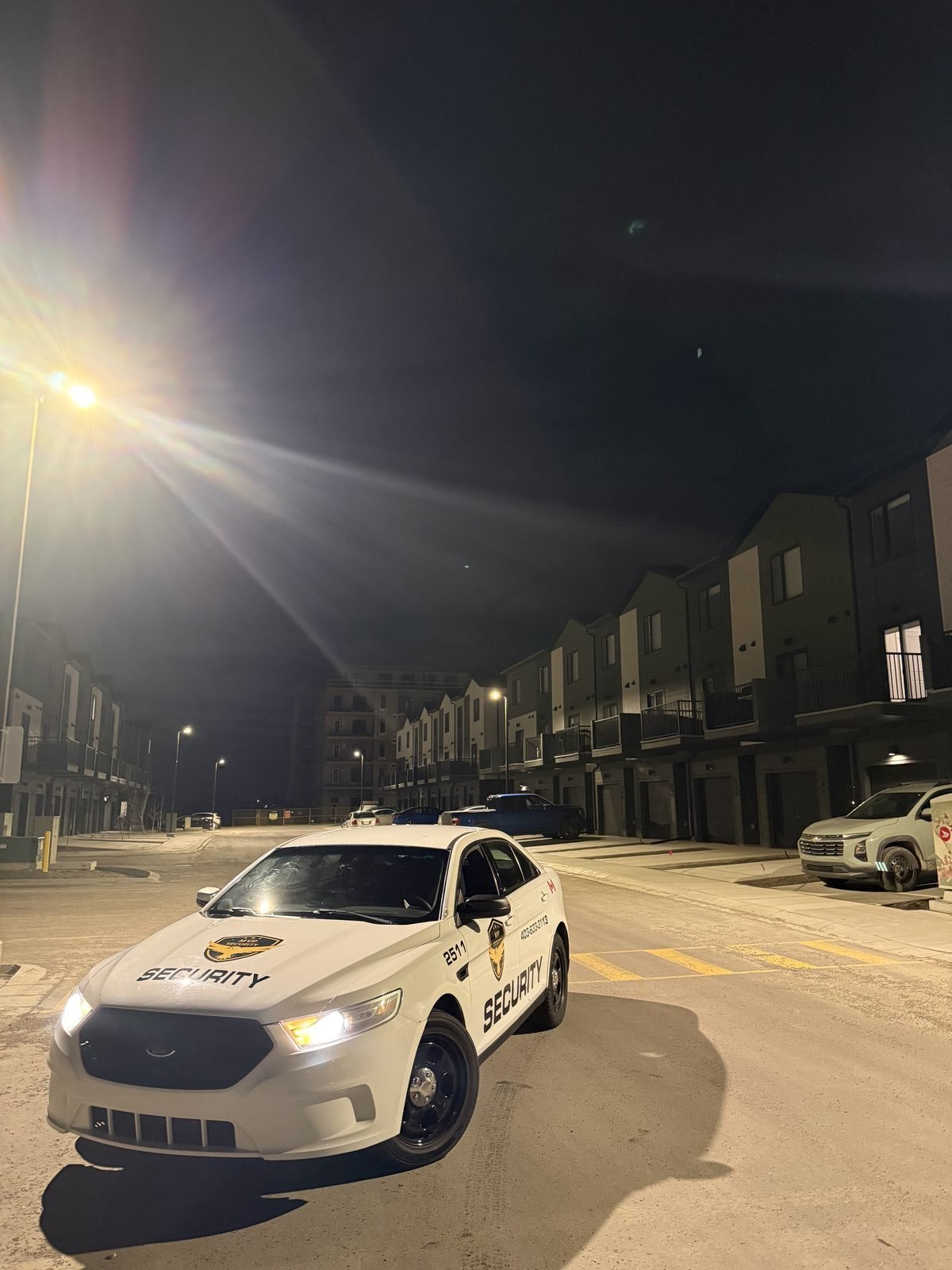
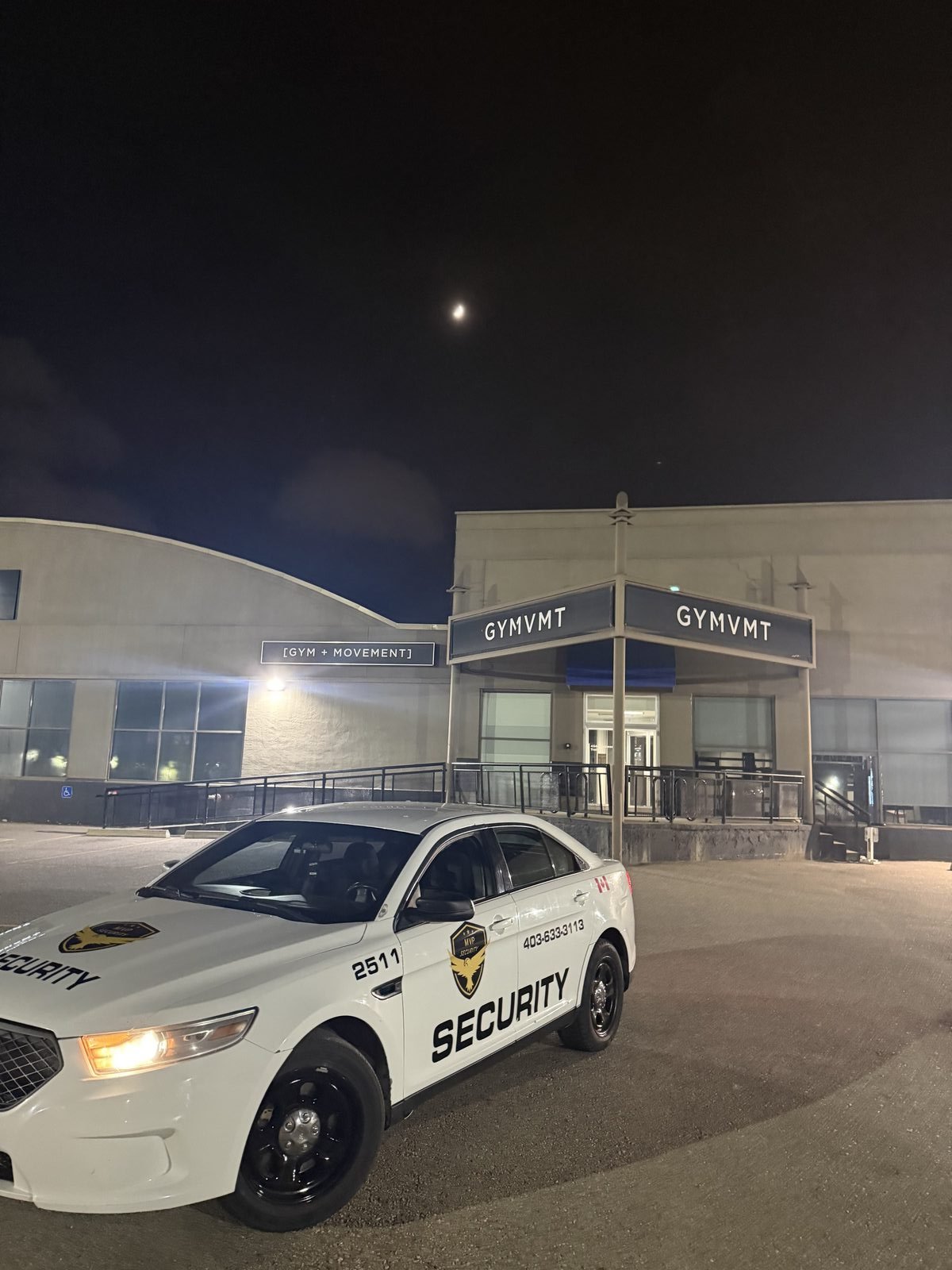
From there, coverage can be matched to the exposure. Mobile patrols may be effective for a vacant commercial site or a dispersed portfolio. Static guards may be appropriate for an active construction site, a problem parkade, or a high-traffic event. Access control and concierge coverage can prevent many trespass incidents before they reach upper floors or restricted areas.
For Calgary-area properties, weather and operating hours also matter. A fence breach at 2:00 a.m. in January requires a response plan that does not depend on a manager driving across the city. GPS-tracked patrols, documented check points, alarm response procedures, and photo-based reporting give decision-makers a record of what was found and what was done.
Build a consistent response procedure
The best trespass response is repeatable. Front-line staff should know who can authorize removal, who receives incident reports, when police are called, and how evidence is retained. Property managers should ensure that reception teams, maintenance staff, guards, and after-hours contacts are working from the same instructions.
A sound procedure usually follows a simple sequence: verify the concern, communicate the access rule, direct the person to leave if required, call for support when risk increases, and document the incident before details are lost. The response should be adjusted when there are signs of impairment, mental health distress, weapons, threats, or a vulnerable person seeking shelter. Safety and de-escalation remain the priority.
Recurring incidents deserve review, not just repeated removal. If the same trespasser enters through the same door every week, the issue may be a failed closer, weak lighting, an access credential problem, or an unclear tenant process. Incident reports should lead to corrective action.
Clear trespass procedures protect more than property. They give staff confidence, help tenants and visitors understand expectations, and provide a defensible record when a situation needs to be escalated. For sites that need visible deterrence and documented after-hours coverage, MVP Security can build guard, patrol, and access-control programs around the real conditions on the ground.