






A propped-open side door at 11:40 p.m. can undo every security measure in a residential building. For property managers and condo boards, apartment building security Calgary planning is rarely about one dramatic failure. It is usually about small gaps - repeated after-hours access, parkade trespassing, package theft, noise complaints that escalate, or alarms that no one reaches quickly enough.
In Calgary, those gaps look different from one property to the next. A downtown mid-rise with frequent visitor traffic has different pressure points than a suburban rental complex with surface parking, multiple entry points, and limited overnight staff. Good security planning starts by matching coverage to the actual site, not by forcing every building into the same template.
What apartment building security in Calgary actually needs to cover
Residential security is often reduced to cameras and locked doors. That is part of the picture, but it is not the full job. A building also needs a reliable way to control who enters, how incidents are handled, and what happens when something goes wrong outside office hours.
For most apartment and condo properties, the core concerns are predictable. Unauthorized access is usually near the top of the list, especially through parkades, rear entrances, or poorly monitored common areas. Then there is theft - from package rooms, storage lockers, bikes, vehicles, or contractor materials left on site. Property damage, tenant disturbances, loitering, and after-hours safety issues follow close behind.
That is why effective security is operational, not cosmetic. A visible guard presence may discourage unwanted activity, but the real value comes from procedures. Who checks doors and amenity spaces? Who responds to suspicious persons? Who documents incidents with enough detail for management to act on them later? Who attends when an alarm is triggered at 2 a.m.?
Why a Calgary apartment building needs a custom security plan
No two buildings in Calgary carry the same risk profile. Age, tenant mix, surrounding land use, access design, lighting, and staffing all change what coverage makes sense. A newer concrete tower with concierge staff may need overnight patrol support and alarm response. A wood-frame rental complex with recurring trespass issues may need more frequent mobile patrols, exterior checks, and visible enforcement around entry points.
Budget matters too, and that is where many security programs succeed or fail. Overspending on static coverage where mobile patrol would do the job is not efficient. On the other hand, relying on occasional drive-bys when a building has active tenant safety concerns creates a false sense of coverage. The right approach is usually layered.
A layered plan often combines access control practices, camera review procedures, scheduled or randomized patrols, documented incident reporting, and clear escalation steps for management. If the property has chronic after-hours problems, it may also need dedicated overnight guards or concierge-style coverage at high-traffic times.
The most common weak points in apartment building security Calgary properties face
The front entrance gets most of the attention, but it is rarely the only problem area. Side doors, loading entrances, parkade ramps, stairwells, garbage enclosures, and shared amenity rooms tend to create more repeat issues because they are less visible and less consistently monitored.
Package delivery has also changed the risk picture. Buildings that were never designed for heavy delivery traffic now deal with couriers entering throughout the day, parcels left in unsecured areas, and residents expecting management to solve missing package disputes. That is not just a tenant service issue. It becomes a site control issue very quickly.
Another common problem is inconsistent response. Cameras may record an incident, but if no one attends in real time, the footage becomes evidence after the fact rather than prevention. That is why response capacity matters as much as surveillance. A property needs more than eyes on a screen. It needs a clear path from detection to attendance.
What good security coverage looks like in practice
The best residential security programs are noticeable to the right people for the right reasons. Tenants should see that the building is monitored, access is controlled, and concerns are taken seriously. At the same time, the service should not create unnecessary friction for residents or visitors.
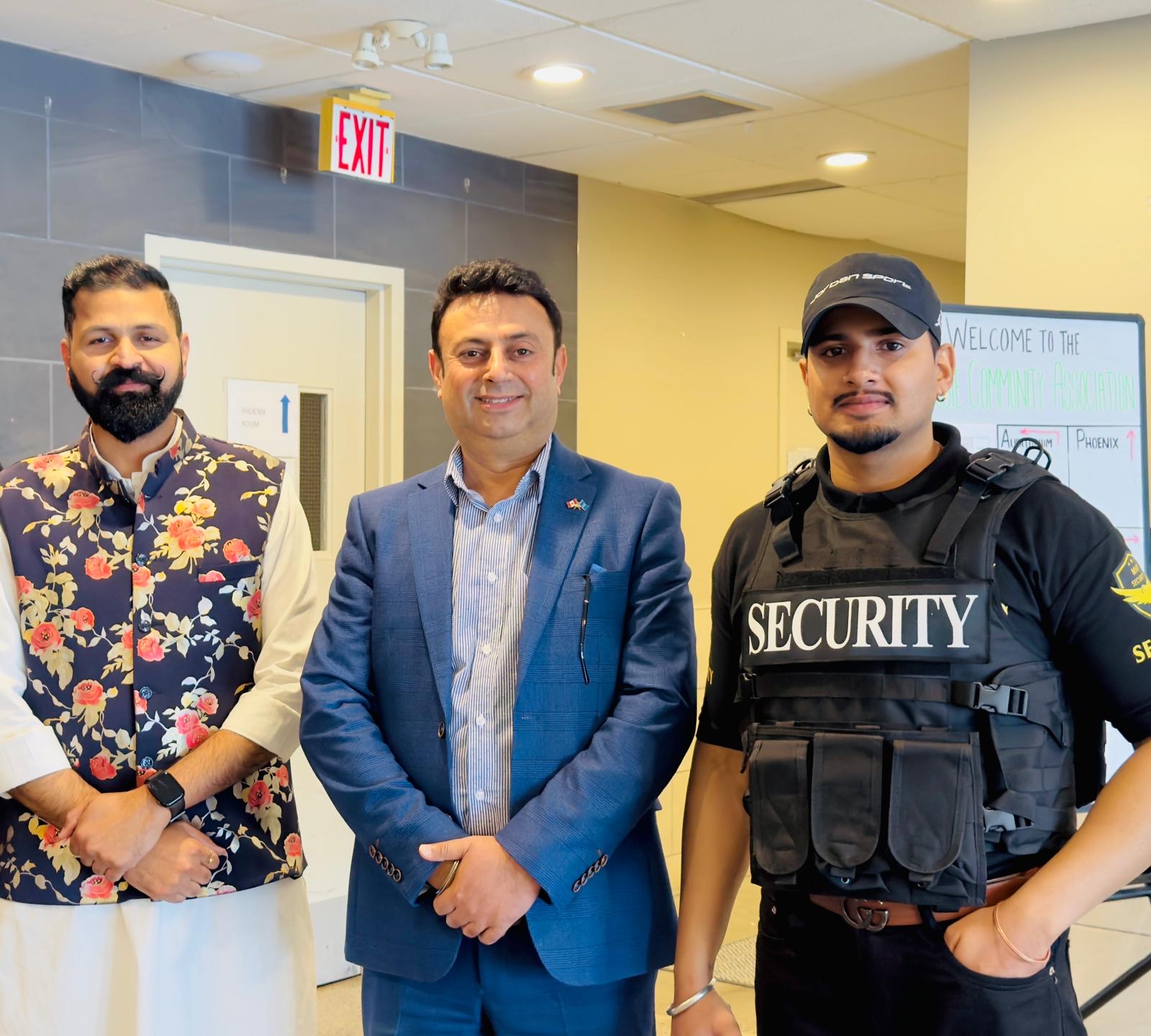
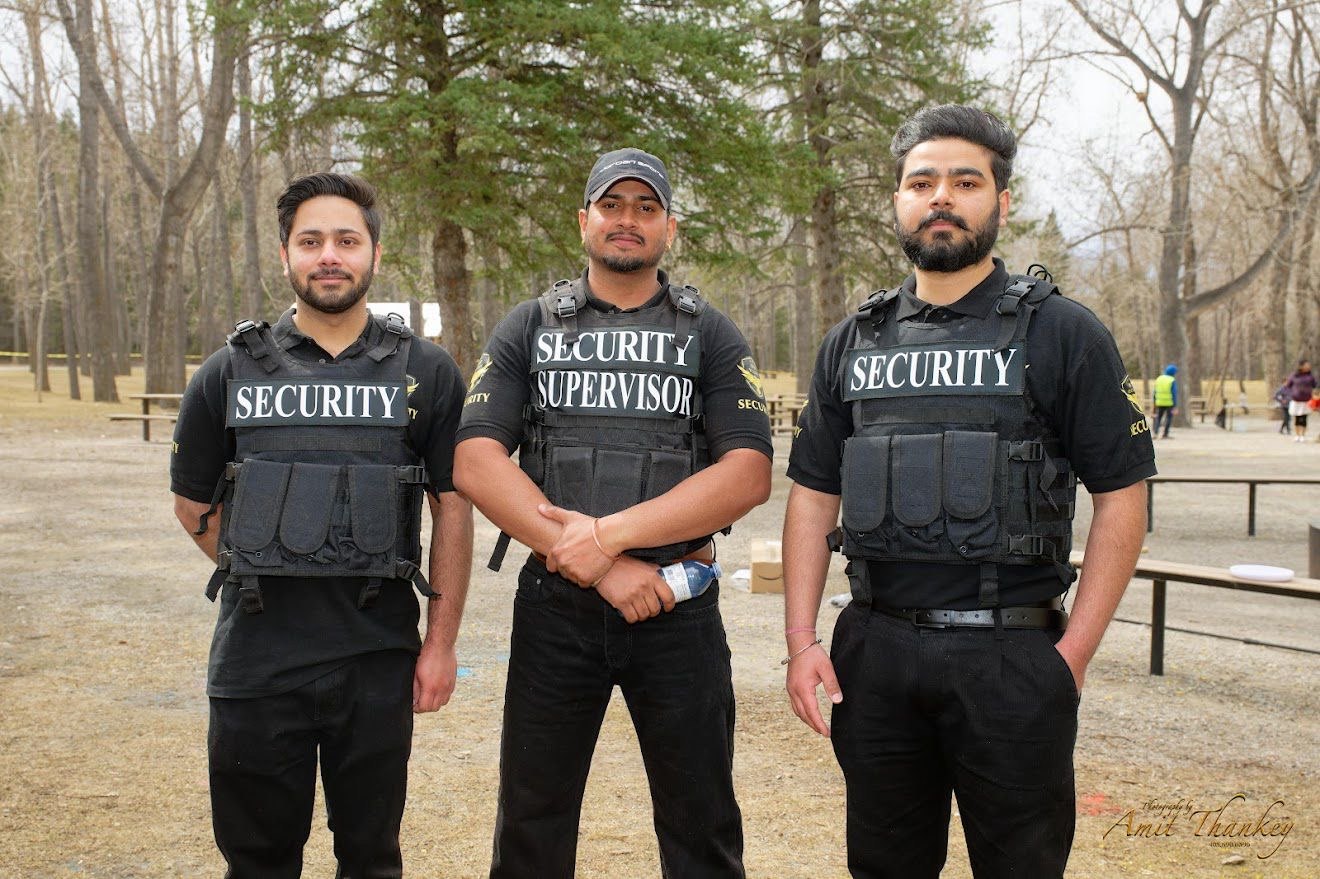
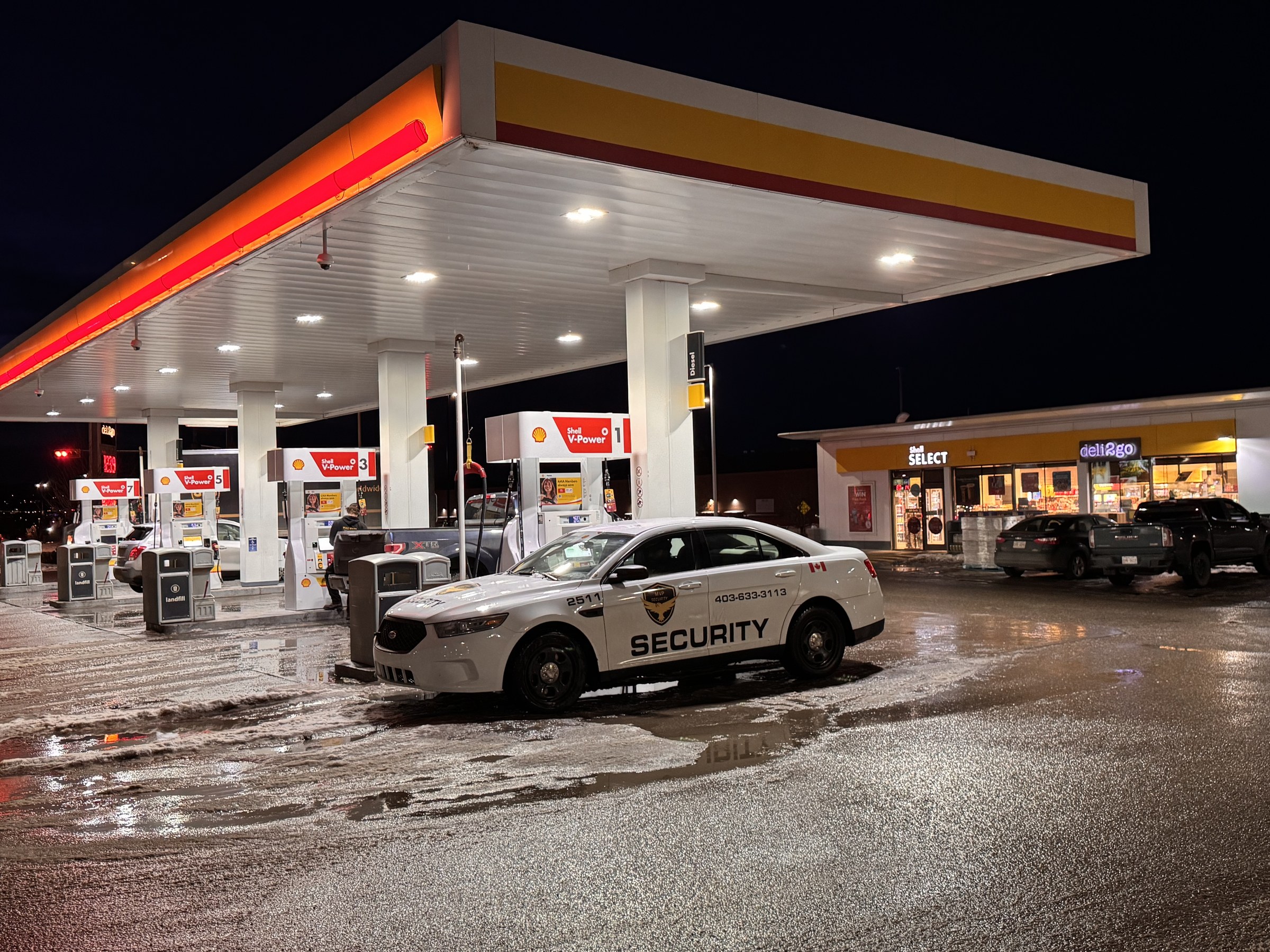
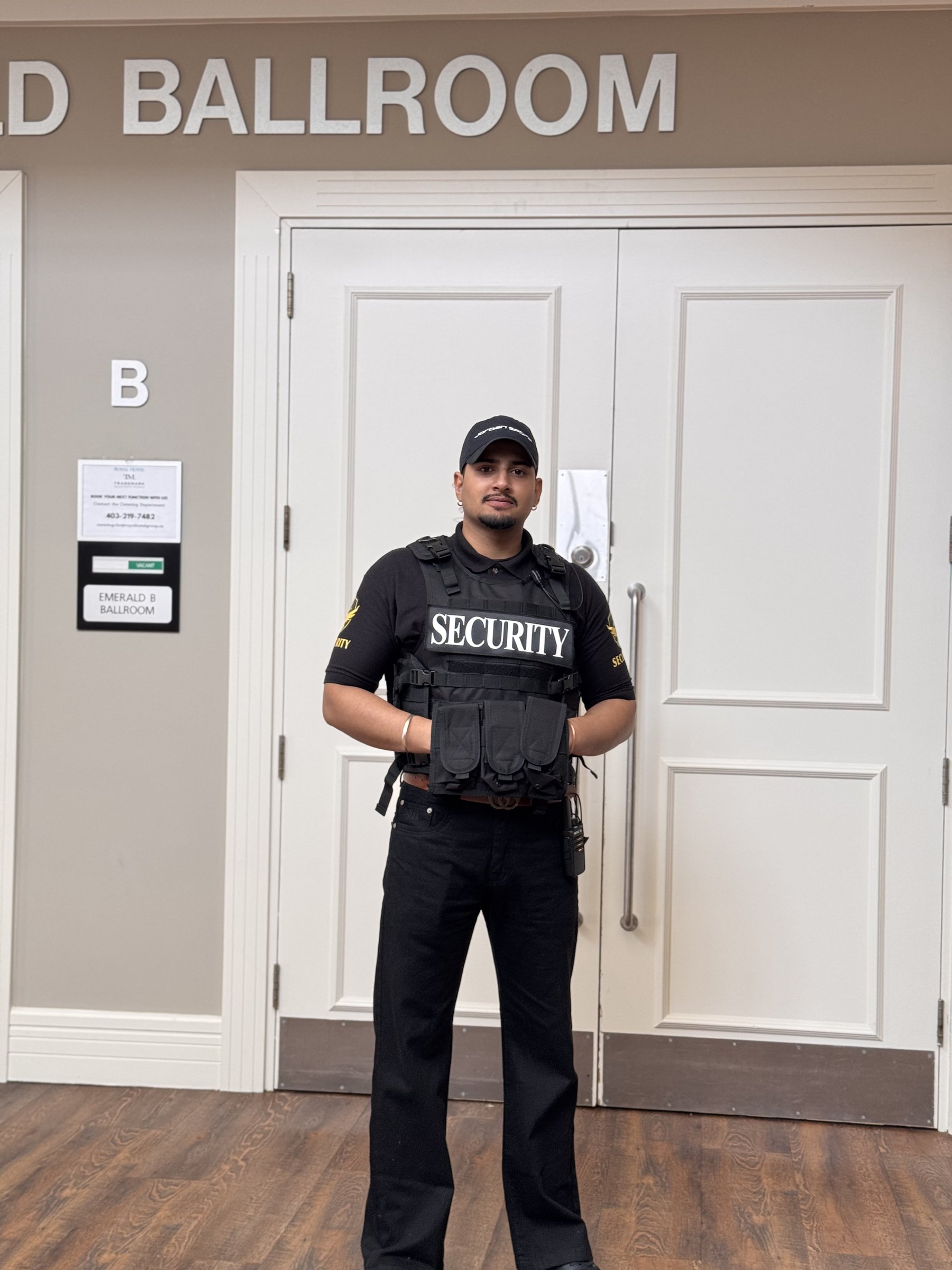
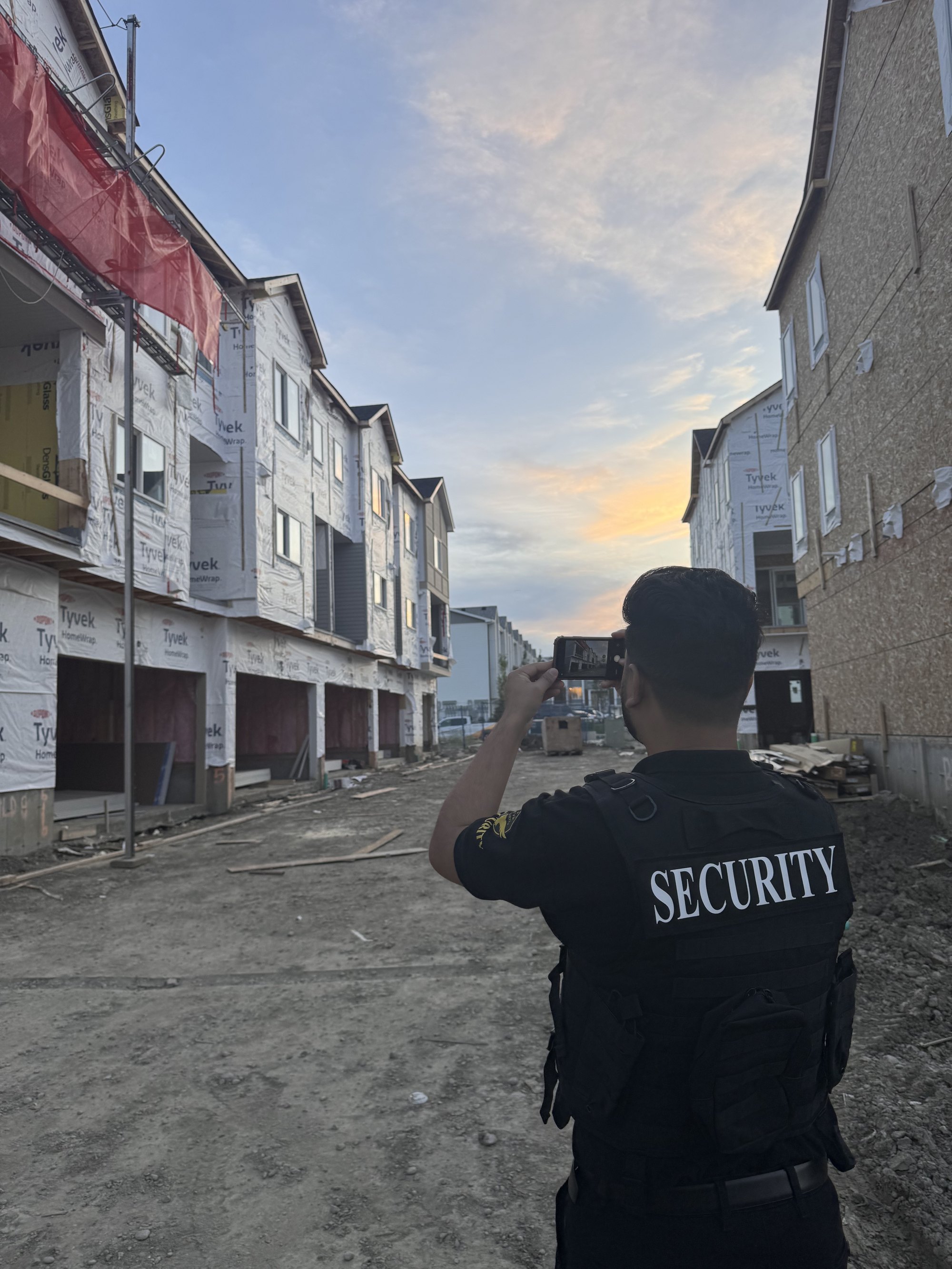
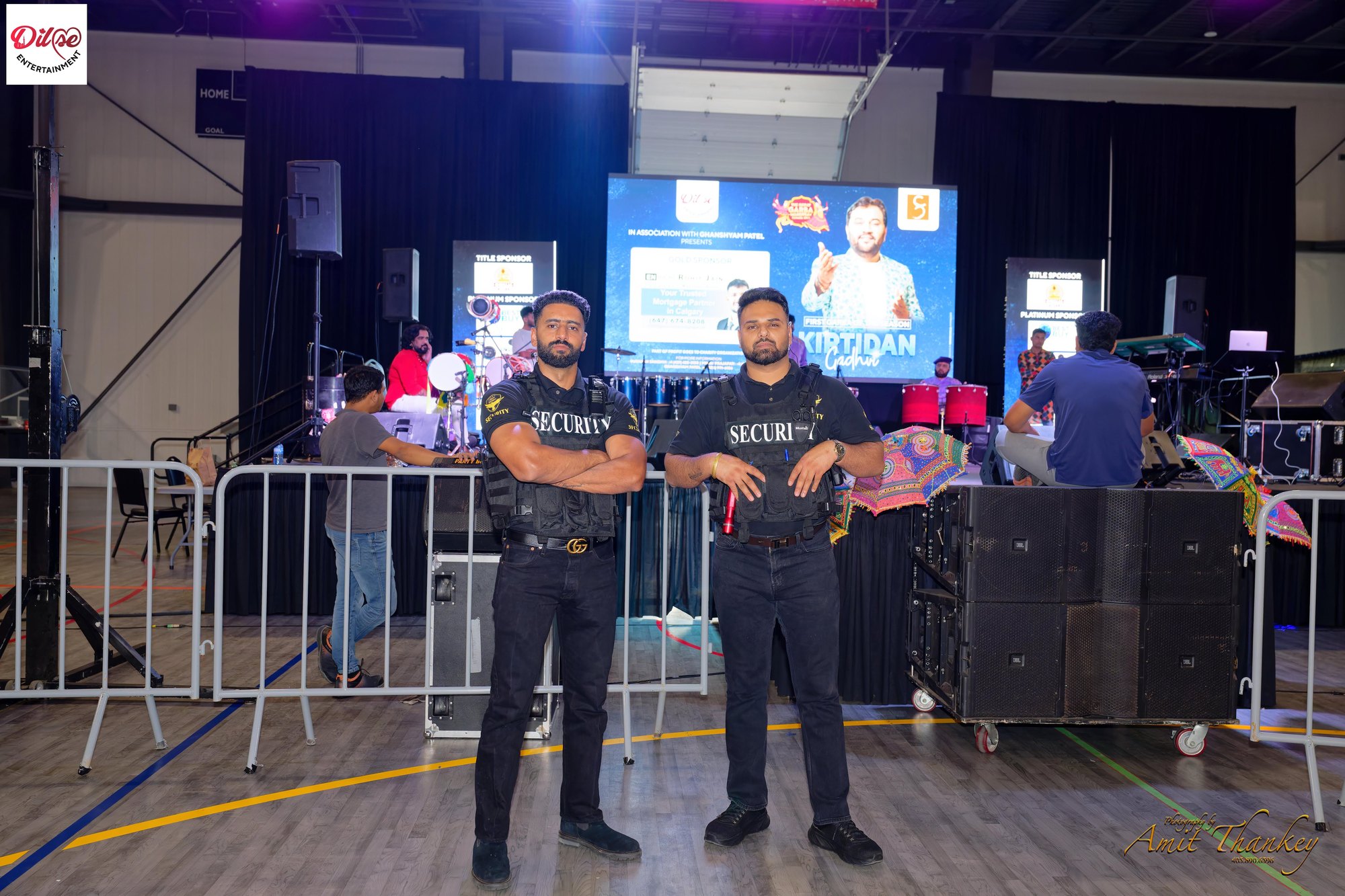
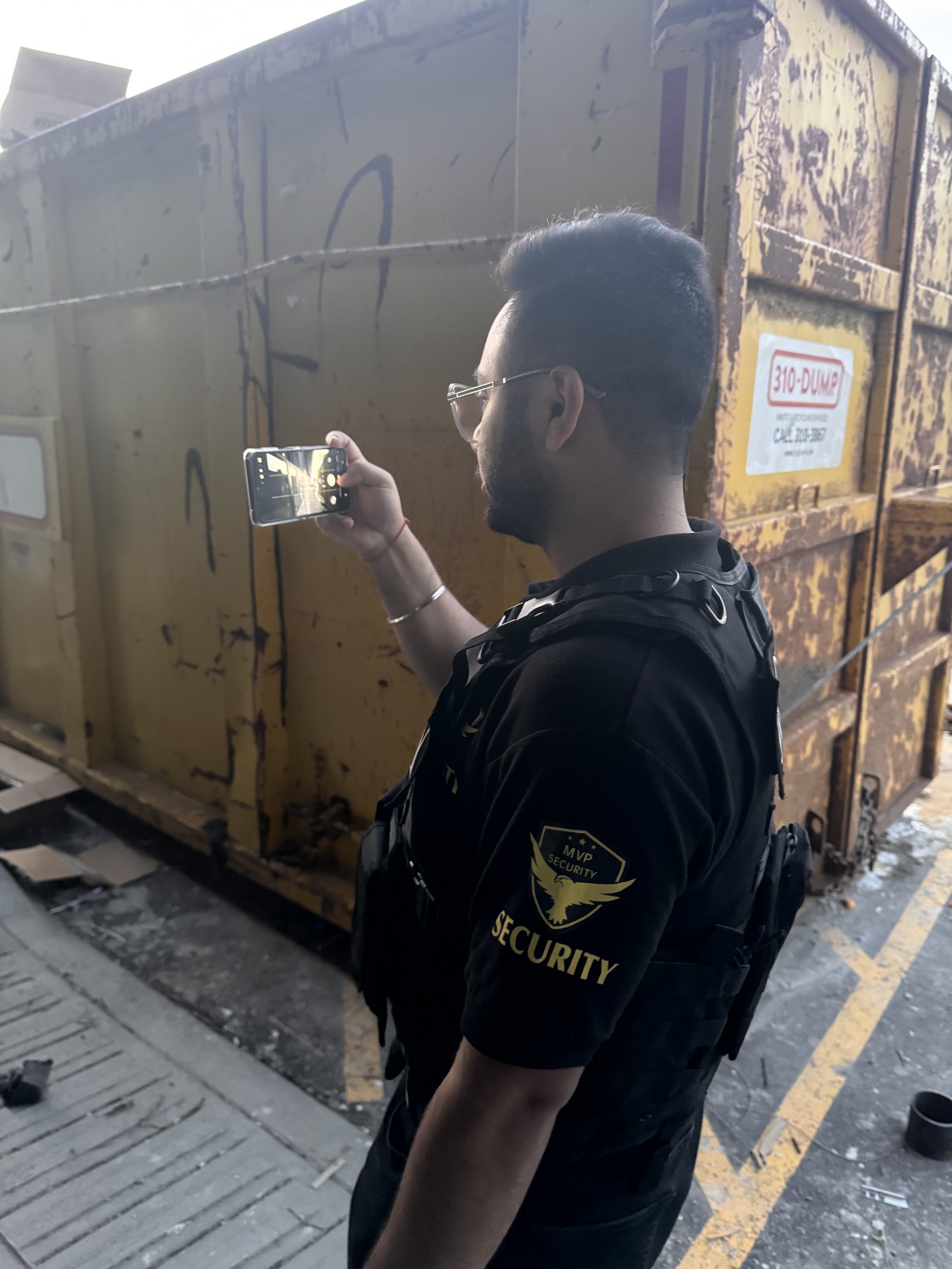
In practice, that often means trained, Alberta-licensed guards who understand residential protocols, de-escalation, note-taking, and site rules. It also means activity is documented properly. GPS-tracked patrols and photo-backed reporting give property managers something more useful than a verbal update the next morning. They create accountability, show what was checked, and help spot patterns over time.
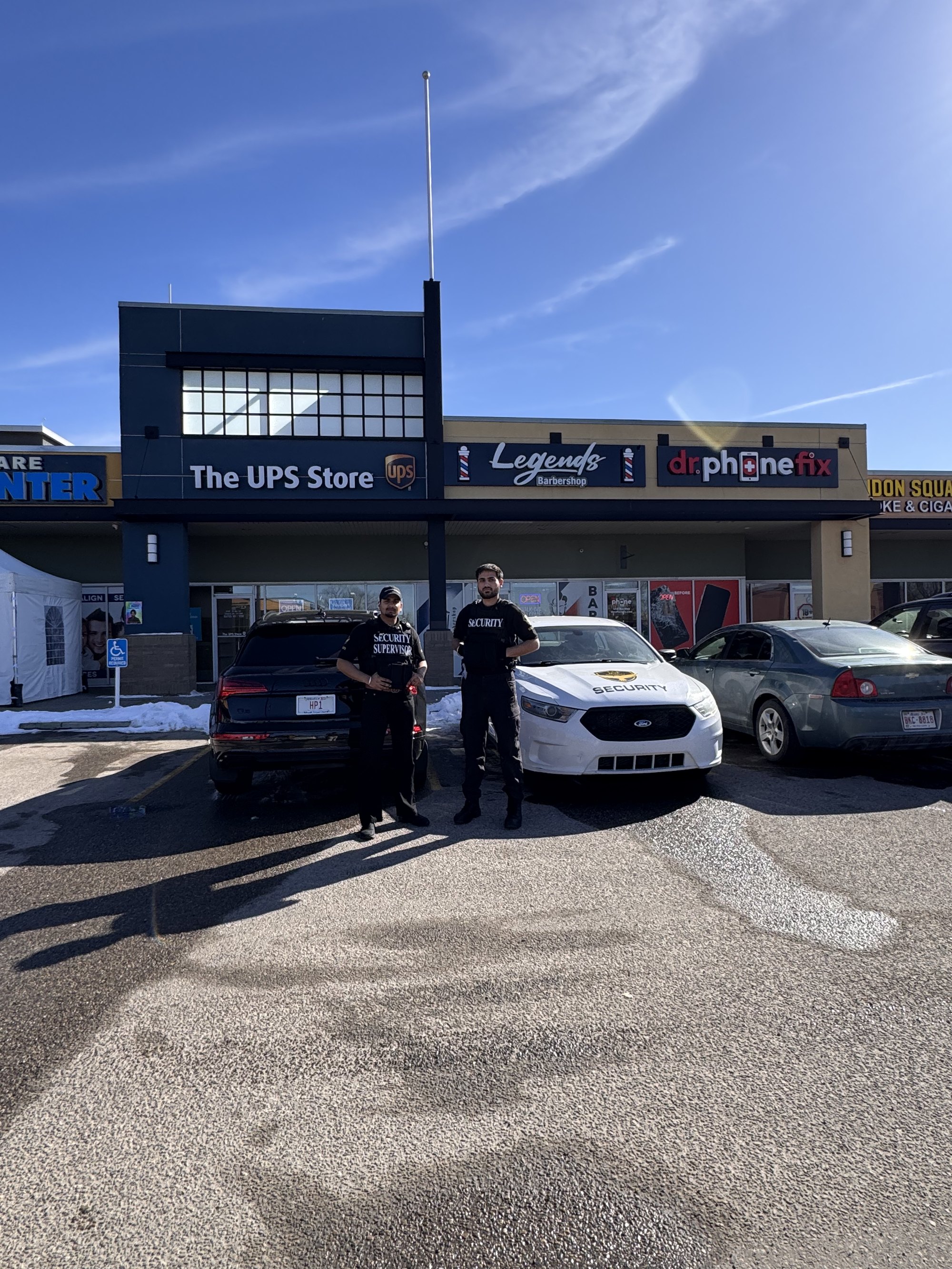
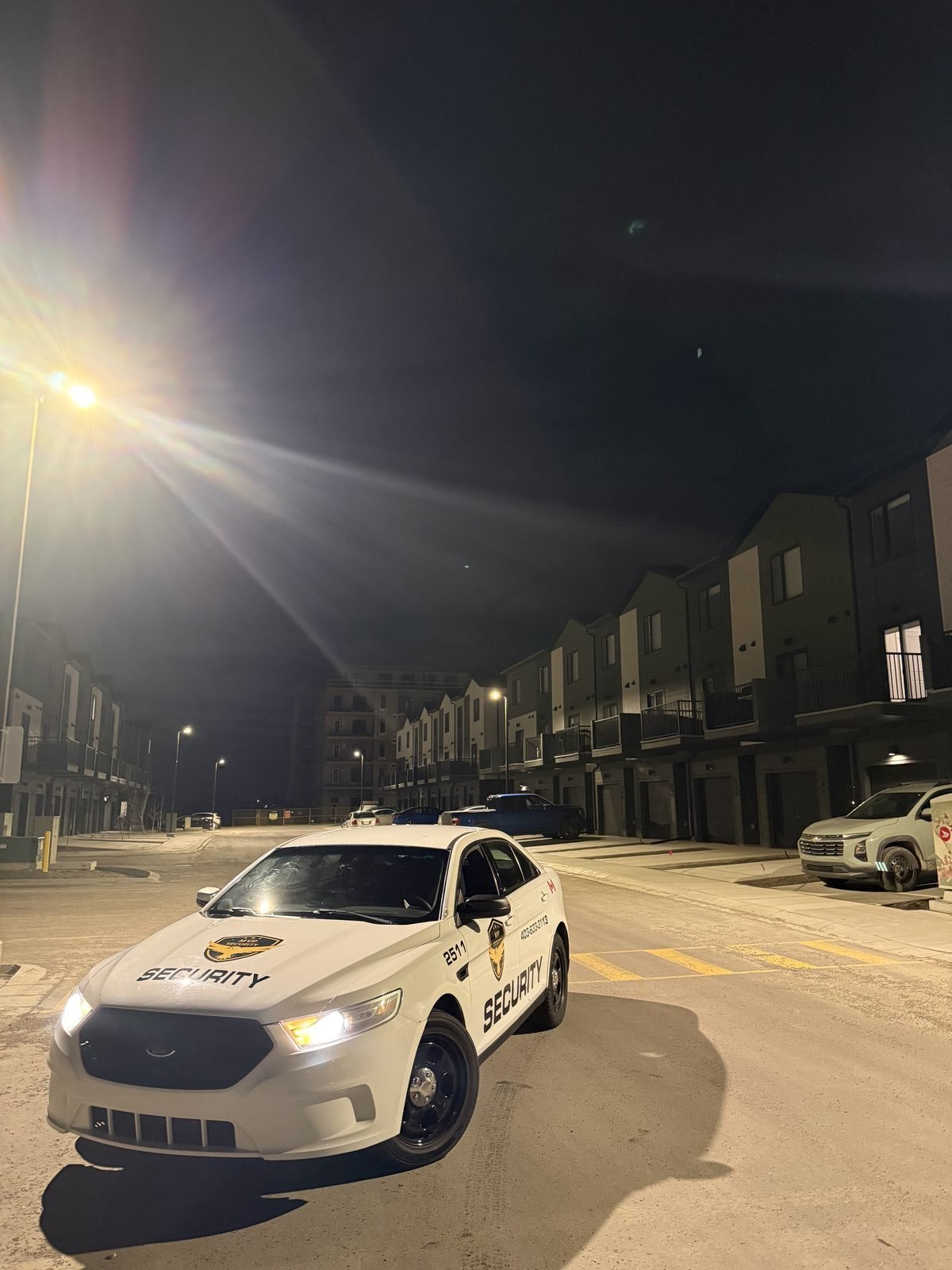
For some sites, mobile patrol is the most practical option. It adds visible deterrence, checks vulnerable areas, confirms doors are secured, and provides after-hours attendance without the cost of a full-time on-site guard. For other buildings, static guards or concierge and access control coverage make more sense, particularly where there is a busy lobby, frequent contractor traffic, or recurring tenant and visitor management issues.
Alarm response is another piece that should not be overlooked. If a monitored alarm activates overnight, someone still needs to attend, assess the scene, and determine whether police, fire, maintenance, or management should be contacted. Delays create risk, especially in vacant units, common mechanical areas, or buildings with known trespass activity.
Choosing the right provider for apartment building security in Calgary
Security companies can sound similar until service starts. For residential properties, the difference usually shows up in response time, reporting quality, and consistency of personnel. If guards miss patrol points, show up late, fail to write usable reports, or do not understand the building, the program weakens fast.
A strong provider should be able to explain exactly how coverage will work at your site. That includes patrol frequency, escalation procedures, reporting format, licensing, and who is available when your manager calls after hours. Calgary coverage also matters. A local team with active deployment across the city and nearby communities can usually respond more reliably than a provider managing the site remotely or stretching staff across a wider region.
It is also worth asking how site instructions are built and updated. Residential buildings change. Renovations start. Tenants move. Problem areas shift. A security plan should be specific enough to guide guards clearly, but flexible enough to adjust as conditions on site change.
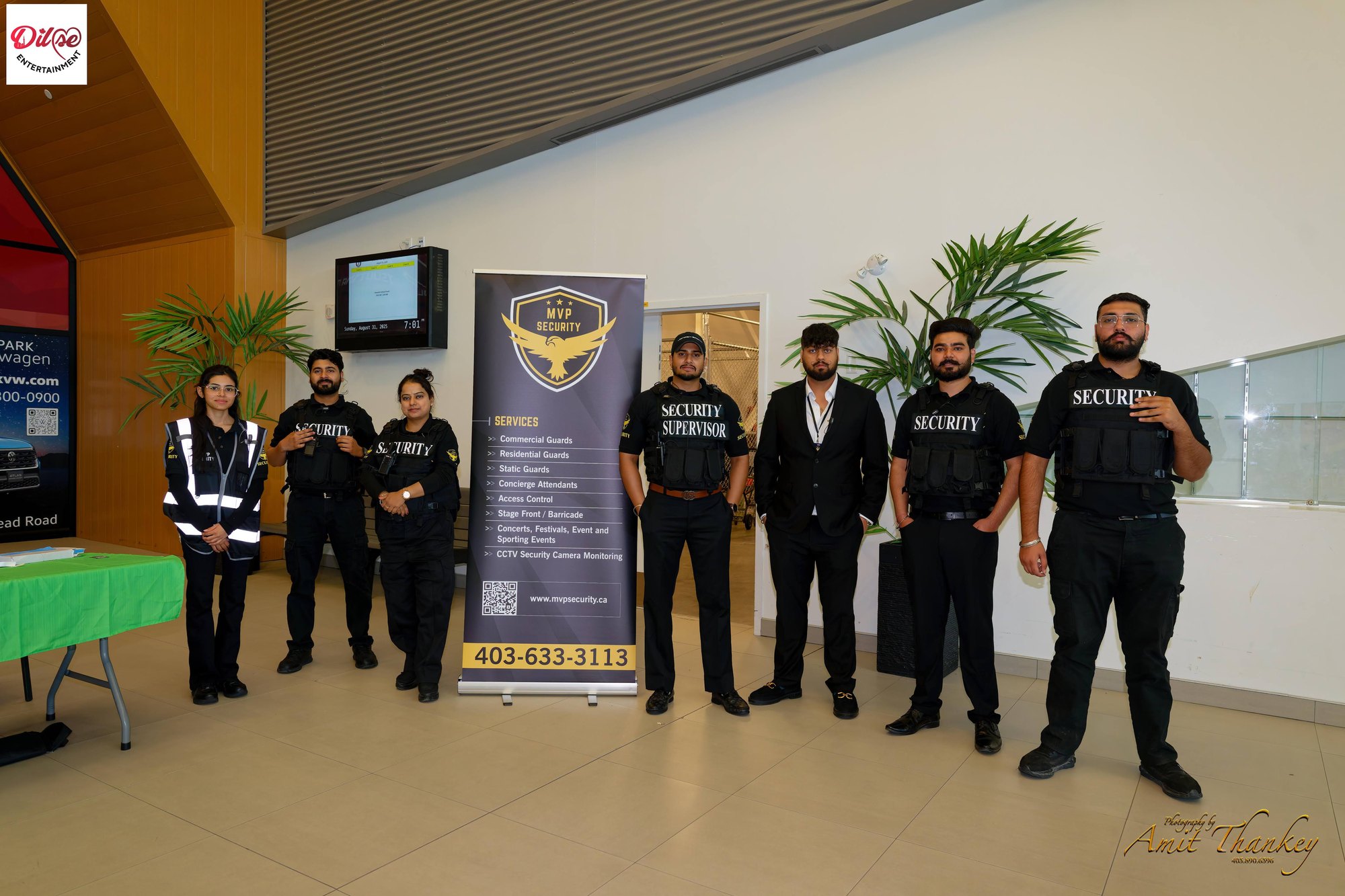
This is where a locally grounded provider such as MVP Security Inc. tends to stand out. For building managers, practical value comes from fast dispatch, trained guards, documented patrol activity, and coverage built around the actual property rather than a generic package.
Balancing deterrence, tenant experience, and cost
There is always a balancing act in residential security. Heavy-handed coverage can frustrate tenants and create a sense that the building is under constant enforcement. Too little presence does the opposite and leaves residents feeling exposed, particularly after a visible incident.
The answer is usually not more security for its own sake. It is more appropriate security. A building with occasional nuisance activity may only need night patrols and better incident follow-up. A property with repeated unauthorized access through the parkade may need stronger access control procedures and more frequent checks at peak hours. A building with vulnerable residents or ongoing disturbances may need a more consistent on-site presence.
When security is matched properly, the result is not just fewer incidents. It is better building operations. Managers spend less time chasing incomplete incident details. Tenants have clearer expectations. Maintenance and emergency issues are identified earlier. There is a real record of what happened, when, and how it was handled.
When to upgrade your current security program
Most buildings do not review security until something serious happens. A better trigger is pattern recognition. If your team is seeing repeated lock or door issues, overnight loitering, garage break-ins, false alarms with slow attendance, or growing tenant complaints about safety, the current setup is probably no longer enough.
The same applies when a property changes use or occupancy. A building with more vacancy, new construction nearby, staffing reductions, or increased delivery traffic may need a different security structure than it needed a year ago. Security should move with the site, not stay fixed out of habit.
For Calgary apartment buildings, the goal is not to create a fortress. It is to maintain control of the property, protect residents and common areas, and make sure incidents are handled quickly and professionally when they happen. That takes more than equipment. It takes a plan, reliable coverage, and a team that can actually execute it when the call comes in.
A good security program should make life easier for management and more predictable for tenants - because in residential buildings, consistency is often what people notice first.