



















A break-in at a construction site rarely stops at stolen tools. It can delay trades, disrupt inspections, trigger insurance issues, and put a project behind schedule within hours. That is why many property owners and site managers eventually ask the same question: are security guards worth it when budgets are tight and every operating cost is under review?
The honest answer is that it depends on the site, the timing, and the consequences of a security gap. For some properties, a guard is an essential layer of protection. For others, mobile patrols, access control, alarm response, or a limited overnight presence may be the better fit. The value is not in hiring security for appearances. It is in reducing specific risks that cost money, create liability, or interrupt operations.
Are security guards worth it in real operating terms?
If you are responsible for a building, site, or event, the calculation is usually practical. You are weighing the cost of guard coverage against the cost of theft, vandalism, trespassing, tenant complaints, safety incidents, and after-hours disruptions. In many cases, one serious incident costs more than a period of professional security coverage.
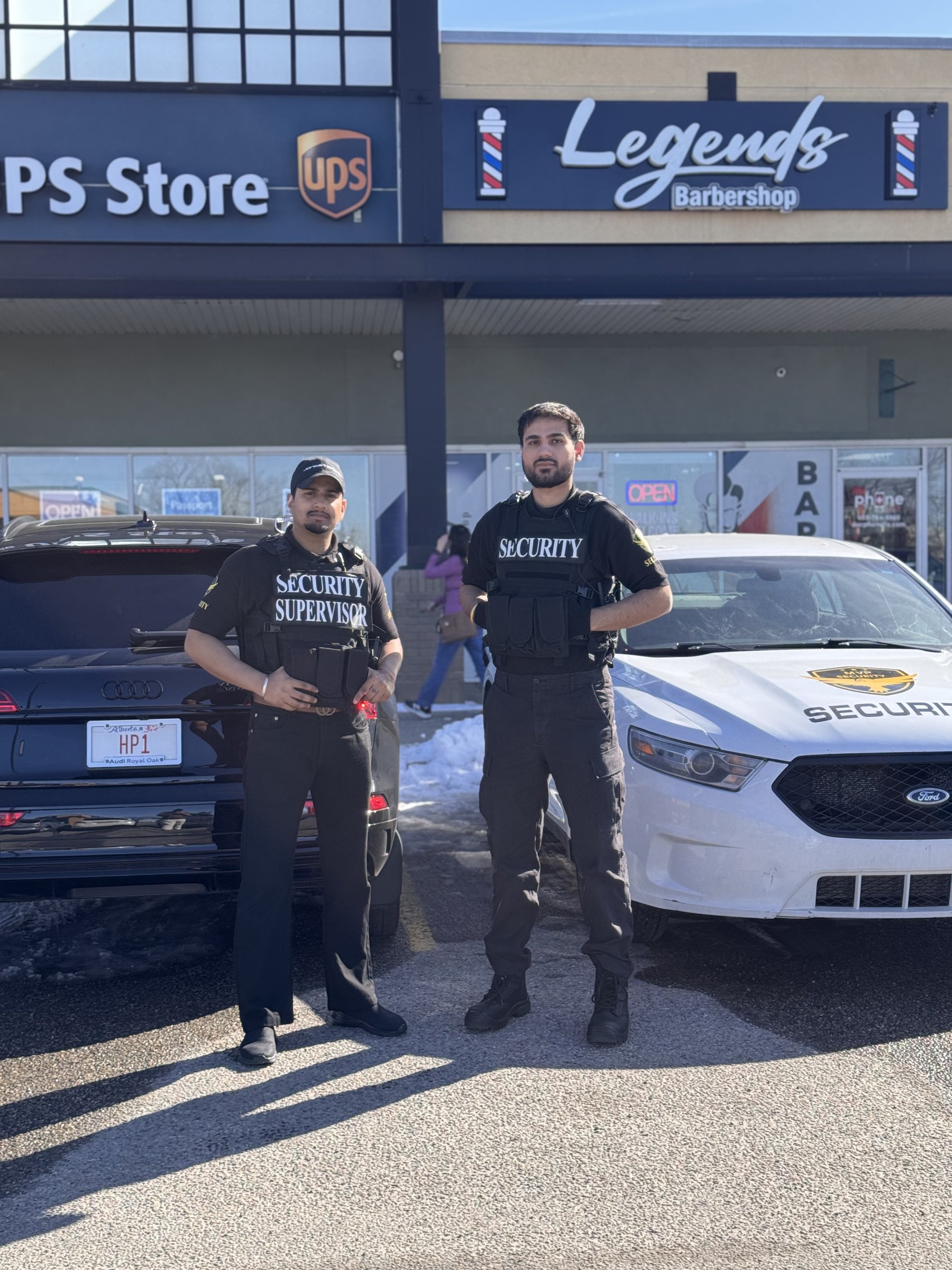
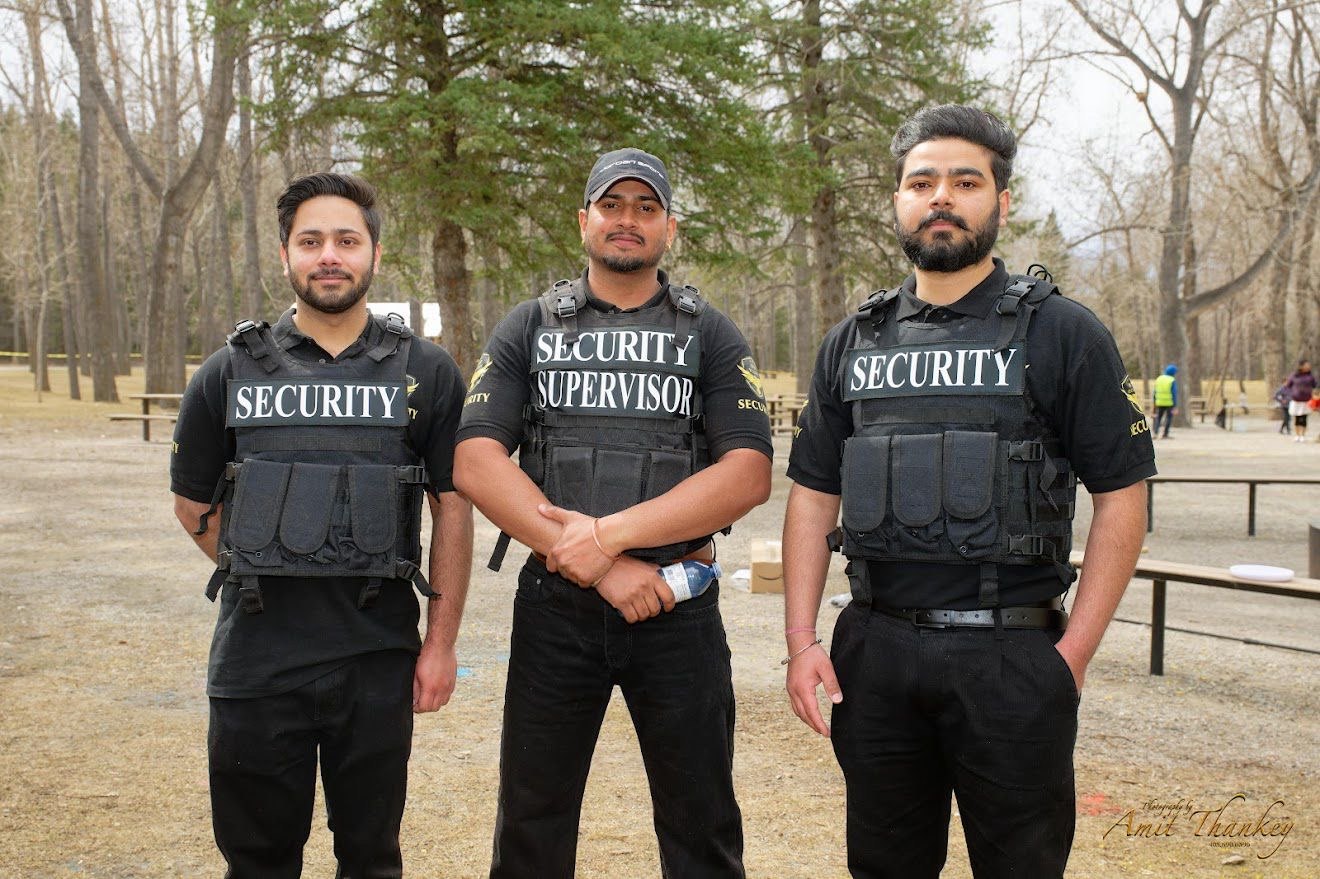
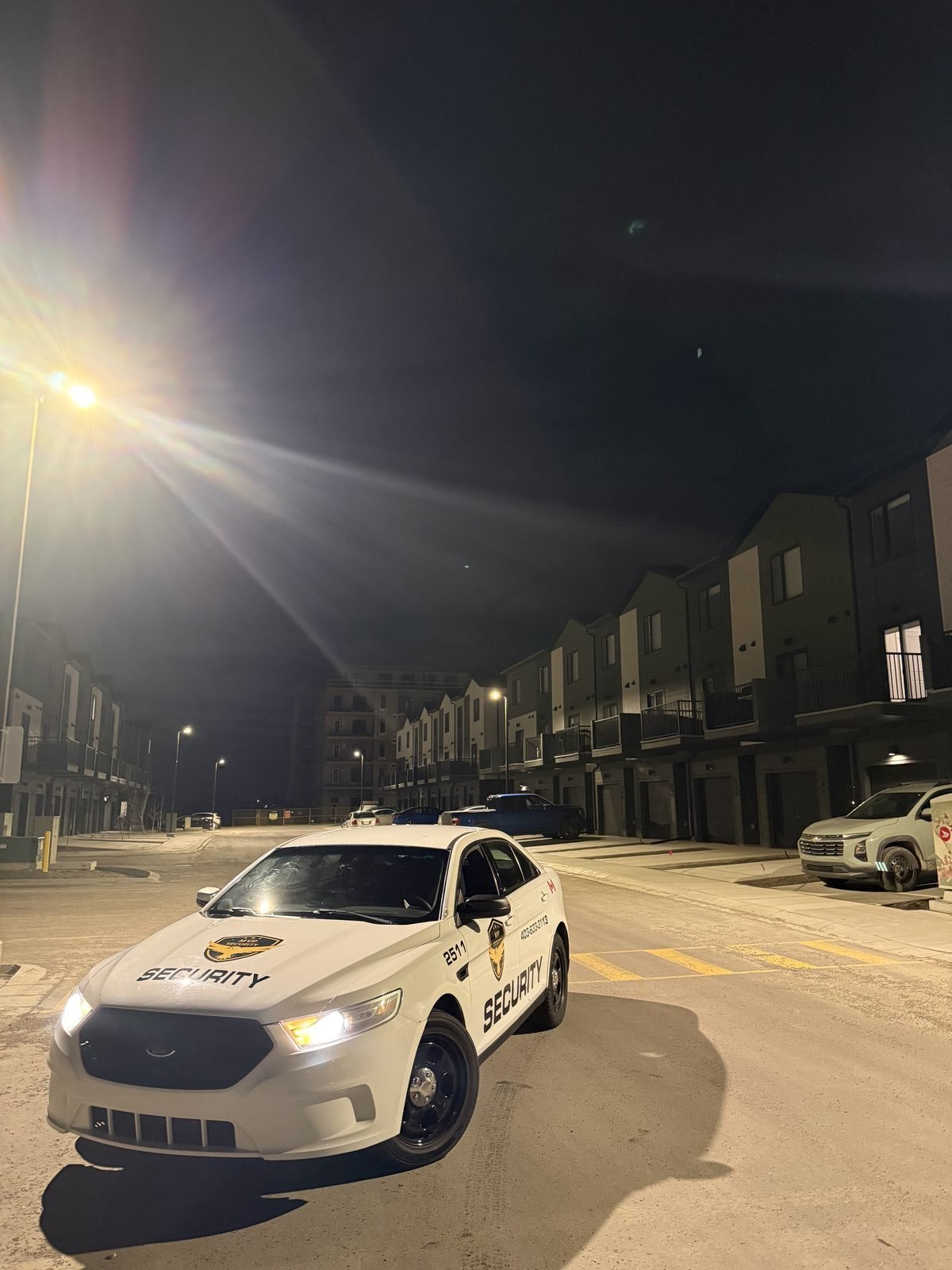
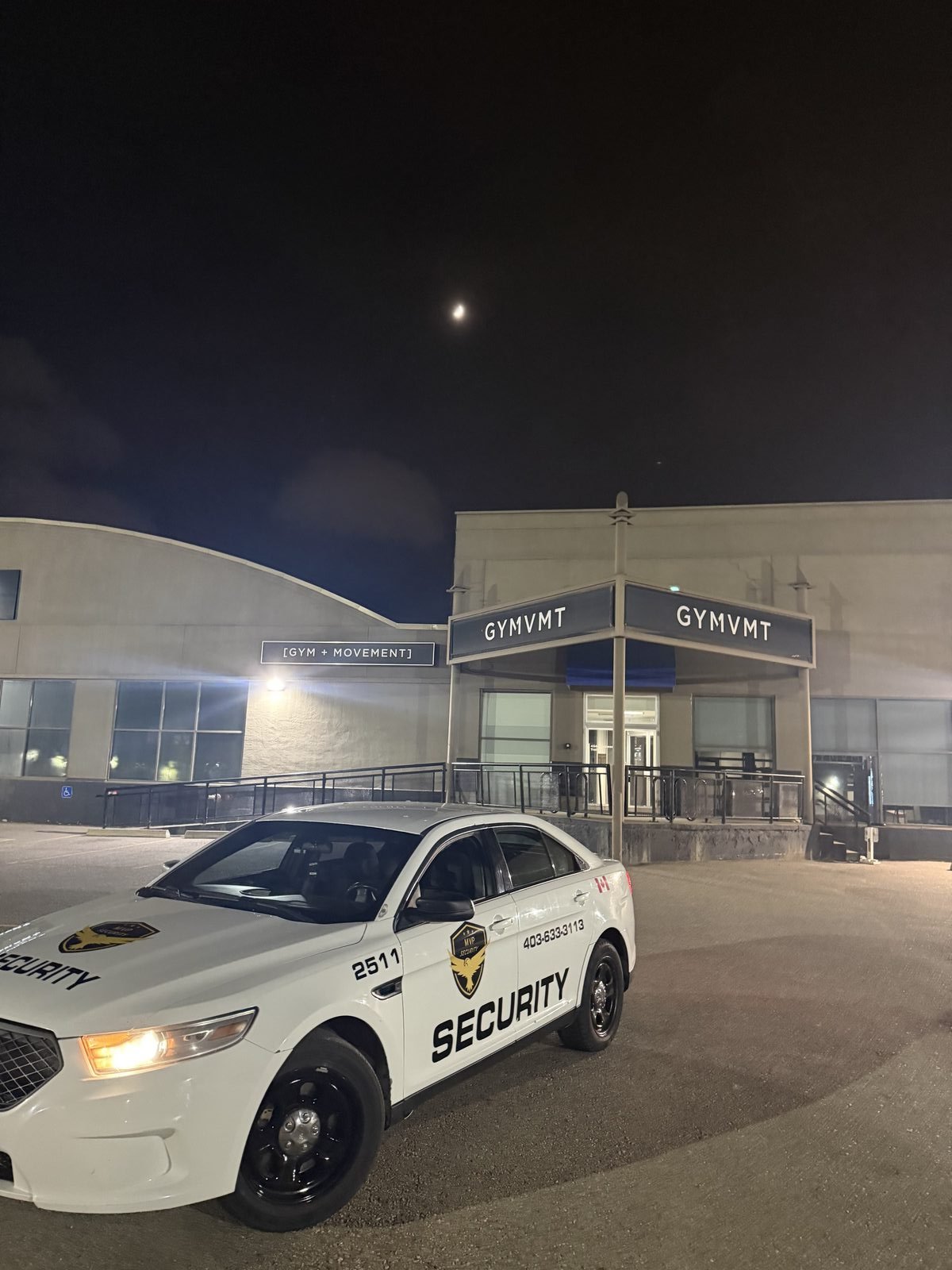
That is especially true where there is predictable exposure. A condo building with recurring unauthorized access, a commercial property dealing with loitering and damage, or a construction project with materials and equipment stored overnight all present known risks. In those cases, visible security is not just reactive. It changes behaviour on site. People are less likely to test a property when they know there is a trained, licensed guard present, patrols are documented, and response is immediate.
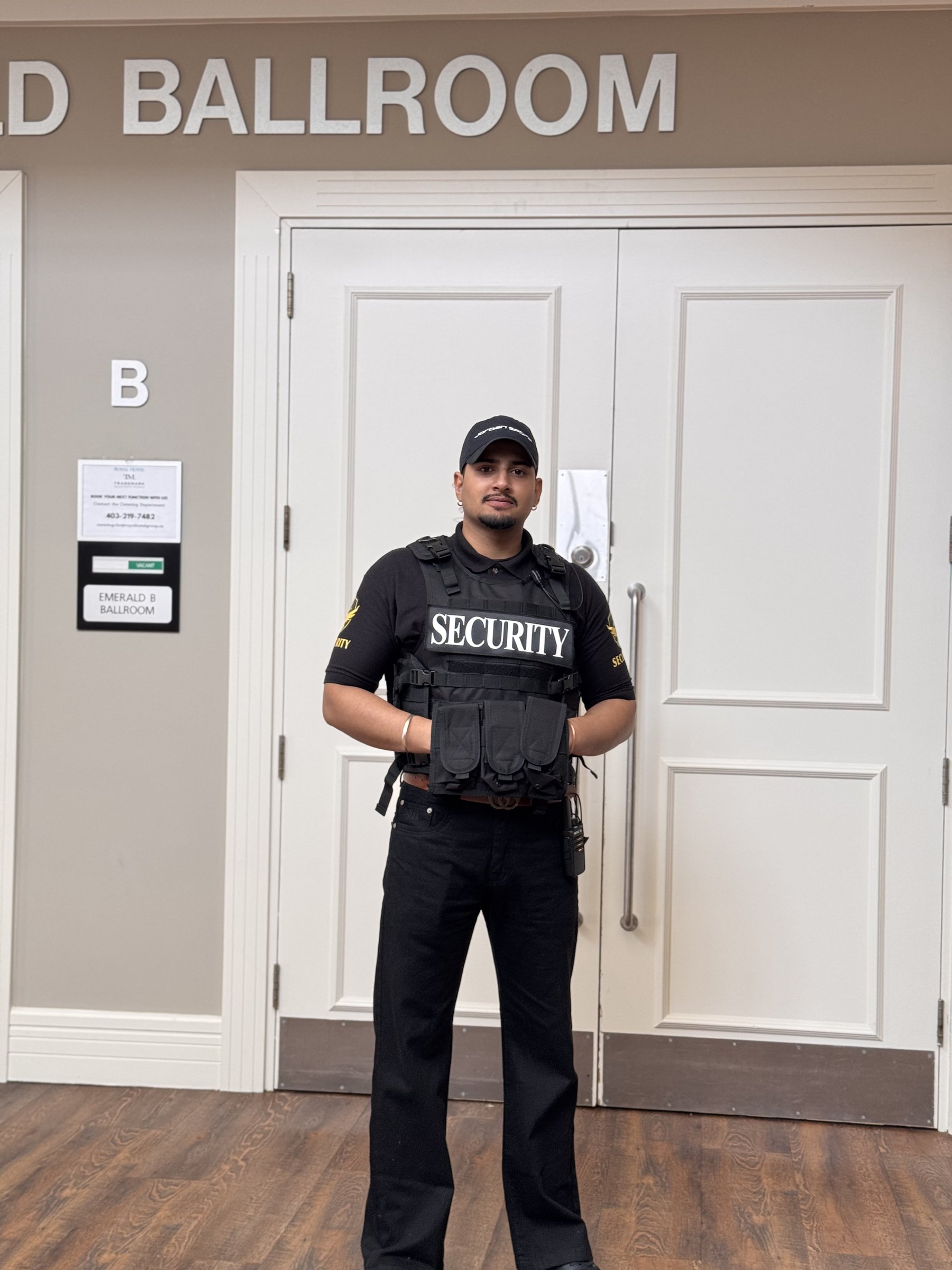
The other factor is operational continuity. Security guards do more than stand at an entrance. They verify access, challenge suspicious activity, document incidents, support emergency procedures, monitor vulnerable points, and help maintain order when staff are not equipped to do it themselves. That kind of coverage can prevent small issues from becoming expensive ones.
When guards usually make financial sense
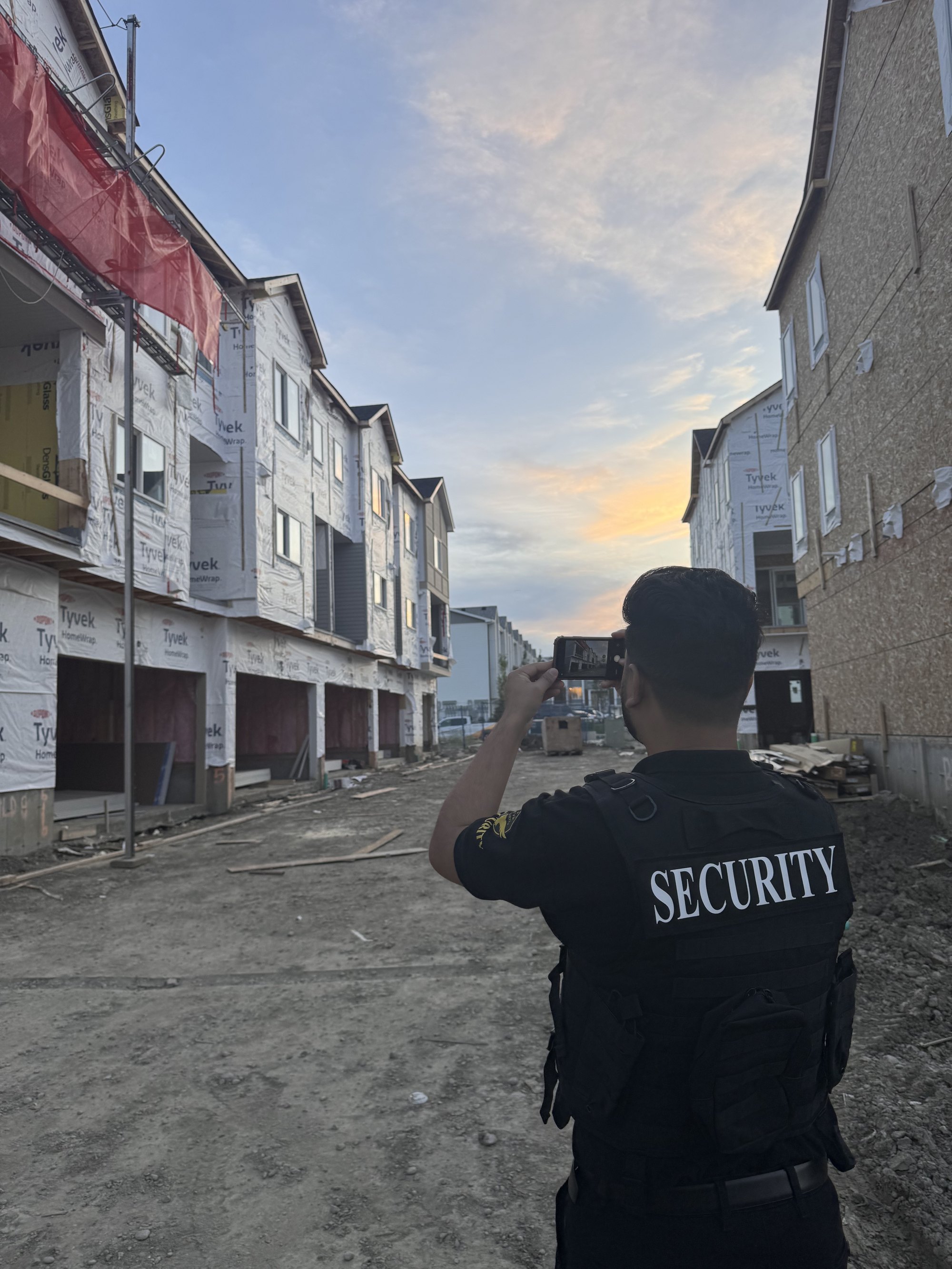
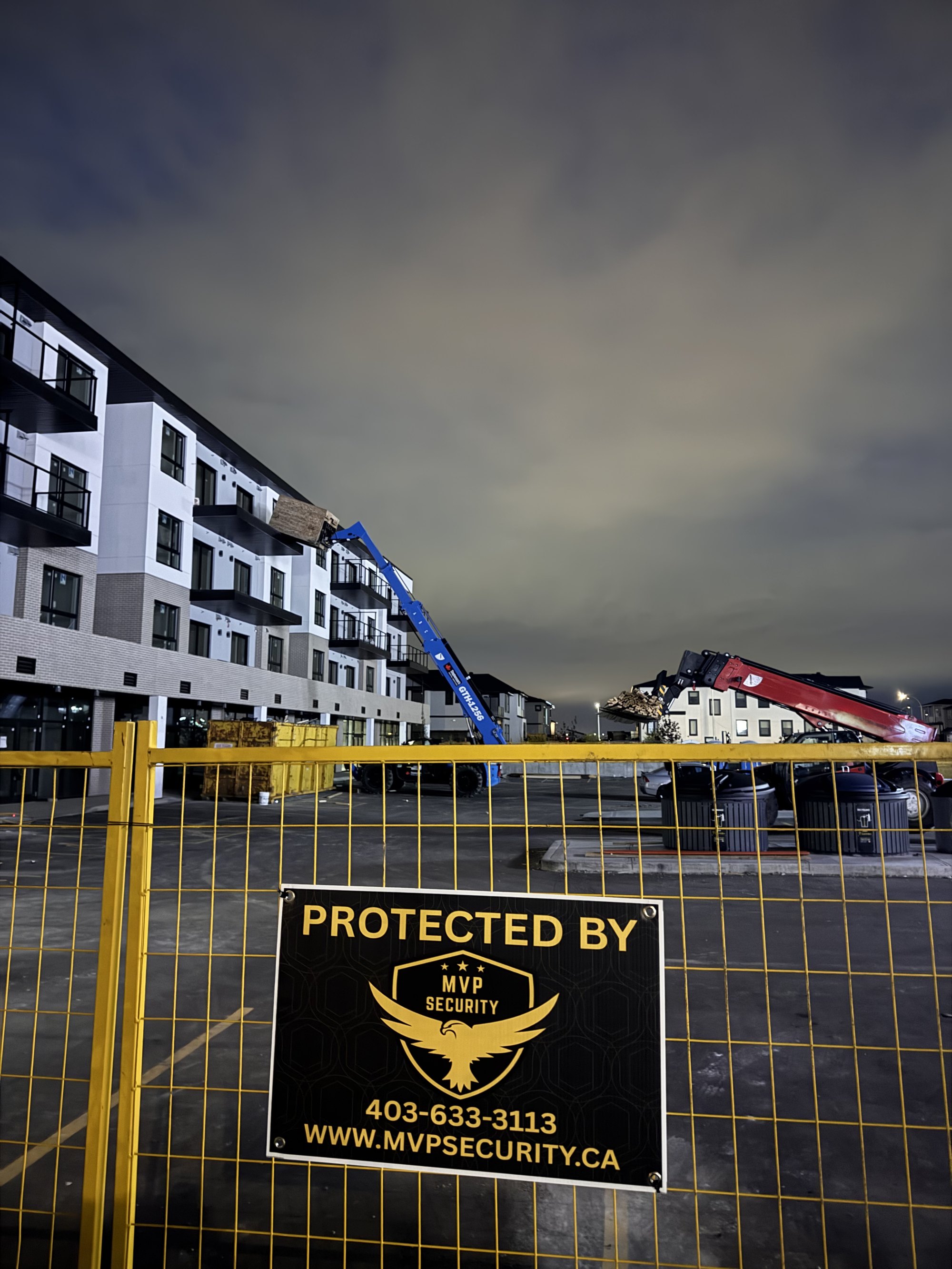
The strongest case for guard services is where losses are frequent, exposure is high, or public interaction creates uncertainty. Construction sites are a clear example. Theft of copper, tools, fuel, and equipment remains a persistent problem, and damage to fencing or temporary access points can happen quickly after hours. A visible overnight guard, supported by patrol logs and incident reporting, often protects far more than the replacement cost of what could be stolen.
Commercial and retail properties are another common case. If your team is repeatedly dealing with trespassing, disturbance issues, storefront damage, or after-hours access concerns, relying on staff alone can be inefficient and risky. A trained guard gives you a controlled response, better documentation, and a clear point of accountability.
Residential and condo settings also benefit when the issue is not only crime, but day-to-day control. Concierge-style security, front desk coverage, and access monitoring can improve resident confidence, support building rules, and reduce unauthorized entry. That has value even when major incidents are rare, because it protects the resident experience and reduces friction for property management.
Events are similar in a different way. The question is not only whether something bad will happen. It is whether your event team can manage access, crowd movement, disputes, and emergency response without dedicated security personnel. In most public or semi-public events, the answer is no.
When a full-time guard may not be necessary
There are also cases where the answer to are security guards worth it is not a straightforward yes. Some sites do not need a static guard on every shift. A lower-risk commercial property may be better served by mobile patrols, scheduled lockups, alarm response, and periodic overnight checks. That approach can still create a visible deterrent while keeping costs aligned with actual exposure.
The same applies to properties with strong existing controls. If you already have reliable access systems, good lighting, monitored alarms, CCTV coverage, and limited public access, the smartest next step may be targeted security rather than constant on-site staffing. The right provider should tell you that honestly instead of defaulting to the most expensive option.
Security works best when it is tailored to risk. A vacant building awaiting redevelopment has different needs than an occupied office tower. A weekend festival has different needs than a logistics yard. If the service plan does not match the reality of the site, the return on investment drops quickly.
What you are really paying for
Buyers often focus on hourly rates first, which is understandable. But hourly cost alone does not tell you whether guard coverage is worth it. What matters is what comes with that coverage and how consistently it is delivered.
Licensed guards bring legal compliance, site presence, and trained response. A professional security program should also include clear post orders, supervision, documented patrol activity, incident reporting, and communication standards. In higher-risk settings, response speed and accountability matter as much as presence. If a provider cannot show where patrols occurred, what was observed, and how incidents were handled, the lower rate may not be a savings.
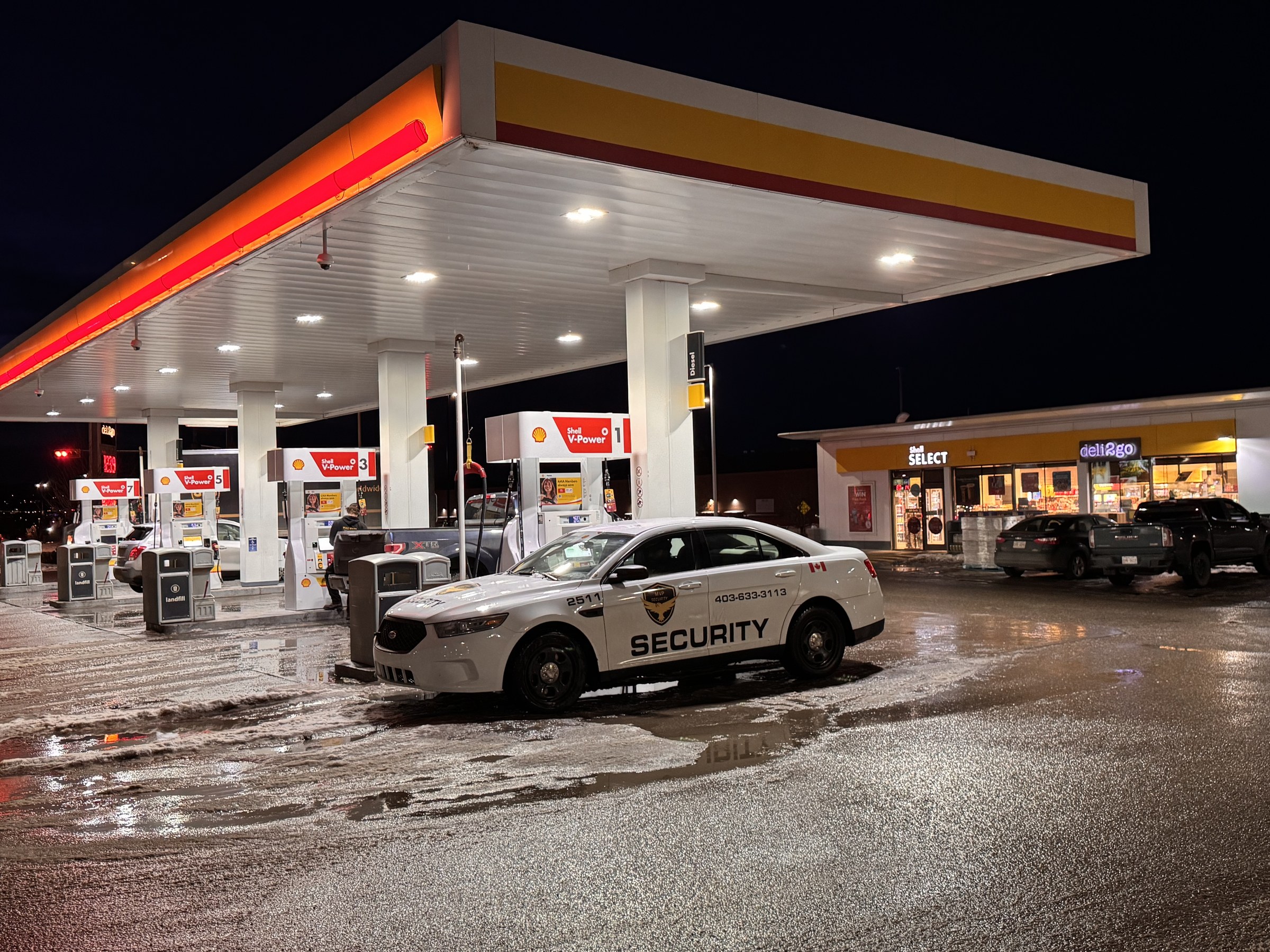
That is one reason local providers often outperform larger, less responsive firms on sites that need quick adjustments or urgent deployment. If coverage is missed, reports are incomplete, or site instructions are not followed, the cost of security can feel wasted. If the provider is reliable, visible, and operationally sharp, the value is much easier to measure.
The hidden costs of going without security
Some losses show up immediately on a balance sheet. Others appear later as delays, complaints, staff strain, or avoidable liability. Property managers know this well. One recurring issue with unauthorized entry can turn into repeated maintenance calls, resident dissatisfaction, and pressure from ownership to show better control measures.
On construction projects, a single overnight incident can lead to replacement orders, rescheduling, and lost labour time the next morning. On commercial sites, staff may end up handling conflict or suspicious activity that should be managed by trained security professionals. At events, poor access control can become a safety issue within minutes.
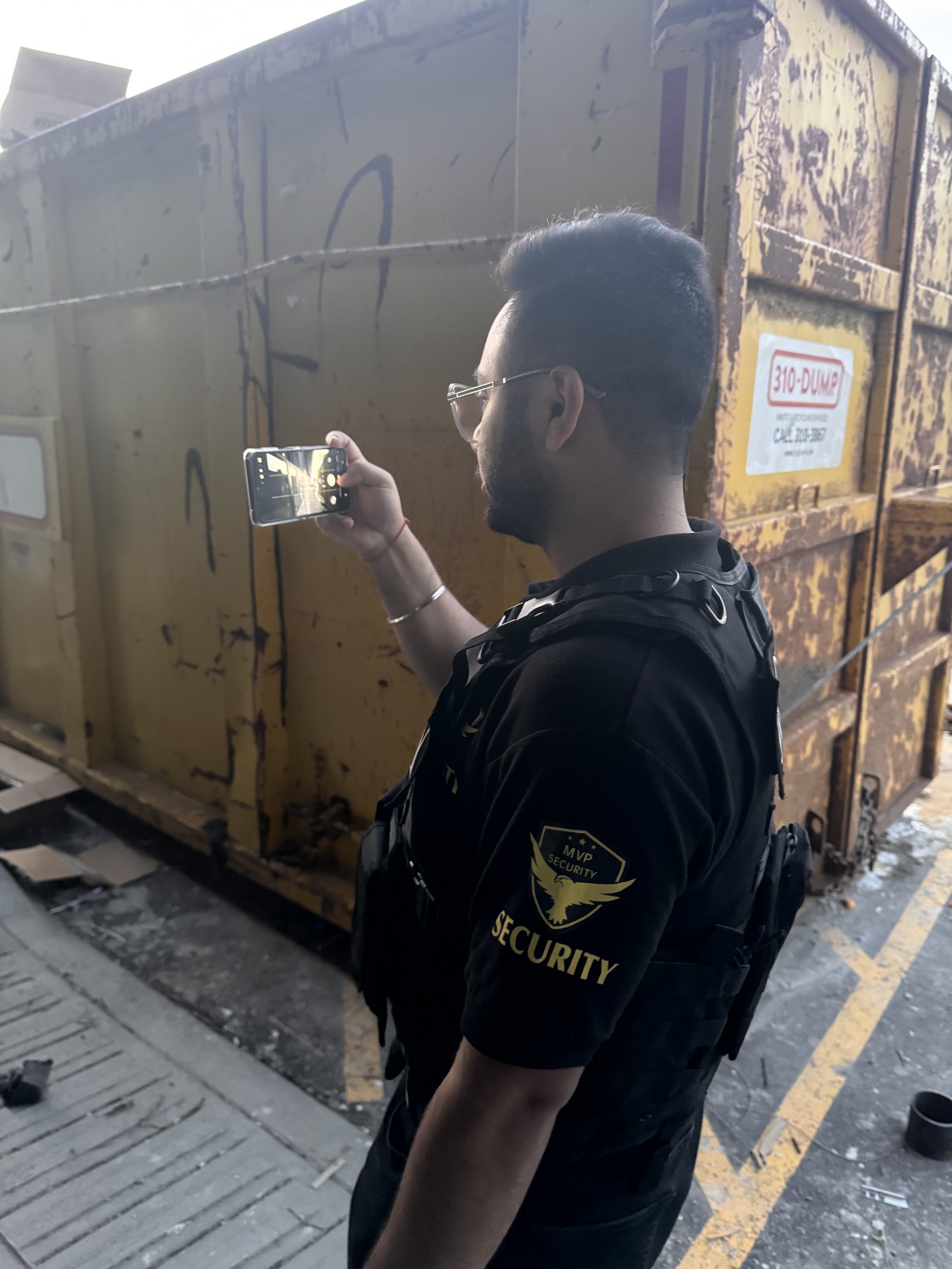
There is also the issue of evidence and reporting. After an incident, you need more than a general statement that something happened. You need times, observations, actions taken, and, where applicable, photo-documented reporting that supports follow-up with police, insurers, or internal stakeholders. Good security creates that record in real time.
How to decide if security guards are worth it for your property
Start with your risk pattern, not your budget line. If incidents are already happening, if after-hours activity is difficult to control, or if people on site need oversight and access management, then some level of professional guard coverage is likely justified.
Next, consider timing. Many clients do not need permanent coverage year-round. They need protection during a vulnerable phase - a project build, a tenant turnover period, an equipment delivery window, a series of evening events, or a stretch of increased incidents. Short-term or scaled coverage can be the most cost-effective option because it targets the period when losses are most likely.
Then look at consequences. Ask what one serious incident would cost in repairs, downtime, disruption, or reputational damage. If that number is higher than the cost of a well-designed security program, the decision becomes clearer.
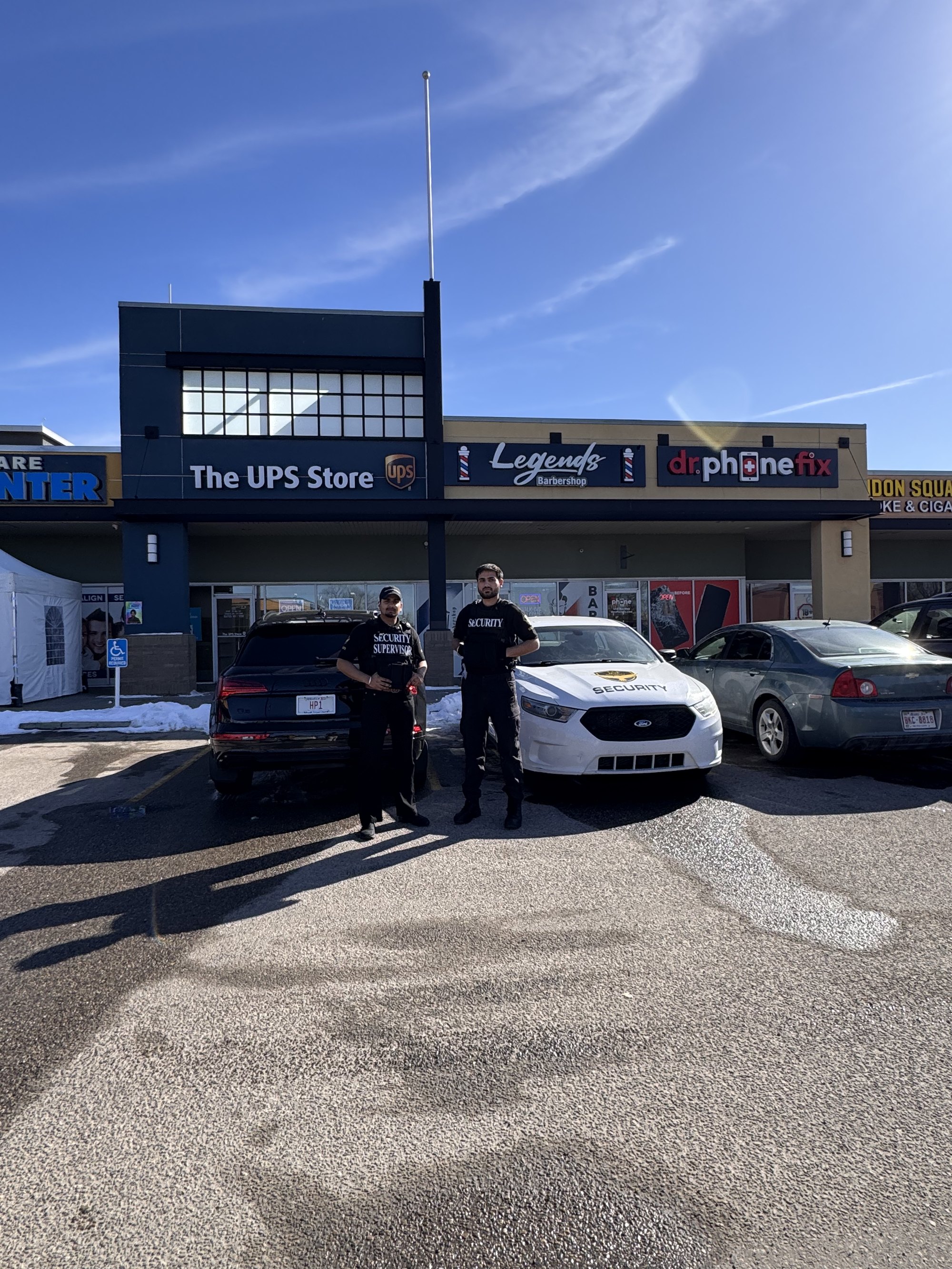
Finally, assess provider quality carefully. A security company should be able to explain how coverage will work on your specific site, who is deployed, how patrols are tracked, how incidents are documented, and how quickly support can be adjusted if conditions change. In Calgary and surrounding communities, local deployment matters because response time can make the difference between observing a problem and stopping it.
For many sites, the best answer is not simply yes or no. It is the right level of security at the right time, delivered by a team that is licensed, accountable, and familiar with local operating conditions. That is where companies like MVP Security Inc. tend to provide the most value - not by overselling coverage, but by matching guard services to actual site risk and giving clients clear documentation of what is being done.
If you are still weighing whether security is worth the spend, think less about the hourly rate and more about the cost of being unprepared on the one night something goes wrong. The right guard presence does not just respond to problems. It helps prevent the kind of disruptions that are far more expensive once they start.