










A construction site can lose thousands of dollars in one night. Copper disappears, tools walk off, fencing gets cut, and a single break-in can stall trades the next morning. That is why the best construction site security measures are not just about stopping trespassers. They protect schedule, budget, subcontractor productivity, and site liability at the same time.
For builders and project managers in Calgary and surrounding communities, the right approach depends on what is being built, where the site sits, what materials are stored overnight, and whether activity is happening after hours. A downtown infill project has different risks than a large industrial build on the edge of town. The common mistake is treating every site the same.
What the best construction site security measures actually do
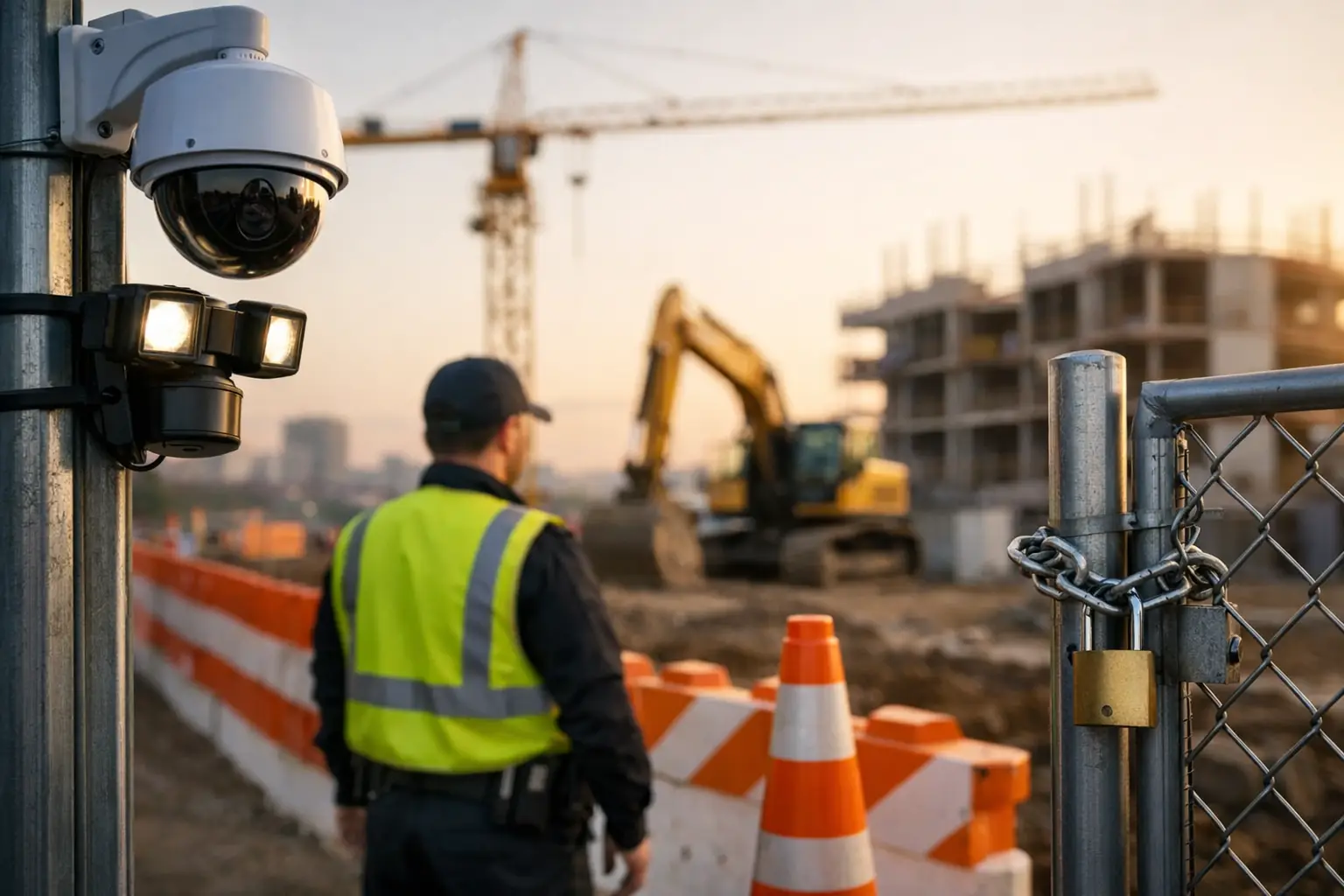
Good site security does three jobs well. First, it deters opportunistic theft and vandalism through visible presence. Second, it controls access so only authorized workers, vendors, and visitors enter the site. Third, it creates a documented response process when something does happen.
That last point matters more than many teams expect. If there is an alarm, suspicious vehicle, fence breach, or after-hours safety concern, you need more than a vague note that someone checked the property. You need time-stamped patrol activity, clear incident details, and photo-supported reporting that can be shared with management, insurers, or police if required.
Start with the site’s real risk profile
Before choosing equipment or staffing, assess what the site is likely to attract. High-value materials, parked equipment, fuel storage, and exposed phases of construction all change the risk level. So does the neighbourhood, visibility from the road, lighting conditions, and whether the site has had prior incidents.
A partially enclosed site with multiple entry points often needs stronger overnight control than a fully secured project with limited access. Sites near residential areas may deal with trespassing and nuisance activity, while remote projects may be more vulnerable to targeted theft because fewer people are around to notice suspicious movement.
This is where many security plans either become cost-effective or wasteful. If you overbuild the program, you pay for protection you do not need. If you underbuild it, losses usually cost far more than the savings.
1. Controlled access is the foundation
The best construction site security measures usually begin with access control. If people can move in and out without challenge, every other layer becomes weaker.
During working hours, this means having a clear entry process for workers, contractors, deliveries, and visitors. After hours, it means locking down the site so there are no casual access points left open. Gates, perimeter fencing, lock management, and access logging all matter here.
On busier sites, a concierge-style access point or gate attendant can help keep traffic organized and verify who belongs on site. On smaller projects, strict key control and scheduled check-ins may be enough. It depends on volume, value, and the consequences of unauthorized entry.
2. Visible guard presence changes behaviour
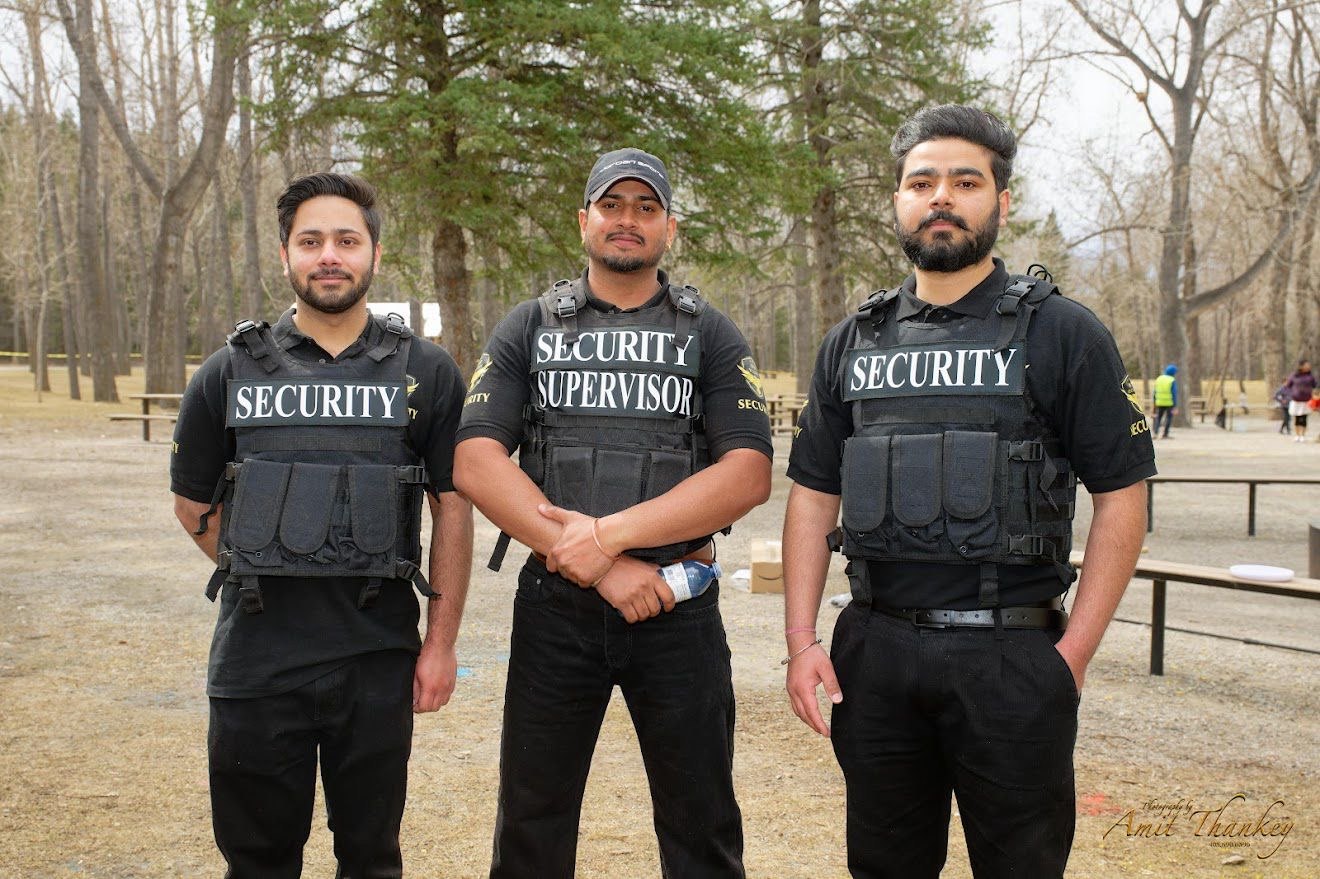
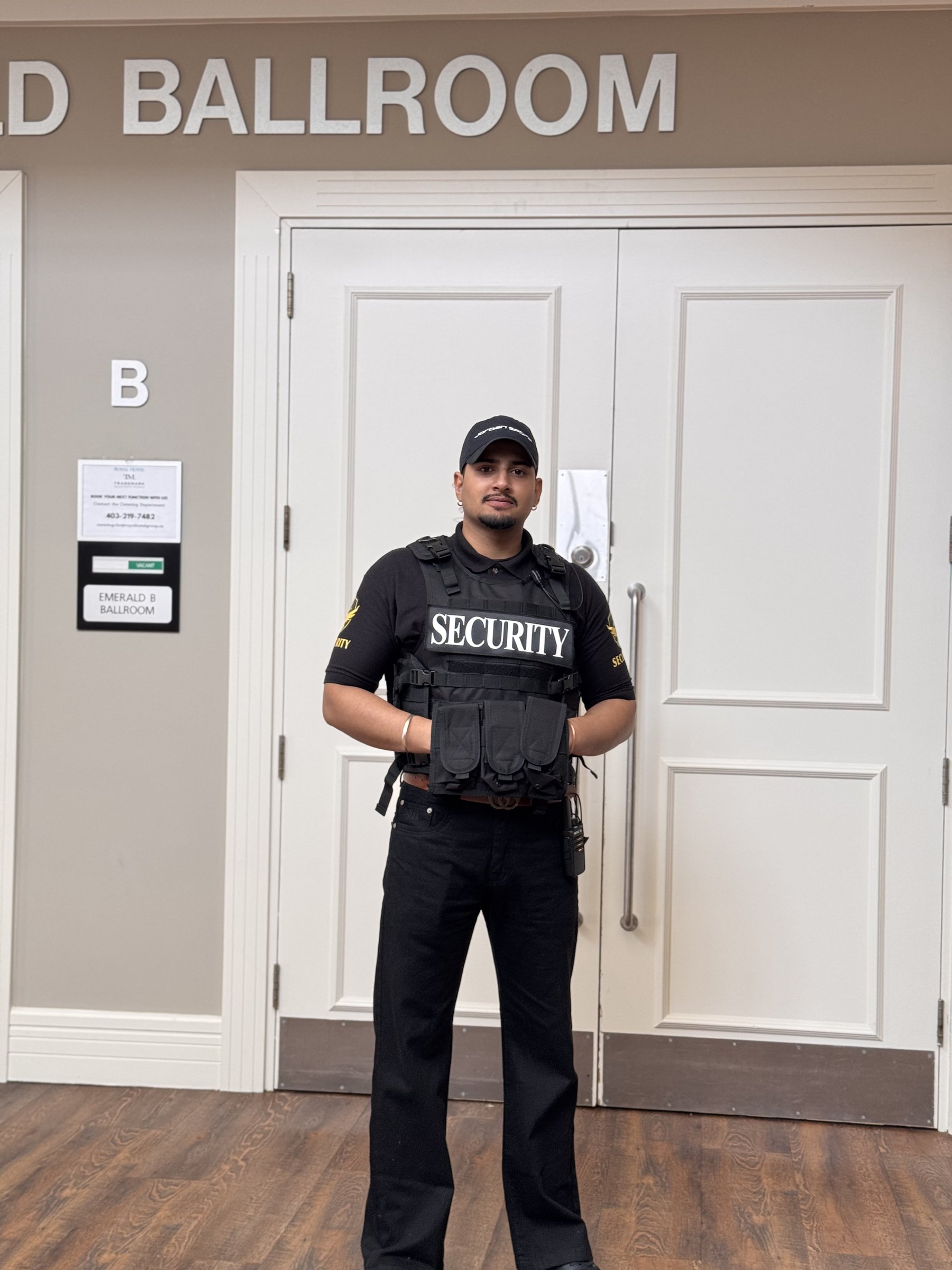
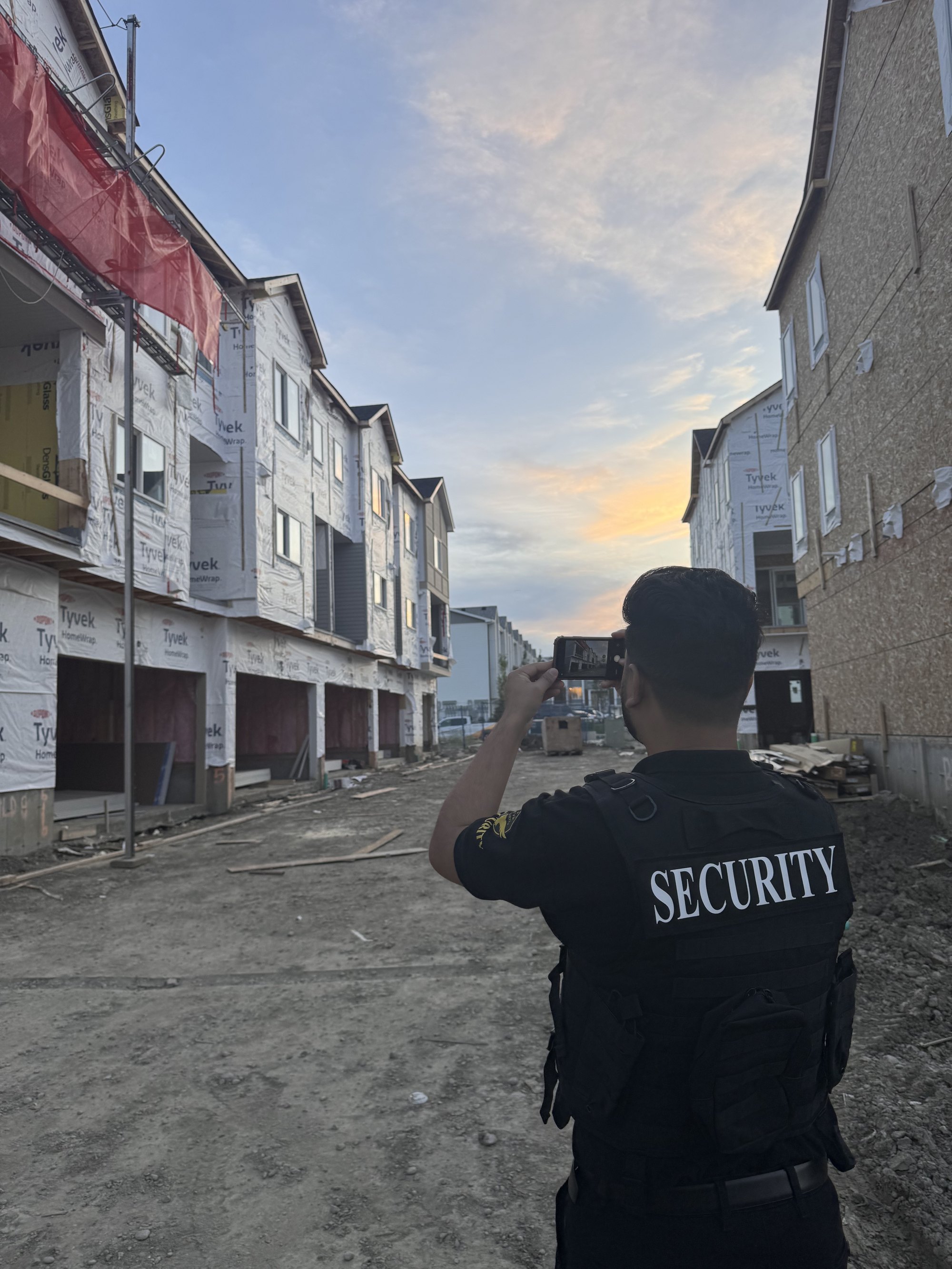
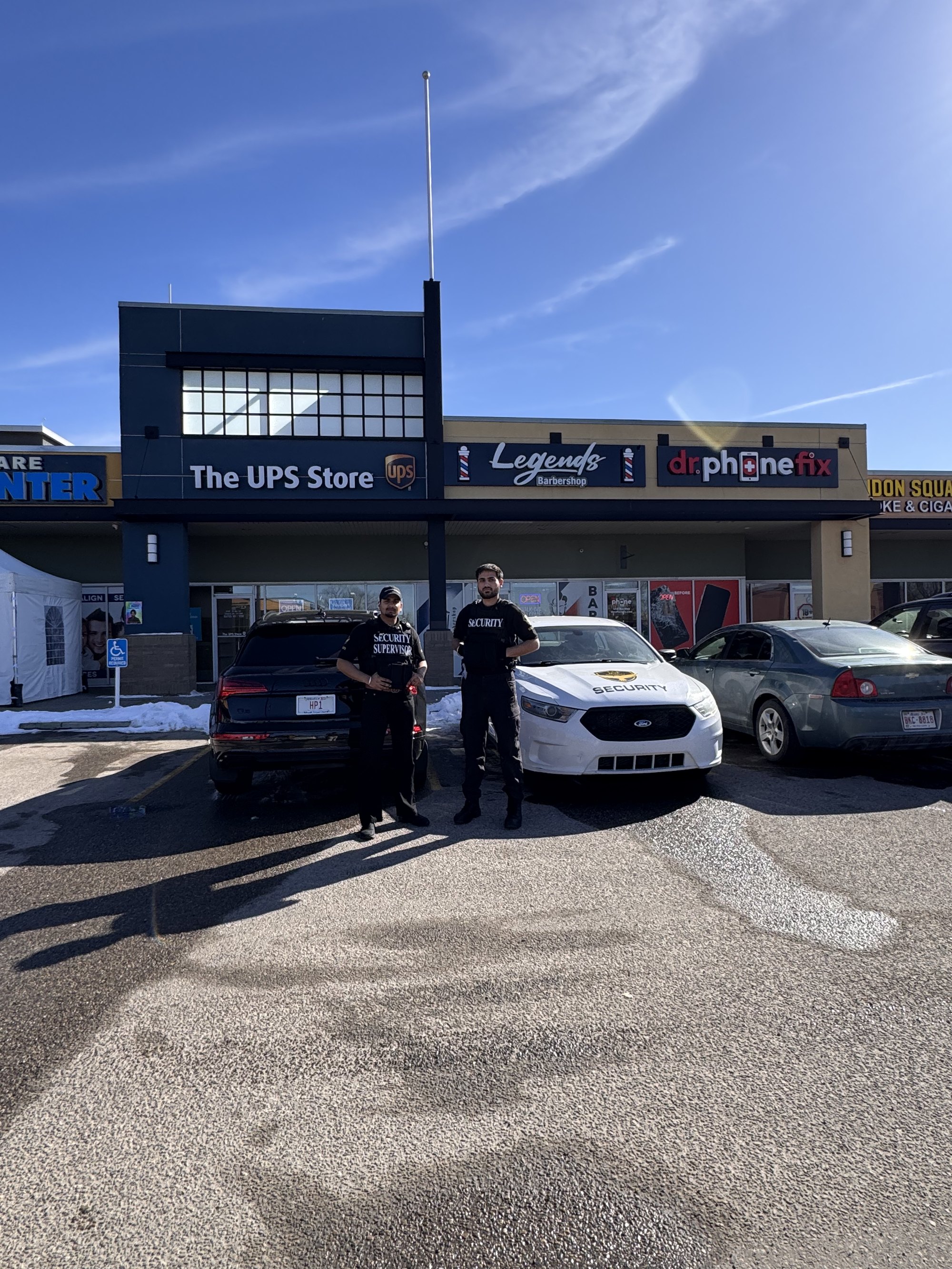
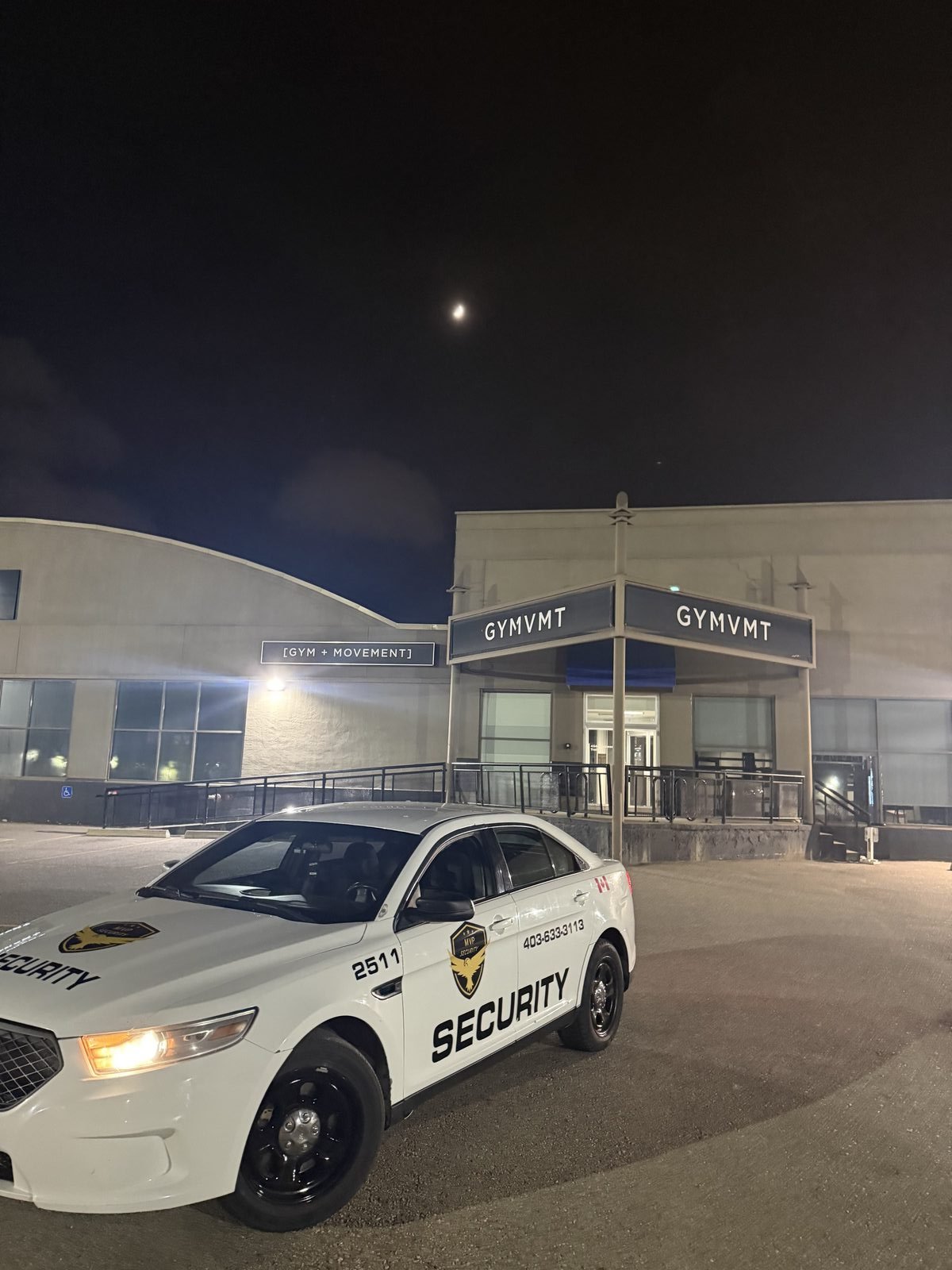
A trained, licensed security guard remains one of the most effective deterrents on an active construction site. Cameras may record what happened, but a visible guard often prevents it from happening in the first place.
Static guards are useful when there is a fixed access point, expensive inventory, or a recurring after-hours issue. They provide immediate response, maintain a visible presence, and can monitor workers, vendors, and visitors entering the site. For projects with active overnight deliveries, vulnerable equipment, or repeated trespassing, that level of continuity is often worth it.
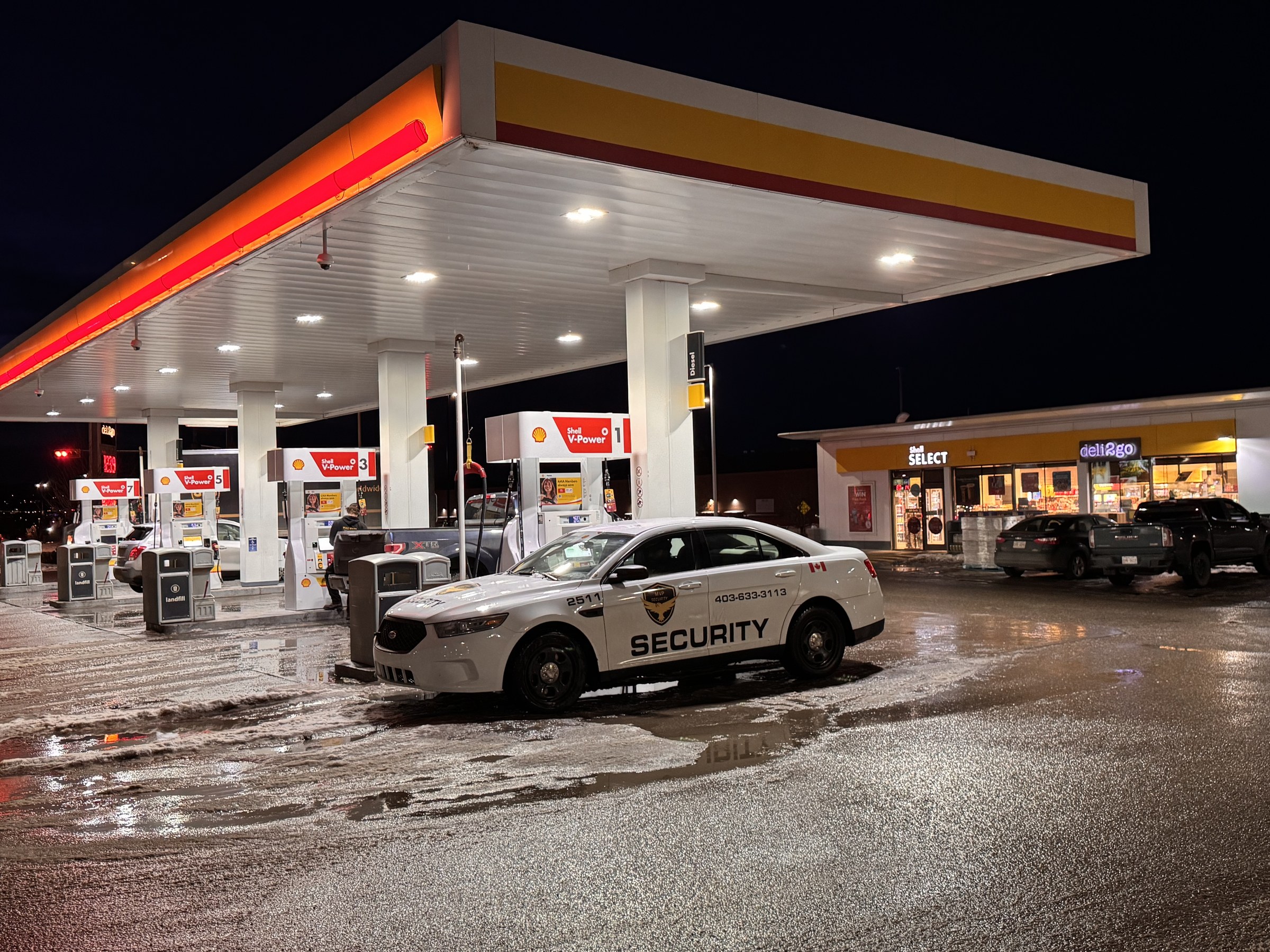
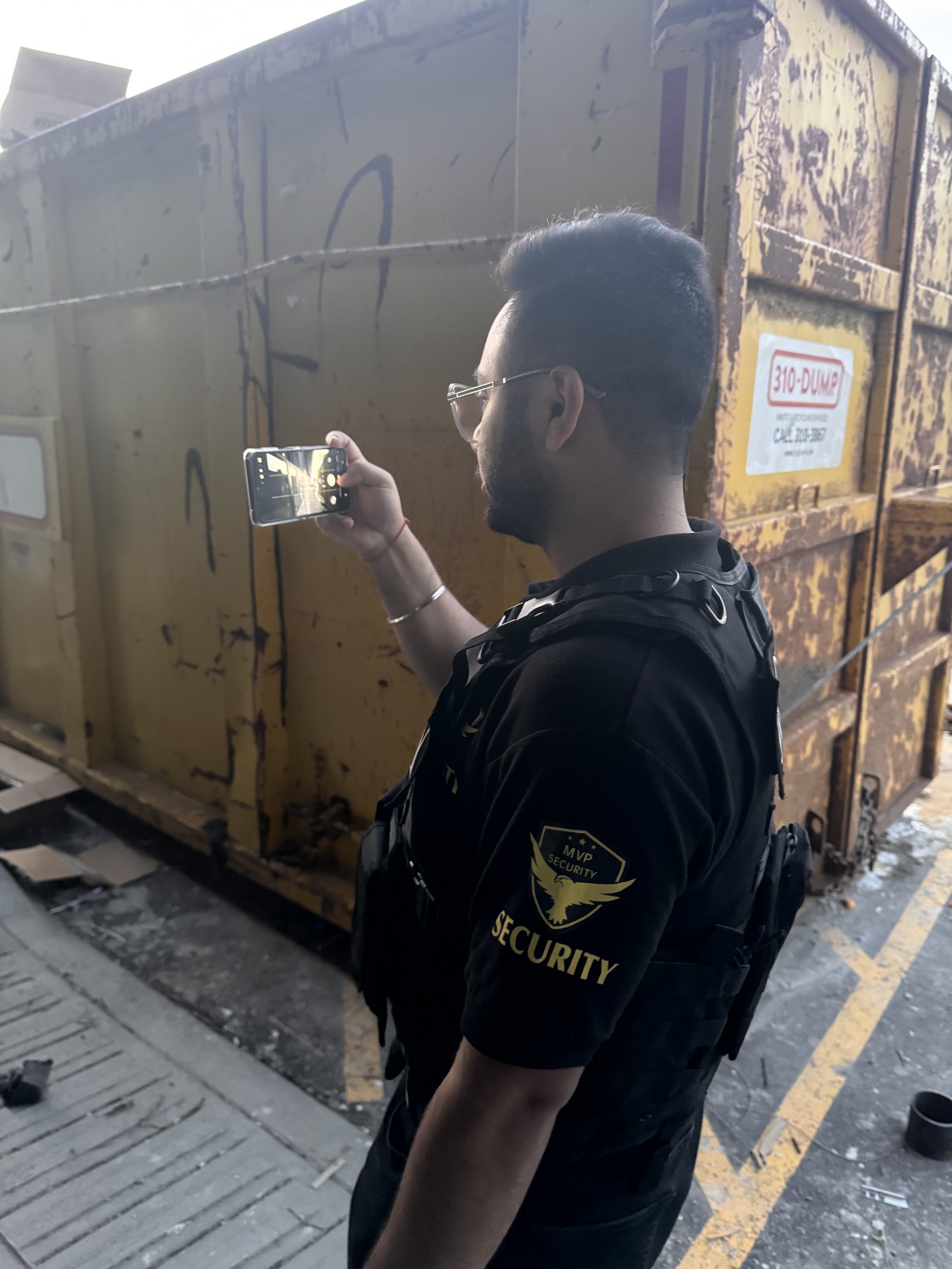
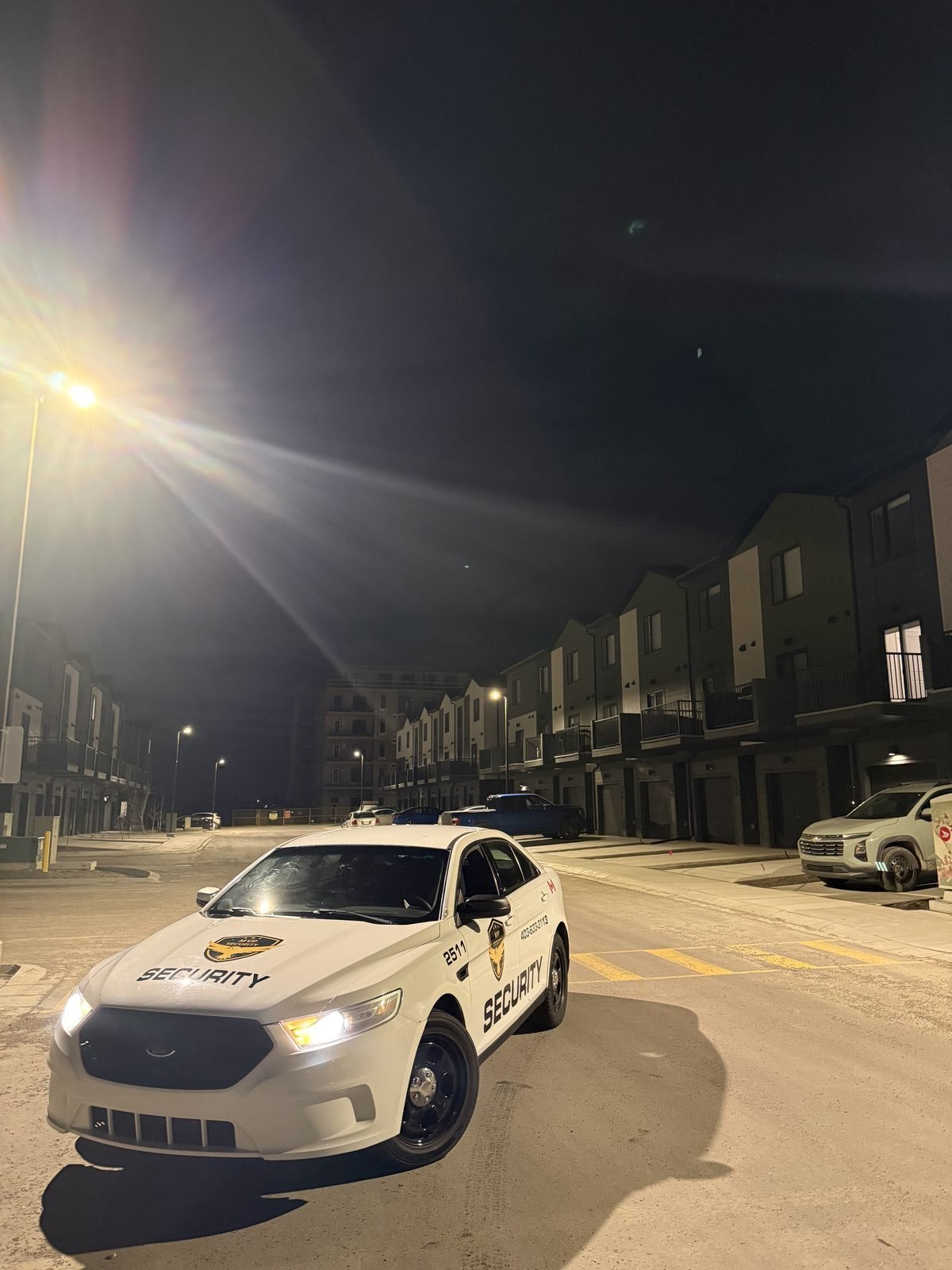
Mobile patrol is a practical option when the site does not require a full-time guard but still needs regular checks. Randomized patrol timing is especially useful because it makes the site harder to predict. GPS-tracked patrols and photo-documented reports also give project managers a clearer record of what was checked and when.
3. Lighting needs to support security, not just visibility
Poor lighting creates blind spots, helps intruders move without detection, and makes patrols less effective. Good lighting supports both human observation and camera performance.
That does not mean every corner of the site needs to be lit like a stadium. Overlighting can create glare and wasted cost. What matters is strategic coverage at gates, storage areas, equipment parking, material laydown zones, and perimeter points that are hidden from public view.
Temporary lighting should also be checked as the project evolves. A site that was well lit during early excavation may develop new shadows once structures, bins, or materials are added.
4. CCTV works best when someone can act on it
Cameras are valuable, but only if they are placed properly and connected to a response plan. Too many sites install cameras and assume that alone solves the problem. It does not.
The most effective systems cover the perimeter, entry points, storage compounds, and any area where high-value assets are kept overnight. Image quality matters, but so does positioning. A poorly angled camera that catches a hood and a flashlight beam is not very helpful after a theft.
Where possible, CCTV should support overnight monitoring and fast dispatch. If a live alarm or suspicious motion event comes in, someone needs to verify the issue and respond quickly. This is where integrated alarm response and guard dispatch become much more useful than passive recording alone.
5. Secure storage reduces easy opportunities
Most theft on construction sites is not sophisticated. It is opportunistic. Materials left unsecured, tools in open areas, and fuel or copper stored in predictable locations all make the site an easy target.
Lockable sea cans, reinforced storage cages, secured tool cribs, and controlled laydown areas reduce that risk significantly. Expensive tools and high-demand materials should be stored out of sight whenever possible, especially overnight and on weekends.
It also helps to avoid predictable habits. If the same generator, skid steer, or copper bundle sits in the same exposed location every evening, someone will notice.
6. Perimeter security needs regular review
Fence lines, gates, and barriers are often treated as a one-time setup. In reality, they need ongoing inspection. Construction sites change quickly, and so do the weak points around them.
A section of fencing may loosen after weather, vehicle activity, or repeated foot traffic. A delivery gate may stop latching properly. Materials stacked near the perimeter can unintentionally create a climbing point. These issues are easy to miss during a busy build, but they are exactly the kind of openings intruders look for.
Routine patrols should include perimeter checks with documented notes and photos when needed. Small repairs made early usually prevent larger problems later.
7. Alarm response must be fast and documented
An alarm signal without a reliable response plan creates false confidence. Construction sites need after-hours response that is clear, fast, and accountable.
If an alarm is triggered, who attends the site? How quickly? What happens if there is forced entry, a fire watch concern, or evidence of unauthorized occupancy? These are operational questions, not administrative ones.
A proper alarm response program includes dispatch procedures, on-site assessment, escalation steps, and reporting. For project managers, that means fewer unanswered calls at 2:00 a.m. and fewer surprises the next morning.
8. Match security coverage to the project phase
The best construction site security measures change as the build changes. Early-stage excavation has one risk profile. Mechanical rough-in, finishing, and near-completion phases bring different exposures.
As more valuable materials arrive, the site may need stronger overnight coverage. When public visibility increases, access control may become more important. Near turnover, vandalism and unauthorized entry can become more disruptive because damage affects final inspection and occupancy timelines.
A fixed security plan for a moving project usually falls behind. Site security should be reviewed and adjusted as conditions change.
9. Worker awareness still matters
Even a strong guard and patrol program can be undermined by simple habits on site. Gates left open, shared access codes, poor key control, and materials left unsecured all increase exposure.
Crews do not need a long lecture. They need clear expectations. Lock up designated storage, report suspicious activity, challenge unknown visitors through the proper process, and avoid posting sensitive site details publicly. Practical awareness tends to work better than generic safety messaging.
10. Choose a provider that can actually respond
Security planning looks good on paper until there is an urgent issue after hours. Then response time, staffing depth, and documentation standards become the real test.
For Calgary-area builders, local coverage matters. A provider familiar with Calgary, Airdrie, Cochrane, Chestermere, Okotoks, and High River can usually deploy more quickly and understand the operating realities of those markets. Licensed Alberta guards, GPS-tracked patrols, and photo-documented reporting are not extras. They are part of what makes a security program accountable.
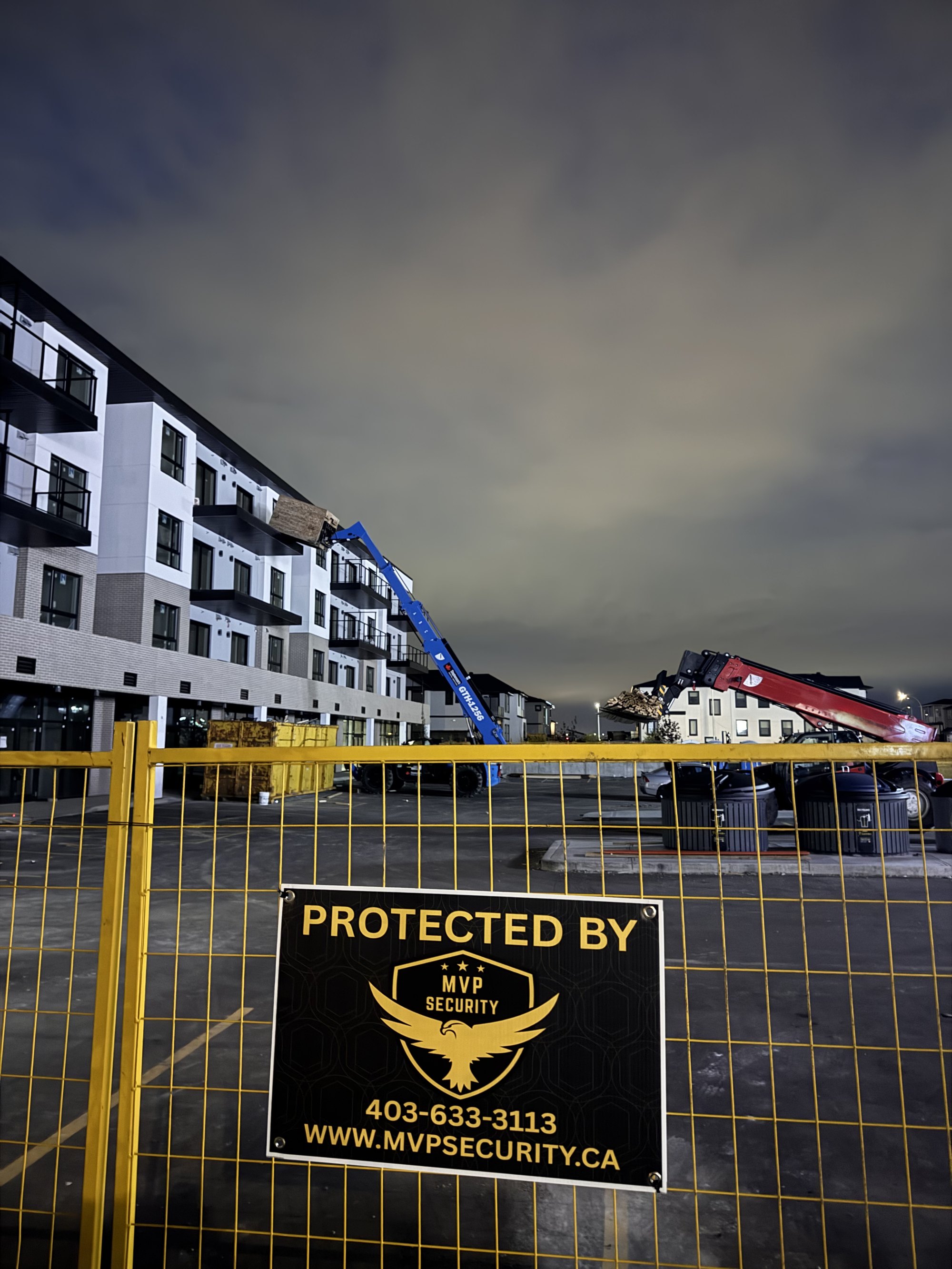
MVP Security Inc. builds construction site coverage around those operational details, with site-specific plans based on risk, hours, and budget rather than a one-size-fits-all guard schedule.
The right mix is usually layered
Very few sites need every measure at the highest level. Most need the right combination of deterrence, access control, surveillance, and response. A lower-risk project may be well served by strong perimeter control, scheduled patrols, and monitored alarms. A high-risk project may need overnight guards, stricter access management, and more active camera coverage.
The key is to think beyond theft alone. Security issues on construction sites affect insurance exposure, subcontractor confidence, project timing, and the overall professionalism of the site. When trades arrive to find a secure, controlled environment, work tends to move more smoothly.
If you are reviewing site protection, start with the risks that would hurt your project most and build from there. The best plan is the one that fits the site you have today and can still hold up when conditions change next month.