











A crowd-control problem rarely starts when people are already pushing at a gate. It starts earlier: a ticket scan placed too close to the entrance, an unclear parking route, an understaffed bar line, or a schedule change that sends everyone moving at once. The best event crowd control tips focus on preventing those pressure points before guests arrive, while giving your team a clear plan for managing them if they do occur.
For Calgary event organizers, crowd control must fit the actual venue, attendance profile, weather, alcohol service, parking conditions, and event schedule. A 200-person corporate gathering needs a different approach than an outdoor festival, a concert, or a busy community event with families. The goal is not to make an event feel over-policed. It is to create an orderly, visible, and well-managed environment where guests know where to go and staff can respond early.
1. Start with a site-specific crowd flow plan
Do not begin by deciding how many guards you need. Begin by mapping how people will move through the site. Review where guests arrive, park, line up, enter, scan tickets, collect credentials, use washrooms, access food or alcohol, gather for key programming, and leave.
Walk the site with the venue operator if possible. A floor plan may not show a narrow corridor, poor sightline, temporary fence gap, uneven pathway, or loading-area crossover that becomes a problem once the site is busy. For outdoor Calgary events, also consider rain, wind, snow, low light, and slippery surfaces. These conditions can change how people queue and how quickly they can exit.
Identify pinch points and give each one an owner. That may be a trained event guard, a guest-services employee, or an event lead, depending on the risk. The important point is that no high-traffic area is left unmanaged because everyone assumed someone else was watching it.
2. Set occupancy limits and protect emergency exits
Venue capacity is a working operational limit, not a number to check once during planning. Confirm the approved occupancy with the venue and ensure your entry process can track attendance accurately. If there are separate rooms, enclosed tents, VIP areas, or temporary structures, manage capacity for those spaces as well.
Never allow a queue, merchandise table, parked vehicle, staging equipment, or temporary signage to reduce an emergency route. Exit doors must remain accessible, recognizable, and usable throughout the event. This requires regular checks, especially after vendors set up, a program segment ends, or furniture is moved.
A practical entry count also supports decision-making. If an area is nearing capacity, staff need authority to pause entry, redirect guests, or open an alternate controlled space. Waiting until the room is visibly overcrowded puts staff in a reactive position.
3. Design entry points for speed and control
Long, disorganized lines create frustration and can spill into traffic lanes, neighbouring properties, or emergency access routes. Separate the functions at the entrance wherever the site allows it. Ticket scanning, bag checks, credential pickup, age verification, and guest questions should not all happen at one table.
Use barriers, stanchions, fencing, or clear physical markers to create a queue with a defined start and finish. Guests should see where to line up before they reach the crowd. Clear signage helps, but visible staff are equally important. A calm, professional greeting at the front of the line can answer questions and prevent people from bypassing the process.
The right screening level depends on the event. A private luncheon may only require access control and credential checks. A public concert, late-night event, or event serving alcohol may require more thorough screening, bag policies, and a controlled re-entry process. Match the process to the risk rather than applying the same approach to every event.
4. Place trained staff where decisions happen
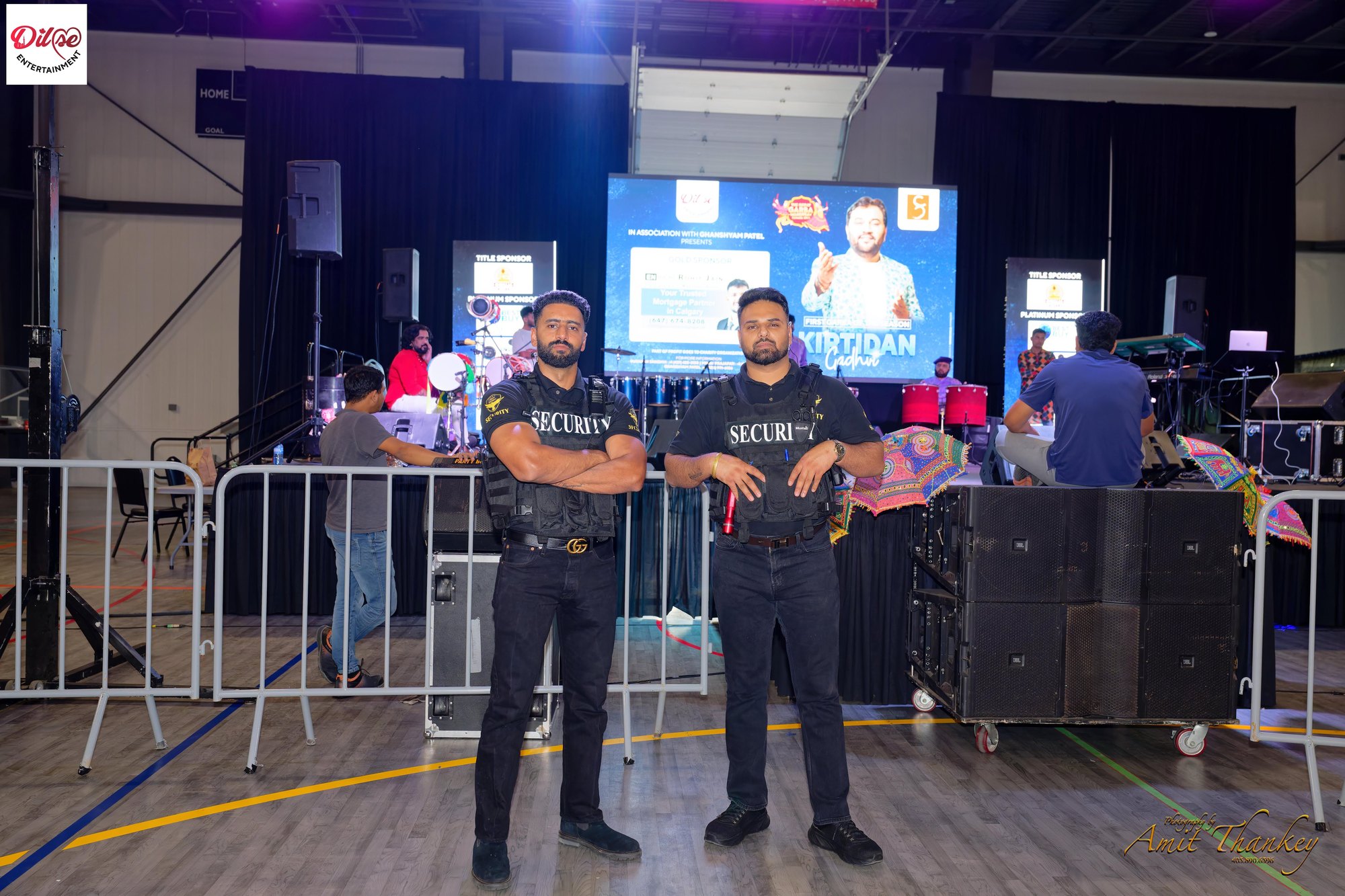
Crowd-control coverage should not be concentrated only at the main door. Position trained personnel at points where people change direction, gain access, or may become frustrated: entrances, exits, restricted areas, bar lines, backstage routes, parking lots, and perimeter gates.
Staff need more than a post assignment. They need concise pre-event direction on the event schedule, site layout, emergency exits, washroom locations, prohibited areas, guest expectations, escalation contacts, and communication procedures. They should know who can approve a capacity hold, who contacts emergency services, and where to direct a lost child, medical concern, or guest complaint.
For higher-risk events, use a supervisor who can move between posts, monitor changing conditions, and make decisions without pulling an entry guard away from their position. This provides accountability and keeps small issues from becoming larger disruptions.
5. Keep communication simple and consistent
A crowd responds better to clear information than repeated correction. Tell guests what to expect before they arrive through event communications, then reinforce it onsite with signage and staff direction. Entry times, prohibited items, re-entry rules, parking instructions, and age-restricted areas should be easy to understand.
Staff communication matters just as much. Radios should be tested before doors open, with designated channels and plain-language protocols. Avoid radio traffic that is vague or overly dramatic. A message such as “north gate queue extending toward the driveway, requesting one additional staff member” gives the team a usable instruction.
Set a process for recording incidents, refusals of entry, ejections, medical concerns, and property damage. Accurate incident reporting protects the organizer, supports follow-up, and helps improve future event plans. For clients who need documented accountability, photo-supported reporting and clear activity records can be particularly valuable.
6. Manage alcohol service and behaviour early
Where alcohol is served, crowd control and responsible service must work together. Watch for lineups that cause conflict, guests attempting to enter restricted areas, signs of overconsumption, and groups gathering near exits or ride pickup locations.
Security staff should coordinate with bar staff and event management so concerns are addressed early and consistently. A guest who is becoming disruptive is easier to manage through a respectful conversation, a pause in service, and a clear boundary than through a confrontation after behaviour escalates.
Plan for departure before the event ends. Closing time can produce the highest concentration of people at coat check, rideshare pickup points, parking areas, and sidewalks. Staggering final announcements, opening more than one exit where appropriate, and maintaining visible staff outside can reduce congestion and help guests leave safely.
7. Create separation between guests, vehicles, and operations
Vehicle movement is often underestimated at outdoor venues, industrial sites, community facilities, and events with limited parking. Separate pedestrian routes from delivery vehicles, staff parking, rideshare traffic, and emergency access. Use cones, barriers, signs, and staff direction where the route is not obvious.
Keep a dedicated emergency lane clear from setup through teardown. This is especially relevant when vendors arrive late, guests park informally, or event equipment expands beyond its assigned footprint. A marked route is not enough if nobody is responsible for keeping it clear.
For large or complex sites, establish a controlled staff and vendor entrance. Credentials, delivery windows, and a check-in process reduce unauthorized access while keeping the public entrance focused on guests.
8. Prepare for a disruption without alarming the crowd
Every event should have an escalation plan for medical incidents, severe weather, fire alarms, aggressive behaviour, lost children, suspicious items, and evacuation. The plan should define who makes decisions, how staff communicate, where guests are directed, and when emergency services are called.
Keep instructions practical. During an evacuation, staff should guide people toward safe exits, prevent movement toward restricted areas, and avoid creating conflicting directions. During a medical event, nearby staff may need to create space and redirect onlookers while preserving access for responders.
A brief pre-event meeting is the right place to review these procedures. It also gives security, event staff, vendors, and venue representatives a chance to identify issues before they are dealing with a live crowd.
9. Adjust staffing as the event changes
The busiest moments are not always the opening hour. Crowd patterns can shift at headline performances, intermissions, giveaways, meal service, weather changes, and the final 30 minutes. Monitor attendance, line length, incidents, and guest movement throughout the event rather than treating the original staffing plan as fixed.
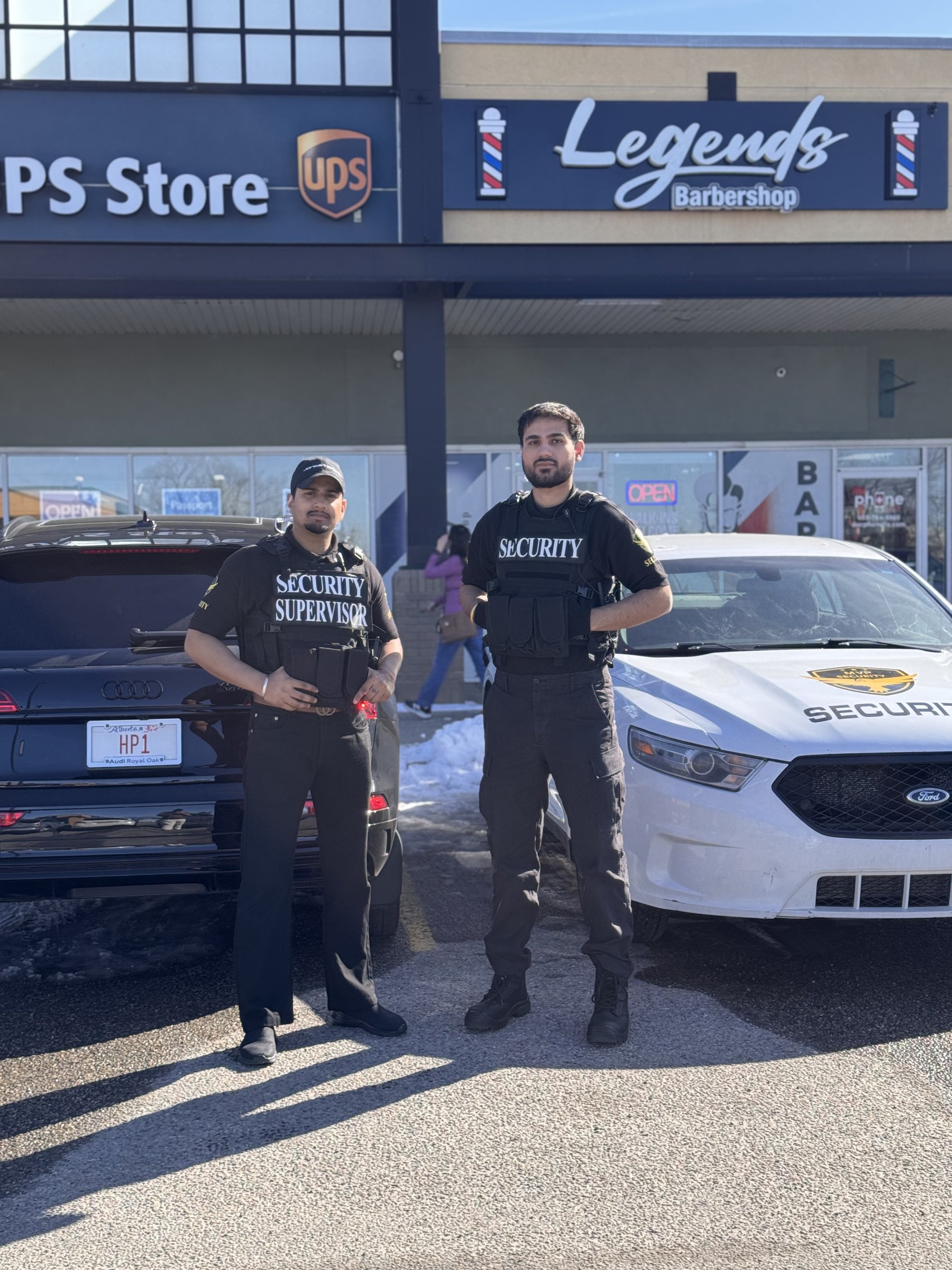
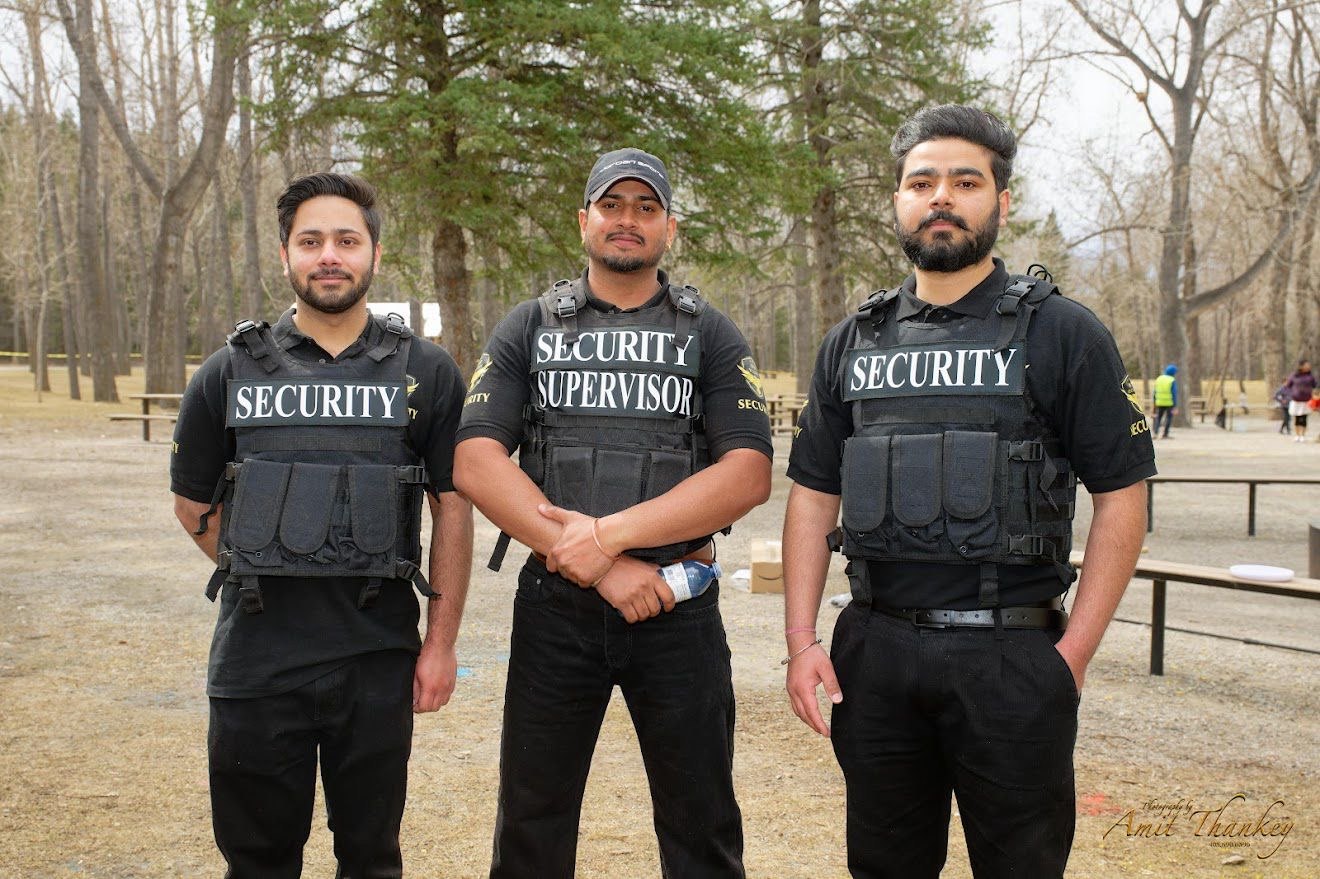
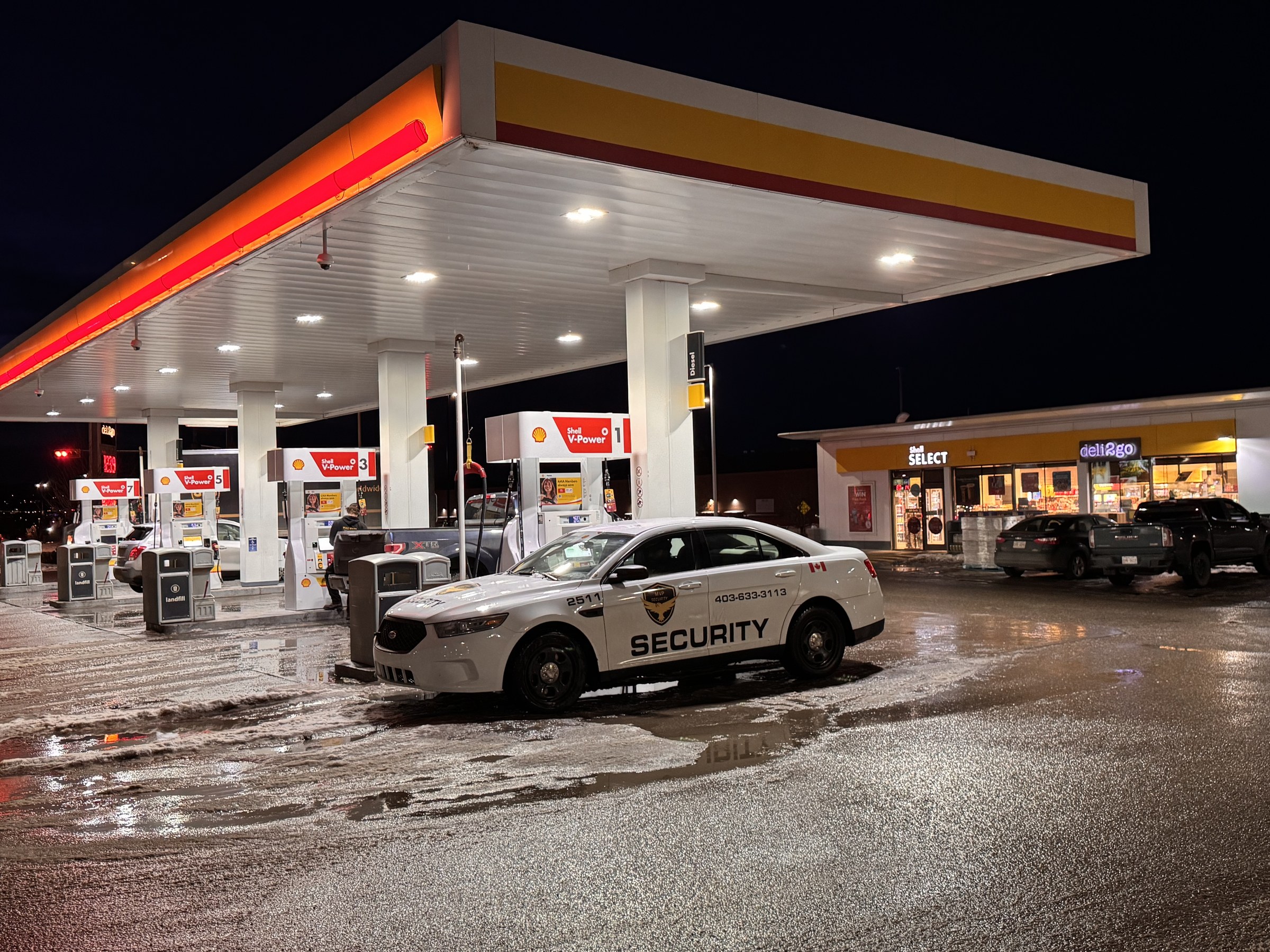
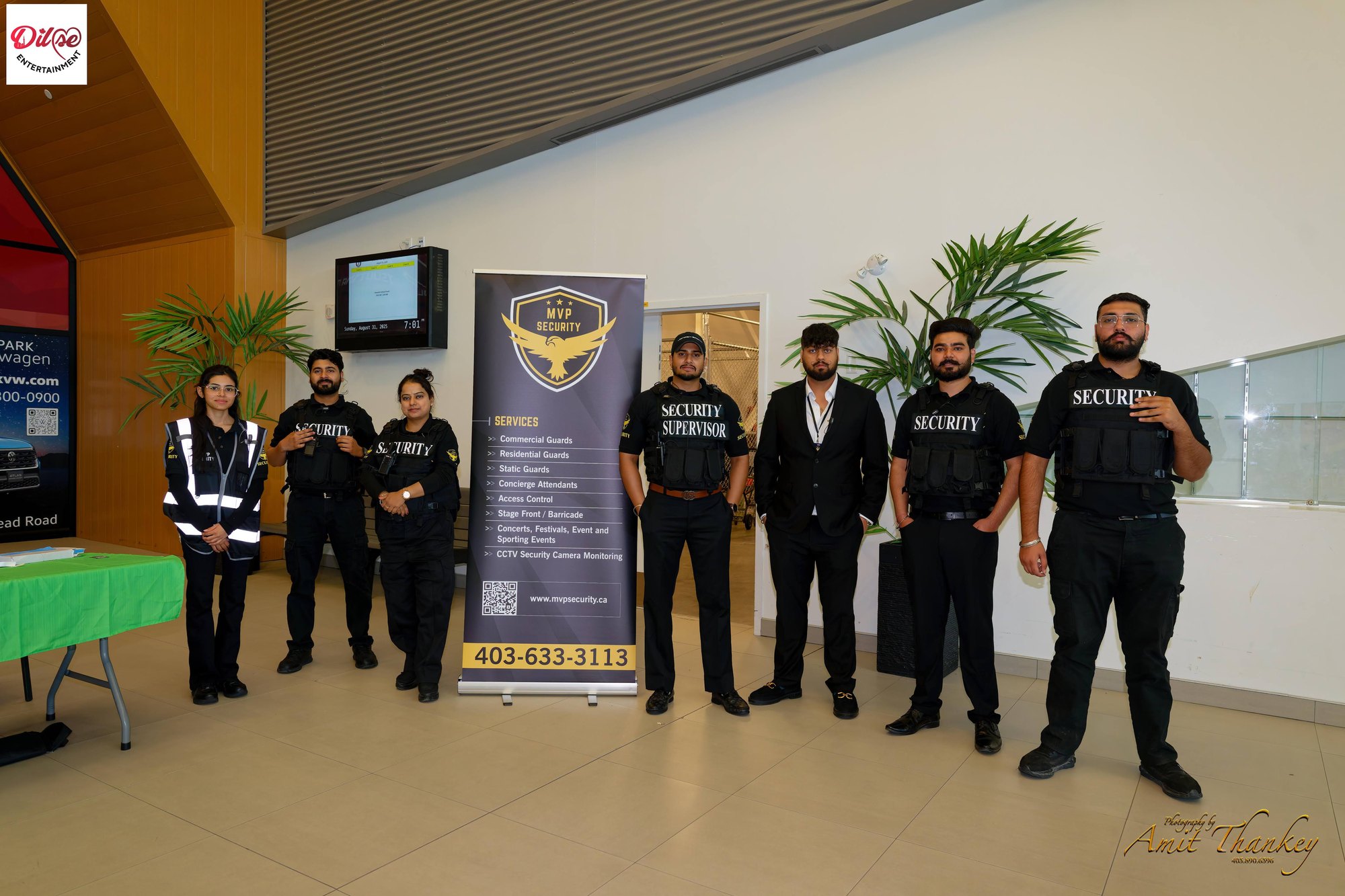
This is where a local, experienced security team can make a measurable difference. MVP Security Inc. provides Alberta-licensed event guards and site-specific coverage planning for Calgary and surrounding communities, with staffing designed around actual event conditions rather than a generic post list.
10. Review what happened while details are fresh
After the event, collect feedback from the organizer, venue, security supervisor, and key operational staff. Note where queues formed, which entrances worked well, whether communication was effective, and what incidents required intervention. Small adjustments, such as moving a check-in table or adding a guard to a crossover point, can materially improve the next event.
The best crowd-control plan is visible in the experience guests have: they enter without confusion, move without bottlenecks, receive clear direction, and leave without disorder. Build the plan around the real flow of people, give trained staff the authority to act early, and treat every event as an opportunity to strengthen the next one.