

























A lost fob, a propped-open side door, and one contractor still on the access list after the job wraps - that is often how a property ends up dealing with theft, damage, or a preventable incident. The best practices for access control are not complicated in theory. Where sites run into trouble is in day-to-day execution, especially when multiple tenants, trades, visitors, deliveries, and after-hours users all need different levels of entry.
For property managers, builders, retail operators, and event teams, access control is not just about who can open a door. It is about reducing avoidable risk without slowing down normal operations. The right approach balances convenience, accountability, and visible oversight.
Why best practices for access control matter on active sites
Every site has pressure points. In a condo building, it may be parkade entry, loading dock access, and visitor management. On a construction project, it is often perimeter gates, tool storage, and changing crews. In retail and commercial environments, it can be rear service doors, staff-only areas, and alarm-related after-hours access.
When access is loosely managed, problems tend to stack up quickly. Unauthorized entry raises the chance of theft, vandalism, workplace incidents, and tenant complaints. It also creates confusion after the fact because no one can say with confidence who was on site, when they arrived, or how they got in.
Strong access control closes those gaps. Just as important, it gives decision-makers a record they can use when reviewing incidents, enforcing site rules, or adjusting security coverage.
Start with a site-specific access map
Before changing credentials or adding guards, map out how people actually move through the site. That sounds basic, but it is where many plans fall short. The front entrance may be controlled well while a delivery corridor, stairwell, or temporary gate becomes the real vulnerability.
A useful access map identifies primary entry points, secondary doors, emergency exits, restricted areas, and common bypass routes. It should also reflect who needs access at what times. Office staff, cleaners, trades, residents, vendors, and event personnel rarely need the same privileges.
This is where a one-size-fits-all setup usually fails. A residential tower and a construction site may both need access control, but the schedule, traffic patterns, and risk profile are completely different. Good planning starts with those realities instead of forcing every site into the same system.
Limit access by role, not by convenience
One of the most effective controls is also one of the most overlooked - giving people only the access they need to do their job. Not more.
Too many properties rely on broad permissions because they are easier to assign. Over time, that creates unnecessary exposure. A former contractor still has gate access. A temporary worker can enter storage rooms they never use. A vendor credential opens doors outside delivery hours.
Role-based access reduces this problem. It sets permissions by job function, area, and time window. That might mean concierge staff can access the lobby, management office, and service areas, while cleaning crews can enter only approved zones during scheduled hours.
There is a trade-off here. Tighter permissions take more administration. But the extra setup is usually far less costly than dealing with a theft claim, property damage, or an incident investigation with no clear audit trail.
Review credentials on a schedule, not only after a problem
Access lists become outdated fast, especially on busy sites. Staff turnover, tenant changes, subcontractor rotations, and event staffing all create opportunities for old credentials to remain active longer than they should.
A scheduled review solves this. Monthly works for many commercial and residential properties. On construction and event sites, weekly or even daily review may be more realistic because the roster changes so often.
The key is to treat credential management as an operational routine, not a one-time setup. Remove old users promptly. Reconfirm who still needs after-hours access. Check whether issued cards, fobs, codes, keys, or temporary passes have been returned.
If a site relies heavily on manual processes, this review becomes even more important. Human memory is not a security system.
Pair technology with physical oversight
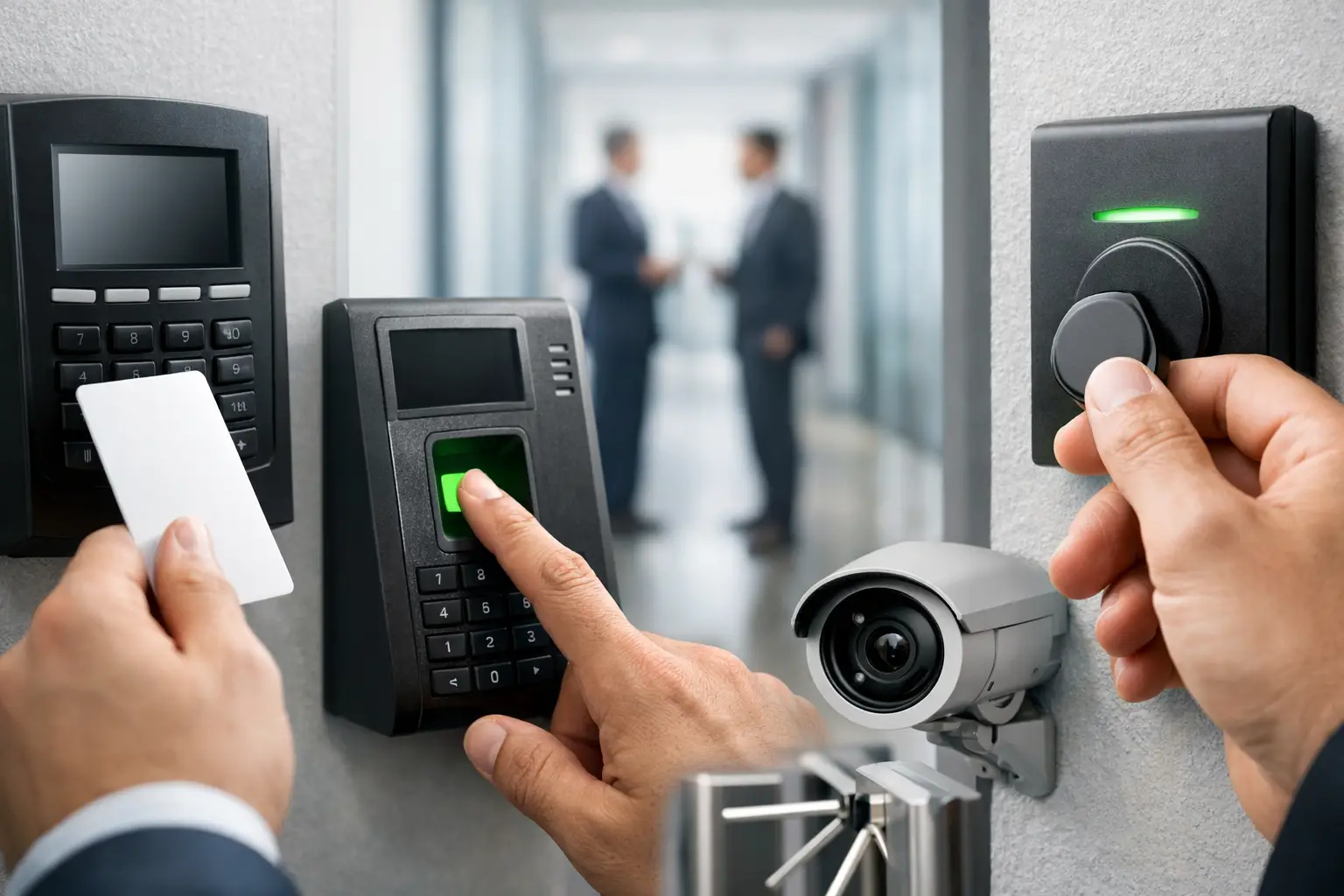
Access hardware helps, but it does not replace on-site awareness. Card readers, intercoms, monitored alarms, CCTV, and gate systems are useful tools. They work best when someone is responsible for responding to what those tools show.
For example, an alarmed door can tell you a door opened after hours. It cannot decide whether that activity is expected, suspicious, or urgent. A camera can record tailgating through a secured entrance. It does not stop it in the moment.
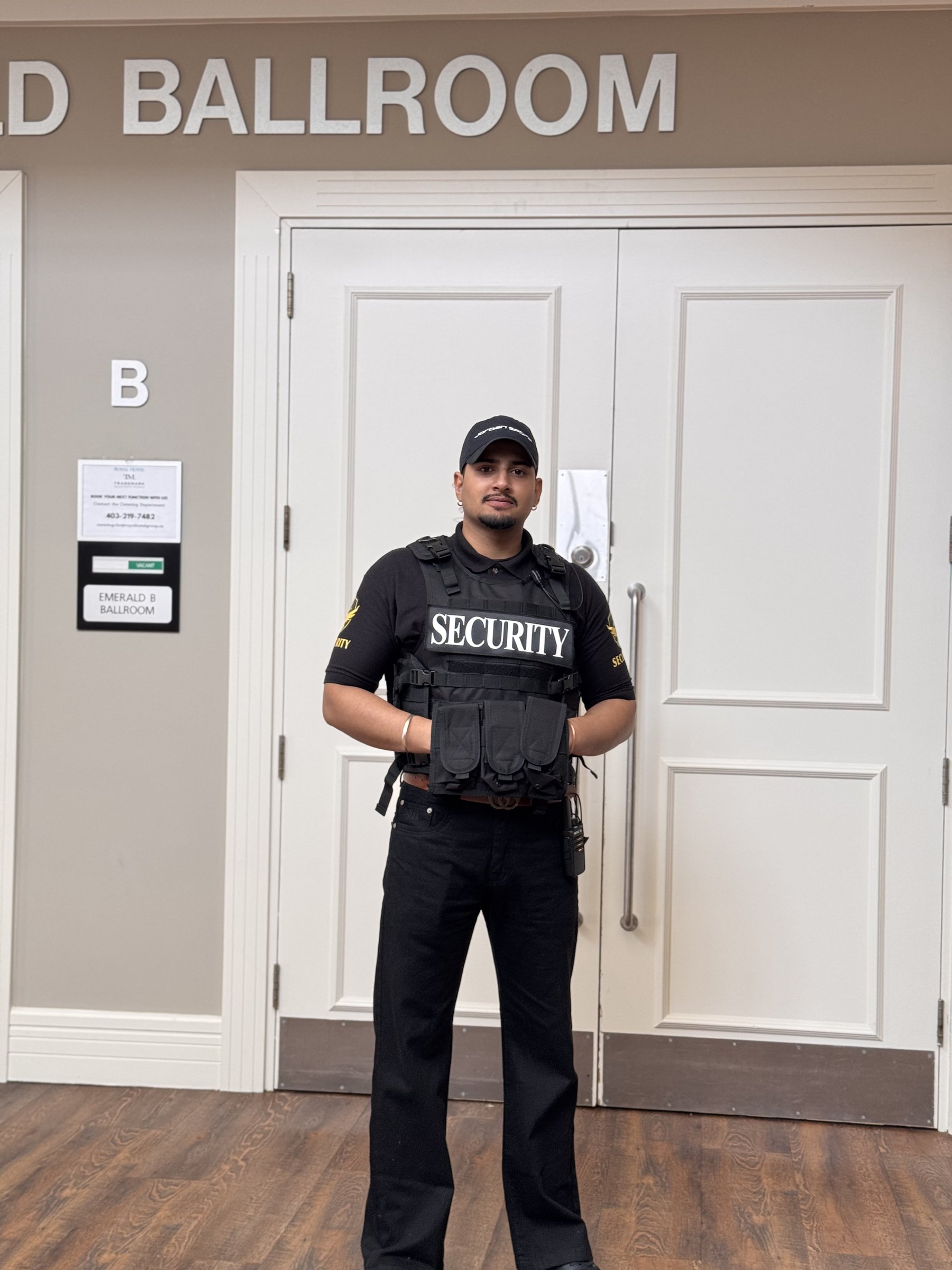
That is why many higher-risk sites benefit from a combined model. Concierge staff can manage visitor flow in residential buildings. Security guards can verify credentials, challenge unauthorized persons, and respond to access breaches before they turn into larger losses. Mobile patrol can reinforce after-hours coverage where full-time staffing is not needed.
The right mix depends on the property. A small office building may need stronger procedures more than additional hardware. A large industrial yard may need both perimeter controls and active guard presence to be effective.
Train staff on the weak points, not just the system
Most access failures happen because people work around the process. Doors get held open. PINs get shared. Deliveries are waved through. Side gates are left unsecured during busy periods because the crew is trying to keep work moving.
Training needs to address those real-world shortcuts. Show staff what tailgating looks like. Explain why convenience-based code sharing creates liability. Make it clear who is allowed to admit visitors, release secured areas, or override a normal procedure.
This applies beyond employees. Tenants, contractors, volunteers, and event staff all affect site security. If the rule is that every visitor checks in, the process needs to be communicated consistently and enforced the same way every time.
Clear procedures matter here. So does visible supervision. People are more likely to follow access rules when they know someone is paying attention and documenting exceptions.
Build visitor and contractor control into the plan
Visitors and contractors are often where access control becomes inconsistent. They may arrive outside normal business hours, use alternate entrances, or need temporary access to restricted zones. If there is no defined process, front-line staff end up making judgment calls under pressure.
A better approach is to decide in advance how visitors are approved, signed in, escorted, and signed out. Contractors should have a clear point of contact, approved work windows, and permissions that match the scope of the job.
On active sites, temporary access should expire automatically whenever possible. If not, there needs to be a manual check at the end of each shift or work period. Too many temporary permissions quietly become permanent.
In Calgary and surrounding communities, weather and seasonal conditions can complicate this. Winter operations may shift entry routes, reduce visibility, or push crews toward doors and gates they do not normally use. Good access control planning accounts for those changes before they create gaps.
Keep records that are useful after an incident
Documentation matters most when something goes wrong. If there is a break-in, a confrontation, missing inventory, or a false claim about who was on site, the quality of your records quickly becomes the difference between guesswork and a clear response.
Useful records include credential logs, visitor sign-ins, patrol activity, incident notes, and photo-documented observations where appropriate. The goal is not paperwork for its own sake. It is to create a reliable timeline.
That is one reason many clients prefer a security partner that can provide documented patrol activity and site-specific reporting rather than general assurances. A record of checks, responses, and exceptions gives management something concrete to review and act on.
Audit the system after changes to occupancy or operations
Access control should be reviewed any time the site changes in a meaningful way. New tenants, renovation work, expanded hours, additional inventory, event setups, and staffing changes all affect who should have access and how entry points are used.
This is especially true for growing sites. A construction project in the early grading stage does not need the same controls as one nearing completion with enclosed areas, installed materials, and more subcontractors. A residential property dealing with repeated parkade trespassing may need a different mix of access monitoring and enforcement than it did six months earlier.
The best systems are adjusted before a weakness becomes a pattern. That takes periodic review, honest reporting from the field, and a willingness to change procedures when the site no longer matches the original plan.
Best practices for access control work best when accountability is visible
The most effective access control programs are rarely the most complicated. They are the ones people can follow, supervisors can verify, and management can review without chasing missing information. Clear permissions, active oversight, scheduled reviews, and documented response usually outperform a patchwork of rules that looks strong on paper but falls apart on site.
For properties and projects with changing risks, it helps to have support that can scale with the environment. That may mean concierge coverage at the front desk, after-hours mobile patrol, or licensed guards at key entry points. For many Calgary-area sites, the real improvement comes when access control stops being treated as a door issue and starts being managed as part of the overall security operation.
If your current process depends too heavily on memory, informal workarounds, or outdated access lists, that is usually the point where tighter control starts paying for itself.