




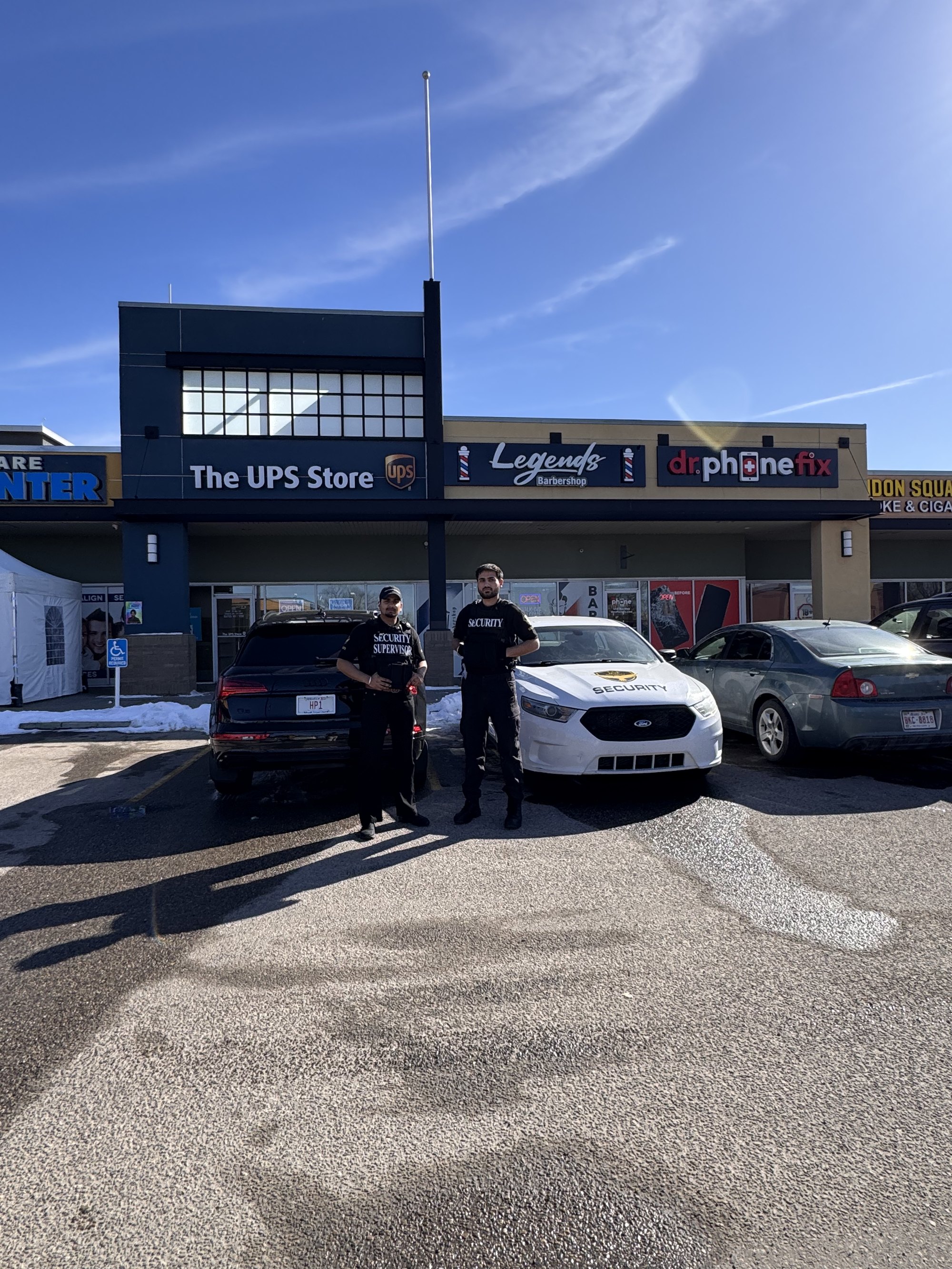
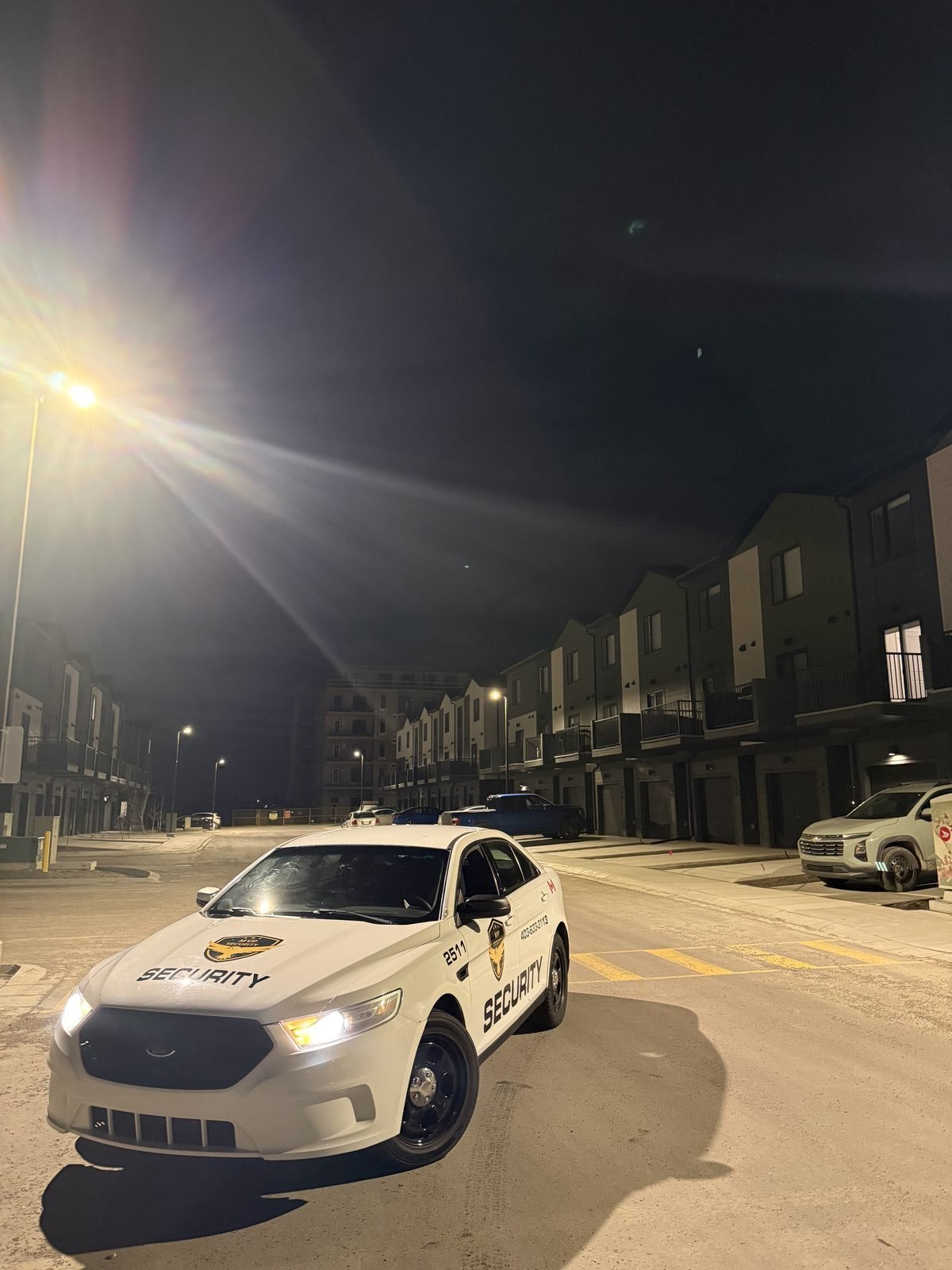
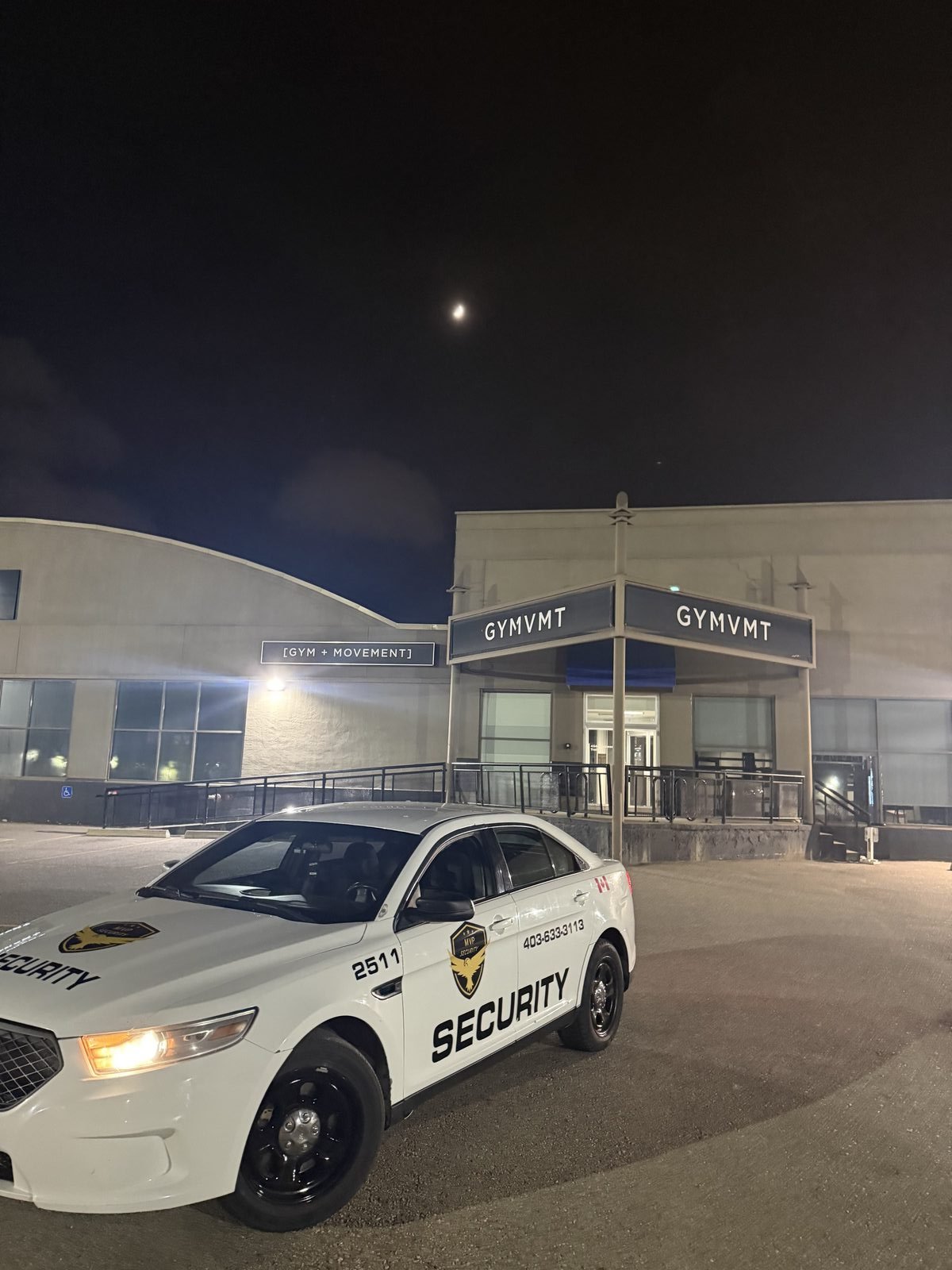
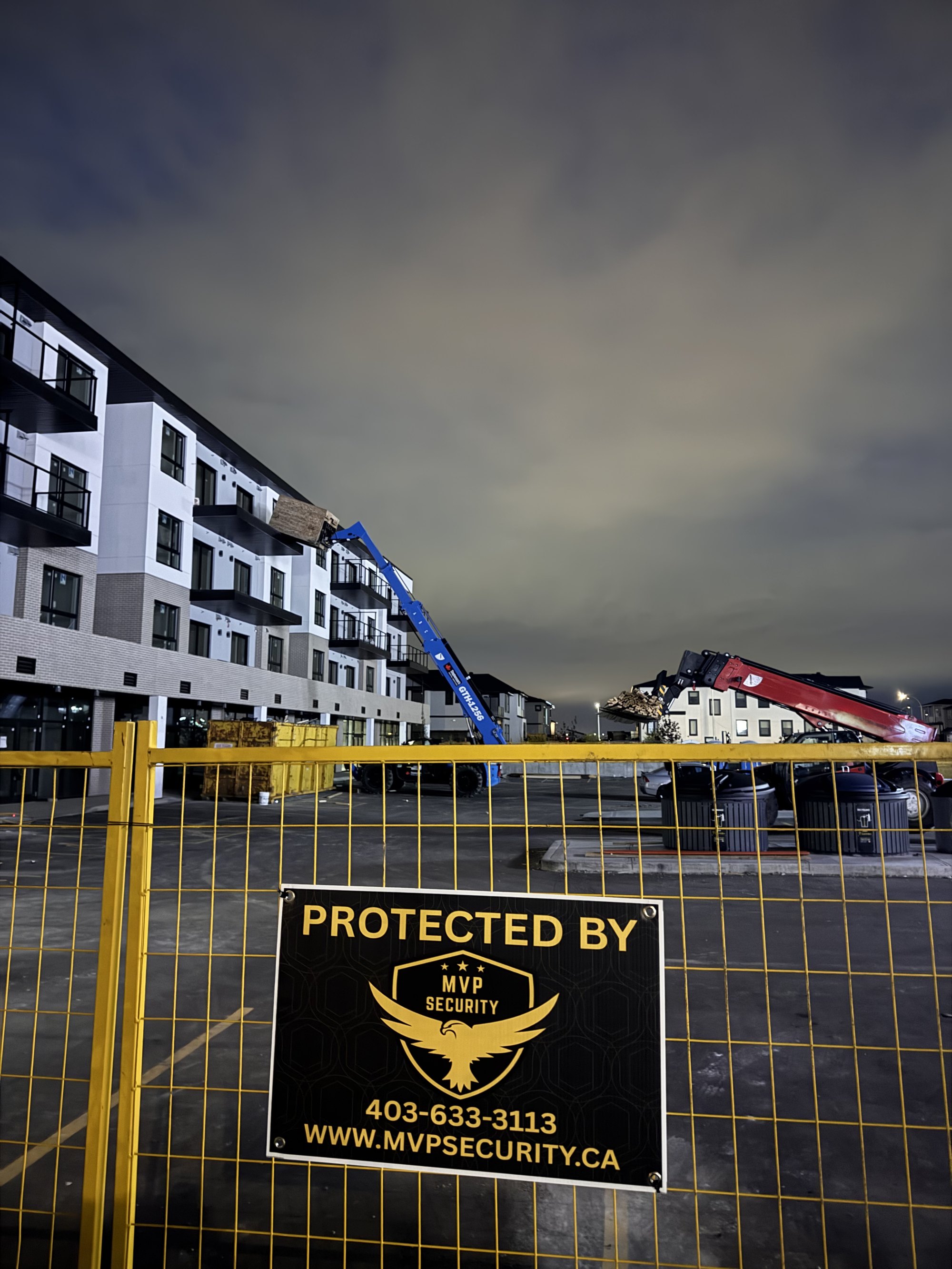
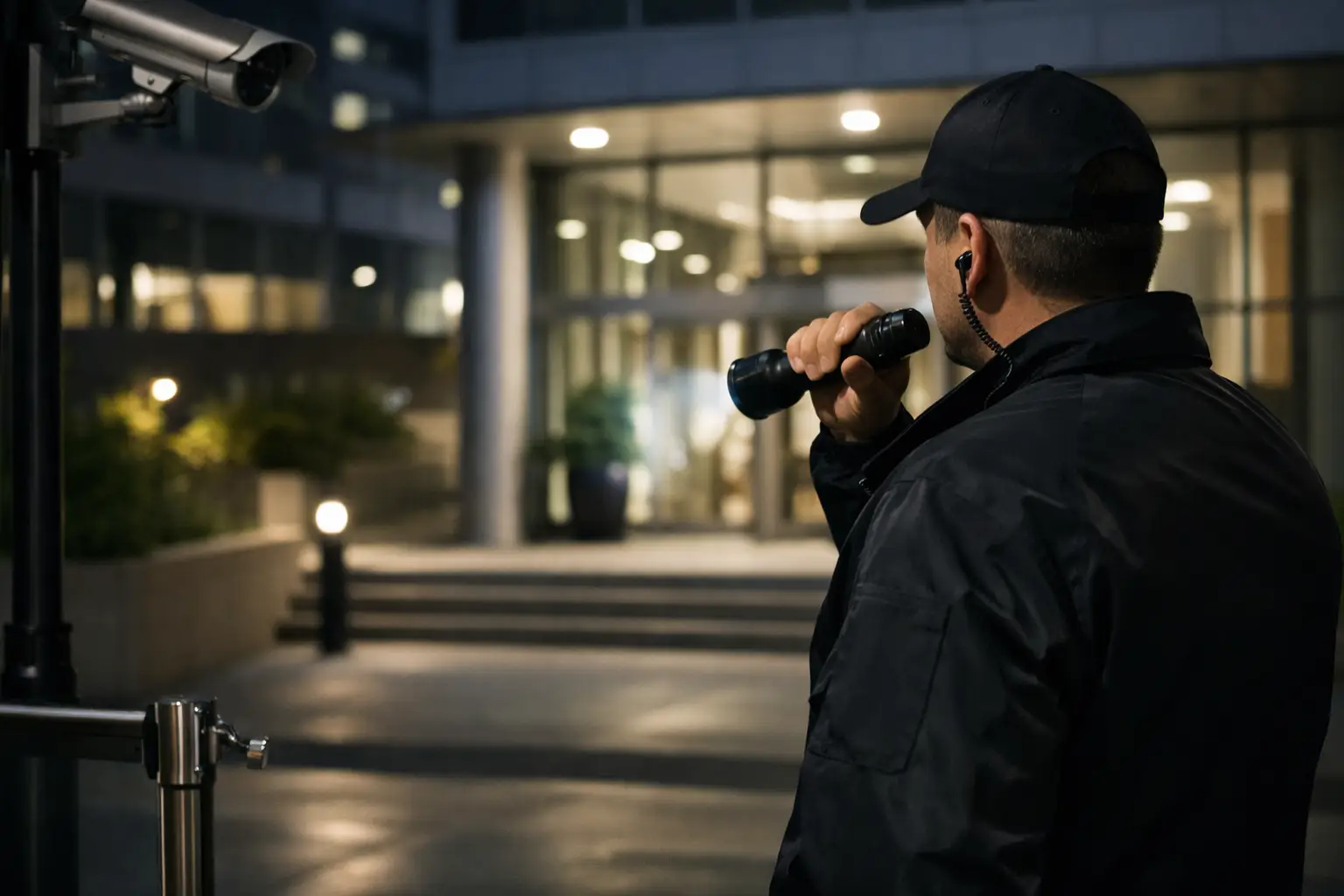
A building rarely has one overnight risk. It has several that overlap - empty corridors, reduced staffing, delayed reporting, blind spots on camera, unlocked service doors, and the simple fact that most break-ins, trespassing, and vandalism happen when nobody expects a fast challenge.
That is why the best practices for overnight building security are not about adding one guard or one camera and hoping for the best. Effective overnight protection comes from a site-specific plan that matches the property’s layout, hours, traffic patterns, tenant activity, and known vulnerabilities.
Best practices for overnight building security start with site risk
A retail plaza, a condo tower, a downtown office, and a construction site all have different overnight exposure. The first step is identifying what actually needs protection between closing time and opening time.
For some properties, the main concern is unauthorized access through loading bays, side entrances, or parkades. For others, it is copper theft, after-hours loitering, alarm response delays, or damage in common areas. A practical overnight plan starts by mapping where incidents are most likely to happen, when they tend to happen, and how quickly someone can respond.
This is where many security programs fall short. They treat every site the same. In practice, overnight building security works best when patrol frequency, access control, lighting checks, and reporting procedures are adjusted to the property, not copied from a standard template.
Control access after hours without slowing down operations
Most overnight incidents start with access failure, not high-level criminal tactics. A propped-open door, a contractor entrance left unsecured, missing visitor logs, or weak key control is often enough.
After-hours access should be narrowed to the smallest number of entry points possible. If a building has multiple entrances during the day, only designated doors should remain available overnight, and those should be monitored through a combination of guard presence, credential checks, intercom procedures, and camera coverage.
Keys, fobs, and temporary credentials also need tighter handling at night. If cleaners, maintenance staff, or approved vendors are expected on site, there should be a clear sign-in and sign-out process. It sounds basic, but it prevents a common problem: discovering an access issue hours later with no reliable record of who entered, when they arrived, or whether they were authorized.
There is a trade-off here. Overly restrictive access can frustrate legitimate overnight staff, especially in mixed-use buildings or active job sites. The goal is not to create friction for its own sake. It is to make sure every after-hours entry is visible, documented, and justified.
Visible patrols matter more than many owners think
Cameras record events. Patrols interrupt them.
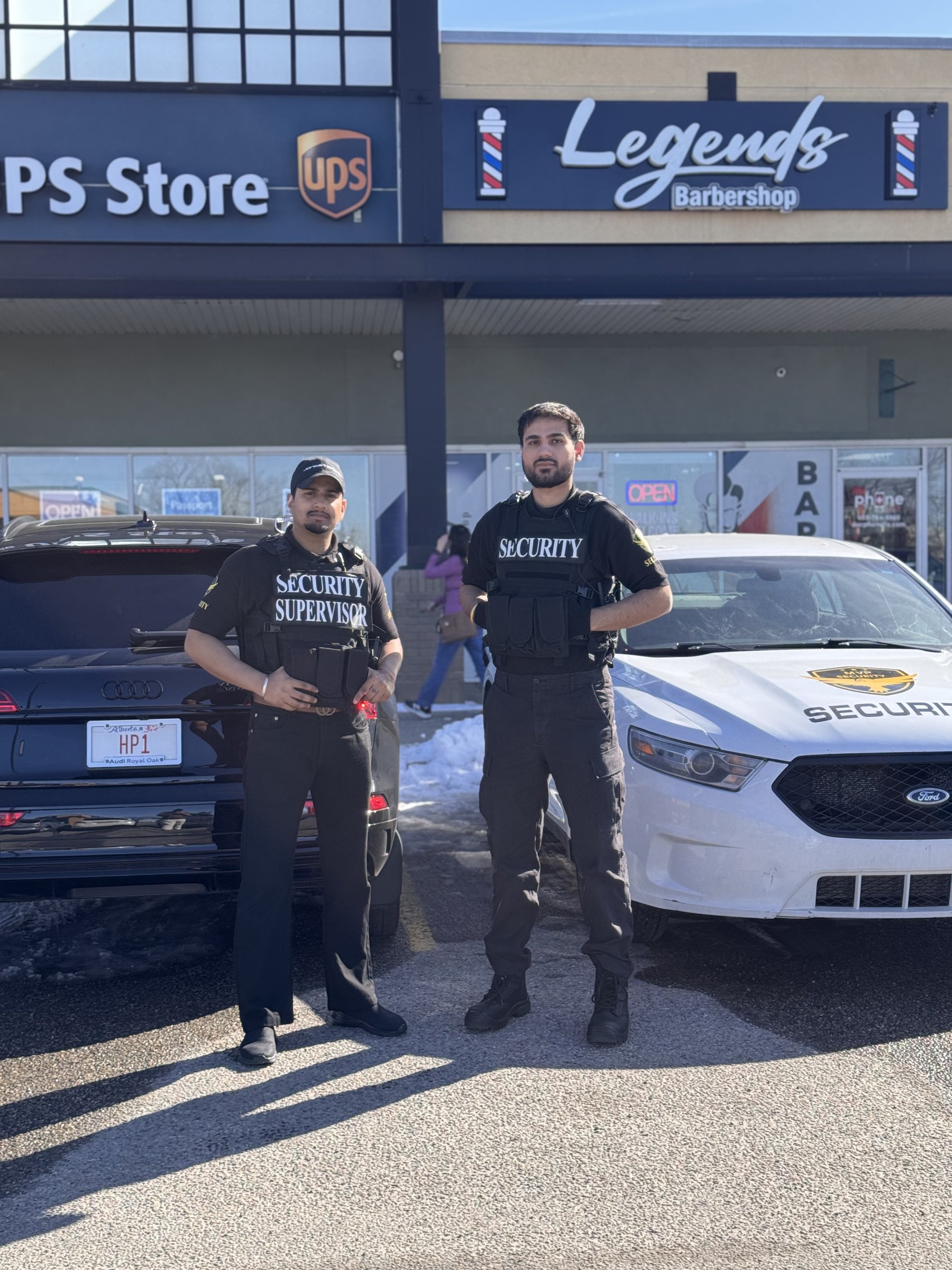
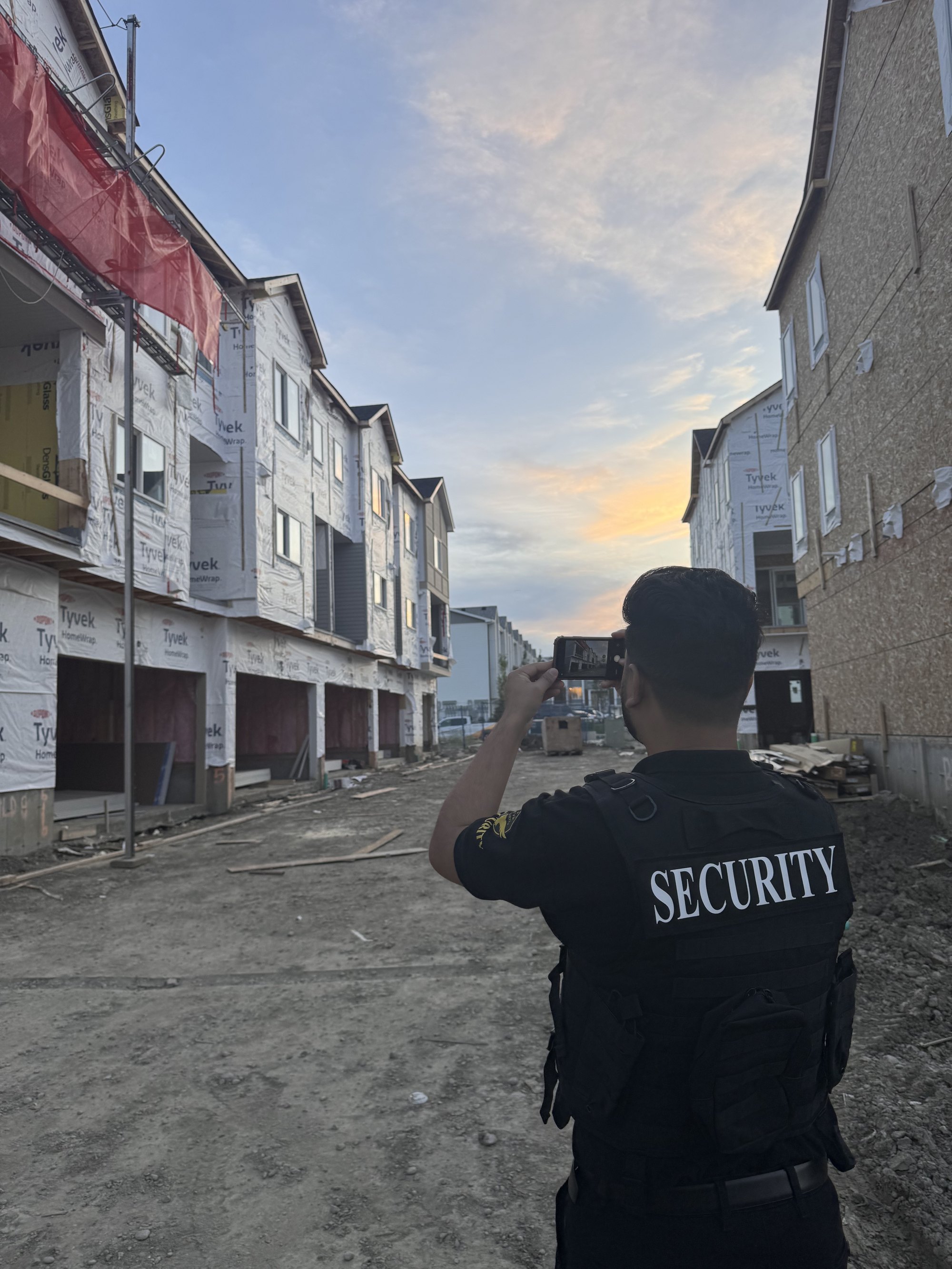
One of the most effective ways to reduce overnight incidents is visible patrol activity, especially in areas where offenders expect low resistance. Parking lots, rear lanes, loading areas, stairwells, rooftops, and mechanical access points are common examples. A trained guard moving through those spaces at variable intervals changes the risk calculation for anyone testing the site.
Static coverage can be the right fit for properties with continuous access needs or a history of repeat incidents. Mobile patrol can be more cost-effective for lower-traffic sites that still need regular checks, lock-ups, perimeter verification, and alarm attendance. The right choice depends on the property, the incident history, and whether the real risk is deterrence, response, or both.
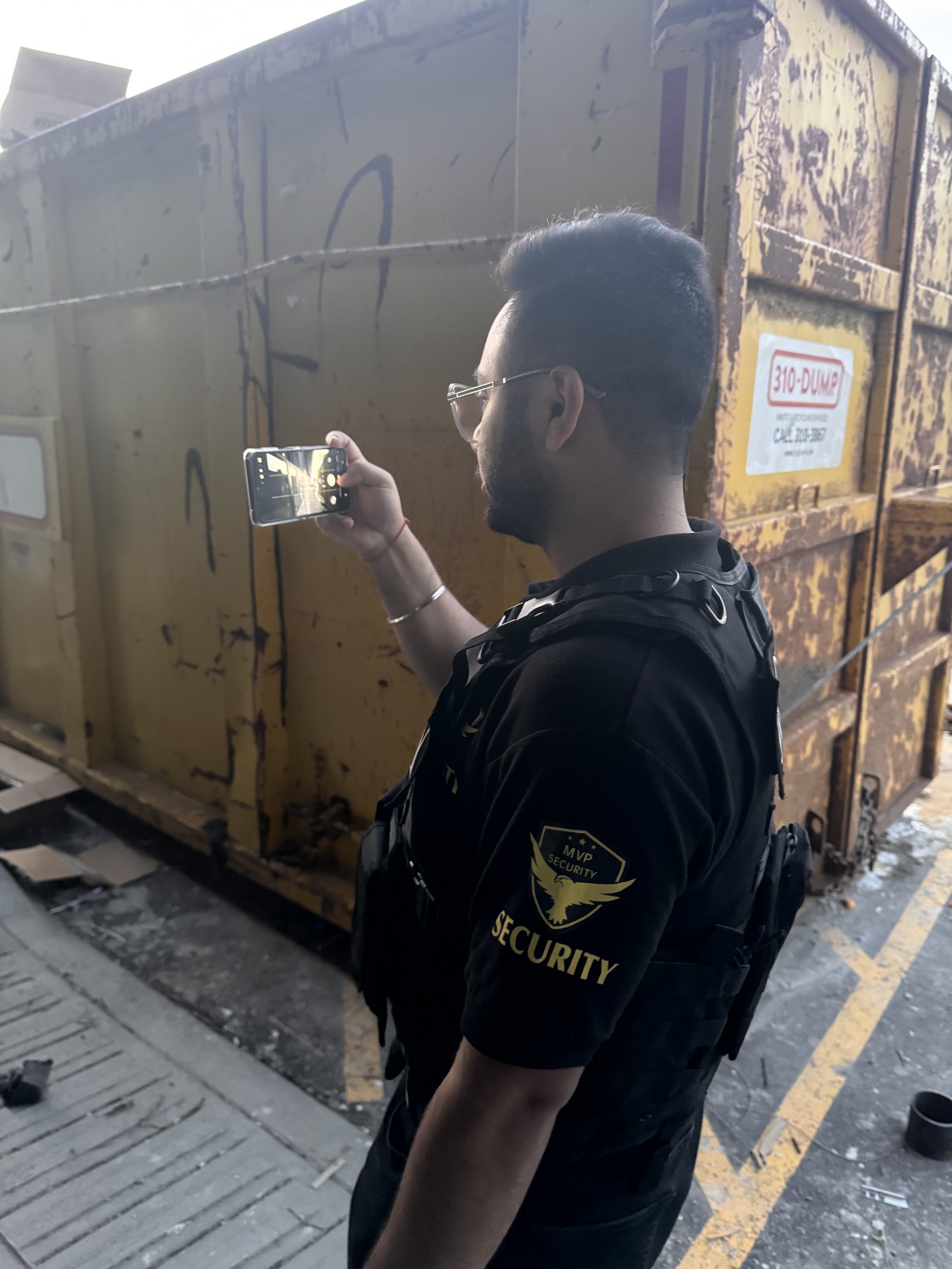
What matters is consistency and accountability. Overnight patrols should be tracked, time-stamped, and documented with enough detail to confirm where checks took place and what was observed. If there is an issue with a door, gate, fence line, or suspicious activity, photo-supported reporting gives property managers something concrete to act on the next morning.
Use cameras and alarms as tools, not substitutes
Surveillance and monitored alarms are essential, but they perform best when paired with a response plan. A camera can show a person entering a restricted area. An alarm can signal a breach. Neither solves the problem unless someone is ready to assess it, verify it, and respond.
For overnight building security, camera placement should support the most likely access routes and problem areas rather than just the lobby or front entrance. Service corridors, parkade levels, exits, loading bays, and dark exterior corners deserve the same attention. The same principle applies to alarms. Zones should be configured around real site use so false alarms are reduced and genuine alerts are easier to prioritize.
False alarms are not just inconvenient. They can create fatigue, slower reactions, and unnecessary cost. Buildings with recurring nuisance alarms often need a review of sensor placement, user procedures, and after-hours access habits. A cleaner system usually produces faster, more credible response.
Lighting is a security control, not a maintenance issue
Poor lighting creates hesitation for staff, cover for trespassers, and weaker camera footage. Yet lighting checks are often treated as secondary.
Overnight security plans should include routine inspection of exterior lights, parkades, pedestrian routes, and entry points. Burnt-out fixtures near rear doors or garbage enclosures may seem minor until they become a repeat hiding spot or access route. Interior lighting matters too, especially in stairwells, hallways, and service areas where movement should be visible.
This does not always mean keeping every light fully on all night. Energy use and tenant comfort still matter. But strategic lighting in high-risk zones is one of the simplest ways to improve deterrence and visibility without changing the entire building operation.
Train for incidents that actually happen overnight
Night security is not only about stopping break-ins. In many properties, the more common overnight events are welfare checks, suspicious persons, noise complaints, parkade issues, fire panel alerts, elevator concerns, and after-hours tenant assistance.
The guard on site or the patrol officer attending an alarm needs more than a generic security presence. They need building-specific instructions, escalation contacts, emergency procedures, and clear authority on what to do if they find an open suite, a forced door, a burst pipe, or someone sleeping in a stairwell.
This is where licensed, trained personnel make a difference. In Alberta, compliance matters, but so does practical readiness. A capable overnight guard should know how to de-escalate, preserve evidence, document incidents properly, and notify the right contact without creating confusion at 2:30 a.m.
Good reporting prevents repeat problems
A surprising number of overnight issues repeat because nobody receives useful detail the next day. “All clear” is not a report. It does not tell a property manager that the same side gate was unsecured for the third time that week, or that a group attempted access through the loading area shortly after neighbouring businesses closed.
The best practices for overnight building security include documented reporting that helps clients make operational decisions. That means time-stamped patrol records, photos when appropriate, incident notes with location details, and clear communication around deficiencies like broken locks, damaged fencing, or failed lighting.
Good documentation does two jobs. It shows the overnight work was completed, and it turns security observations into actionable property management information.
Build the schedule around risk, not habit
A common mistake is scheduling overnight coverage based on routine instead of exposure. If incidents usually happen between midnight and 4 a.m., but patrol intensity is heavier earlier in the evening, the security plan is out of step with the actual threat window.
Reviewing incident timing, tenant patterns, delivery schedules, and police call history can help shape a more effective overnight schedule. Some buildings need a lock-up and a later patrol. Others need continuous presence through the highest-risk hours. Construction and industrial sites often need extra attention on weekends and long weekends when activity drops and material theft becomes more attractive.
For Calgary-area properties dealing with changing occupancy, seasonal darkness, and weather-related access issues, flexibility matters. An overnight plan should be easy to adjust when risk changes.
The best overnight security plans stay practical
The strongest overnight program is not necessarily the most expensive one. It is the one that closes the obvious gaps, documents what happens on site, and gives owners or managers confidence that if something does happen, there is a trained person ready to act.
For some buildings, that means a dedicated overnight guard. For others, it means mobile patrol, monitored alarm response, access control support, and better reporting. Providers like MVP Security Inc. are often brought in when a property needs that mix to be tailored properly rather than forced into a generic package.
If your current overnight coverage leaves questions unanswered by morning, that is usually the real warning sign. Good overnight security should not feel vague. It should be visible, accountable, and built around how your property actually operates when most people have gone home.
A useful place to start is simple: look at what happens after hours, not what you assume happens. That is where the right security plan begins.