











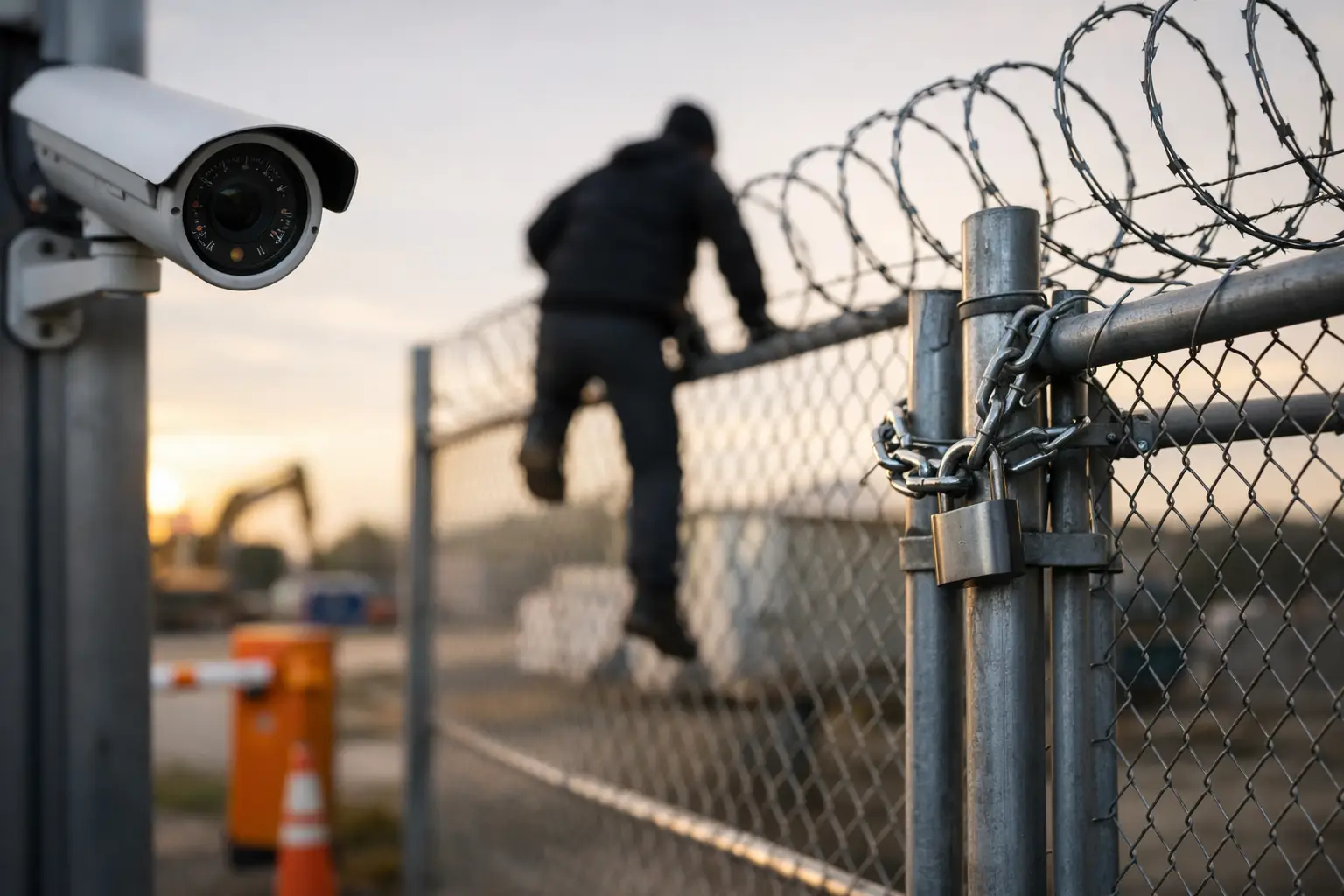
A cut fence, an unsecured gate, or a dark loading area after hours can quickly become more than a nuisance. Unauthorized entry exposes a property to theft, vandalism, fire risk, safety incidents, and project delays. The best ways to deter site trespassing combine visible barriers with fast detection and a response plan that makes it difficult for intruders to stay unnoticed.
For Calgary-area construction sites, commercial properties, industrial yards, condominium buildings, and event venues, one measure rarely does the job alone. A camera without lighting may capture poor footage. A locked gate without regular patrols may go unchecked for hours. Effective deterrence is layered, site-specific, and consistently managed.
Start With a Site-Specific Risk Review
Before adding guards, cameras, or fencing, identify how and where people are getting in. Walk the perimeter during daylight and after dark. Check fence lines, service entrances, stairwells, loading docks, rooftop access points, parkade doors, vacant units, and areas hidden from public view.
Risk changes with the property. A construction project may be vulnerable to copper theft, equipment damage, and unauthorized overnight sheltering. A retail plaza may have concerns around rear-door access and delivery schedules. A condo building may need stronger visitor management, parkade control, and response to repeated after-hours incidents.
Also consider timing. Trespassing is often tied to predictable gaps: after trades leave, during weekend shutdowns, before a site opens, or when an alarm signal is received but no one can attend quickly. A practical security plan identifies these windows and assigns coverage accordingly.
Control Access Before Trespassers Reach the Property
Physical access control is the first layer of deterrence. It should make unauthorized entry visible, inconvenient, and time-consuming. The goal is not simply to install a fence or lock. It is to prevent easy access while ensuring authorized workers, tenants, delivery drivers, and emergency personnel can move through the site safely.
Secure Gates, Doors, and Perimeter Weak Points
Inspect gates for gaps beneath the frame, damaged latches, loose hinges, and places where a vehicle could push through. Construction sites should secure pedestrian gates as carefully as vehicle entrances. A gate left open for a late delivery can undermine an otherwise well-protected perimeter.
Doors require the same attention. Rear service doors, parkade entrances, utility rooms, temporary trailers, and vacant spaces are common weak points. Use appropriate commercial-grade locks, restrict keys and access credentials, and remove or rekey access when staff, contractors, or tenants change.
Fencing is most effective when it is maintained. A damaged section that remains unrepaired sends a clear message that the property is not being actively monitored. Regular perimeter checks help catch damage before it becomes an invitation.
Use Clear Signage and Visible Boundaries
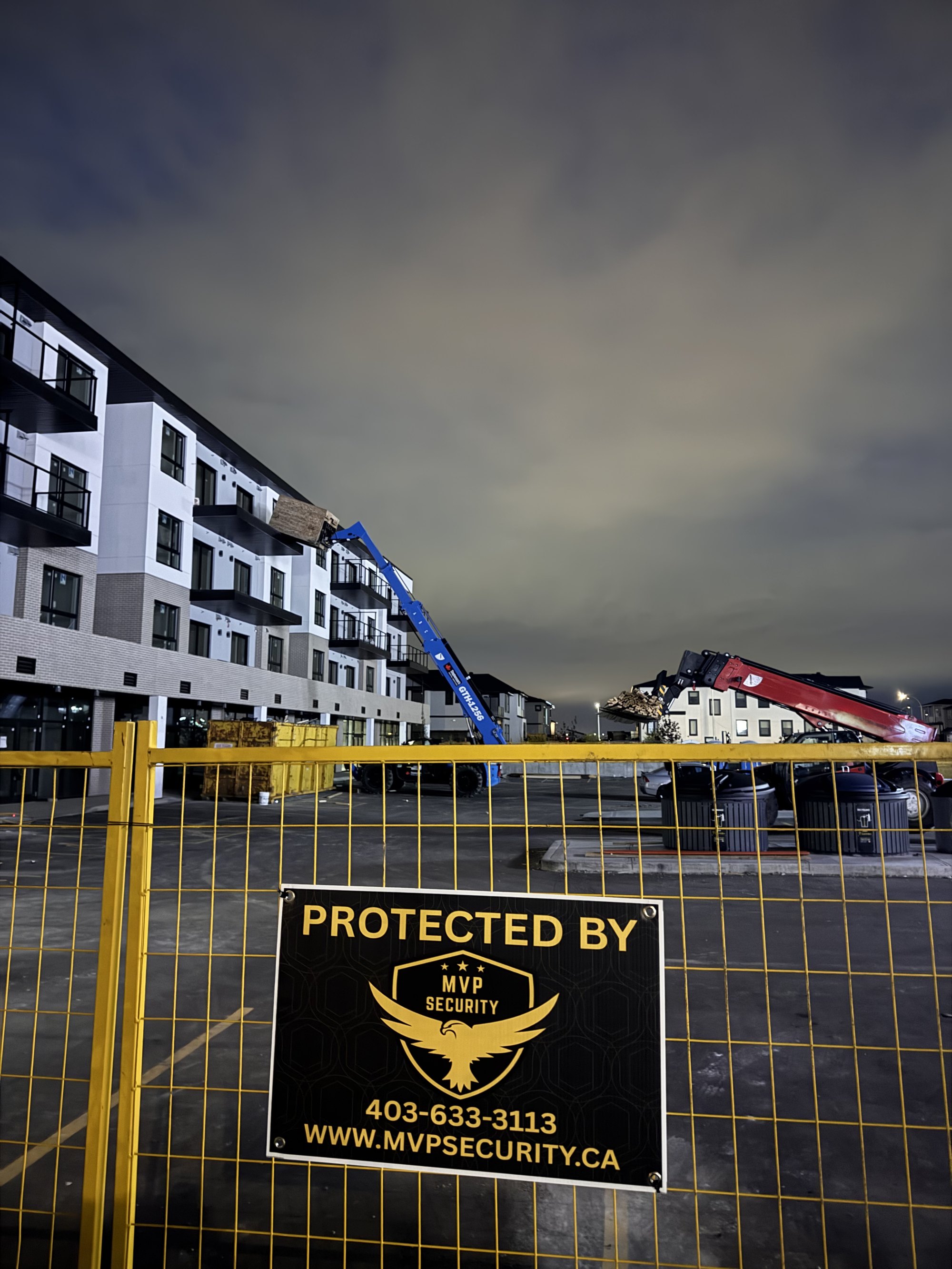
Well-placed signage supports enforcement and removes ambiguity. Post clear notices at all entry points stating that the property is private, access is restricted, and surveillance or patrols are in place where applicable. Signs should be easy to read from a reasonable distance and remain visible after dark.
Signage is not a substitute for security coverage, but it reinforces the boundaries that guards, property managers, and police may need to enforce. It can also discourage opportunistic trespassers looking for an easy, low-risk location.
Make the Property Difficult to Hide On
Trespassers are more likely to target locations where they can enter, move, and leave without being seen. Good lighting and site housekeeping reduce those opportunities.
Install reliable exterior lighting at gates, pathways, loading bays, parkades, equipment storage areas, dumpsters, and building entrances. Motion-activated lighting can be useful in low-traffic zones, while consistently illuminated areas may be better for locations with regular overnight activity. The right choice depends on the property layout and neighbouring impacts. Excessive lighting that spills into nearby residences may create complaints without improving coverage.
Keep sightlines open. Trim landscaping around ground-floor windows, doors, and fence lines. Avoid storing materials, bins, pallets, or equipment where they create climbing aids or blind spots. On construction sites, organize equipment and high-value materials in secured, well-lit areas rather than leaving them scattered across the project.
Add Monitoring That Produces a Real Response
CCTV, alarm systems, and access records can be valuable tools, but they are only as useful as the response behind them. A camera that records an incident may help after the fact. A monitored system paired with verified alarm response or patrol attendance can interrupt the incident while it is happening.
Position cameras to cover entry points, high-value assets, fence lines, and routes leading into or out of the property. Avoid relying on one wide-angle camera to cover an entire yard. Review footage quality at night, in poor weather, and during low-light conditions. If faces, vehicles, or actions cannot be identified, the system may not provide the protection expected.
Alarm response procedures should be clear. Identify who receives the alert, who can attend, when police should be contacted, and how incidents are documented. For a property manager or site supervisor, a trained security professional can reduce the need to attend an uncertain or potentially unsafe situation alone.
Use Visible Patrols and Static Guards Where They Matter Most
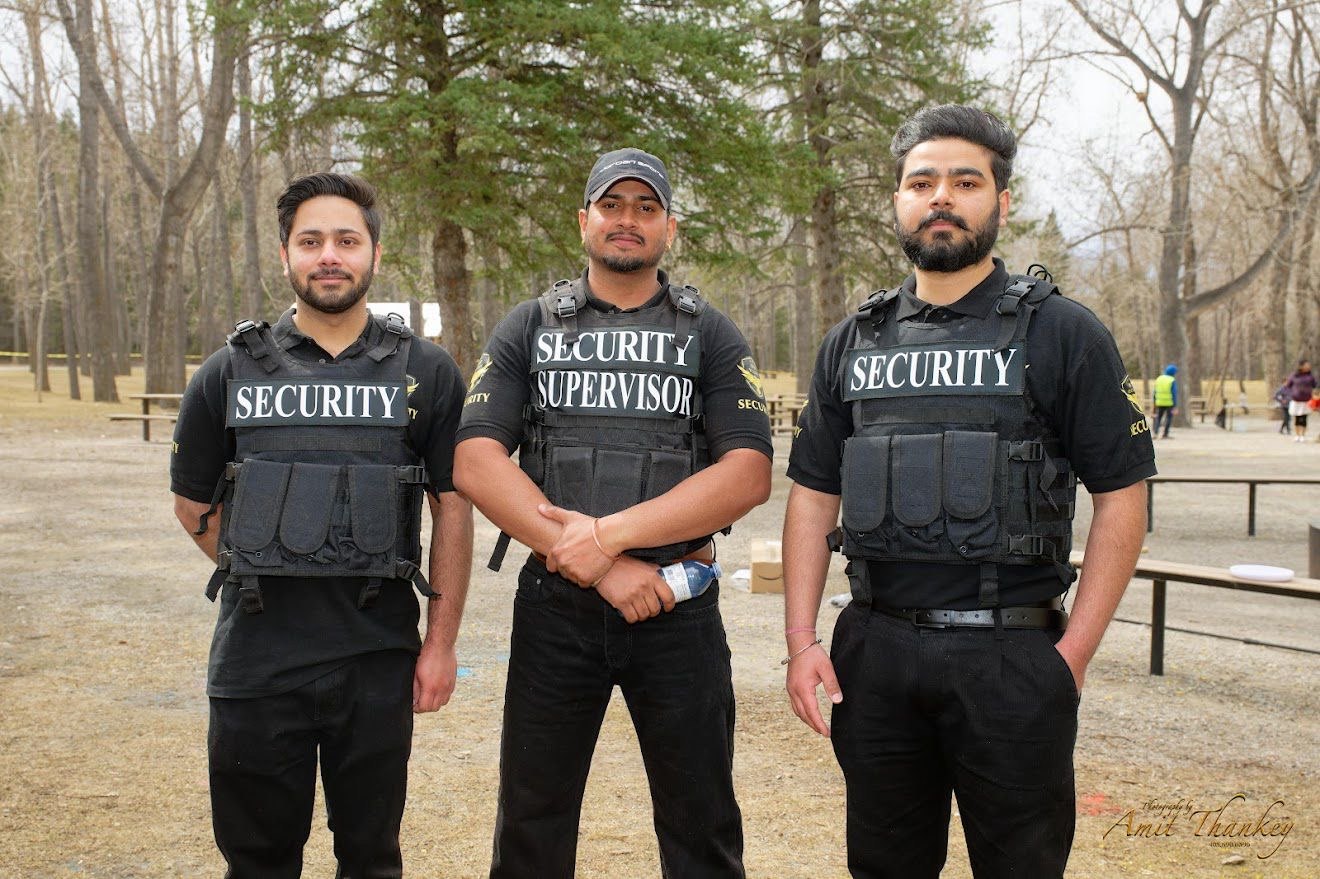
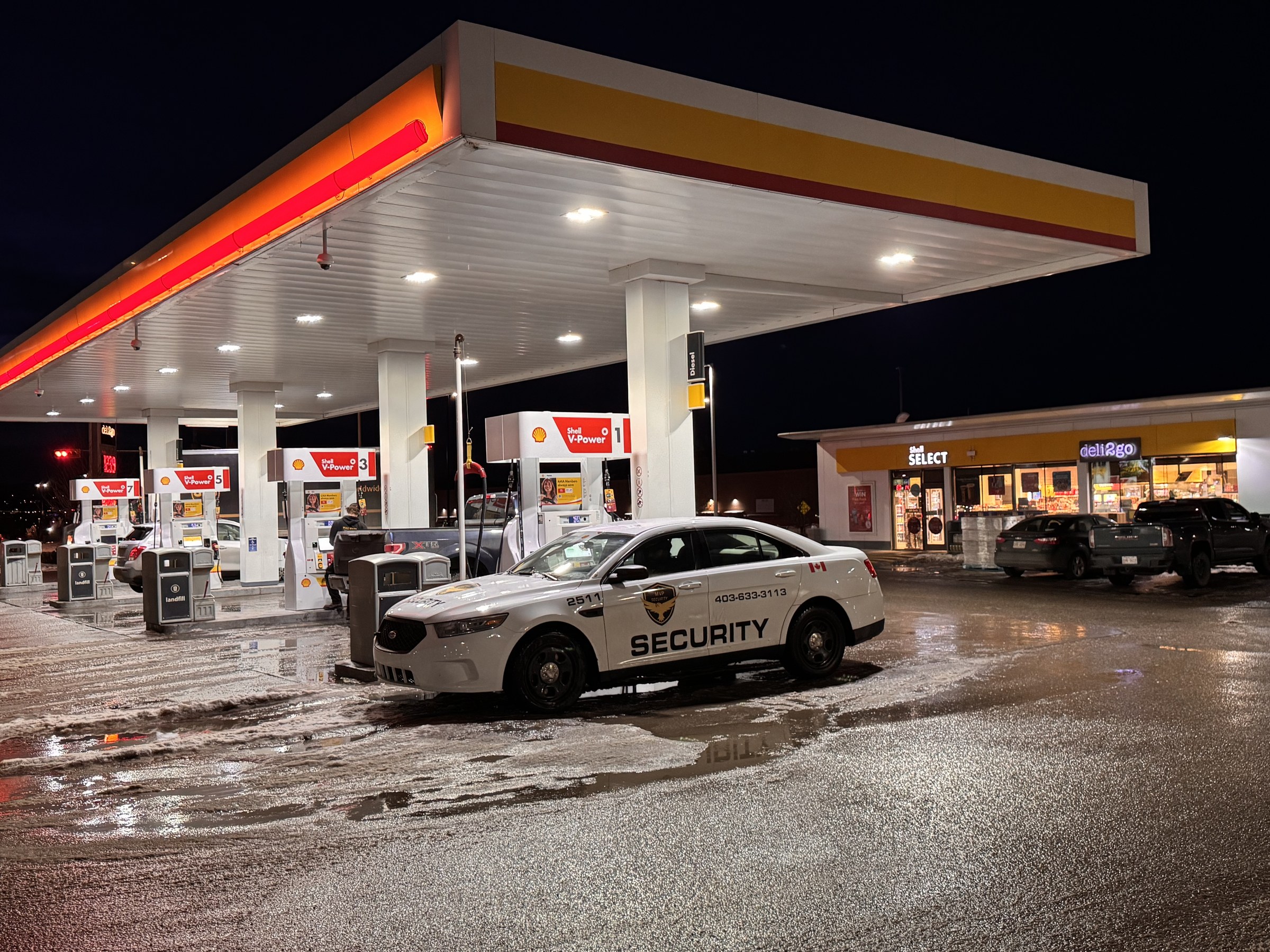
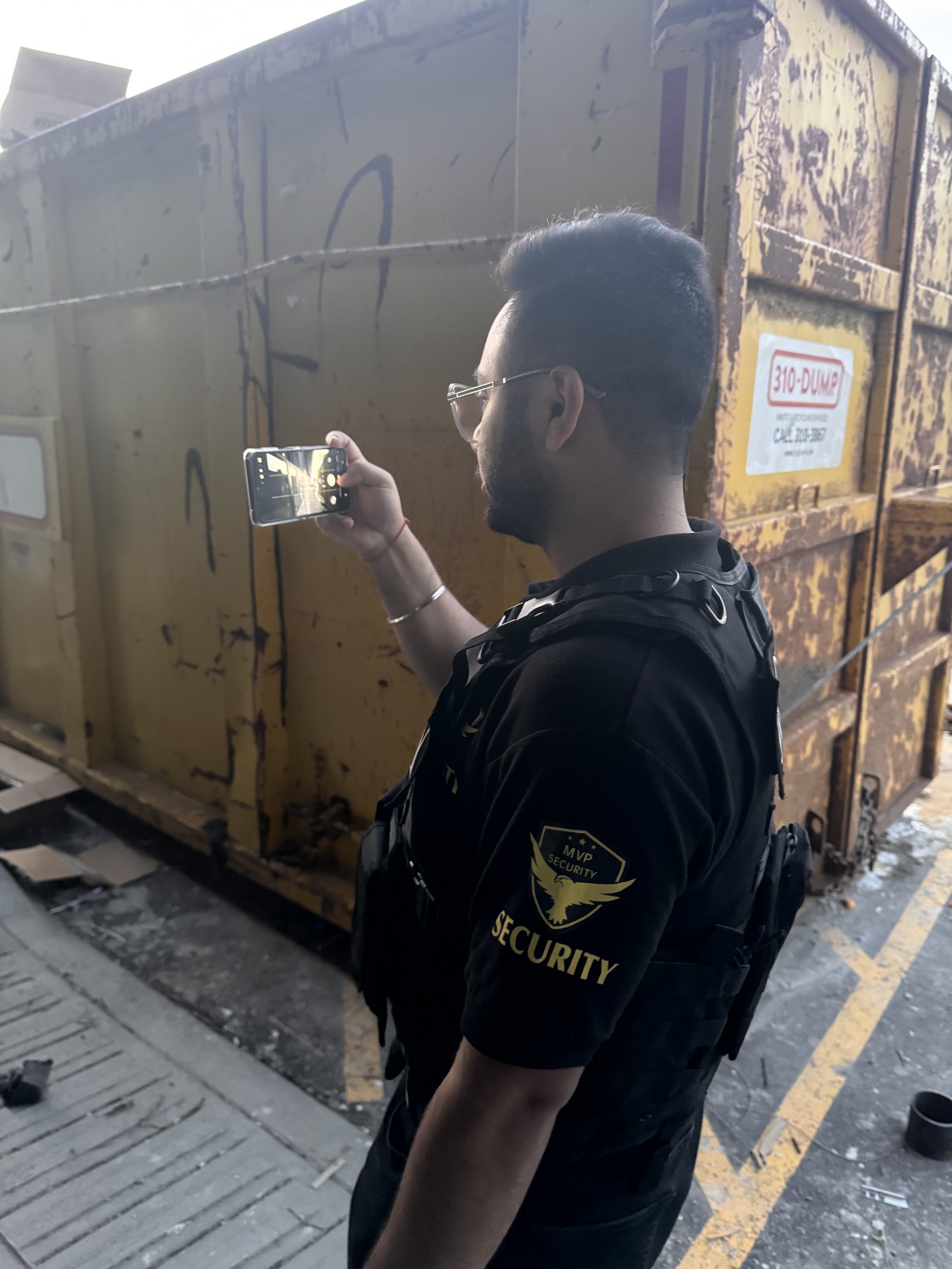
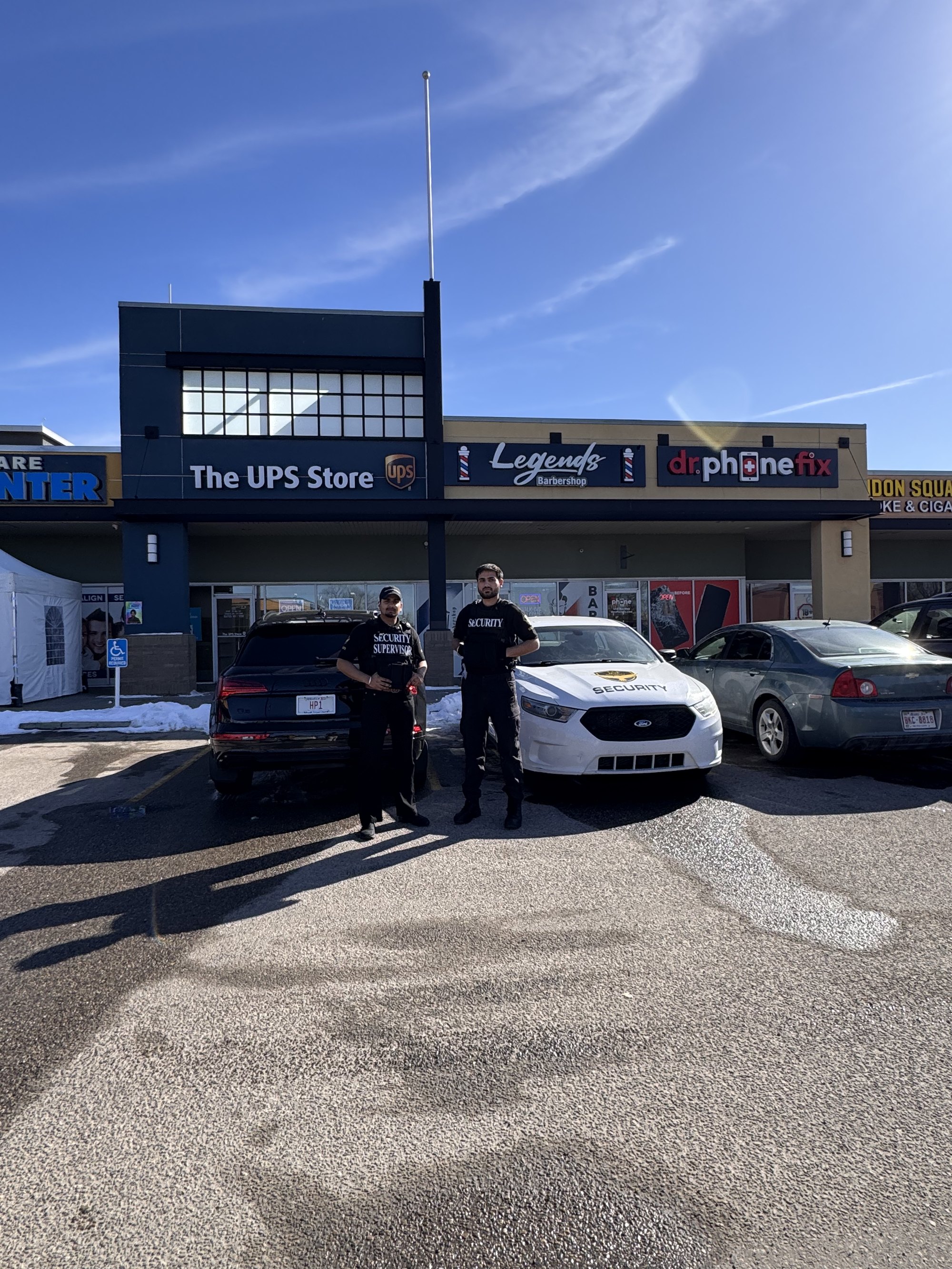
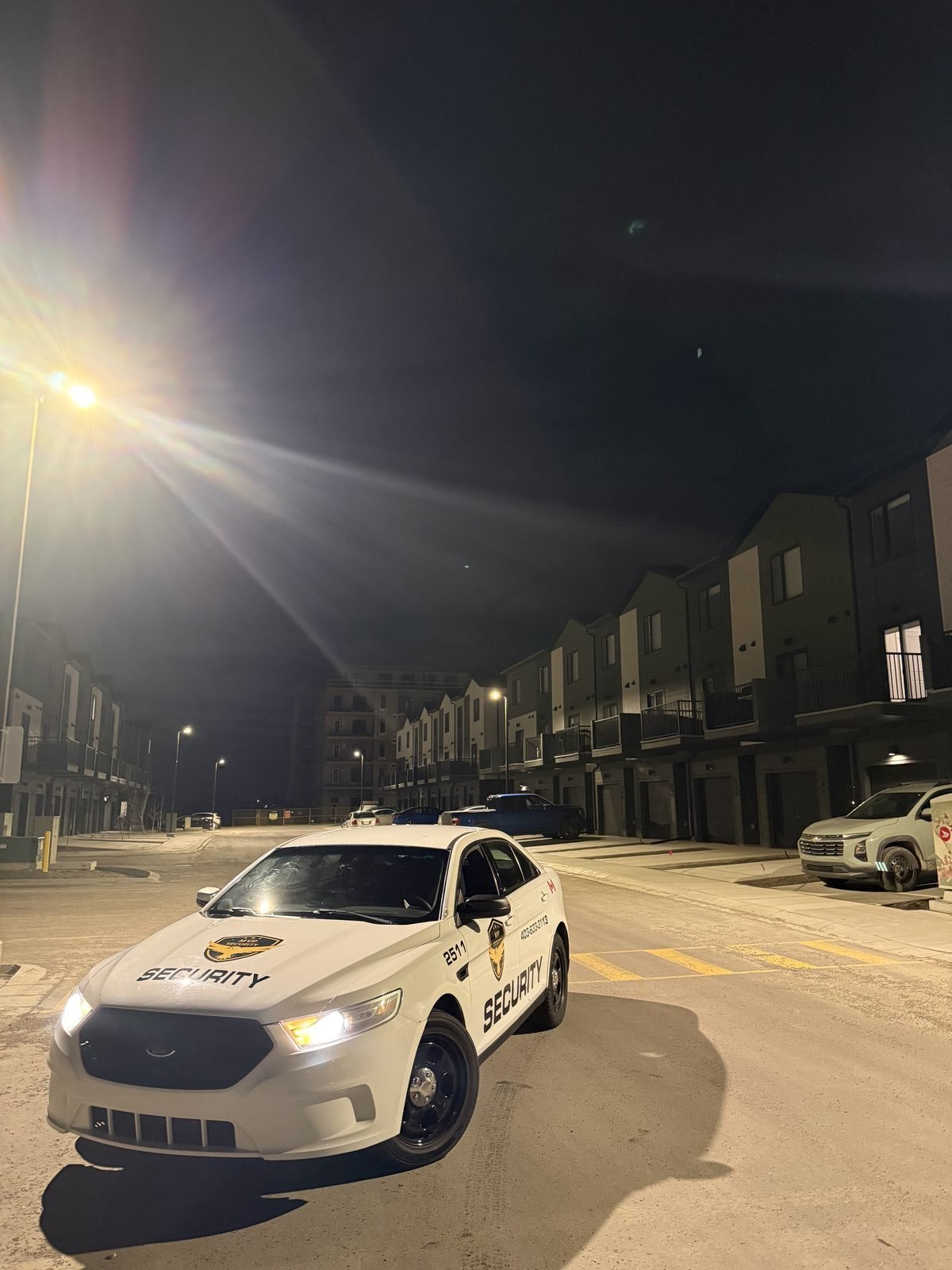
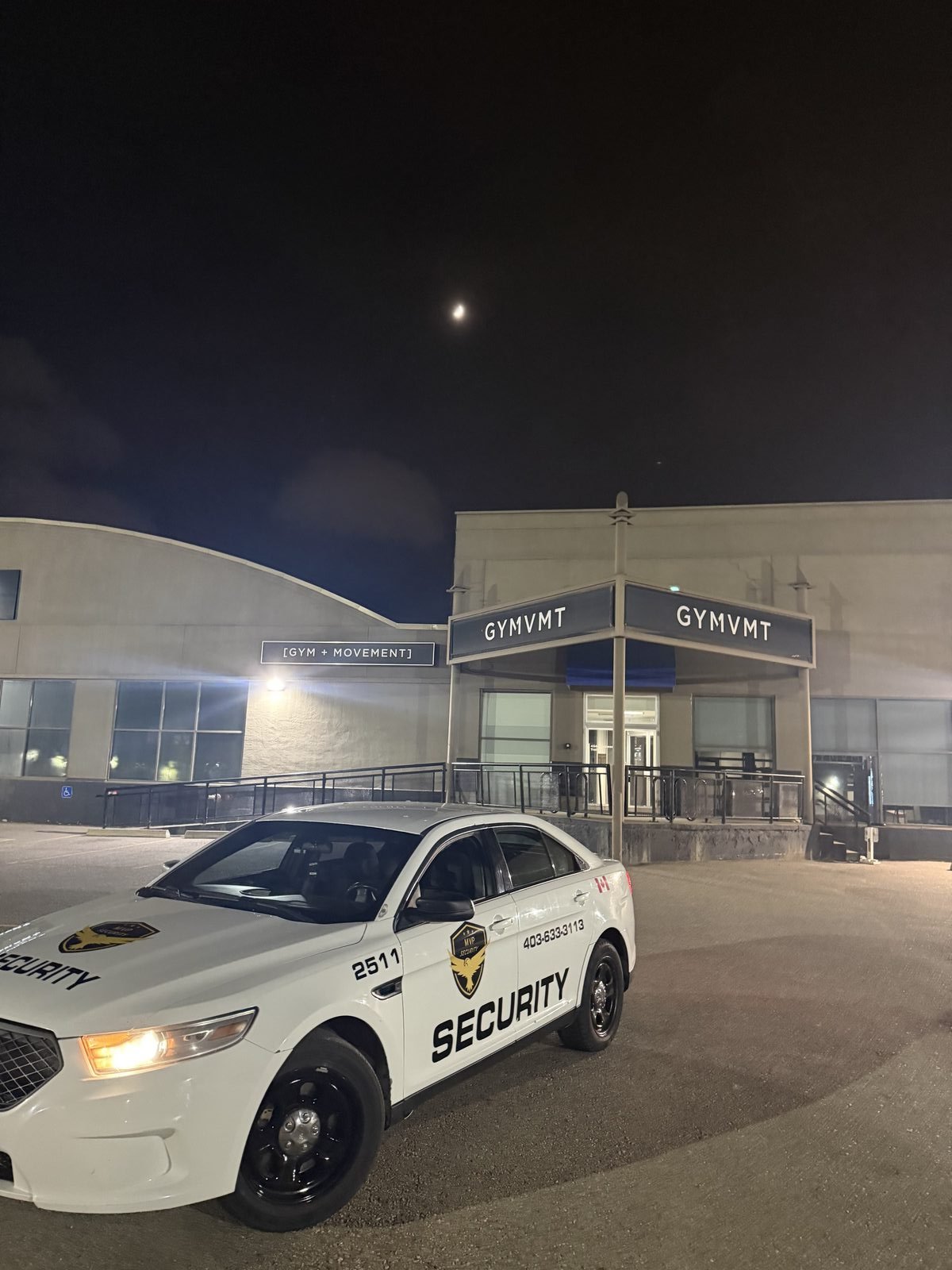
Among the best ways to deter site trespassing, a visible security presence remains one of the strongest. Marked patrol activity, uniformed guards, and documented checks show that the property is actively managed. This matters particularly for repeat trespassing, high-value construction materials, vacant buildings, industrial sites, and properties with a history of vandalism.
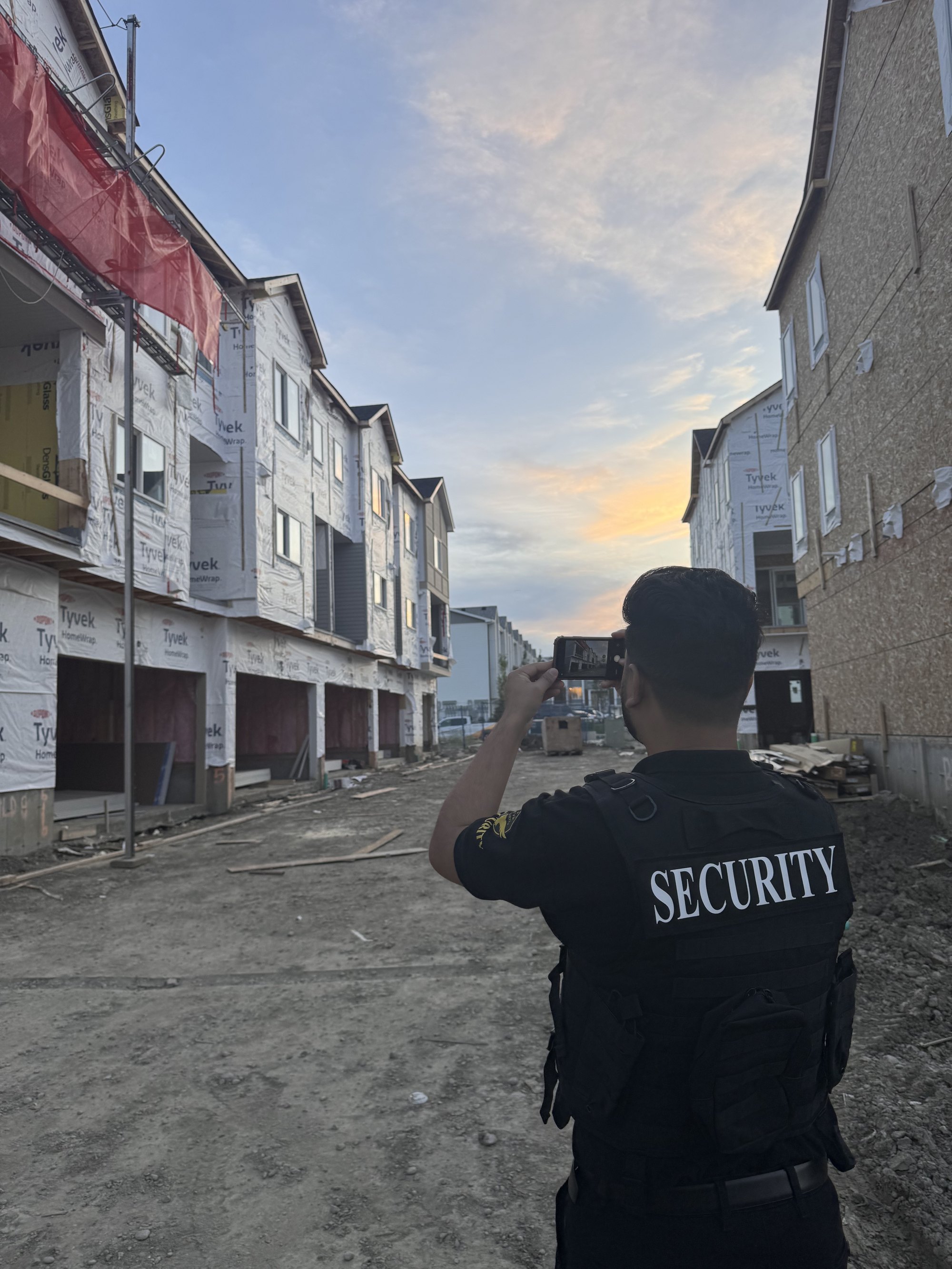
Mobile patrols are often a cost-effective option when a site needs scheduled or randomized checks rather than a guard posted continuously. A patrol can inspect gates and doors, check fence lines, respond to alarm events, identify hazards, and document concerns with photos and incident reports. Randomized timing is useful because predictable rounds can be observed and avoided.
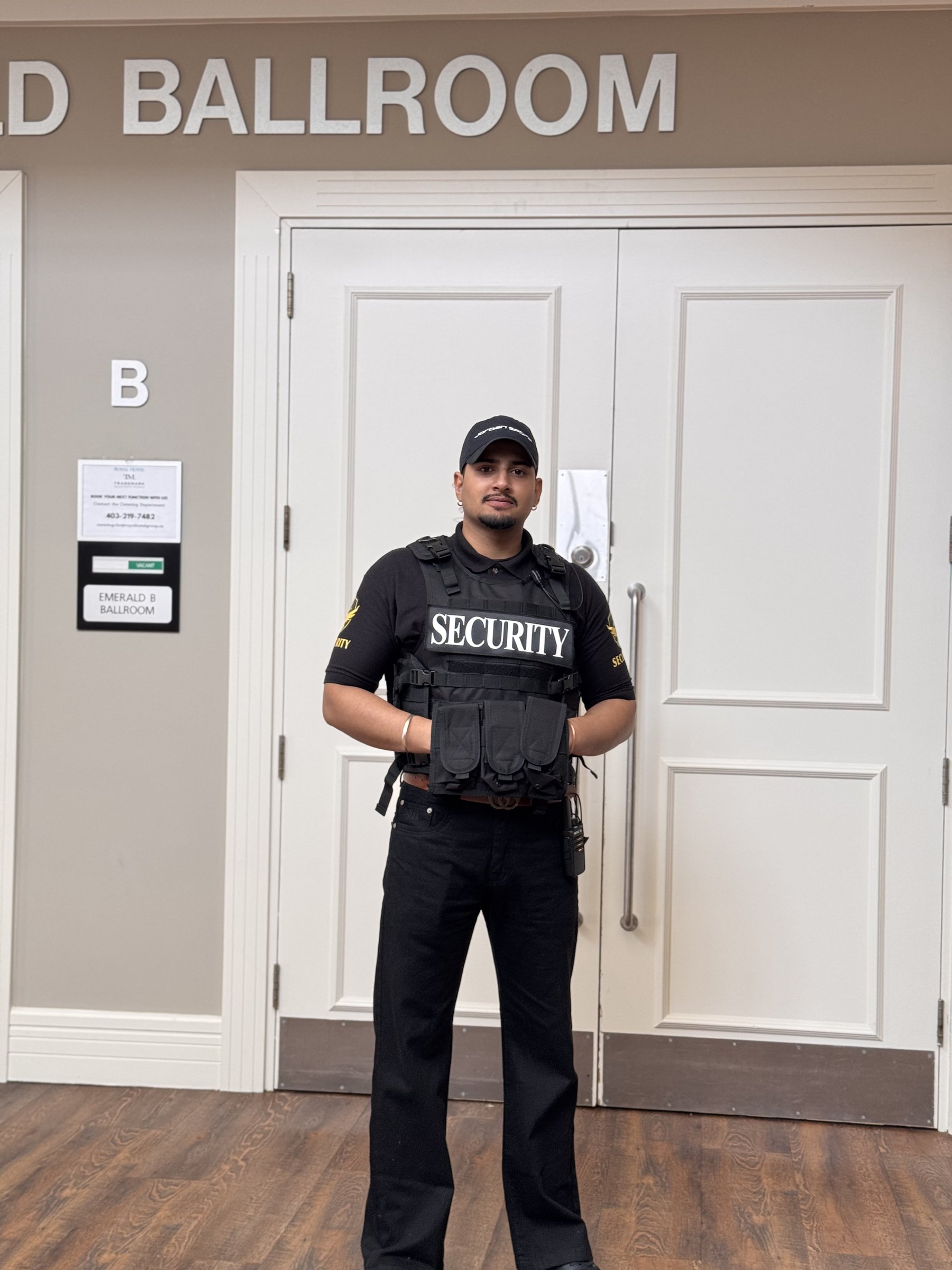
Static guards are more appropriate when the risk is continuous or access needs active management. This may include overnight construction coverage, entry control during a shutdown, fire watch, a high-traffic commercial environment, or an event where staff need to verify credentials and manage visitor flow.
The trade-off is straightforward: static coverage provides constant presence but costs more than mobile patrols. A layered program may use patrols overnight, stronger access controls every day, and static guards during higher-risk periods such as deliveries, project transitions, or special events.
Train Staff and Contractors to Protect the Site
Security procedures fail when the people using the property do not understand them. Staff, trades, tenants, and contractors should know who is authorized to enter, how to report suspicious activity, and what to do if they find a door propped open, a damaged fence, or an unfamiliar person on site.
Avoid informal habits such as sharing access codes, leaving keys in lockboxes, allowing tailgating through controlled doors, or assuming someone else will lock up. On active job sites, assign responsibility for end-of-day checks. Confirm that equipment is secured, temporary openings are closed, materials are stored properly, and alarm systems are armed where applicable.
A short, consistent reporting process is better than a complicated policy nobody follows. Ask people to report the time, location, description, direction of travel, and any vehicle details. They should not confront a trespasser if doing so could put them at risk.
Document Incidents and Adjust Coverage
Trespassing prevention is not a one-time installation. Review incidents for patterns. Are attempts happening at the same gate? Is a specific stairwell repeatedly unsecured? Are alarm calls concentrated on weekends? Each report should lead to a practical adjustment, whether that is repairing a barrier, changing patrol timing, improving lighting, or adding a guard during a known risk period.
Photo-documented patrol reports and clear incident records give property decision-makers a usable picture of what is happening after hours. They also support communication with owners, insurers, tenants, contractors, and police when required.
For properties in Calgary, Airdrie, Cochrane, Chestermere, Okotoks, and High River, local response capacity can make a significant difference when a gate is breached or an alarm activates overnight. MVP Security can develop coverage around the actual conditions of the site, from mobile patrol and alarm response to licensed static guards and access control.
The right deterrent plan should make unauthorized access harder, detection faster, and follow-up more accountable. When every layer supports the next, a site becomes a far less attractive target long before an intruder reaches the door.