



















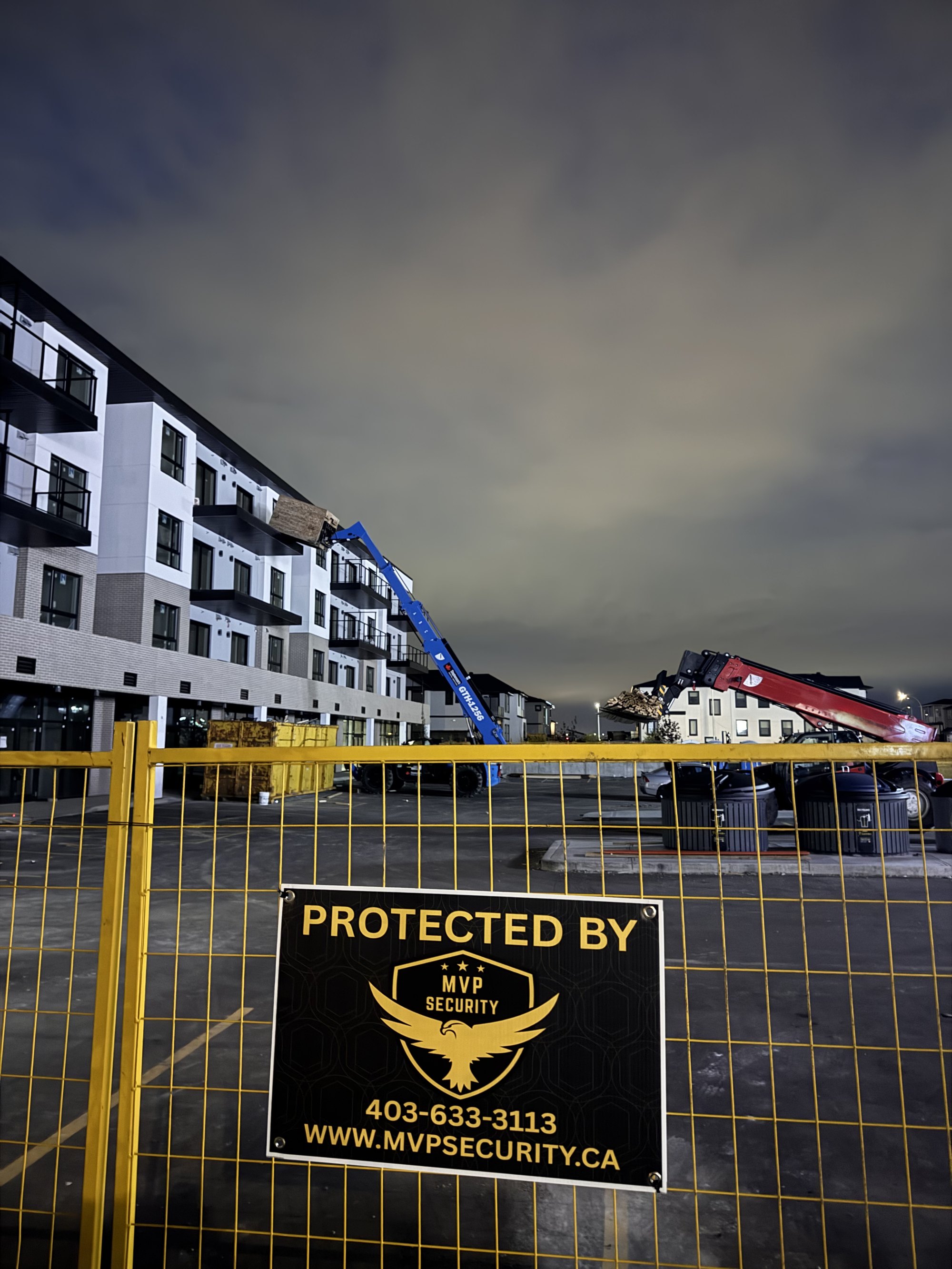

A broken window, spray-painted wall, damaged gate, or cut fence can quickly become more than a repair bill. It can disrupt tenants, delay construction work, invite further unauthorized access, and signal that a site is not being monitored. The best ways to deter vandalism combine visible prevention, controlled access, fast response, and clear accountability.
For property managers, builders, retailers, and industrial operators in Calgary and surrounding communities, the right approach depends on the property’s hours, layout, history, and exposure. A vacant building needs different protection than an occupied condominium, and a construction site has different vulnerabilities than a retail plaza. The goal is not simply to react after damage occurs. It is to make the property a less attractive target before an incident begins.
1. Make the Property Look Actively Managed
Vandals commonly look for sites where they can work without being noticed or challenged. Signs of neglect such as overflowing waste bins, broken fencing, dark entrances, damaged doors, or abandoned materials can suggest that no one is paying attention.
Keep exterior areas maintained, remove graffiti quickly, repair damage promptly, and secure loose materials. A clean, well-kept site communicates ownership and regular activity. This matters especially for vacant commercial spaces, seasonal properties, and construction projects where public perception can change quickly after hours.
Fast cleanup is also practical. Leaving vandalism visible for days can encourage repeat activity or copycat damage. Document the damage first for insurance and reporting purposes, then arrange removal or repair as soon as possible.
2. Improve Lighting Where It Changes Behaviour
Good lighting is one of the most effective and cost-conscious deterrents when it is placed properly. Focus on access points, parking areas, loading bays, alleyways, stairwells, waste enclosures, equipment storage, and perimeter gates. These are the areas where unauthorized access is most likely to occur without being seen.
Lighting should support observation, not merely brighten the property. A poorly positioned floodlight can create shadows or glare that makes surveillance footage less useful. Motion-activated lighting can work well for low-traffic areas, while steady lighting is often better at main entrances and high-risk corners.
For sites close to residential properties, consider light spill and operating hours. The right solution should deter unwanted activity without creating a nuisance for neighbours or tenants.
3. Control Access Before People Reach the Asset
The strongest anti-vandalism measures prevent easy access in the first place. Inspect fences, gates, doors, windows, roof access points, parkade entrances, and service corridors. A weak side gate or unsecured loading door can defeat more expensive security measures elsewhere on the site.
At construction sites, secure tools, copper, fuel, generators, and high-value materials inside locked containers or protected compounds. At commercial buildings, ensure contractors, delivery personnel, staff, and visitors use defined entry points rather than informal side access. For residential properties, keep parkade doors, storage rooms, and common-area entrances from becoming open routes for trespassers.
Access control does not always require a major capital project. It may mean rekeying locks after turnover, using temporary fencing, adding gate hardware, changing after-hours procedures, or assigning a guard to verify credentials at a vulnerable entrance.
4. Use Cameras as Part of an Active Response Plan
CCTV can provide valuable evidence, support investigations, and help identify recurring problem areas. However, cameras alone do not physically stop a person from damaging property. Their real value increases when footage is monitored, alarm events are acted on, and someone can attend the site when needed.
Place cameras where they capture faces, vehicle access, entry points, and the areas most likely to be targeted. A camera mounted too high, poorly lit, or aimed only at a broad parking lot may record activity without providing useful identification. Regular checks are necessary to confirm lenses are clean, timestamps are accurate, and recording is functioning.
For overnight protection, a monitored alarm and CCTV program should include a clear escalation process. Who receives the alert? Is an alarm response officer dispatched? Who contacts police, the property representative, or emergency services? A plan that ends with a notification but no timely attendance can leave the property exposed.
5. Create a Visible Security Presence
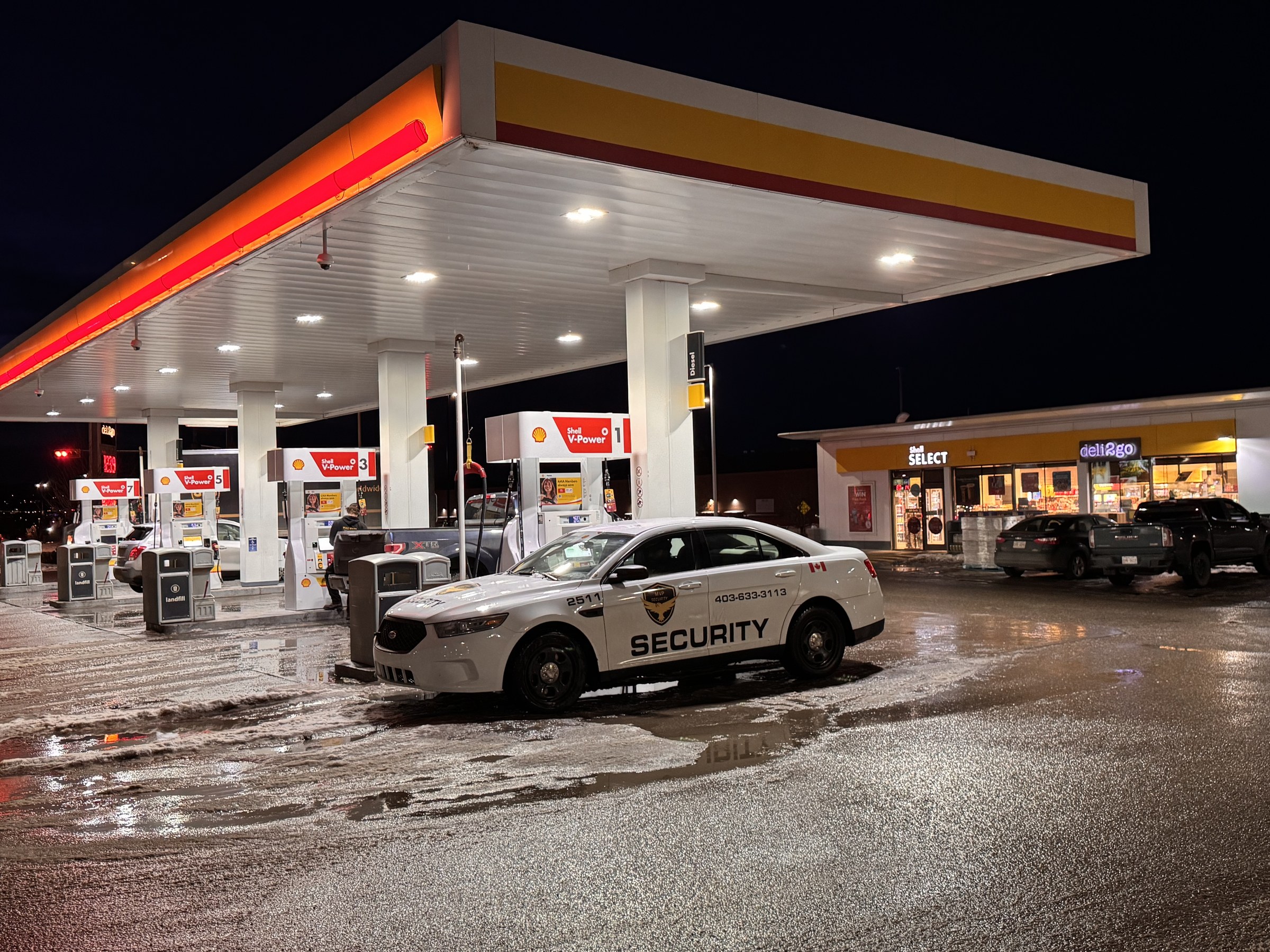
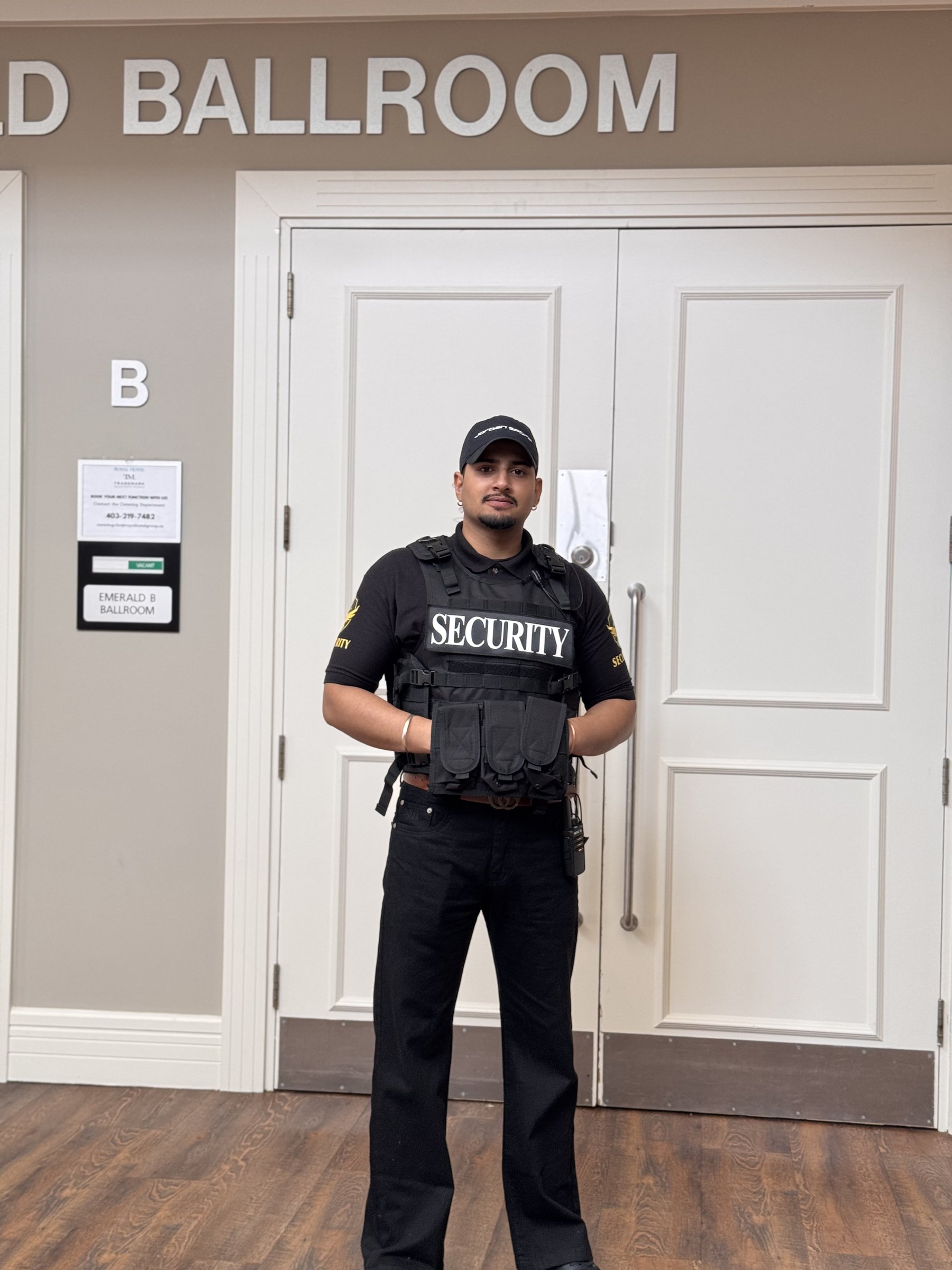
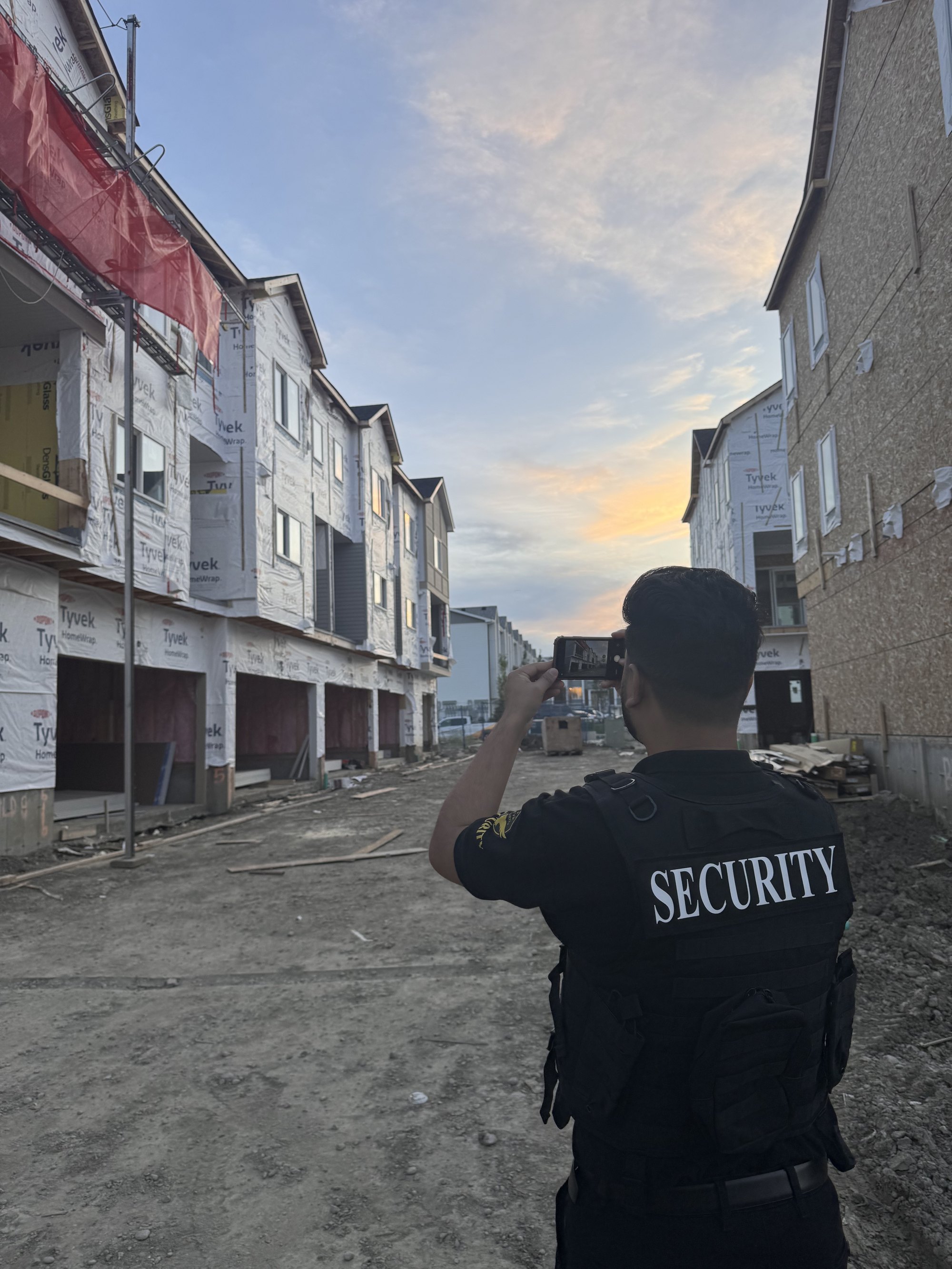
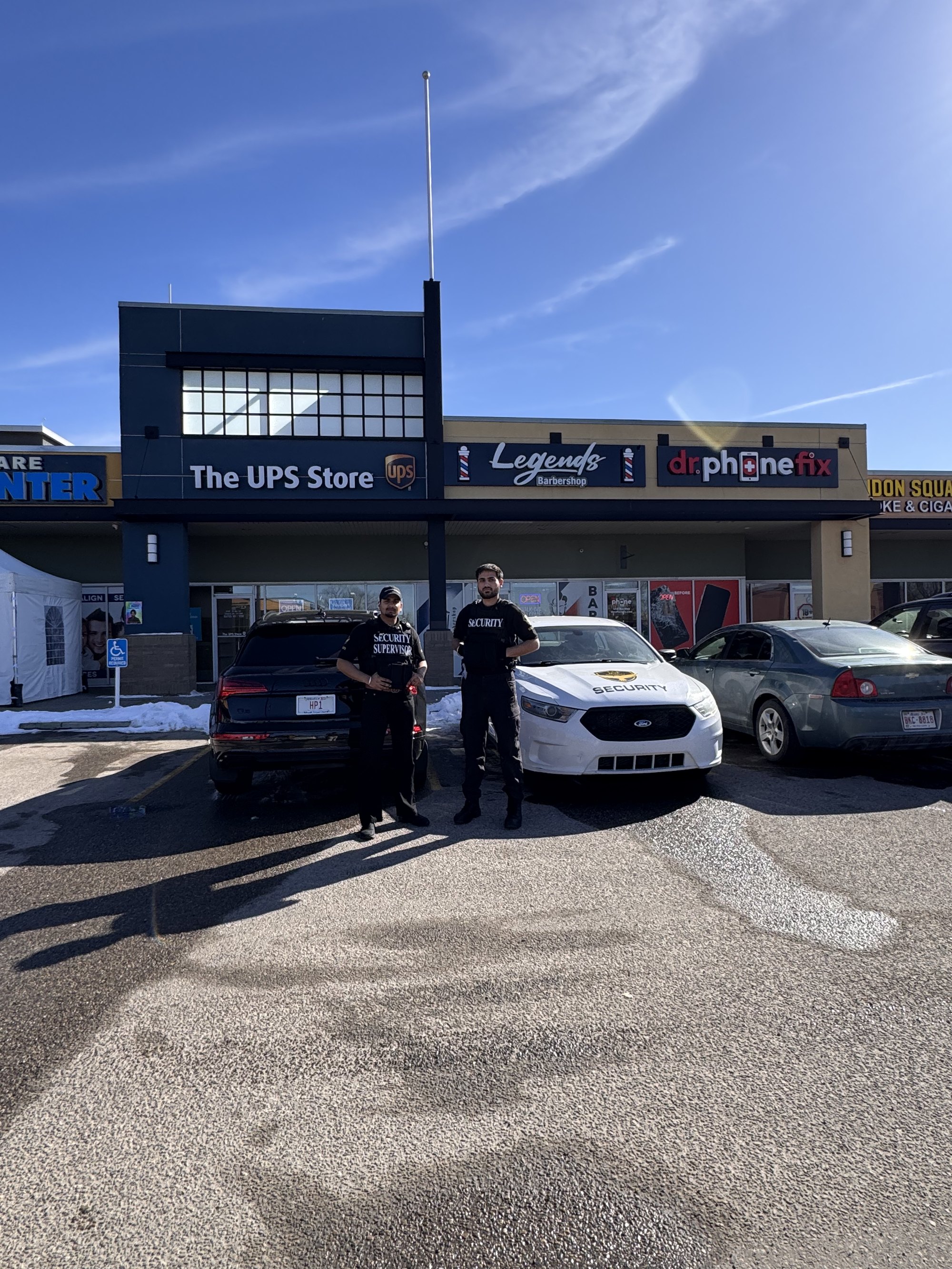
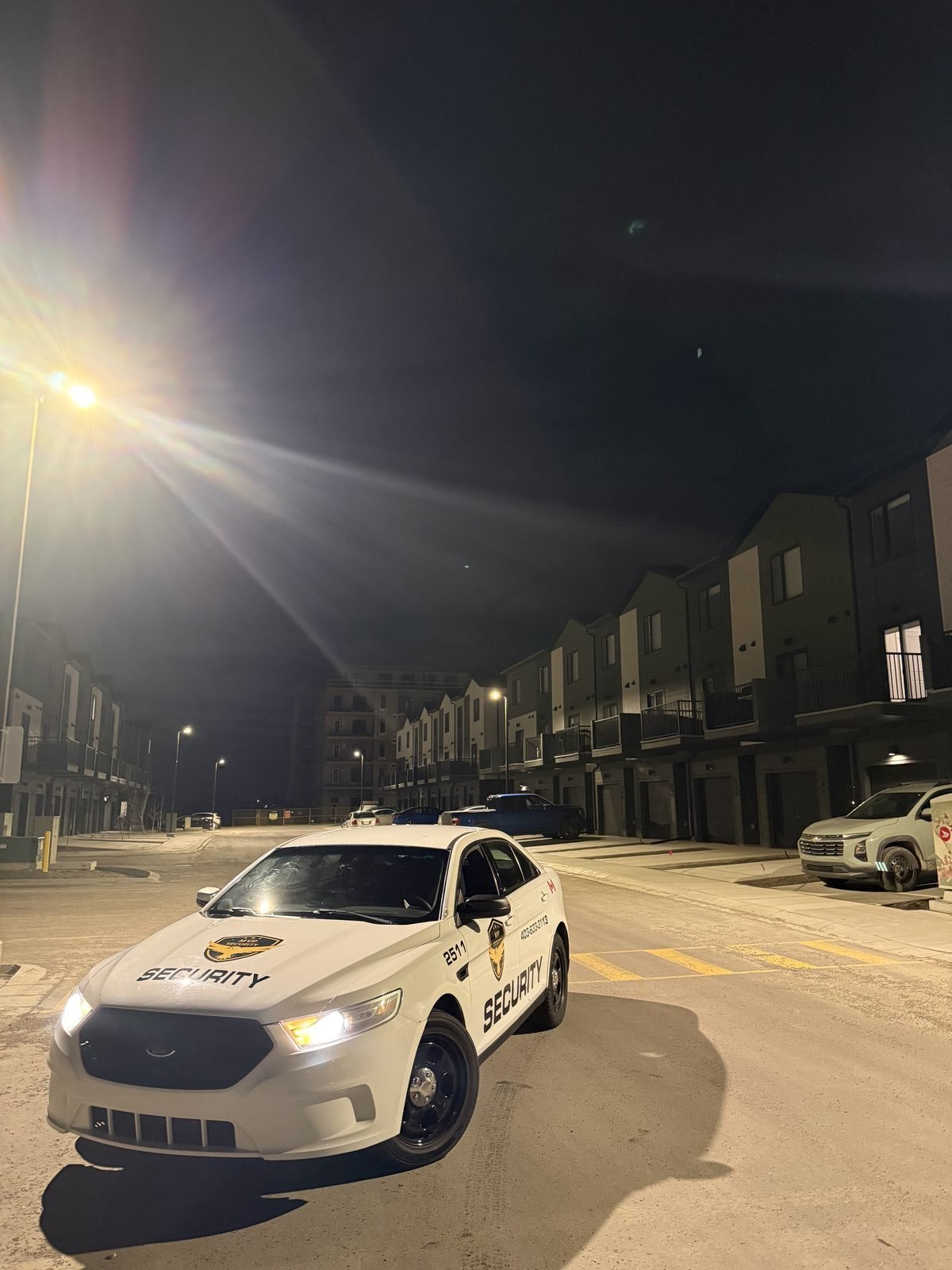
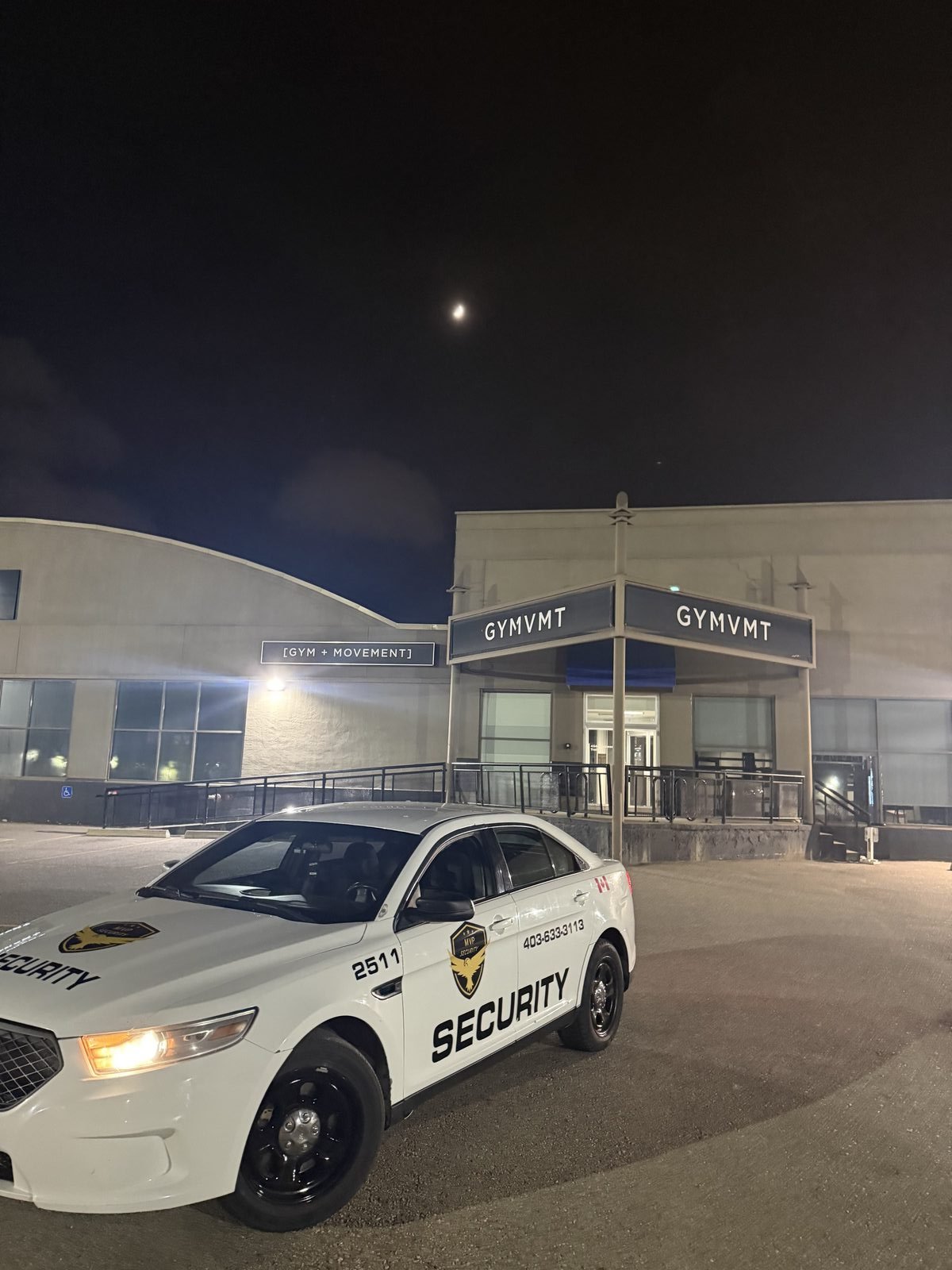
Visible security changes the risk calculation for a potential vandal. A marked patrol vehicle, uniformed guard, documented inspection, or scheduled after-hours check makes it harder to assume that a site is unattended.
Mobile patrols are often a practical choice for properties that do not require a guard on site all night. Patrol officers can inspect doors, gates, fencing, exterior areas, parkades, and known trouble spots at scheduled or randomized intervals. GPS-tracked patrol activity and photo-documented reporting give property decision-makers confirmation that inspections occurred and identify issues before they become larger losses.
Static guards may be more appropriate for high-value construction sites, vacant buildings with repeated incidents, active retail locations, or properties where public interaction and access control are required. The trade-off is cost, which is why coverage should be designed around actual risk periods. A site may need overnight coverage, weekend coverage, or targeted protection during a renovation rather than 24/7 staffing.
6. Remove Opportunities to Hide, Climb, or Linger
Environmental design plays a major role in prevention. Trim shrubs that block sightlines around entrances and windows. Keep dumpsters away from fences or buildings where they could provide climbing access. Secure ladders, pallets, scaffolding, and construction materials that could be used to reach upper levels or cause damage.
Look at the property from the perspective of someone trying to enter unnoticed. Are there blind corners behind a utility enclosure? Is a rear entrance screened from the road? Can someone move from an alley to a door without passing through a visible area? Small changes to layout, storage, and landscaping can eliminate easy opportunities.
This review should be repeated as the site changes. Construction phases, tenant turnover, new fencing, seasonal darkness, and altered parking patterns can all create fresh vulnerabilities.
7. Train Staff and Tenants to Report Early
Security is stronger when the people who use a property know what to report. Staff, tenants, contractors, and building operators should understand how to report suspicious behaviour, damaged locks, broken lights, graffiti, trespassing, and access-control failures.
The reporting process needs to be simple. Provide a designated contact, explain what details are useful, and ensure concerns are assessed rather than disappearing into an inbox. A description, time, location, vehicle details, and photos can help security teams respond effectively without asking people to confront suspicious individuals.
For multi-tenant properties, regular communication also reduces the assumption that someone else will deal with the issue. Early reporting can turn a minor concern, such as a propped-open door or damaged fence panel, into a quick fix rather than an overnight intrusion.
8. Build a Response Plan Before the Next Incident
A vandalism response plan should set out who attends the property, who documents the damage, when police are contacted, how urgent repairs are approved, and how tenants or stakeholders are notified. Without a plan, decisions are often delayed at the moment speed matters most.
Keep current emergency contacts available to your security provider. Clarify authority levels for calling a locksmith, boarding a window, repairing a gate, or arranging additional guard coverage after an incident. For repeated problems, review incident reports for patterns by time, location, entry method, and type of damage.
A local provider such as MVP Security Inc. can tailor mobile patrol, alarm response, static guard, or access-control coverage to the risk periods that matter most, with Alberta-licensed personnel and documented site activity. The right service plan should be specific enough to address your property’s weak points, not a generic schedule applied to every location.
Vandalism prevention works best when it is treated as an operating requirement, not an occasional repair task. Start with the areas most exposed after hours, make accountability visible, and ensure someone is ready to act when a concern is reported. That is how a property stays protected when no one else is watching.