








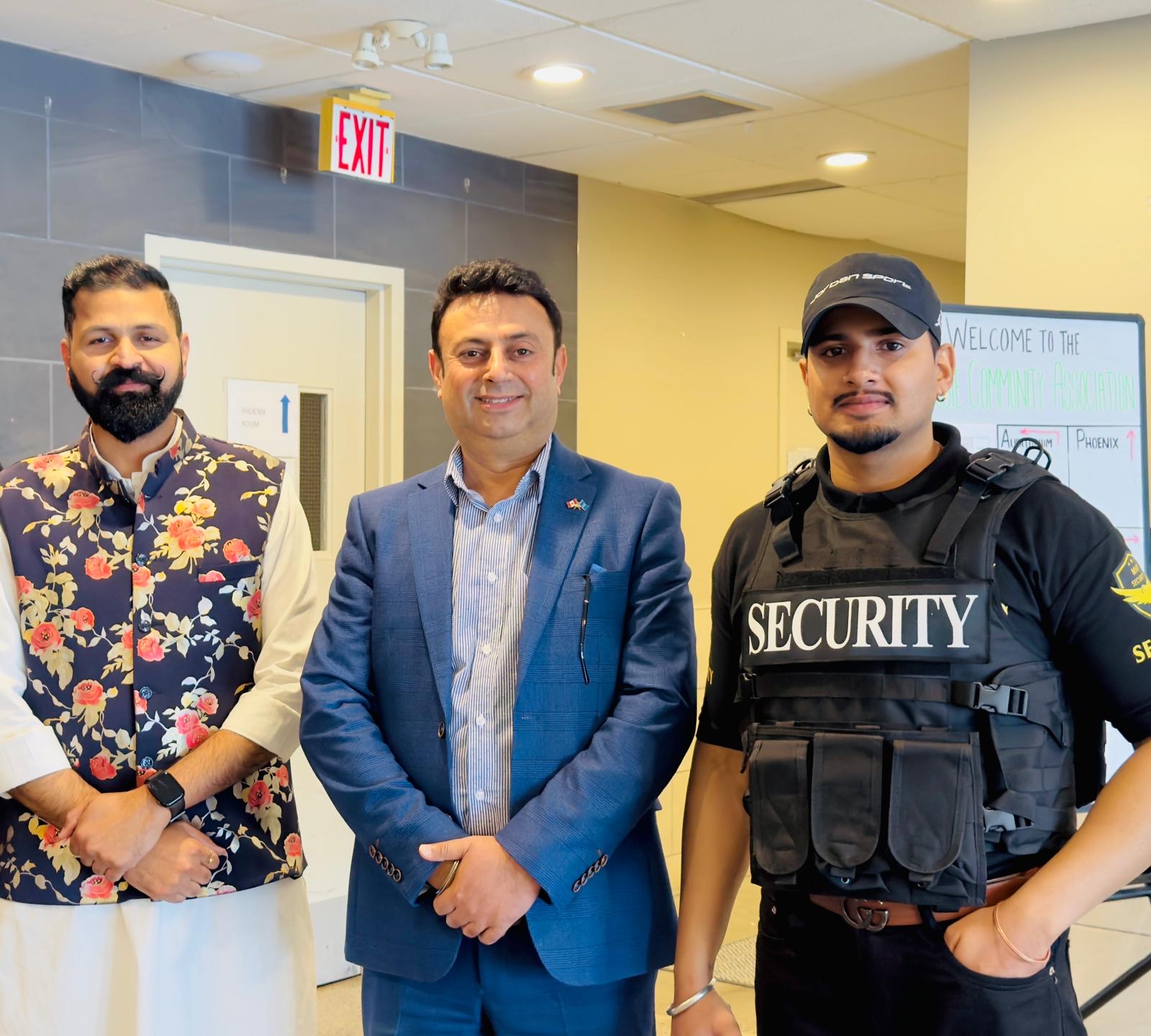
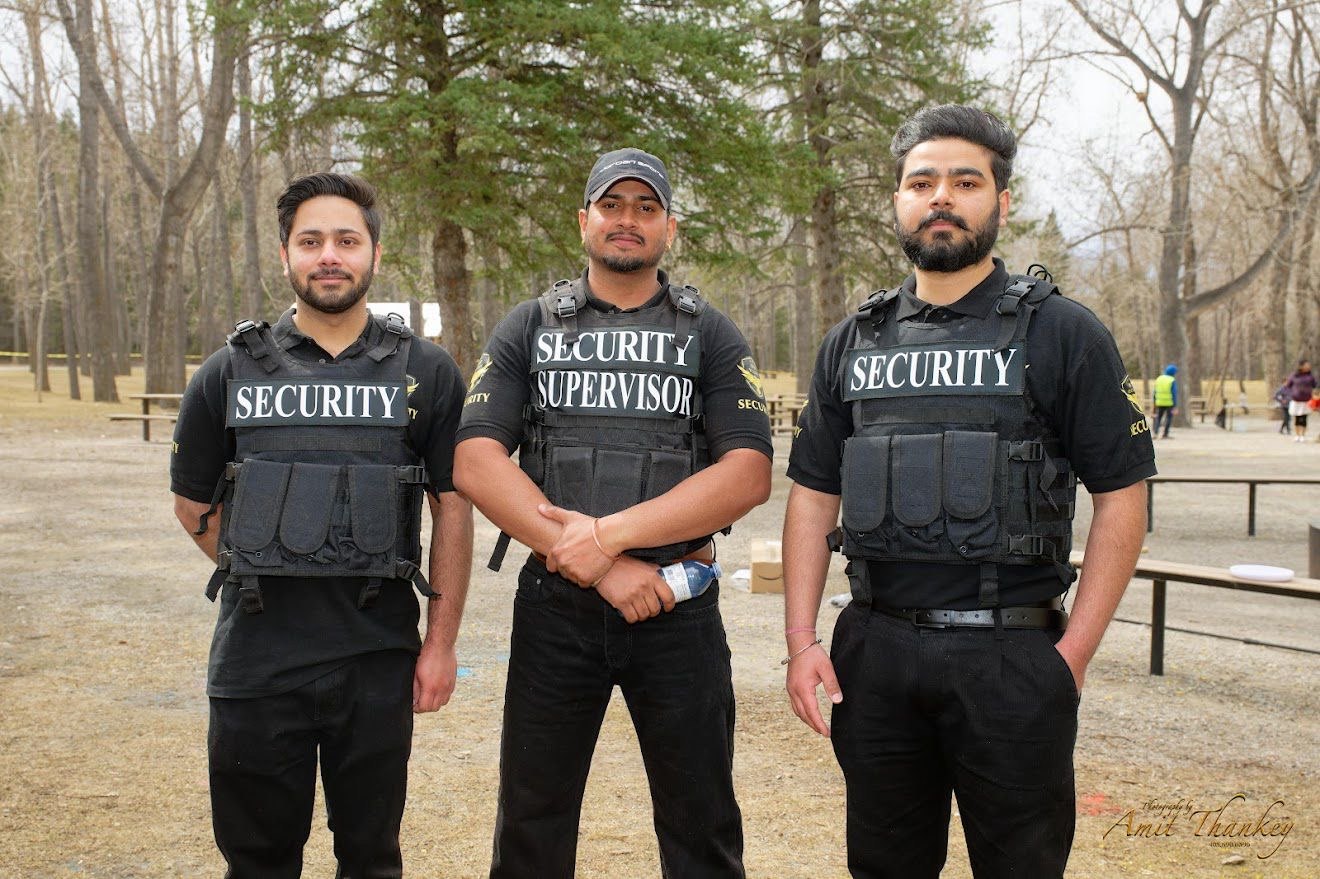
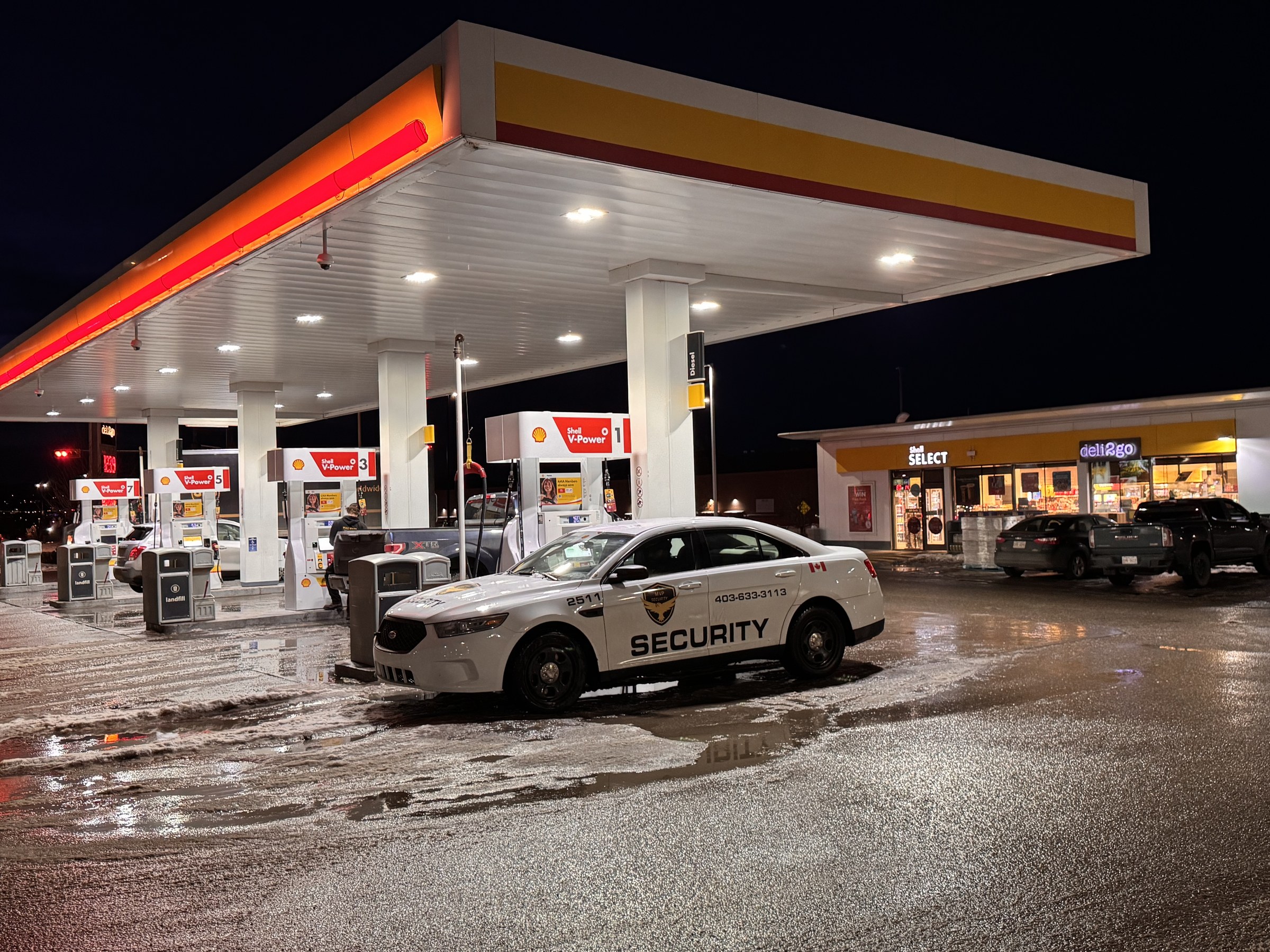
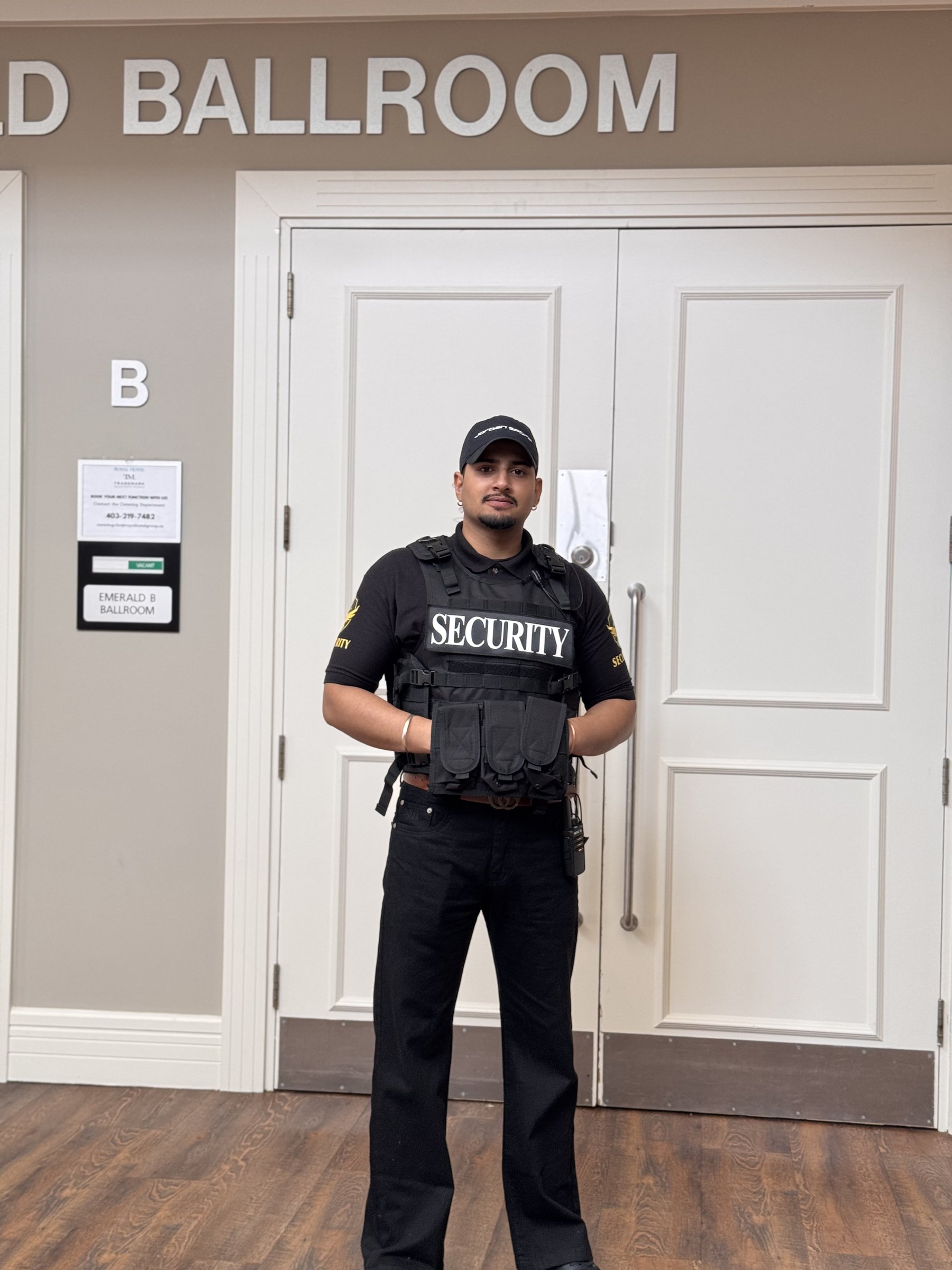
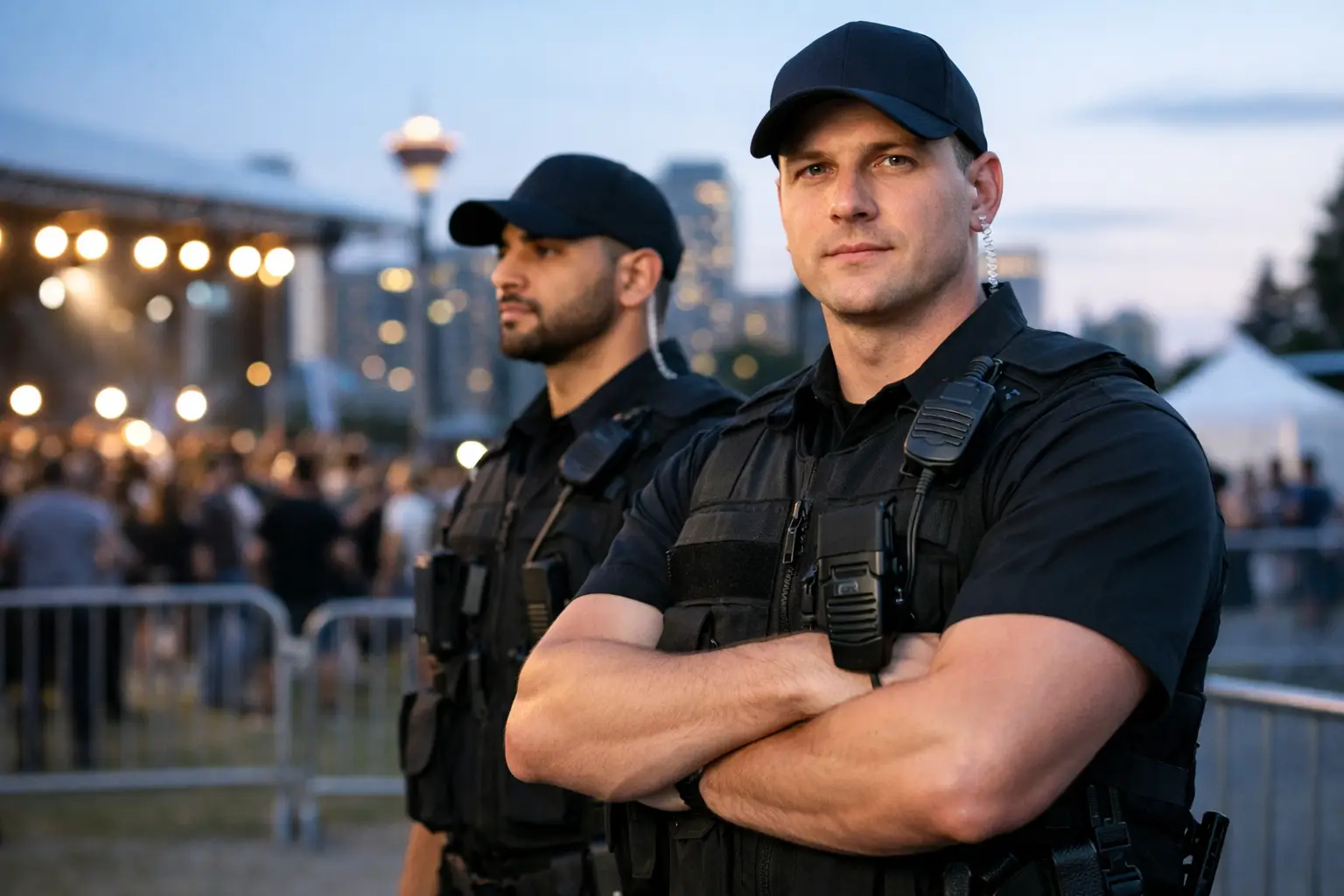
A packed entry line can turn into a problem in minutes. Tickets get disputed, guests push forward, someone tries a side door, and staff who were hired to run the event suddenly end up managing conflict. That is where Calgary event security guards matter most - not as a formality, but as part of keeping the event controlled, professional, and on schedule.
Event organizers in Calgary are often balancing tight timelines, public expectations, liquor service, vendor access, and venue rules all at once. Security cannot be improvised on the day of the event. The right guard team needs to understand the site, the crowd profile, the schedule, and the points where things are most likely to go wrong.
What Calgary event security guards actually do
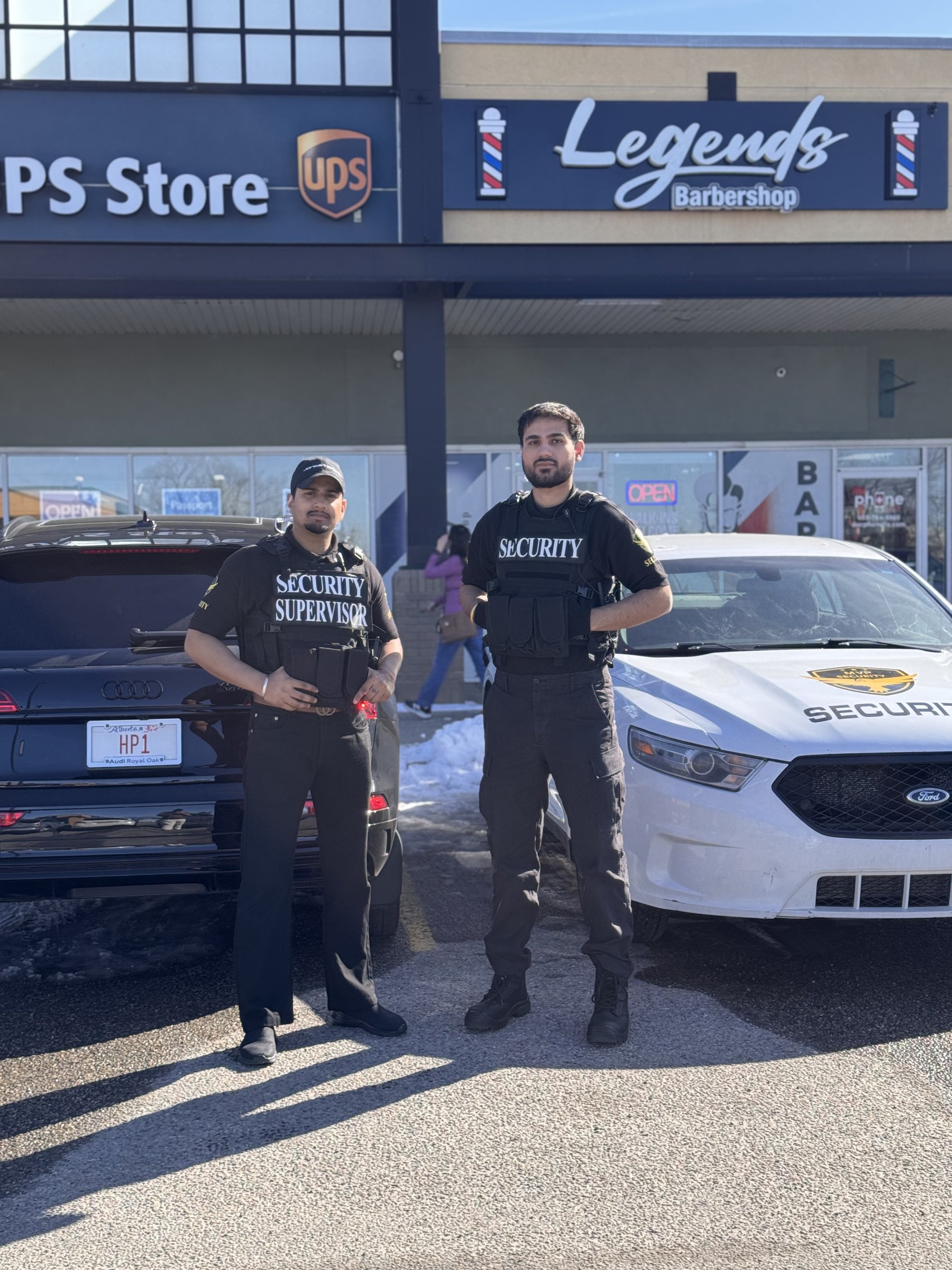
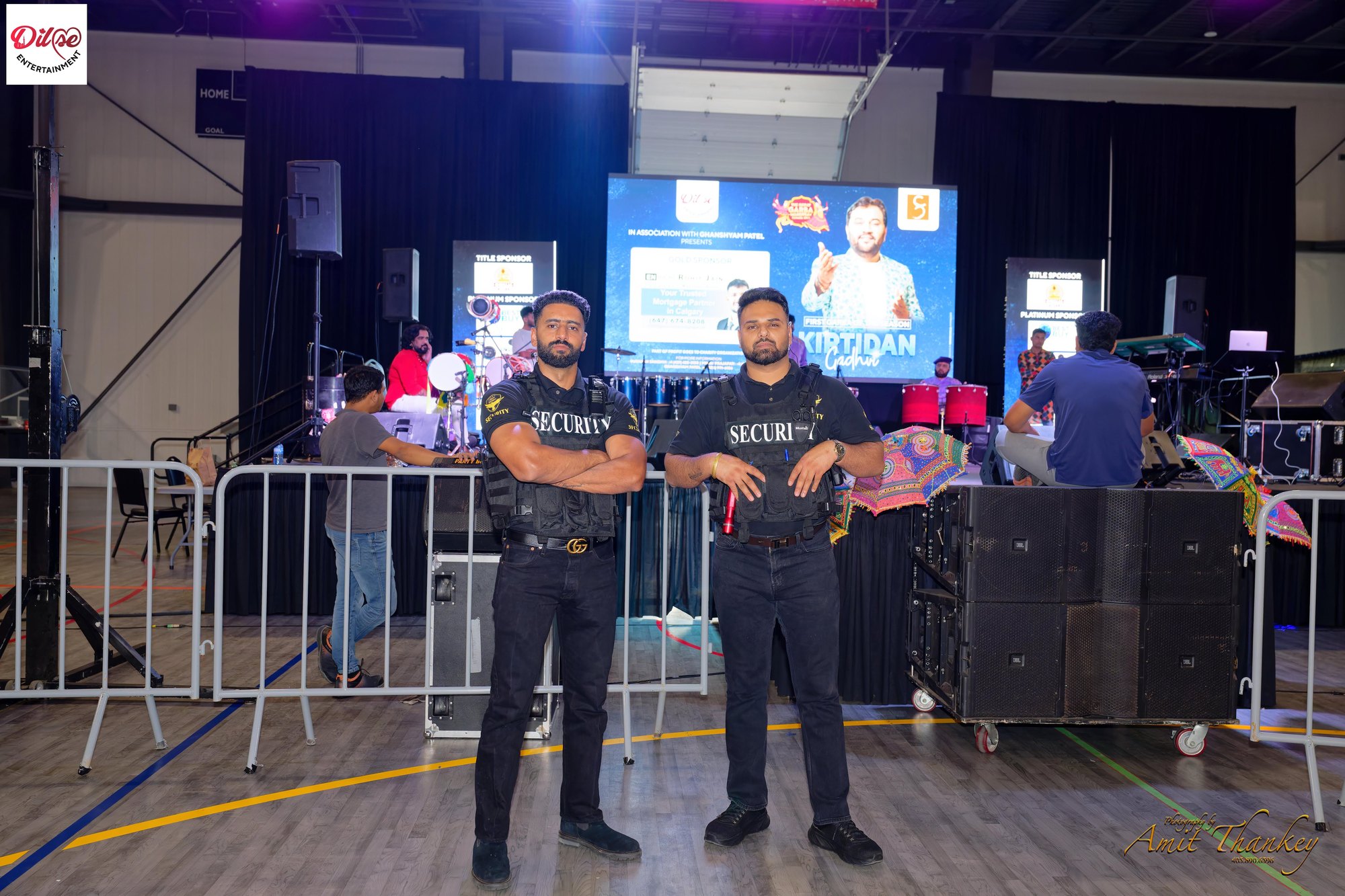
A common mistake is treating event security as simple door coverage. In practice, the role is broader and far more operational. Guards may be assigned to access control, bag checks, guest screening, perimeter monitoring, backstage or staff-only areas, emergency exit oversight, crowd direction, parking control, and incident response.
At some events, the main concern is orderly entry and exit. At others, it is intoxication, aggressive behaviour, trespassing, or keeping unauthorized people away from performers, equipment, or restricted zones. A corporate function has a different risk profile than a community festival. A condo AGM is not managed the same way as a ticketed concert. Good security planning starts with those differences instead of forcing every event into the same staffing model.
That is also why experienced providers ask practical questions early. How many entrances are active? Is alcohol being served? Will cash be handled on site? Are there VIPs, contractors, or public-facing staff who need controlled access? Is the event indoors, outdoors, or spread across multiple zones? These details shape guard count, post assignments, and the level of supervision required.
When event security becomes non-negotiable
Some events can get by with light staffing and basic access control. Others need a stronger visible presence from the start. The difference usually comes down to crowd size, timing, location, and the likelihood of conflict.
Even smaller events can create real exposure if they are held late at night, open to the public, or hosted in a space with multiple uncontrolled entry points. A private event with a guest list may still need guards if there is alcohol service or a history of gatecrashers. Public festivals, school functions, retail promotions, and cultural events each bring their own pressure points.
The trade-off is simple. Too little security leaves your staff reacting to situations they are not trained to handle. Too much security can feel excessive if the deployment is poorly planned. The right approach is matched coverage - enough visible control to deter problems and enough trained personnel to respond quickly if an incident happens.
How Calgary event security guards support the full event timeline
The work starts before guests arrive. Pre-event coverage may include early access control for vendors, load-in supervision, equipment protection, and confirming that only authorized personnel enter restricted areas. This matters more than many organizers expect. The setup window is often the least controlled part of the day, and it is when expensive gear, cash floats, and temporary credentials are easiest to misuse.
During the event, guards help maintain order without creating unnecessary friction. That takes judgement. A skilled guard knows when a calm verbal correction is enough and when a situation needs firmer intervention or immediate escalation. Professional event security is not about being confrontational. It is about presence, observation, communication, and keeping minor issues from becoming larger disruptions.
After the event, the job is not over. Exit flow, parking lot activity, contractor breakdown, and late-night loitering can all create risk once the main crowd starts leaving. Post-event coverage is especially important for venues where staff are handling cleanup, alcohol service is ending, or guests remain on site longer than planned.
What to look for in a security provider
If you are hiring Calgary event security guards, the first requirement is basic compliance. Guards should be Alberta-licensed and deployed by an insured company that understands SSIA requirements. That is the floor, not the selling point.
What separates one provider from another is reliability under real operating conditions. Can they handle short-notice coverage? Do they provide clear post orders based on your event layout and schedule? Is there active supervision, not just a guard dropped at the door? If something happens, do you receive useful incident reporting or just vague updates after the fact?
Documentation matters more than many buyers realize. For organizers, venue managers, and property stakeholders, a written incident report can be the difference between a manageable issue and a prolonged dispute. If a guest is removed, an access breach occurs, or emergency services attend, you want reporting that is clear, time-stamped, and usable.
Local familiarity also helps. Calgary venues, traffic patterns, weather conditions, and surrounding neighbourhood activity all affect event operations. A local team is generally better positioned to deploy quickly, navigate site access, and adjust if crowd movement or staffing needs change at the last minute.
Site-specific planning matters more than guard count
Hiring more guards does not automatically make an event safer. Poor placement and unclear responsibilities can leave obvious gaps even with a larger team. One guard stationed at the wrong entrance is not helping the guest services desk that is being overwhelmed two rooms away.
The better question is how coverage is designed. A site-specific plan should account for public access points, emergency routes, bottlenecks, staff-only zones, washroom corridors, parking areas, and any place where guests may gather without direct supervision. It should also define who handles screening, who responds to incidents, and who communicates with event management if conditions change.
This is where a responsive local company has an advantage. Instead of using a one-size-fits-all event package, the plan can be built around your hours, crowd profile, and budget. Some clients need a small but professional front-of-house team. Others need multi-post coverage with perimeter control and overnight protection before or after the event.
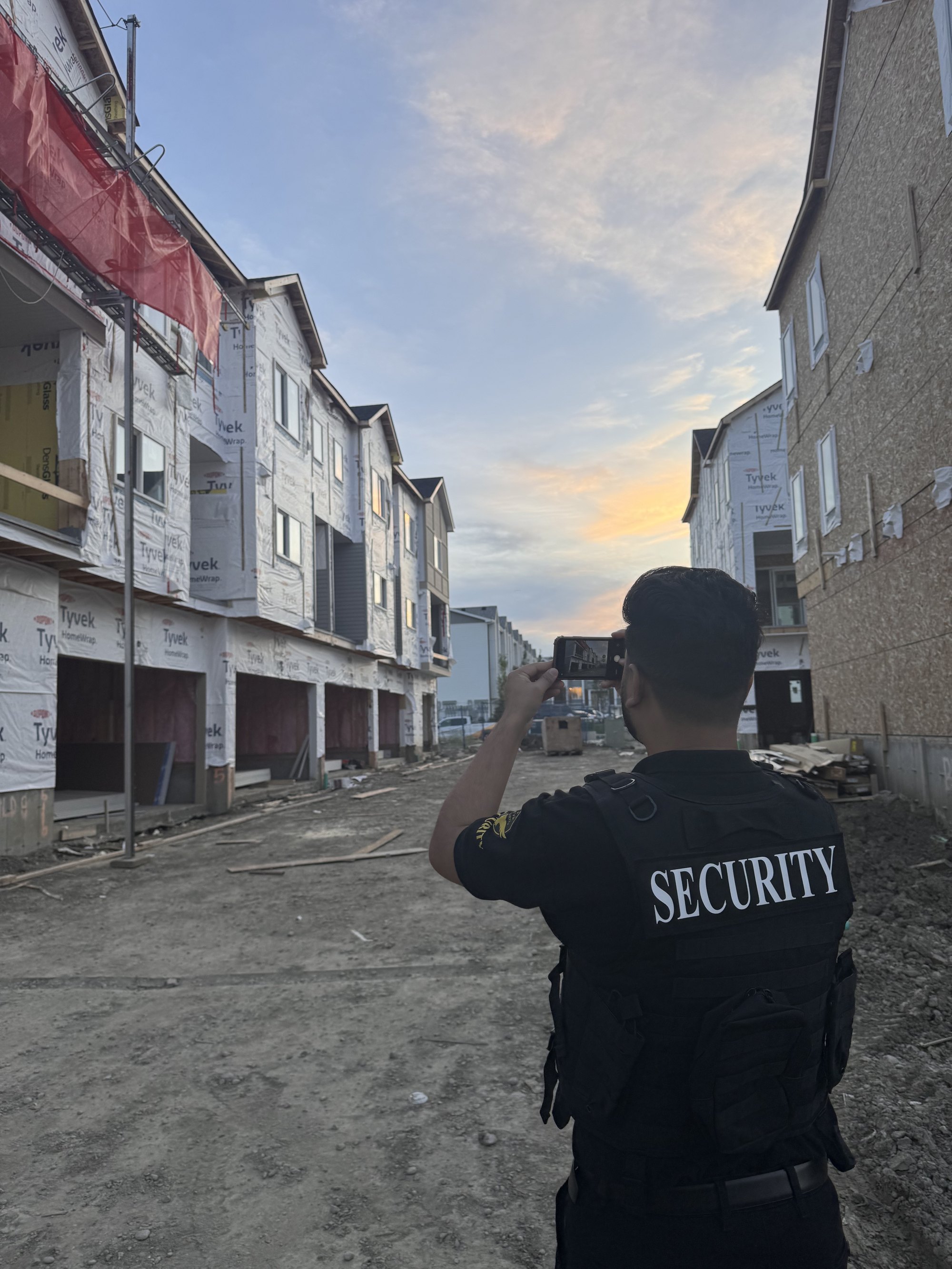
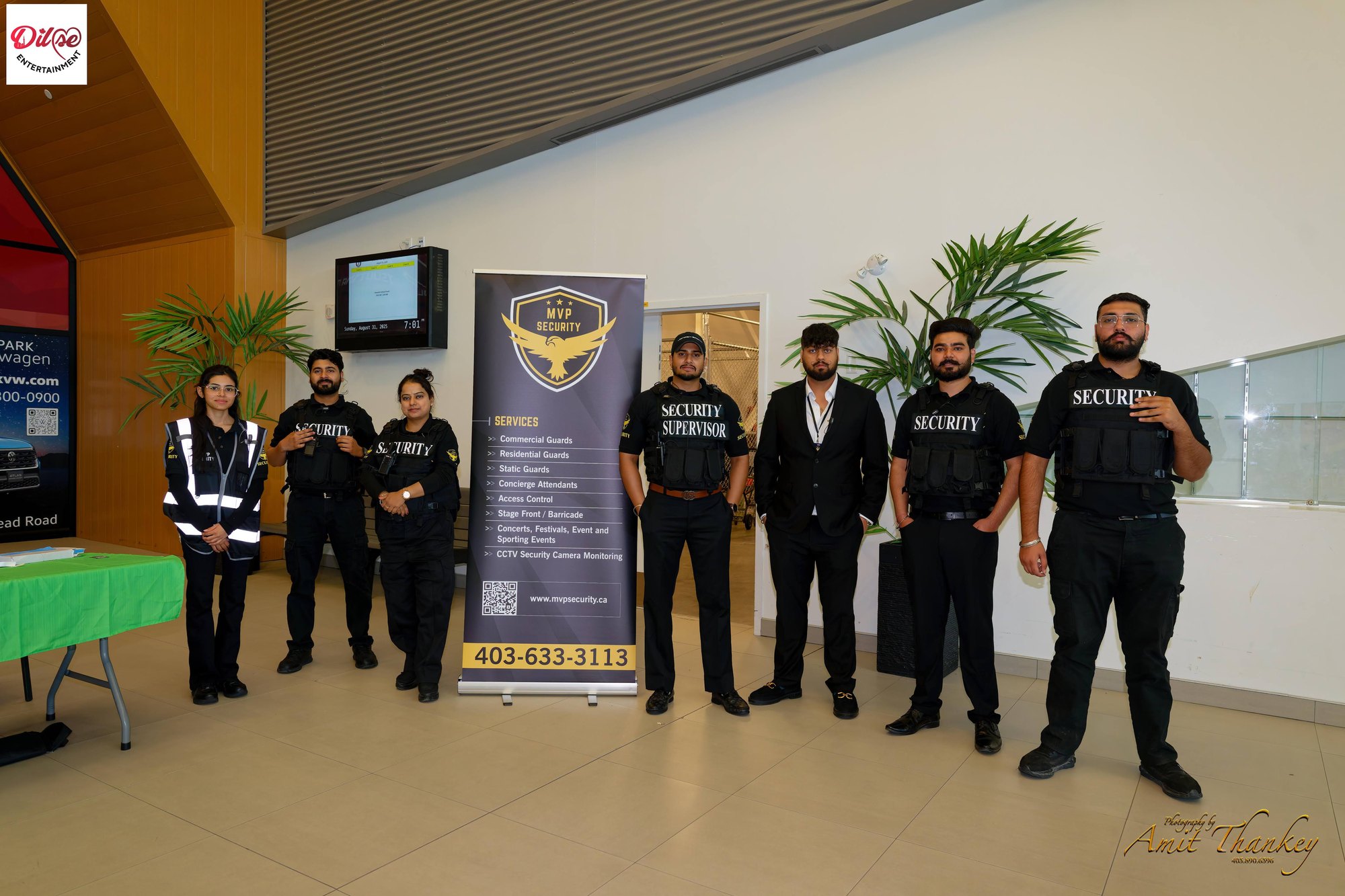
MVP Security Inc. is built around that model - local deployment, licensed guards, fast response, and site-specific planning based on actual operating needs rather than generic event language.
Common event risks that are often underestimated
Most organizers plan for visible problems such as disorderly conduct or uninvited guests. The more frequent issues are often less dramatic but just as disruptive. These include unauthorized re-entry, people slipping through vendor doors, disputes at check-in, restricted area access, theft of equipment or bags, and parking lot incidents after closing.
Another common issue is role confusion. If venue staff, volunteers, and security are not clear on responsibilities, small incidents bounce between teams until they grow. Good event security reduces that confusion. Guards know their posts, understand escalation paths, and provide a visible point of control for both staff and attendees.
Outdoor events add another layer. Weather shifts can affect crowd movement, fencing, gate pressure, and shelter areas. A calm afternoon can turn into a high-movement environment quickly if rain starts or temperatures drop. Security planning should leave room for those changes rather than assuming static conditions from opening to close.
Choosing coverage that fits the event
Not every event needs the same posture. A family-friendly daytime event may call for approachable, highly visible guards focused on access control and guest assistance. A nightlife event with alcohol service may require firmer entry management, roving presence, and closer oversight of problem areas. A corporate gathering may prioritize discreet professionalism and controlled access over overt crowd management.
That is why the best security conversations are specific. Start with your schedule, attendance estimate, venue layout, and known concerns. From there, staffing can be right-sized. You should know who is posted where, what their responsibilities are, and how incidents will be reported back to your team.
Price matters, but cheap event coverage usually shows up in the worst places - late arrivals, poor communication, undertrained guards, and weak supervision. For decision-makers, the more useful question is whether the provider can deliver dependable coverage that protects the event, the venue relationship, and your reputation with guests.
A well-run event feels controlled without feeling heavy-handed. Guests get where they need to go, staff know who to call, restricted areas stay restricted, and problems are handled early. That is what professional event security is supposed to do, and it is usually most noticeable when nothing gets the chance to spiral.