
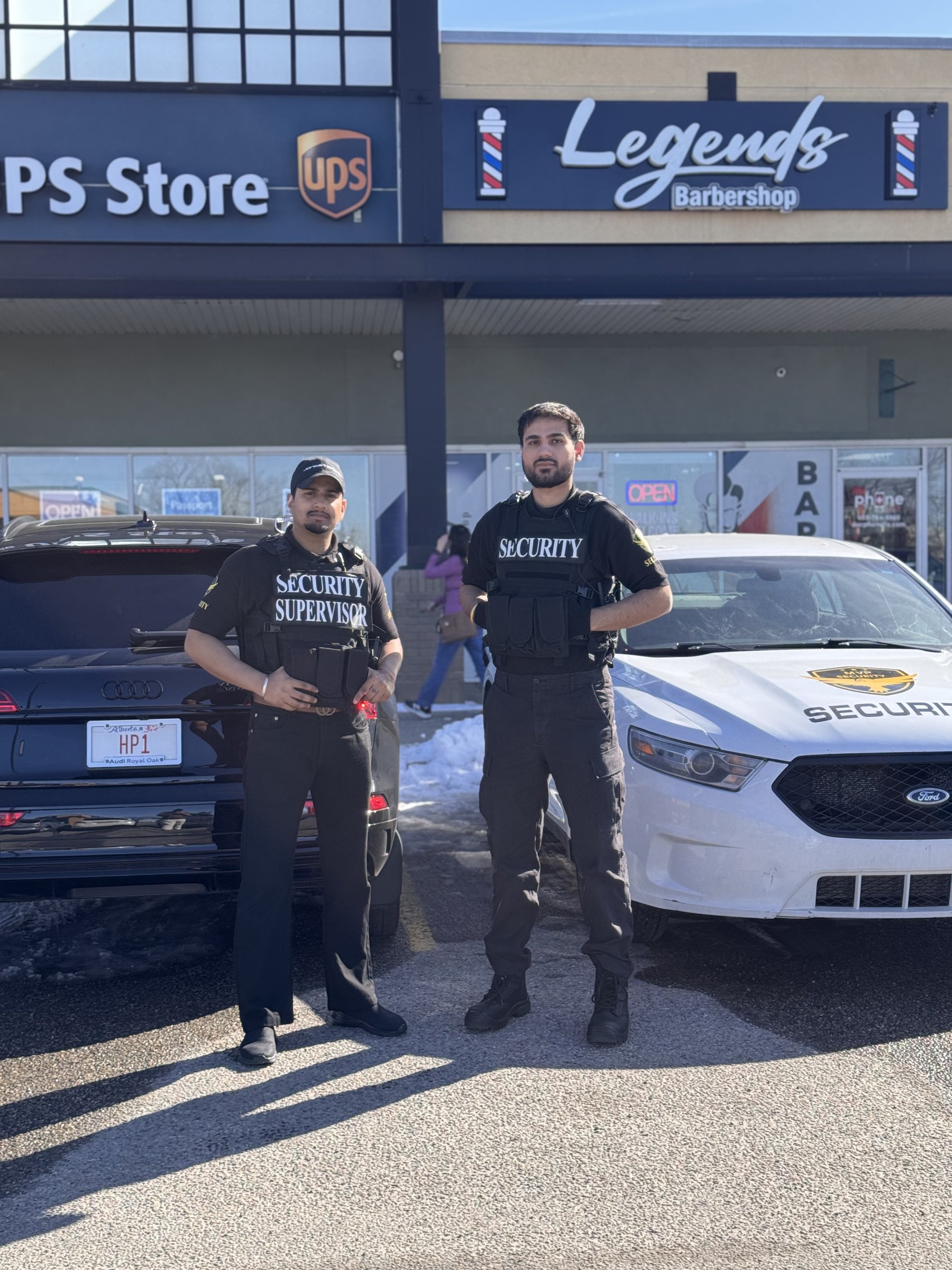





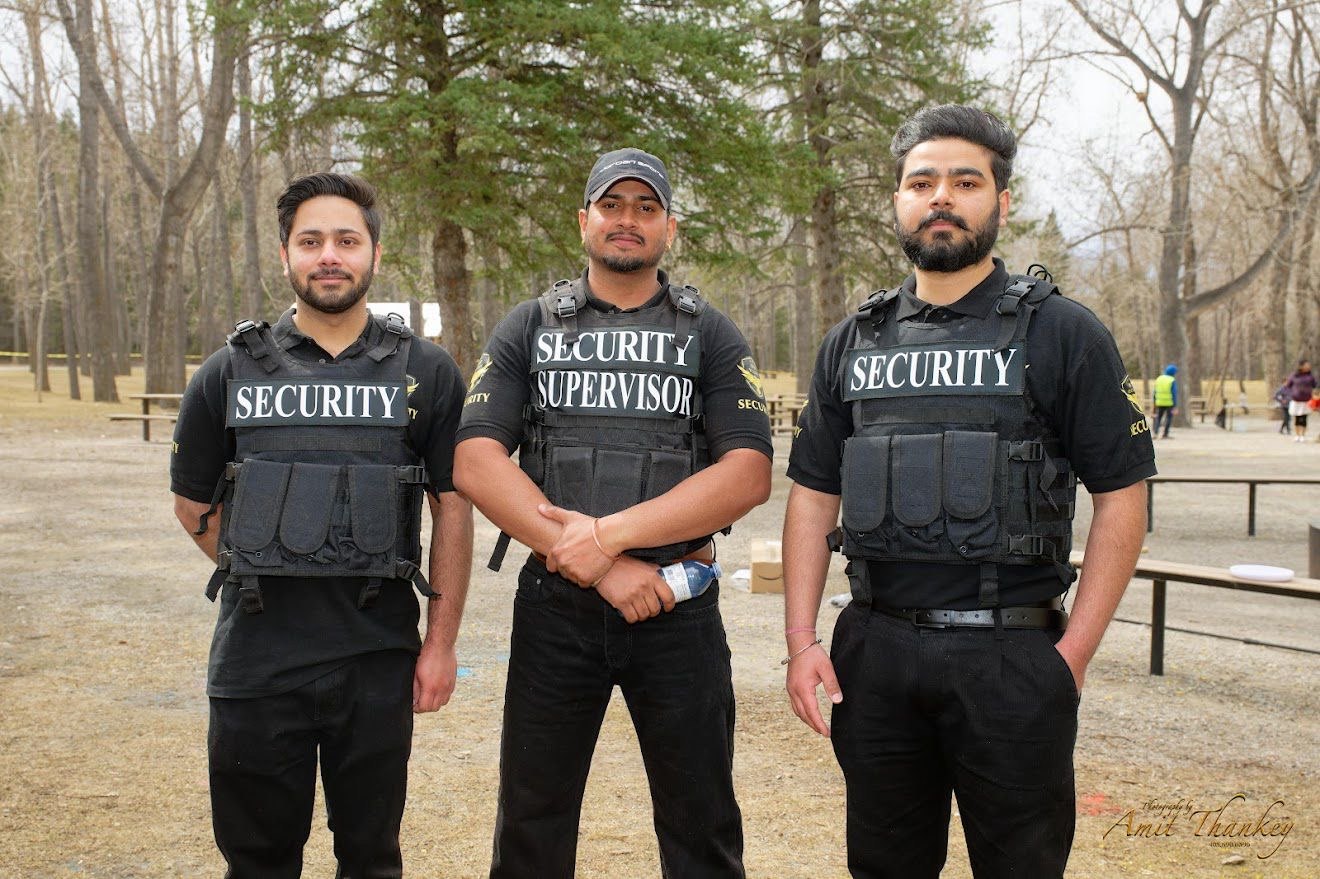
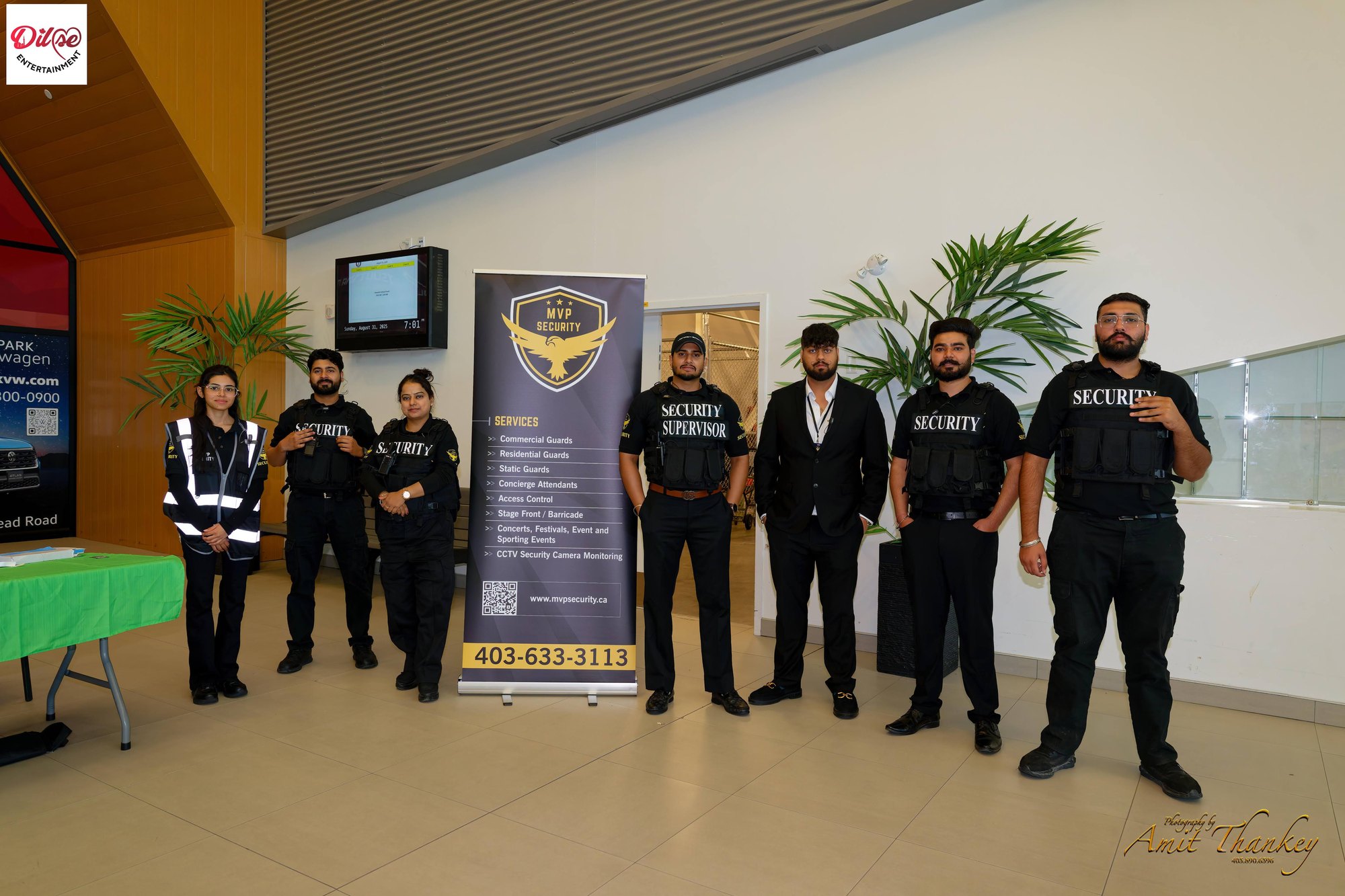
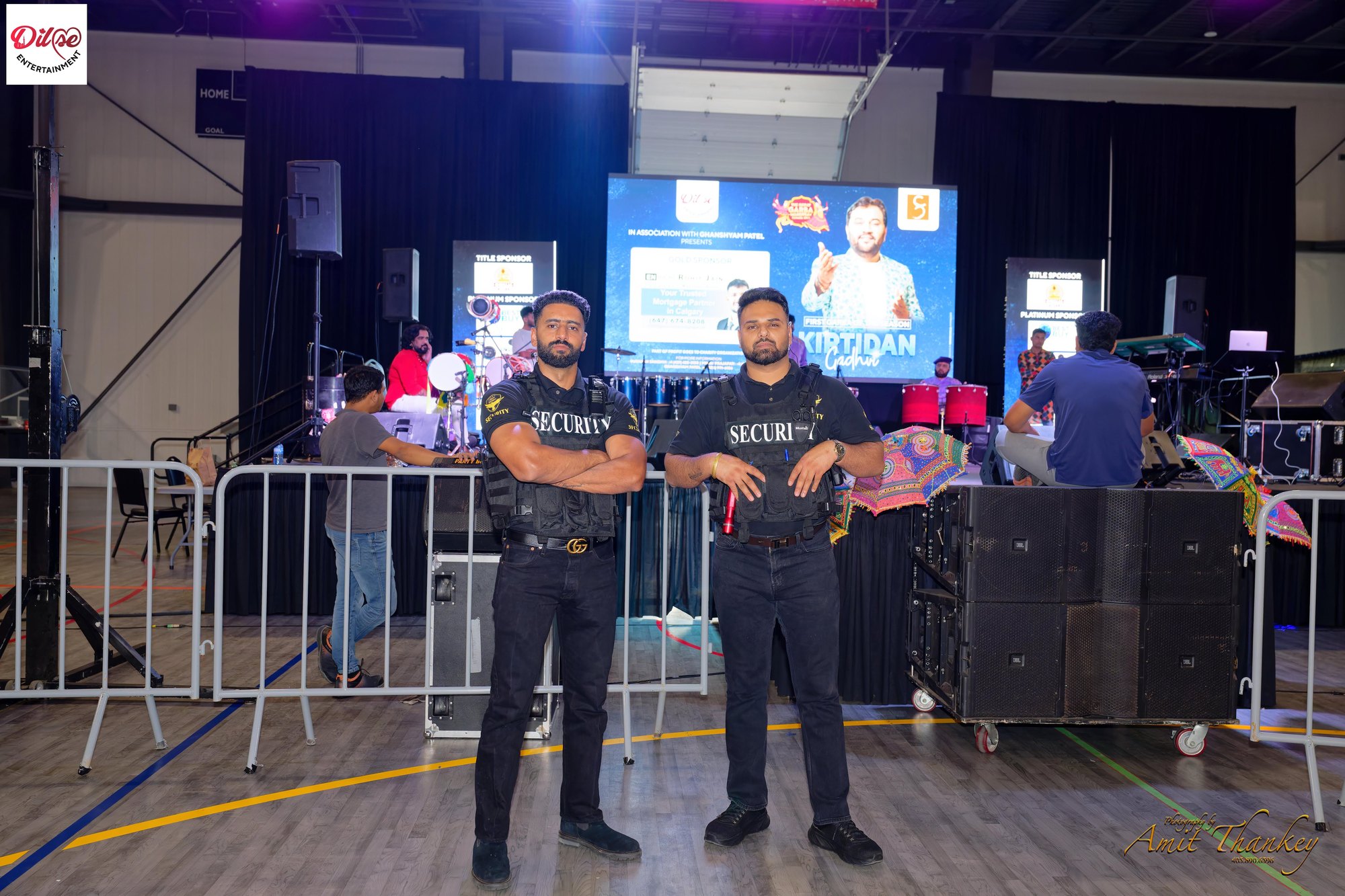
A security company Calgary businesses hire should do more than place a uniform at the front door. It should understand what happens after an alarm, who needs access after hours, where theft is most likely to occur, and how incidents will be documented for the people responsible for the property.
For a property manager, builder, retail operator, or event organizer, the right coverage is rarely a one-size-fits-all guard schedule. A vacant commercial unit has different risks than an active construction project. A condominium needs a different approach than a busy event venue or industrial yard. The most effective program starts with the site, the operating hours, and the specific gaps that need to be controlled.
What a Calgary Security Company Should Assess First
Before recommending guards or patrols, a professional provider should ask practical questions. Is the site open to the public? Are there valuable tools, materials, or vehicles left overnight? Has the property experienced break-ins, trespassing, vandalism, aggressive behaviour, or false alarms? Are there blind spots around loading bays, parkades, gates, and temporary fencing?
These details determine whether the site needs a static guard, mobile patrol, alarm response, access control, or a combination of services. They also help avoid paying for coverage that does not match the actual risk.
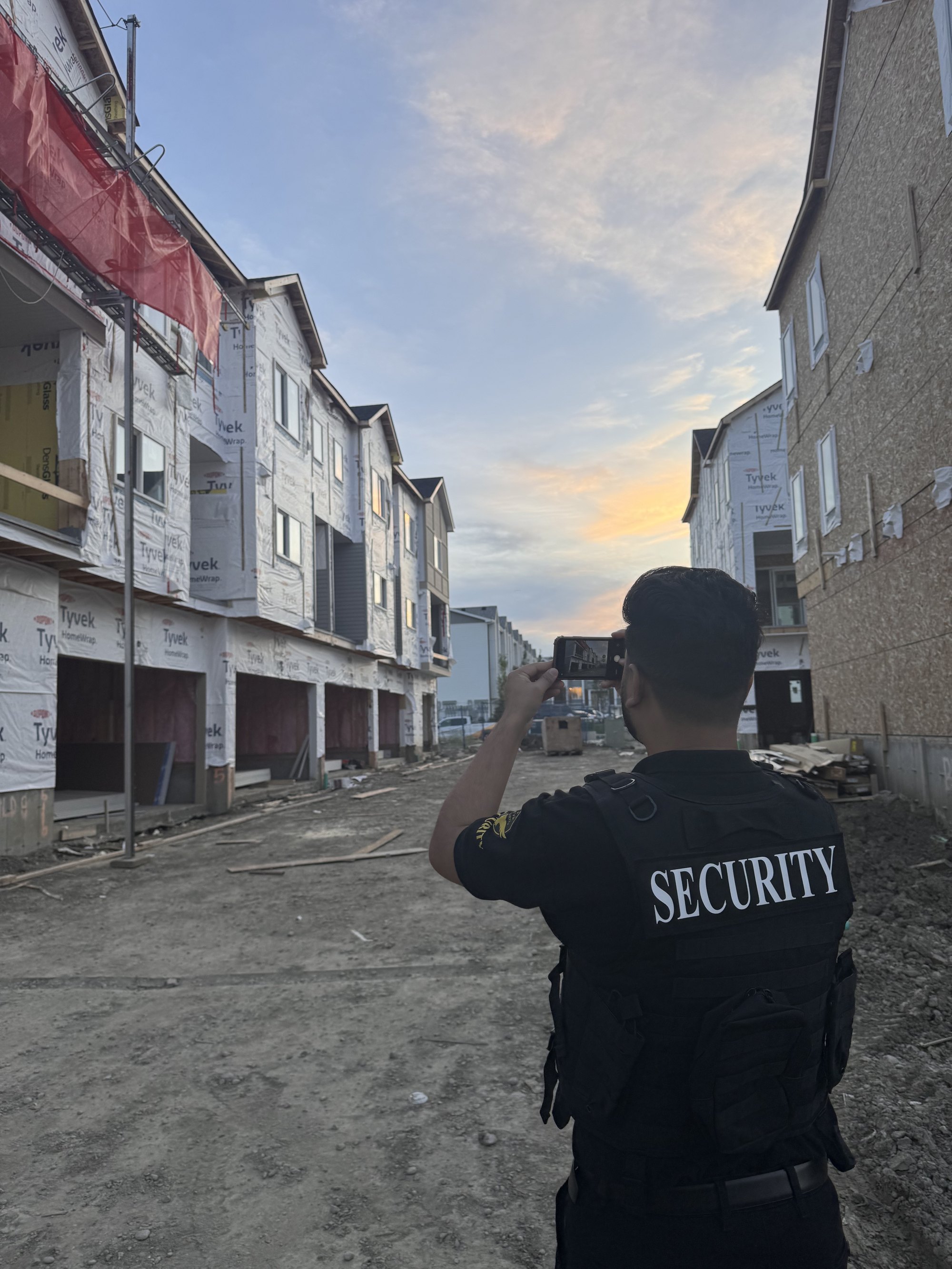
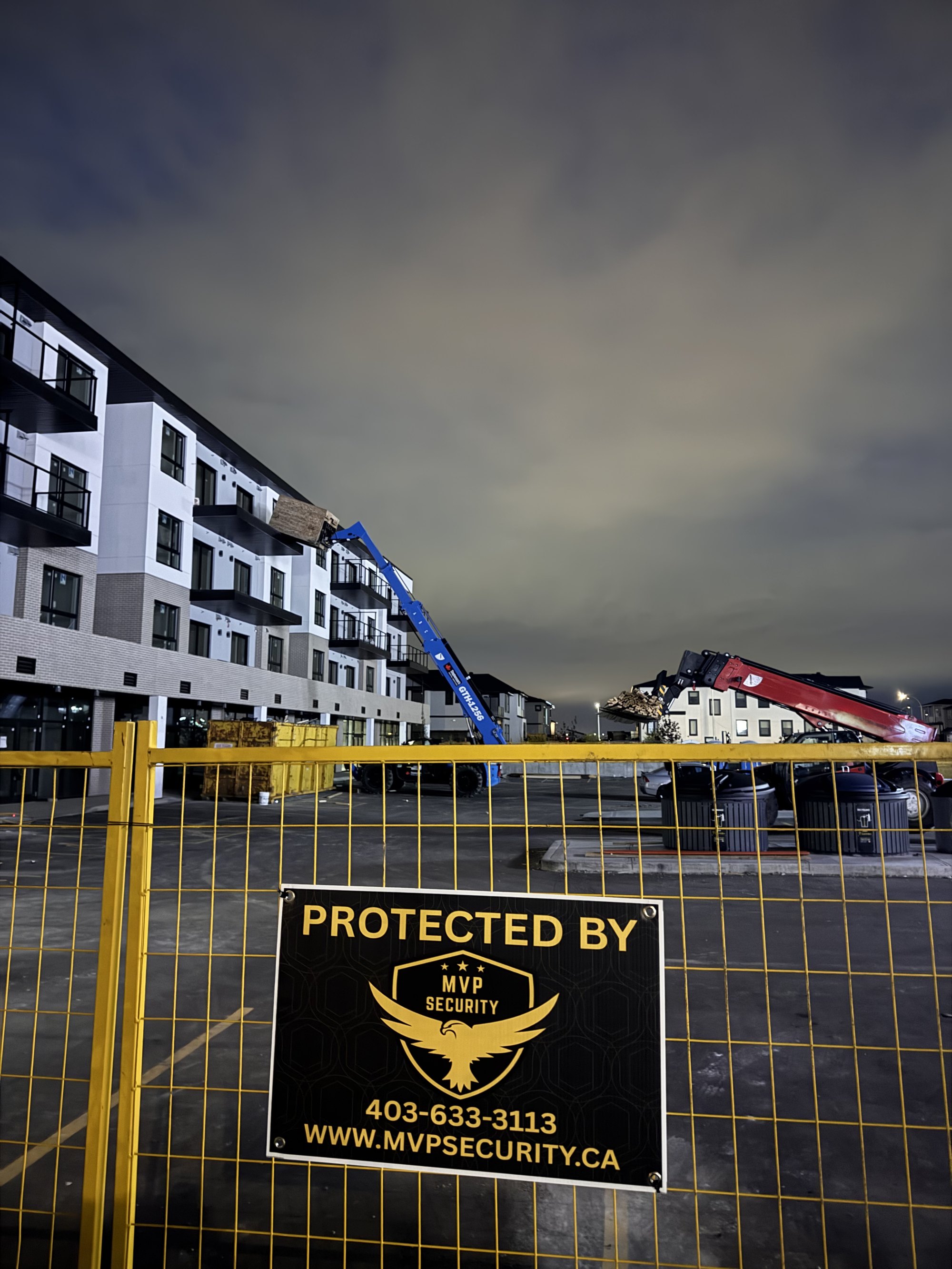
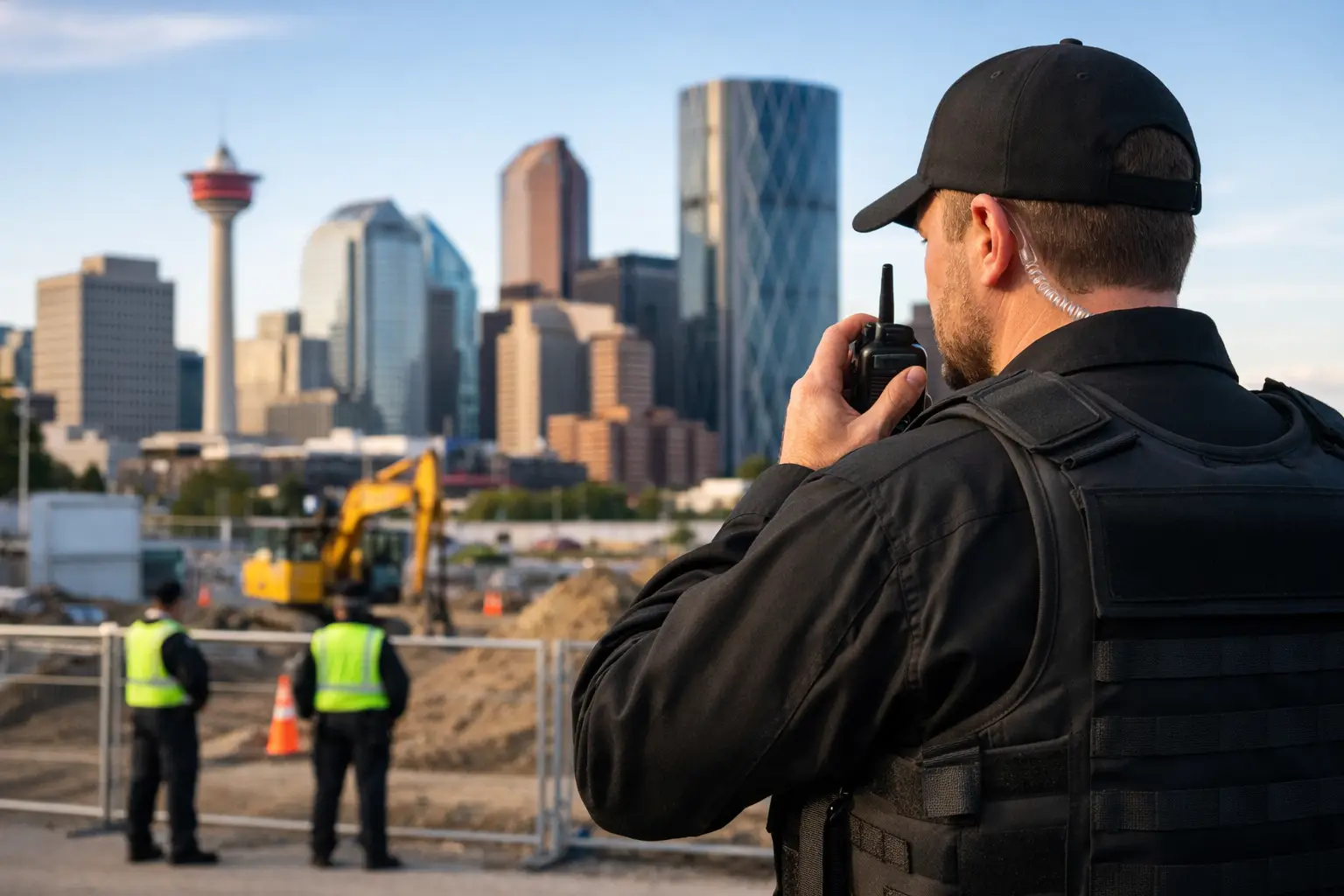
For example, a construction site with copper, tools, equipment, and changing access points may require overnight patrol checks, perimeter inspections, and photo-documented reporting. A downtown office or residential building may benefit more from a concierge-style presence that manages visitor access, monitors common areas, and responds quickly to tenant concerns. A retail location may need visible deterrence during peak hours and prompt support when an incident occurs.
The strongest security plans are specific. They identify patrol routes, check points, reporting expectations, escalation contacts, emergency procedures, and the hours when the property is most exposed.
Match the Service to the Real Risk
Security coverage works best when the service model reflects how the site operates. Static guards provide a consistent, visible presence at a fixed location. They are often suitable for access points, lobbies, gates, fire watch assignments, high-traffic commercial properties, and events where someone needs to remain on site.
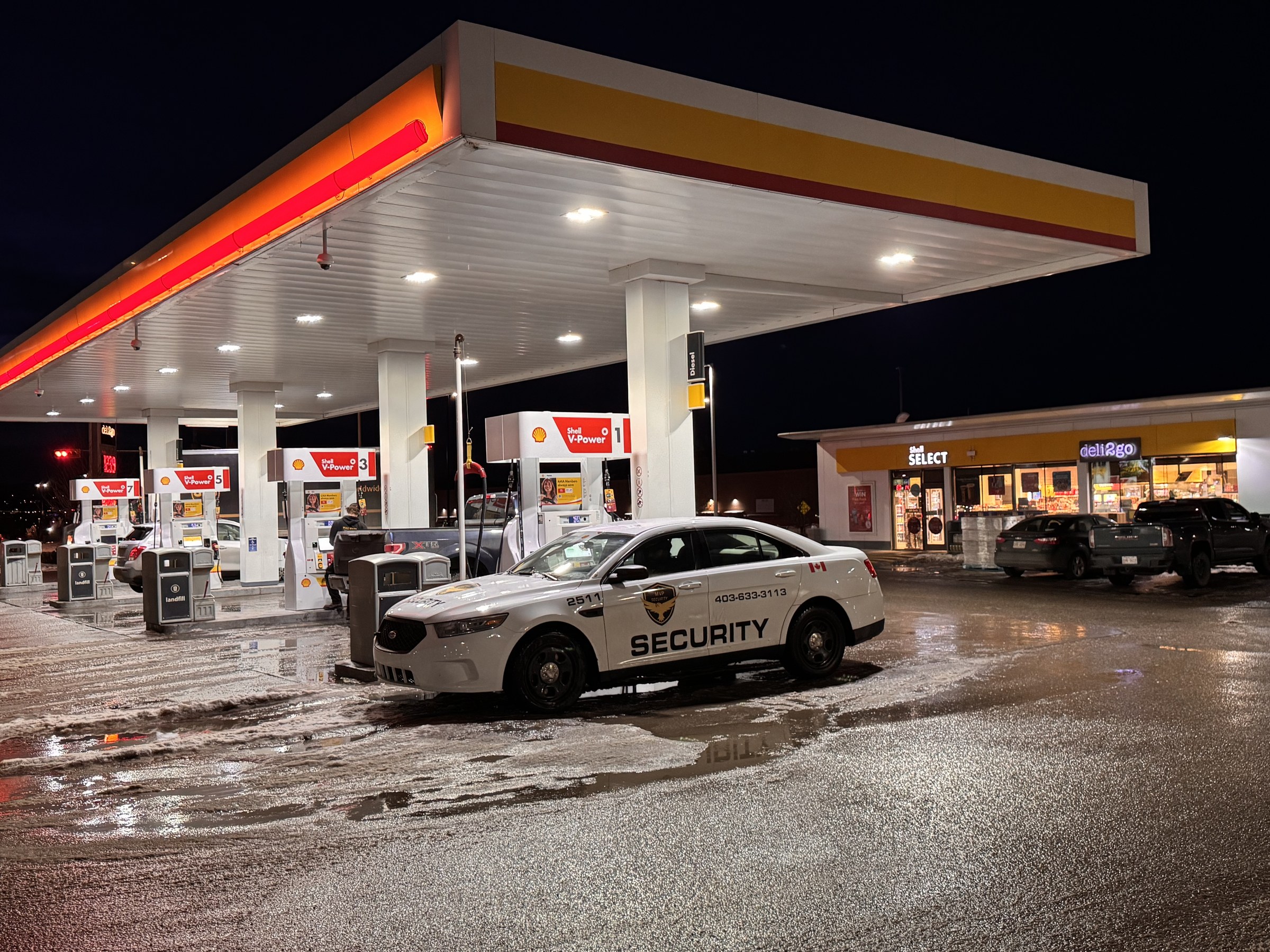
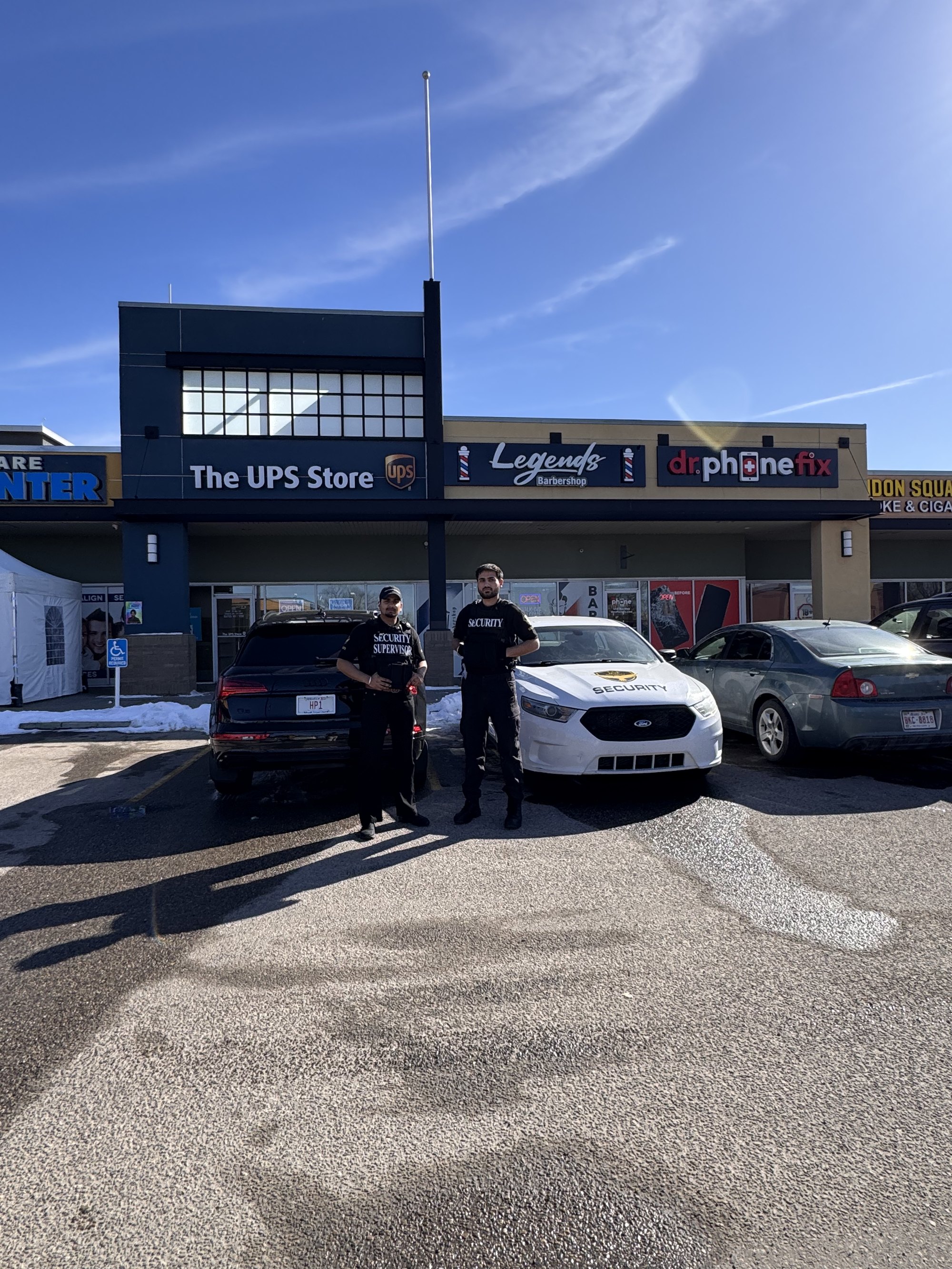
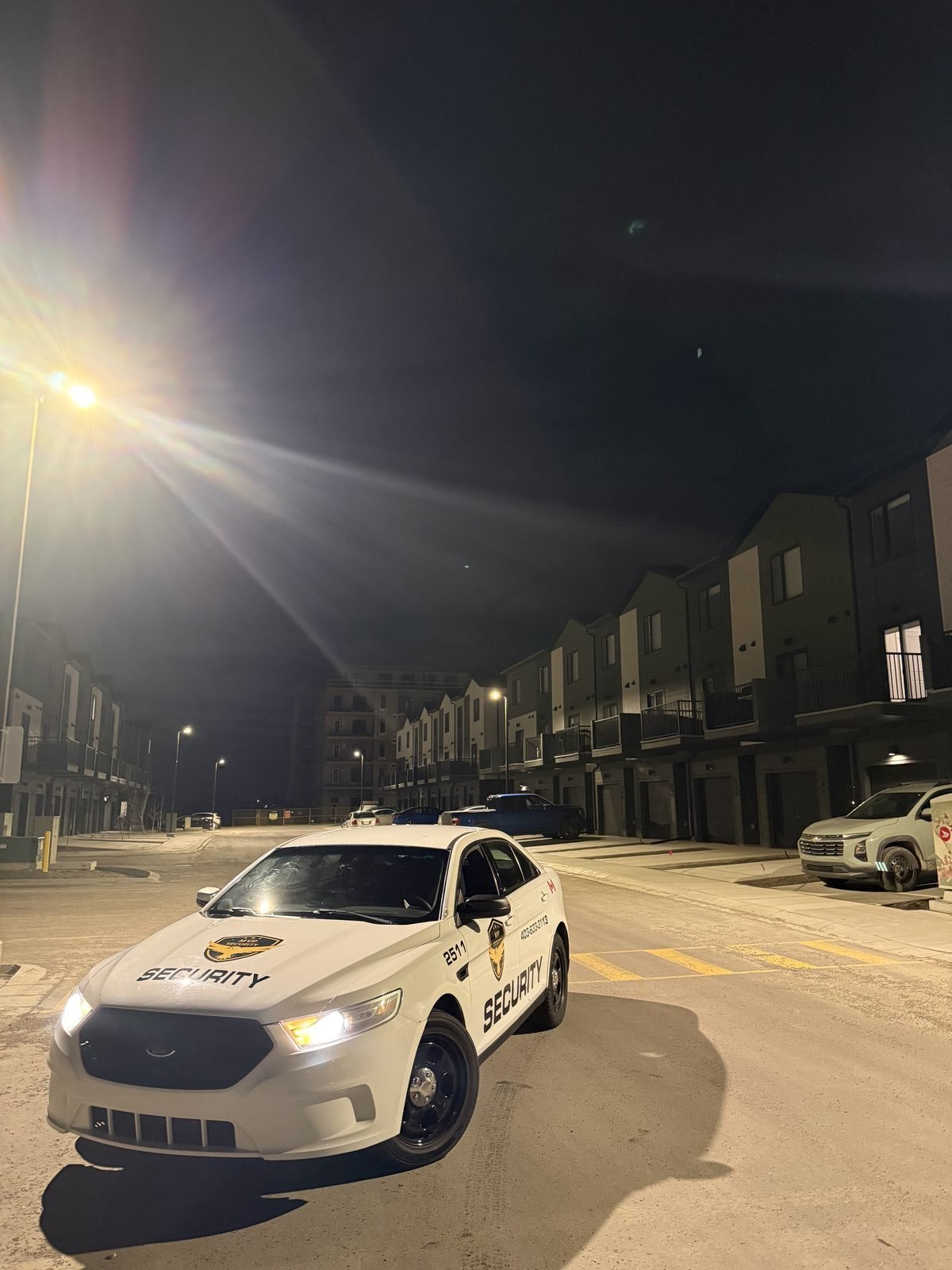
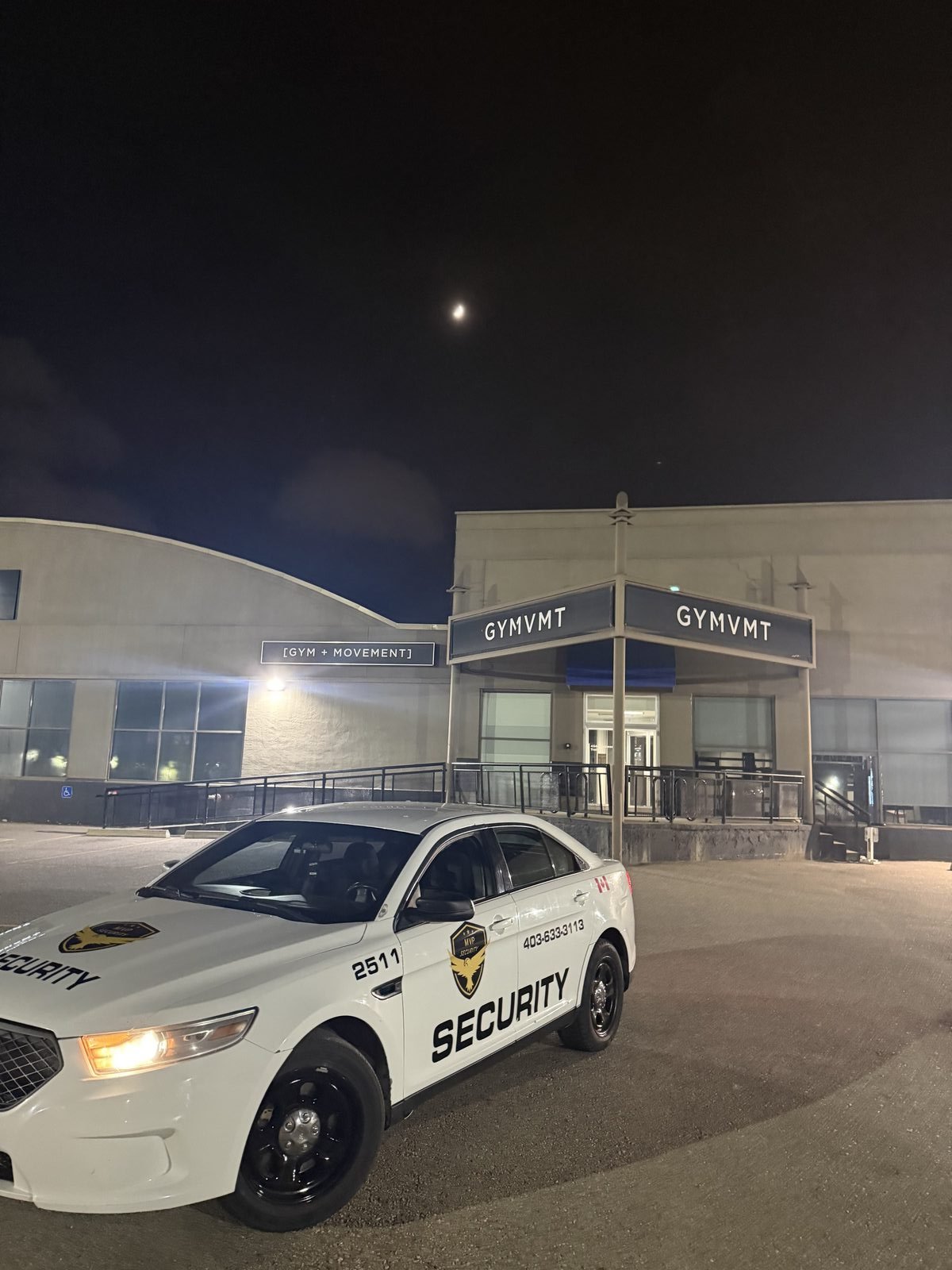
Mobile patrol is often a cost-effective option for sites that do not need a guard standing at one location all night. A marked patrol can inspect doors, gates, fencing, parkades, and exterior areas at scheduled or randomized intervals. This approach is commonly used for vacant properties, multi-site commercial portfolios, construction projects, and industrial yards.
Alarm response fills another common gap. When a monitored alarm activates, someone still needs to attend the property, assess the situation, meet police or emergency responders when required, and secure the location. A local security team can provide a faster and more controlled response than asking an owner, manager, or employee to attend an unknown situation after hours.
CCTV and monitored alarm systems are useful tools, but they are not a complete security program on their own. Cameras can record an event and alarms can notify the right people. A trained officer provides the on-site assessment, visible deterrence, and immediate documentation that technology alone cannot provide.
Verify Licensing, Training, and Accountability
Security is a regulated service in Alberta. Guards assigned to your property should hold the required Alberta security licences and work for a properly insured provider operating in compliance with the Security Services and Investigators Act requirements. This is not paperwork for its own sake. It helps confirm that the personnel representing your business or property have received the required training and are operating within their authority.
Ask how guards are briefed before attending a new site. A capable provider should use written post orders that cover site rules, key contacts, access procedures, patrol expectations, hazards, emergency contacts, and reporting standards. Sending an officer to an unfamiliar property without clear instructions creates avoidable mistakes.
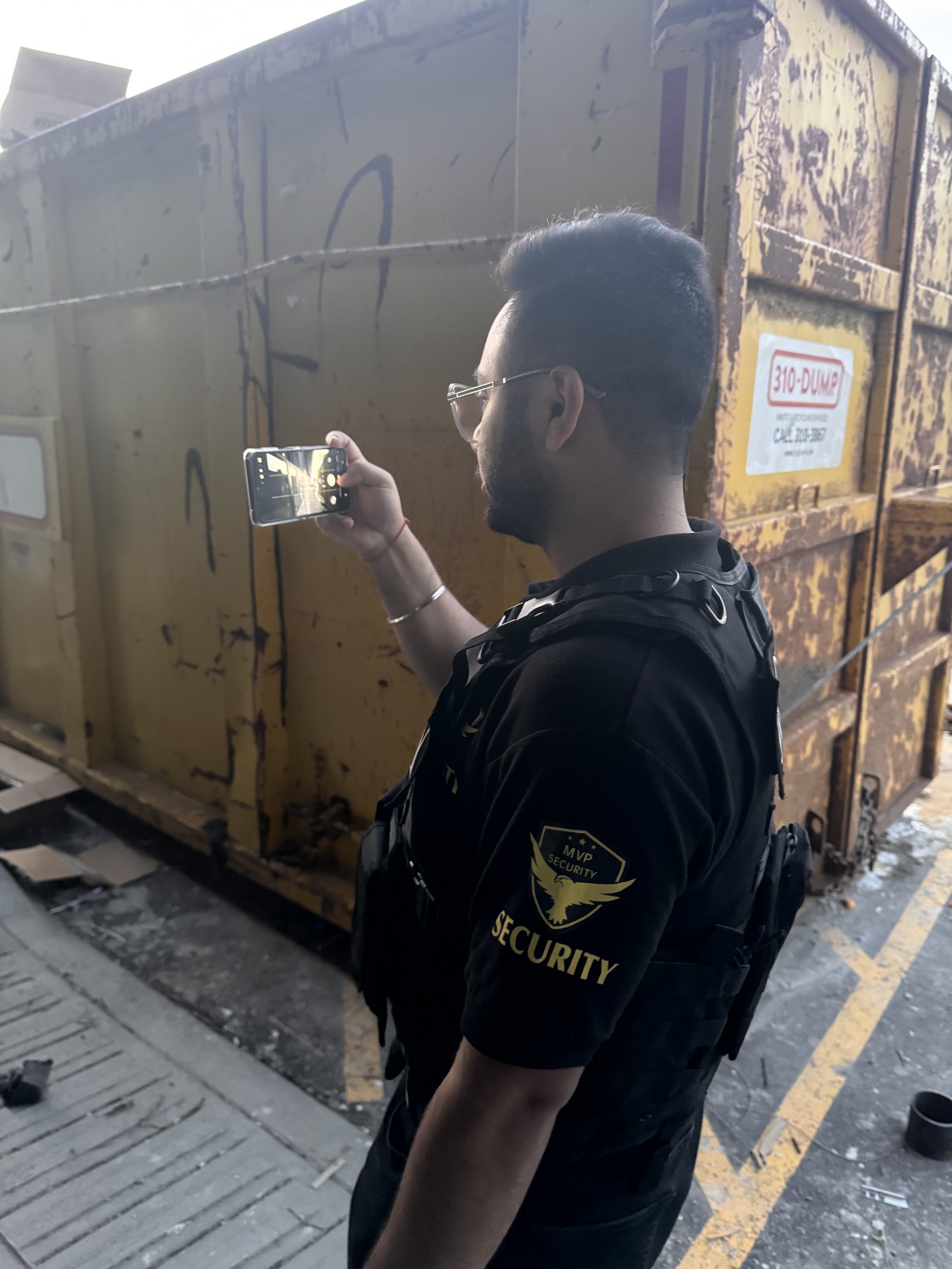
Accountability should also be visible in the service. GPS-tracked patrol activity, time-stamped reports, incident narratives, and photos where appropriate give managers a clear record of what was found and what action was taken. These records are valuable when dealing with repeat trespassing, insurance questions, contractor disputes, tenant concerns, or follow-up with police.
A report should be useful, not just proof that someone checked a box. It should state the location, time, observed conditions, actions taken, parties contacted, and any issue requiring the client’s attention. If a gate was left open, a damaged door was found, or unauthorized people were removed from the site, the report should make that clear.
Local Response Matters When Conditions Change
Calgary properties can face changing conditions quickly. A winter storm can leave a gate unsecured. A construction project can receive a late delivery that changes access needs. An alarm activation may occur after a tenant moves out. A planned event can run longer than expected. In these situations, the value of a local security provider is operational, not promotional.
A team that deploys throughout Calgary and nearby communities such as Airdrie, Cochrane, Chestermere, Okotoks, and High River is better positioned to coordinate coverage, dispatch support, and communicate with the people managing the site. That does not mean every request can be filled instantly, especially during major events or severe weather. It does mean the provider should be direct about availability and offer practical options when urgent coverage is needed.
When comparing companies, ask what happens if a guard is delayed, sick, or requires relief. Ask who monitors after-hours calls and how escalations are handled. Reliable coverage depends on supervision and scheduling behind the scenes, not only the officer who arrives at the property.
Look Beyond the Lowest Hourly Rate
Price matters, especially for ongoing coverage across multiple locations. But the lowest quoted rate can become expensive if patrols are missed, reports are vague, guards are unfamiliar with the site, or incidents are not escalated promptly.
A useful proposal should explain what is included: hours of coverage, mobile patrol frequency, alarm response expectations, report delivery, supervisory oversight, equipment requirements, and any special instructions for the property. It should also distinguish between a routine patrol program and a dedicated on-site guard. These are different service models with different costs and outcomes.
The right budget depends on the consequence of a security failure. A brief patrol schedule may be appropriate for a low-risk vacant unit. It may not be enough for an active site storing high-value materials or facing repeated intrusions. Conversely, a full-time static guard may be unnecessary where well-documented mobile patrols, controlled access, and monitored alarms address the main vulnerabilities.
Questions Worth Asking Before You Sign
A security provider should be able to answer direct operational questions without vague promises. Ask how officers are selected for your type of site, how post orders are created, who reviews reports, and what happens after a serious incident. Ask whether patrols are GPS tracked, whether photos can be included in reports, and how quickly the company communicates when an issue is found.
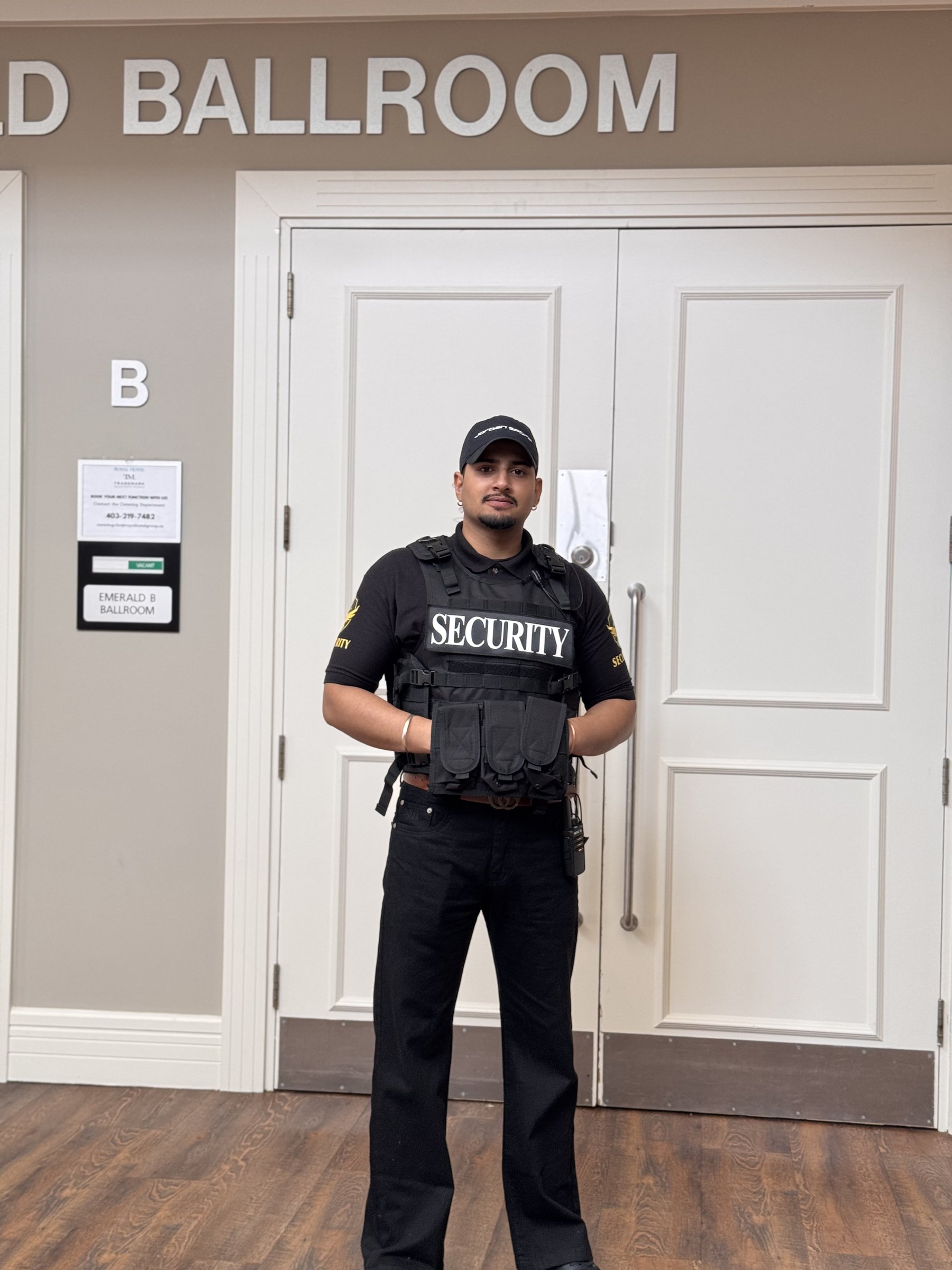
It is also reasonable to ask about experience in your environment. Construction, residential, retail, industrial, and event security each require different judgement. An officer managing guest flow at an event needs strong communication and crowd-awareness skills. An officer on an industrial site must understand access procedures, perimeter risks, and safety expectations. A concierge officer must be professional with residents and visitors while remaining alert to unauthorized access.
Finally, clarify the chain of communication. The best security arrangement gives the client one clear point of contact while ensuring guards have current instructions for after-hours issues. Security work is most effective when the provider and site management communicate changes before they become problems.
Build Coverage Around Your Property, Not a Template
A reliable security program should be able to expand, reduce, or change as your site changes. A builder may need heightened overnight coverage during framing and finishing stages, then less frequent patrols after turnover. A commercial manager may need temporary fire watch during a system outage. An event organizer may need guards for entry screening, crowd management, and close-down, but only for a defined period.
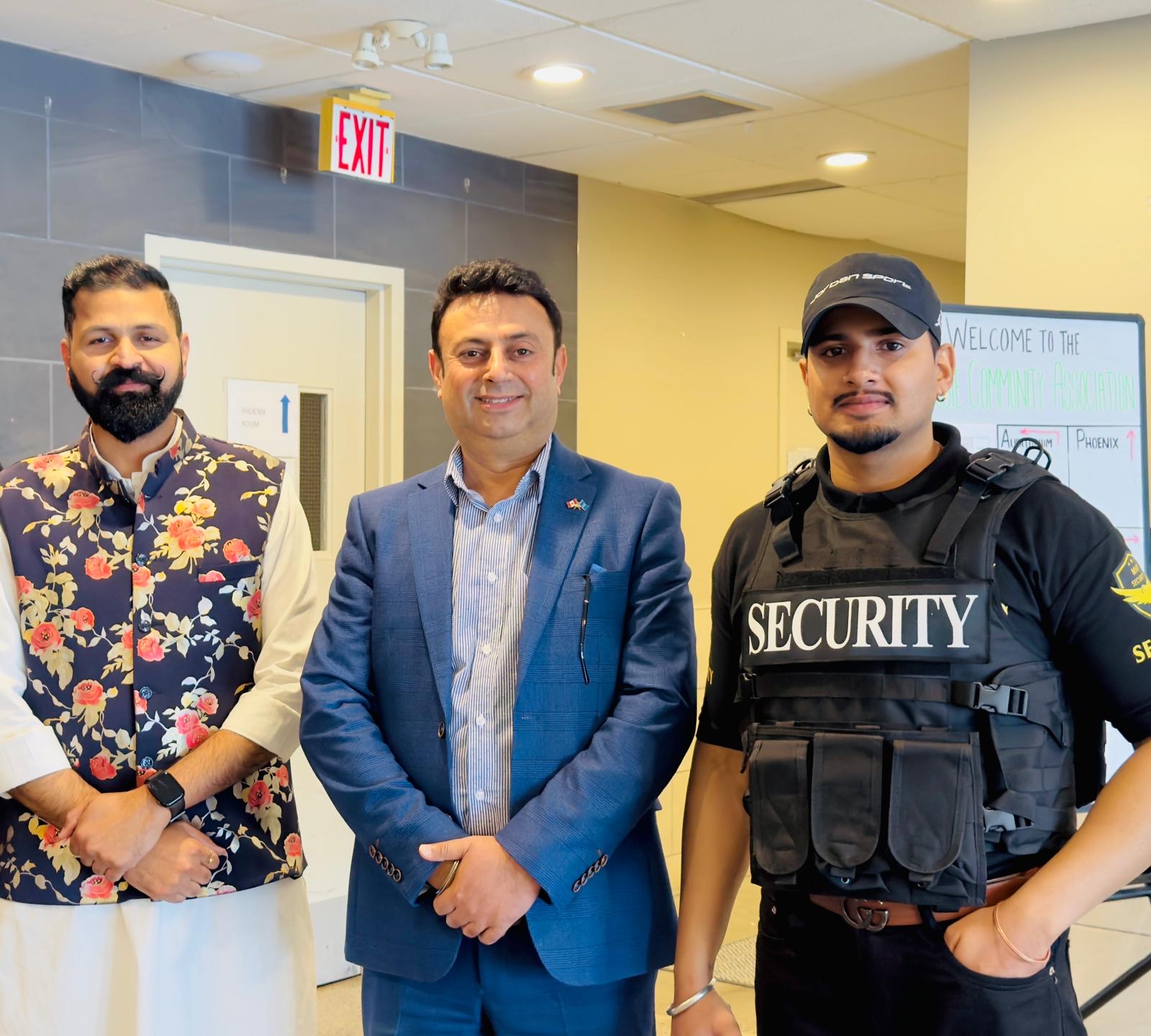
MVP Security Inc. approaches coverage with that operational flexibility in mind: licensed Alberta guards, local dispatch, documented patrol activity, and site-specific instructions designed around the client’s risk and schedule.
The most useful next step is not to request a generic quote. Walk the property, identify the vulnerable hours and access points, and ask for a plan that explains exactly who will attend, what they will check, and how you will know the work was completed.