













A monitored alarm going off at 2:13 a.m. creates a very practical question for any property manager, retailer, or site supervisor - who is actually attending the site, how fast, and what happens next? This commercial alarm response service guide is built for decision-makers who need more than a phone call from a monitoring station. They need a clear process, trained personnel, and documentation that stands up when tenants, owners, insurers, or police ask what occurred.
What a commercial alarm response service actually covers
Alarm response is the on-site follow-up after a monitored system reports an intrusion, panic, or other triggered event. In a commercial setting, that response is not just about arriving at the property. It is about verifying conditions, checking for forced entry, identifying safety risks, managing access, preserving the scene when required, and reporting back accurately.
That matters because alarm events are rarely convenient and often unclear. A false alarm caused by a bad contact sensor requires a different response than an open rear door at a retail unit or repeated after-hours motion alerts at a construction site. The provider attending your site needs enough training and enough site-specific direction to make the right call quickly.
In practice, a proper response service usually works alongside alarm monitoring, mobile patrol, CCTV review, and site instructions. Monitoring identifies the event. Response officers attend. If needed, the incident escalates to police, fire, management, or additional guard coverage.
Why businesses use a commercial alarm response service guide when evaluating providers
Many buyers start looking at alarm response only after a problem. A break-in occurs. A manager gets pulled out of bed repeatedly for false alarms. A national provider gives vague updates. A site has chronic trespassing, but nobody can explain what happened during recent alarm activations.
That is when a commercial alarm response service guide becomes useful. It helps separate basic attendance from a service that actually reduces risk and administrative headaches.
For Calgary-area businesses, response quality can vary a lot based on dispatch coverage, local familiarity, weather conditions, travel distance, and whether the provider already has patrol assets operating nearby. A low monthly rate can look attractive until an officer arrives late, misses signs of entry, or leaves you with no photo records and a two-line incident note.
The better approach is to assess how the service performs under real conditions. Can the company dispatch 24/7? Are guards licensed in Alberta? Is activity GPS-tracked? Are reports delivered promptly with photos and site findings? Can the provider adjust protocols for a condo tower, a warehouse, a strip mall unit, or an active construction site? Those details determine whether the service is merely present or actually useful.
What should happen during an alarm response
When an alarm signal is received, the first step is usually handled by the monitoring station according to the call list and event type. Once a response is dispatched, the on-site guard should arrive with site instructions, access details, and a clear understanding of the property layout.
At the property, the officer should begin with an exterior assessment. That includes checking for forced entry, damaged doors or windows, vehicles or individuals nearby, and signs that the event is still active. Walking straight into a building without assessing risk can create a safety issue for the responding guard and compromise the response.
If entry is authorized and conditions appear safe, the officer can continue with an interior check based on the post orders. This may involve inspecting alarm zones, confirming whether a door was left unsecured, checking stairwells, utility rooms, loading areas, or tenant-access points, and identifying whether the alarm appears genuine, accidental, or equipment-related.
The next part is often where service quality becomes obvious. A strong response provider communicates clearly. If there is evidence of a break-in, police are contacted and the scene is preserved. If the issue is an unsecured opening, the officer documents it and follows instructions for temporary securing or client notification. If the alarm appears false but caused by a recurring fault, that should be reported in a way that helps the client solve the problem instead of repeating it next week.
Finally, the event should be documented in detail. Time of dispatch, time on site, observations, photos, actions taken, and any escalation should all be captured. For property managers and operations teams, that reporting is not a nice extra. It is part of the service.
Where alarm response works best
Alarm response is especially valuable at sites that are unoccupied overnight, difficult to supervise continuously, or prone to recurring incidents. Retail units, office buildings, warehouses, industrial yards, condo common areas, and construction projects all fit that profile, but the response model should match the site.
A retail location may need quick verification of rear-door alarms and glass-break activations, with special attention to storefront exposure and cash-handling areas. A condo property may need after-hours attendance that balances security with resident interaction and controlled building access. A construction site often needs a wider perimeter check, gate verification, and coordination with CCTV or overnight patrols because theft and trespassing rarely happen at a single doorway.
This is one reason generic alarm attendance can fall short. The more site-specific the instructions, the better the response. A warehouse alarm is not handled the same way as a downtown mixed-use building, and buyers should expect their provider to account for that.
What to ask before you sign
The right questions are operational, not cosmetic. Ask how dispatch works after hours and whether the company has active coverage in Calgary and surrounding communities such as Airdrie, Cochrane, Chestermere, Okotoks, and High River. Distance and deployment patterns affect response times more than marketing claims do.
Ask whether responding guards are Alberta-licensed and insured, and whether there is supervisor oversight. Ask what documentation you receive after each event. If reports do not include timestamps, observations, and photos, you may not have enough information to act on recurring issues or answer an ownership group later.
It also helps to ask about escalation thresholds. Under what conditions do they call police immediately? When do they notify the emergency contact? Can they remain on site if a door cannot be secured? If a site needs temporary coverage after a break-in, can the same provider deploy additional guards quickly?
Those answers tell you whether the company understands alarm response as part of a larger protection plan rather than an isolated task.
The trade-offs buyers should understand
Not every site needs the same level of response. Some properties are well served by monitored alarm attendance paired with periodic mobile patrols. Others need a stronger overnight presence because alarms are only one part of the risk picture.
For example, if a property has frequent transient activity, repeated vandalism, copper theft, or unsecured perimeter points, alarm response alone may be too reactive. You may still need scheduled patrols or static coverage to reduce incidents before an alarm is triggered. On the other hand, a lower-risk office location with good lighting and controlled access may only need reliable after-hours response and reporting.
Cost also needs context. A lower monthly service fee may come with narrow attendance scope, longer dispatch windows, or weak documentation. A more capable service may cost more because it includes trained guards, better reporting, local deployment, and the ability to escalate quickly when an incident is real. The cheapest option is not always the least expensive once downtime, damage, or tenant complaints are factored in.
What good reporting looks like
A proper alarm response report should let someone who was not there understand exactly what happened. That means more than saying the site was checked and secured. It should identify the alarm type if known, arrival time, points inspected, conditions found, photos taken, people contacted, and any actions completed on site.
This level of detail matters for insurance records, internal investigations, maintenance follow-up, and vendor accountability. It also builds a pattern over time. If one access point keeps creating false alarms or one area shows repeated signs of tampering, the client can act on that information.
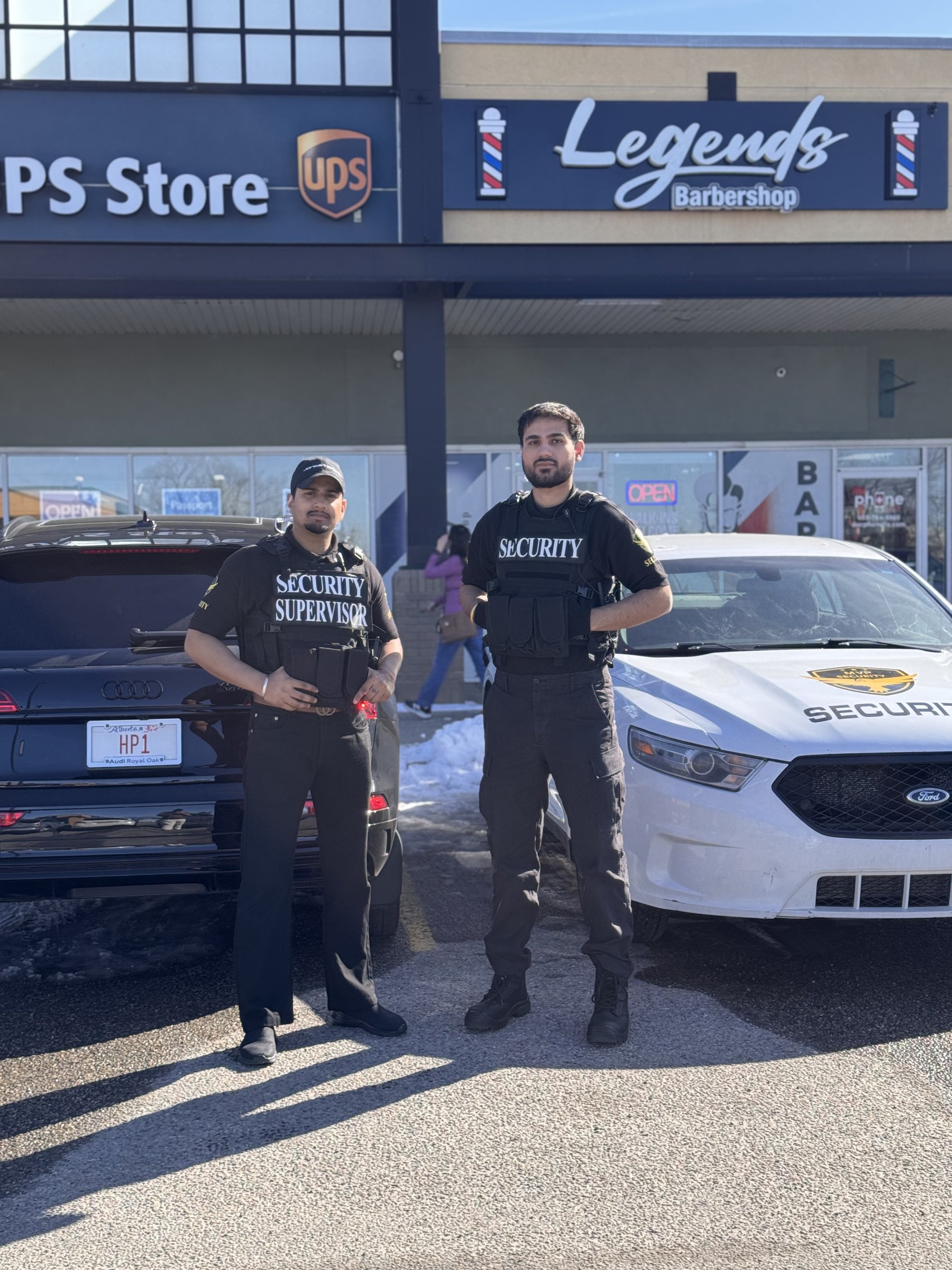
At MVP Security Inc., this kind of accountability is part of what clients expect from a local response team. GPS-tracked activity, photo-documented reporting, and site-specific instructions make alarm response easier to verify and easier to improve over time.
How to tell if your current setup is not working
There are a few clear warning signs. Your team gets vague updates after alarm events. Different responders seem unfamiliar with the site. False alarms keep repeating without any useful notes. Dispatch times are inconsistent. After an incident, nobody can clearly explain whether the building was entered, what was checked, or who was notified.
When that happens, the issue is usually not just staffing. It is a weak process. Strong alarm response depends on clear post orders, local coverage, trained guards, and follow-through after the event.
A dependable service should reduce friction for your team, not create more of it. It should give you confidence that if an alarm goes off after hours, someone qualified is attending, assessing, documenting, and escalating properly.
The best alarm response programs are rarely the loudest. They are the ones that show up fast, know the site, communicate clearly, and leave you with facts instead of guesswork.