







A commercial building can look secure on paper and still have predictable gaps after hours. A rear delivery door that does not latch, contractors with uncontrolled keys, visitors entering behind tenants, or an alarm response delayed by unclear contacts can quickly become a costly incident. This commercial building security guide is designed for Calgary property managers, building owners, and operators who need coverage that works in real site conditions, not just a checklist.
Commercial Building Security Guide: Start With Site Risk
Effective security starts by identifying what is most likely to happen at your property, when it is likely to happen, and how staff should respond. A downtown office tower, a retail plaza in the northeast, and a light industrial facility near the city limits may all require security, but their risks are different.
Review the building's operating hours, tenant mix, public access points, loading areas, parkades, vacant units, equipment storage, and previous incidents. Look beyond major events such as break-ins. Repeated nuisance issues, unauthorized parking, loitering, door-propping, package theft, and access-card misuse often reveal the weak points that lead to larger losses.
Pay particular attention to transition periods. Opening and closing times, overnight cleaning, shift changes, contractor arrivals, and weekend deliveries create uncertainty about who should be on site. If nobody is clearly responsible for verifying access during those periods, the building is relying on assumption rather than control.
A site assessment should also account for the surrounding area. Nearby transit stops, construction activity, vacant properties, poorly lit walkways, and frequent public traffic can change the level of monitoring required. The right plan for a commercial building in Calgary depends on the property, its use, its hours, and its incident history.
Match Coverage to the Building's Actual Gaps
Security services should be selected based on the exposure you need to reduce. More guard hours are not always the answer. In some cases, a well-timed mobile patrol with documented checks provides better value than a full-time static guard. In others, a visible officer at the front desk is essential because access control, visitor management, and tenant reassurance are part of the job.
Static guards for visible control
Static security guards are well suited to buildings with regular public traffic, high-value assets, active loading areas, or recurring concerns at a specific entrance. A guard can verify visitors, manage contractor sign-in, enforce building procedures, observe suspicious behaviour, and respond immediately when an issue develops.
This model is particularly useful for office buildings, retail locations, mixed-use properties, medical offices, and sites with frequent tenant concerns. The trade-off is cost: continuous coverage requires scheduled staffing, relief planning, and clear direction from the client. To make that investment worthwhile, the guard's duties must be specific and measurable.
Mobile patrols for after-hours protection
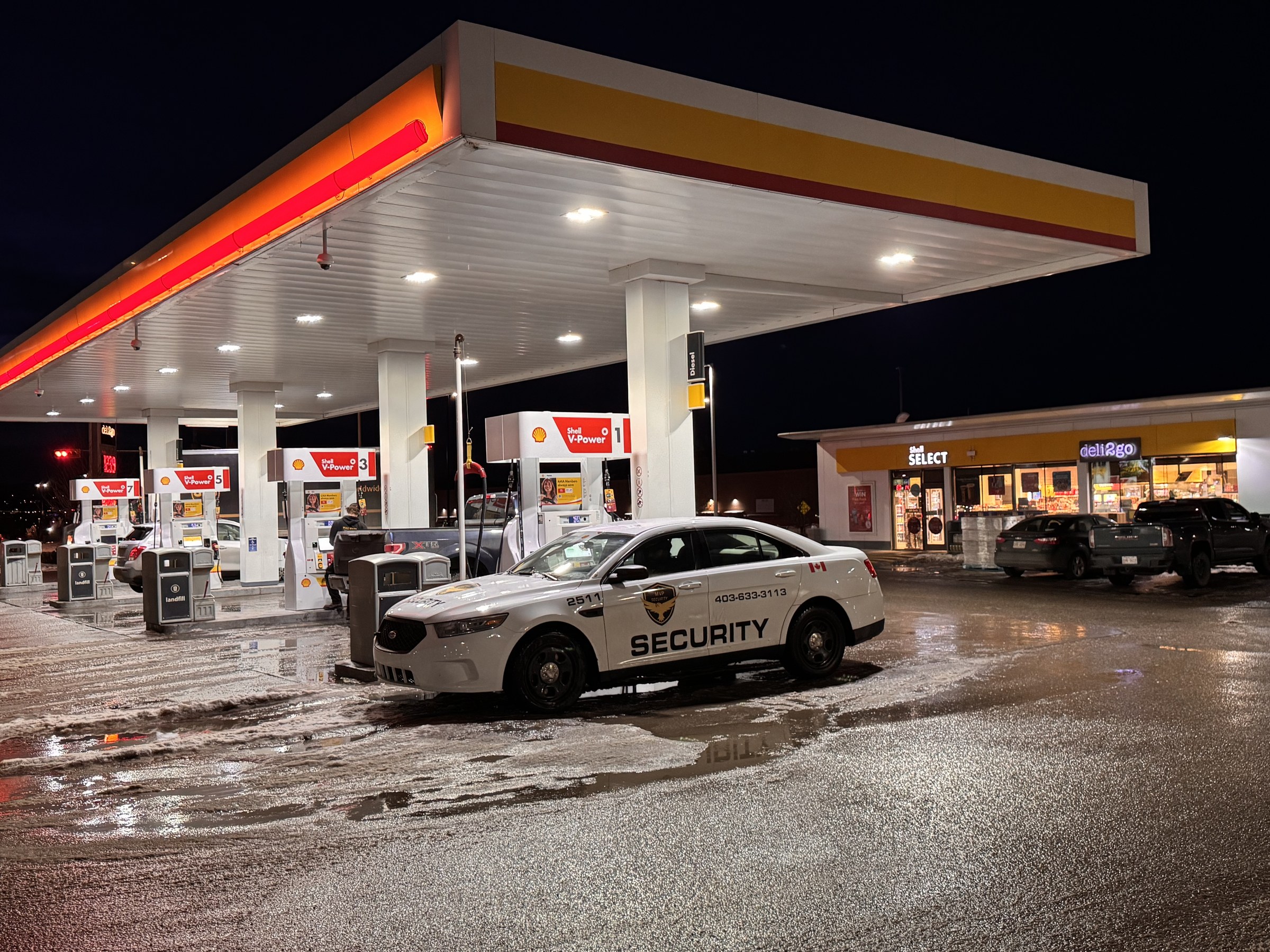
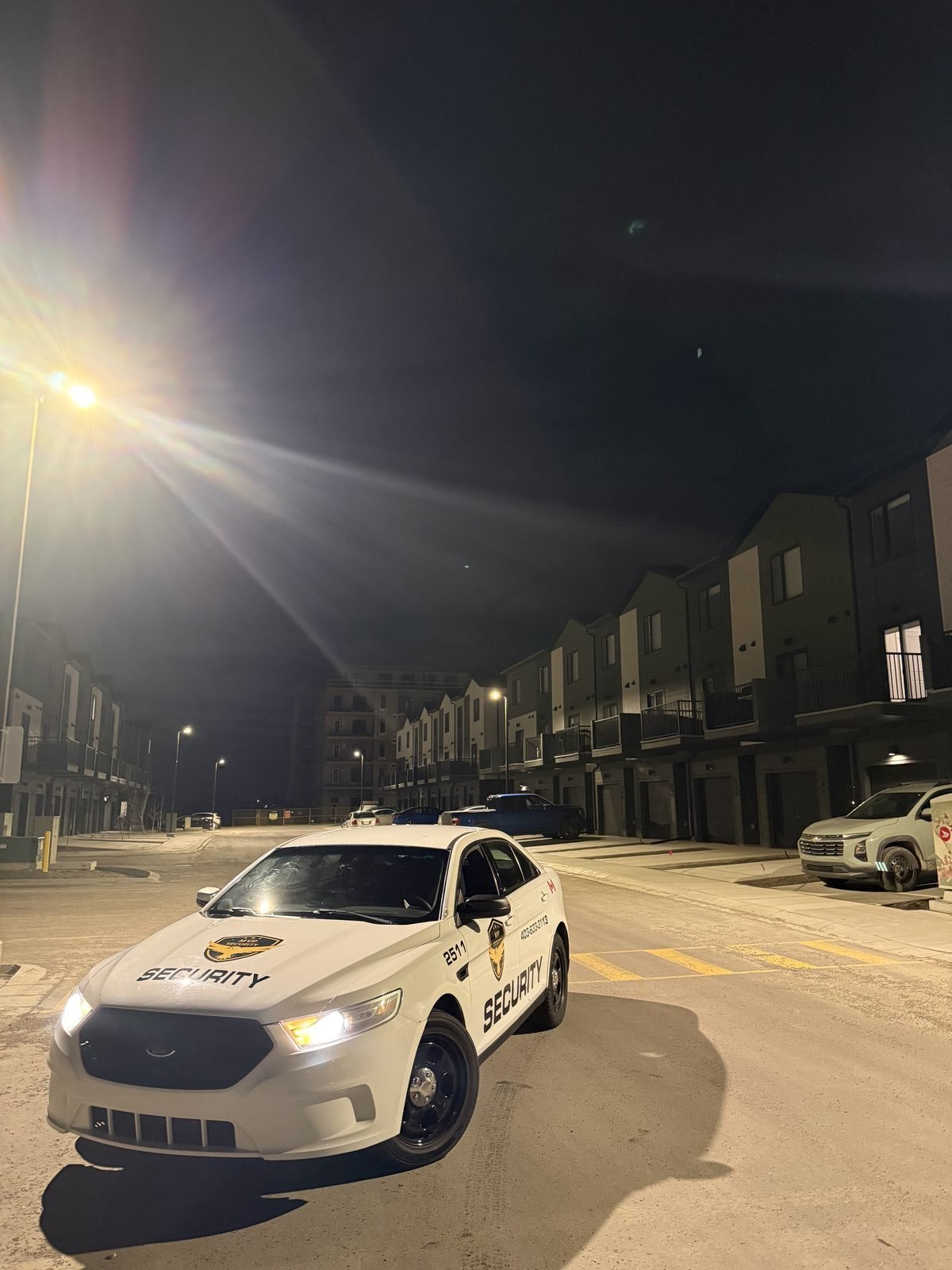
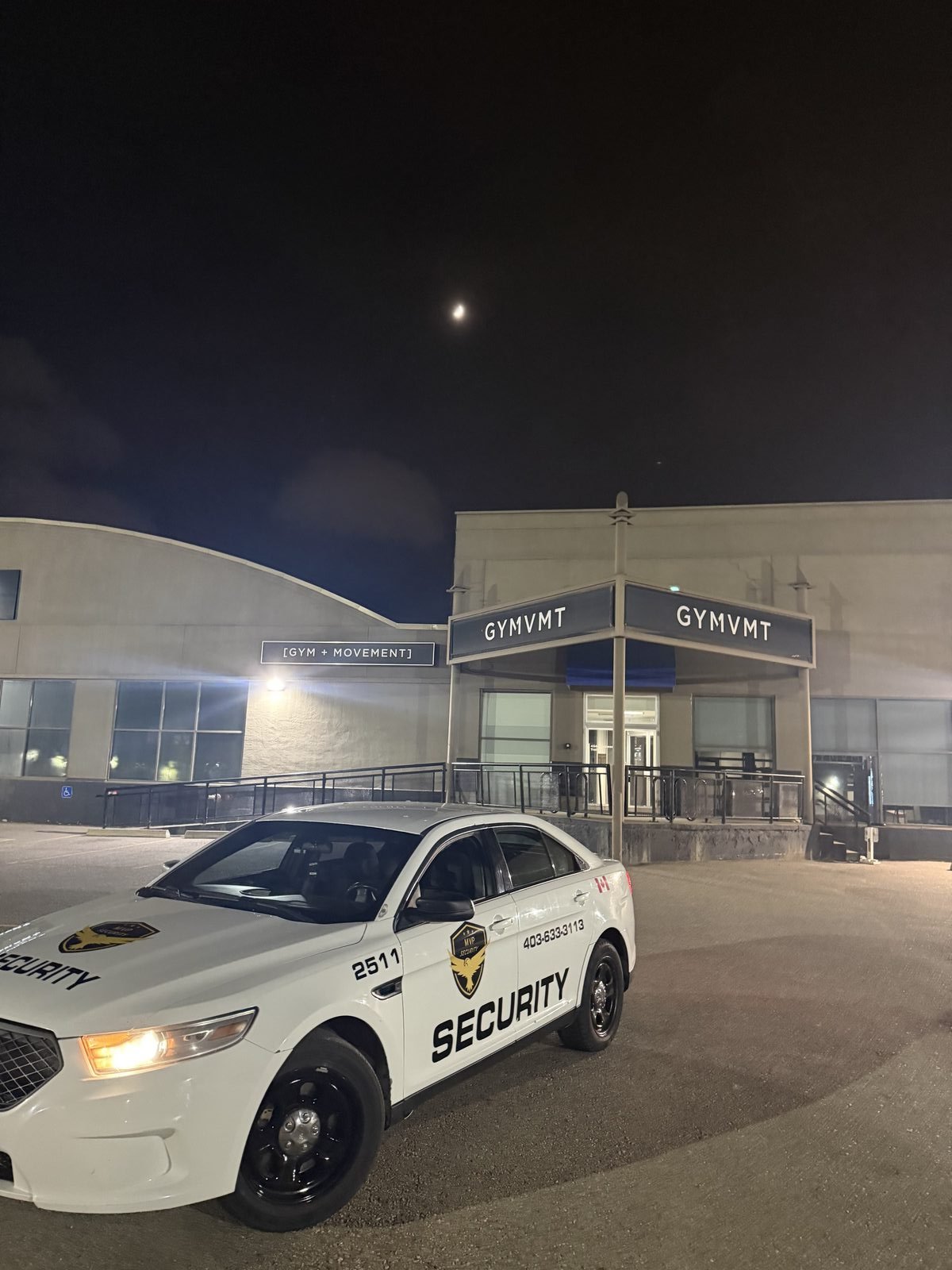
Mobile patrol is often a practical option for commercial properties that are occupied during the day but vulnerable overnight. Patrol officers can complete exterior checks, inspect doors and gates, check parkades and common areas, respond to alarms, and document issues with photos and written reports.
Patrol timing should not be entirely predictable. A building that receives the same check at the same time every night is easier to test. However, clients still need confirmation that service occurred. GPS-tracked patrol activity and time-stamped reporting provide accountability without making the operation routine to outsiders.
Concierge and access control for occupied buildings
Where people move through the property all day, concierge and access control services can reduce both security and operational friction. The officer may receive visitors, issue passes, direct deliveries, monitor cameras, manage lost keys or fobs, and escalate problems to the right building contact.
This is not simply a customer-service role. A properly trained concierge observes patterns, verifies access, protects privacy, and maintains a professional record of incidents. For tenant-facing properties, the officer must be approachable without becoming casual about procedures.
Control Access Before It Becomes an Incident
Most unauthorized entry does not begin with forced entry. It happens when a door is left open, a credential is shared, a contractor is not verified, or someone follows an authorized person through a secure entrance. Physical systems and operating rules need to support each other.
Confirm which entrances are public, tenant-only, staff-only, and emergency-only. Each door should have a clear purpose, functioning hardware, appropriate lighting, and a process for reporting defects. If staff routinely prop open a side entrance because it is convenient, address the reason rather than simply sending reminders. The delivery process, smoking area, garbage access, or employee flow may need to change.
Contractor access also deserves tighter control. Keep a current contact list, require sign-in and sign-out, record keys or fobs issued, and establish who can authorize after-hours work. For higher-risk work, such as renovation, electrical maintenance, or access to sensitive areas, confirm identification and scope before allowing entry.
Access credentials should be removed promptly when employees leave or tenants move out. This basic task is often missed during busy turnover periods, leaving a former employee or vendor with access long after their work has ended.
Treat Alarms and Cameras as Response Tools
CCTV and alarm systems are valuable, but they do not replace a response plan. A camera may capture useful evidence, yet it does not secure an open door or assess whether a person is still on site. An alarm may signal a problem, but its value depends on who receives the signal, who attends, and what happens next.
Document the escalation path for alarm events. Include primary and secondary client contacts, emergency contacts, authority to enter, alarm panel instructions, key or lockbox details, and direction for police, fire, or maintenance callouts. Review the list regularly. Outdated phone numbers and unclear authority can turn a manageable event into a prolonged disruption.
For monitored properties, alarm response should include a site check, an assessment of obvious damage or unsecured access, notification to the designated contact, and a clear written report. If there is evidence of a break-in or immediate danger, the response must follow emergency procedures and preserve the scene for police.
Camera placement matters as well. Coverage should focus on decision points: entrances, exits, loading zones, cash-handling areas, parkade access, equipment yards, and corridors leading to restricted spaces. Poorly positioned cameras often create the appearance of protection while failing to identify faces, vehicles, or the sequence of an incident.
Require Documented, Accountable Guard Operations
A commercial security program needs proof, not vague assurances that someone checked the site. Set expectations for patrol frequency, key checkpoints, incident escalation, report delivery, and supervisor oversight before coverage begins.
Daily activity reports should record meaningful information: doors found unsecured, suspicious persons contacted, maintenance hazards observed, alarm activations, tenant requests, and actions taken. Photo documentation is especially useful for damage, blocked exits, broken locks, graffiti, unsafe conditions, or recurring issues that require property management follow-up.
The quality of the report is a useful indicator of the quality of service. A one-line note that everything was fine gives little assurance. A factual record showing where officers attended, what they observed, and who was notified gives managers the information needed to make decisions and address liability concerns.
In Alberta, confirm that guards are properly licensed and that the provider carries appropriate insurance. Security officers should understand their site instructions, limits of authority, communication requirements, and emergency response procedures. A visible presence only helps if the officer is prepared to act professionally when a situation changes.
Set a Budget That Protects the Right Things
The lowest quote can become expensive if it creates unreliable attendance, weak reporting, or untrained coverage. At the same time, not every building needs a guard on site around the clock. The practical question is where a security presence has the greatest effect.
A property with frequent overnight trespassing may need mobile patrols and alarm response. A busy lobby with visitor-management concerns may need daytime concierge coverage. A building undergoing renovation may require targeted construction site security to protect tools, materials, temporary access points, and vacant areas. Coverage can also be increased temporarily during tenant turnover, holidays, special events, or periods of elevated risk.
Ask a prospective provider how they handle short-notice absences, emergency deployment, supervisor checks, report delivery, and incident escalation. Those operational details matter more than broad promises. Local capacity is particularly important when a property needs a rapid response in Calgary, Airdrie, Cochrane, Chestermere, Okotoks, or High River.
Review the Plan When Conditions Change
Security plans should change with the property. A new tenant, renovation project, recurring vandalism issue, change in operating hours, or failed access-control system can create new exposures quickly. Review incidents monthly, even when they seem minor, and look for patterns in location, time, and method.
MVP Security Inc. builds site-specific programs around those practical details, including licensed guard coverage, mobile patrol, concierge services, alarm response, and documented reporting. The goal is not to add security for appearance's sake. It is to place trained people and reliable procedures where they can prevent loss, support tenants, and respond when the building needs help.
The most useful next step is to walk your property after hours as if you were trying to enter without permission. The doors, sightlines, habits, and unanswered alarms you notice will tell you where to begin.