







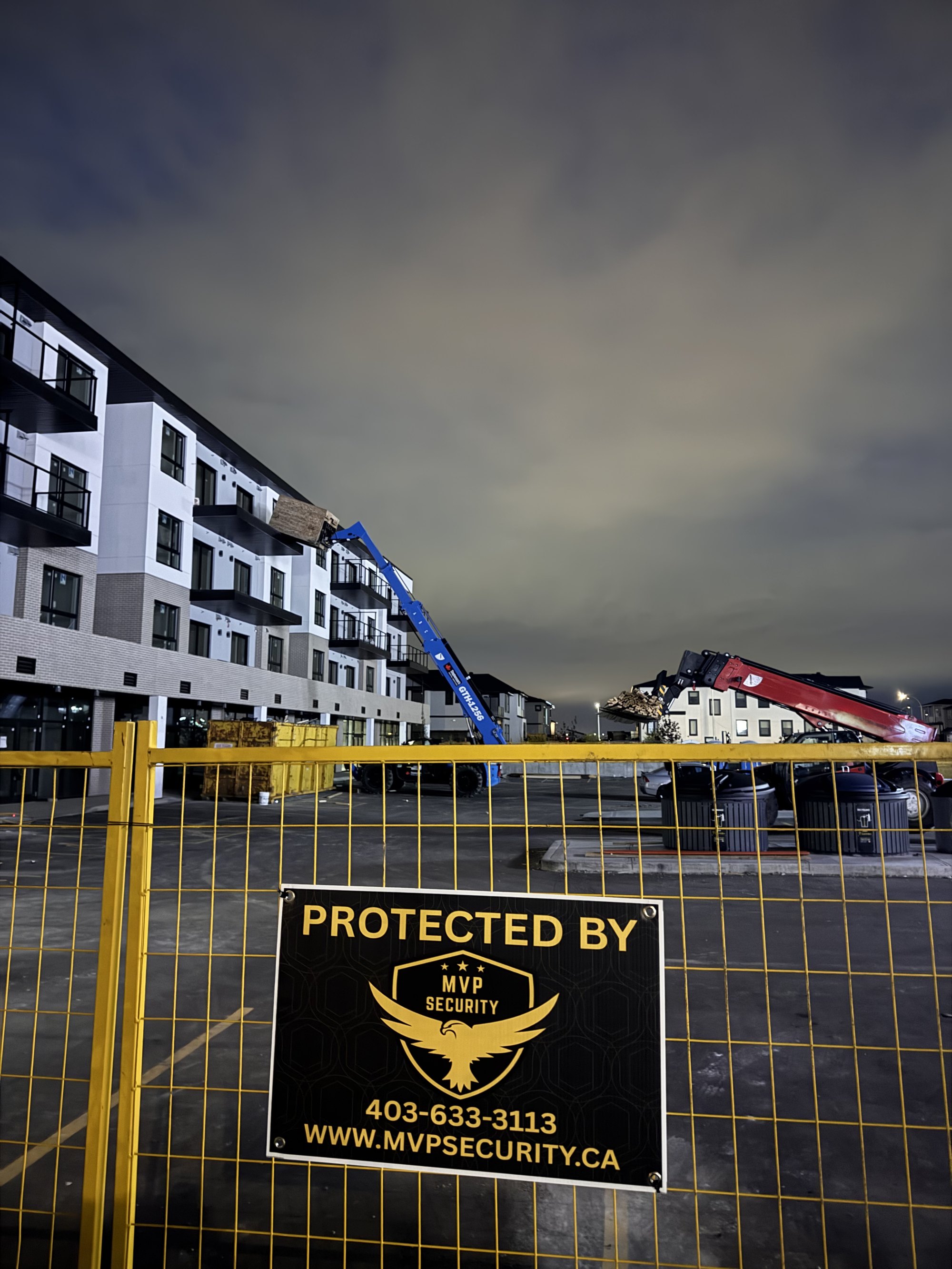
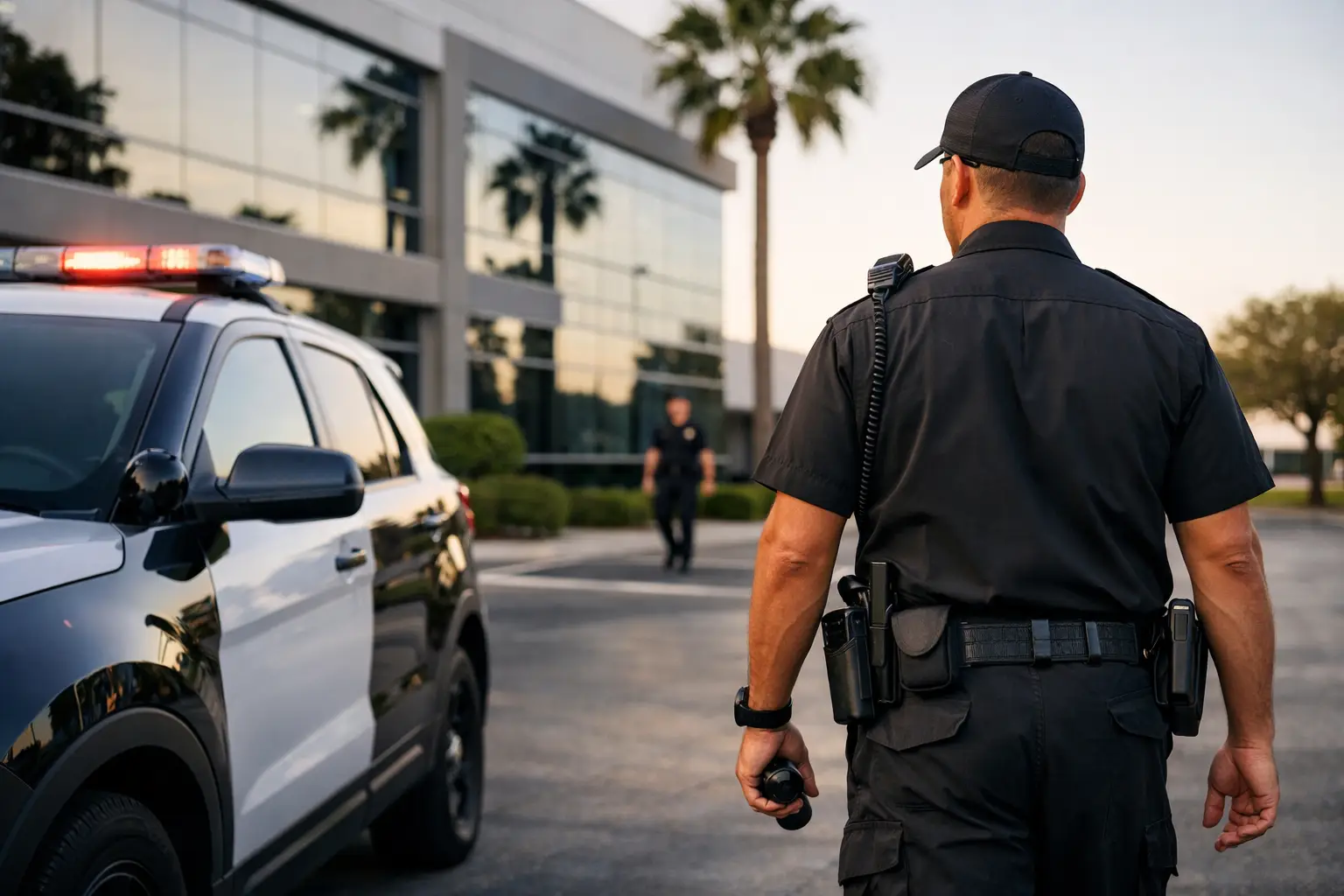
A broken gate at 2:10 a.m., an alarm signal at a retail plaza before opening, fresh footprints around a fenced construction site after midnight - these are the moments when property risk stops being theoretical. Commercial mobile patrol services are built for exactly this kind of gap: when a site needs visible security presence, rapid response, and documented checks, but not always a full-time guard posted in one spot.
For many Calgary-area properties, mobile patrol is the practical middle ground between doing nothing and paying for continuous on-site coverage. It gives owners, managers, and supervisors a way to put trained, licensed security in motion across a site or across multiple sites, based on actual risk, operating hours, and budget.
What commercial mobile patrol services actually do
Mobile patrol is not just a vehicle driving through a parking lot once in a while. When the service is properly structured, it is a defined security program that includes scheduled patrols, random attendance, lock and unlock checks, alarm response, exterior and interior inspections where authorized, and incident reporting with time-stamped documentation.
That matters because most property issues are not constant - they are intermittent. Unauthorized access often happens after hours. Vandalism tends to target blind spots and predictable downtime. Loitering, trespassing, and suspicious activity often increase when staff leave and the site appears unmonitored. A mobile unit addresses these patterns by creating visible unpredictability and by giving someone responsibility for checking the site when your own team is gone.
In a commercial setting, patrol officers may inspect doors, gates, loading areas, parkades, rooftops, common areas, and perimeter fencing. If they find a problem, they do more than note it. They follow post orders, contact designated site representatives, coordinate emergency services if needed, and document what happened clearly enough for management to act on it the next day.
Where commercial mobile patrol services fit best
Not every property needs the same level of coverage. That is why commercial mobile patrol services work well across a wide range of environments.
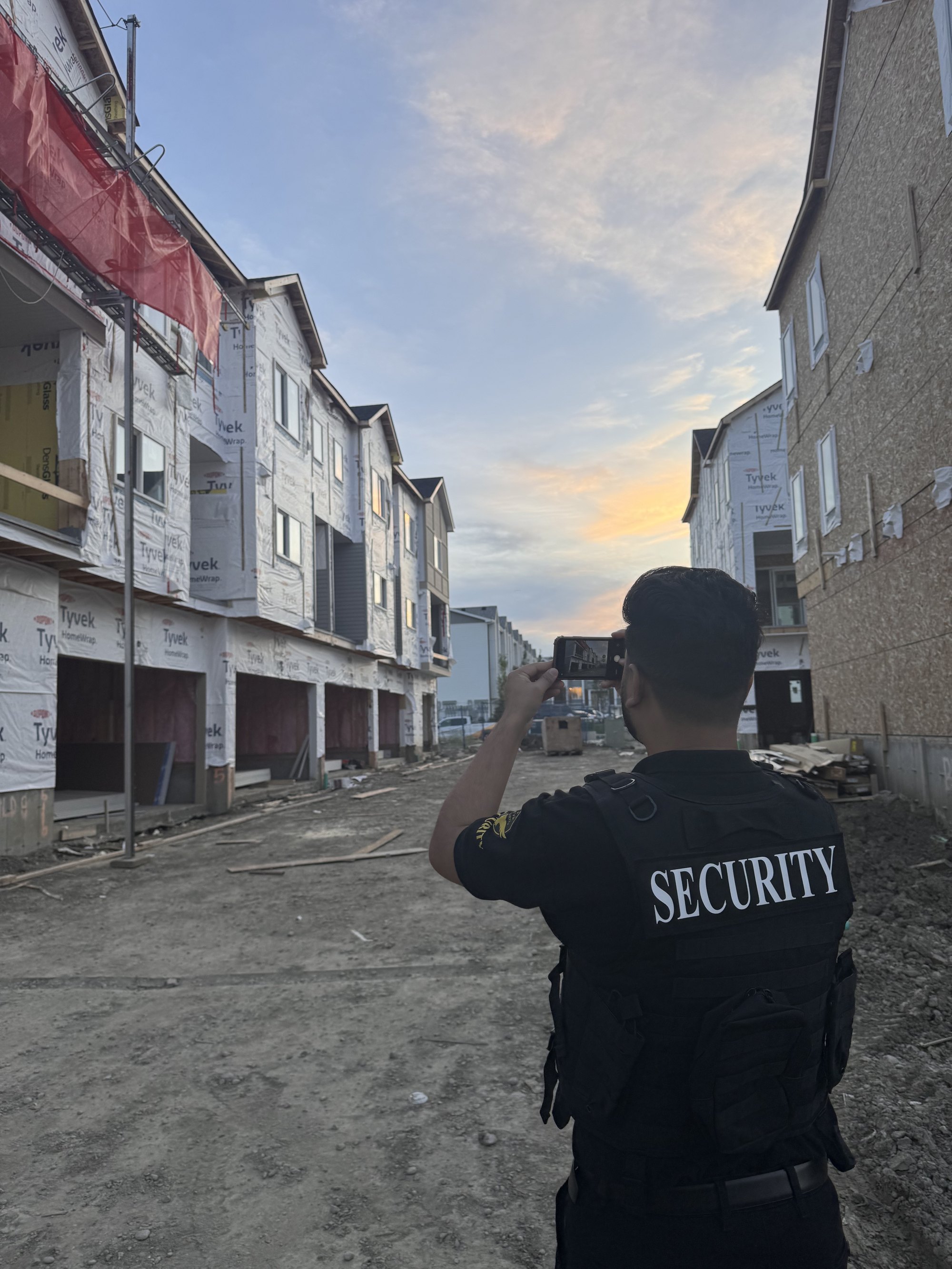
Retail centres often use patrols to deal with after-hours trespassing, suspicious vehicles, graffiti, and alarm follow-up. Office buildings use them for perimeter checks, access control verification, and parkade monitoring during evenings and weekends. Construction sites rely on patrols to deter copper theft, equipment tampering, and unauthorized entry, especially when material deliveries and site layouts change from week to week.
Industrial yards, warehouses, and mixed-use developments also benefit because they tend to have multiple access points and periods of low occupancy. In those settings, a mobile unit can cover more ground than a static presence placed at one entrance.
There is a trade-off, though. A mobile patrol is not a replacement for a dedicated on-site guard in every situation. If your site has constant public traffic, frequent confrontations, strict access management, or ongoing life-safety duties, a static guard or concierge-style post may be the better fit. Patrol is strongest when the need is broad coverage, periodic inspection, and fast response rather than continuous face-to-face supervision.
Why visible patrol presence still matters
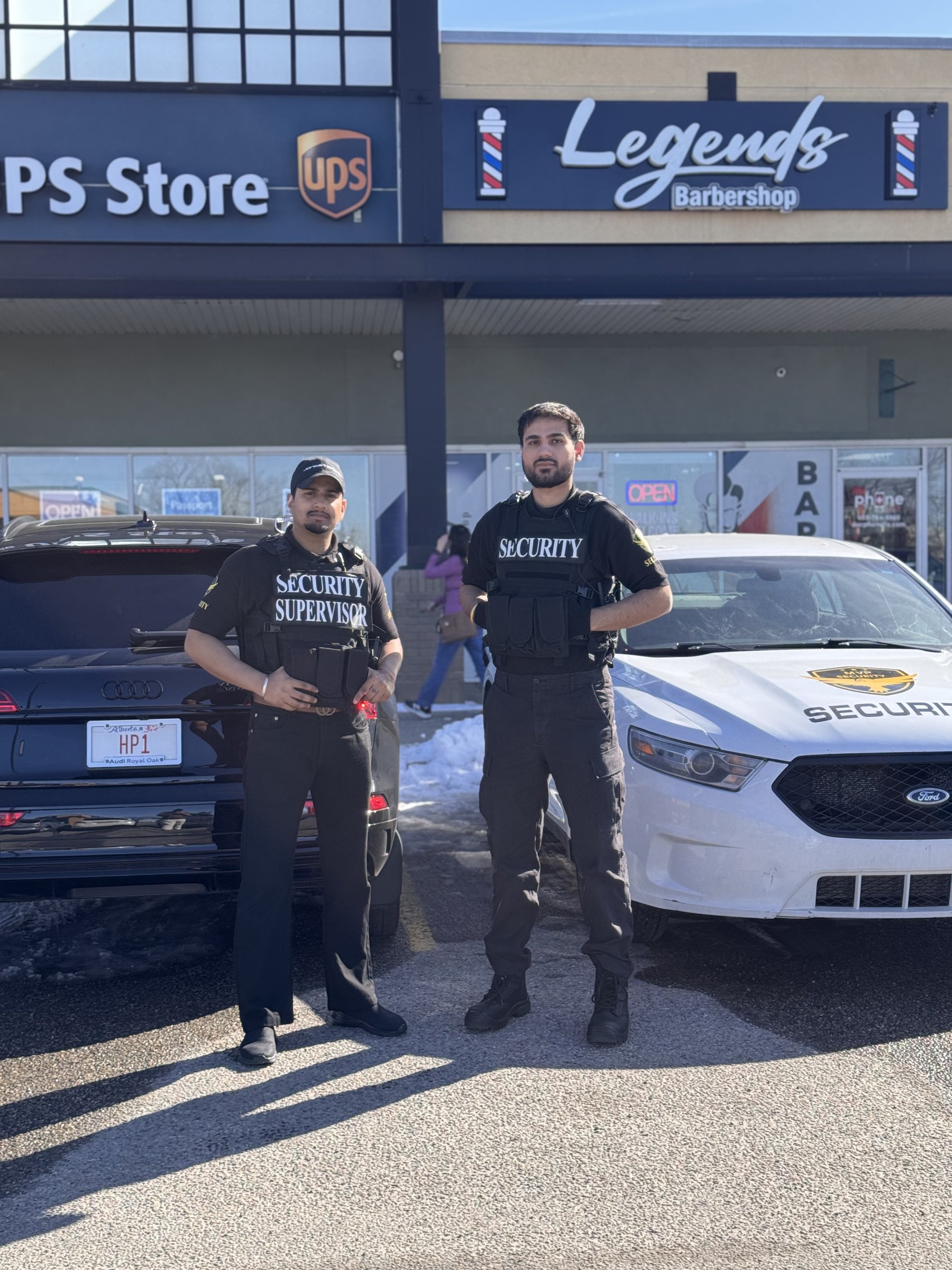
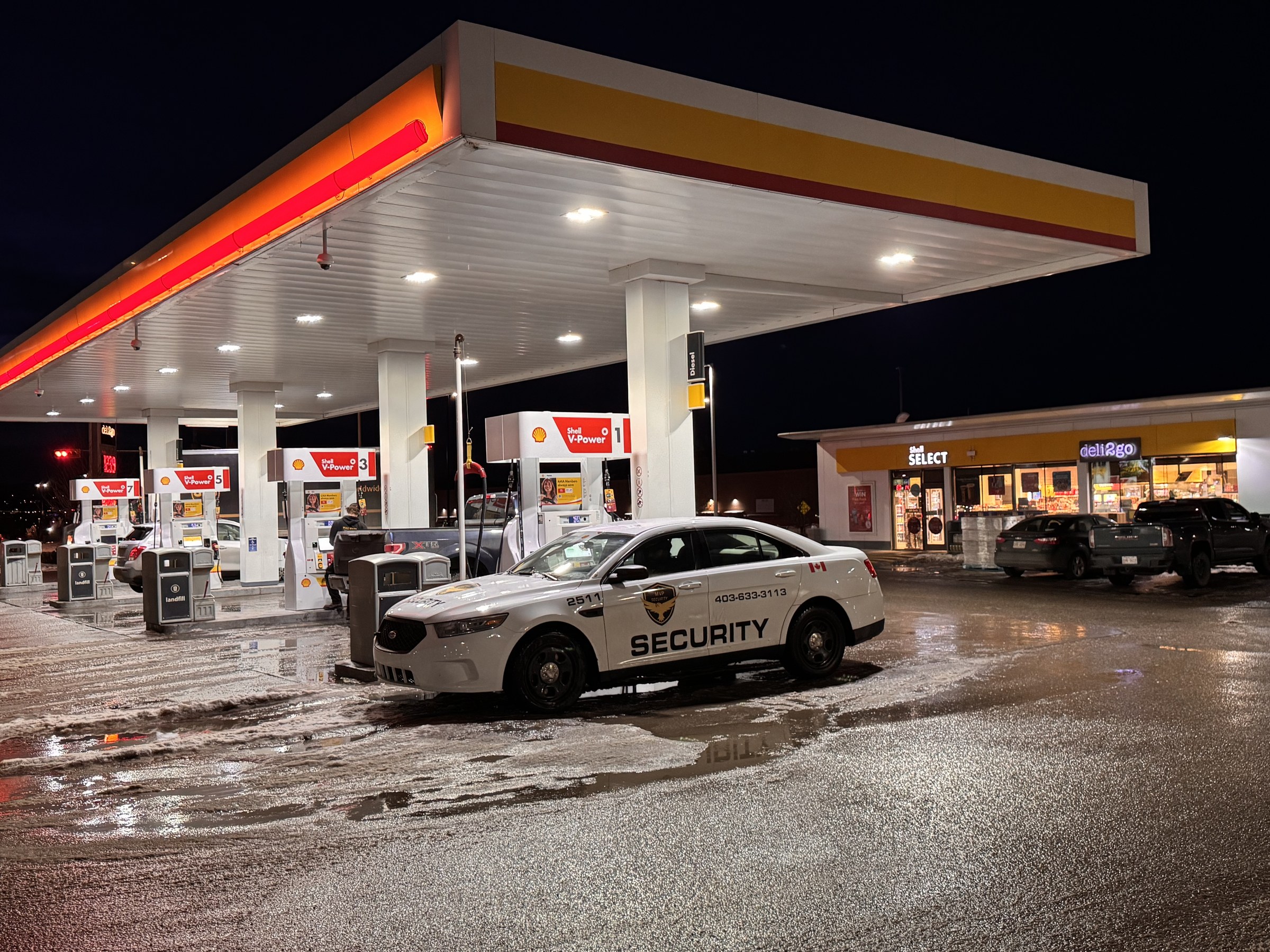
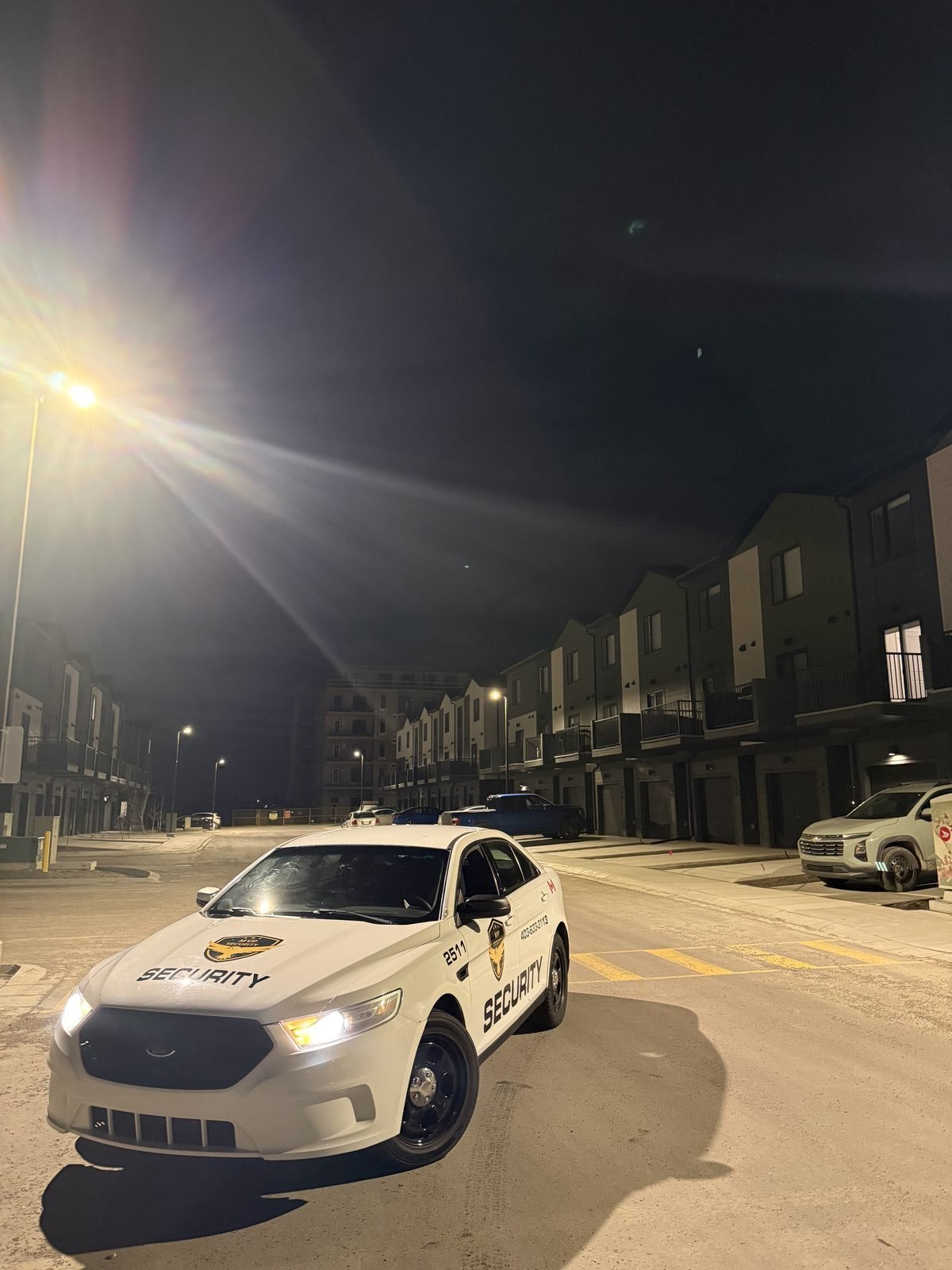
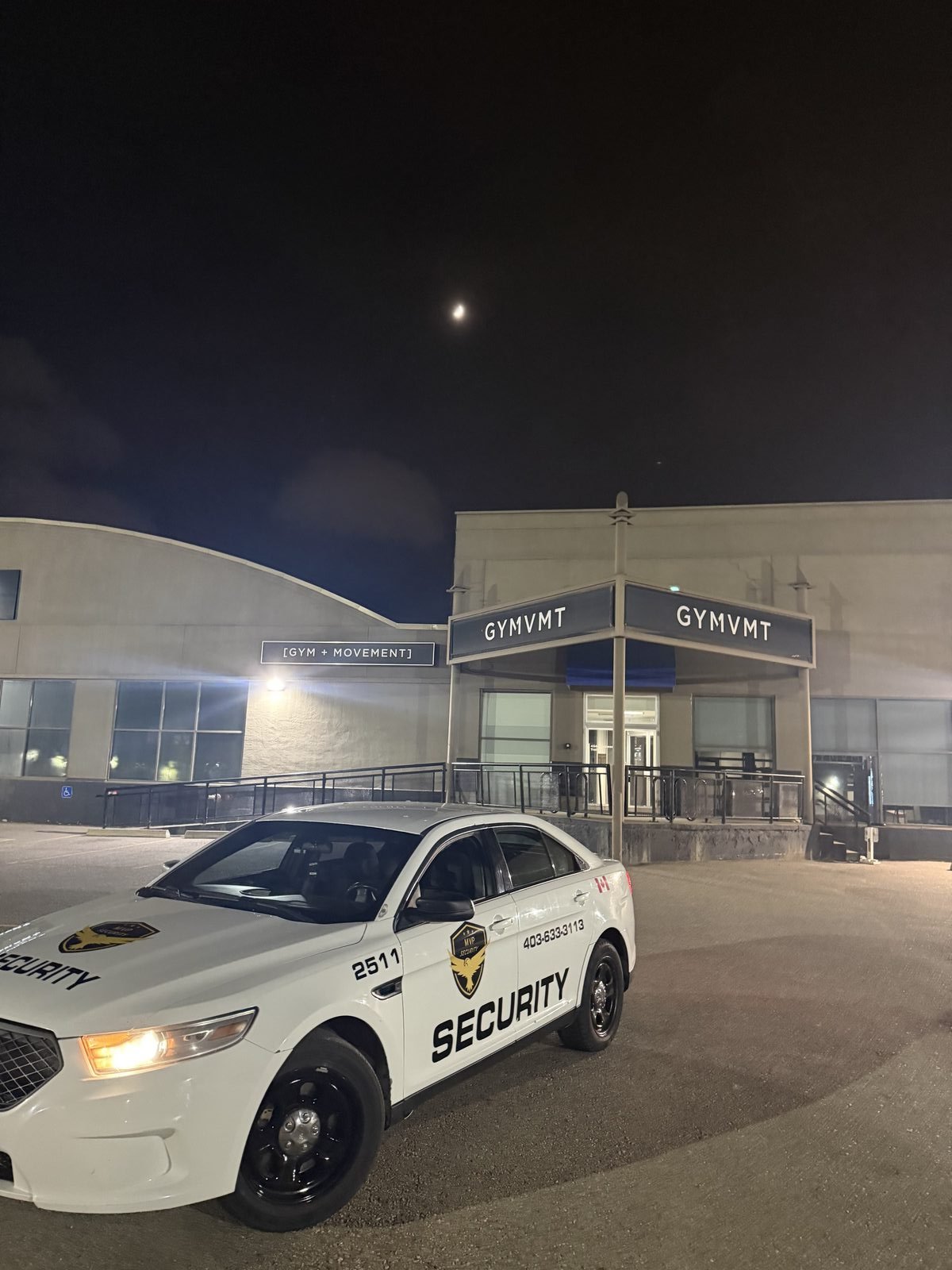
A lot of property damage is opportunistic. The person checking car doors in a lot, testing a side entrance, or looking for unsecured tools usually wants an easy target. A marked patrol vehicle, a licensed uniformed guard, and a pattern of documented checks change that calculation quickly.
Visible deterrence is one of the most practical reasons clients choose patrol services. Cameras can record an event, but they do not question a trespasser, secure a breached door, or meet police or fire crews at the gate. Remote monitoring has value, but when something needs physical attendance, there is no substitute for a trained officer arriving on site.
The strongest patrol programs combine deterrence with accountability. GPS-tracked activity, patrol logs, incident reports, and photo documentation give managers proof that checks happened and make it easier to identify repeat vulnerabilities. That level of reporting is especially useful for commercial landlords, builders, and operations teams who need records for tenants, insurers, or internal review.
What to look for in a patrol provider
The quality of mobile patrol depends less on the vehicle and more on the operation behind it. A provider should be able to explain how dispatch works, how patrol routes are assigned, what happens during alarm response, how incidents are escalated, and how reports are delivered.
Licensing and insurance are the baseline, not a bonus. In Alberta, guards must be properly licensed, and clients should expect professional standards around training, conduct, and documentation. Beyond that, response capacity matters. If your site is in Calgary, Airdrie, Cochrane, Chestermere, Okotoks, or High River, the provider should already have operational coverage in those areas instead of trying to service them from too far away.
Local familiarity has real value. A patrol officer who knows the area, common access points, local traffic patterns, and the difference between routine activity and suspicious behaviour is more useful than someone following a generic checklist. Fast dispatch also depends on local deployment. When an alarm goes off or a gate is found open, minutes matter.
A good provider should also ask detailed questions before recommending a schedule. If the proposal is identical for a retail plaza, condo parkade, and active construction site, the service probably is not being tailored properly.
How patrol schedules should be designed
The right patrol plan starts with timing. When is the site most exposed? For some properties, that is overnight. For others, it is the period between tenant closing and cleaning crews arriving, or weekends when management is off site.
Frequency matters, but predictability can work against you. A schedule that always places a patrol car at 11:00 p.m. and 2:00 a.m. becomes easy to read. Randomized attendance within defined windows is often more effective for deterrence because it removes routine from the offender's side of the equation.
The scope of each patrol also needs to be clear. Are officers checking only the exterior, or are interior common areas included? Are lock and unlock services part of the assignment? Should the guard verify mechanical rooms, loading bays, or temporary fencing? Clarity on these details avoids gaps and gives both parties a measurable standard.
Budget is part of the conversation as well. Some clients need nightly patrols with alarm response built in. Others need temporary support during a vacancy, a labour disruption, a renovation period, or after a rise in incidents. Good service planning accounts for risk without overselling coverage that the site does not need.
Reporting is where accountability shows up
For decision-makers, the patrol itself is only half the service. The other half is knowing what was checked, what was found, and what action was taken.
Clear reporting should include patrol times, observations, incidents, photos where appropriate, and any follow-up completed on site. If a door was unsecured, the report should state whether it was re-secured, who was notified, and whether there were signs of forced entry. If suspicious persons were asked to leave, management should know where, when, and how the interaction was handled.
This documentation helps with more than peace of mind. It supports maintenance follow-up, tenant communication, insurance discussions, and internal risk decisions. Over time, it also shows patterns. Repeated fence breaches, recurring parkade loitering, or frequent after-hours access issues point to problems that need more than one-off attendance.
That is one reason many commercial clients prefer patrol teams with GPS-tracked activity and photo-documented reports. The service becomes easier to verify, easier to manage, and easier to adjust when the site changes.
Commercial mobile patrol services in Calgary need local execution
Security coverage in Calgary and surrounding communities is not one-size-fits-all. A downtown office property, a suburban shopping centre, and a build site on the edge of a growing municipality all present different exposure, different access challenges, and different response expectations.
That is where a local operator has an advantage. Commercial mobile patrol services are most effective when dispatch, guard deployment, and reporting all reflect the realities of the region. Weather, travel time, municipal layout, and after-hours activity patterns all affect how quickly a patrol unit can arrive and what the officer is likely to encounter.
For buyers comparing providers, the practical questions are usually the right ones. How fast can a unit attend? Are guards Alberta licensed? Is activity documented with GPS and incident reports? Can the schedule be adjusted quickly if the site risk changes? Can coverage start on short notice if there is a sudden gap? Those answers tell you far more than broad safety claims.
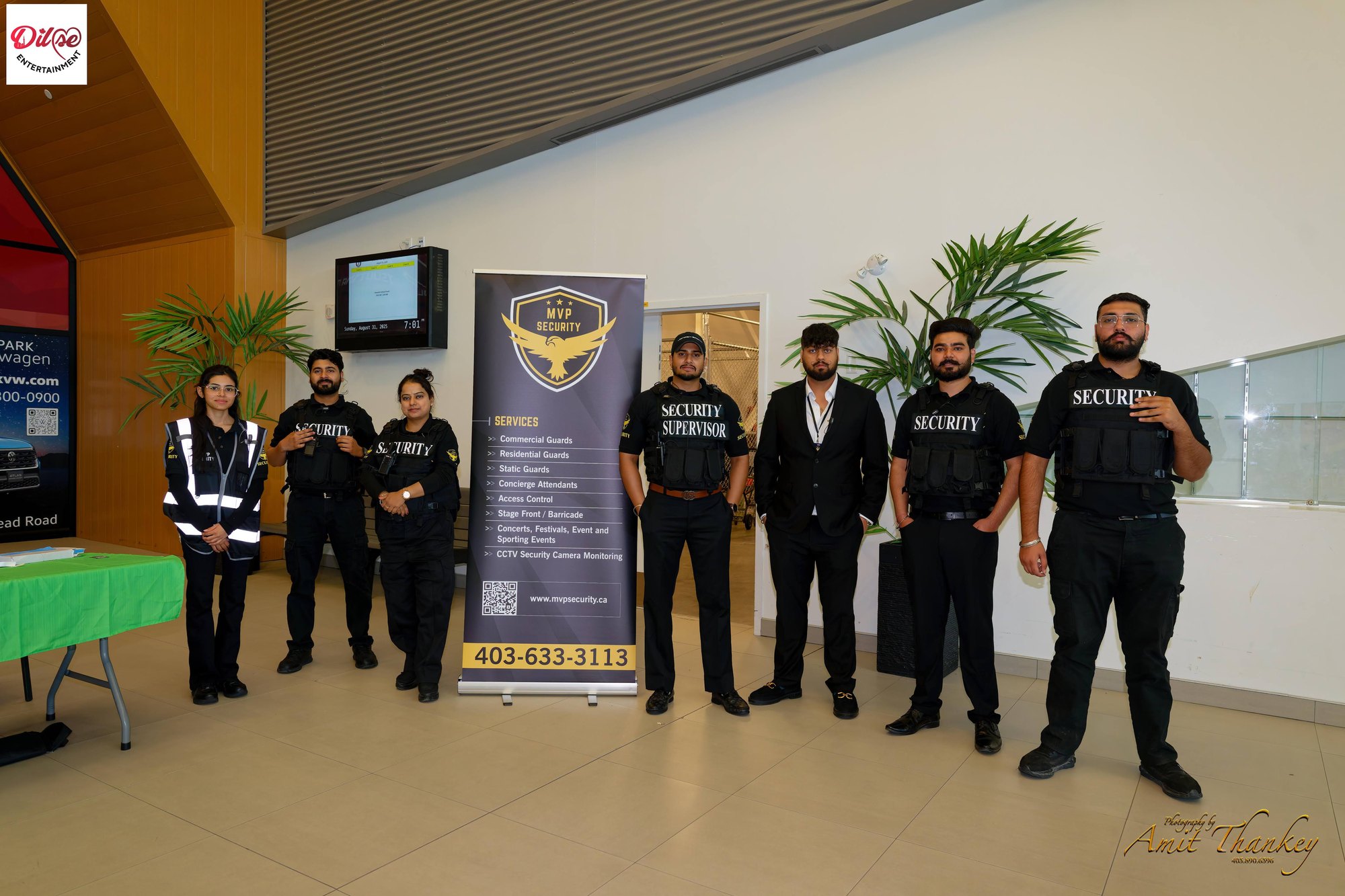
MVP Security Inc. is built around that kind of local, accountable service model - with licensed guards, 24/7 availability, and patrol programs shaped around actual site conditions instead of generic packages.
If your property has recurring after-hours issues, unreliable previous coverage, or a risk profile that does not justify a full-time posted guard, mobile patrol is often the most efficient step forward. The best program is the one that matches your site as it really operates, not as it looks on paper.