









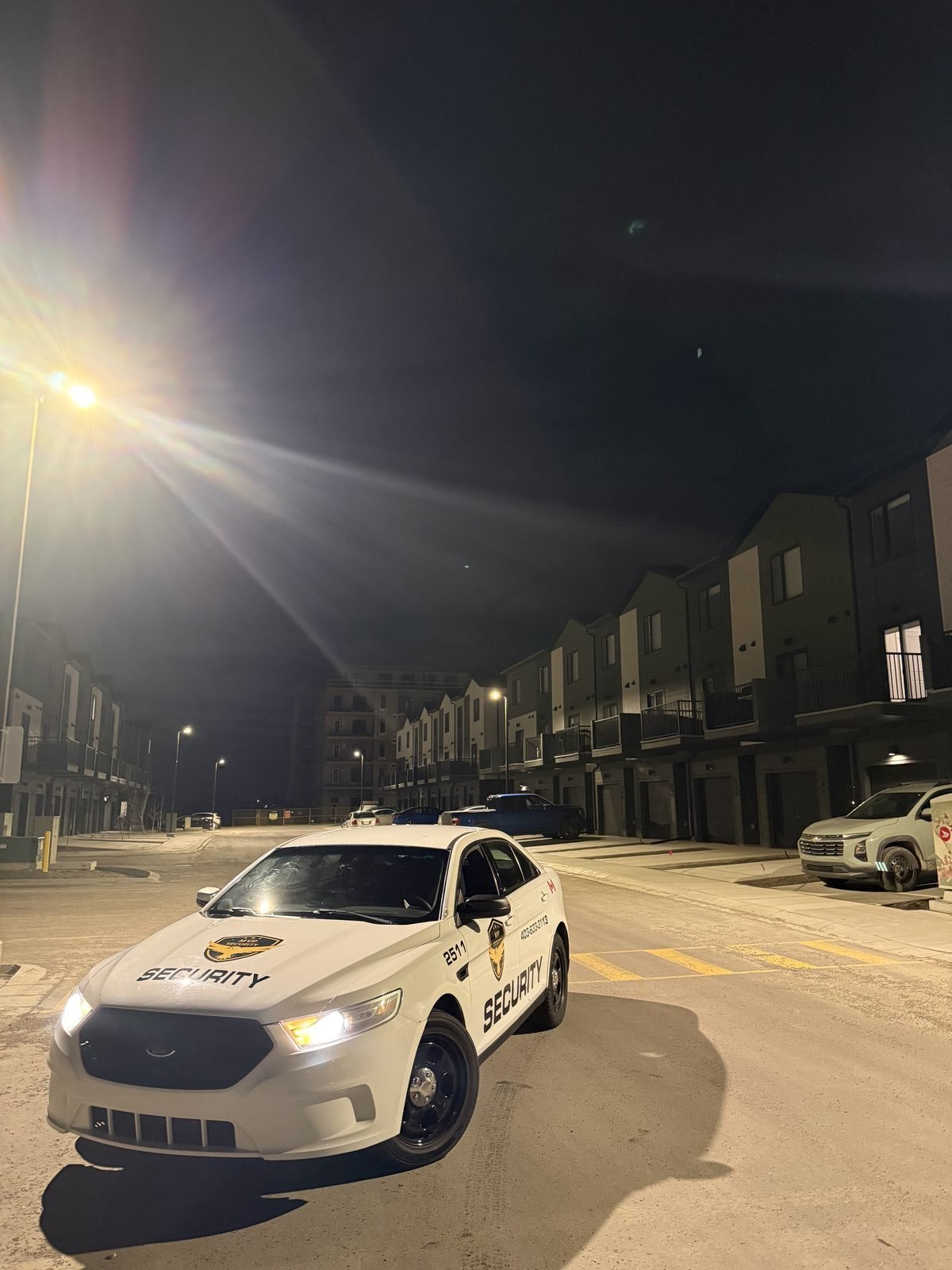
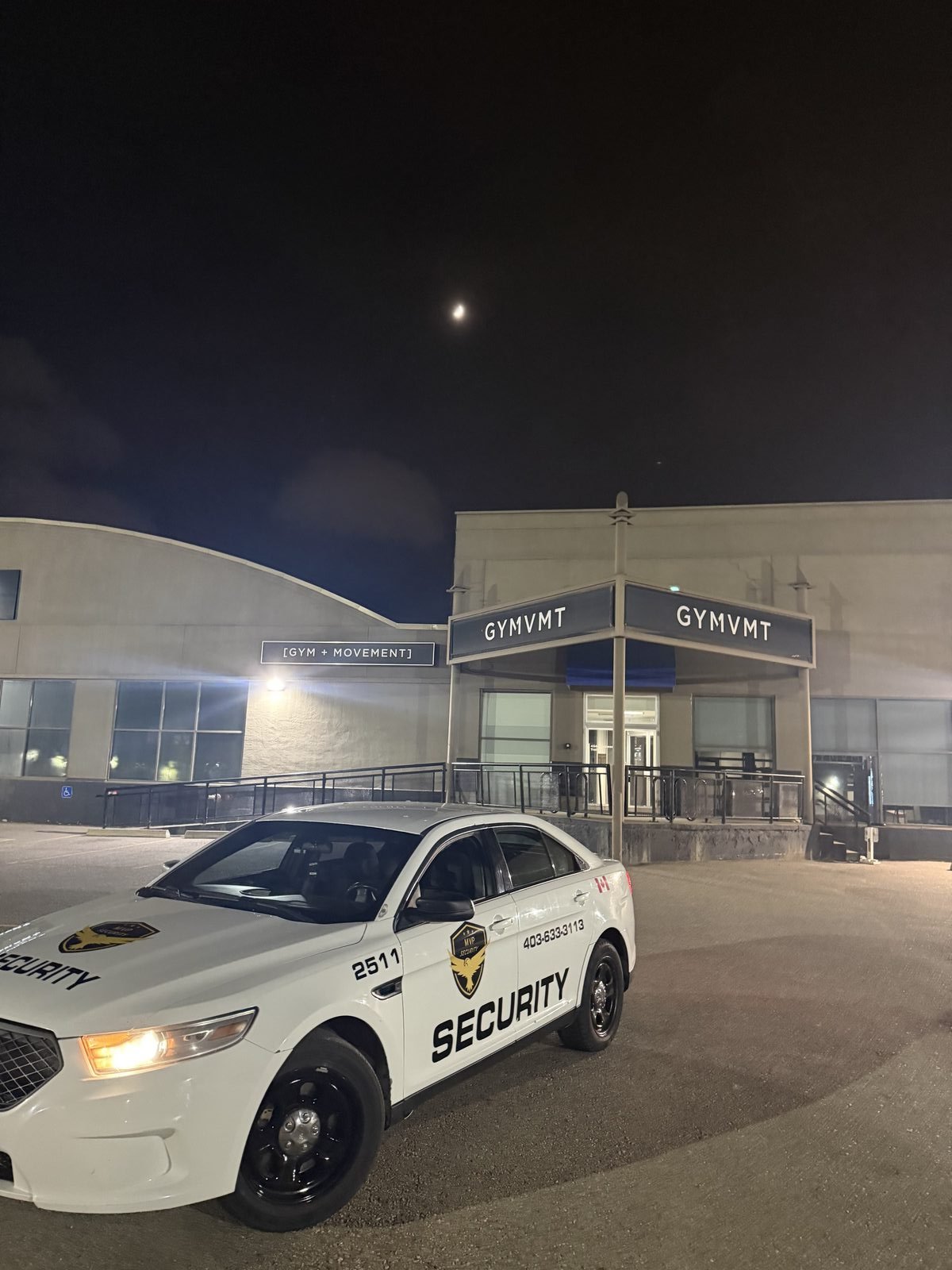
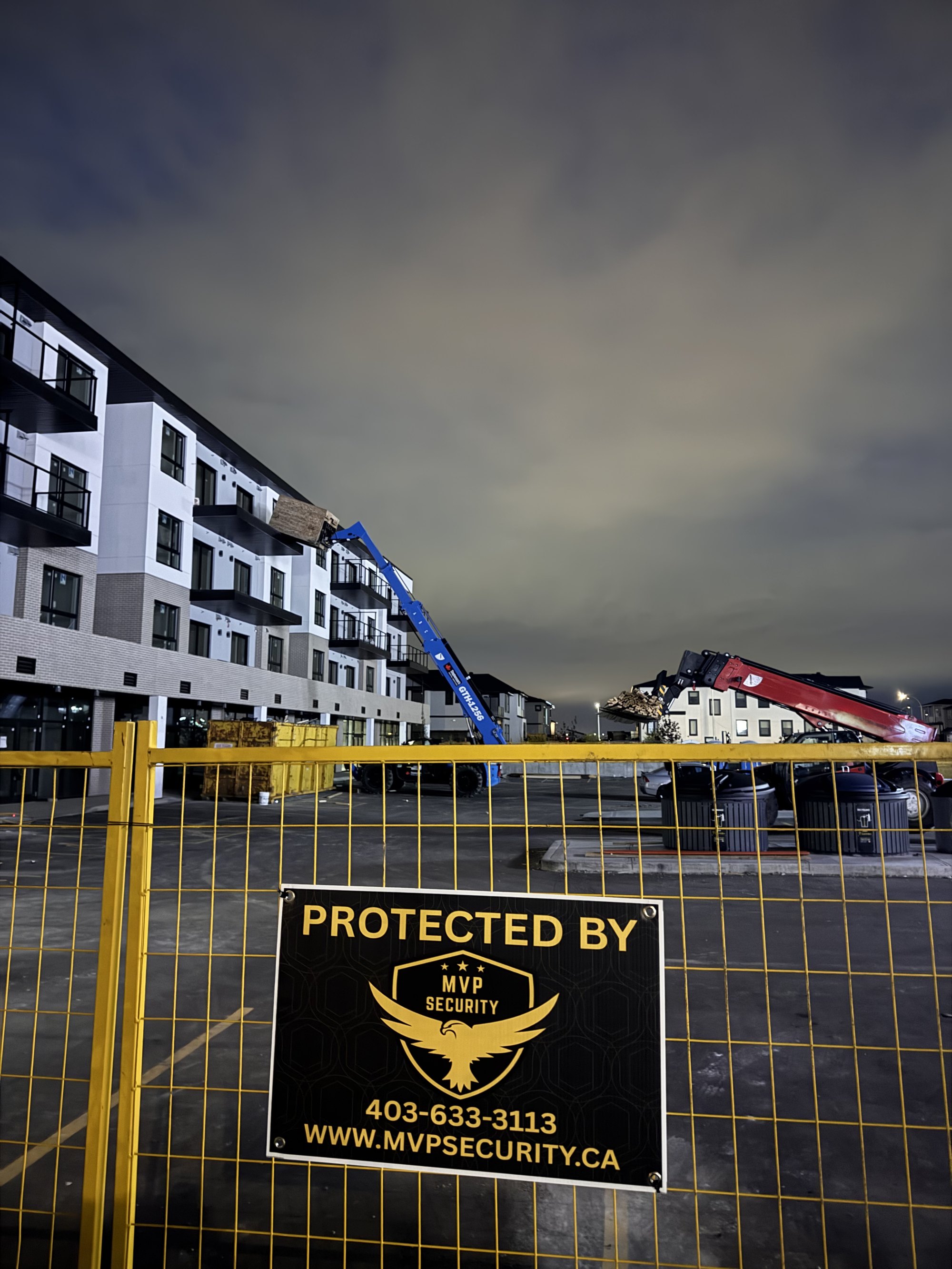

A broken vestibule door at 2:10 a.m., a repeat trespass issue behind a retail plaza, an alarm that keeps clearing before anyone arrives - this is where commercial property security Calgary decisions stop being theoretical. For property managers, owners, and operators, the question is not whether security matters. It is whether the coverage in place actually matches the way the site is used, the hours it is vulnerable, and the risks that create real cost.
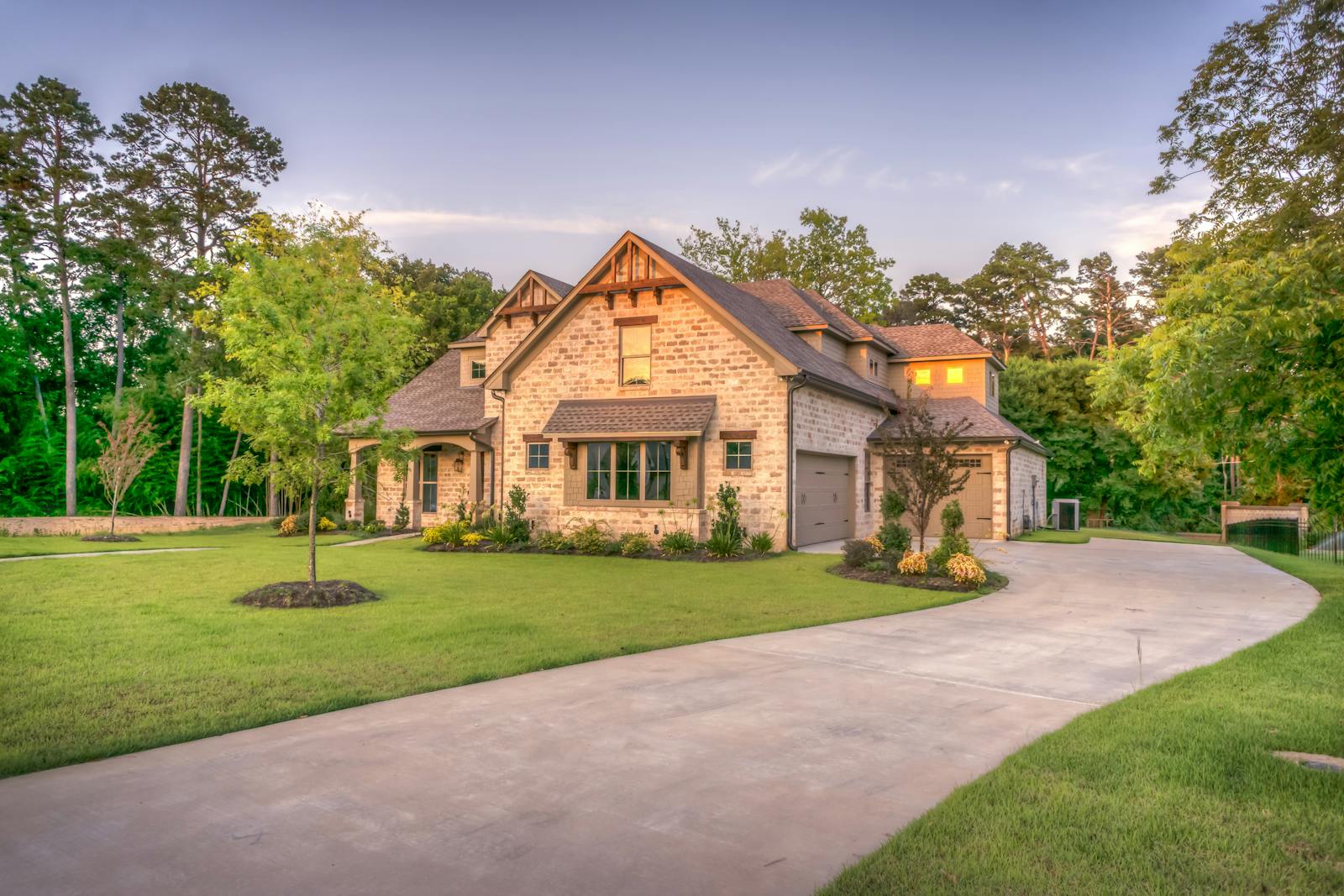
Commercial properties in Calgary face a wide range of security pressures. Downtown office buildings deal with after-hours access control, parkades, and tenant safety concerns. Retail centres face shoplifting, loitering, vandalism, and loading dock issues. Industrial and mixed-use sites often need perimeter checks, gate monitoring, and quick response to alarms or suspicious activity. The right security plan depends less on broad promises and more on site conditions, timing, and accountability.
What commercial property security in Calgary actually needs to cover
A commercial property rarely has just one problem to solve. In many cases, there is a visible concern such as trespassing or vandalism, but the deeper issue is inconsistent control over who is on site, when incidents are noticed, and how they are documented. A property can have cameras, alarms, and decent lighting and still have recurring incidents if no one is assigned to intervene quickly and consistently.
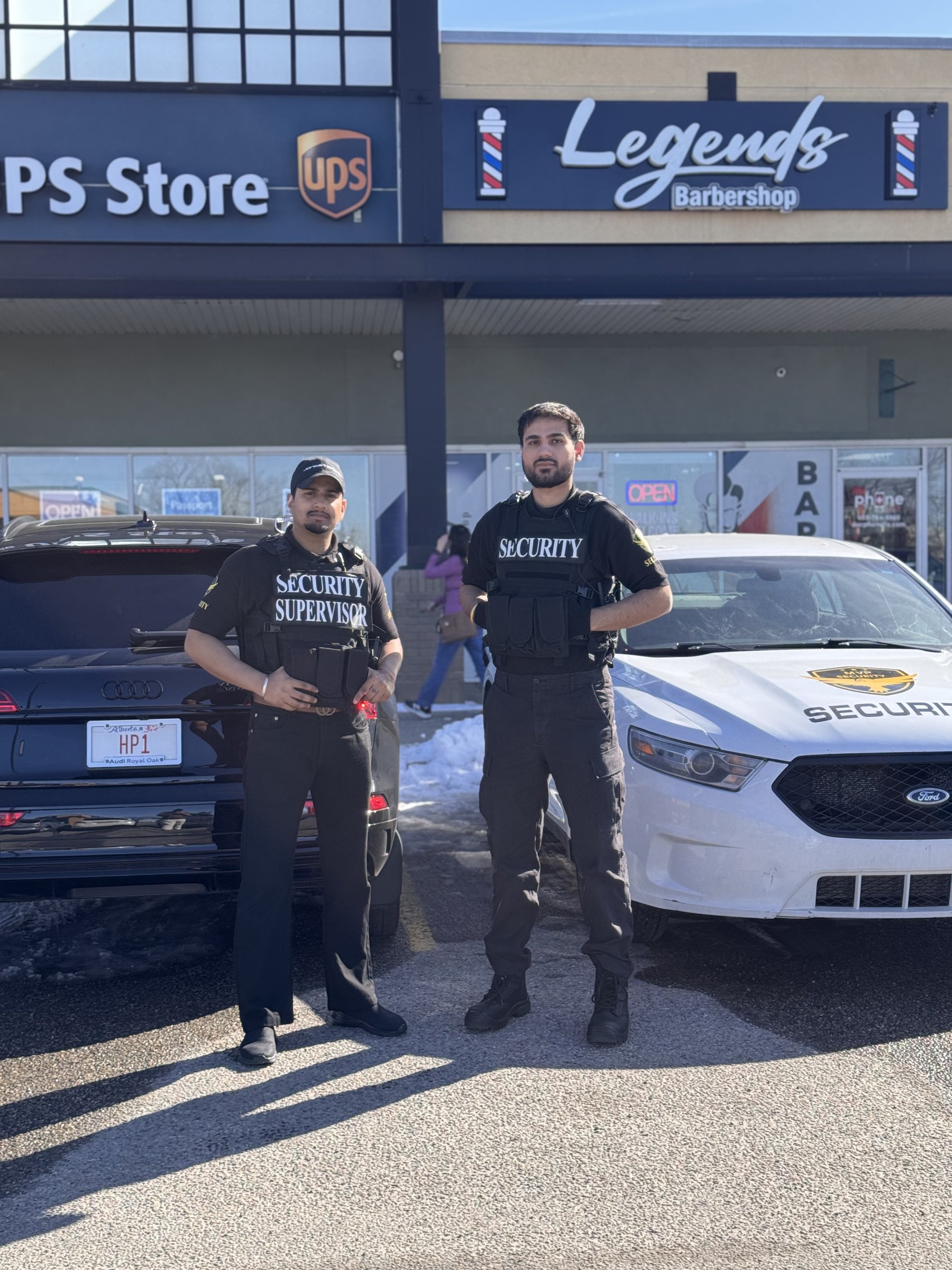
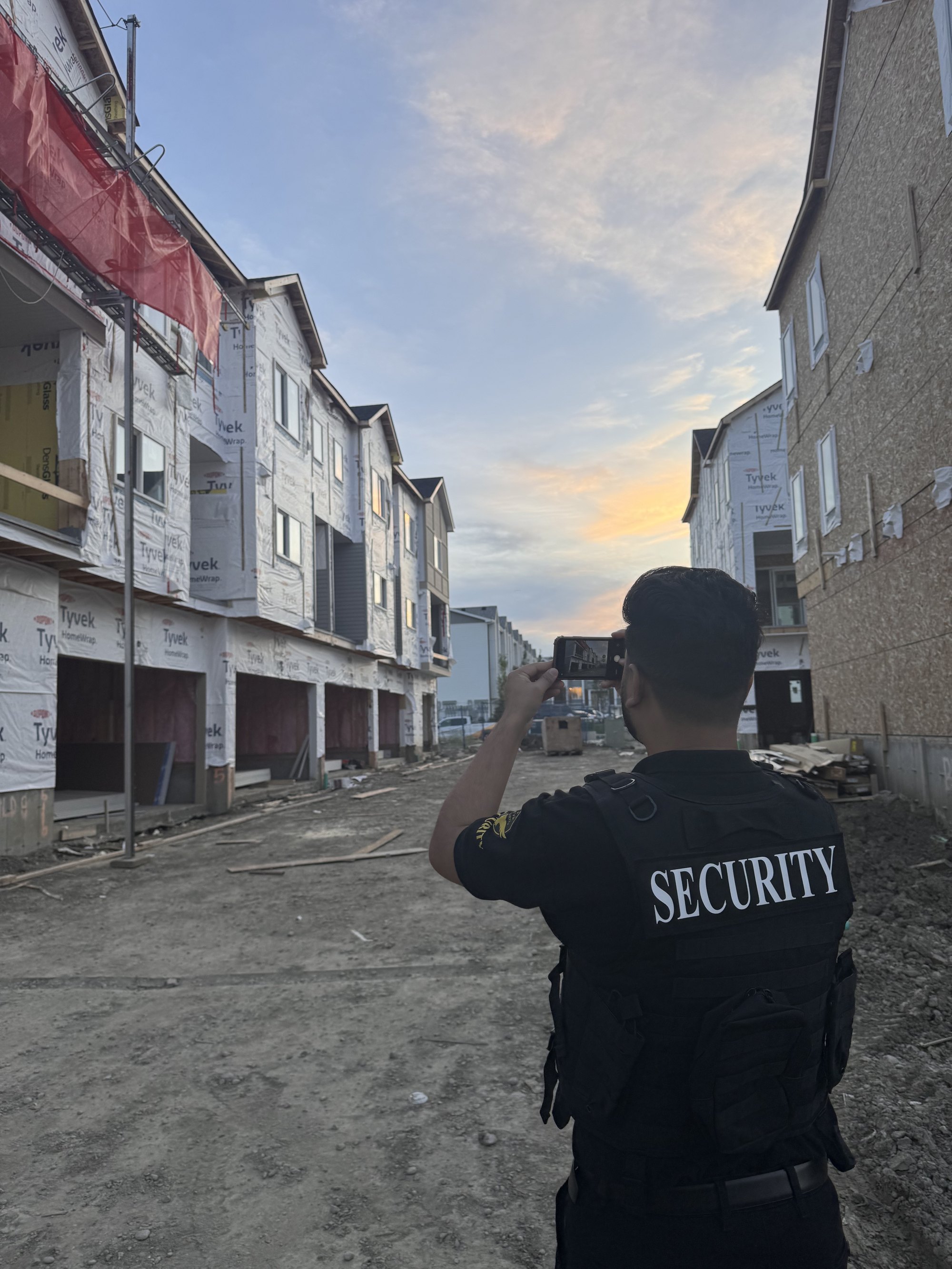
That is why effective commercial property security in Calgary usually combines deterrence, response, and reporting. Visible guard presence matters because it changes behaviour. Mobile patrol matters because many incidents happen outside the hours when building staff are present. Clear reporting matters because owners and managers need more than a verbal update the next morning. They need time-stamped activity, incident details, and photo documentation they can use for internal records, insurers, tenants, or law enforcement when required.
There is also a practical budgeting reality. Not every site needs a static guard 24/7. Some need overnight patrol only. Some need concierge-style access control during business hours and patrol support after close. Some need short-term protection during vacancies, renovations, tenant turnover, or after repeated incidents. Security works best when the deployment matches the pattern of risk instead of forcing every property into the same model.
Common risk points across Calgary commercial sites
Commercial property security Calgary planning should start with the areas where incidents are most likely to happen, not just the areas that are easiest to see. Main entrances get attention, but side doors, service corridors, rooftops, parkades, loading zones, and detached garbage enclosures often create the bigger problems.
After-hours access is one of the most common gaps. Cleaning crews, contractors, tenants with extended access, and delivery activity can all create ambiguity around who belongs on site. When that ambiguity is not actively managed, unauthorized access becomes easier. In office and mixed-use buildings, tailgating through secured doors is still a recurring issue. In retail environments, rear loading and cash-handling periods create predictable windows of risk.
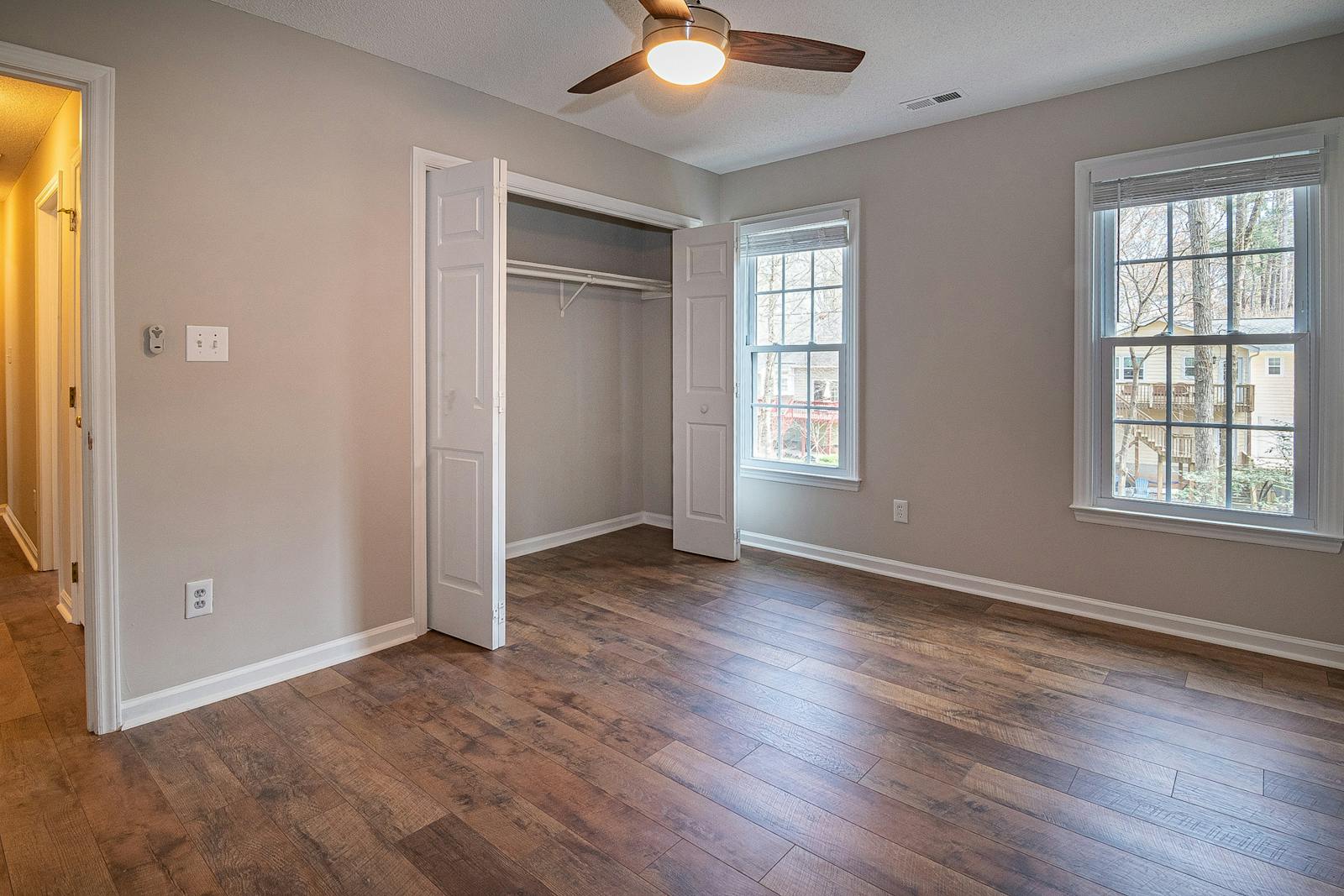
Vacant units can also attract damage quickly. A single empty bay in a plaza or an unoccupied office floor can become a target for break-ins, graffiti, copper theft, or overnight sheltering. If inspections are too infrequent, damage can go unnoticed long enough to become expensive. Security presence does not prevent every incident, but it shortens the time between occurrence and response, which often limits loss.
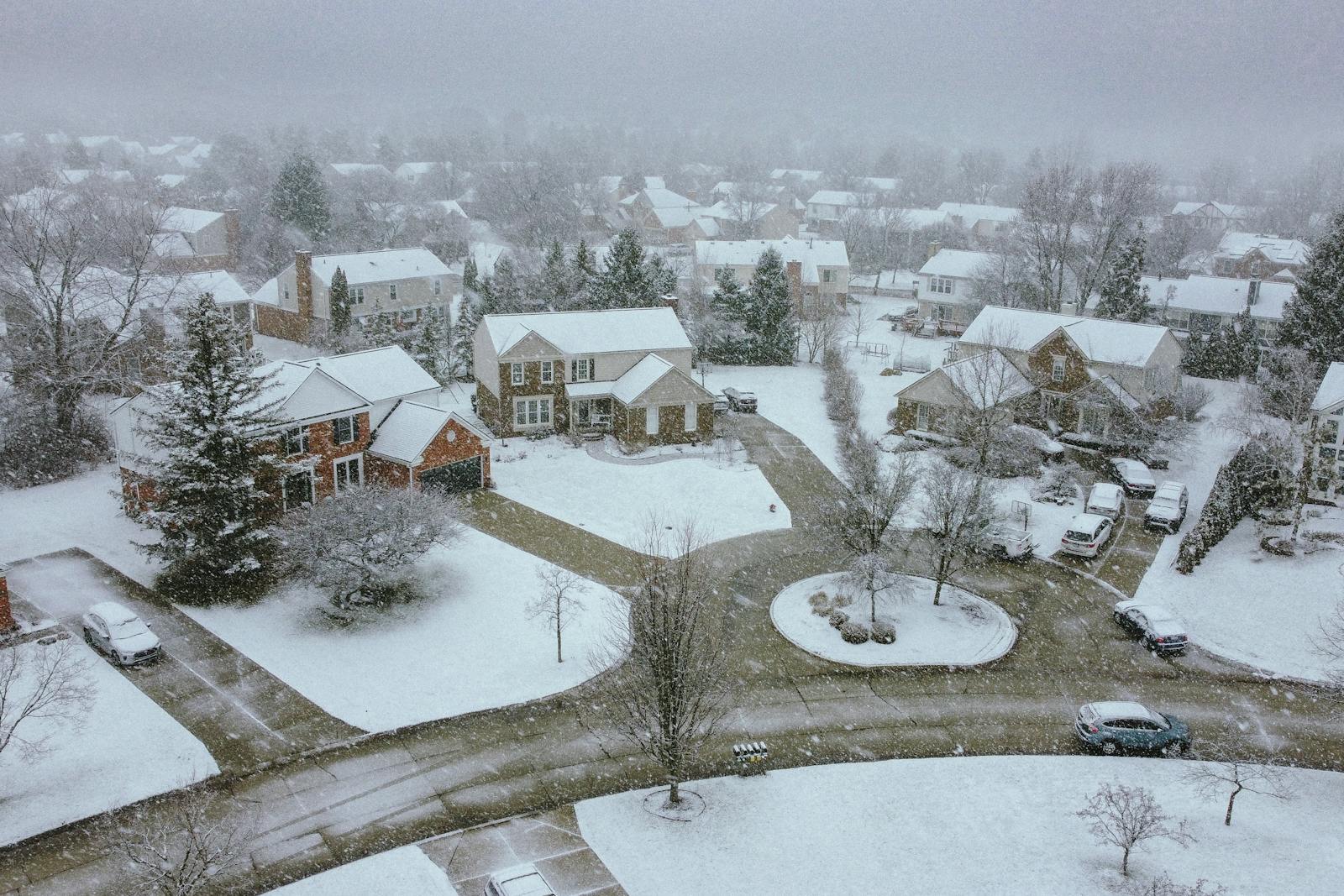
Seasonality matters too. Winter creates visibility issues, slower emergency access, and longer periods of darkness. Summer can increase foot traffic, loitering, and after-hours activity around commercial sites. Calgary weather alone can change patrol patterns, access needs, and incident timing, which is one reason local familiarity matters.
Choosing between static guards, patrol, and access control
One of the most common mistakes in commercial security is overbuilding or underbuilding the program. A static guard at a quiet property with low foot traffic may be unnecessary. On the other hand, a site with repeated incidents at the same times each week may need more than a drive-through patrol.
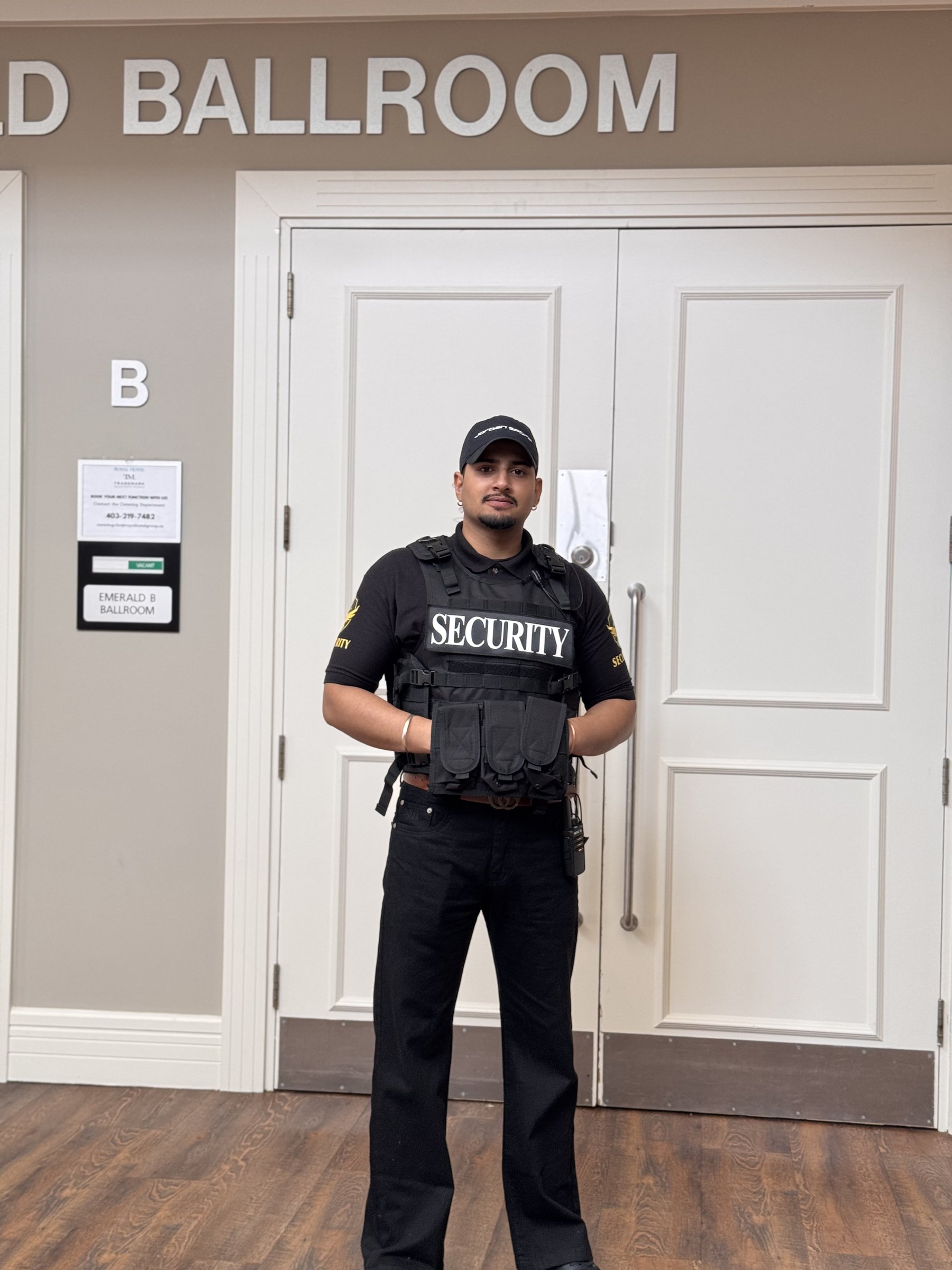
Static security guards are generally the right fit when a property needs continuous on-site presence. That could be a lobby desk in a commercial tower, an active construction-adjacent site, a property with repeated trespass incidents, or a location where tenants and visitors expect direct assistance. A trained on-site guard can monitor access, conduct patrols, respond immediately, and provide a visible deterrent that technology alone cannot.
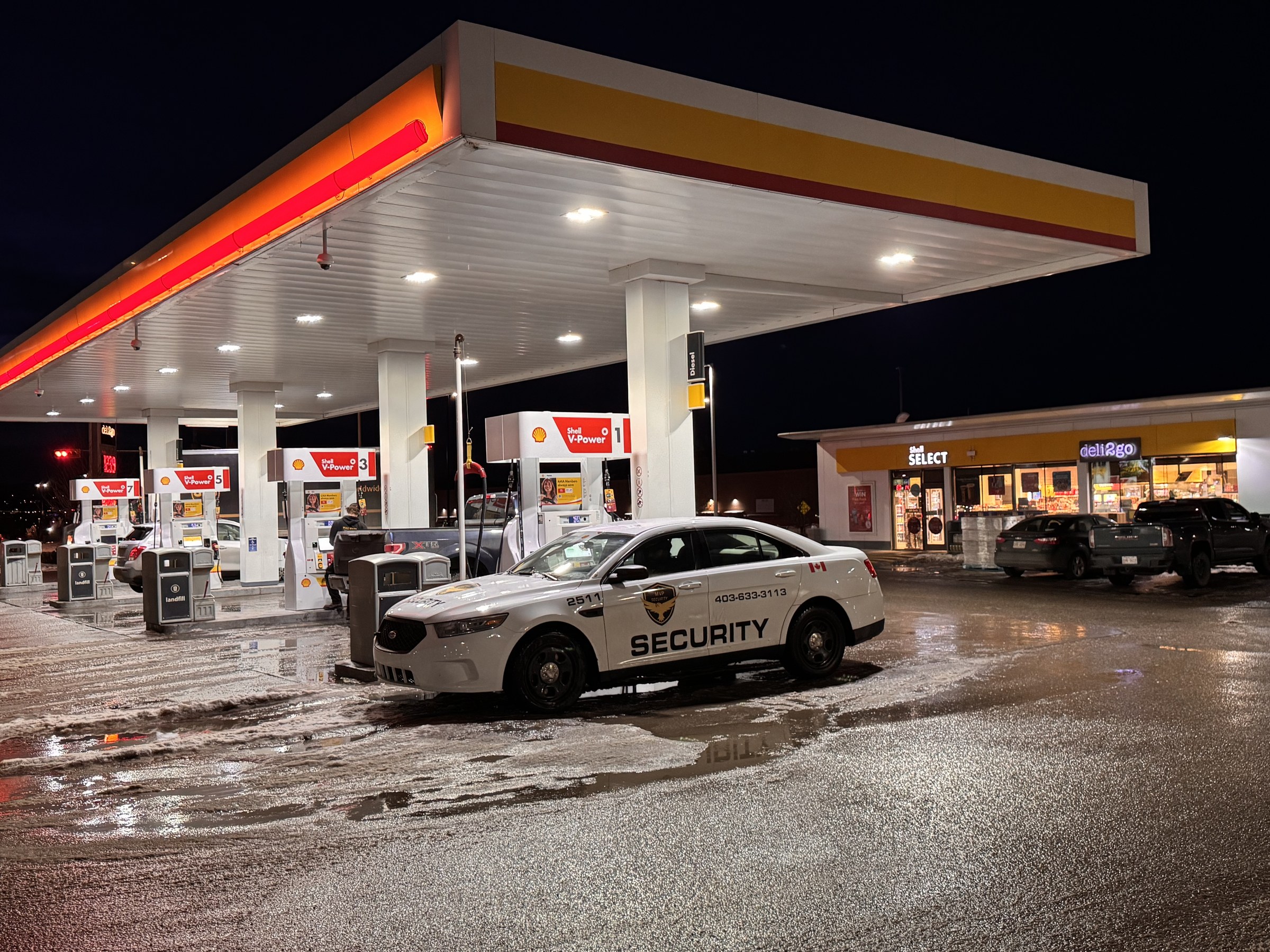
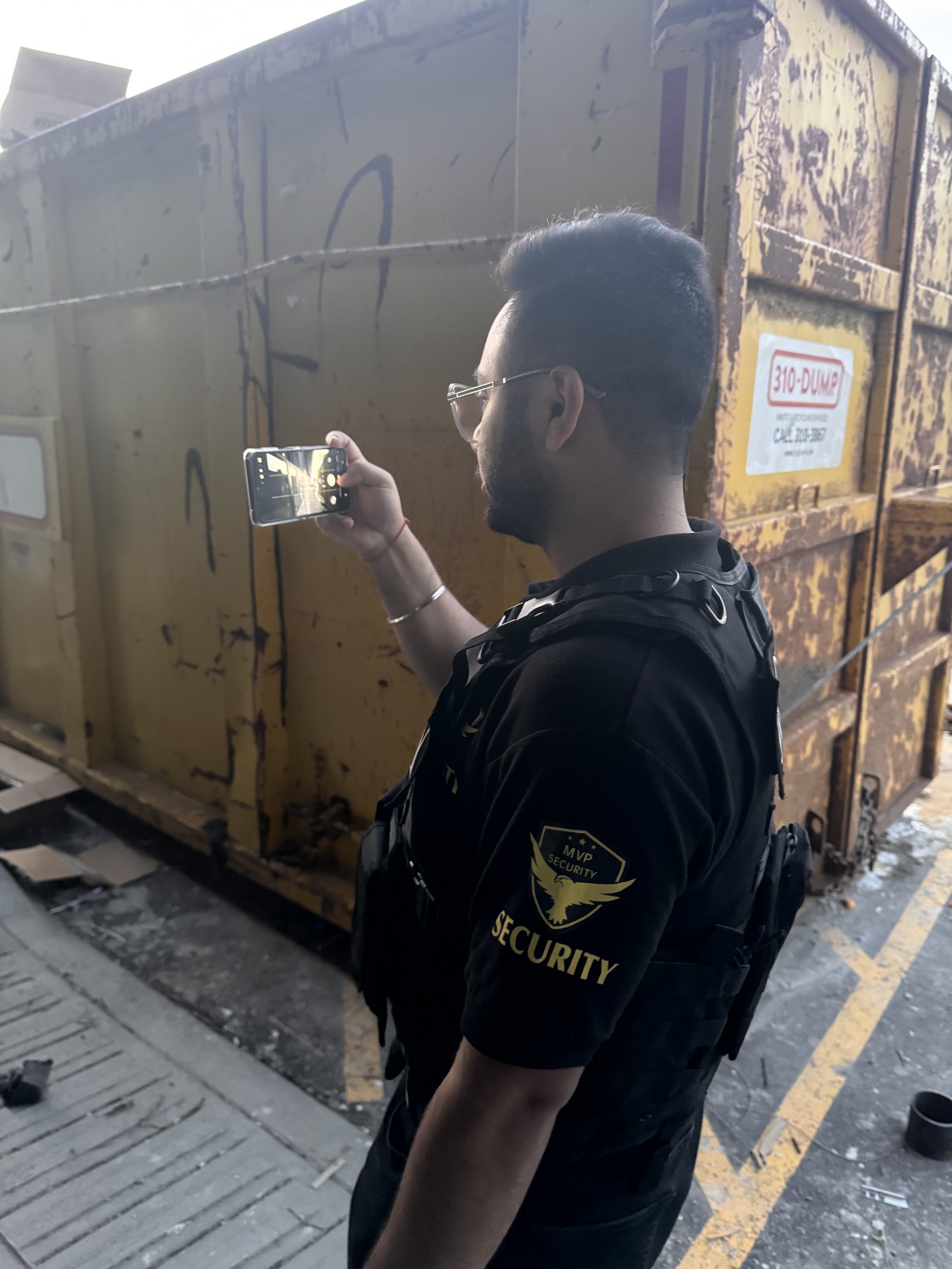
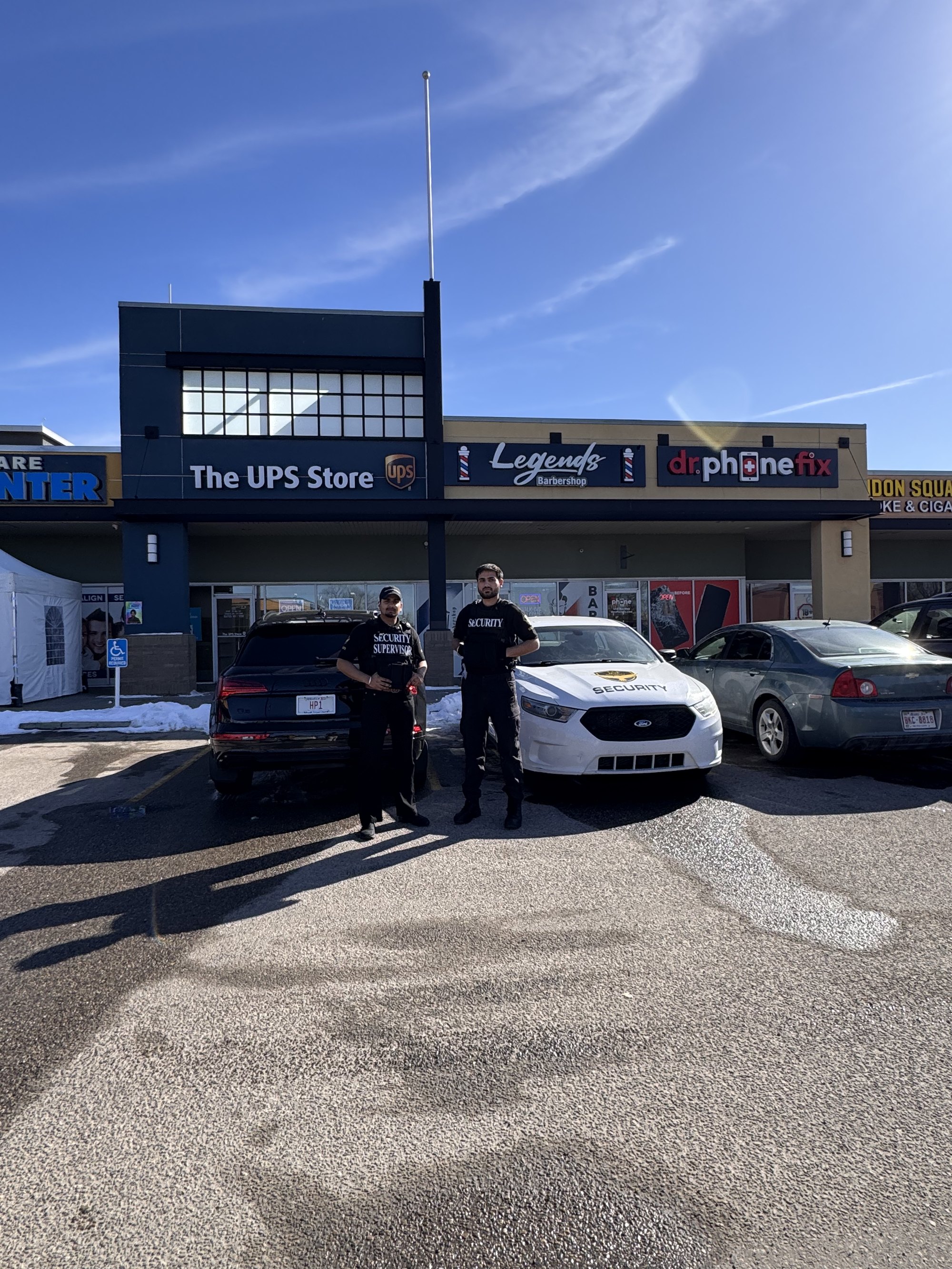
Mobile patrol is often the more efficient option for lower-traffic sites, multi-building portfolios, or properties where incidents are concentrated overnight. GPS-tracked patrols with photo-documented reporting give managers proof that checks happened when scheduled and that doors, gates, and common areas were actually inspected. This model works especially well for retail plazas, office exteriors, industrial yards, and vacant units that need recurring checks without full-time staffing.
Access control and concierge-style coverage fit properties where front-end management matters as much as security. In a commercial or mixed-use building, the ability to verify visitors, monitor entry points, manage contractor access, and respond professionally to tenant concerns can reduce both nuisance issues and serious incidents. It also improves the daily experience of the building, which matters for tenant retention.
Why responsiveness matters more than broad service promises
Security service is often judged on what happens between incidents, but clients usually decide whether a provider is worth keeping based on what happens during one. If an alarm comes in at night, if a lock is compromised, or if an unauthorized person refuses to leave, delayed response changes the outcome.
That is where local deployment becomes a real advantage. A provider serving Calgary and surrounding communities with active coverage in the region can respond faster than a company dispatching from farther away or juggling inconsistent subcontracted coverage. For commercial properties, especially those with recurring overnight issues, response time is not a marketing detail. It is part of loss control.
Accountability matters just as much. Decision-makers should know who attended, what they found, what action was taken, and whether follow-up is needed. Generic notes are not enough. Good reporting should support operational decisions. If incidents cluster around certain hours, access points, or tenant areas, the security plan should change accordingly.
This is where a local, service-led company such as MVP Security Inc. stands apart for many Calgary clients. The value is not just that guards are licensed and insured, though that is essential. It is that coverage can be tailored to the property, documented properly, and adjusted quickly when conditions change.
What to look for in a commercial property security provider
For commercial property security Calgary buyers, the baseline should be Alberta SSIA compliance, trained and licensed guards, and clear proof of insurance. That is the starting line, not the finish line.
Beyond compliance, look at operational discipline. Ask how patrols are tracked, how incidents are documented, and how after-hours escalation works. Ask whether the provider can support same-day or emergency deployment if a tenant situation, break-in, or staffing gap creates an immediate need. Ask whether they understand your property type. Office towers, retail strips, construction-linked commercial sites, and industrial properties do not operate the same way, and the security plan should reflect that.
It also helps to be honest about budget and expectations early. A good provider should be able to explain trade-offs clearly. If you want maximum visibility on a limited budget, that may mean strategic patrol timing rather than full-time coverage. If tenant complaints are rising in a lobby, concierge-style staffing may solve more than exterior patrol alone. Security planning is rarely one-size-fits-all, and the best recommendations usually come from understanding operations first.
A practical way to assess your current coverage
If you already have security in place, the right question is not simply whether incidents have stopped. It is whether the current program gives you control. Are reports detailed enough to act on? Are response times acceptable for your risk level? Do tenants or staff know who to contact after hours? Are recurring issues actually being reduced, or just observed and recorded?
A strong commercial security program should make site management easier, not harder. It should reduce uncertainty, support tenant confidence, and give you documented visibility into what is happening on the property when your own team is off-site. If it does not, the issue may be staffing level, deployment schedule, site instructions, or provider reliability.
For Calgary property owners and managers, the best security decisions are usually the most practical ones. Start with the actual risk, match the service to the site, and work with a team that can respond when conditions change. A security plan should not feel like a generic contract. It should feel like part of how the property is kept operational, presentable, and under control.