






A broken gate at a construction site, an unsecured loading door after closing, or a tenant who lets an unknown visitor into a condominium can become an expensive incident before morning. Commercial security risks are rarely limited to a single dramatic event. More often, they build through small gaps in access control, inconsistent patrols, poor lighting, delayed alarm response, and unclear accountability.
For Calgary property managers, builders, retail operators, and industrial supervisors, the practical question is not whether risk exists. It is where it is most likely to appear, how quickly it can affect operations, and what level of coverage will address it without overspending on the wrong solution.
The Commercial Security Risks That Cause Real Disruption
Theft is often the first concern, particularly for retailers, construction projects, warehouses, and properties with valuable equipment or materials. Copper, tools, fuel, inventory, appliances, and electronics remain attractive targets because they can be removed quickly and sold easily. A single loss can delay a project, interrupt tenant operations, trigger insurance claims, and require replacement work well beyond the original value of the item taken.
Vandalism creates a different kind of cost. Graffiti, damaged doors, broken windows, cut fencing, and tampered utility equipment affect more than appearance. They can make a site easier to enter again, create safety hazards, and send a message that the location is not actively monitored.
Unauthorized access is just as significant, even when nothing is immediately stolen. Unescorted visitors in office towers, tailgating through controlled doors, trespassers on vacant properties, and former employees with active credentials all create exposure. In industrial environments, unauthorized access can also place untrained people near equipment, loading areas, or restricted materials.
Alarm events need to be treated as operational issues, not just technical notifications. An alarm may be caused by a false trigger, but it may also indicate a forced entry, flood, fire-related concern, equipment failure, or a person still on site. When there is no defined response process, the burden can fall on a manager, owner, or employee who is not equipped to assess the situation safely.
Why One Security Plan Does Not Fit Every Property
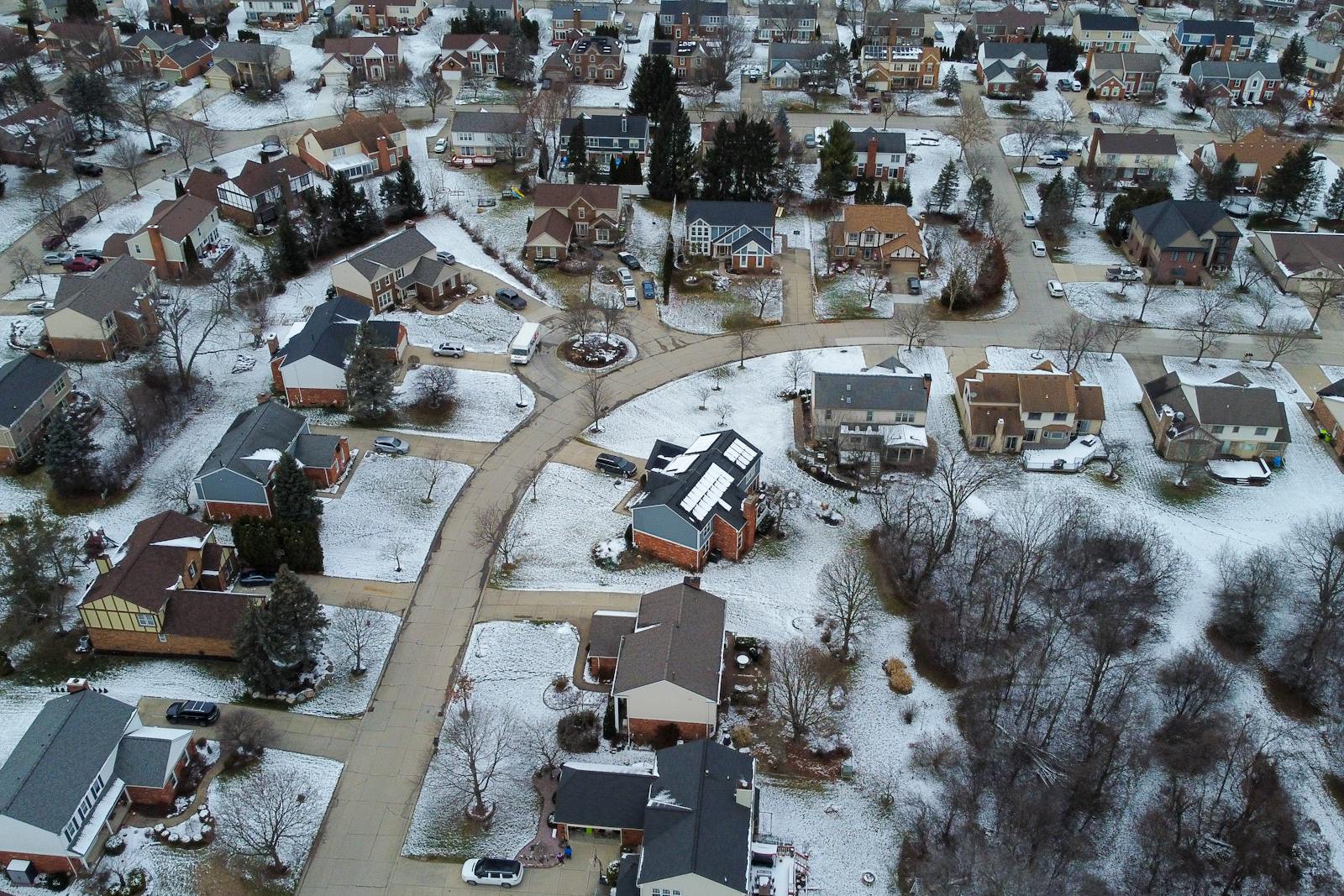
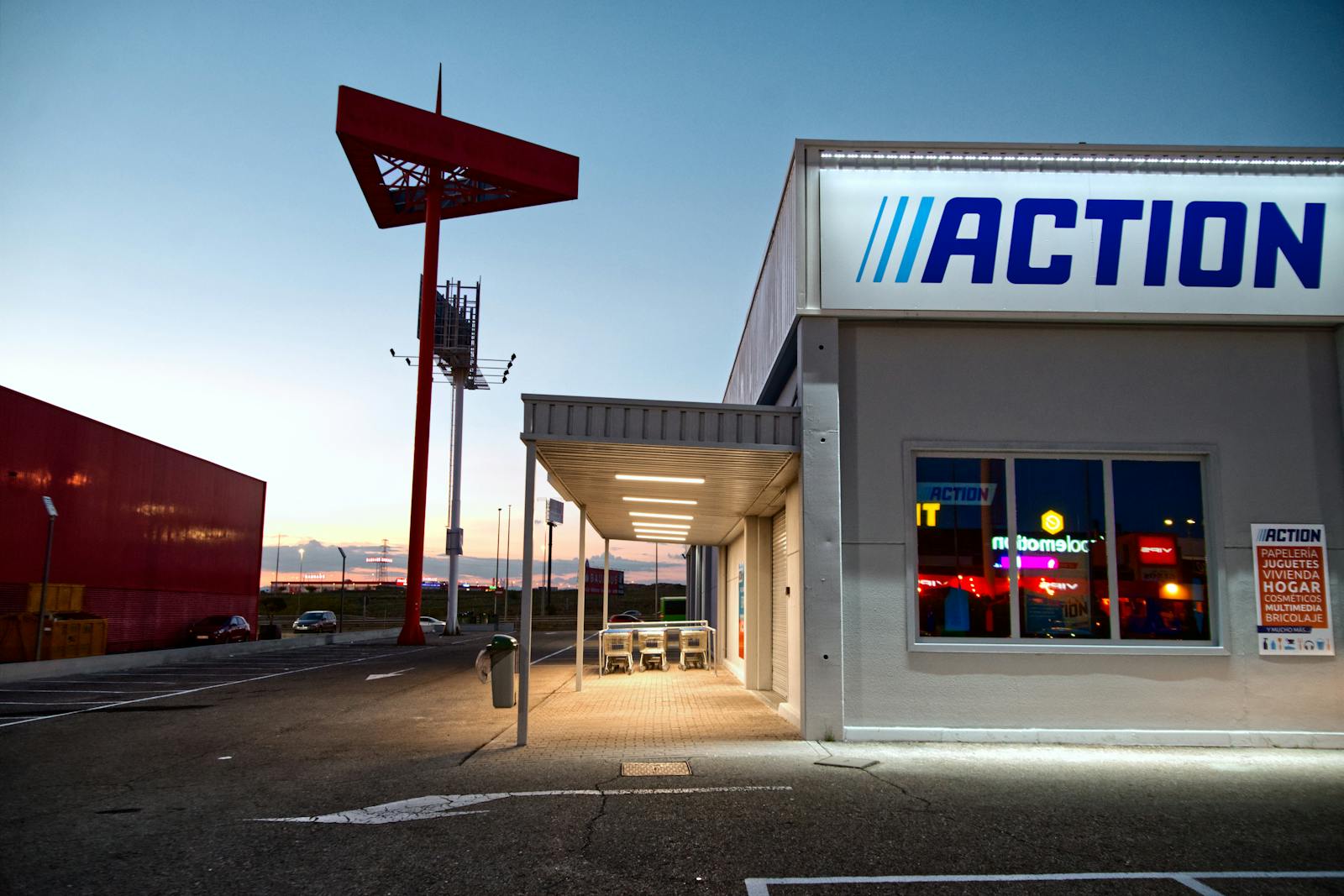
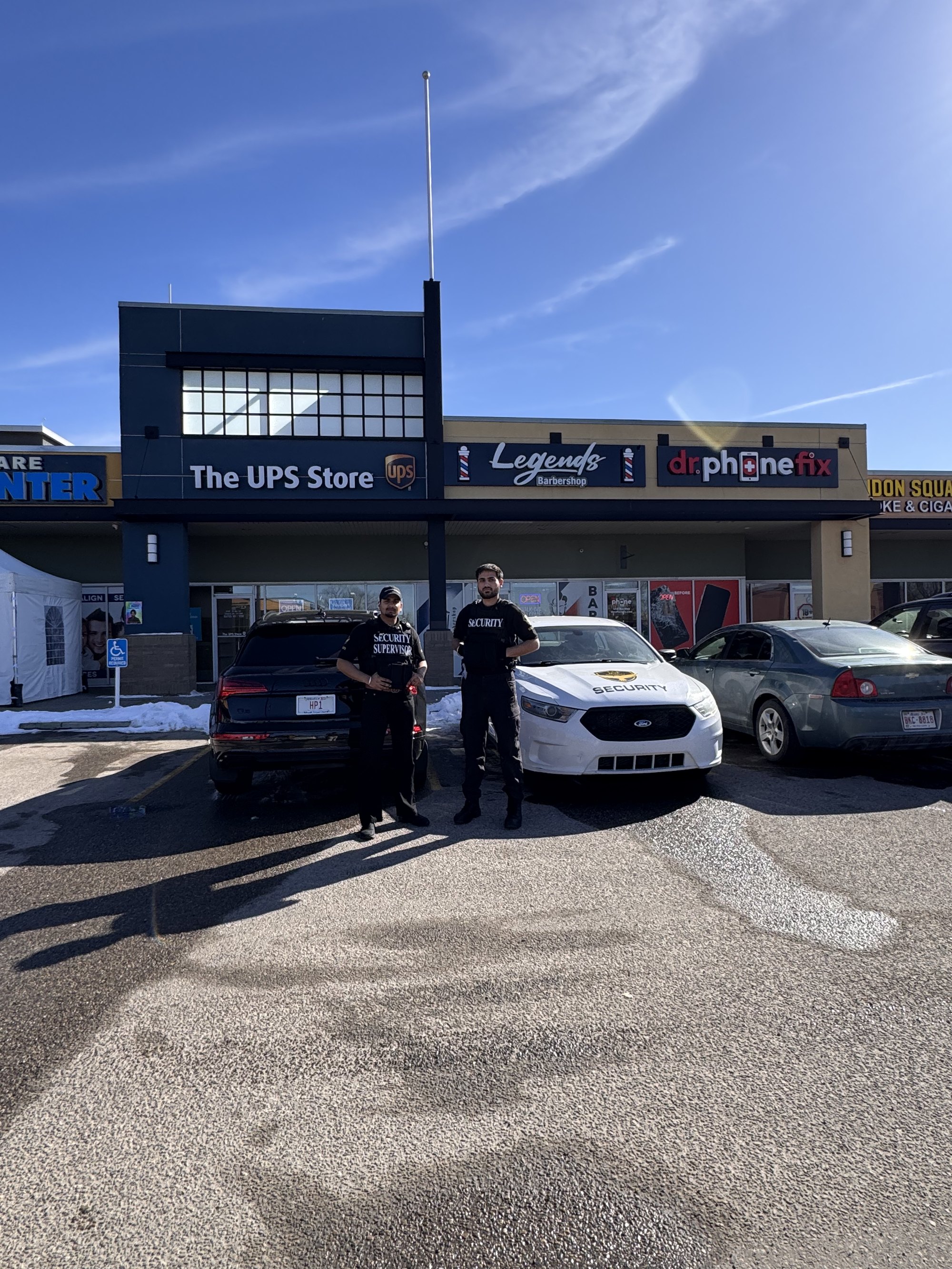
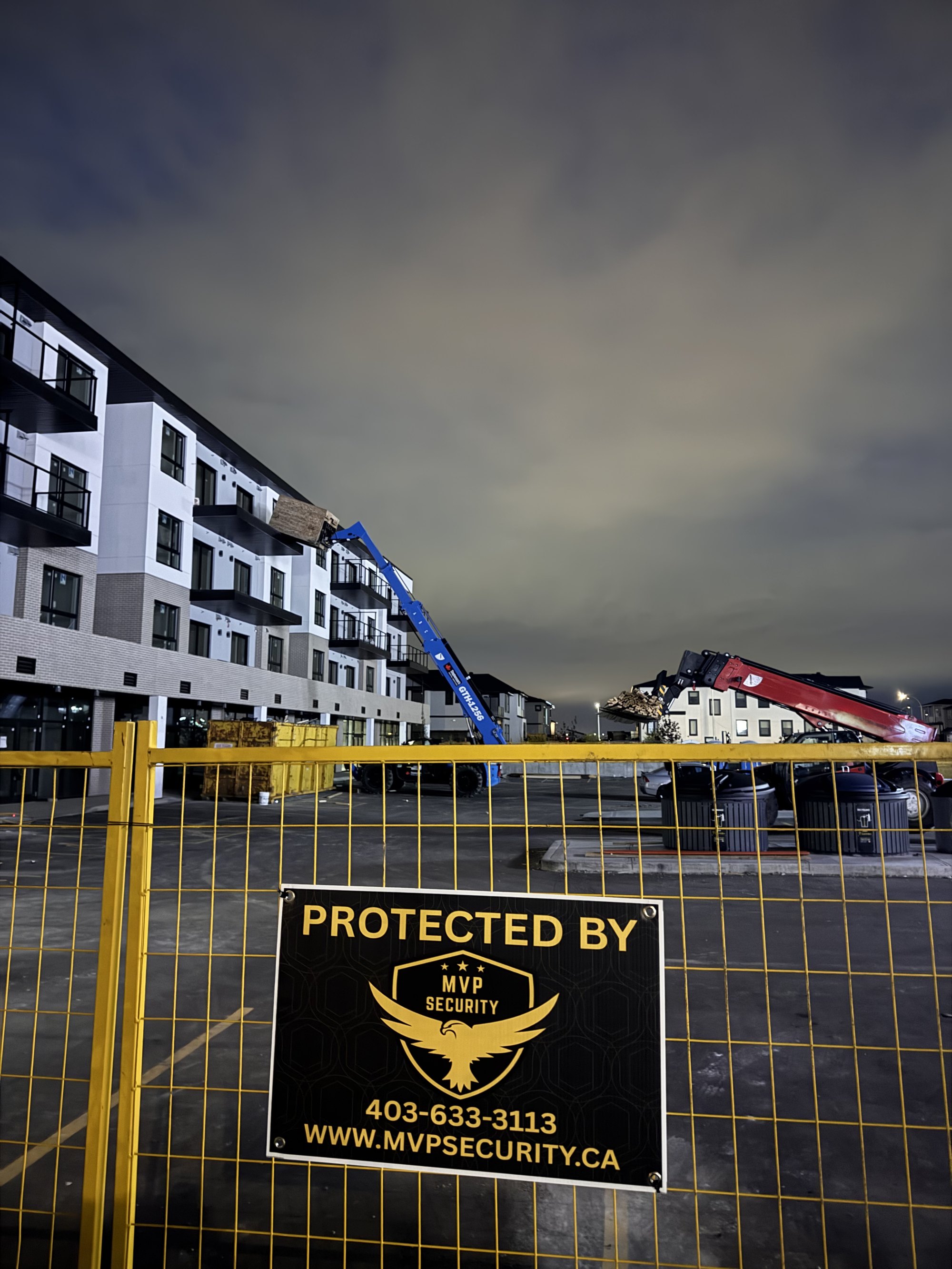
Commercial security risks change with the type of site, its hours, its public access, and the value of what is on the property. A retail plaza may need a visible evening presence to discourage theft, loitering, and damage around entrances. A construction project may need overnight patrols focused on perimeter checks, equipment storage, temporary fencing, and site trailers.
A condominium or multi-residential building may be more concerned with visitor management, package theft, parkade access, and resident safety. An industrial site may require strict gate procedures, vehicle checks, after-hours patrols, and documented inspections of critical areas.
Budget matters, but reducing coverage without understanding the risk can create a false saving. A static guard is not necessary at every site around the clock. In many cases, scheduled or randomized mobile patrols provide a strong deterrent at a more controlled cost. In other situations, such as an active construction site with repeated losses or a high-traffic building entrance, a dedicated guard is the more appropriate choice.
The right decision depends on what needs protection, when the site is vulnerable, and how quickly a problem needs to be identified and acted on.
Start With the Gaps, Not the Service Menu
A useful security assessment begins by looking at how an incident could occur at a specific property. Walk the site after normal business hours if possible. Conditions that look acceptable during the day can be very different at night, especially around rear entrances, parkades, loading docks, temporary fencing, and vacant units.
Review four areas before selecting coverage:
- Access points: Identify every door, gate, overhead bay, stairwell, fence line, and pedestrian route that could allow entry or exit.
- High-value assets: Map inventory, tools, equipment, fuel, electrical components, keys, data rooms, and materials that require added protection.
- Operating patterns: Note shift changes, deliveries, closing routines, contractor activity, public events, and periods when the site is empty.
- Past incidents: Review thefts, vandalism, alarm calls, complaints, suspicious activity, and near misses rather than relying on memory alone.
- Response responsibilities: Confirm who receives reports, who can authorize action, and what should happen when an alarm or incident occurs after hours.
This review often identifies simple weaknesses that technology alone will not solve. A camera cannot close an unlatched gate. An alarm cannot replace a clear procedure for a guard or supervisor responding to the scene. Security works best when physical controls, trained personnel, and documented processes support one another.
Use Visible Security Where Deterrence Matters Most
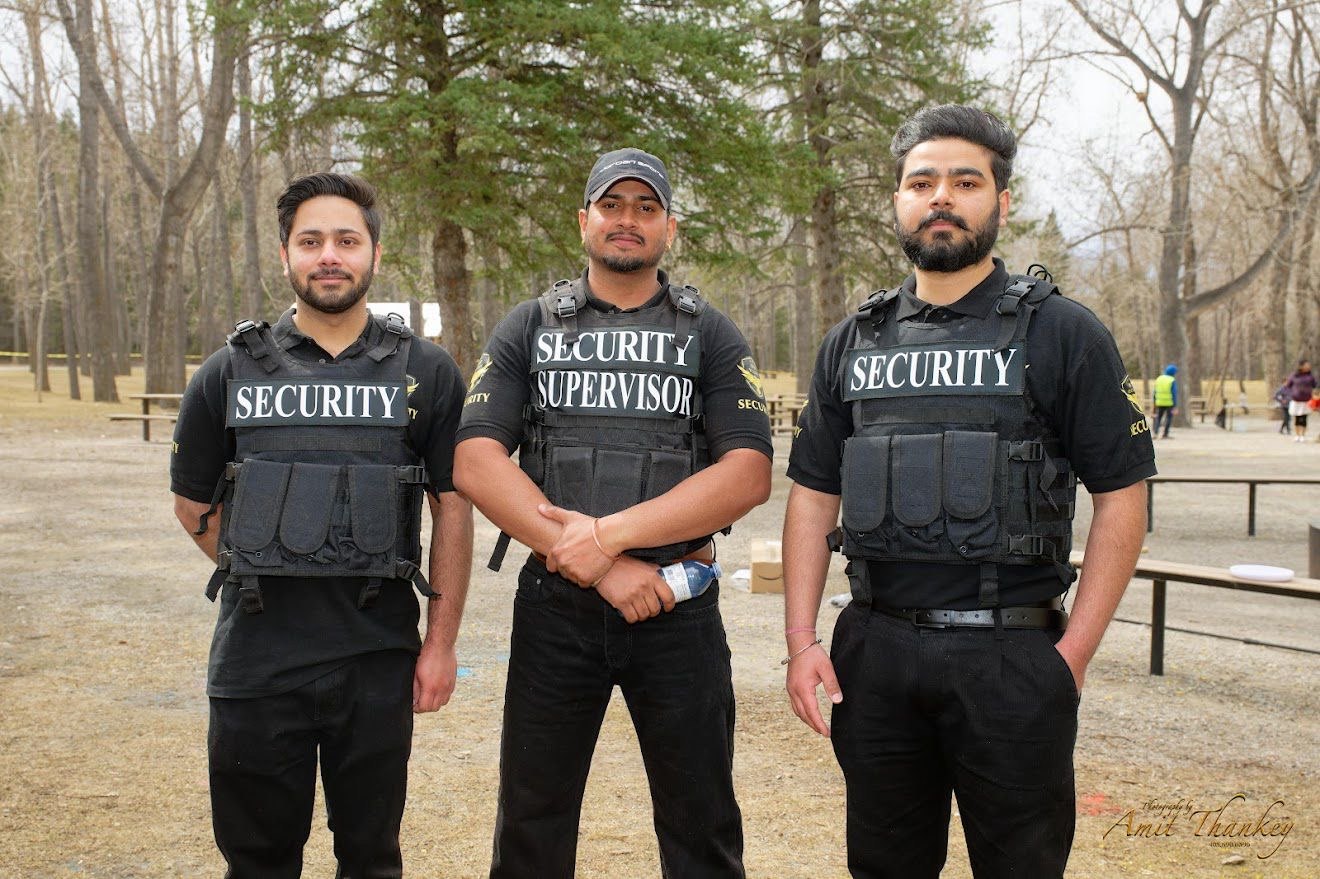
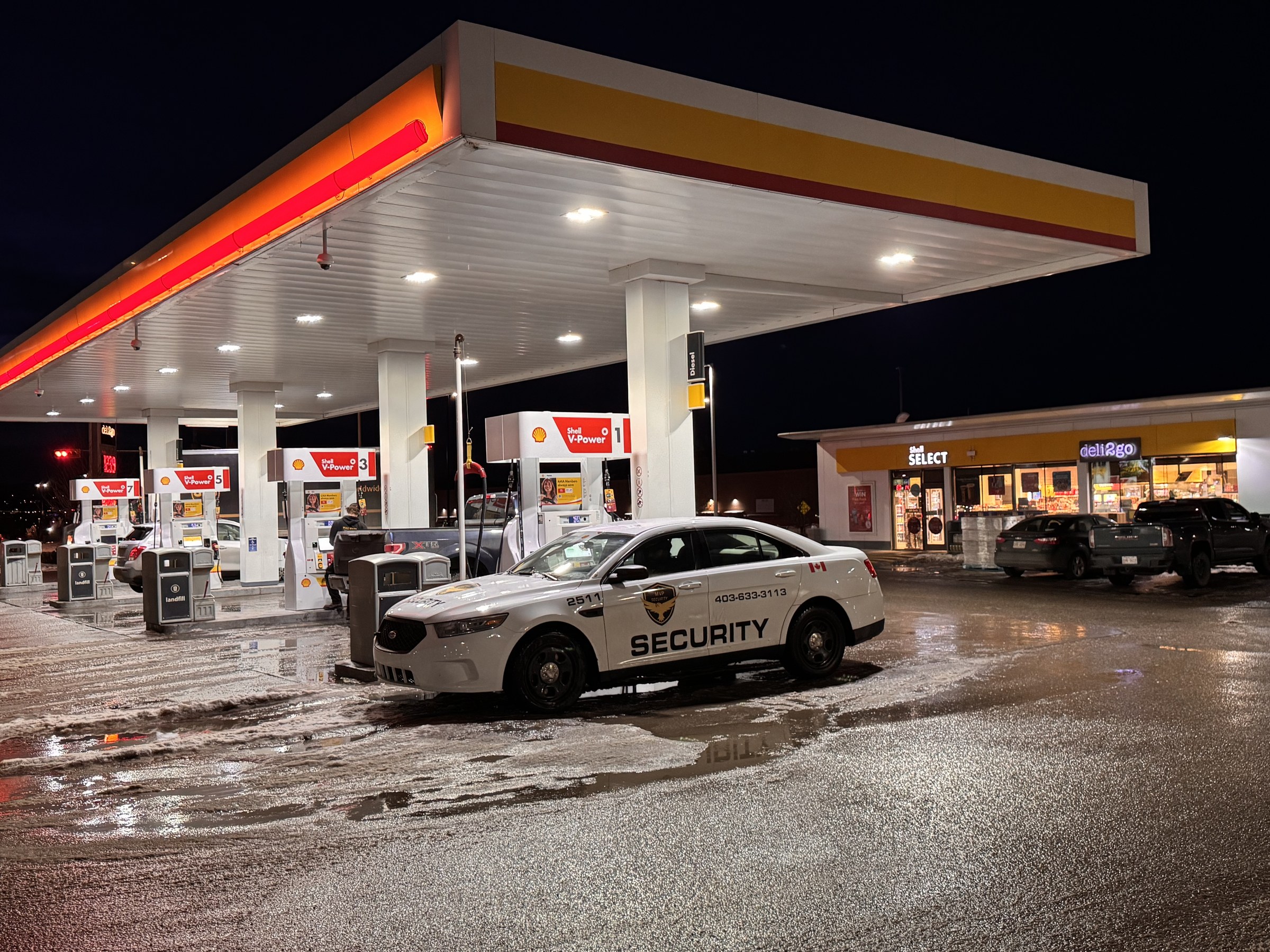
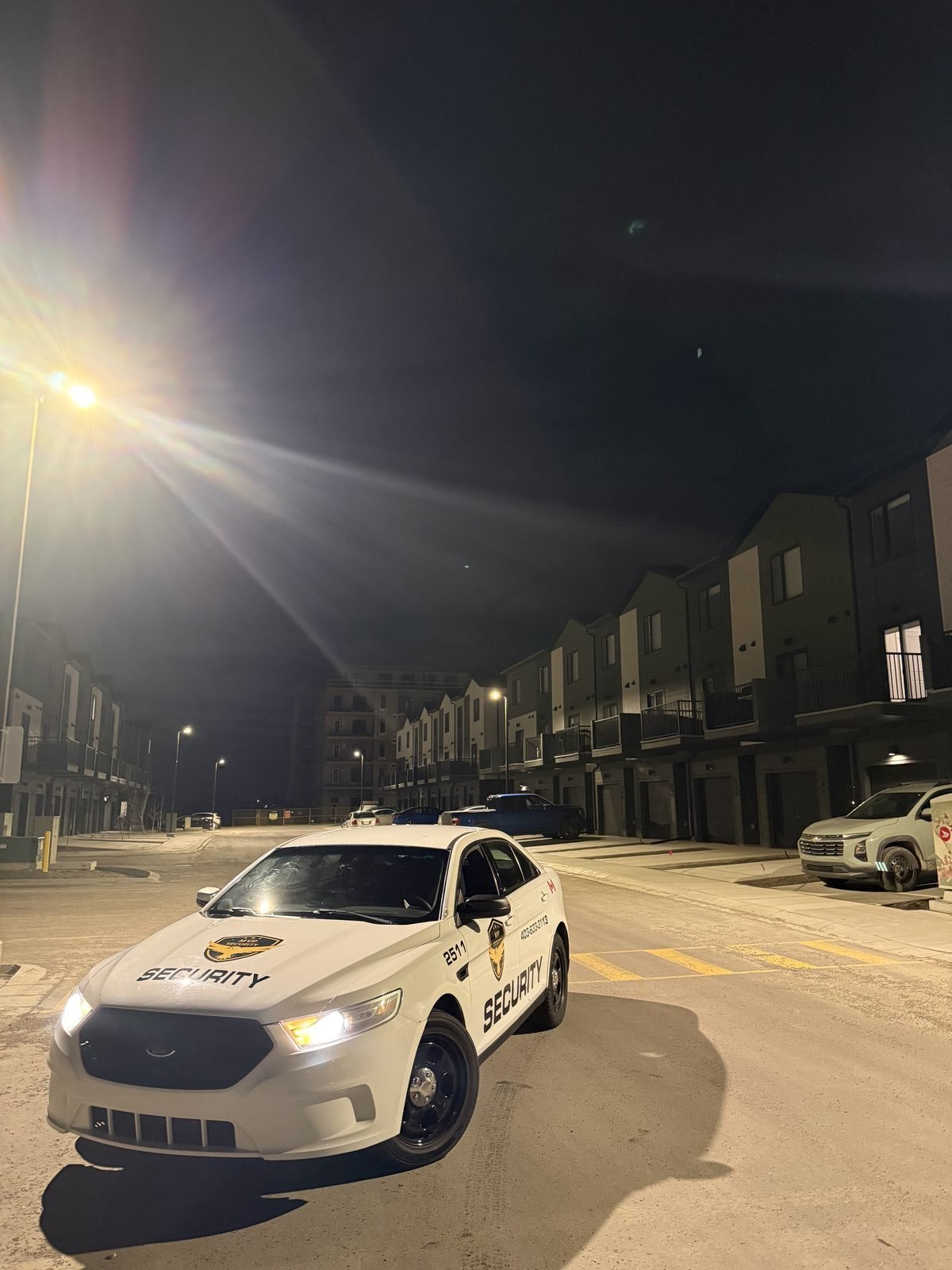
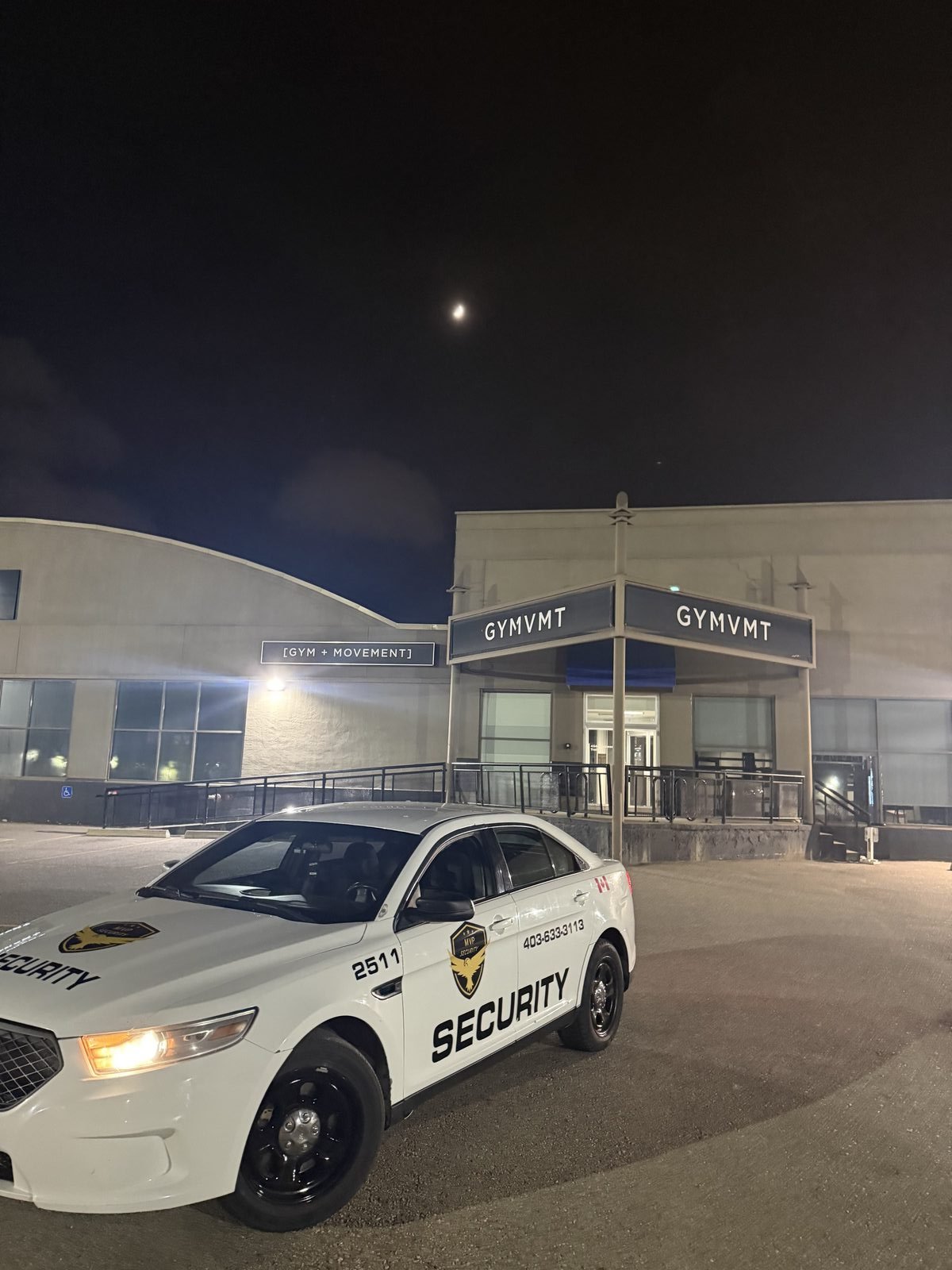
Visible patrol activity changes behaviour. Marked patrol vehicles, uniformed licensed guards, regular exterior checks, and controlled entry points make it harder for opportunistic offenders to assume a property is unattended. The effect is particularly valuable where incidents tend to happen quickly, such as at retail sites, vacant commercial units, construction projects, and parkades.
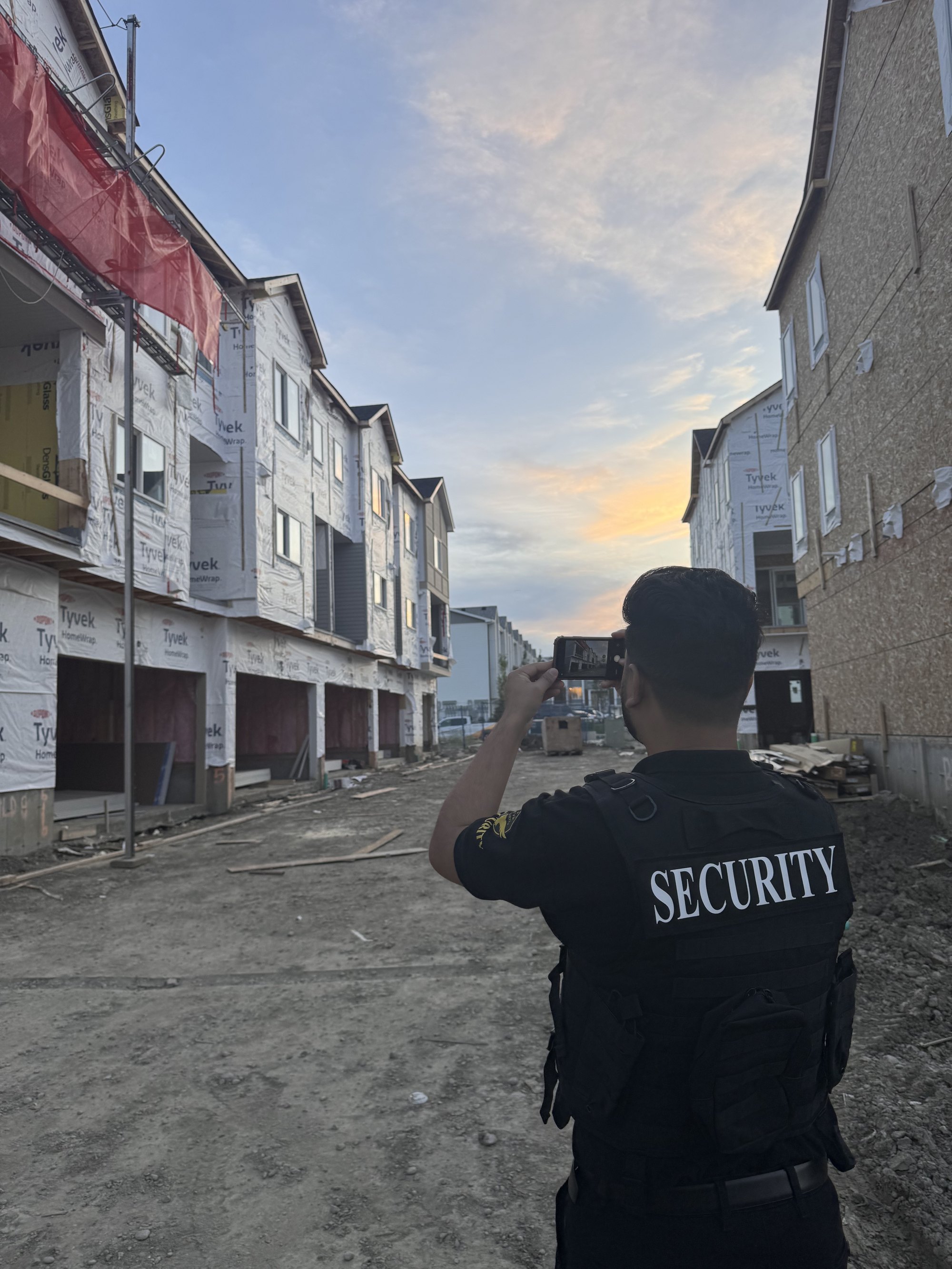
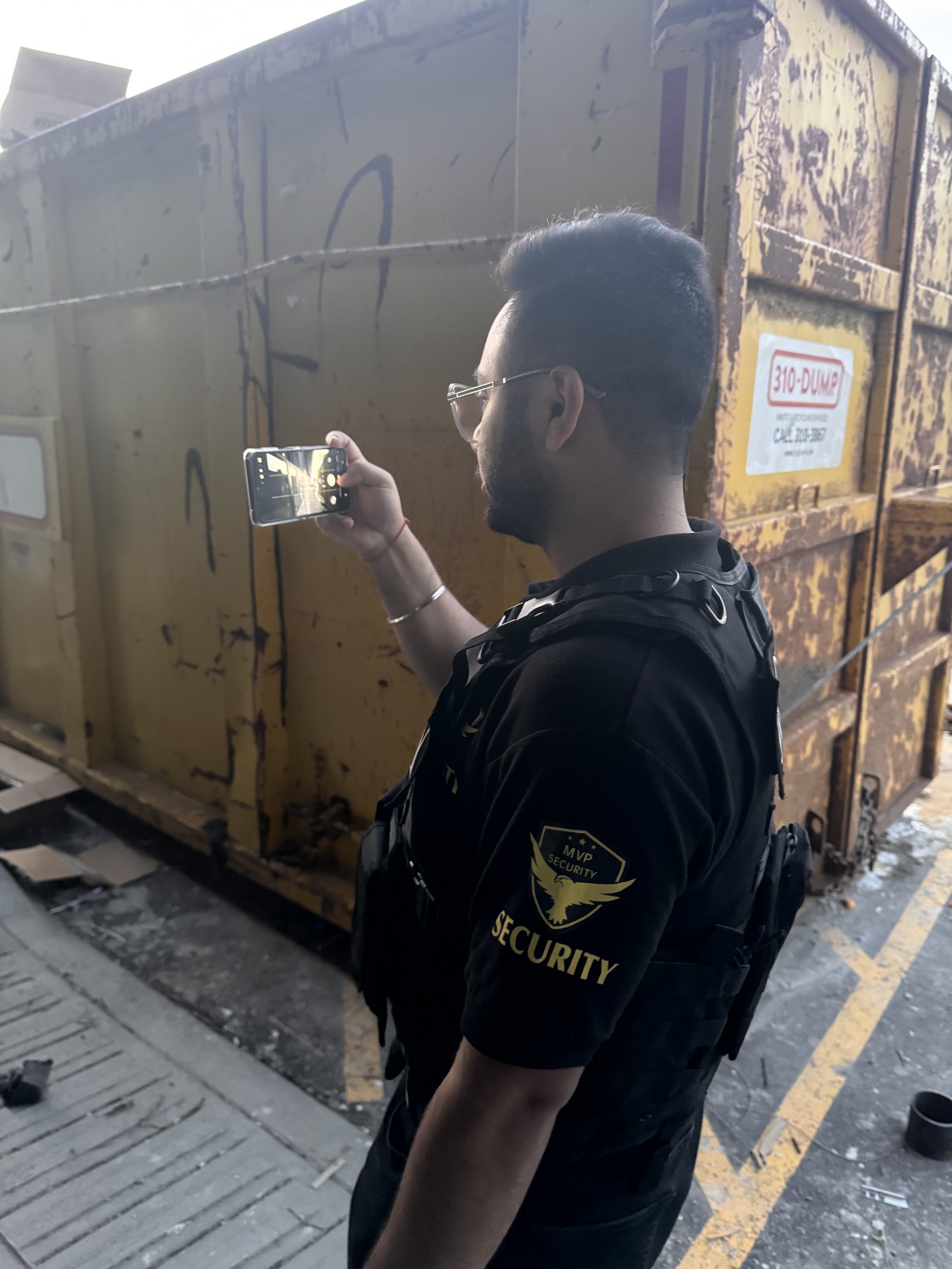
Mobile patrols are a practical option for properties that need repeat checks but do not require a guard at one location all night. Patrol officers can inspect doors, gates, fences, vehicles, equipment areas, and common spaces according to site instructions. GPS-tracked activity and photo-documented reporting give managers confirmation that checks were completed and identify issues such as damaged fencing, open doors, or suspicious vehicles while they can still be addressed.
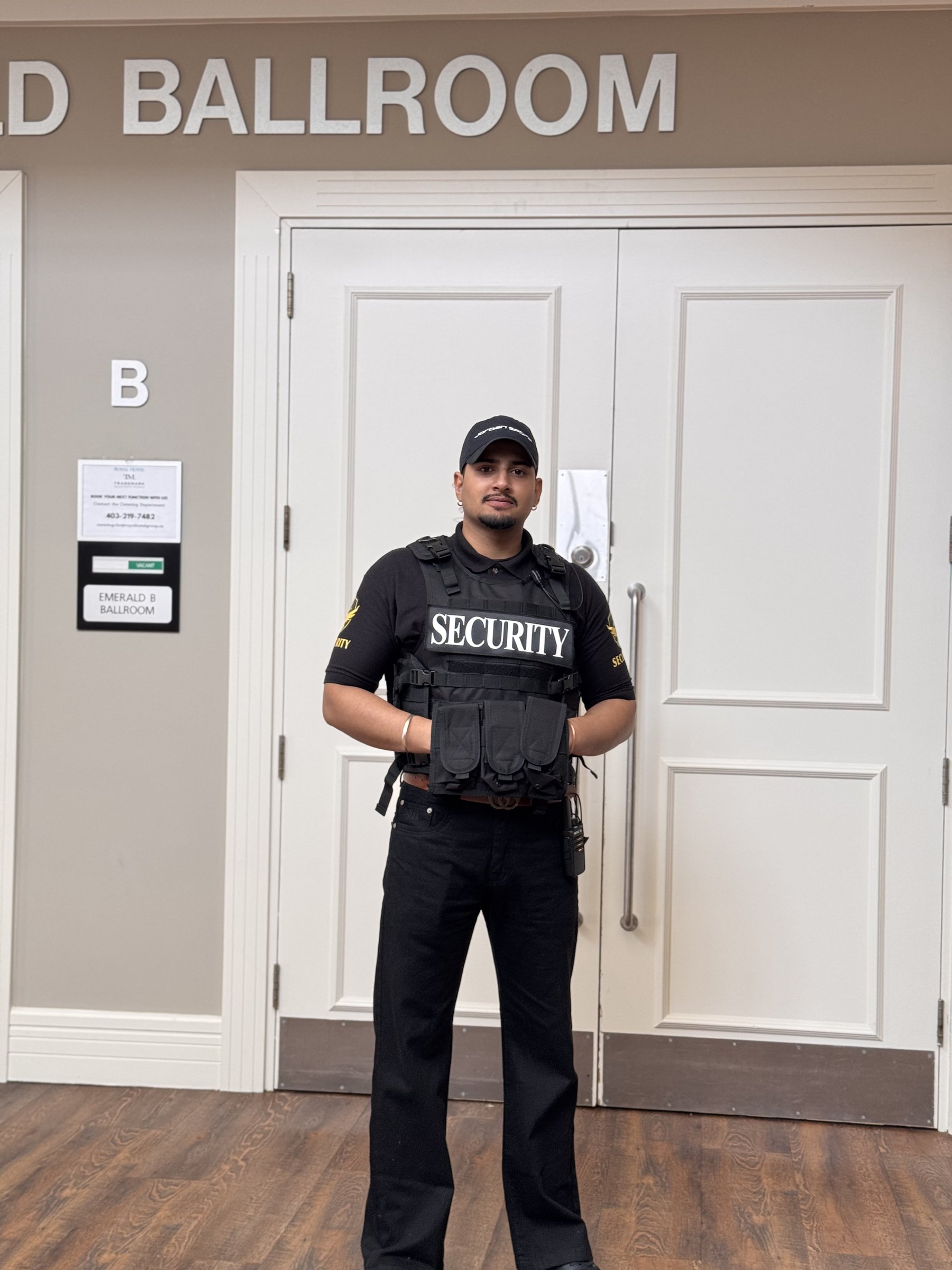
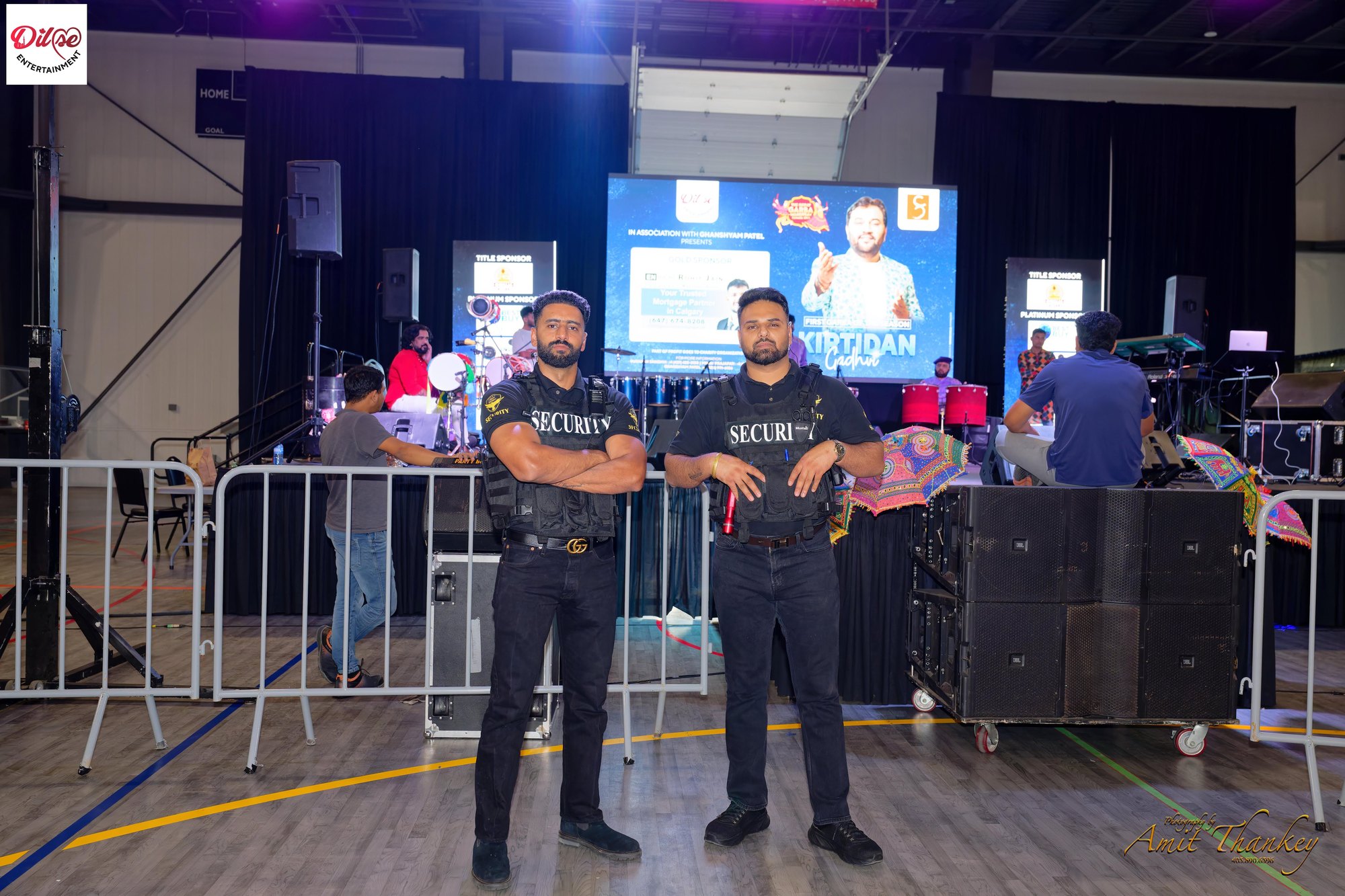
Static guards are better suited to locations where someone needs to make immediate decisions on site. That can include access-controlled offices, active lobbies, busy retail locations, fire watch assignments, high-value construction sites, or events with public attendance. A guard's presence can support visitor screening, contractor sign-in, policy enforcement, incident response, and direct communication with management.
Access Control Is a Daily Discipline
Most unauthorized entry does not involve sophisticated methods. It happens when a door is propped open for convenience, a key is not returned, a contractor is not signed in, or someone follows an authorized person through a secured entrance.
Access control should be treated as an operating routine. Staff need to understand who is permitted in restricted areas, how visitors are verified, where deliveries are received, and what to do when someone refuses to follow site rules. For buildings with electronic credentials, deactivate access promptly when employment, tenancy, or contractor work ends. For sites using physical keys, keep an issue-and-return record that can be audited.
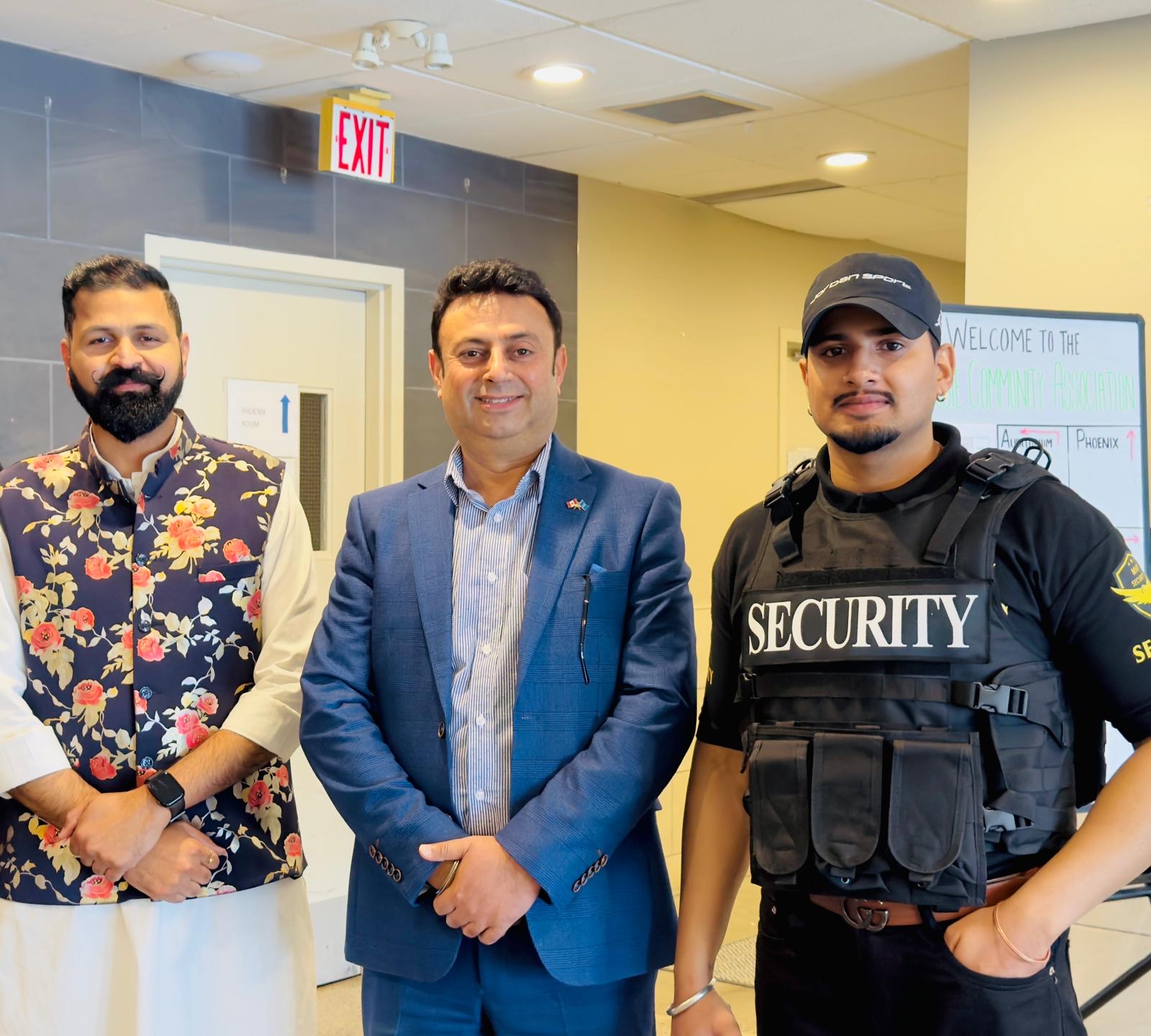
Concierge and access-control personnel can be particularly valuable in multi-residential and commercial properties where managers need both security awareness and a professional point of contact for residents, tenants, visitors, and contractors. The role is not simply watching a desk. It is applying site procedures consistently while recognizing when an issue requires escalation.
Cameras and Alarms Need a Human Response Plan
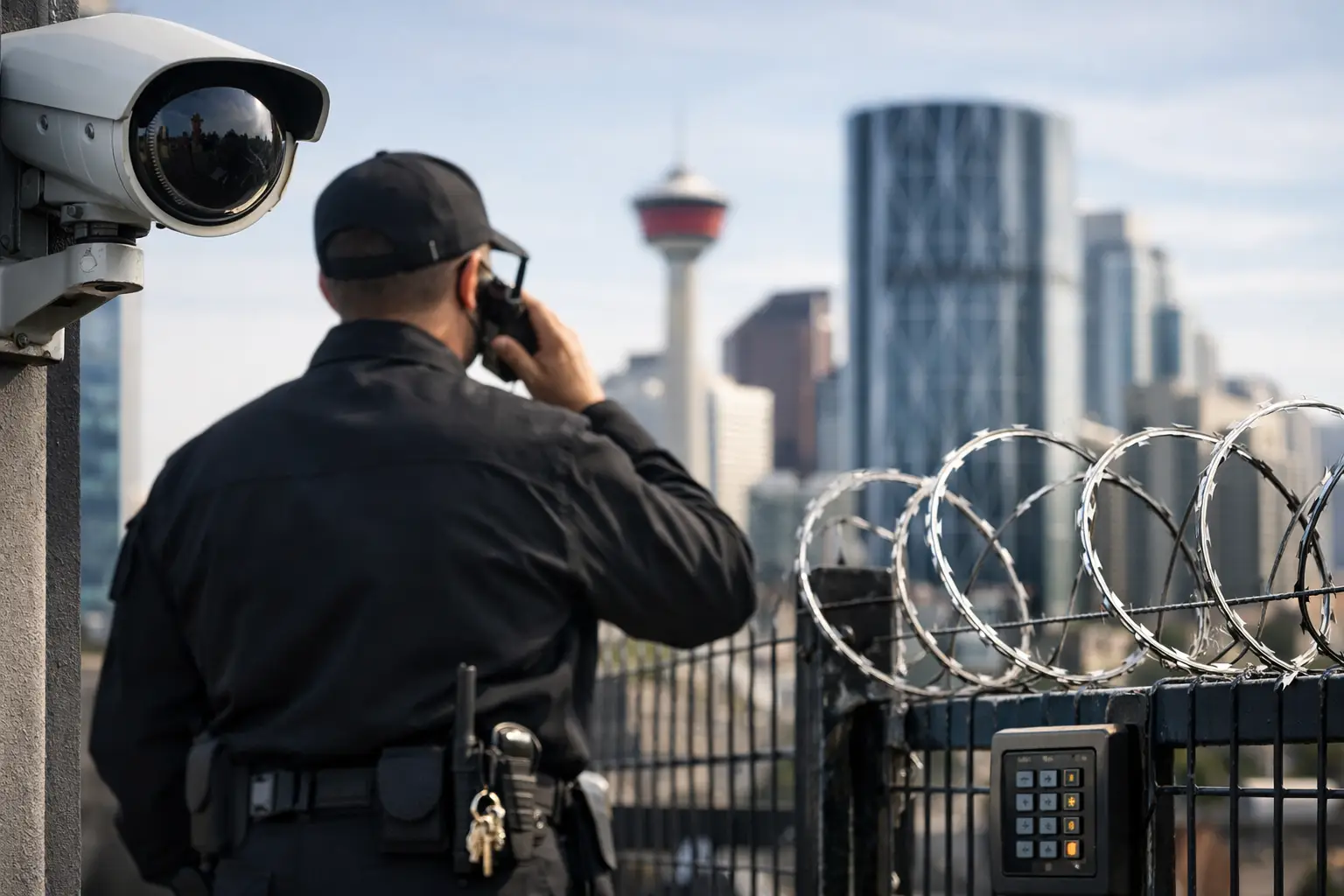
CCTV and monitored alarms are useful tools, but they create a common misconception: that a property is protected simply because equipment is installed. Cameras provide evidence and visibility. Alarms provide notification. Neither guarantees that a person will assess the issue quickly, protect the scene, or secure the property after an incident.
A monitored alarm response program should establish who attends, expected response procedures, site contacts, keyholder instructions, and escalation thresholds. If an alarm is genuine, the responder needs current site information and the authority to take appropriate steps, including contacting police, fire services, emergency maintenance, or property representatives when required.
For overnight properties, combining monitored systems with mobile patrols or alarm response can close the gap between notification and action. It also reduces the likelihood that a property manager or business owner will need to attend an uncertain situation alone at 2 a.m.
Documentation Turns Security Activity Into Accountability
Security coverage should produce more than a verbal assurance that everything was checked. Clear incident reports, patrol logs, photographs, timestamps, and follow-up notes help managers make informed decisions and demonstrate due diligence when issues arise.
Good reporting identifies what happened, when it was observed, what action was taken, and whether further attention is required. Over time, those reports reveal patterns. Repeated fence damage in one area, frequent after-hours loitering, recurring door faults, or alarm activations at the same time can point to a problem that needs a permanent correction.
This is where local operational knowledge matters. A Calgary-based security provider that can deploy quickly across Calgary, Airdrie, Cochrane, Chestermere, Okotoks, and High River is better positioned to respond to changing site conditions than a distant dispatch model with limited local coverage.
Build Coverage Around Risk, Then Review It
A security plan should change when the property changes. Construction sites become more vulnerable as materials arrive. Retail risk increases during holiday periods. A vacant building may need additional attention after a tenant leaves. Events require different procedures before doors open, during peak attendance, and after guests depart.
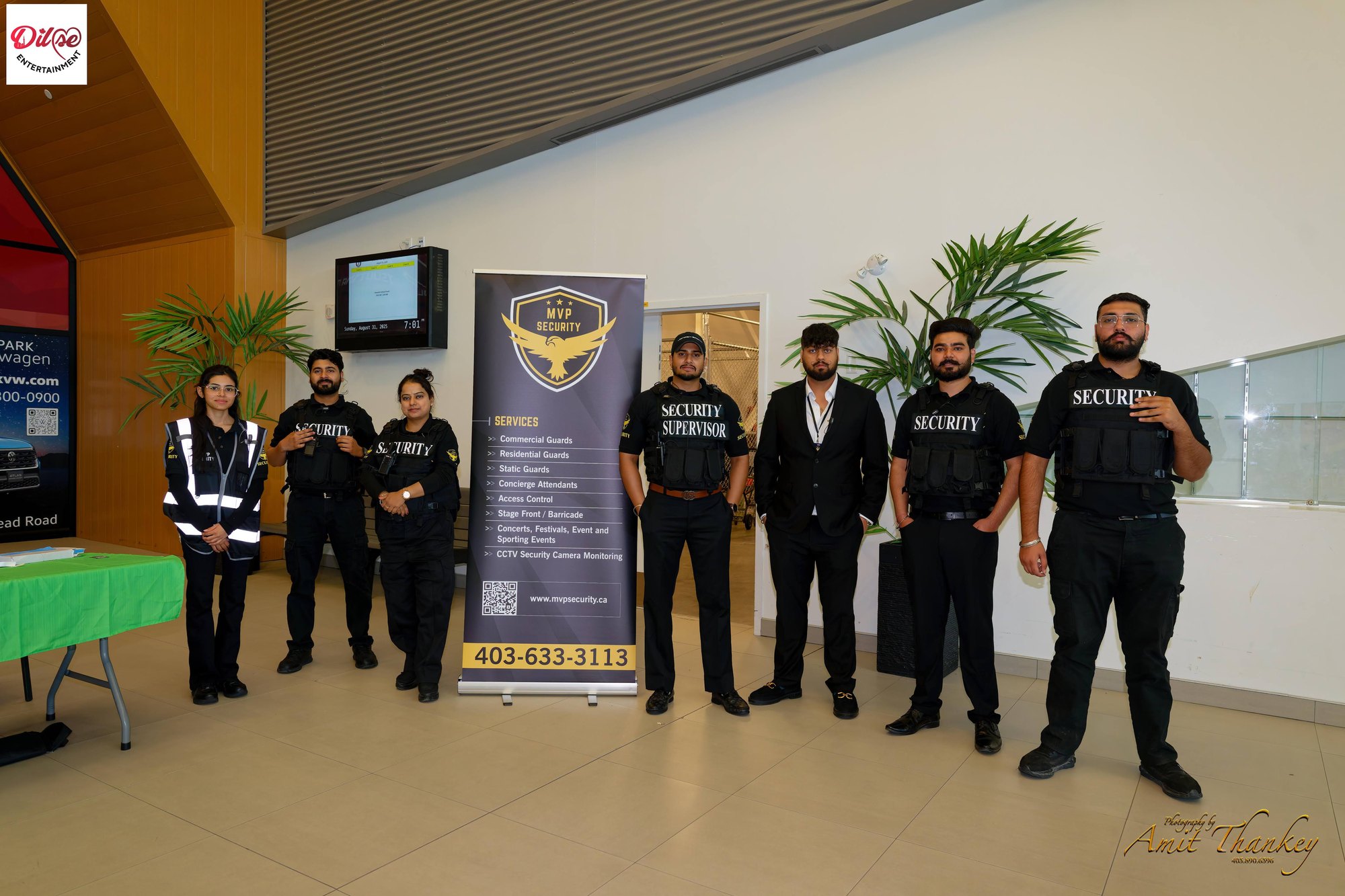
MVP Security Inc. develops site-specific coverage using trained, Alberta-licensed guards, local dispatch, documented patrol activity, and services that can scale from scheduled mobile checks to dedicated on-site personnel. The goal is not to add unnecessary staffing. It is to place the right level of protection where it will have the greatest operational impact.
The most useful next step is a direct review of your site's vulnerable hours, access points, recent incidents, and response expectations. When those details are clear, security becomes a managed operating function rather than a last-minute reaction to the next call.