

















A lobby can look well managed while still leaving critical security gaps. That is the central issue in the concierge security vs front desk decision: a welcoming presence is valuable, but it is not automatically a trained, accountable security function. For Calgary property managers, condo boards, commercial landlords, and building operators, the right choice depends on what happens after hours, how access is controlled, and what staff are expected to do when an incident occurs.
A front desk role is built around service and administration. Concierge security combines visitor service with licensed security responsibilities, documented procedures, and a visible deterrent. The titles can sound similar to tenants and visitors, but the operational difference matters when there is an unauthorized person in the building, a disturbance in the lobby, a door alarm, or a request for incident records.
Concierge Security vs Front Desk: The Core Difference
A front desk attendant is generally there to support the daily operation of a property. They may greet guests, accept packages, answer phones, direct contractors, book amenities, issue parking passes, and notify residents or tenants when visitors arrive. In a well-run building, this role improves convenience and creates a professional first impression.
Concierge security performs many of those same customer-facing tasks, but the role is structured around protecting people, property, and access points. In Alberta, a guard performing security duties must hold the appropriate licence and work within defined procedures. That means the person at the desk is prepared to monitor suspicious activity, manage visitor access, conduct patrols where assigned, respond to alarms, preserve incident details, and escalate concerns through the proper channels.
The distinction is not that one role is friendly and the other is not. Effective concierge guards need excellent communication skills because they represent the building every time someone enters the lobby. The difference is training, authority within the site plan, and accountability when the situation moves beyond routine customer service.
When a Front Desk Attendant Is the Right Fit
Front desk coverage can be a practical choice for a lower-risk environment where the primary need is hospitality, reception, and basic administration. A professional office with controlled daytime access, limited public traffic, and separate security measures may need someone who can greet clients and manage calls more than someone trained to intervene in security concerns.
It can also suit residential properties where residents mainly want parcel management, amenity bookings, and a familiar point of contact during predictable daytime hours. If the building already has reliable access controls, monitored alarms, cameras, and a clear response process, the front desk can focus on resident experience.
However, a front desk attendant should not be treated as a substitute for security simply because they are physically present. If they are expected to deal with trespassing, aggressive behaviour, repeated unauthorized entry, theft concerns, or emergency incidents, the site has moved into a security requirement. Assigning those responsibilities without the right training and support creates risk for the employee, occupants, and property owner.
What Concierge Security Adds to the Building
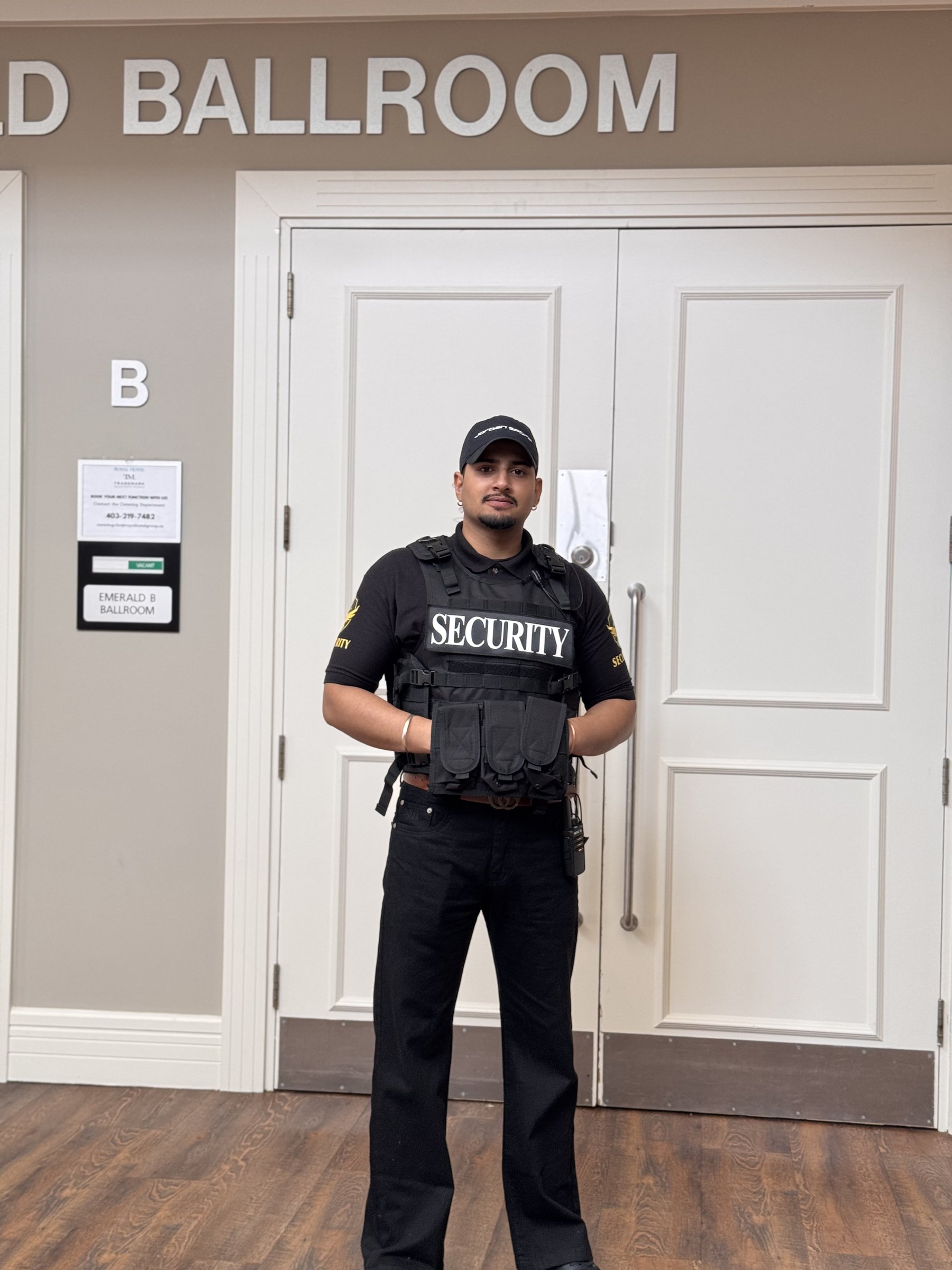
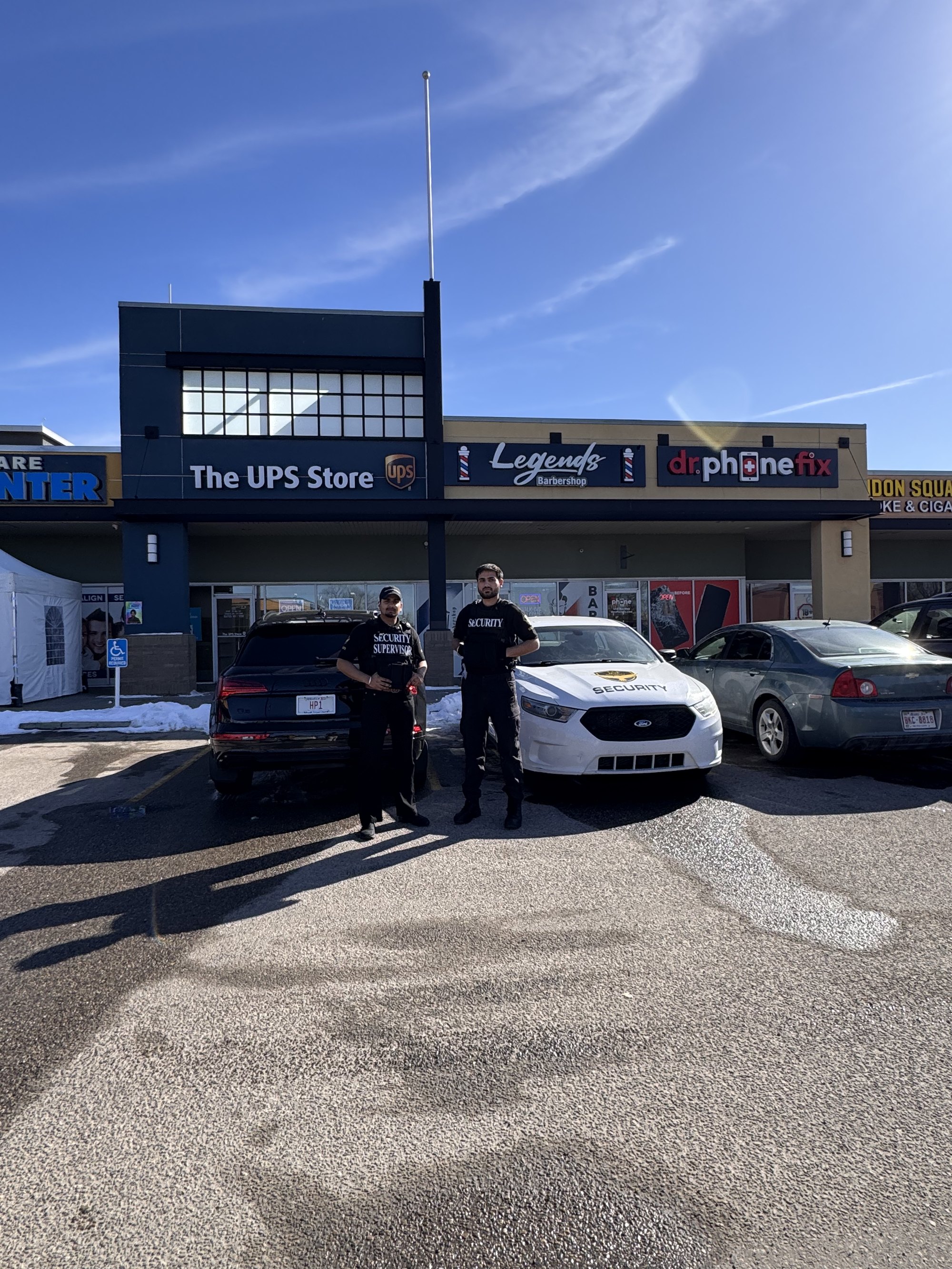
Concierge security gives a property one point of contact that is both service-oriented and operationally prepared. The guard is positioned at the front entrance, but their responsibility is broader than the desk. They are watching the flow of people, identifying access-control issues, following visitor protocols, and maintaining a clear record of relevant events.
For a condo or multi-residential building, that may include verifying vendors, managing move-in and move-out procedures, monitoring deliveries, checking common areas, and responding when a resident reports someone sleeping in a stairwell or attempting to access parkade levels. For commercial properties, it may mean confirming contractor authorization, controlling after-hours access, monitoring CCTV as assigned, and documenting incidents that affect tenants or operations.
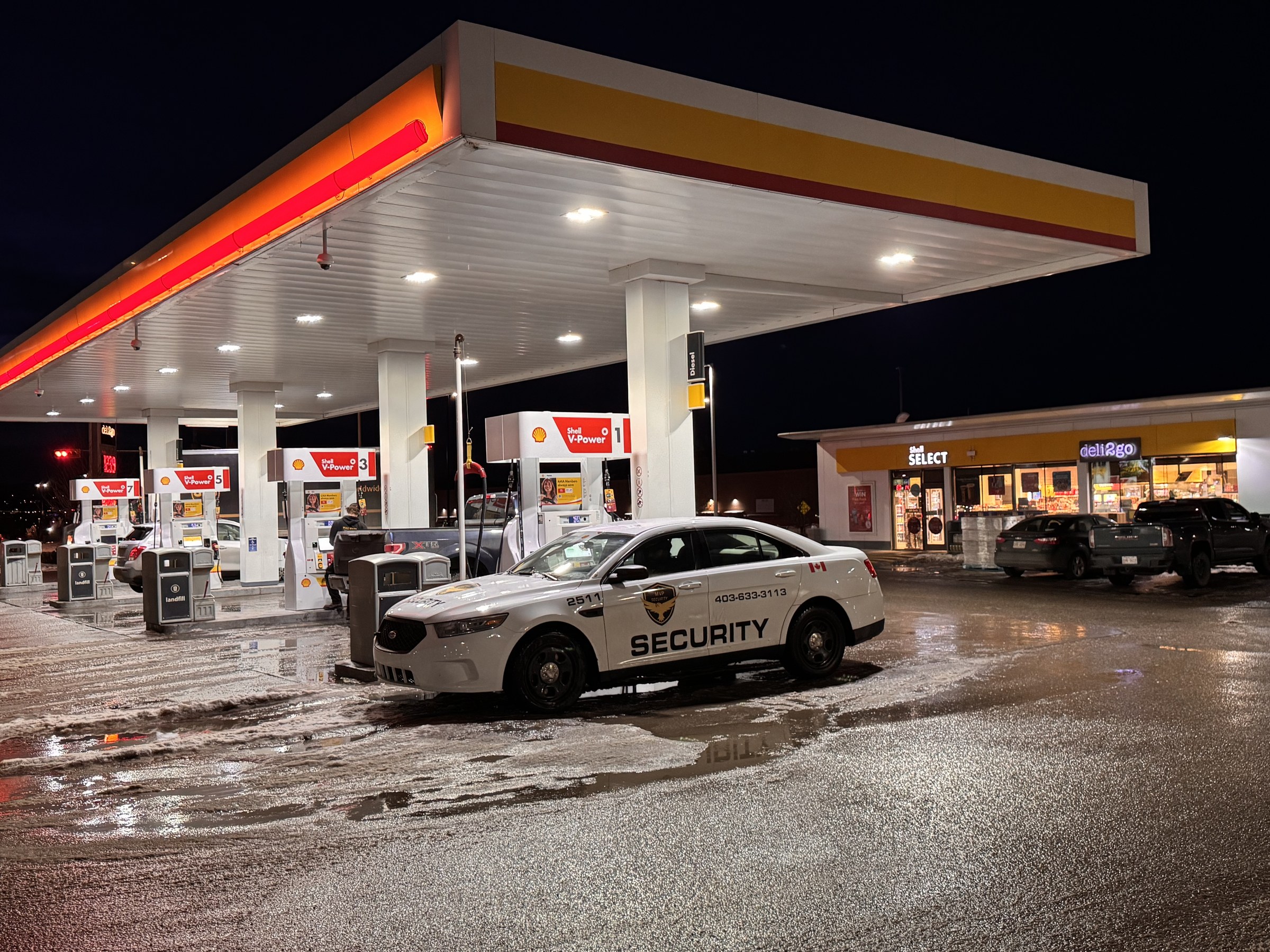
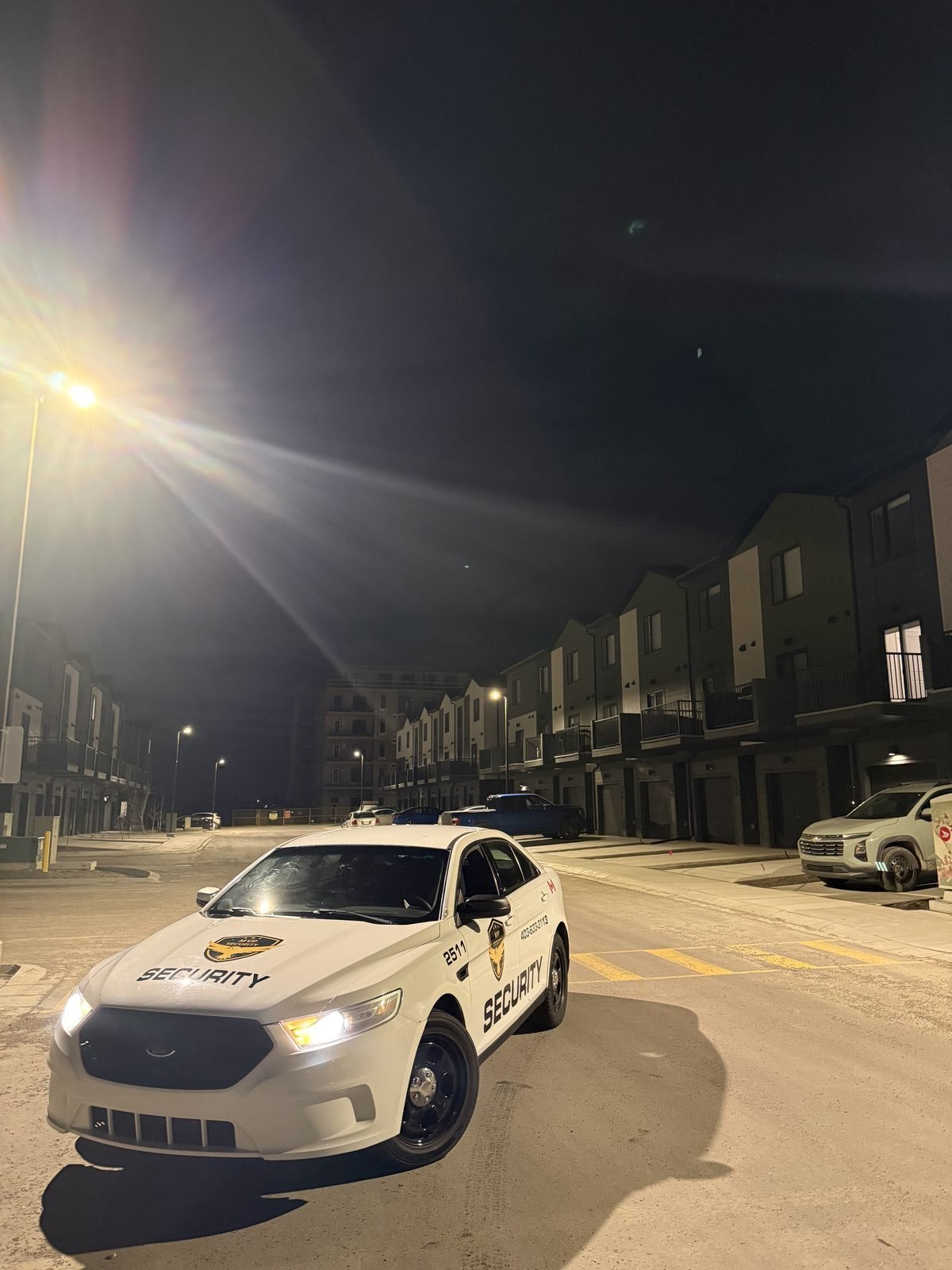
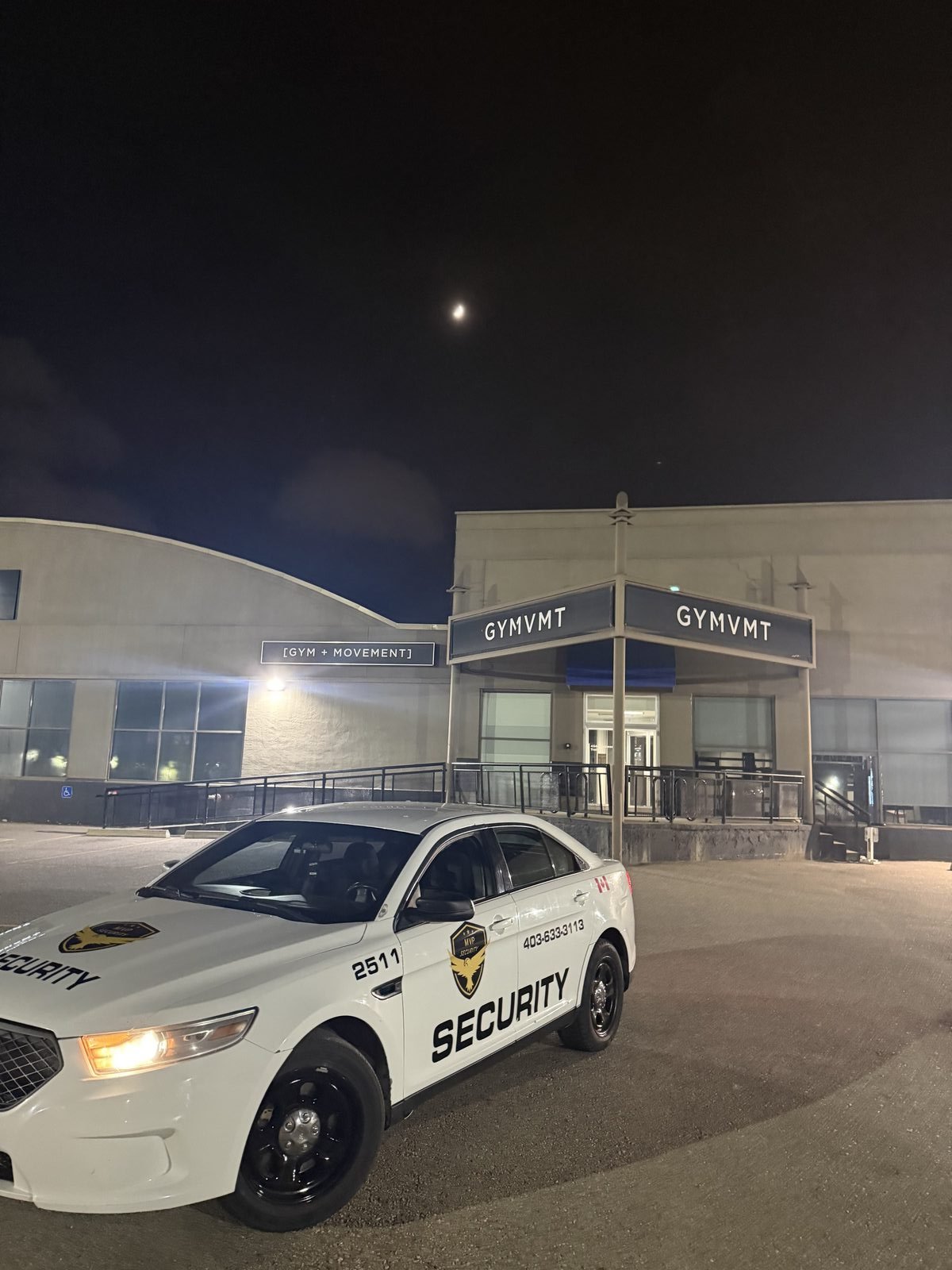
A trained guard is also a visible deterrent. Opportunistic trespassers and thieves often look for easy access, poor supervision, and uncertainty about who is paying attention. A professional concierge security presence makes it clear that the property has procedures, observation, and a response path.
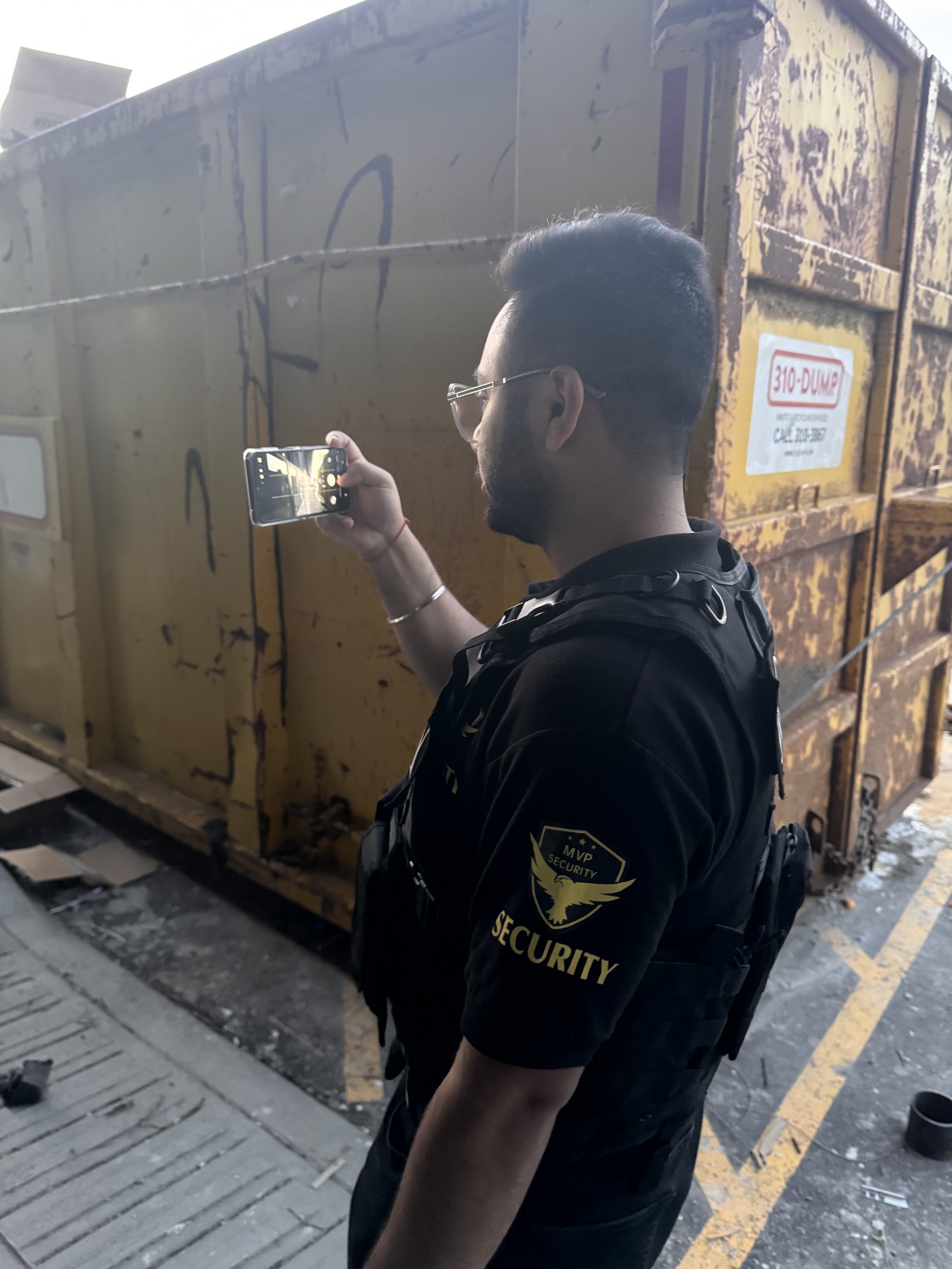
Documentation is another practical advantage. A security provider should be able to provide incident reports, patrol verification where patrols are part of the assignment, and photo documentation when appropriate. This gives property management more than a verbal account at the end of a shift. It creates a record that can support follow-up with tenants, contractors, insurers, police, or the condo board.
The Response Question Changes the Decision
Ask one direct question when comparing roles: what should the person at the desk do if something goes wrong?
If the answer is to call a manager, take a message, or contact emergency services, a front desk role may be sufficient for the site. If the answer includes assessing a concern, managing access, conducting a safe initial response, documenting events, contacting mobile backup, and following a site-specific escalation plan, concierge security is the more appropriate model.
Security guards are not a replacement for police, fire, or emergency medical services. Their value is in early detection, professional presence, safe procedures, communication, and timely escalation. That is often what prevents a manageable issue from becoming a larger disruption.
Choosing Coverage by Property Type
The best model is rarely decided by the building type alone. It is decided by risk, hours, public access, and the consequences of a gap in coverage.
High-rise residential buildings often benefit from concierge security when they have frequent deliveries, shared amenities, underground parkades, recurring unauthorized access, or a large volume of residents and visitors. The guard can protect the resident experience without losing sight of access control and common-area safety.
Class A offices and mixed-use developments may need a hybrid approach. A reception-focused person can handle business-hour visitor service, while security coverage takes over during evenings, events, contractor work, or periods of elevated risk. This can control costs without leaving the property exposed when normal office activity ends.
Retail centres, medical facilities, industrial offices, and public-facing commercial locations generally require stronger security planning where staff may face conflict, theft, or unpredictable public traffic. In these settings, calling the role “front desk” does not reduce the underlying security requirement.
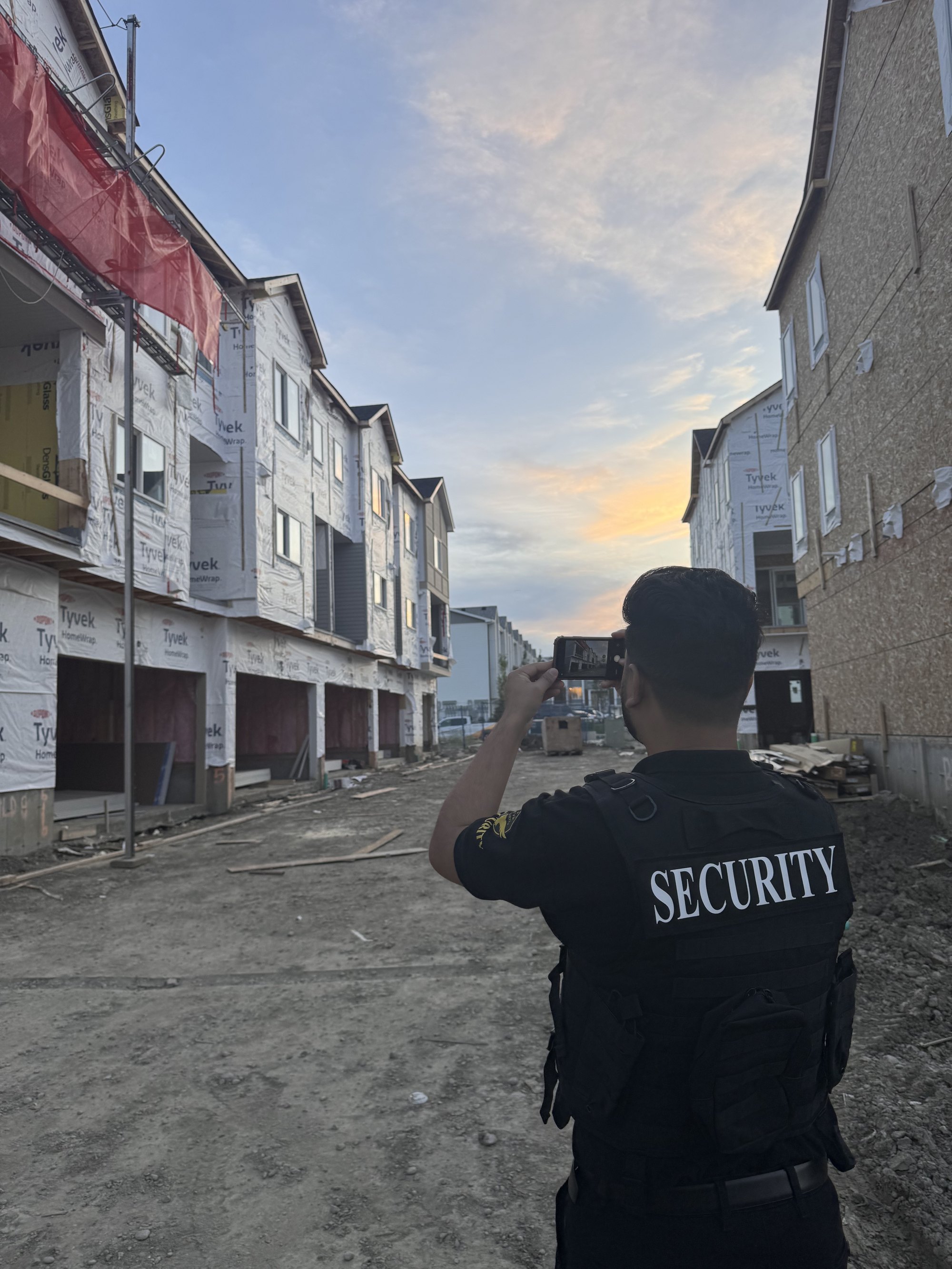
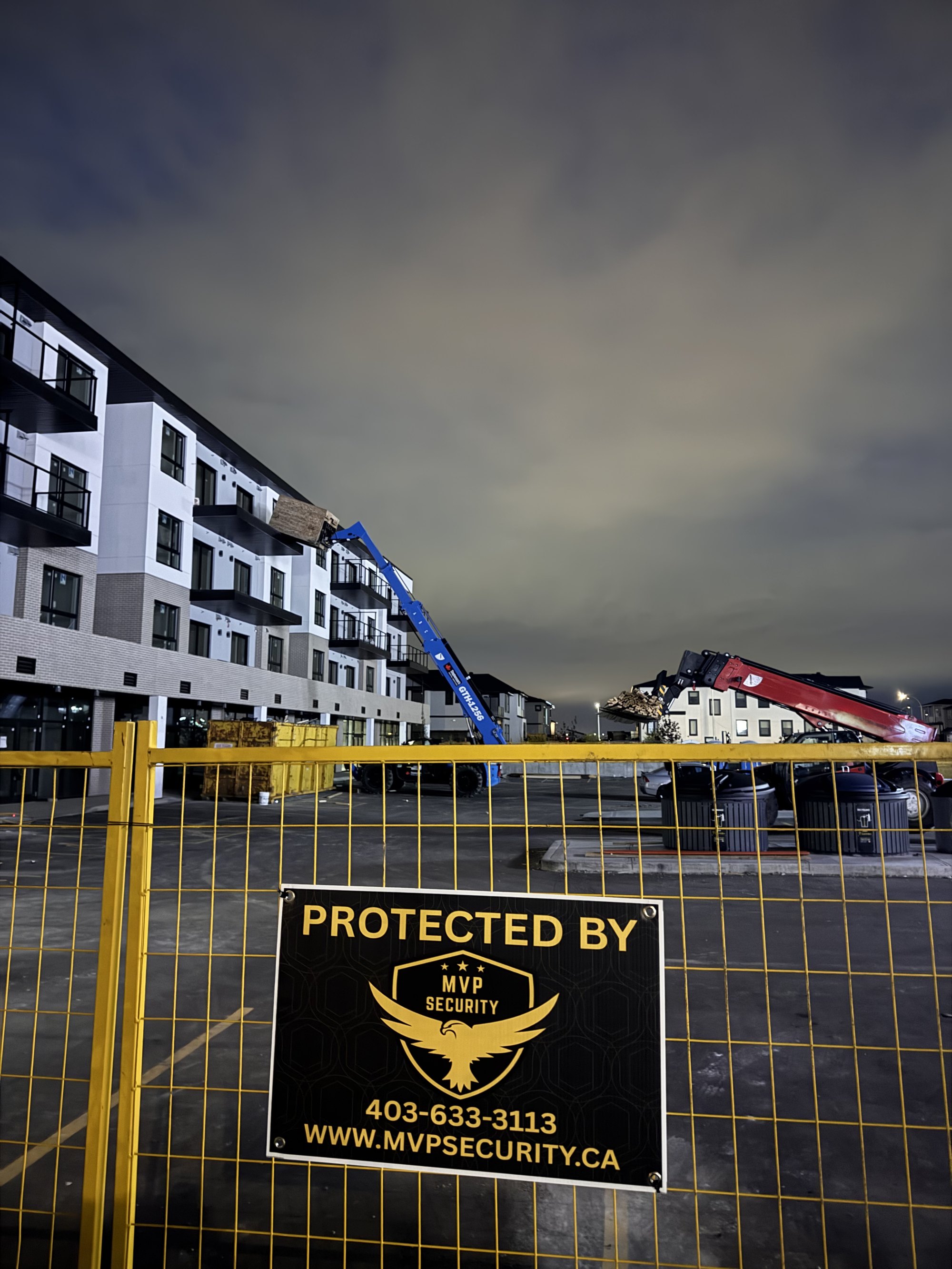
For new developments and buildings with active construction nearby, access points can change quickly. Temporary doors, contractor traffic, vacant units, and incomplete camera coverage may all increase the need for a licensed guard who can adapt to a defined site plan and report deficiencies promptly.
Cost Should Be Measured Against the Actual Risk
Front desk staffing may appear less expensive at first because the role is narrower. But cost comparisons need to account for what is included. A security program can involve guard licensing, supervision, site instructions, incident reporting, escalation protocols, and relief coverage. Those controls exist because the guard is being asked to manage higher-risk responsibilities.
The better question is not, “Which hourly rate is lower?” It is, “What does an incident cost this property when no one is equipped to handle the first ten minutes?” A break-in, an altercation, repeated vandalism, or an unsecured access point can quickly cost more than the difference between administrative staffing and properly designed security coverage.
That does not mean every property needs 24/7 concierge security. Some sites are well served by mobile patrols, alarm response, scheduled evening coverage, or a front desk attendant supported by security during higher-risk periods. A tailored plan should reflect the building’s actual traffic patterns, incident history, access layout, and budget.
Questions to Ask Before You Staff the Desk
Before choosing a provider or defining an in-house role, clarify what the person at the desk is responsible for. Who verifies visitors and contractors? Who responds to after-hours access concerns? Who patrols parkades, stairwells, loading areas, and amenity spaces? Who writes the incident report, and who receives it? What happens if the assigned staff member is unavailable?
You should also ask whether the security team is Alberta-licensed, insured, supervised, and able to provide documented activity reports. For Calgary-area properties, local dispatch capacity matters as much as the written plan. A provider that understands the site and can arrange backup quickly is more useful than one that only promises coverage on paper.
MVP Security Inc. builds concierge assignments around the specific functions the property needs, whether that means daytime lobby coverage, after-hours access control, mobile support, or a full-time security presence. The objective is not to overstaff a building. It is to place trained personnel where a security gap would create a real operational problem.
A front desk can make a building feel organized. Concierge security helps keep it controlled when the routine breaks. Start with the incidents your team is already managing, the hours when the building is most vulnerable, and the level of response you expect from the person at the entrance. That will point you toward coverage that protects both the property and the people relying on it.