










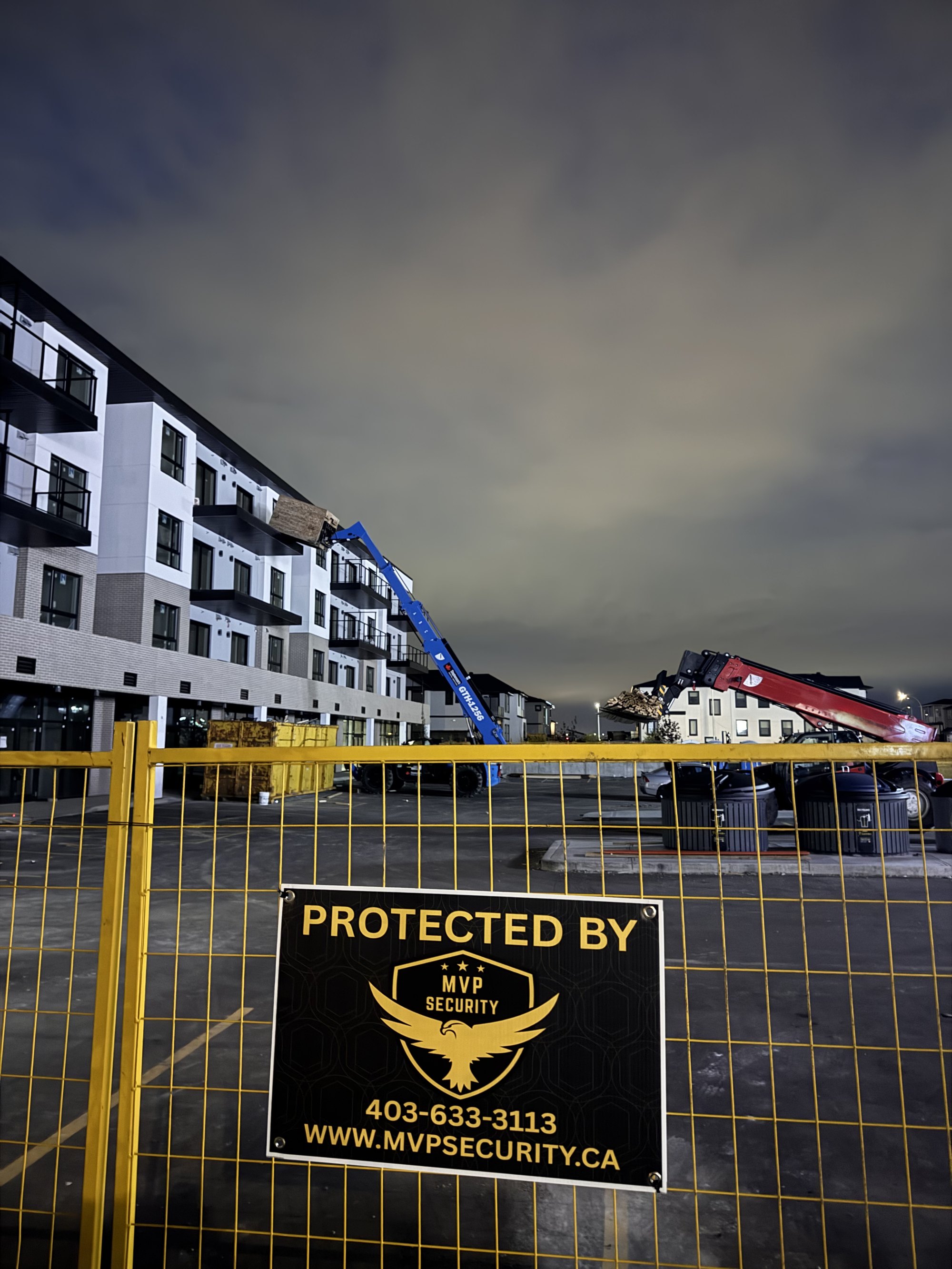

At 5:45 a.m., before crews arrive and before delivery gates open, a construction site can be at its most exposed. Tools are stored in sea cans, copper and fuel may be accessible, and an unfinished perimeter can make unauthorized entry simple. Effective construction security Calgary builders rely on is not just a guard walking the fence line. It is a site-specific plan that controls access, deters theft, responds to alarms, and creates a clear record when something happens.
For project managers, general contractors, and site supervisors, the goal is practical: keep the project moving, protect high-value assets, and avoid the delays that follow theft, vandalism, or an overnight incident. The right coverage depends on the stage of construction, the site layout, the surrounding area, and how much activity continues after regular working hours.
Construction Security Calgary: Start With Site Reality
A new build in a developing community does not face the same risks as a downtown renovation or an industrial project near a major transportation corridor. Before assigning guards or scheduling patrols, assess how the site is actually being used.
Look at where people can enter, where valuable materials are staged, whether fencing is complete, and which areas cannot be seen from the street. Consider delivery schedules, subcontractor traffic, nearby vacant lots, lighting coverage, and whether neighbours have reported suspicious activity. A site with frequent after-hours concrete work may need a different solution than a project that is empty from 6 p.m. until the next morning.
The construction phase matters as well. Early excavation sites may primarily need perimeter checks and equipment monitoring. Once framing, mechanical systems, appliances, or finished materials are in place, the risk of theft often increases. During closeout, access control becomes especially important as trades, cleaners, inspectors, and prospective occupants move through the property.
A security plan should change with these conditions. Keeping the same coverage in place from groundbreaking to handover can leave gaps in one phase and create unnecessary cost in another.
Use Layers, Not a Single Security Measure
A locked gate and a camera sign are useful, but neither is a complete construction security program. Cameras may capture activity, yet they do not physically challenge an intruder or secure an open gate. Fencing establishes a boundary, but damaged panels, temporary access points, and tailgating can undermine it quickly.
The strongest approach combines visible deterrence with active response. Depending on the project, that may include static guards at key periods, mobile patrols at varied intervals, controlled entry points, alarm response, monitored cameras, and photo-documented inspections.
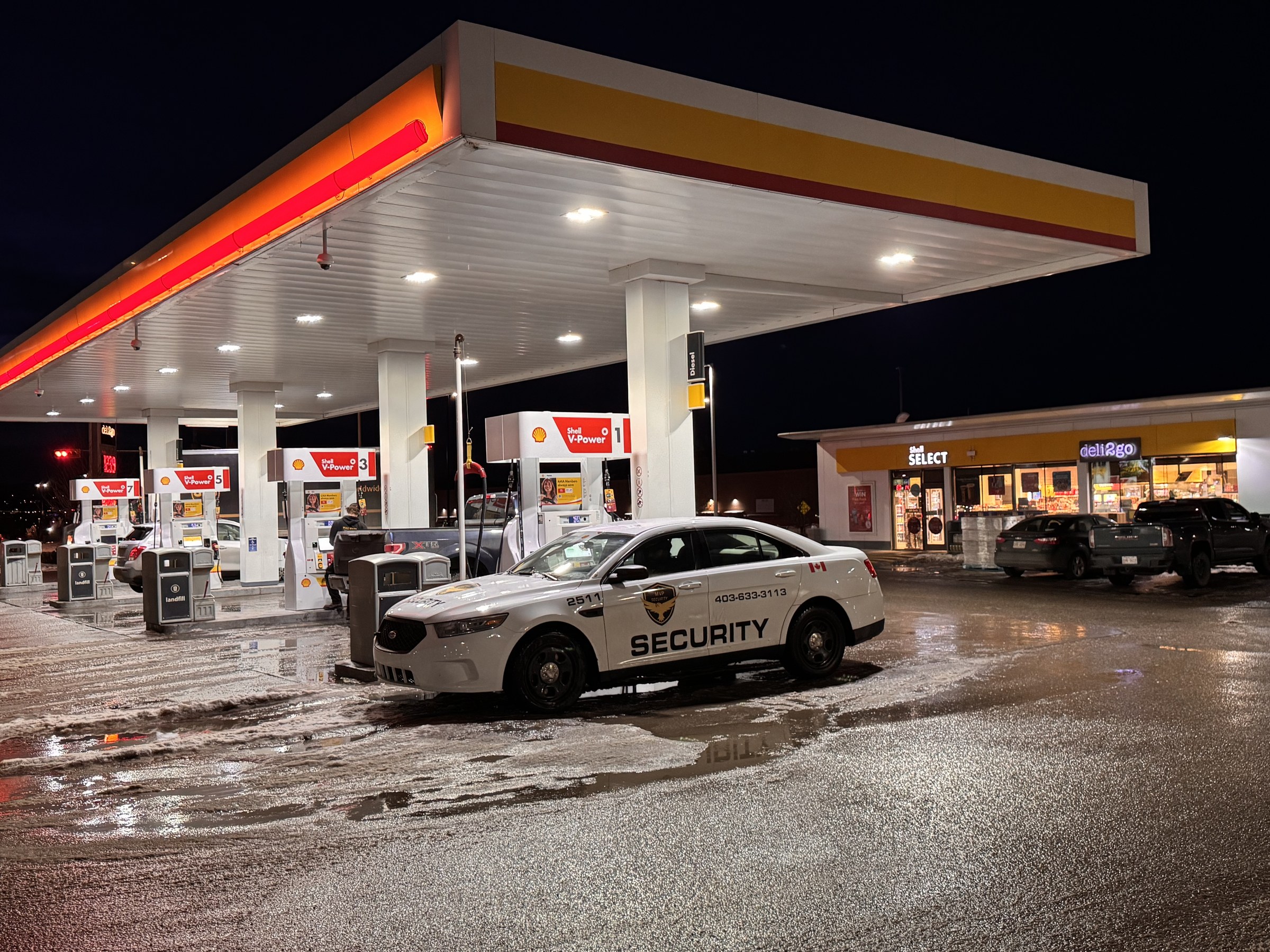
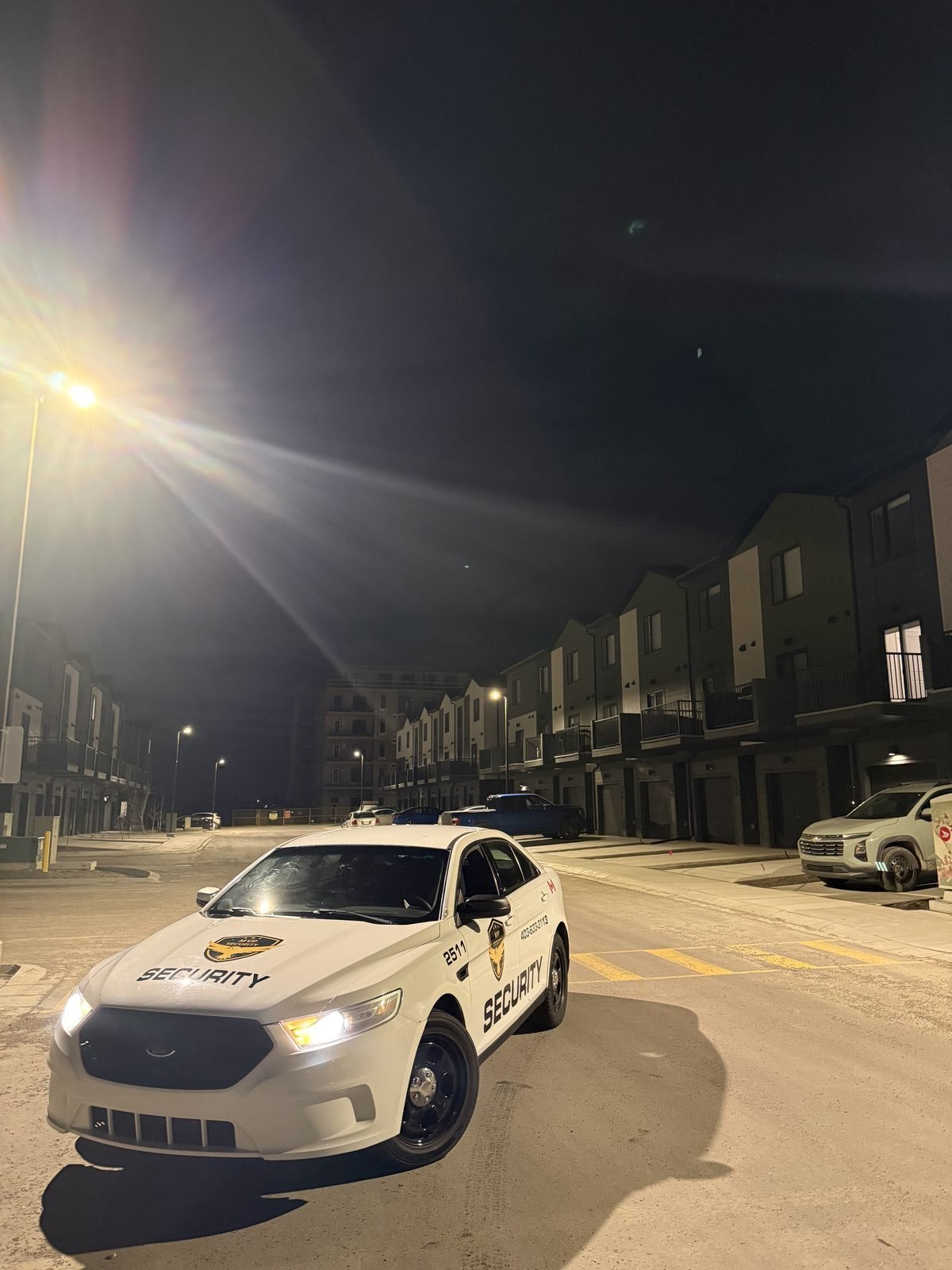
These layers serve different purposes. A uniformed guard at an access gate can verify who is entering and reduce unauthorized vehicle traffic. A marked mobile patrol vehicle creates an unpredictable presence after hours. CCTV can support monitoring of blind spots and provide evidence after an incident. Good lighting, secure storage, and properly managed keys reduce opportunity before a guard ever needs to intervene.
There is a trade-off. More technology does not automatically mean better protection, especially if alerts are not monitored or the site has no reliable response plan. Likewise, placing a guard at one entrance may not help much if the actual vulnerability is an unfenced rear boundary. Coverage should follow the risk, not a standard package.
Control Who Comes In and Out
Construction sites are busy by design. Workers, suppliers, inspectors, equipment operators, and visitors may all require access in a single day. Without clear entry procedures, it becomes difficult to distinguish legitimate activity from unauthorized access.
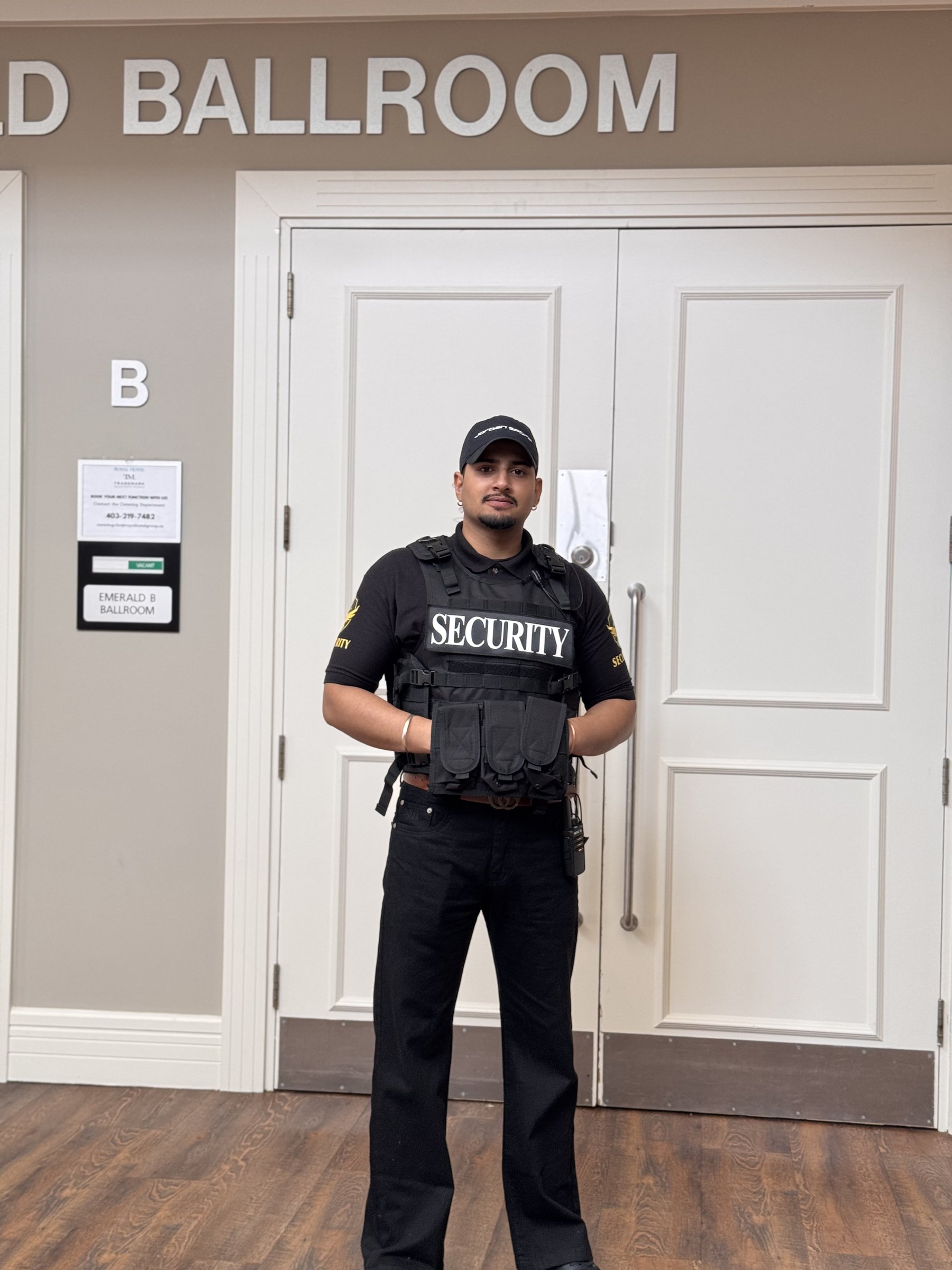
During staffed hours, a security guard can support gate control by recording visitors, checking authorization, directing deliveries, and enforcing sign-in requirements established by site management. This is particularly useful on projects with limited parking, high-value deliveries, or multiple subcontractors working at once.
After hours, access control becomes more focused. Gates should be secured, keys and fobs accounted for, and temporary access arrangements communicated to the security team. If a late delivery or emergency repair is expected, the guard or patrol dispatcher needs the relevant vehicle details, contact information, and authorized time window.
Security personnel should not replace the project team’s safety process or make decisions outside their authority. Their role is to observe, control access as instructed, report concerns promptly, and escalate according to the site’s agreed procedures. Clear boundaries help everyone work more effectively.
Choose Static Guards or Mobile Patrols Based on Risk
Static guard coverage is the right choice when a consistent on-site presence is necessary. This may apply to large projects with an active gate, sites experiencing repeated theft attempts, locations with vulnerable materials, or properties where a visible overnight guard is part of the client’s insurance or risk-control requirement.
A static guard can conduct regular perimeter checks, monitor designated areas, manage authorized access, and respond immediately to suspicious activity. The limitation is cost: continuous coverage is more resource-intensive, so it is best used when the risk justifies it or when site operations require it.
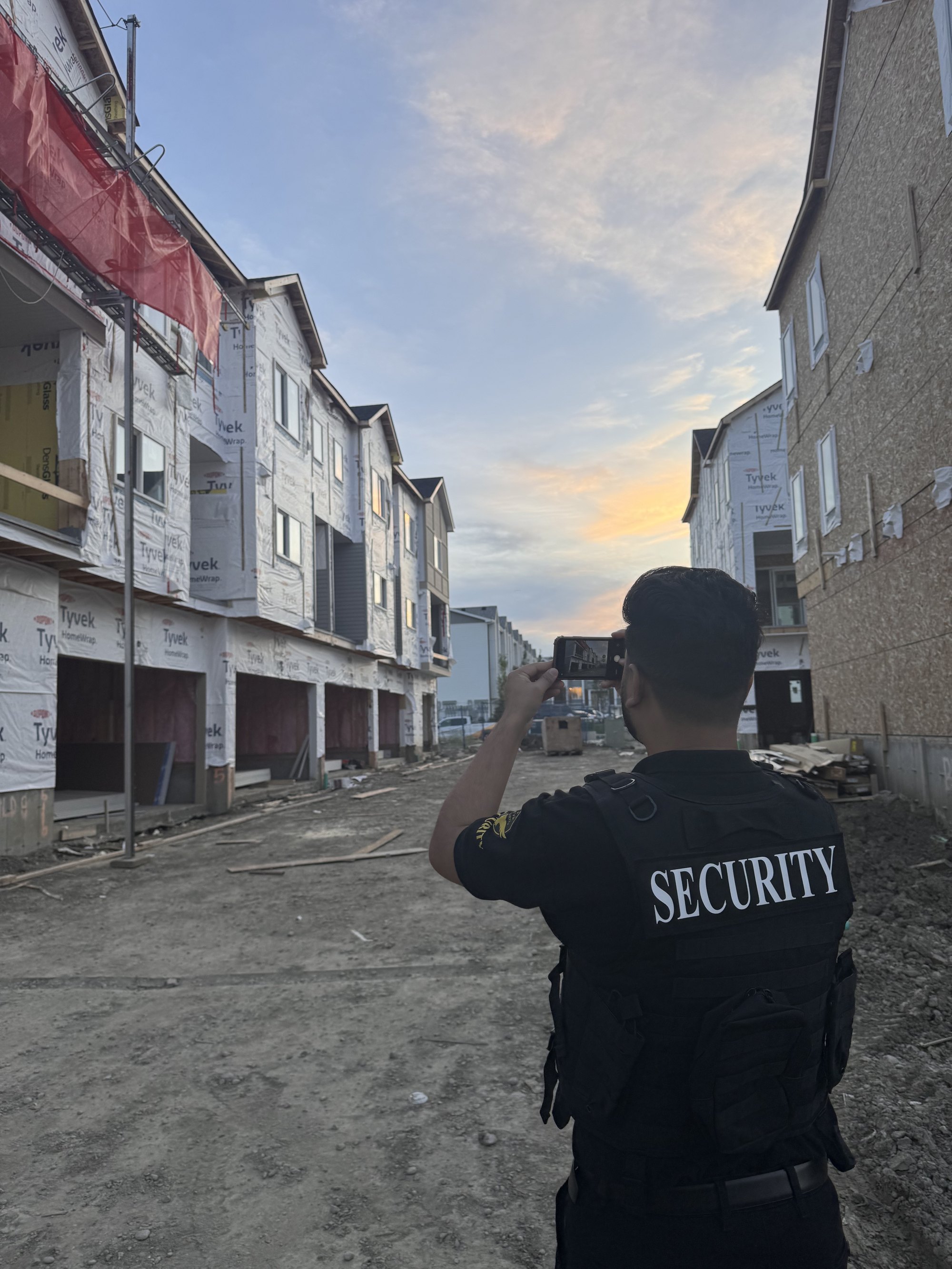
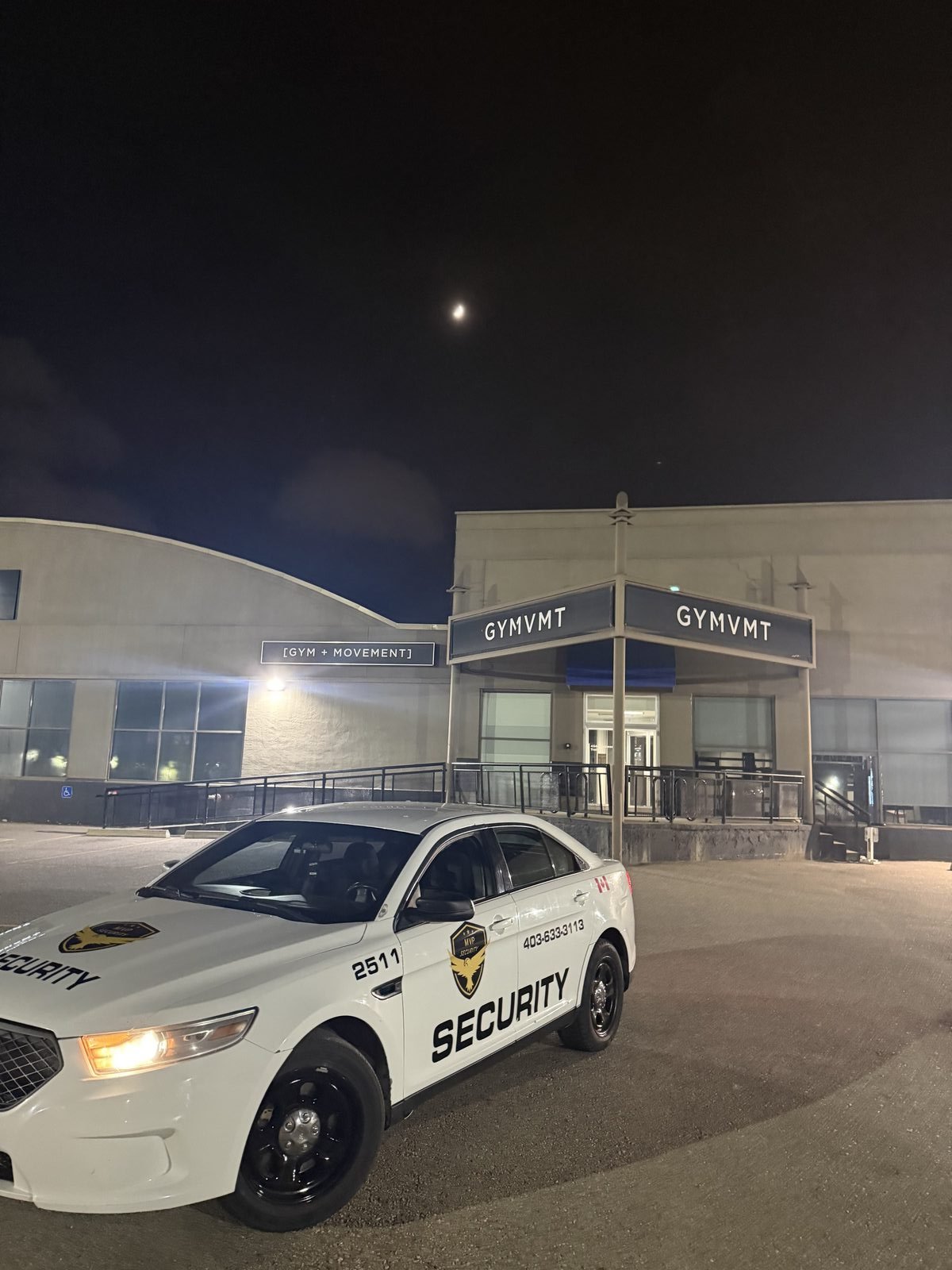
Mobile patrol is often a cost-effective option for quieter sites. A trained guard attends at scheduled or randomized times, inspects gates and fencing, checks doors, looks for signs of forced entry, and documents each visit. GPS-tracked patrol activity and time-stamped photos give project managers confirmation that checks were completed.
Patrols are not a substitute for a full-time guard where immediate, continuous presence is required. But for many Calgary-area sites, especially during early construction or short periods of elevated risk, they provide visible deterrence and accountable oversight without paying for overnight static coverage.
Make Alarm Response Part of the Plan
An alarm system is only as useful as the response that follows it. If an alarm activates at 2 a.m., someone needs to attend, assess the situation safely, secure what can be secured, and notify the appropriate contacts. Leaving this responsibility to a project manager can create unnecessary disruption and delayed response.
A construction security provider can act as a designated alarm response contact, attend the site, check the exterior and accessible areas, and provide an incident report with photos when required. If there are signs of a break-in, damage, fire risk, or an active threat, the guard follows escalation procedures and contacts emergency services when appropriate.
This arrangement works best when alarm zones, keyholder information, site maps, and emergency contacts are current. Projects change quickly. A gate that was secure last month may have been relocated, and a storage trailer may now hold expensive electrical equipment. Update the security provider whenever the site layout or risk profile changes.
Documentation Protects More Than Property
When an incident occurs, vague notes are not enough. Project stakeholders may need to know the time of the patrol, which gate was found open, what damage was observed, who was notified, and what action was taken. Clear reporting helps management make decisions quickly and can support insurance claims, police reports, and internal follow-up.
Photo-documented reporting is particularly valuable for repeated issues such as fence damage, illegal dumping, trespassing, unsecured equipment, or poor lighting. It turns a general concern into a record that can be reviewed with the superintendent, property owner, insurer, or subcontractor responsible for a particular area.
Regular reports also reveal patterns. If patrols repeatedly find a pedestrian gate unsecured after a certain trade leaves, the answer may be a process change rather than more guard hours. Security is most effective when reporting leads to corrections on site.
Plan for the Incidents You Hope Never Happen
Theft and vandalism receive most of the attention, but construction projects can also face fire watch requirements, water leaks, damaged doors, squatters, severe weather concerns, and disputes involving unauthorized individuals. A practical plan identifies who security calls first, when the client wants immediate notification, and when emergency services should be contacted.
For example, fire watch coverage may be required when a fire protection system is impaired or building conditions create a temporary monitoring need. This is a specialized assignment that requires clear instructions, documented patrol intervals, and reliable communication with the site representative.
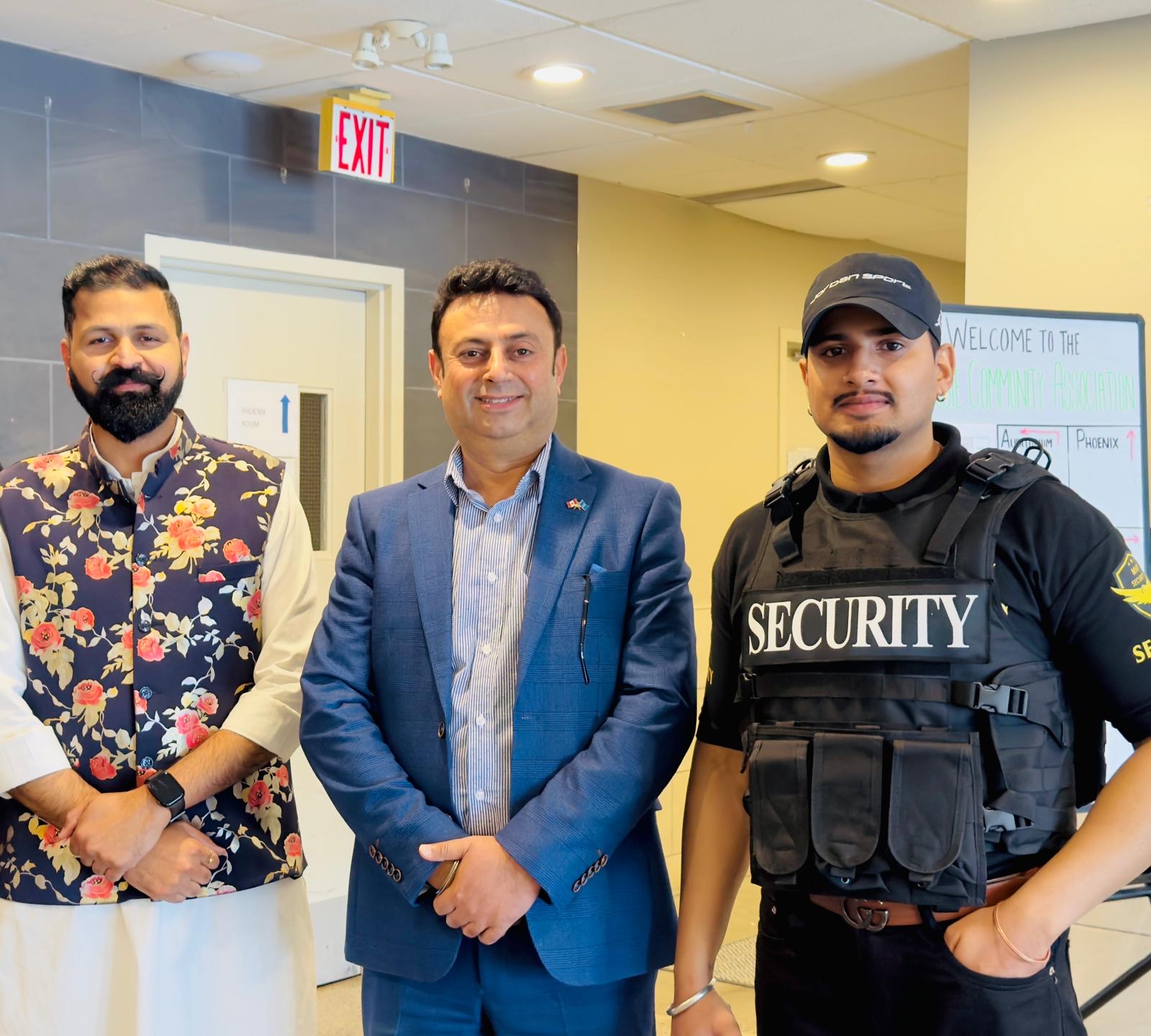
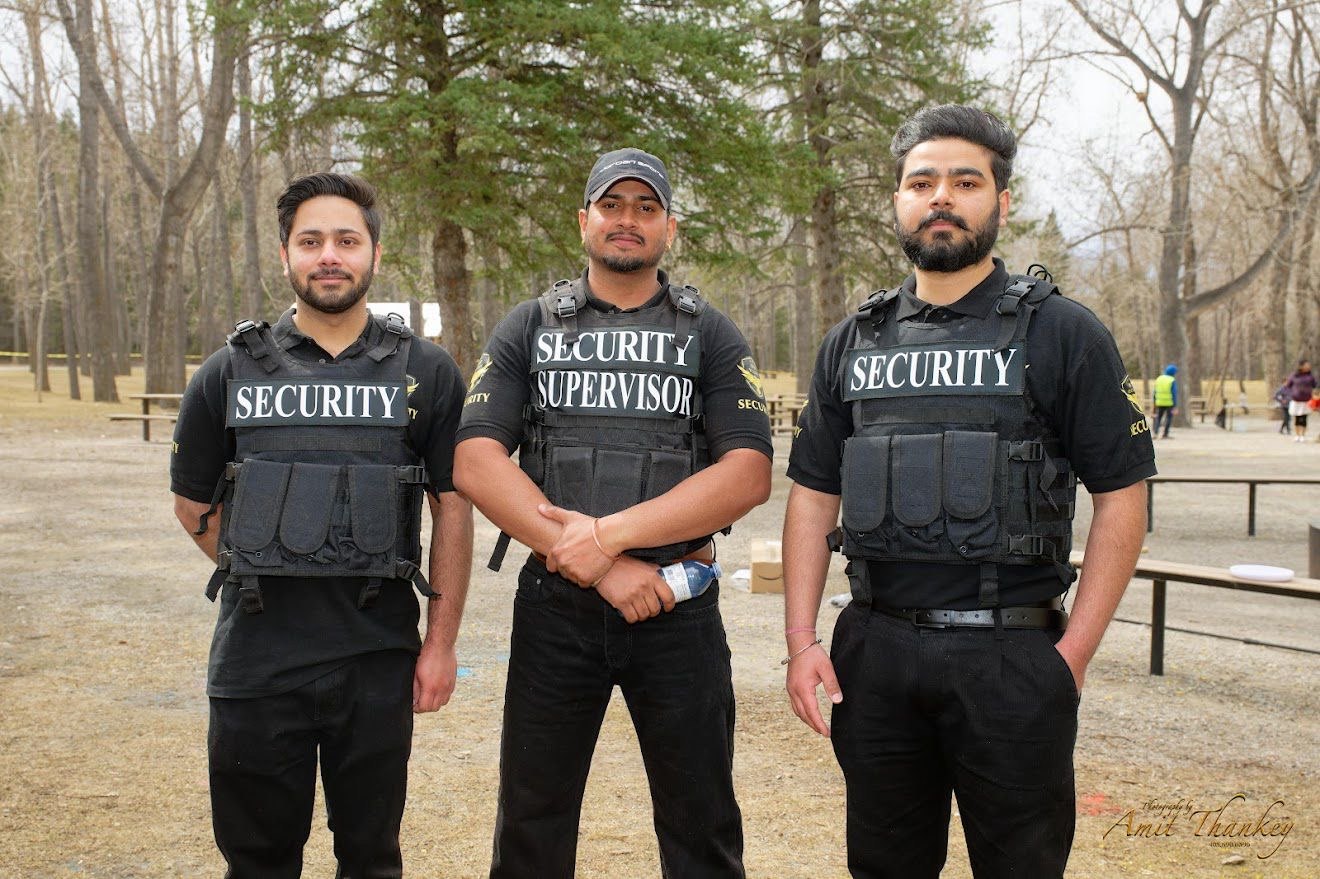
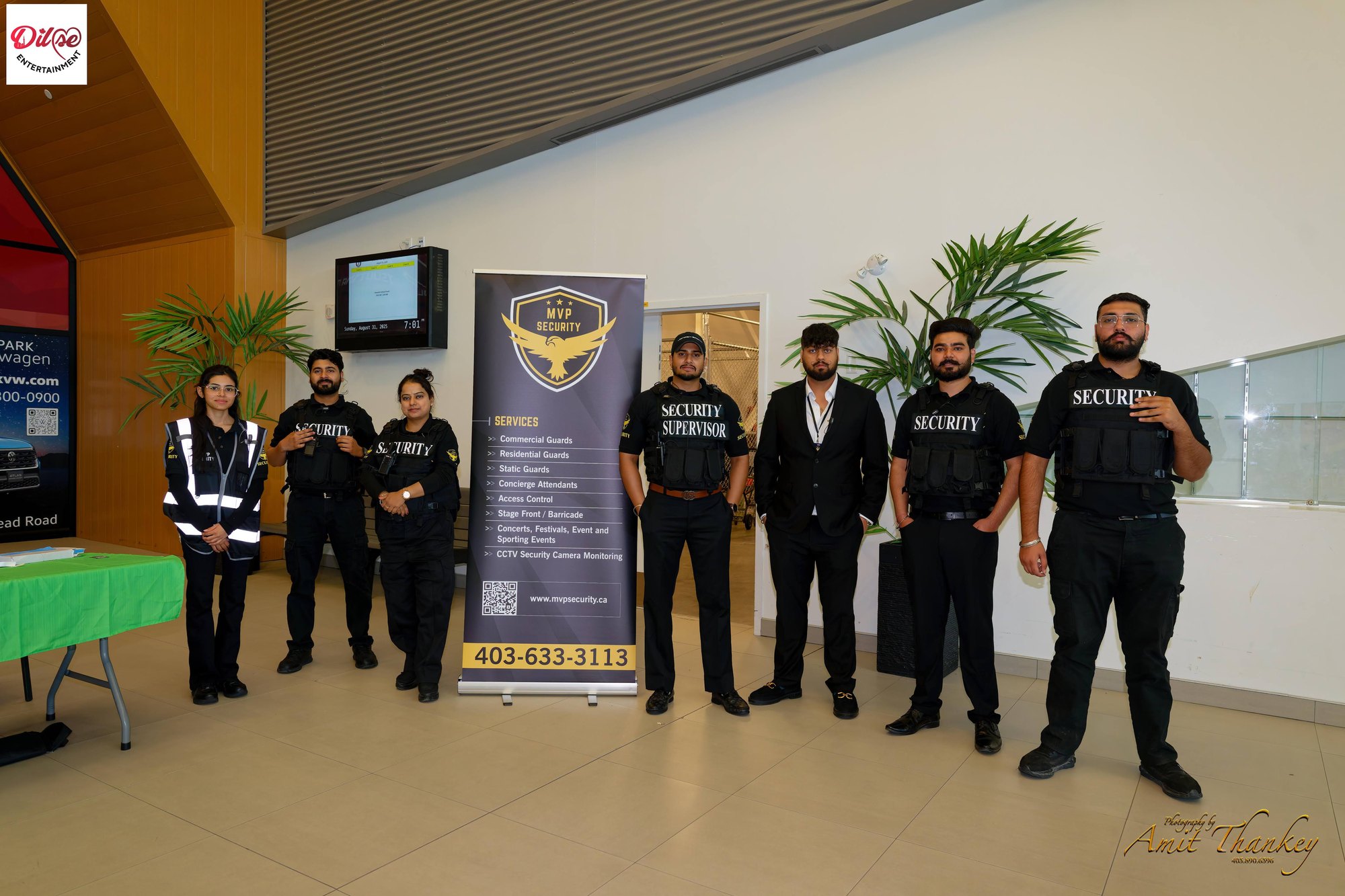
Local deployment matters when coverage is needed quickly. MVP Security provides Alberta-licensed guards and flexible Calgary-area coverage for projects that need planned protection, short-notice support, or emergency attendance. The right provider should be able to explain what will happen on site, how patrol activity is tracked, and what reporting the project team will receive.
A construction site does not need the most expensive security program. It needs coverage that matches its real exposure, is carried out consistently, and gives the project team confidence that someone is accountable when the site is quiet.