




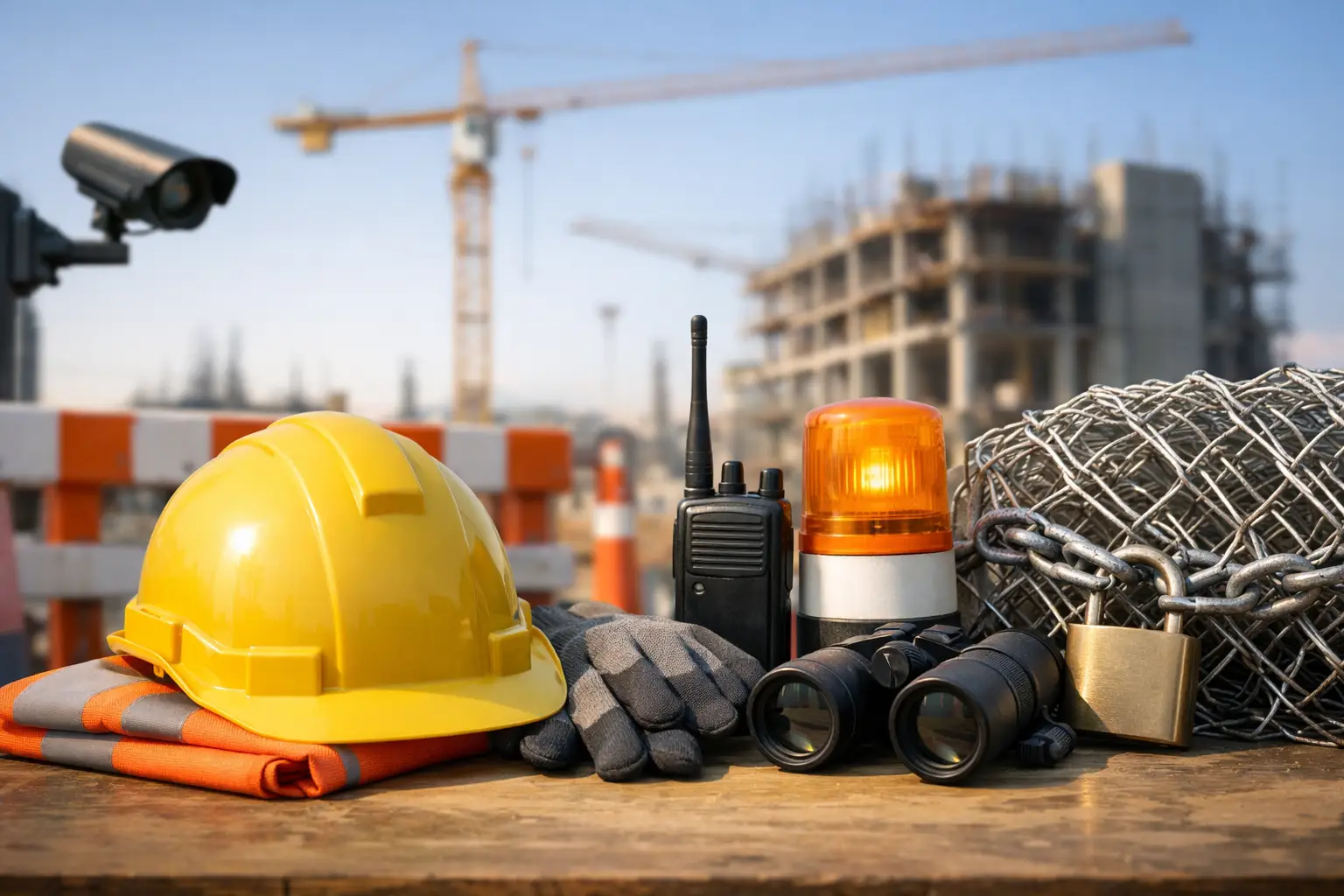
A stolen skid steer, a cut fence line, or a group of trespassers on an unfinished floor can derail a project faster than most schedules account for. This construction site protection guide is written for Calgary-area builders, project managers, and site supervisors who need practical protection that holds up after hours, on weekends, and during high-risk phases of a job.
Construction sites attract attention for simple reasons: expensive tools, copper, fuel, materials, open access points, and changing crews. Add tight timelines, subcontractor traffic, and partially secured structures, and the risk profile changes from week to week. Good site protection is not just about having a guard posted at a gate. It is about matching the security plan to the actual conditions on the ground.
What makes construction sites especially vulnerable
A construction site is rarely static. Fencing moves. Deliveries arrive early. Trades work late. Equipment gets parked in different locations, and access routes change as the build progresses. That creates gaps criminals notice quickly.
In Calgary and surrounding communities, weather also plays a role. Winter darkness starts earlier, snow can reduce visibility, and remote industrial or edge-of-town sites can sit quiet for long stretches. A site that looks reasonably controlled during working hours can become easy to test after the crew leaves.
The main threats tend to be predictable: theft of tools, materials, and fuel; vandalism; unauthorized entry; loitering; and fire or safety risks tied to vacant or partially enclosed structures. The problem is not just replacement cost. Delays, insurance issues, disrupted subcontractor schedules, and safety liability often do more damage than the stolen item itself.
A construction site protection guide starts with risk, not staffing
The first question should not be, How many guards do we need? It should be, What exactly are we protecting, when is the site most exposed, and what would cause the biggest operational setback?
A downtown infill project has different needs than a large greenfield development on the edge of the city. A site in framing stage has different vulnerabilities than one storing finish materials and installed mechanical systems. If copper theft is your concern, patrol patterns and material control matter. If after-hours trespassing is the issue, visible deterrence and perimeter integrity may matter more.
That is why the most effective plans are site-specific. They consider hours of operation, layout, lighting, fencing, access points, neighbouring properties, prior incidents, and budget. A lower-risk site may only need scheduled mobile patrols and alarm response. A high-risk site with repeated incidents may need overnight guard coverage, strict access control, and documented patrol checks.
Start with the perimeter, but do not stop there
Perimeter security is the first layer because it affects everything else. If fencing is damaged, gates are left unsecured, or blind spots are obvious from the road, the site sends the wrong message. A visible perimeter reduces opportunistic crime, but only if it is maintained.
That means checking fence lines routinely, securing gates consistently, and adjusting barriers as the site evolves. It also means thinking beyond the main entrance. Side access points, temporary openings for deliveries, and areas where equipment can be driven out are common weak spots.
Still, perimeter security has limits. A fence on its own will not stop a determined theft crew with a truck and a plan. It buys time and creates a boundary, but it works best when paired with lighting, patrol presence, monitored systems, or a static guard depending on the site.
Lighting matters more than most sites assume
Poor lighting creates two problems at once. It helps intruders stay unseen, and it makes it harder for guards, patrol officers, or cameras to assess what is happening. Temporary lighting should cover entrances, material storage zones, equipment parking, and any structure access points.
More light is not always better if it creates glare or shadows in the wrong places. Placement matters. A well-lit gate with a dark stretch behind the laydown yard still leaves a usable concealment area. On some sites, portable lighting towers are enough. On others, fixed temporary lighting makes more sense for consistent overnight visibility.
Control access like it affects liability, because it does
Open site culture is common during active construction, but unrestricted access creates problems quickly. Every worker, subcontractor, delivery driver, and visitor should have a clear point of entry and a process that fits the project. That process does not need to be complicated to be effective.
At minimum, there should be clear sign-in expectations, credential checks where appropriate, and a defined way to handle unknown visitors after hours. For larger or more sensitive projects, access control can include gate monitoring, visitor logs, key or code management, and guard verification of entrants.
This is not just about theft prevention. If someone is injured on site, if materials go missing, or if unauthorized persons are found inside a structure, poor access control becomes an operational and legal issue. Clear records and consistent procedures help protect the project as much as the property.
Patrols and guard coverage should match the site phase
One of the most common mistakes in site security is using the same coverage from groundbreaking to completion. Construction risk changes by phase, and the protection plan should change with it.
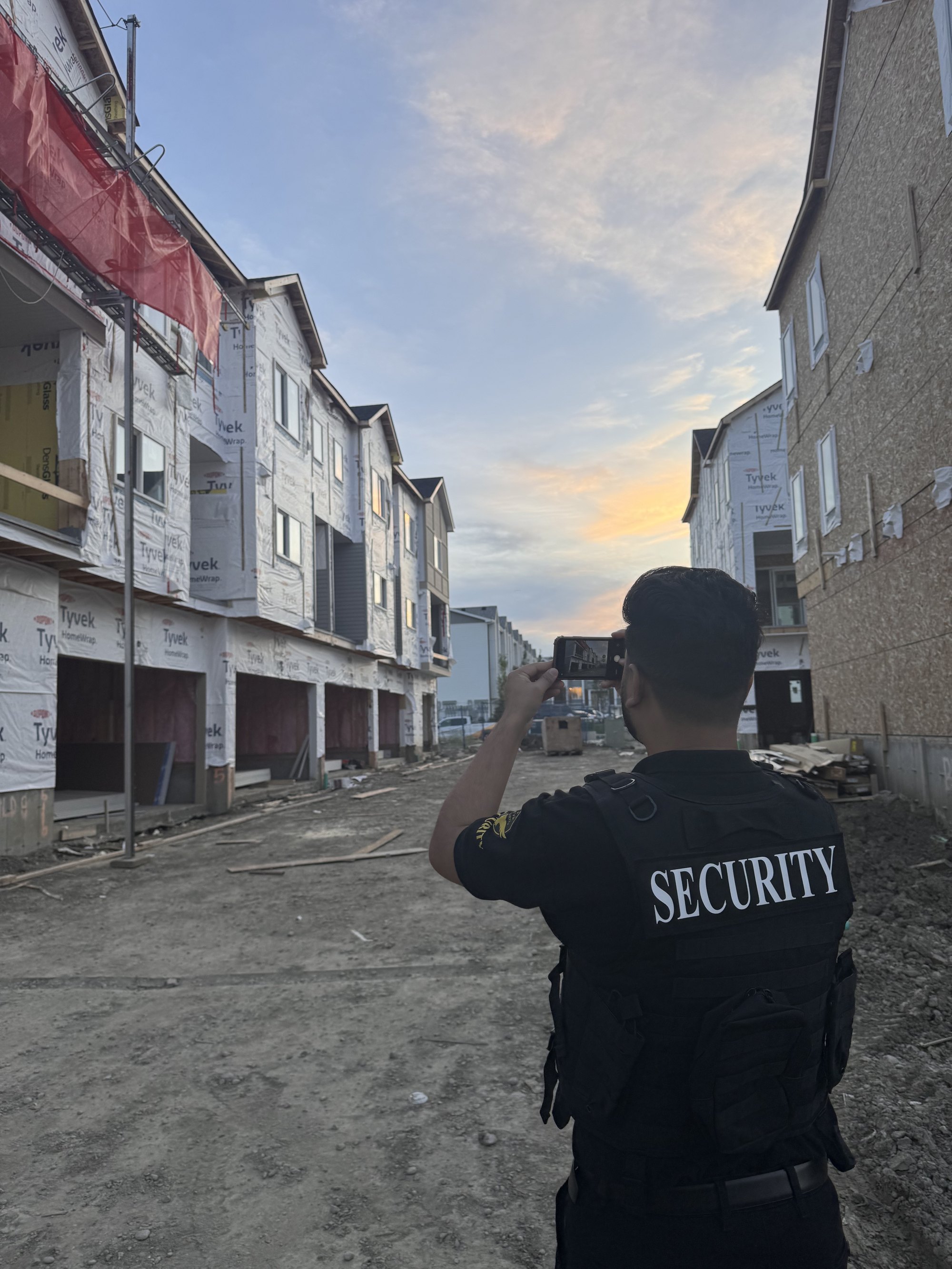
Early-stage sites often benefit from mobile patrols, perimeter checks, and visible drive-through presence. Once equipment, fuel, and materials begin accumulating, random patrol timing becomes more important. During enclosed stages, when interiors contain higher-value assets and access points multiply, static overnight guard coverage may be justified.
There is a trade-off here. Mobile patrol is cost-effective and works well for many sites, especially when visits are GPS-tracked and reporting is documented with photos. But patrols are intermittent by design. Static guards provide constant presence and immediate intervention, though at a higher cost. The right choice depends on incident history, asset value, site isolation, and how quickly a loss would affect the project schedule.
Documentation is not a bonus feature
When an incident happens, verbal updates are not enough. Project managers and owners need clear records: when patrols occurred, what was observed, what was found unsecured, whether police or emergency services were contacted, and what action was taken on site.
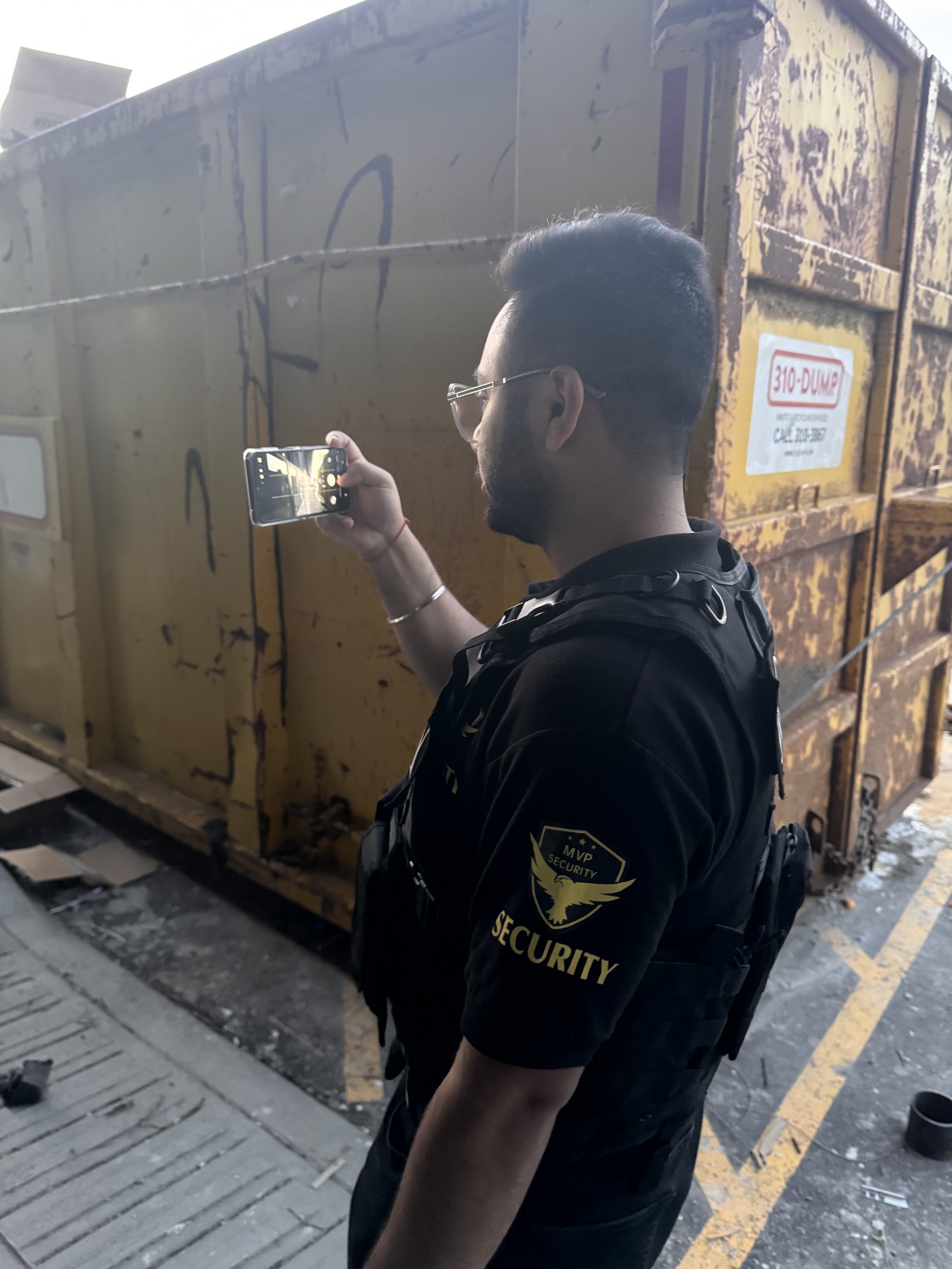
Photo-documented reporting and time-stamped patrol activity help in three ways. First, they create accountability with the provider. Second, they help management spot repeat vulnerabilities, such as the same gate being left open or the same storage area attracting problems. Third, they support insurance and internal reporting when something goes wrong.
This is one reason many local builders prefer providers that can show exactly what happened on each shift instead of offering generic assurance that the site was checked.
Technology helps, but it does not replace response
Cameras, alarms, and monitored systems can strengthen a site security program, especially overnight. They are useful for detection, verification, and post-incident review. But technology only works when there is a response plan behind it.
An alarm with no reliable dispatch process often becomes noise. A camera system that captures a theft after the fact may help identify what happened, but it does not recover schedule time. For many Calgary construction sites, the best results come from combining visible guard presence or mobile patrol with monitored systems and clear escalation procedures.
That balance matters. Technology can reduce labour costs in some cases, while trained personnel can assess intent, challenge unauthorized persons, secure openings, and coordinate with emergency responders in real time. It is rarely an either-or decision.
Choosing the right security provider for a jobsite
Construction clients usually need three things from a provider: fast deployment, consistent reporting, and coverage that reflects actual site conditions instead of a generic package. Licensing and insurance are basic requirements, but they should not be the end of the evaluation.
Ask how patrols are tracked, how incidents are documented, how quickly coverage can be deployed, and whether the company understands local site conditions in Calgary, Airdrie, Cochrane, Chestermere, Okotoks, and High River. A provider that knows the area, can respond quickly, and can scale from patrols to full-time coverage is often more useful than one offering a standard national model.
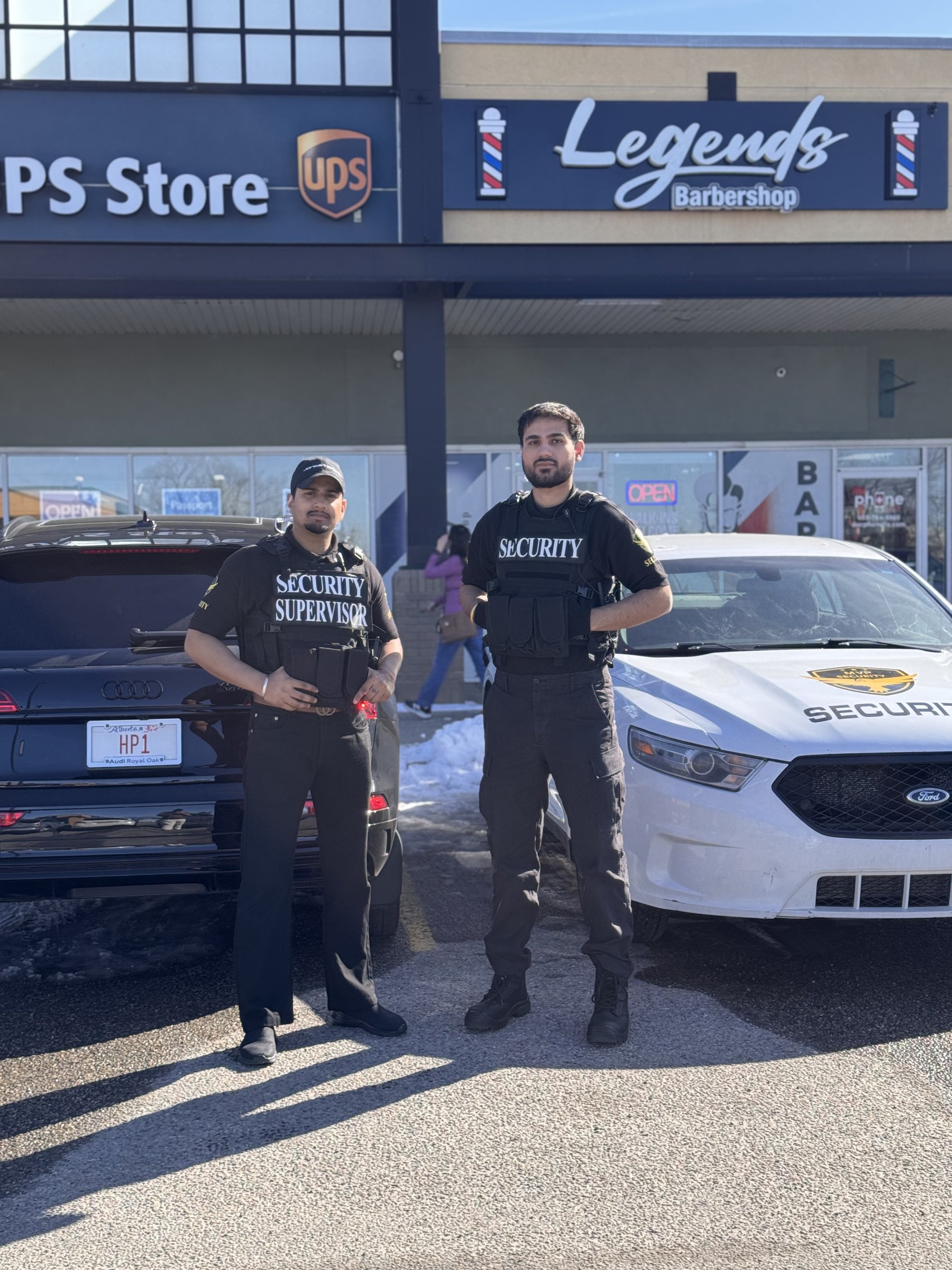
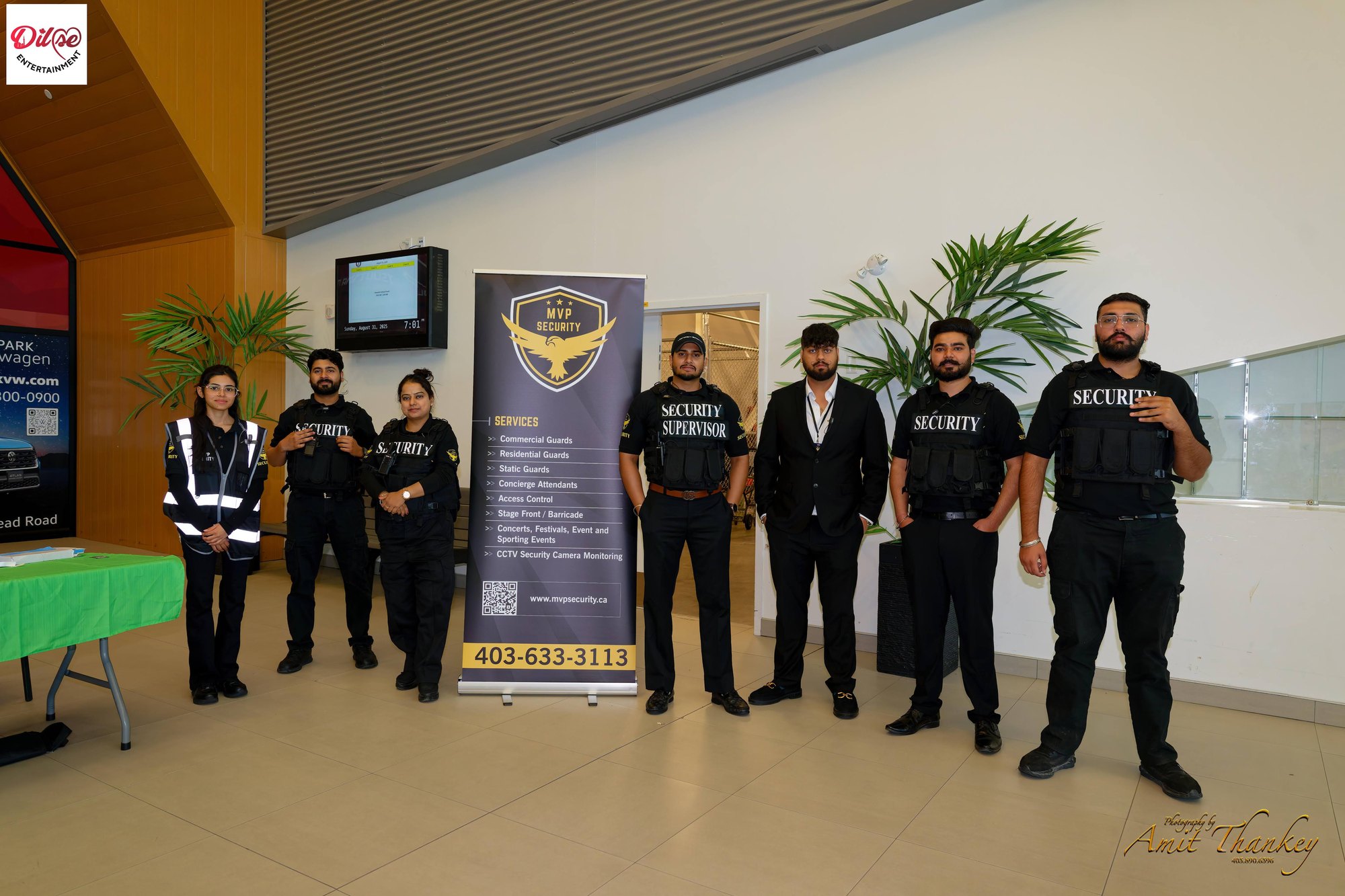
For builders needing adaptable protection, a local team such as MVP Security Inc. can be a practical fit because construction sites rarely stay predictable for long.
Where many sites get it wrong
Most failures are not dramatic. They are routine. A side gate is left unsecured. Lighting fails and no one flags it. Material storage shifts to a less visible area. The patrol schedule becomes too predictable. A site has one incident, then waits for a second before changing the plan.
Good site protection is active management. It needs adjustment as crews, assets, timelines, and risk levels change. A plan that worked last month may be thin coverage now.
If you treat construction security as a line item, you will usually get line-item results. If you treat it as part of project continuity, you are more likely to prevent the losses that actually hurt schedules, budgets, and client confidence.
The best time to tighten site protection is before the next incident gives you the reason.