











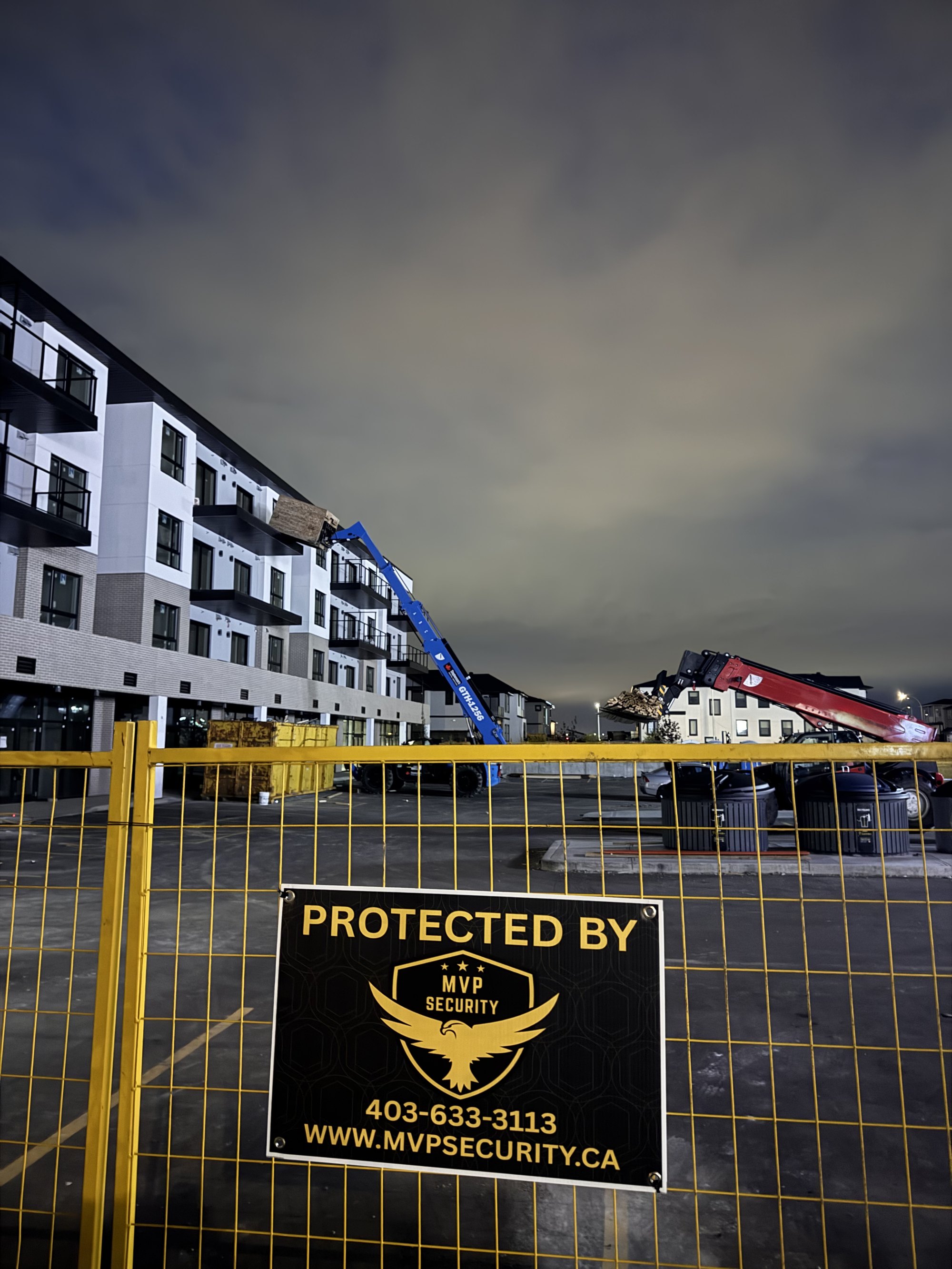
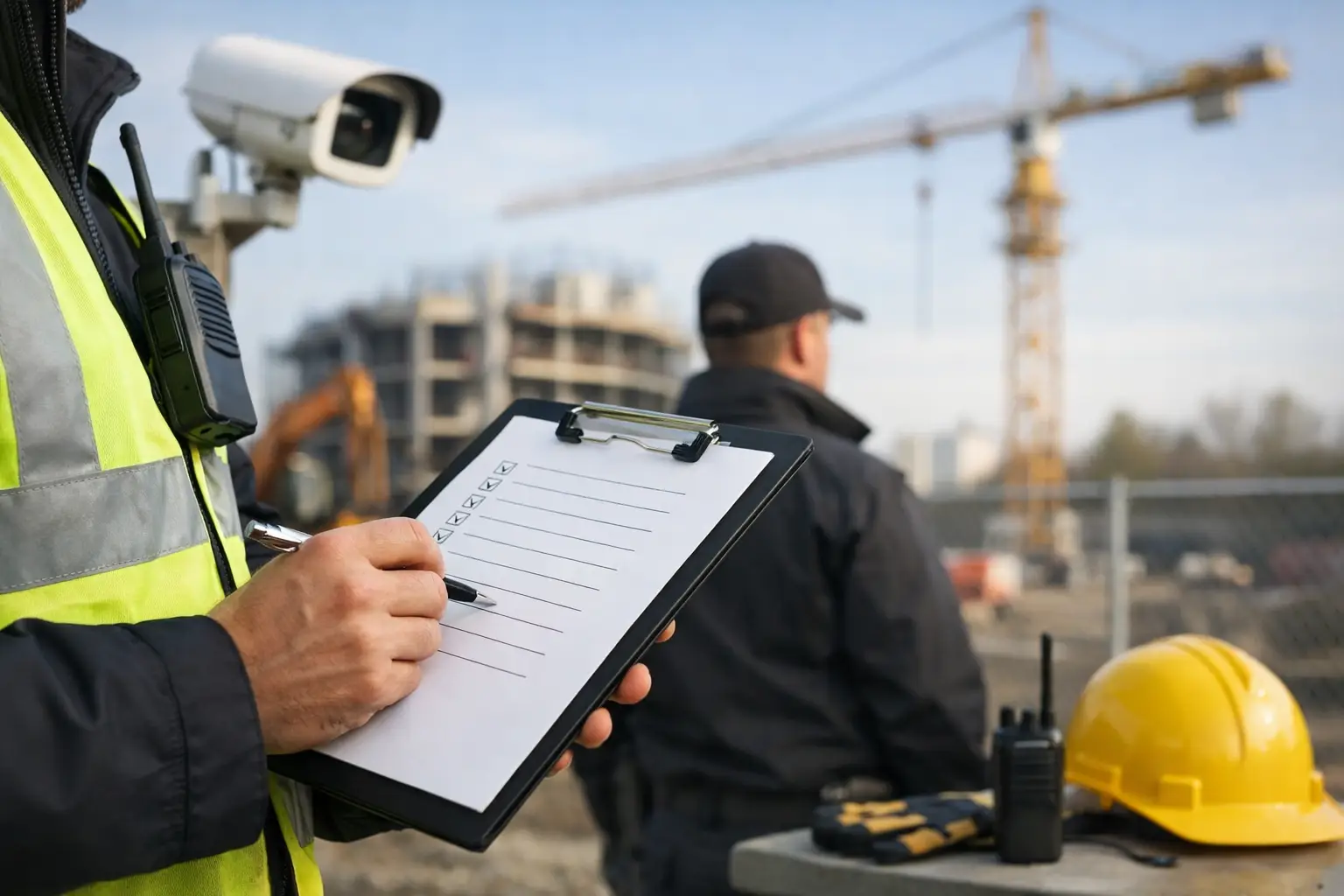
A partially fenced site with new materials delivered for the weekend can become an easy target in a matter of hours. A construction site security review checklist helps project managers identify those weak points before theft, vandalism, trespassing, or an alarm event disrupts the schedule and adds unplanned cost.
For Calgary-area builders, the right plan is rarely just a matter of putting a guard at the gate. Security needs change as excavation begins, materials arrive, structures are enclosed, and finishing crews move in. The review should match coverage to the current phase of work, the value of assets on site, surrounding activity, and the hours when the site is most exposed.
Start With the Site’s Actual Risk Profile
A useful review begins with facts, not assumptions. Walk the perimeter during the day, then consider what the same site looks like after dark. Identify where a person could enter without being seen, where vehicles can pull up unnoticed, and which materials or equipment are easiest to remove quickly.
Theft risk is not limited to large equipment. Copper, tools, batteries, fuel, appliances, lumber, fixtures, and small skid-steer attachments are all attractive because they can be moved quickly and sold easily. A site with visible inventory near a road, alley, open field, or unfinished access point needs a different approach than a controlled high-rise project with one monitored entrance.
Review recent incidents on the project and nearby properties. Repeated fence breaches, graffiti, loitering, discarded drug paraphernalia, or unauthorized vehicles are operational signals. They indicate where patrol timing, lighting, access control, or a more visible guard presence may be needed.
Confirm Who Has Legitimate Access
Construction sites often have multiple contractors, deliveries, inspectors, trades, and temporary workers coming and going. If no one can clearly confirm who should be on site after hours, unauthorized access is difficult to detect.
Document the authorized contacts, including the project manager, superintendent, emergency contacts, alarm monitoring contact, and approved after-hours trades. Establish who can authorize entry, who can receive incident updates, and who can make decisions if police, fire services, or a security supervisor need direction.
Keys, fobs, gate codes, and lock combinations deserve the same attention. When a worker leaves the project or a subcontractor finishes their scope, access should be removed or changed promptly. Shared gate codes are convenient, but they create accountability gaps once they circulate beyond the core site team.
Construction Site Security Review Checklist for Physical Controls
Physical controls do not need to be complicated, but they must work together. A tall fence is less effective if gates are left unsecured, lighting is poor, and valuable assets remain visible from the street. During the site review, confirm the following:
- Perimeter fencing is continuous, stable, and free from gaps, loose panels, climbable debris, or damaged sections.
- Vehicle and pedestrian gates close securely and use locks that cannot be easily cut, lifted, or bypassed.
- Warning signage is visible at entrances and identifies the site as private property under security monitoring or patrol.
- Exterior lighting covers gates, trailers, material storage, equipment areas, and known blind spots without creating glare that reduces camera visibility.
- Tools, fuel, copper, generators, and high-value materials are stored in locked containers or secured zones at the end of each shift.
- Equipment is immobilized where practical, with keys removed and stored separately from the machine.
Inspect these controls after major weather events and after any change to the site layout. Calgary wind, snow accumulation, and freeze-thaw conditions can shift fencing, obstruct lighting, and create gaps that were not present the previous week.
Review Cameras, Alarms, and Their Limits
CCTV and monitored alarms can be valuable tools, particularly for vacant or enclosed sites. They are most effective when camera views are planned around likely entry routes, equipment storage, gates, and trailers rather than installed simply to cover a large area.
Check whether cameras capture usable images after dark, whether time stamps are accurate, and whether vegetation, stacked materials, or parked equipment block key views. A camera pointed at a gate is of limited value if the gate is outside its effective night range.
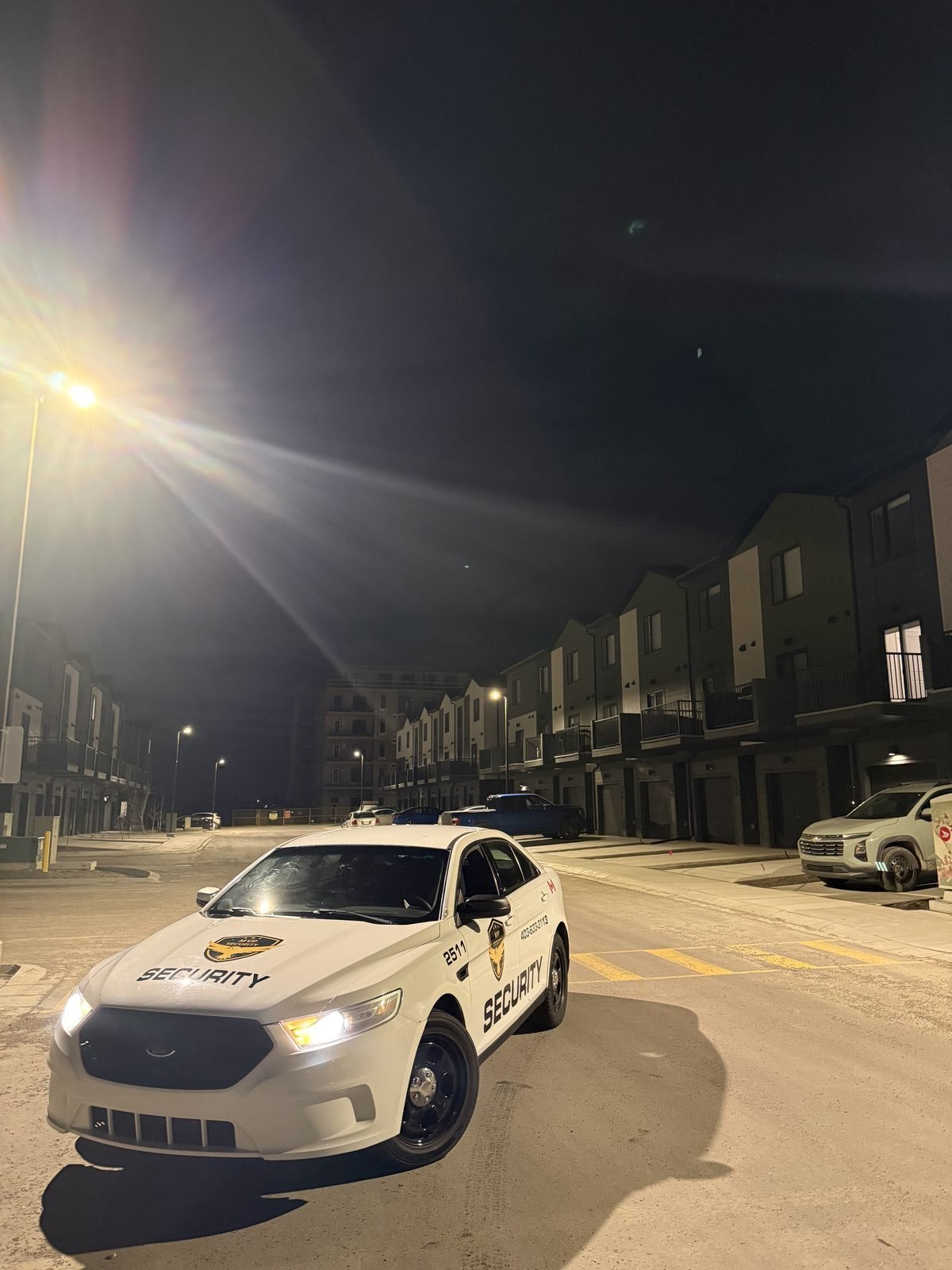
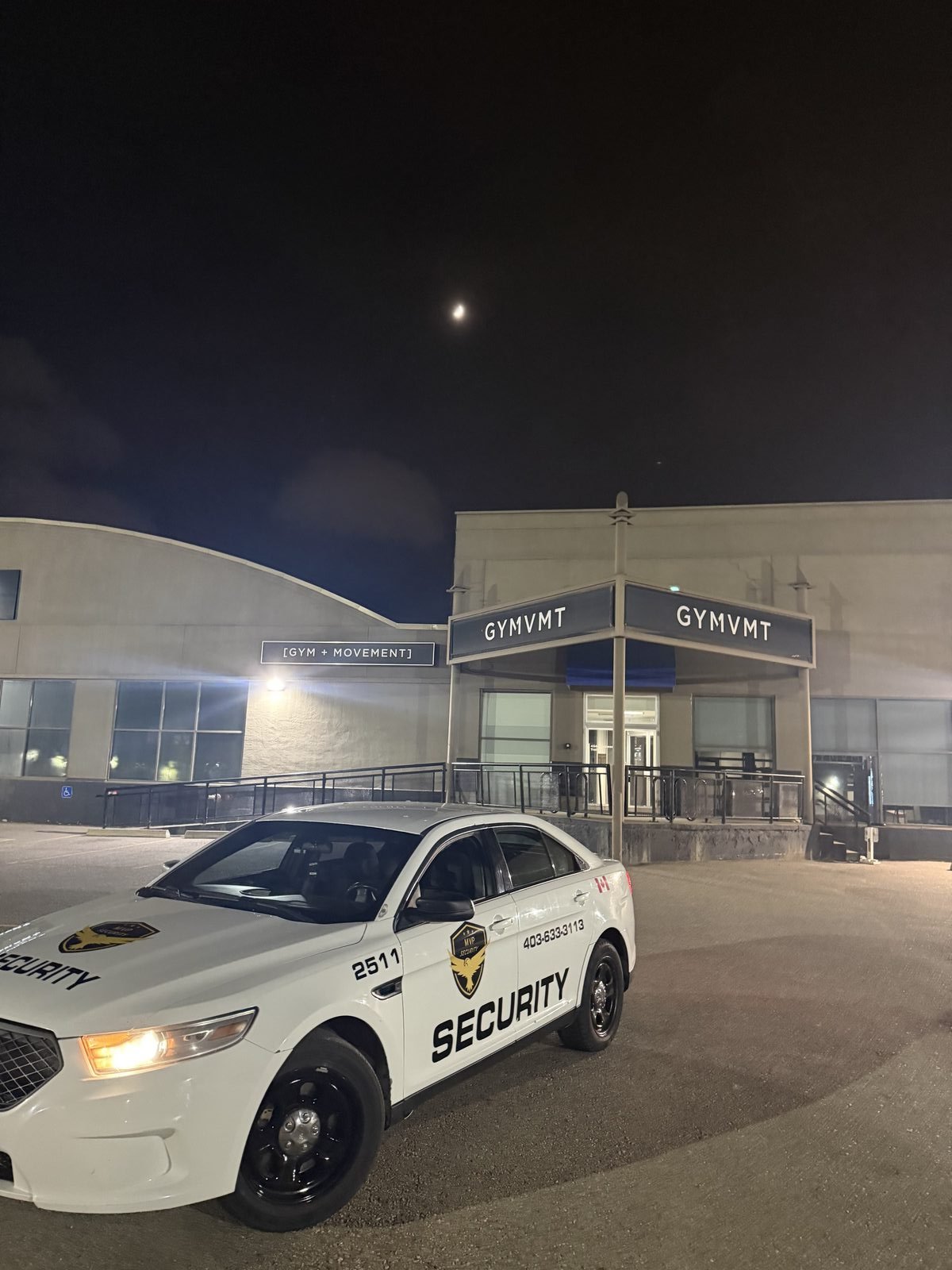
Alarm systems should have current contact information, tested communication paths, and a defined response protocol. An alarm alert alone does not stop a break-in. The response plan should state who attends, how quickly they are expected to arrive, what they can verify safely, and when police should be called. Mobile patrol and alarm response can provide a practical option for sites that need after-hours verification without a full-time static guard.
Set Coverage Around Timing, Not Habit
Many incidents happen after crews leave, but the highest-risk hours vary by location and project stage. A site beside active retail may need attention at closing time. A remote industrial build may be more exposed overnight or on weekends. A project with frequent early-morning deliveries may need access control before regular work hours begin.
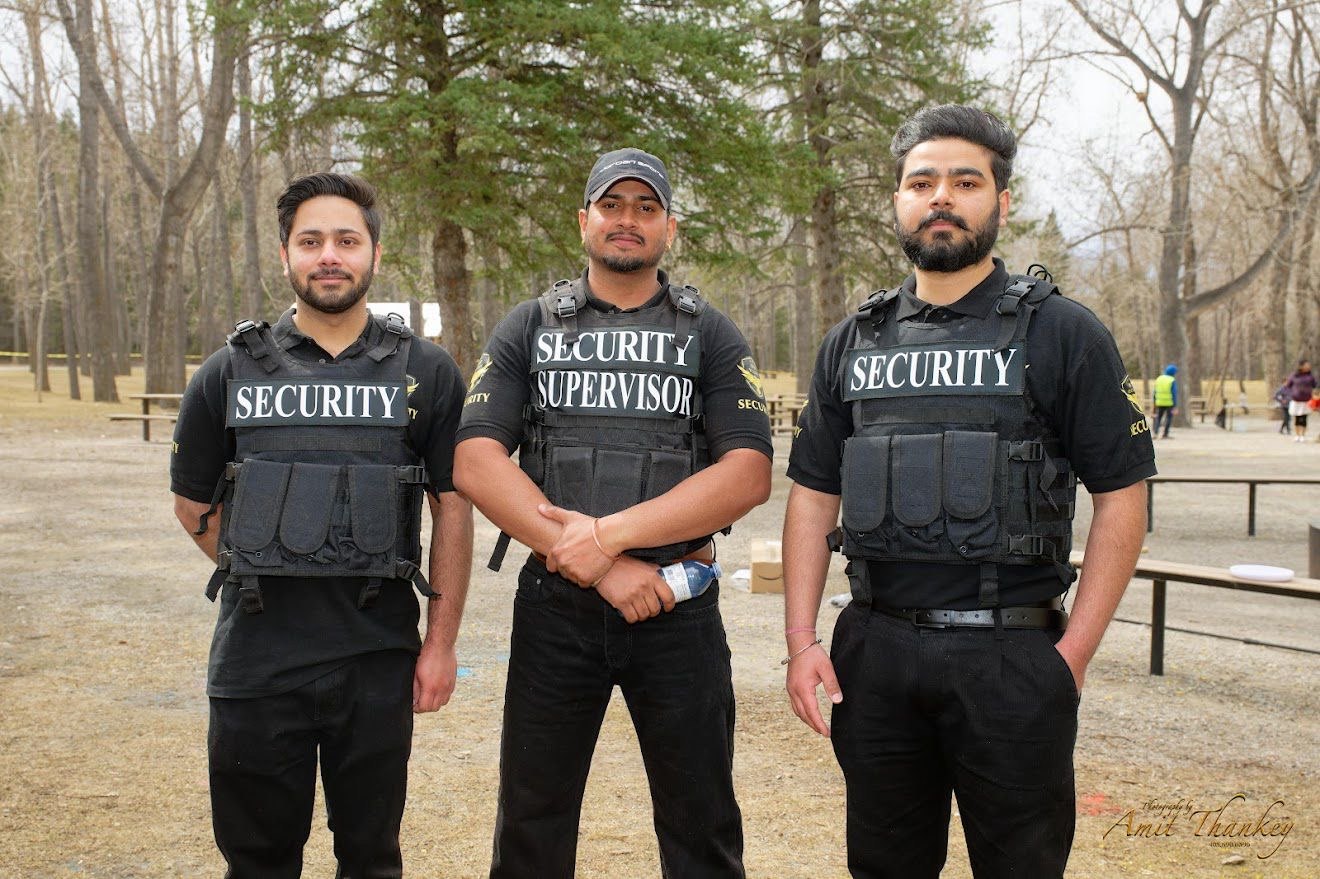
Use incident history and site observations to set patrol windows. Randomized patrol timing is often stronger than a predictable drive-by because it is harder to watch and avoid. For high-value phases, such as when mechanical equipment, appliances, or finish materials are staged, a static licensed guard may be the better choice. A visible guard can control access, challenge trespassers, monitor deliveries, and provide an immediate on-site presence.
There is a cost trade-off. Continuous guard coverage offers the greatest visibility and control, while mobile patrol is typically suited to lower-risk periods or sites with effective physical barriers. The right choice depends on the probable loss, the site’s history, and how quickly an incident could escalate. A missed theft can cost more than replacement materials when it delays a critical path or forces crews to stand down.
Require Documented Patrol Activity
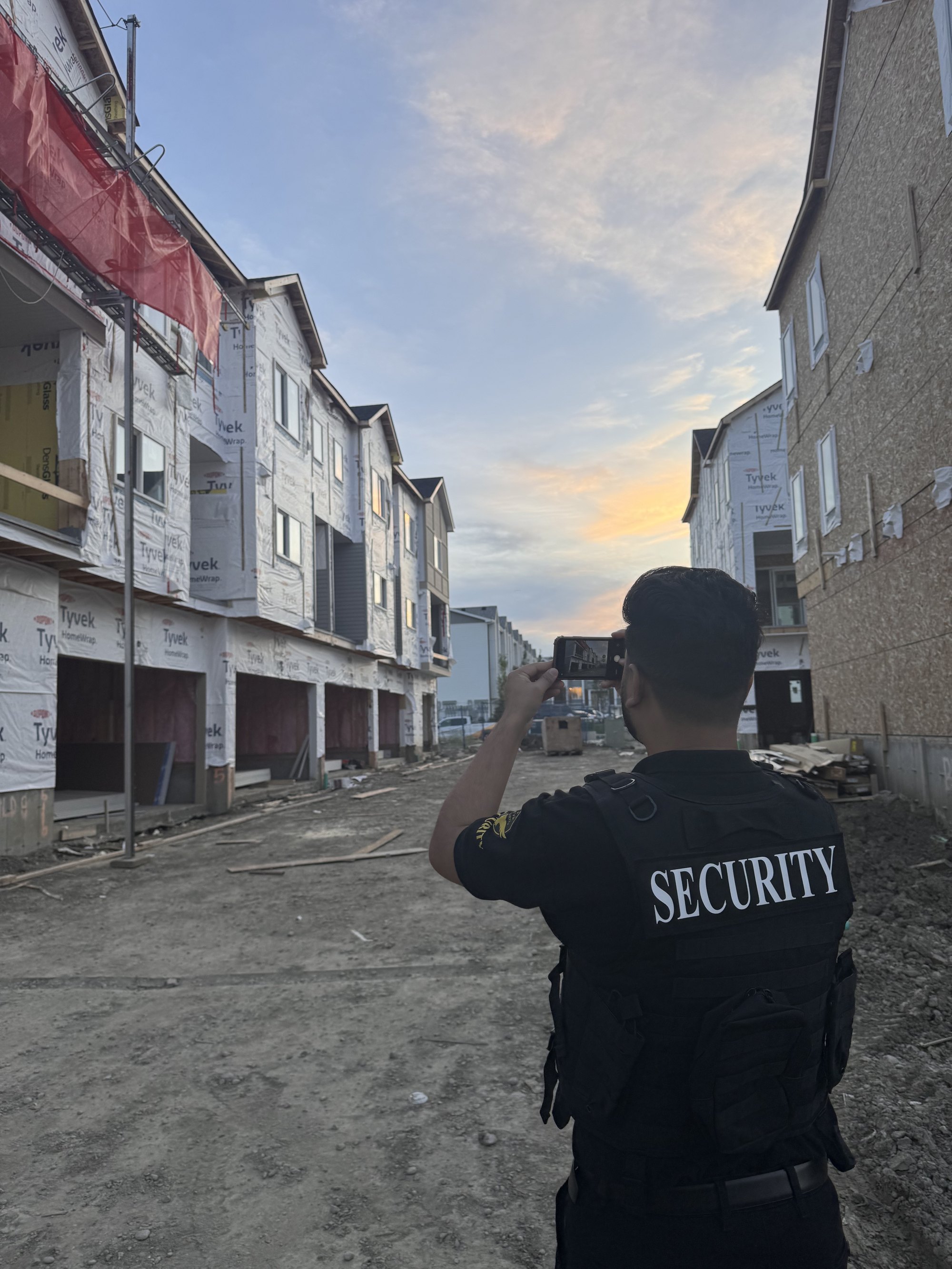
A security provider should be able to show what occurred on site, not merely state that a patrol was completed. Ask for GPS-tracked attendance, time-stamped activity records, photo-documented findings, and clear incident reports. These records help project teams spot recurring problems, demonstrate due diligence, and confirm that instructions were followed.
Patrol instructions should be site-specific. They may include checking fence lines, confirming trailer doors are secure, inspecting equipment storage, watching for fire hazards, verifying temporary heat, or responding to an alarm panel. Generic instructions produce generic results. As the project changes, update the post orders and make sure the security team receives the new information.
Prepare for Incidents Before They Happen
Security planning should include more than preventing entry. It should cover what happens when someone is found on site, a gate is forced, an alarm activates, or a guard discovers damage. Guards should be trained to observe, report, preserve safety, and contact police or emergency services when required. They should not take unnecessary risks over property.
Confirm where incident reports go, how quickly the project contact is notified, and what evidence is retained. Photos of damage, forced entry points, tire tracks, vehicle details, and unsecured areas can be useful for insurance, police reporting, and follow-up repairs. The faster a breach is documented and corrected, the less likely it is to be exploited again.
Fire watch also needs consideration when a fire protection system is impaired, hot work creates additional exposure, or a building is temporarily without normal monitoring. This is a separate responsibility from routine patrol and should be planned with clear logs, inspection intervals, and escalation procedures.
Make the Review a Routine Project Control
A security review is not a one-time pre-construction task. Revisit it when fencing moves, site access changes, high-value deliveries arrive, work shifts change, or incidents occur. A short review at each major phase can prevent a control that worked during framing from becoming inadequate during finishing.
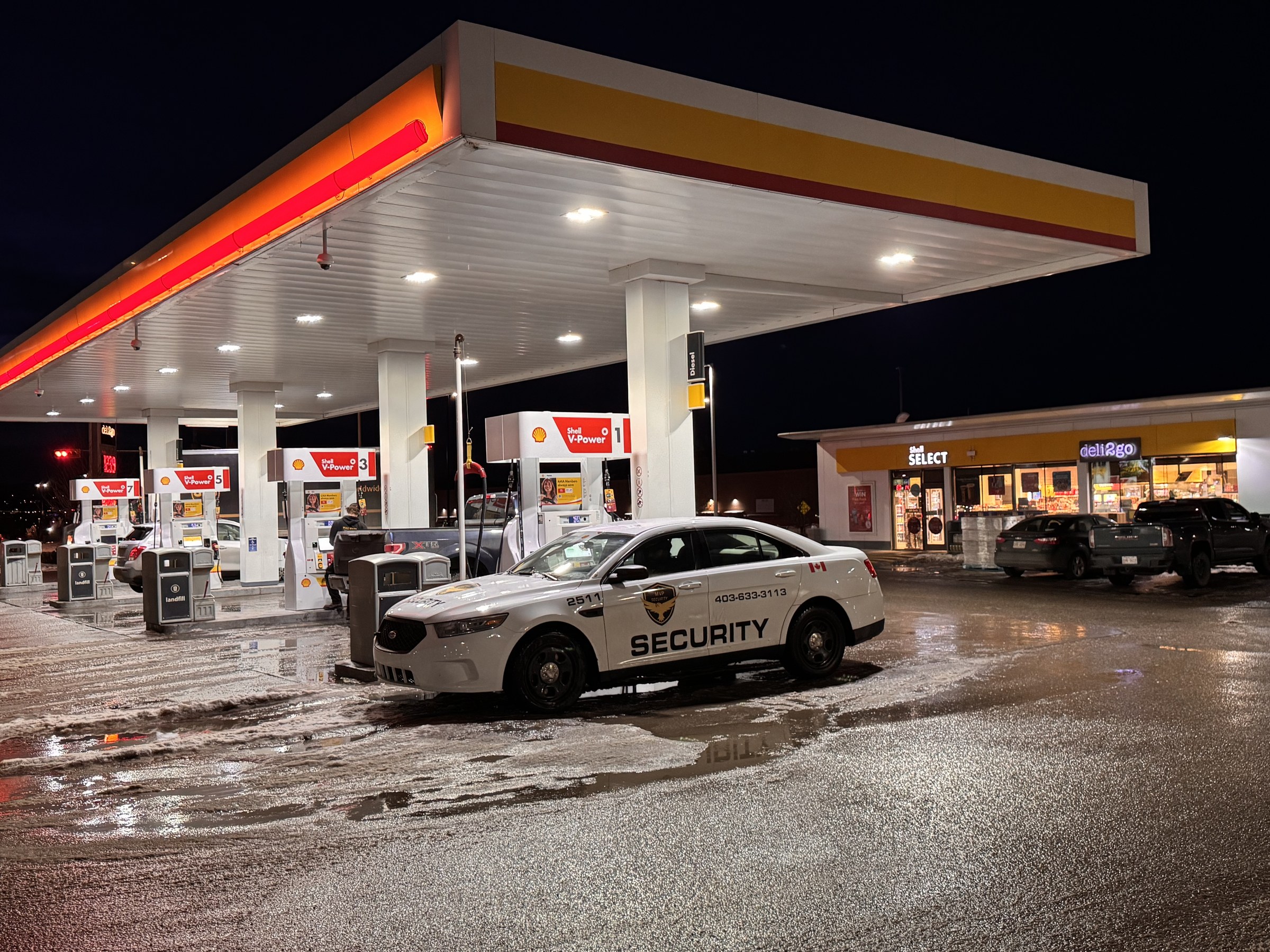
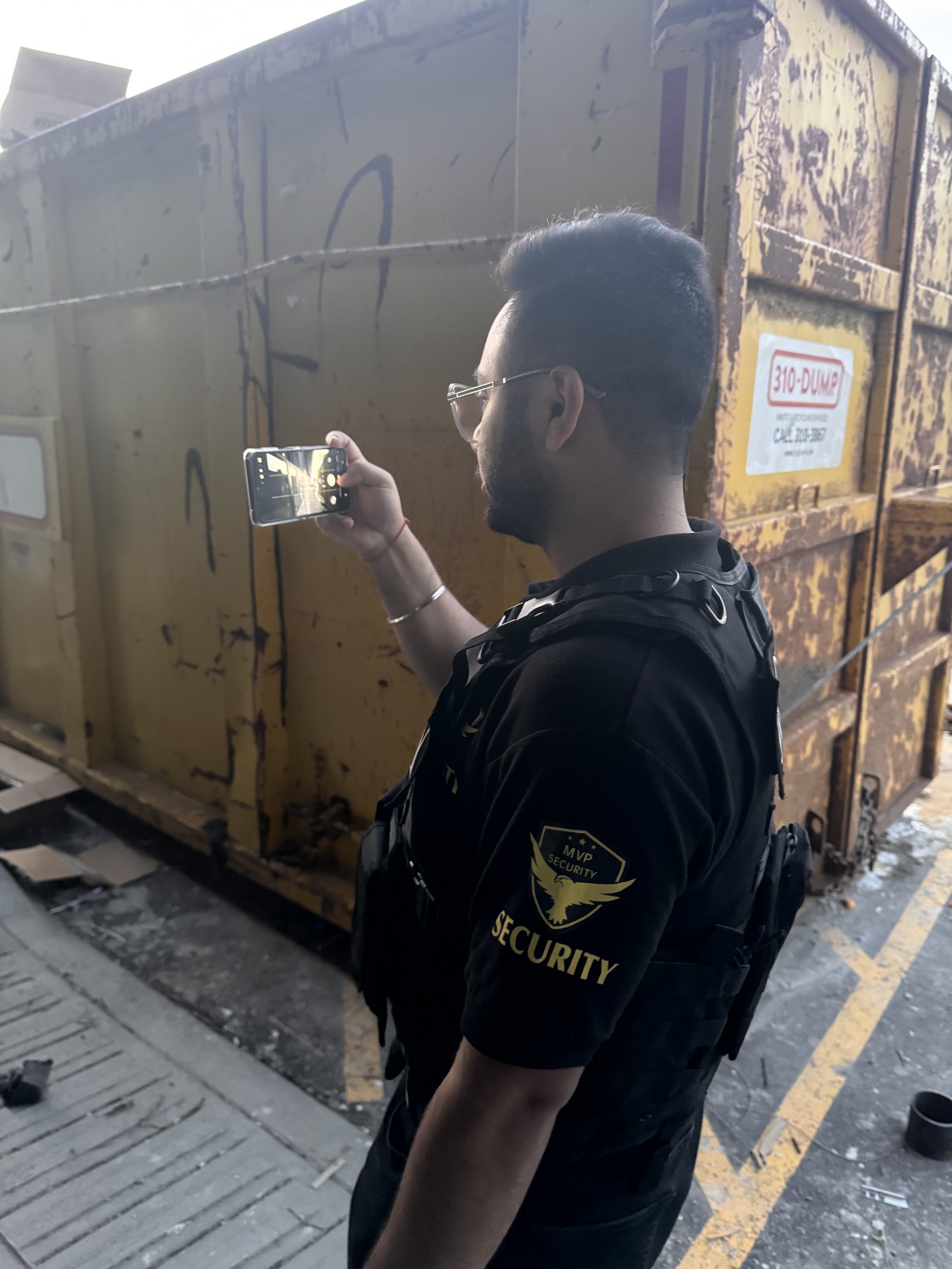
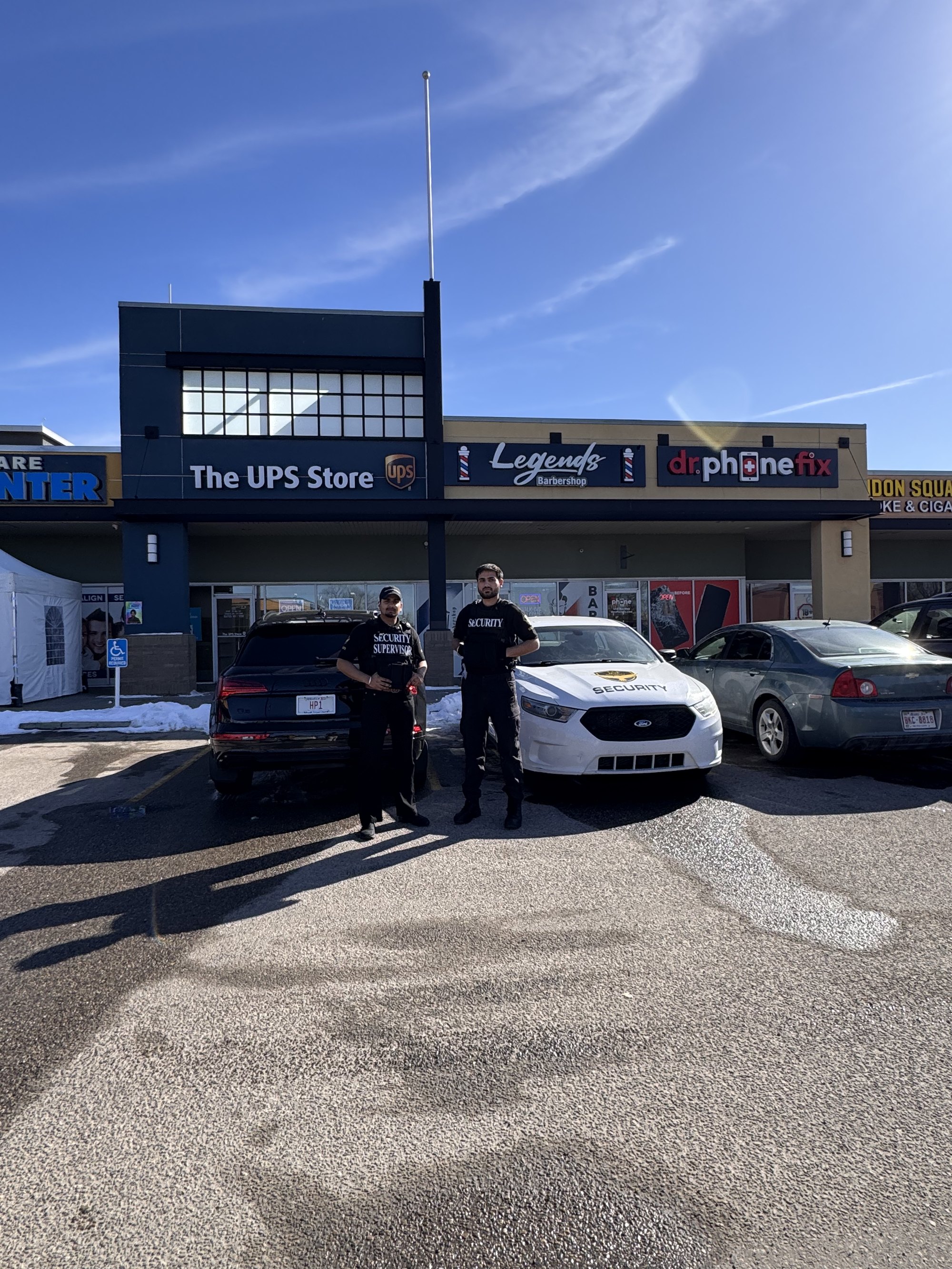
MVP Security supports Calgary and surrounding-area construction teams with licensed guards, mobile patrol, alarm response, and site-specific reporting designed around the conditions actually present on the project. The goal is practical coverage that can be verified, adjusted, and relied on when crews are off site.
The most helpful next step is simple: walk your site as a stranger would after dark, then close the gaps you find before someone else tests them.