















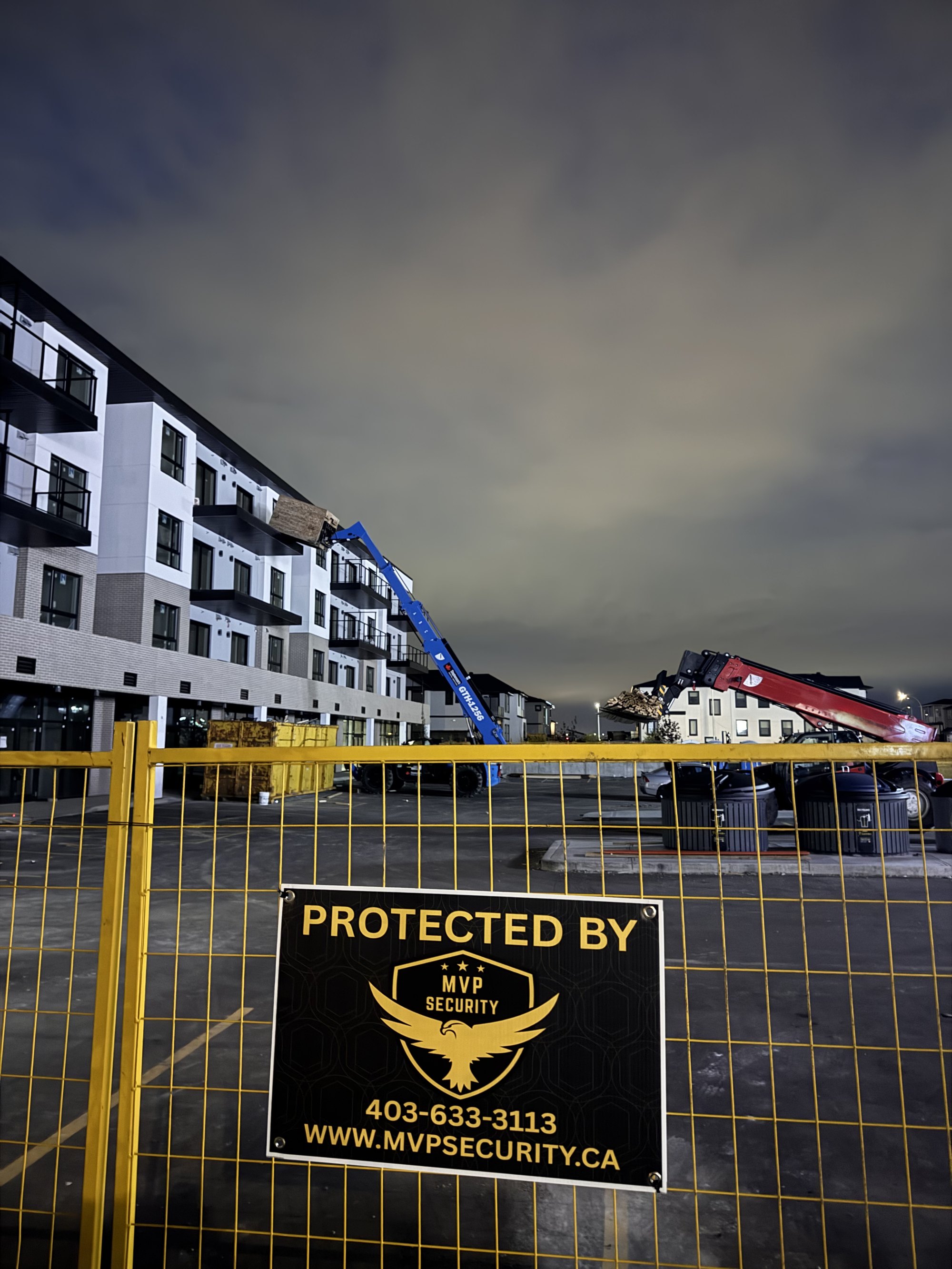
A job site can lose thousands of dollars before the morning crew even arrives. One missing skid steer, a cut fence line, or a trailer forced open overnight can stall trades, delay inspections, and create a paperwork problem on top of the financial loss. That is why a strong construction theft prevention example matters - not as a theory, but as a site plan that actually holds up under real conditions in Calgary and surrounding areas.
For most builders and project managers, theft is rarely caused by one single failure. It usually comes from a combination of predictable gaps: open access points, poor overnight visibility, inconsistent lockup procedures, no after-hours presence, and limited documentation when something does happen. The most effective prevention plan addresses all of those issues together.
A practical construction theft prevention example
Consider a mid-size commercial build on the edge of Calgary. The site has temporary fencing, equipment parked overnight, copper and tools stored in sea cans, and multiple subcontractors coming and going through the day. Nearby road access makes it easy for a vehicle to stop briefly without drawing much attention, especially after dark.
In this construction theft prevention example, the site team starts by treating theft as an operational risk, not just a nuisance. They identify the highest-value assets first: compact equipment, generators, fuel, copper, and trade tools. Then they separate the site into three security priorities - perimeter, storage, and active deterrence.
The perimeter is tightened with controlled entry points instead of leaving multiple informal openings in the fence. Gates are secured properly after hours, weak sections of fencing are reinforced, and lighting is adjusted to remove blind spots near trailers, material stacks, and equipment parking. This alone helps, but it does not solve the biggest issue, which is time. A thief who has 20 quiet minutes on a dark site can still do damage.
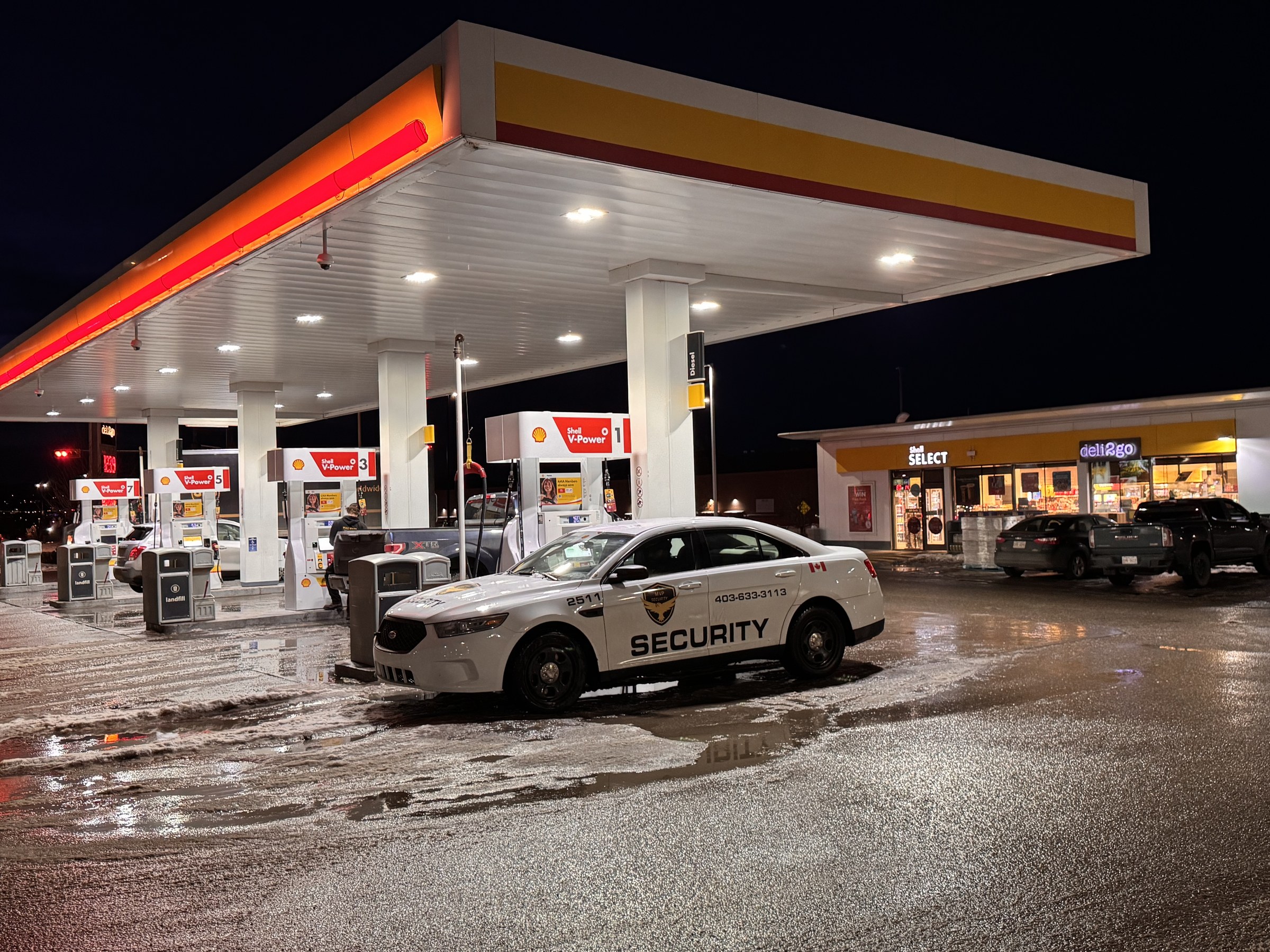
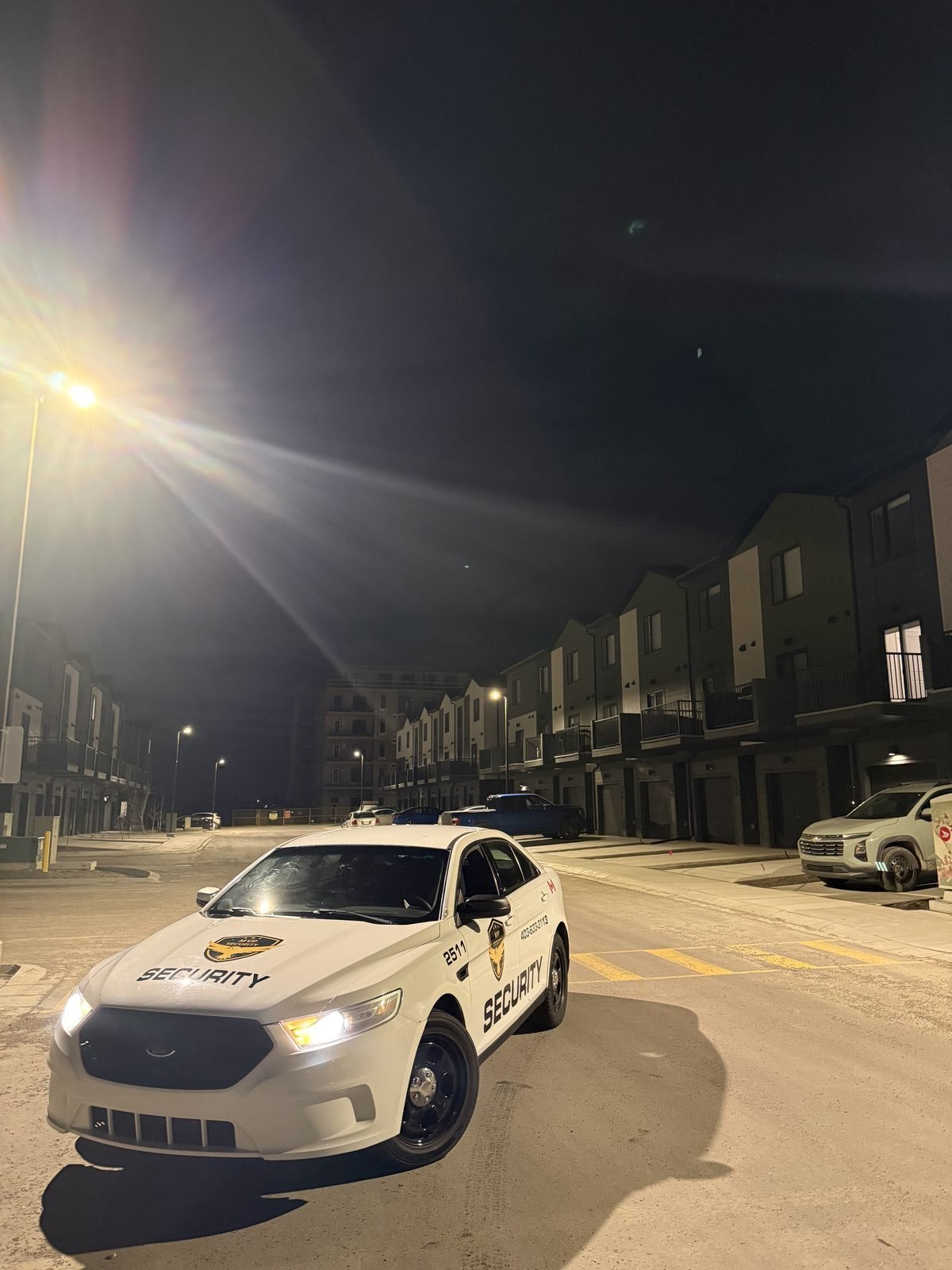
That is where active deterrence changes the outcome. Rather than relying only on locks and cameras, the site adds scheduled mobile patrols overnight with visible guard presence at irregular intervals. The irregular timing matters. If patrols happen at the same hour every night, anyone watching the site can work around them. Randomized checks make the site harder to read and riskier to approach.
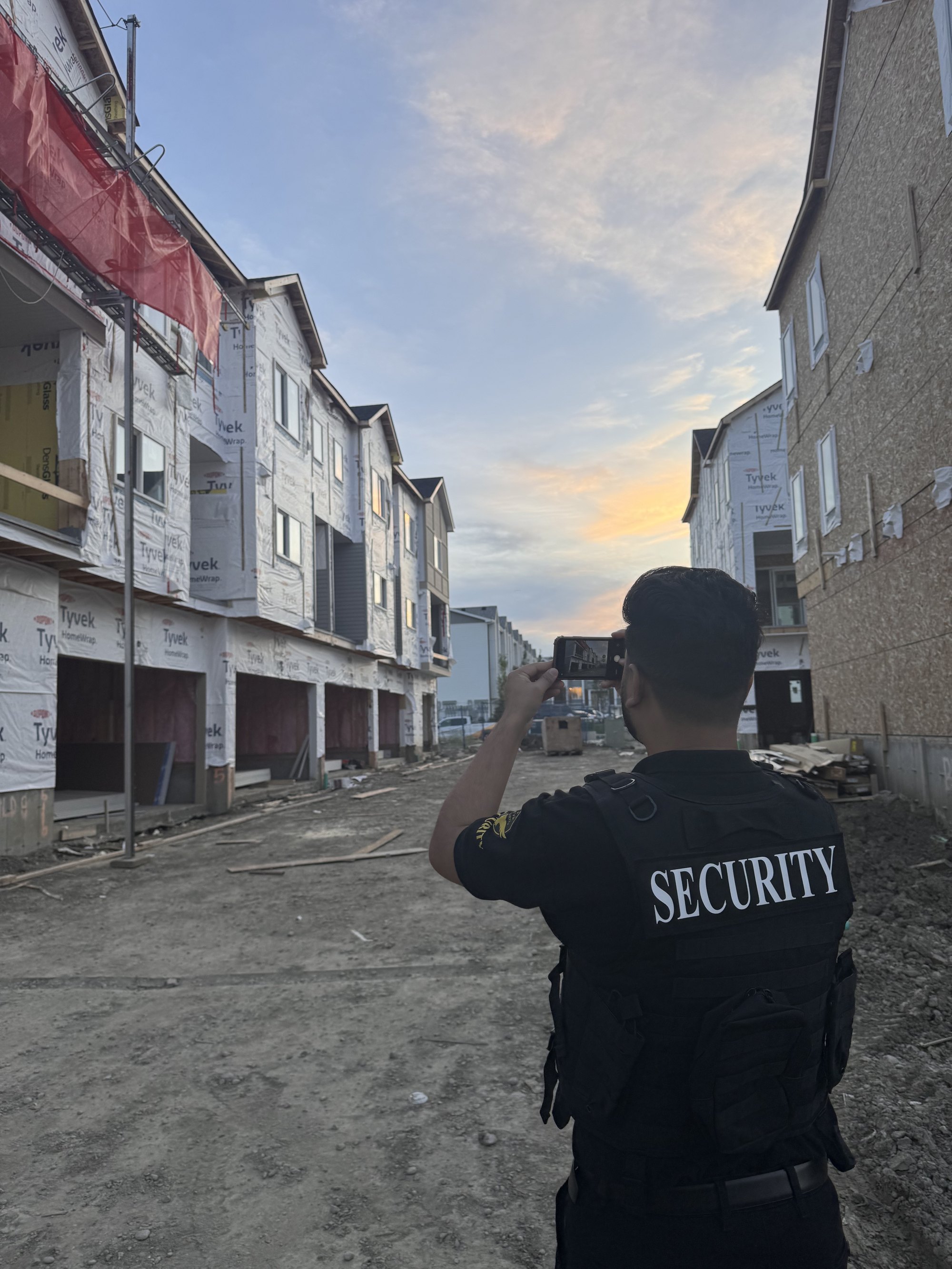
The guards are given a site-specific assignment, not generic instructions. They verify the fence line, inspect gates, check that sea cans are secured, watch for fresh tire tracks or signs of tampering, and document each patrol point with time-stamped reporting. If something is off, the response starts immediately rather than waiting until the morning supervisor arrives.
Why this example works better than cameras alone
Many sites assume cameras are enough because they provide coverage at a lower visible cost than overnight guards. Cameras absolutely have value, especially when they are positioned properly and monitored in a way that allows for response. The problem is that cameras often record theft very well without stopping it.
A practical construction theft prevention example has to account for what happens between detection and intervention. If an alarm triggers at 2:13 a.m. and no one is close enough or assigned to attend, the footage may help after the fact but the material is still gone. The better approach is layered protection: surveillance for visibility, lighting for exposure, and patrol presence for interruption.
There is also a behavioural factor. Visible patrols, marked vehicles, and an active access plan tell opportunistic thieves that the site is being watched in real time. That changes the risk calculation. Most theft on construction projects is driven by ease, speed, and low chance of interruption. Once those conditions disappear, many offenders move on.
The site controls that make the biggest difference
The strongest prevention programs are rarely the most complicated. They are the ones that close obvious gaps consistently.
Access control after hours
If everyone can enter from anywhere during the day, that often carries into the evening by habit. A better setup limits entry and exit to defined points, even on unfinished sites. Contractors should know where to check in, where materials are staged, and who has authority to access locked storage after hours. When access is loose, accountability disappears with it.
For higher-risk projects, a guard at the gate during key windows can be enough to stop unauthorized vehicles from treating the site like an open yard. On some projects, that presence is only needed at the end of shift and overnight. On others, weekend coverage is the real pressure point. It depends on location, material value, and how exposed the site is to nearby traffic.
Lighting with a purpose
Flooding a site with light is not always the answer. Poorly placed lighting can create glare, deep shadows, or wasted coverage in low-risk areas. Good security lighting targets equipment storage, gate lines, trailers, material laydown areas, and paths of approach from roads or alleys.
This is one of the simplest upgrades a project team can make, but it should be paired with inspection. Burned-out bulbs and temporary light towers left in the wrong position can quietly undo the plan.
Lockup procedures that are actually enforced
A written lockup checklist matters, but only if someone owns it. At the end of each shift, there should be a clear process for confirming gates, fuel caps, sea cans, office trailers, and keys. Equipment should be parked strategically, with smaller high-value assets placed behind other barriers where possible.
The trade-off is time. Crews are often rushing at day’s end, and supervisors do not want extra admin. But a ten-minute lockup routine is cheaper than replacing stolen tools, filing claims, and losing production the next day.
Where security guards fit into the plan
A lot of construction leaders ask whether they need a static guard, mobile patrols, or both. The answer depends on the site profile.
A static guard is usually the better fit when the project has frequent trespassing, repeated theft attempts, high-value equipment, or a large footprint with active overnight concerns. That presence creates immediate deterrence and gives the site a controlled point of contact. It is also useful when there are multiple access issues or when subcontractor traffic needs tighter oversight.
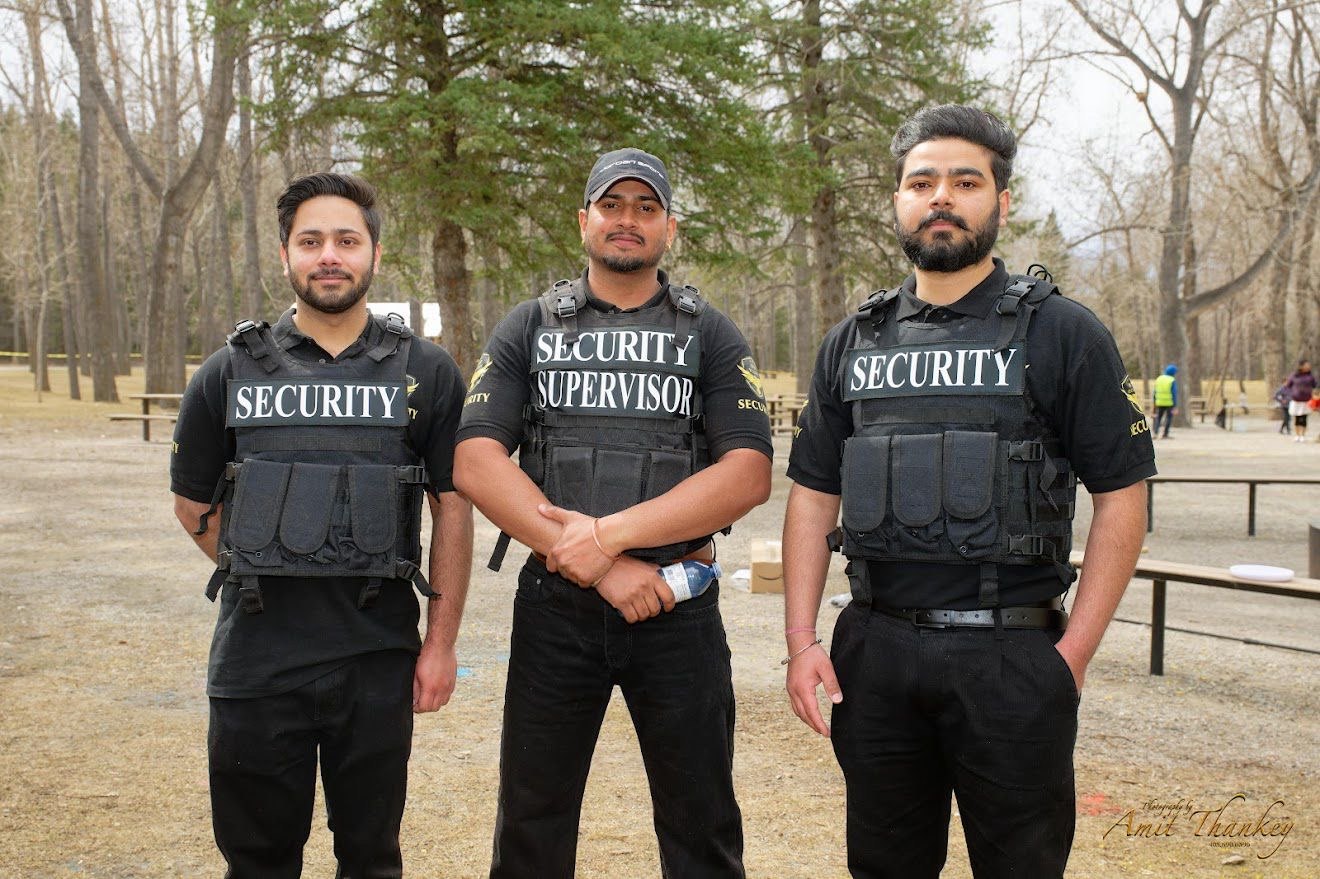
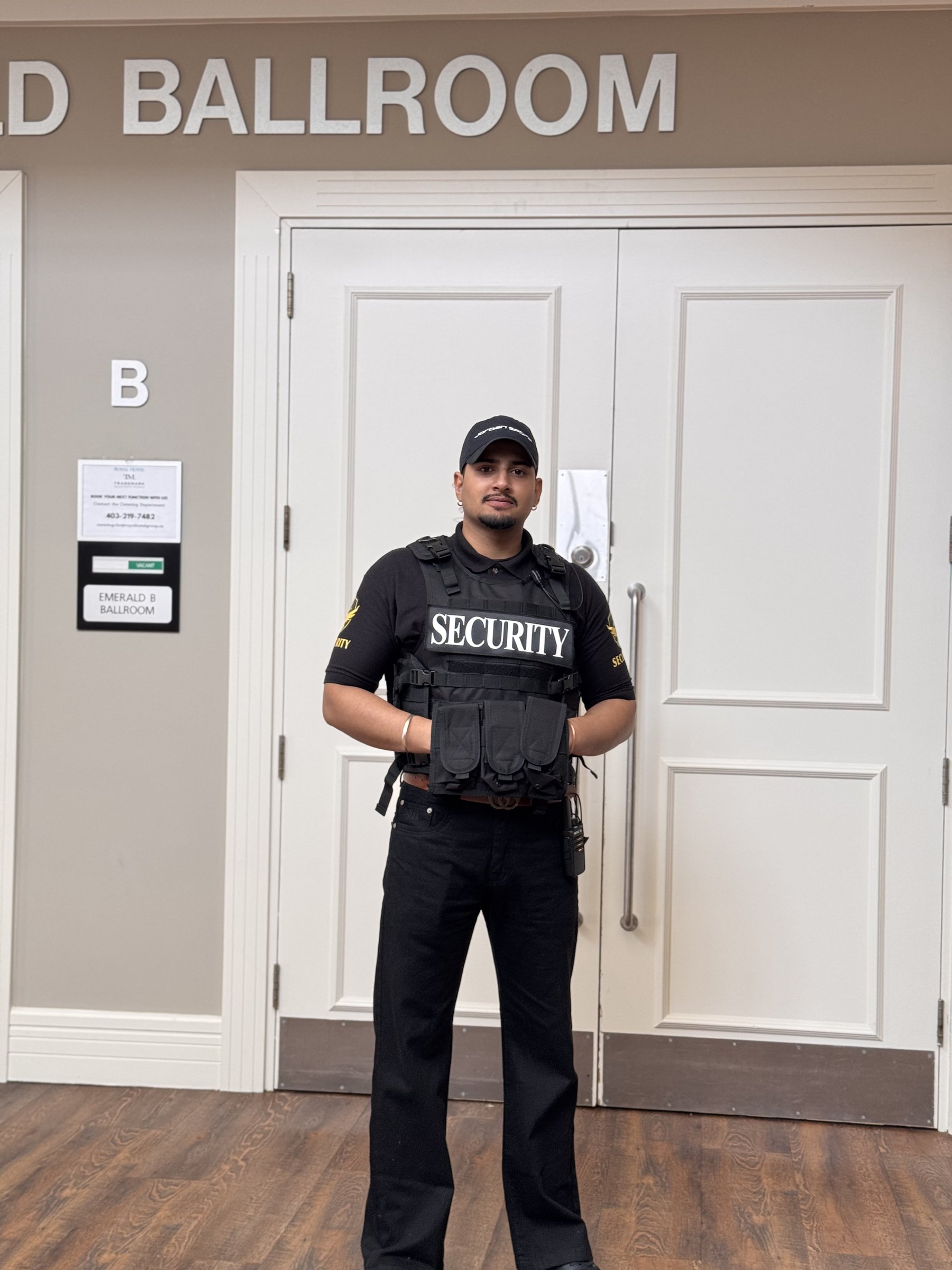
Mobile patrols are often the right choice when the goal is strong after-hours coverage with better cost control. For many Calgary-area projects, this is the most practical starting point. A trained, licensed guard conducts site checks, verifies vulnerable points, documents conditions, and responds to issues before they become expensive. GPS-tracked activity and photo-documented reporting add accountability, which matters when clients need proof that patrols happened as scheduled.
In some cases, the best construction theft prevention example is a hybrid model. A site may use mobile patrols through most of the build, then add static overnight coverage during phases where copper, HVAC units, or finish materials are on site. Security should flex with the risk, not stay fixed because that was the original plan.
What project managers should look for in reporting
Prevention is only half the job. Documentation matters because recurring theft risk leaves patterns.
A useful nightly report should show patrol times, checkpoint verification, photos where needed, and notes on anything unusual - damaged fencing, cut locks, loitering vehicles, open storage, or signs of attempted entry. This helps site management adjust quickly. If the same fence line is being tested twice in one week, that is not random. It is a warning.
Good reporting also reduces the grey area with subcontractors and insurers. When there is a clear record of patrol activity and site conditions, decision-makers can respond with facts instead of assumptions.
A Calgary reality check
Construction theft prevention in Calgary is not one-size-fits-all. Inner-city infill projects face different risks than edge-of-town commercial builds or industrial developments outside the core. Weather, darkness in winter, nearby road access, vacant neighbouring lots, and project phase all affect the plan.
That is why local deployment matters. A security team familiar with Calgary, Airdrie, Chestermere, Okotoks, Cochrane, and nearby communities can adjust coverage based on actual site conditions, not a generic national playbook. For companies like MVP Security Inc., that local response model is a practical advantage because fast dispatch and site-specific guard instructions are what make the difference when something happens after hours.
The right theft prevention plan is not the one with the longest checklist. It is the one your site can maintain every night, every weekend, and during the phases when losses would hurt the most. If a security measure looks good on paper but cannot be enforced consistently, it will not hold when the site is quiet and exposed. Start with the likely points of loss, build a layered response around them, and make sure someone is accountable when the gates close.