






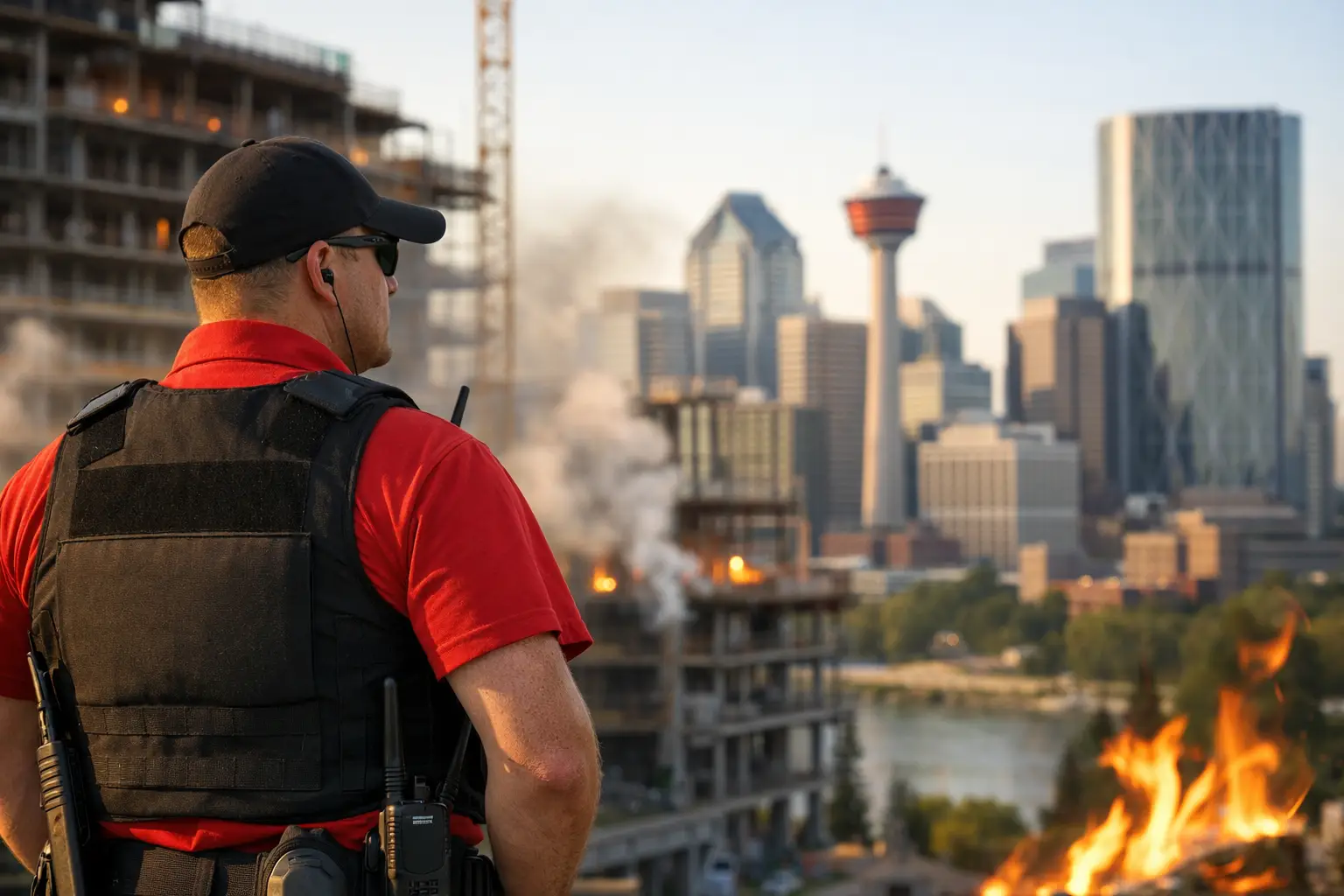
A fire panel goes down at 9:40 p.m., the monitoring company has already called, and now the question lands on your desk: do I need fire watch security, or can this wait until morning? In many cases, it cannot. When fire protection systems are impaired, access is limited, or a site presents elevated fire risk, waiting creates exposure for people, property, and your own liability.
Fire watch is not the same as general guard coverage. It is a specific, active safety function used when normal fire detection or suppression measures are not fully available, or when site conditions create a temporary risk that needs continuous monitoring. For property managers, builders, event organizers, and site supervisors in Calgary, that distinction matters because the wrong assumption can lead to code issues, insurance complications, or a delayed response during an emergency.
Do I Need Fire Watch Security or Regular Guards?
Sometimes the answer is straightforward. If your fire alarm, sprinkler, or related life safety system is offline, a fire watch may be required until the issue is corrected. If hot work is underway, occupancy is changing, or a building area cannot be properly monitored by its normal systems, fire watch can also become necessary.
A regular security guard may deter trespassers, manage access, or respond to disturbances. A fire watch guard is assigned with a narrower operational focus: monitoring for fire hazards, identifying signs of smoke or heat, maintaining patrol frequency, documenting activity, and escalating immediately if there is an incident. On some sites, one team can support both functions, but only if the coverage plan is built around the fire risk and the guard is briefed accordingly.
That is why the question is less about whether you need "a guard" and more about whether your site currently has a fire protection gap that requires constant human oversight.
When Fire Watch Security Is Commonly Needed
In practice, fire watch is often requested on short notice. A commercial building loses alarm coverage overnight. A condo property has a sprinkler impairment during repair work. A construction site is using hot work equipment after hours. An industrial area has temporary shutdowns that affect normal fire detection.
These are some of the most common situations where fire watch becomes necessary:
Fire alarm or sprinkler system impairment
This is the most obvious trigger. If a building's life safety systems are not functioning as intended, someone may need to patrol affected areas continuously until service is restored. The larger the building and the higher the occupancy, the more serious the exposure becomes.
Construction and renovation activity
Open walls, temporary wiring, combustible materials, and changing site layouts make active monitoring more important. Even when a site is partially occupied, the risk profile can shift quickly during a project phase.
Hot work operations
Welding, cutting, grinding, and torch work can create ignition sources long after the task itself ends. A proper fire watch presence helps catch problems early, especially in industrial and construction environments.
Vacant or partially occupied buildings
If a property is under transition, shut down, or awaiting repair, systems may not be fully operational and routine staff may not be present. That can leave a dangerous gap if something starts after hours.
Events and temporary public gatherings
Not every event needs fire watch, but some do. Temporary structures, cooking equipment, generators, blocked exits, or large crowds can create conditions where closer monitoring is appropriate.
What a Fire Watch Guard Actually Does
A proper fire watch assignment is active, repetitive, and documented. Guards patrol designated areas at required intervals, look for smoke, flame, heat sources, blocked exits, hazardous materials, and unsafe conditions, and maintain a written record of observations and patrol times.
If an incident is identified, the response must be immediate. That can include notifying emergency services, initiating evacuation procedures where applicable, contacting site representatives, and preserving clear communication until first responders arrive. On well-run contracts, reporting is not an afterthought. Patrols should be time-stamped, site-specific, and clear enough to show what was checked and when.
For many clients, that documentation matters almost as much as the physical presence. If an insurer, fire authority, property owner, or internal stakeholder later asks what steps were taken during a system outage or high-risk period, there should be a record.
The Risks of Waiting Too Long
A lot of fire watch requests start with hesitation. Owners and managers understandably ask whether they can monitor things with on-site staff, check in periodically, or wait for a technician to arrive in the morning. Sometimes a short delay may seem harmless. The problem is that fire risk does not follow business hours.
The first issue is life safety. If a system is impaired, your building may have less warning time if a fire starts. The second issue is property loss. A small problem caught during an active patrol is very different from a problem discovered after smoke has spread through multiple areas.
The third issue is accountability. If you knew there was an impairment and did not put interim measures in place, that can raise difficult questions later. Whether those questions come from a regulator, an insurer, a tenant, or an owner, they are much easier to answer when there was a documented response plan in place.
Fire Watch Requirements Are Not One-Size-Fits-All
This is where many site managers get tripped up. Fire watch is not always the same in every building or project. The coverage level depends on factors such as occupancy, square footage, system status, fire load, access points, hours of operation, and whether the property is occupied or vacant.
A small commercial unit with a temporary alarm issue may need a very different plan than a high-rise residential property, a warehouse, or an active construction site. Some locations need one dedicated guard. Others may need multiple guards, fixed posts, stairwell checks, perimeter monitoring, or support from mobile supervision.
That is also why local experience matters. A provider working in Calgary and surrounding communities should understand the pace of emergency callouts, the documentation clients expect, and how to deploy quickly when a building manager is dealing with a same-day impairment.
How to Decide if You Need Fire Watch Security
If you are unsure, ask a few practical questions.
Is any part of the fire alarm, sprinkler, or life safety system offline or compromised? Is the property occupied, accessible, or exposed to elevated fire risk? Are there temporary site conditions such as hot work, renovations, or event installations that increase the chance of ignition or delay detection? Do you need a documented, visible interim measure until repairs or operations are complete?
If the answer to any of those is yes, you should be evaluating fire watch immediately rather than treating it as optional. The cost of coverage is usually modest compared with the cost of a missed incident, a compliance problem, or a tenant safety issue.
What to Expect From a Reliable Fire Watch Provider
Not all guard coverage is equal, especially on urgent assignments. You should expect licensed Alberta guards, clear dispatch capability, site-specific instructions, and reporting that shows patrol frequency and observations. Response time matters too. Fire watch requests often happen after hours, during outages, or when contractors discover an issue near the end of the day.
You should also expect the provider to ask operational questions, not just quote a rate. What areas are affected? Is the building occupied? Are there known hazards, locked zones, mechanical rooms, or access restrictions? Good deployment starts with understanding the site, not sending the nearest available body.
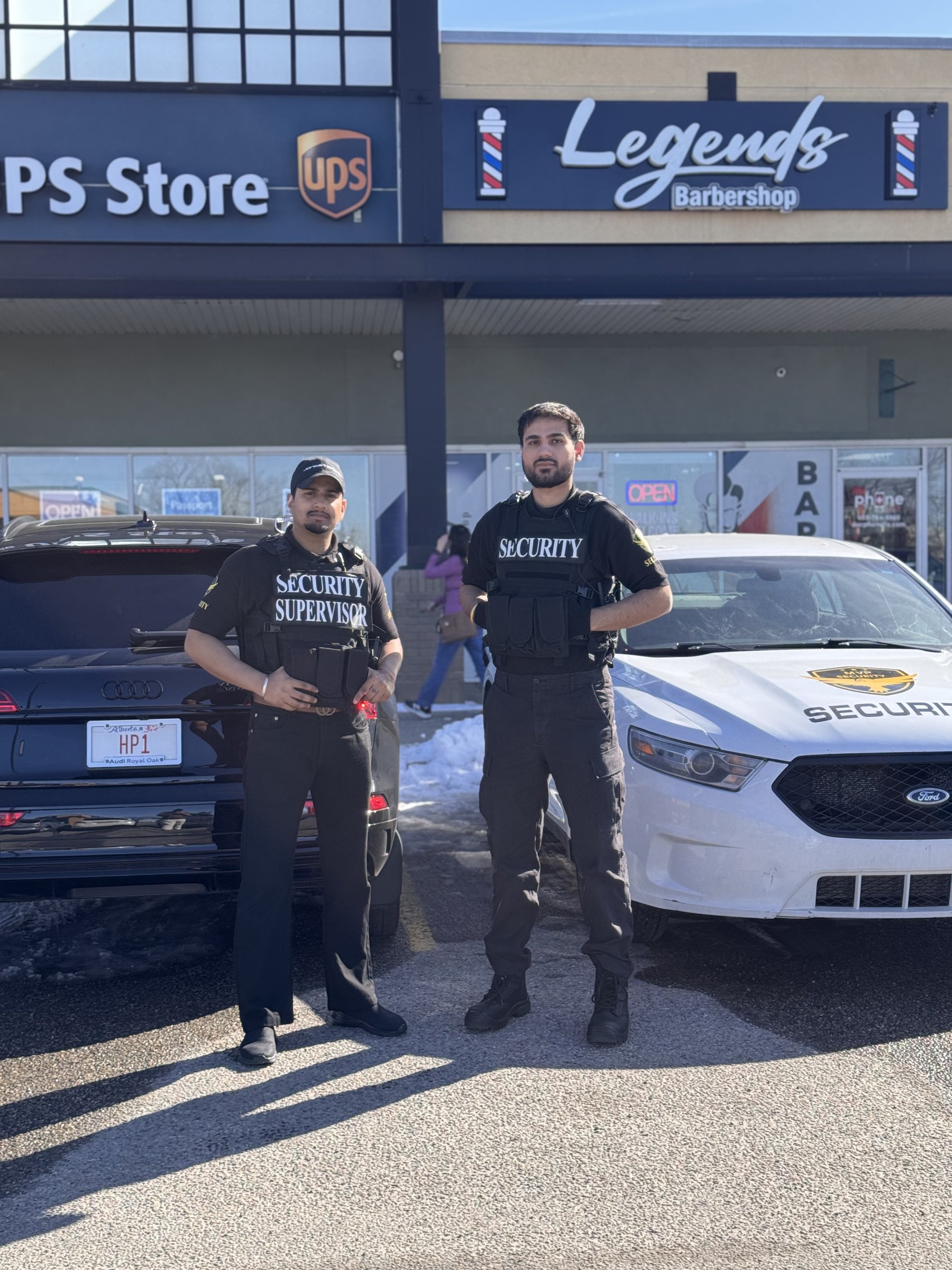
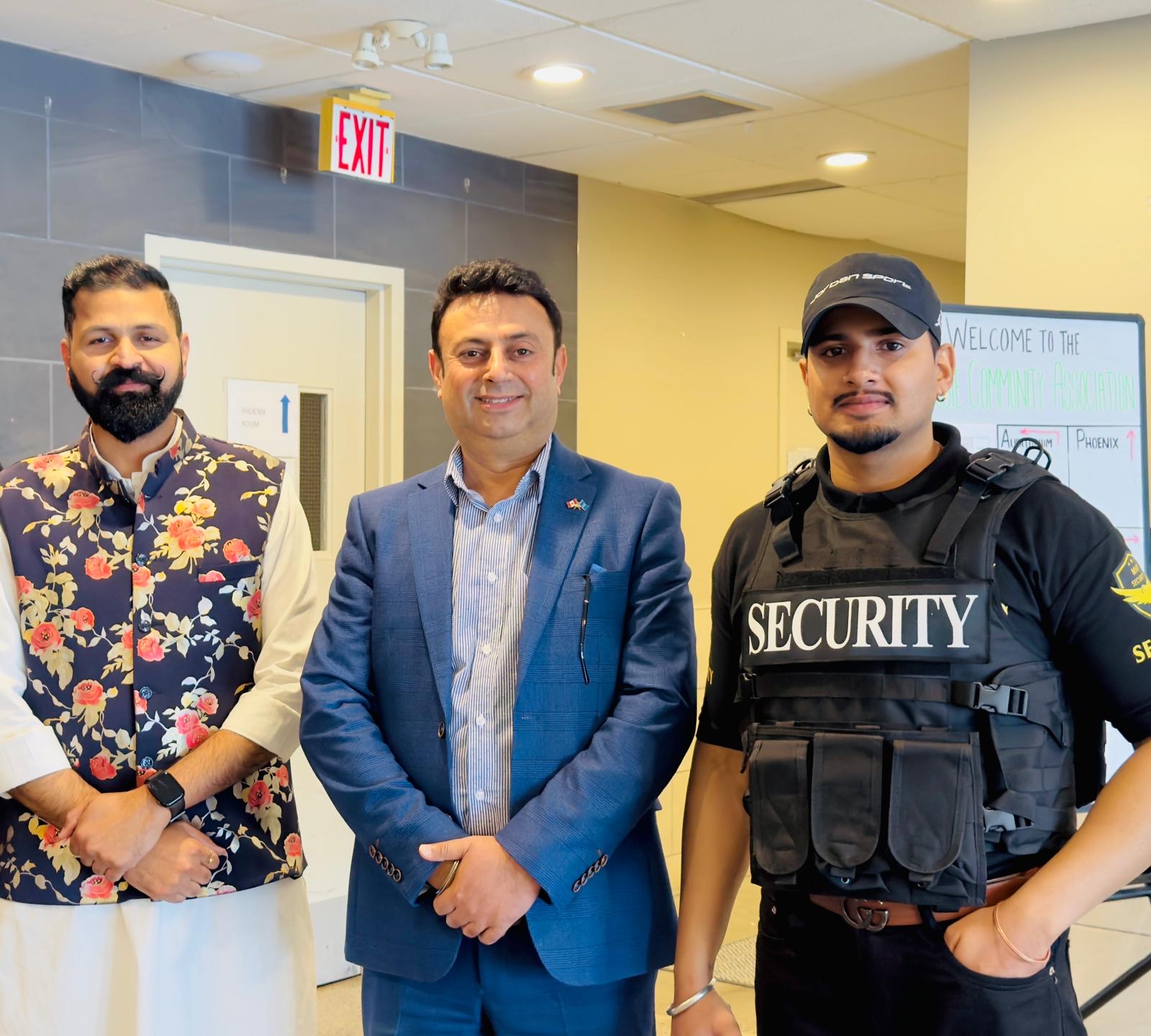
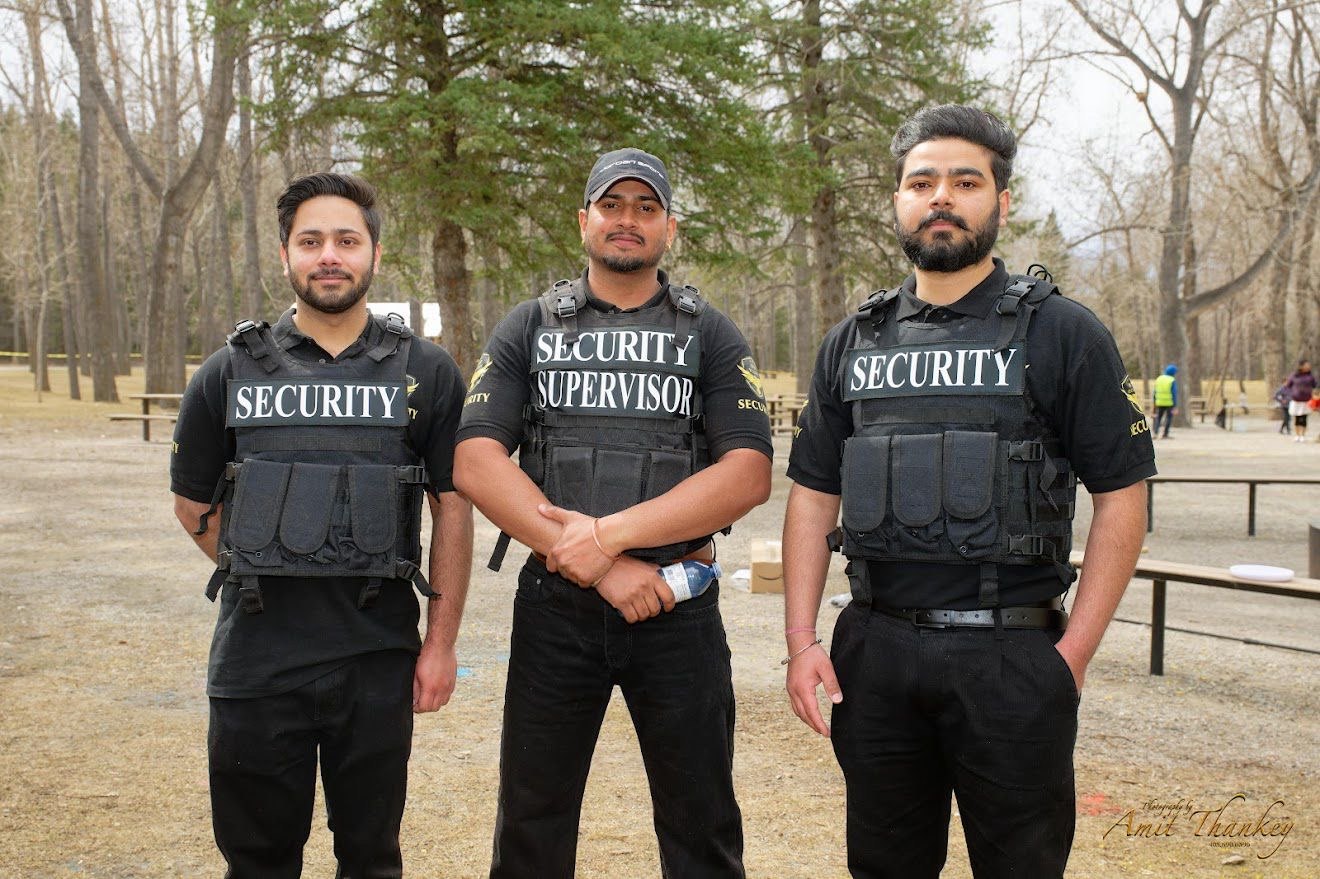
This is where a local company such as MVP Security Inc. can be especially useful. When coverage needs to start quickly, local deployment, trained guards, GPS-tracked activity, and photo-documented reporting give clients a practical way to manage both safety and accountability.
In Calgary, Fast Coverage Often Matters More Than Perfect Timing
Most clients do not plan for fire watch weeks in advance. They find out they need it when a panel fails, a contractor reports an impairment, or an authority advises interim coverage. The key is not whether the situation arrived at a convenient time. The key is whether you respond quickly enough to reduce risk while the issue is being resolved.
If you are asking do I need fire watch security, there is usually already a reason the question came up. The safer move is to assess the gap honestly, act early, and put documented coverage in place until your systems or site conditions return to normal. When people, property, and liability are all on the line, temporary protection is still protection.