









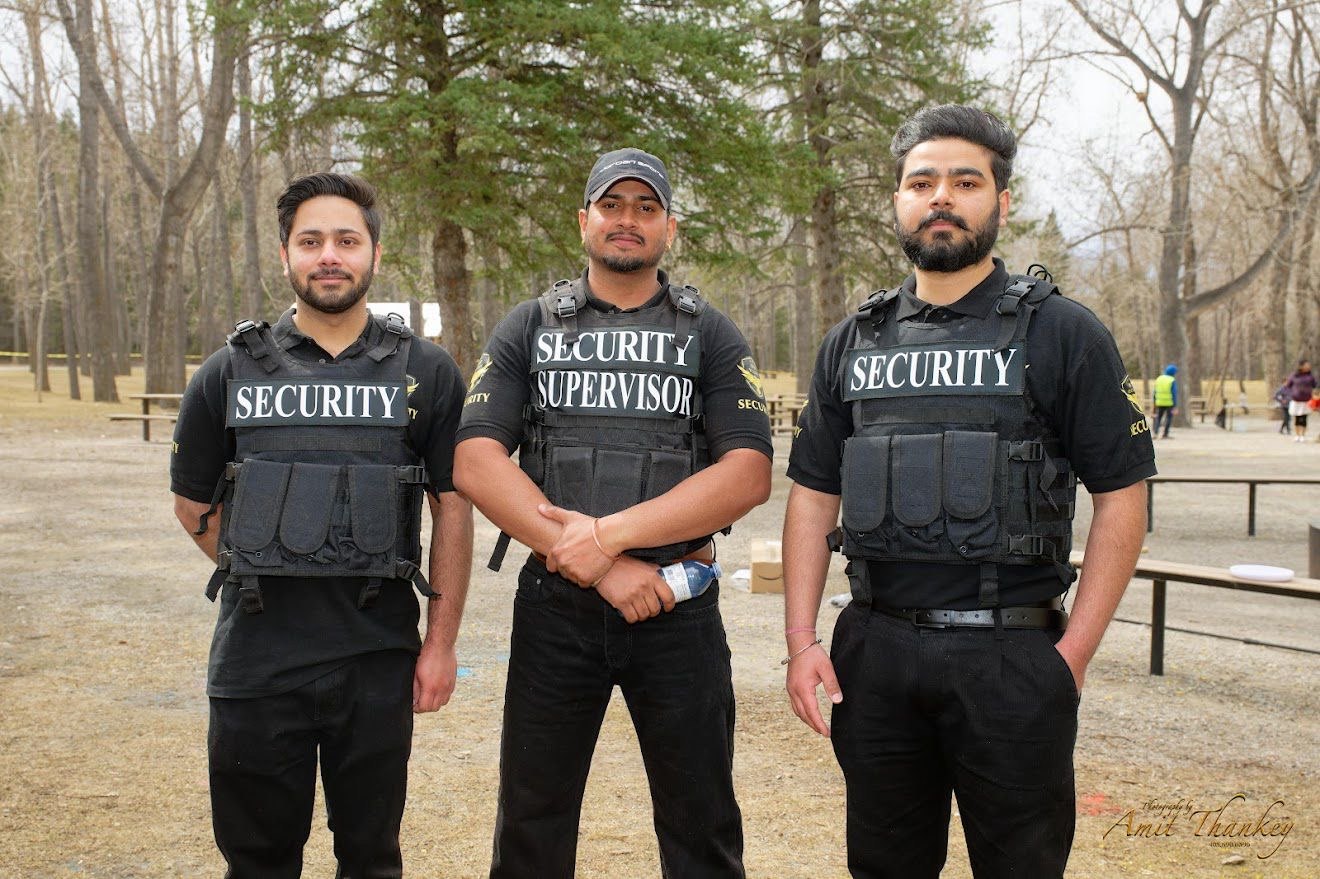
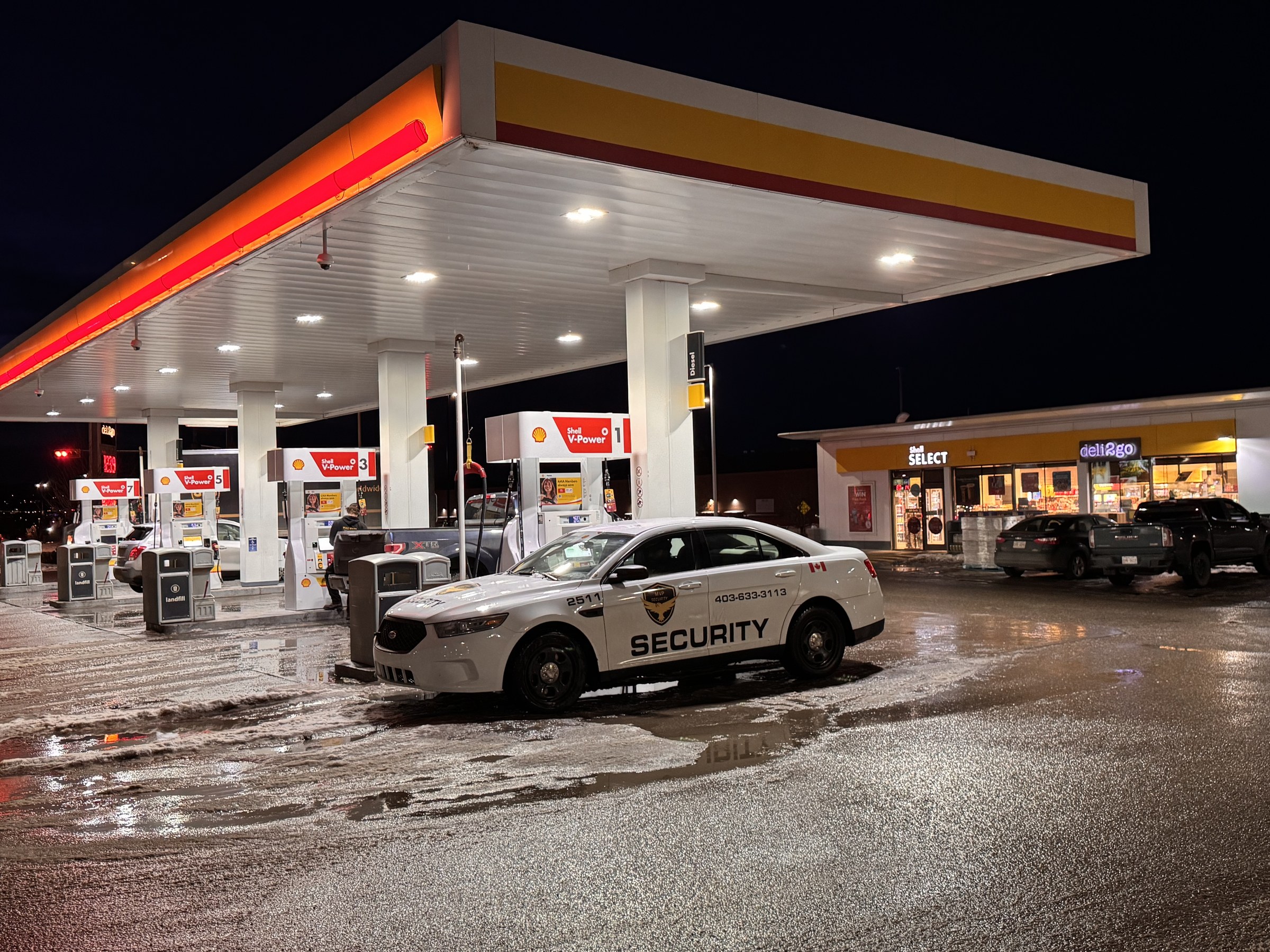
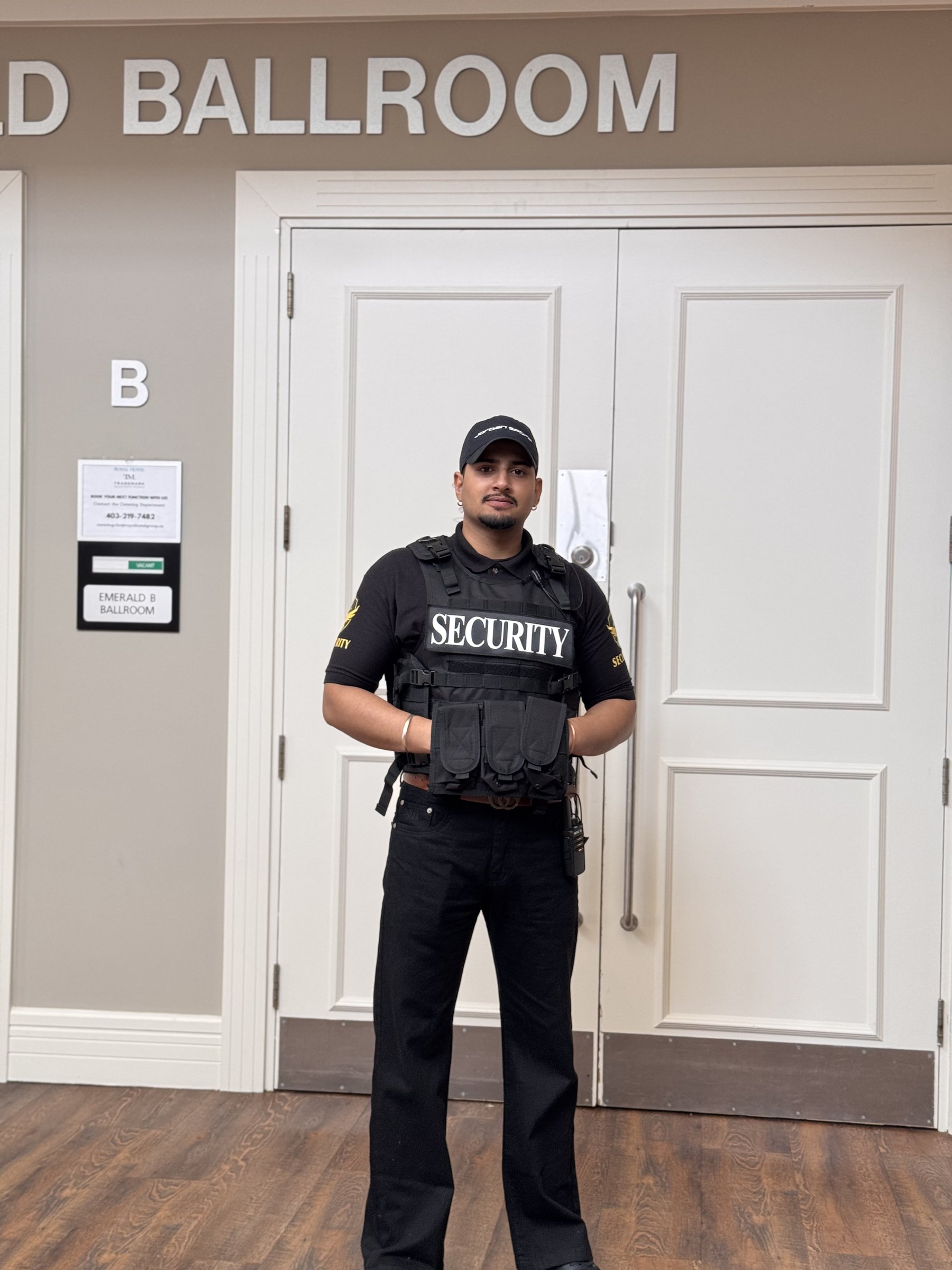
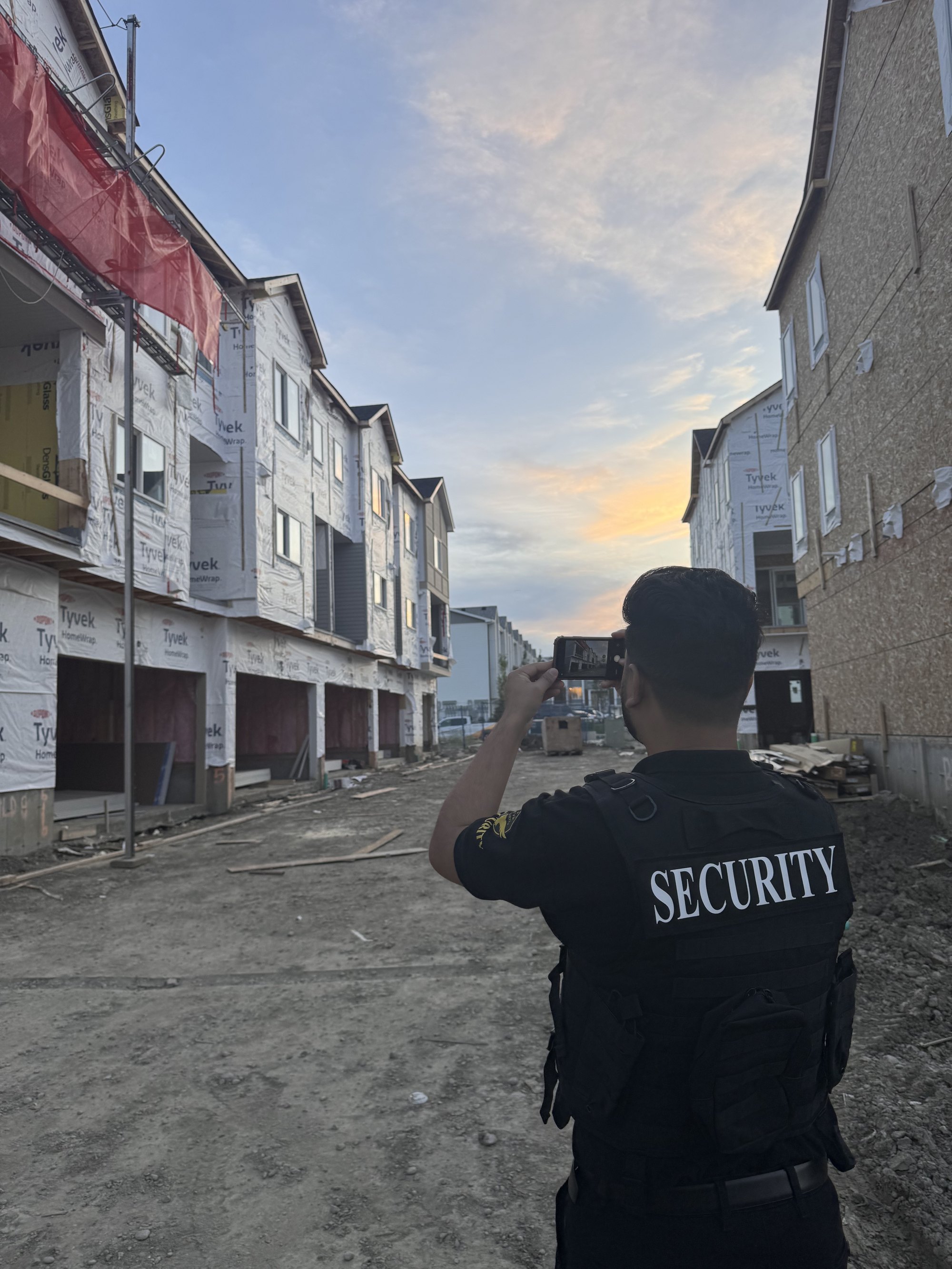


A no-show guard before an overnight shift. A break-in at a vacant unit. An alarm event that leaves a commercial property exposed until morning. This is when emergency security guard deployment stops being a nice-to-have and becomes an operational requirement.
For property managers, construction supervisors, retail operators, and event teams in Calgary, timing matters as much as coverage. If a site is unsecured for even a few hours, the costs can show up quickly - theft, vandalism, unsafe access, tenant complaints, insurance issues, and project delays. Fast deployment helps contain the problem, but only if the guards arriving on site are properly licensed, briefed, and backed by a team that can document what happens next.
What emergency security guard deployment actually means
Emergency security guard deployment is the rapid assignment of trained guards to a site with little or no notice. In practice, that can mean dispatching a static guard after a break-in, sending mobile patrol support when repeated alarm activity is reported, or filling a sudden staffing gap so a building, event, or construction project is not left unprotected.
The key point is that emergency coverage is not just about speed. It also has to be compliant, site-appropriate, and operationally clear. A guard who arrives quickly but has no site instructions, no reporting process, and no understanding of access points can create a different kind of problem. Good emergency deployment combines response time with control.
That usually starts with a short but focused intake. What happened, what is at risk, who is allowed on site, what hours need to be covered, and what level of presence is required? The right answer is not always a single uniformed guard standing at one door. Some sites need access control, some need patrol visibility, and some need overnight fire watch or alarm response support until a larger plan is in place.
When emergency security guard deployment makes the most sense
The most common trigger is a sudden gap in coverage. A current provider fails to staff a shift, a concierge callout leaves a residential tower exposed, or a contractor reports that a guard never arrived for overnight construction security. In those cases, the immediate goal is continuity. You need a trained person on site who can take control of access, observe and report, and deter opportunistic activity.
Another common scenario is an incident that changes the site’s risk level. A fence is cut at a compound. A vacant commercial unit is entered after hours. A retail location experiences threatening behaviour or repeated trespassing. A one-time incident does not always require weeks of ongoing service, but it often justifies immediate guard presence while management, police, insurers, or restoration crews address the next steps.
Emergency deployment also matters when operations must continue despite disruption. An event still has to open. Residents still need controlled entry. A building with a damaged access system still needs a visible security presence. In these cases, short-notice guard coverage helps protect both safety and continuity.
What a reliable rapid-response process should include
Fast dispatch gets attention, but decision-makers should look past the first promise and ask what happens after the guard is sent. Response quality depends on the process behind it.
A dependable provider should confirm who is requesting service, the exact location, the immediate issue, known hazards, and what authority the guard will have on site. There should also be a clear handoff for instructions. If a property manager wants visitor restrictions enforced, or a builder needs gate logging and equipment yard checks, that should be communicated before or during deployment, not discovered halfway through a shift.
Documentation is equally important. Photo-supported reporting, patrol logs, incident notes, and time-stamped activity records give clients something usable after the emergency is stabilized. This matters for internal reporting, insurance follow-up, contractor accountability, and tenant communication. It also shows whether the guard presence delivered what was requested.
Local familiarity helps more than many buyers expect. A team that regularly deploys across Calgary and surrounding communities can usually move faster, navigate access constraints better, and assign guards who understand the operating conditions of local commercial properties, condo buildings, industrial sites, and active construction projects.
Emergency coverage is not one-size-fits-all
Some urgent situations call for a static guard posted at a single point of control. That works well for damaged entrances, lobby monitoring, fire watch, or vacant unit protection where visible presence is the priority.
Other situations are better served by mobile patrol or a blended approach. A large construction site, for example, may need vehicle patrol checks around fencing, trailers, laydown areas, and equipment zones rather than one fixed officer at the front gate. A multi-building property may need a guard at the entrance combined with patrols through parking and common areas.
There is also a budget question. Not every emergency requires a full-scale deployment for multiple days. Sometimes the right move is immediate overnight coverage followed by a site review in the morning to decide whether the risk justifies continued staffing, adjusted hours, or a different service model. A professional provider should be able to recommend the level of coverage that fits the actual exposure, not oversell the largest possible package.
What clients should have ready before requesting urgent coverage
If you need guards on short notice, speed improves when a few basics are ready. The site address, contact person, billing contact, access instructions, and a short description of the issue will usually get the process moving quickly. It also helps to confirm whether there are keys, fobs, alarm procedures, designated patrol areas, or restricted zones.
If there has been a recent incident, share that too. Was there forced entry, suspicious persons, copper theft, unauthorized parking, or aggressive behaviour? The more precise the brief, the more useful the deployment plan will be.
That said, many emergency situations are messy by nature. Decision-makers do not always have perfect information at the moment they call. A good operations team should be able to work with partial information, secure the site first, and refine instructions once the immediate risk is under control.
Why compliance and reporting matter during urgent deployments
When coverage is requested in a rush, some buyers focus only on how soon someone can arrive. That is understandable, but it should not replace basic due diligence. Guards should be Alberta-licensed, insured, and deployed through a company with clear supervision and reporting standards.
This is especially important for commercial and residential properties where incidents may involve tenants, visitors, contractors, or after-hours access disputes. You need guards who understand the limits of their role, can de-escalate where appropriate, and know how to document incidents properly. Poorly handled emergency coverage can increase liability instead of reducing it.
Reporting standards also shape what happens after the shift. If an overnight alarm response turns into evidence of repeated trespassing, the client needs records. If a construction site has signs of attempted theft, site management needs more than a verbal update. Accountability is one of the main reasons businesses switch from larger, less responsive providers to local teams that offer GPS-tracked activity and documented reporting.
Emergency security guard deployment in Calgary and surrounding areas
Calgary-area sites have a wide range of operating conditions. Downtown commercial properties, suburban retail plazas, condo towers, industrial yards, and active developments on the edge of the city all present different access and visibility challenges. The same is true in nearby communities such as Airdrie, Cochrane, Chestermere, Okotoks, and High River.
That local variation affects emergency deployment decisions. Travel time, after-hours site access, weather exposure, lighting conditions, and neighbourhood activity all influence how a site should be secured. A provider with local deployment capability is better positioned to respond with the right type of guard coverage rather than a generic stopgap.
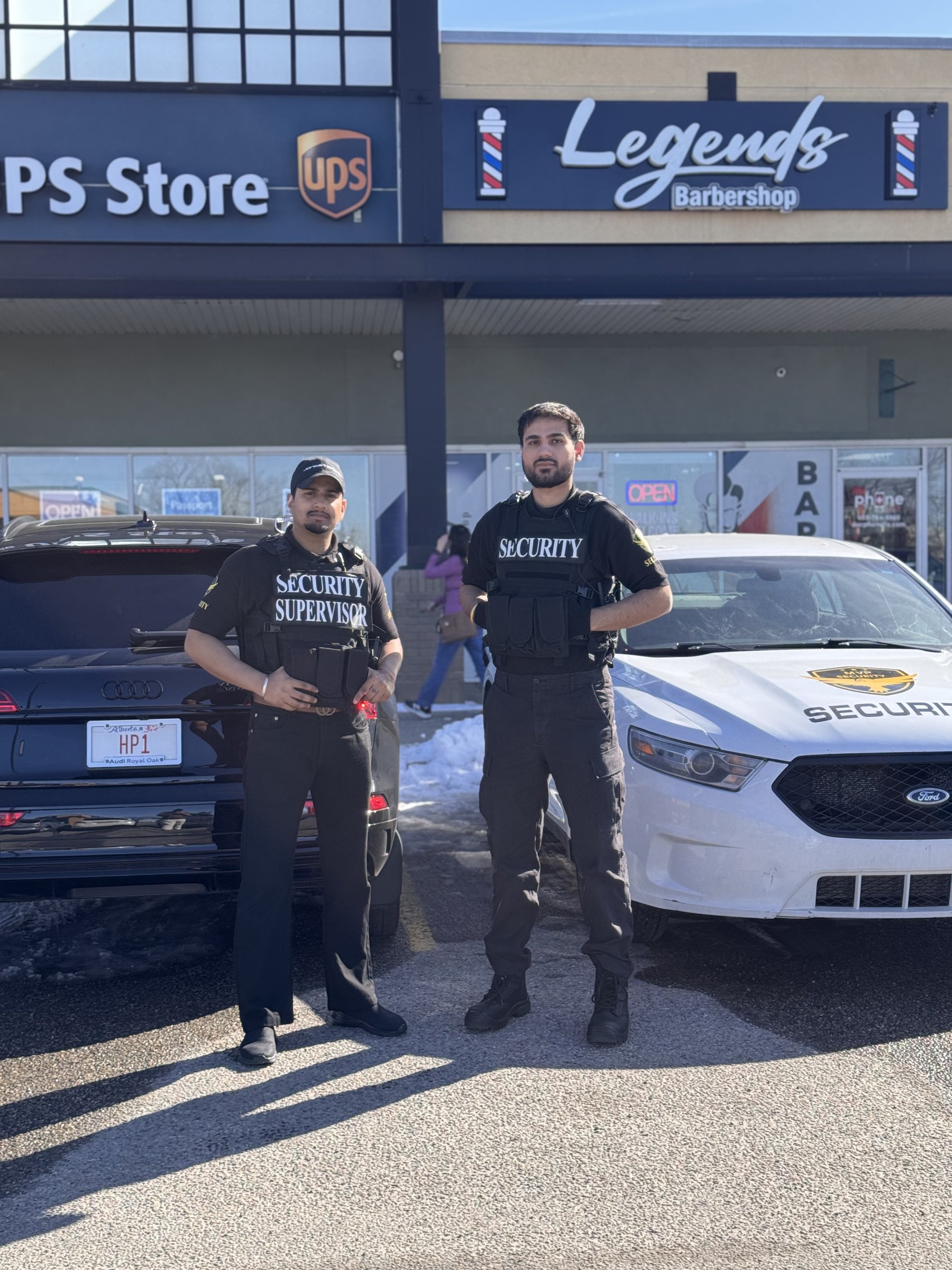
For that reason, emergency staffing should never be treated as just filling a body on a shift. It is a short-notice security operation with immediate consequences for property protection, tenant confidence, and business continuity. At MVP Security Inc., that means licensed guards, fast local dispatch, and site-specific direction built around what the location actually needs.
When something goes wrong after hours, the best next step is usually the simplest one - get qualified coverage in place quickly, stabilize the site, and make the next decision from a position of control rather than urgency.