







A packed entrance, a tight load-in window, alcohol service, and a crowd that doubles in under an hour - that is where event security Calgary organizers rely on stops being a nice-to-have and starts becoming an operational requirement. Whether you are managing a corporate function, community festival, condo AGM, retail activation, or private gathering, security affects far more than incident response. It shapes guest flow, staff confidence, access control, and your ability to keep the event on schedule.
In Calgary, event environments vary quickly. A downtown venue has different pressures than an outdoor activation in Chestermere or a community event in Okotoks. Weather changes attendance patterns. Parking layouts affect access points. Alcohol service changes risk. So does a public-facing location, a high-profile guest list, or a site with limited fencing. Good planning starts with understanding that event security is not one standard guard posted at one door. It is a site-specific coverage plan built around crowd size, event type, timing, and the real issues most likely to interrupt operations.
What event security in Calgary actually needs to cover
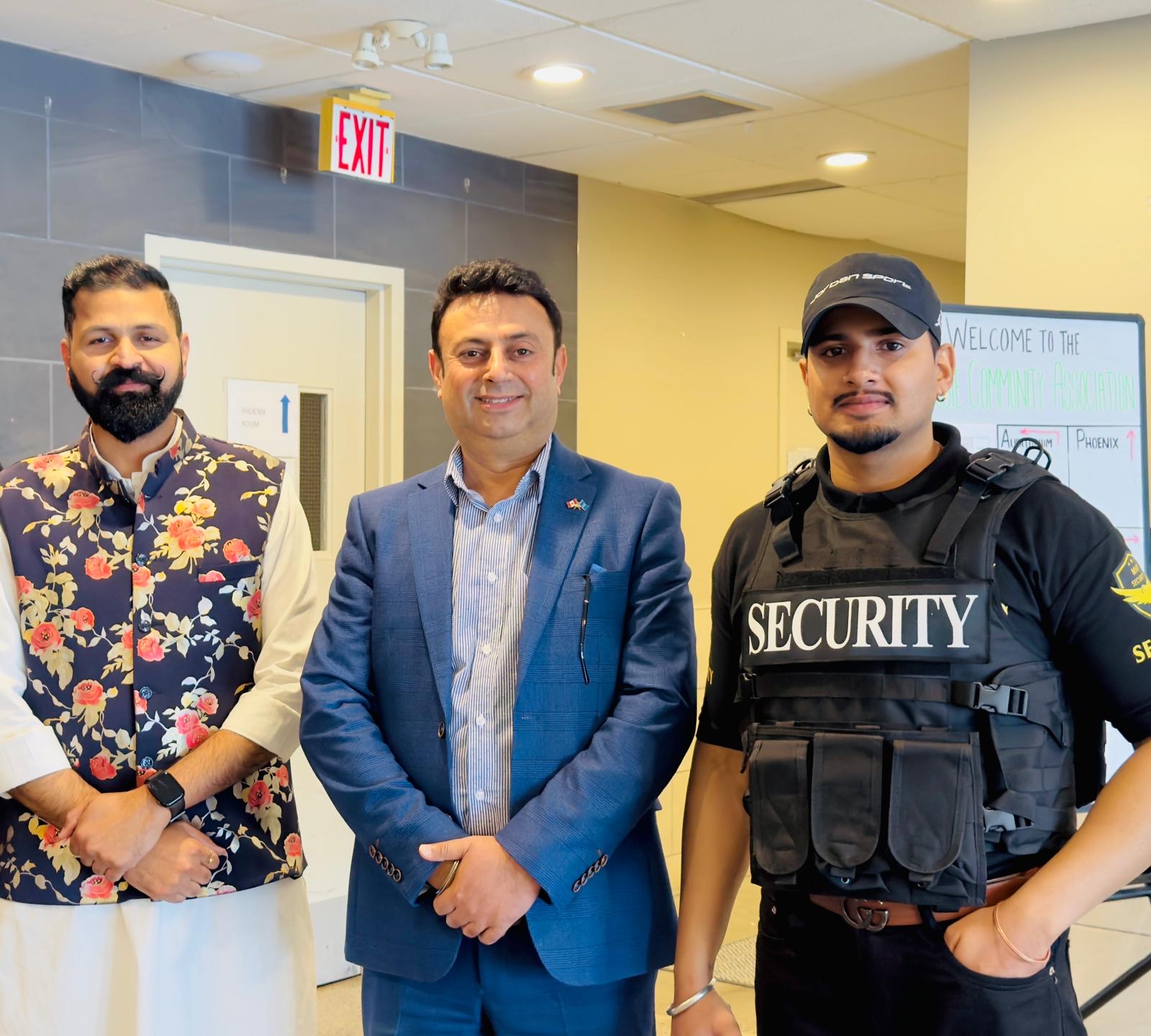
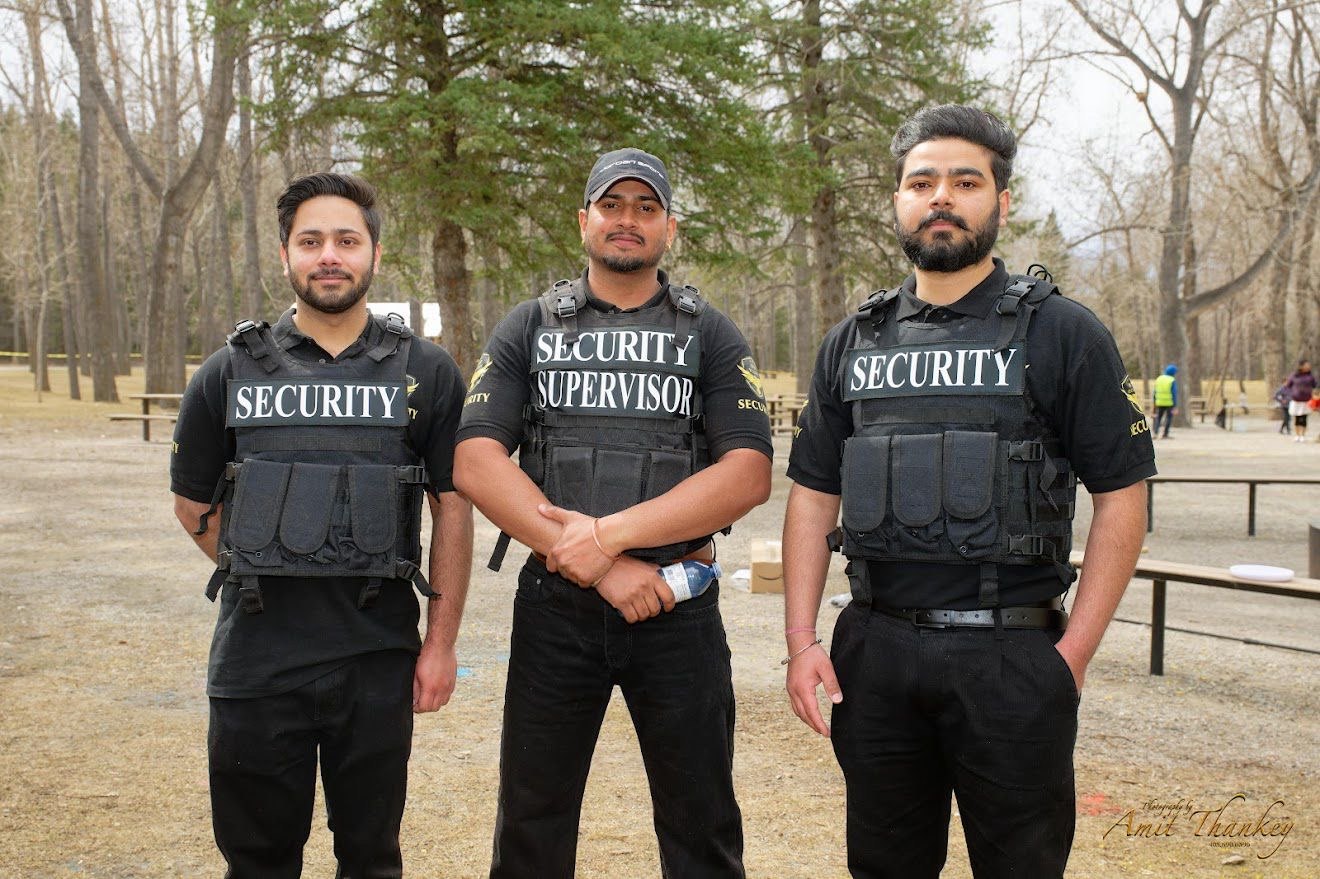
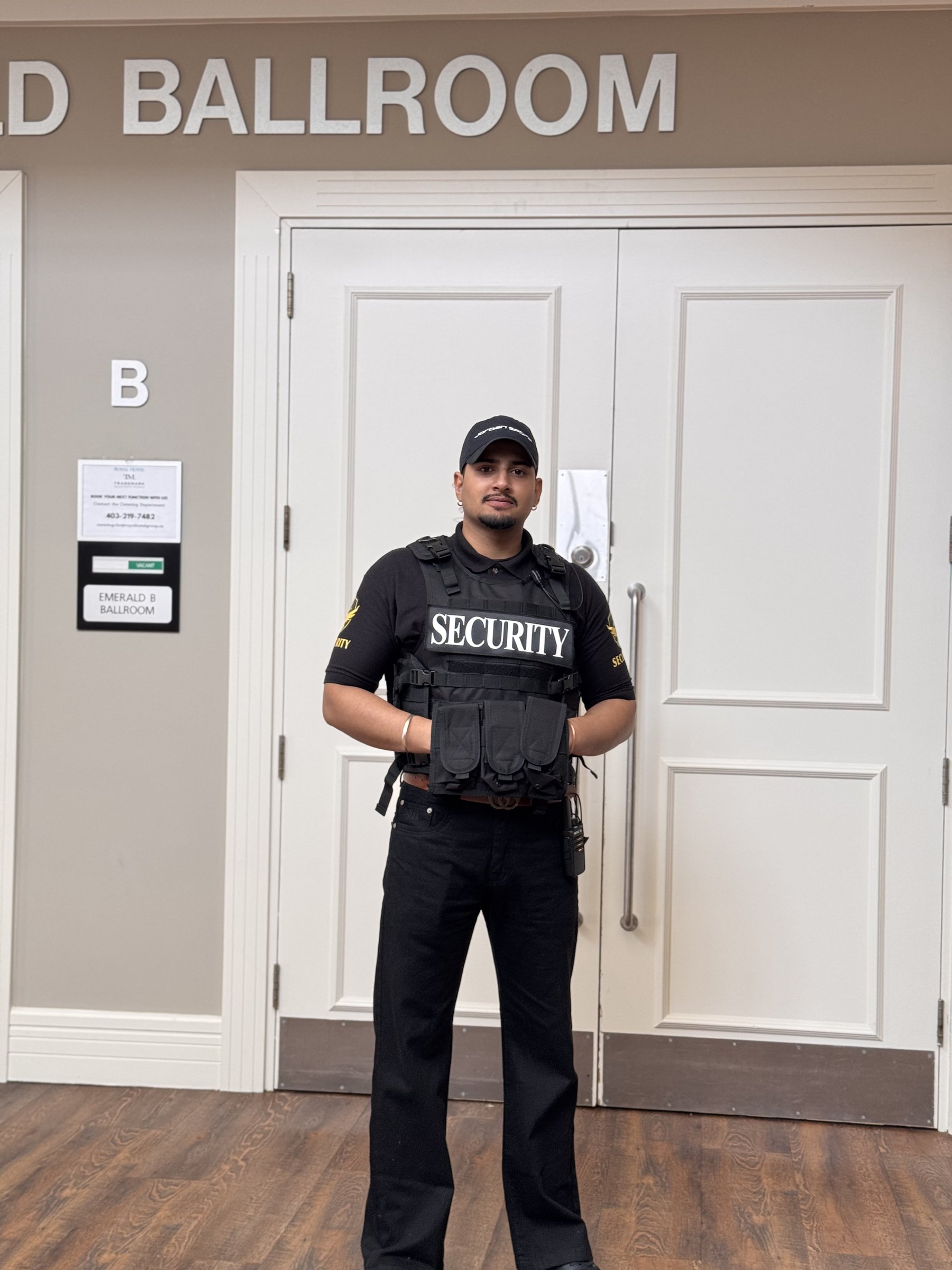
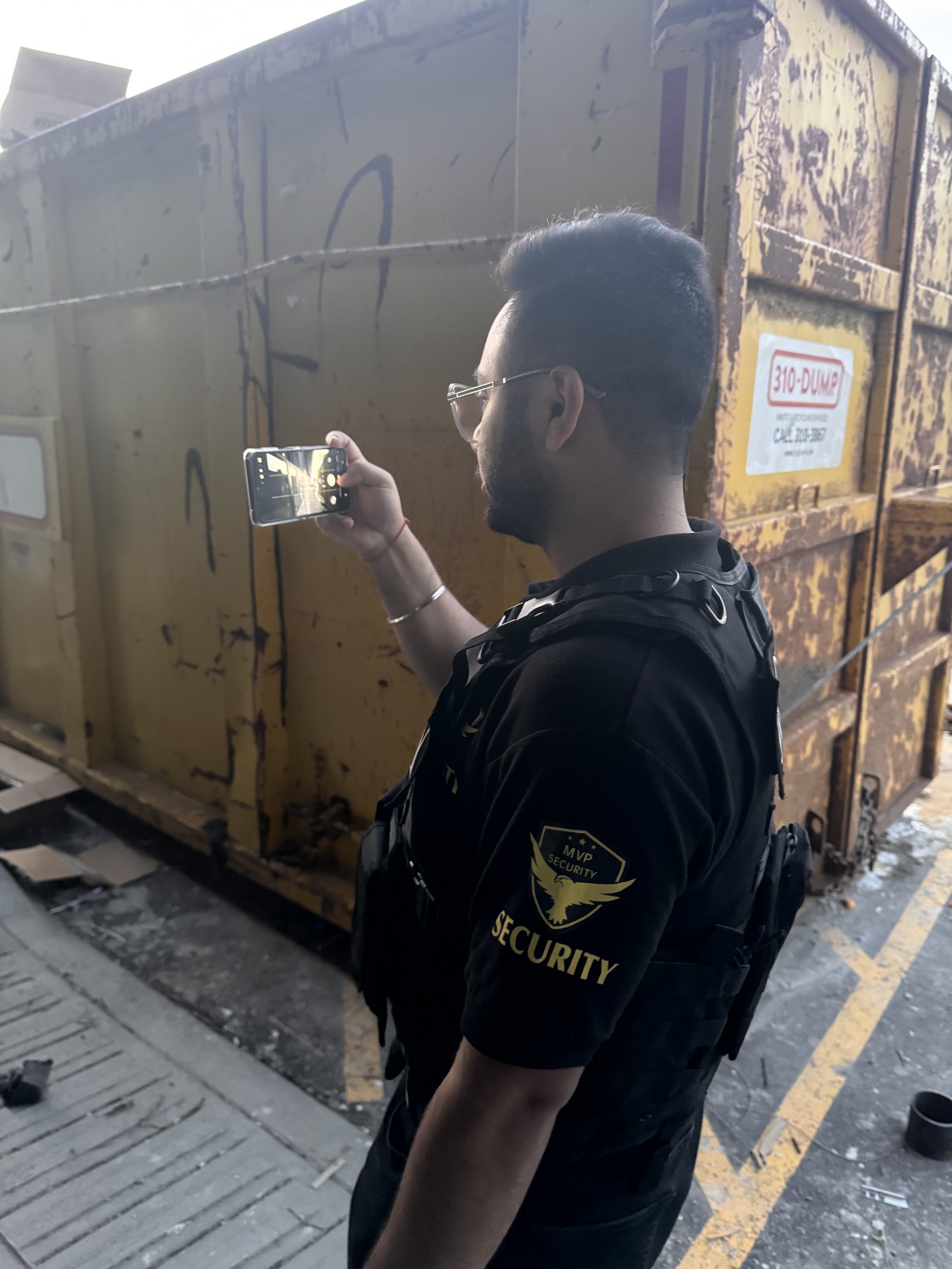
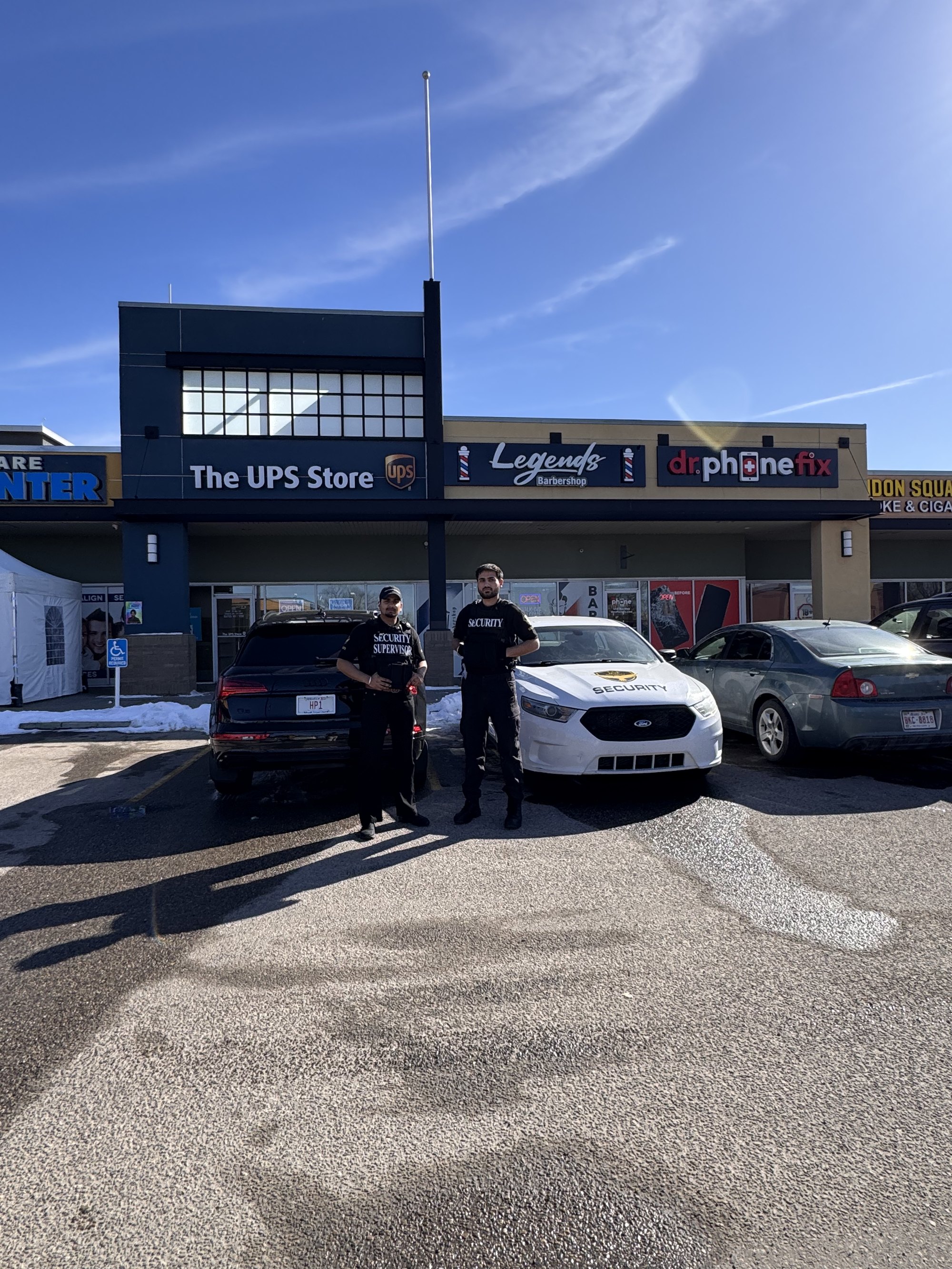
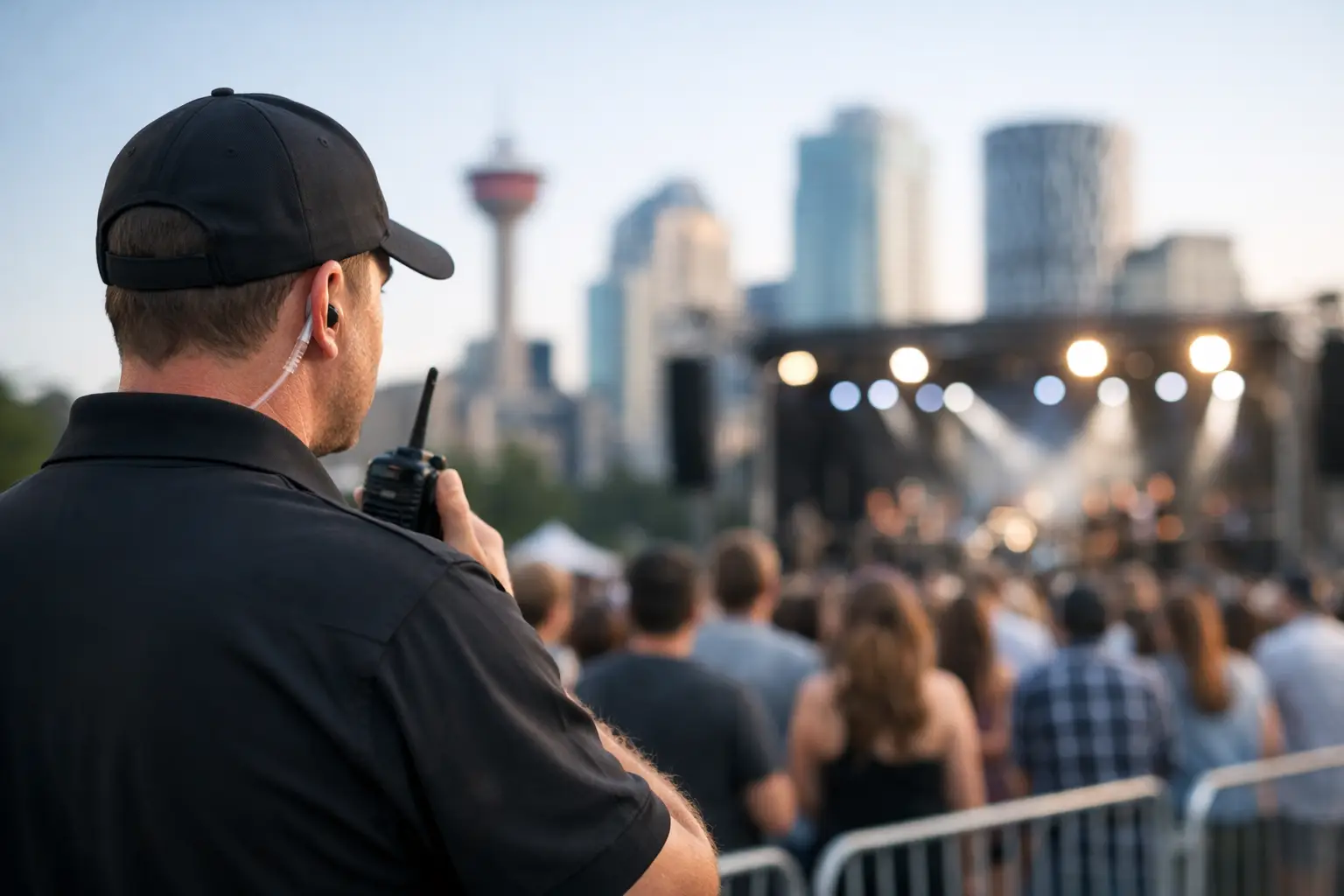
Many organizers think about security in terms of visible presence, and that matters. A professional, uniformed guard can discourage unwanted behaviour before it starts. But visible deterrence is only one part of the job. Effective event security also covers controlled entry, guest screening where required, restricted-area protection, incident documentation, parking and perimeter observation, response to disturbances, and coordination with venue staff or emergency services if conditions escalate.
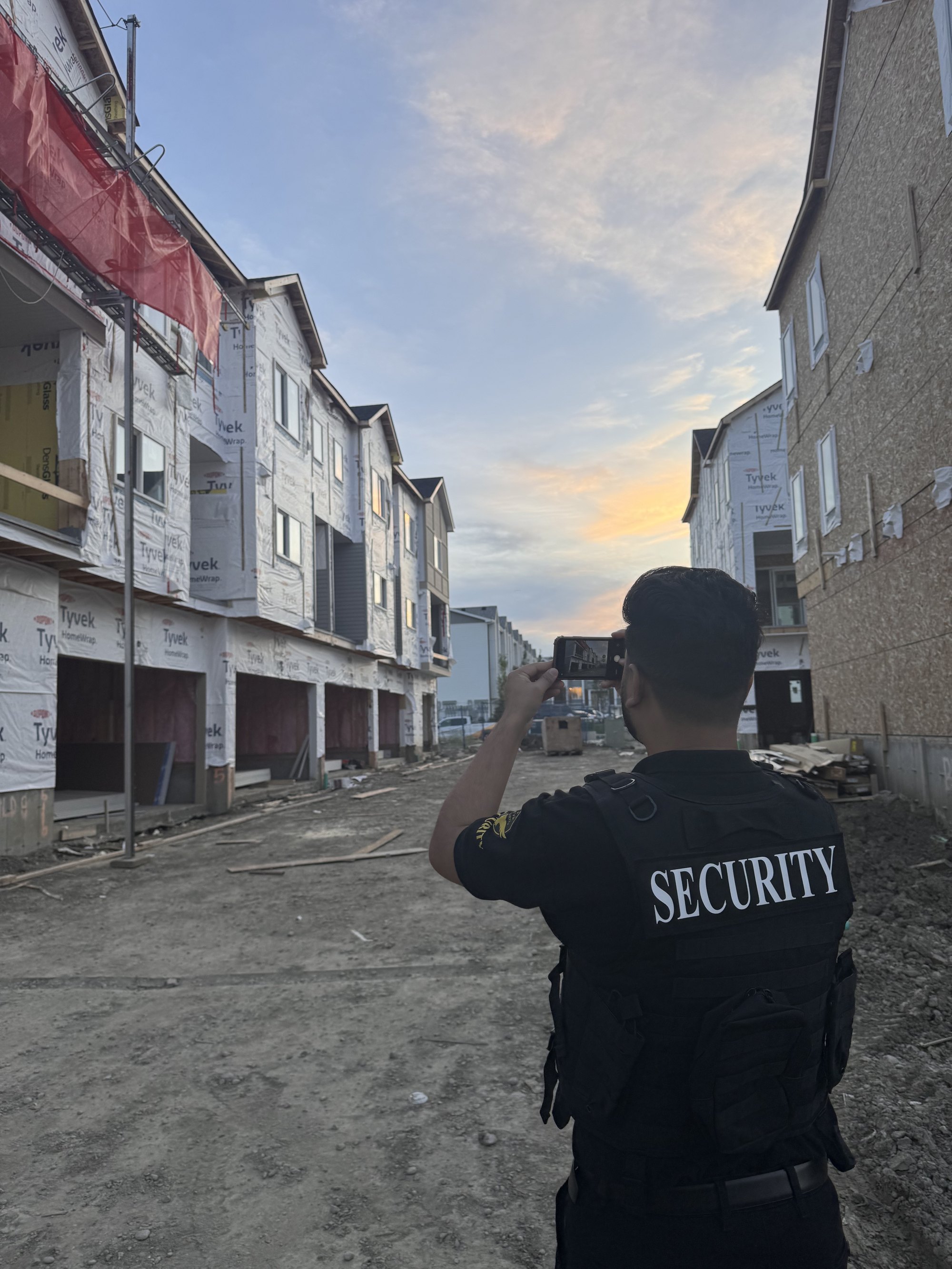
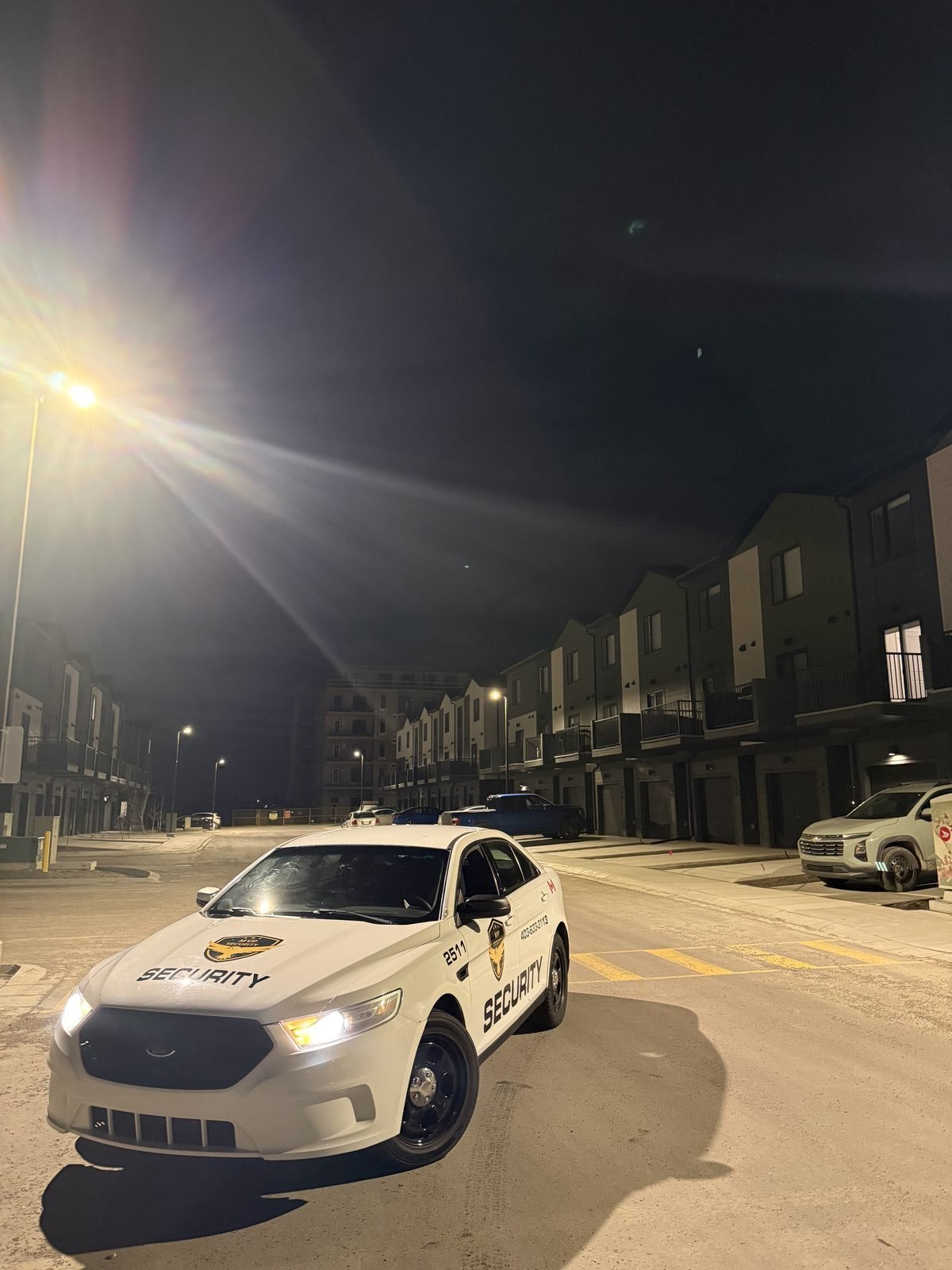
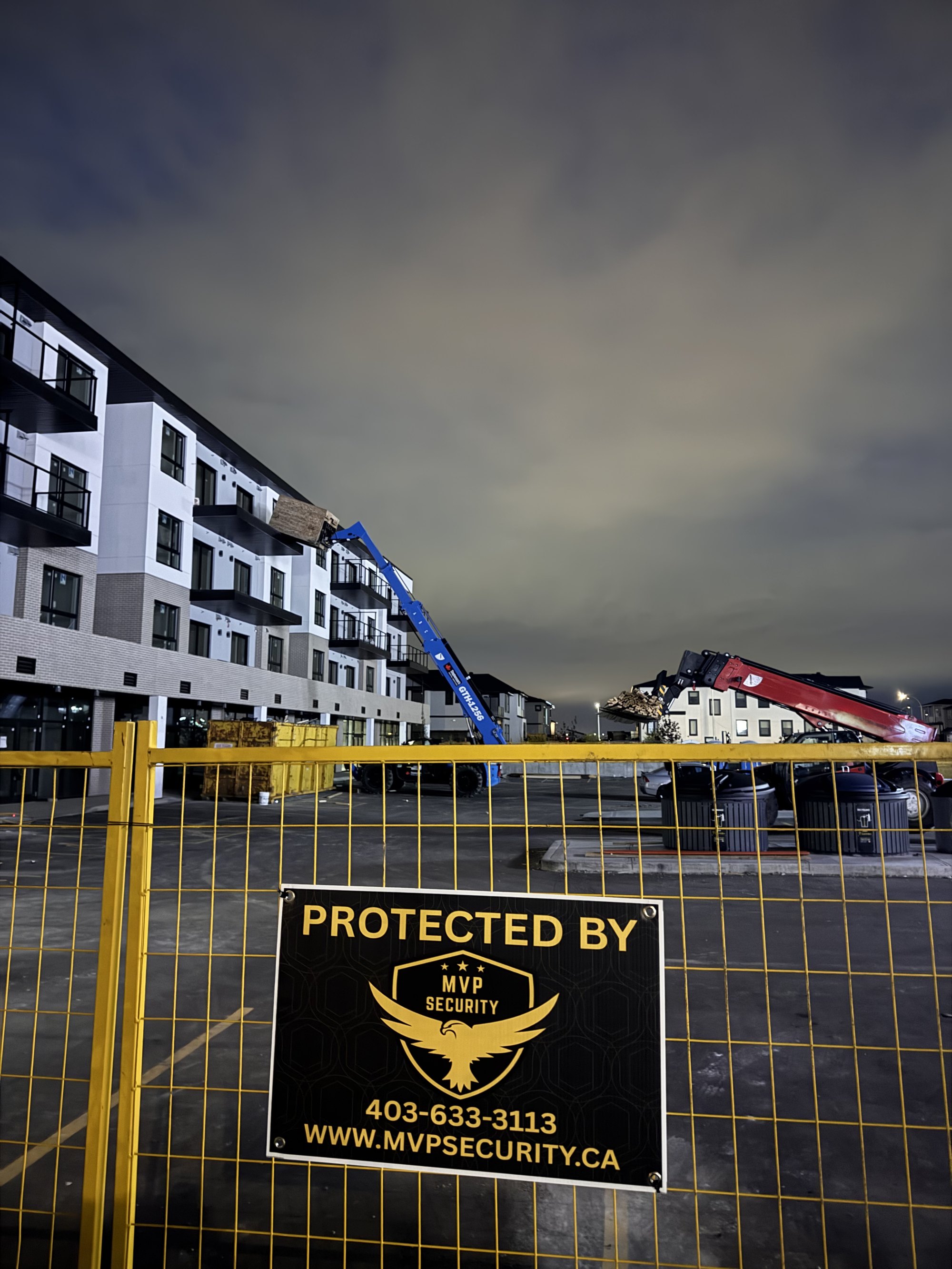
For some events, the highest risk is unauthorized access. For others, it is disorderly behaviour, theft, property damage, or after-hours exposure during setup and teardown. A construction-adjacent event may need perimeter monitoring to prevent trespassing into unsafe areas. A residential or condo event may need concierge-style access control and a professional presence that keeps things orderly without feeling heavy-handed. A public festival may need multiple static guards, roaming patrol support, and a clear incident chain of command.
That is why planning should begin with a practical question: what could realistically go wrong here, and when is it most likely to happen? The answer usually determines the right staffing model better than headcount alone.
Why local event security Calgary coverage matters
Local coverage is not just a branding point. It affects response time, familiarity with venues and surrounding neighbourhoods, and the ability to adjust when event conditions change. In Calgary and nearby communities, the difference between a smooth evening and a difficult one often comes down to how quickly extra support can be deployed, how well guards understand the area, and whether your provider is set up for short-notice changes.
If attendance climbs faster than expected, if a gate needs to be repositioned, or if an after-party extends the timeline, organizers need a security team that can adapt without creating confusion. A provider operating locally is generally better positioned to manage those changes than one relying on distant scheduling or layered approvals.
Local knowledge also helps with practical details that matter on event day. Guards who understand neighbourhood traffic patterns, site access limitations, common problem areas, and municipal expectations can make better decisions in real time. That does not replace a proper event plan, but it does reduce friction when conditions shift.
The right guard profile depends on the event
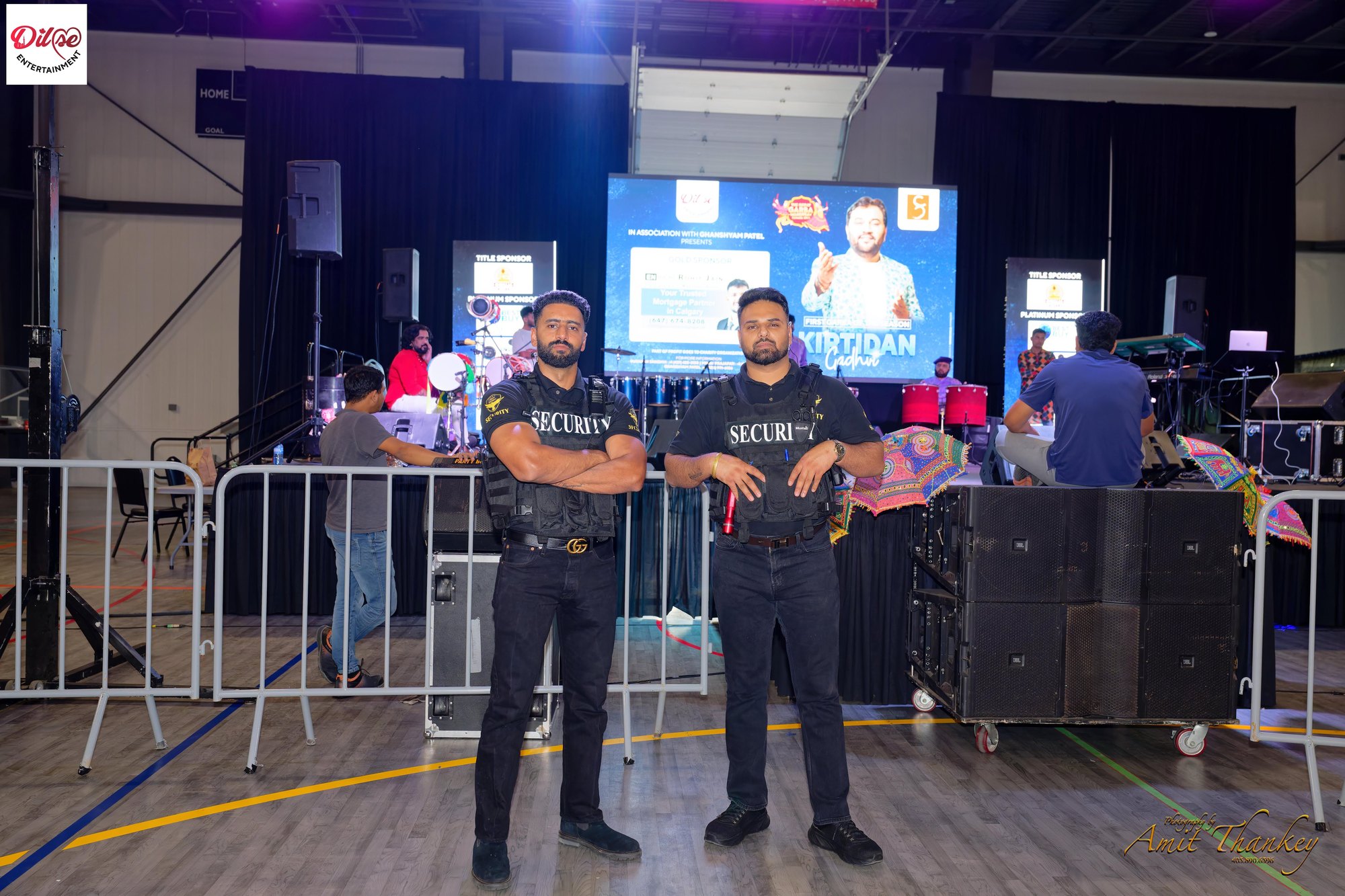
Not every event needs the same type of officer presence. That sounds obvious, but it is where many coverage plans fall short. An upscale corporate function usually needs guards who can handle access control and guest interaction with a polished, low-friction approach. A concert, public gathering, or late-night licensed event may require a more assertive posture, tighter perimeter control, and faster escalation protocols.
The best approach is to match the guard profile to the environment. Communication style, positioning, reporting discipline, and experience level all matter. A guard standing at a VIP entrance is doing different work than one monitoring a parking area, checking credentials at a service gate, or conducting exterior patrols during overnight equipment storage.
This is also where Alberta licensing and training matter. Event organizers are not only hiring presence. They are hiring judgement. Guards need to know when to de-escalate, when to document, when to remove someone through proper process, and when to involve emergency services. That level of professionalism protects guests, staff, and the organizer.
Planning for event security before the first guest arrives
Strong event security starts well before opening time. Site walks, access point reviews, staffing maps, communication plans, and incident procedures all reduce risk before a single attendee enters the venue. If a provider is asked to show up with no briefing and no understanding of event flow, the organizer is effectively paying for reaction instead of preparation.
A proper pre-event review should look at entry and exit points, fencing or natural boundaries, delivery schedules, liquor service, washroom locations, dark areas, parking lots, emergency egress, and any spaces that need staff-only restrictions. It should also account for setup and teardown, because those periods often create security gaps. Equipment is exposed, contractors are moving in and out, and supervision is usually lighter than during public hours.
For many events, there is also value in documenting expectations clearly. Who is the point of contact? What incidents require immediate phone escalation? What can be logged in a report for follow-up? If someone is denied entry, who has final authority? Clear answers reduce delay and help guards act with confidence.
Reporting and accountability are part of the service
One of the biggest differences between average and dependable event coverage is what happens after an incident. If a provider cannot tell you who responded, when they responded, what they observed, and what action was taken, you are left with gaps at exactly the time documentation matters most.
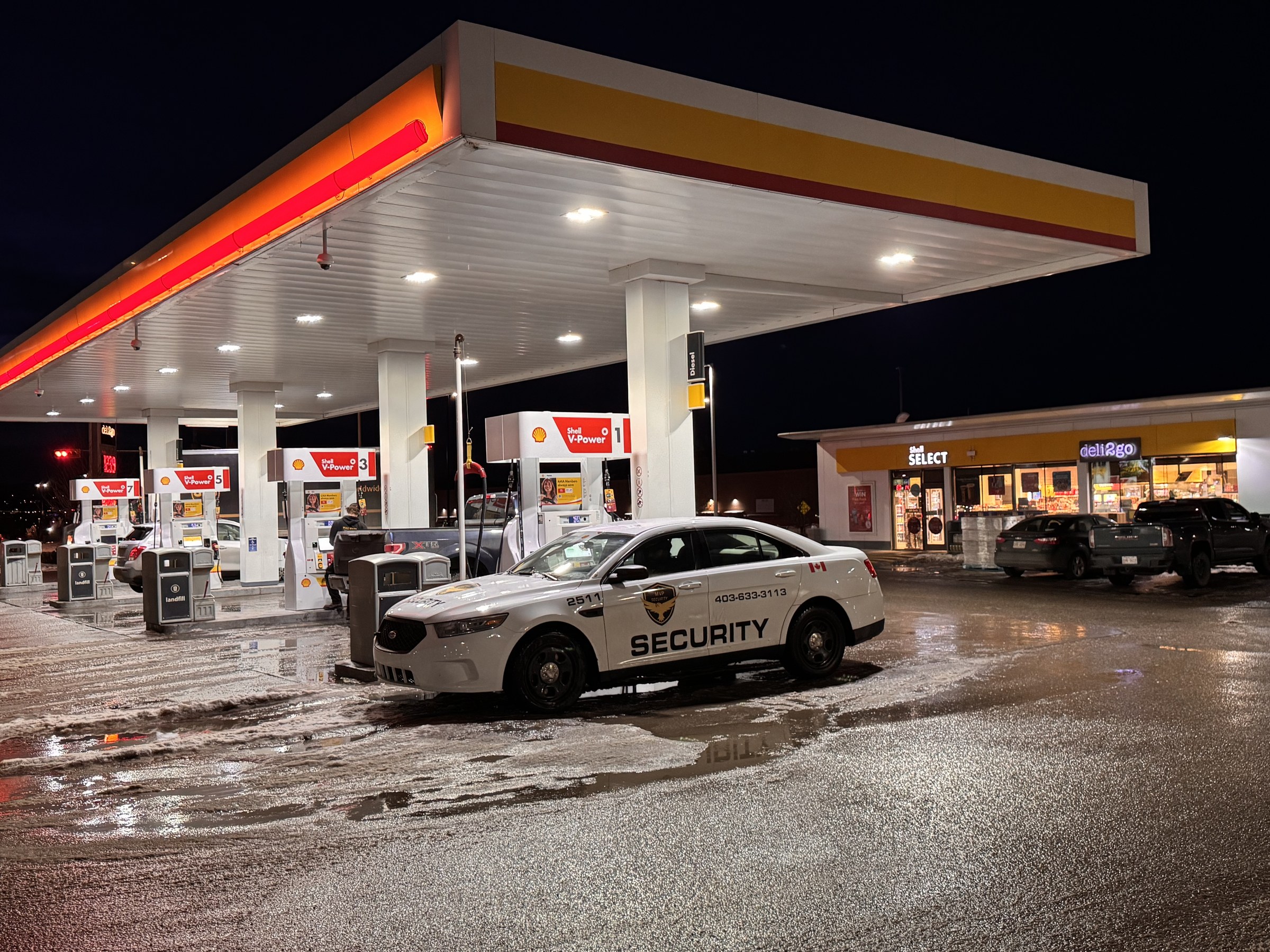
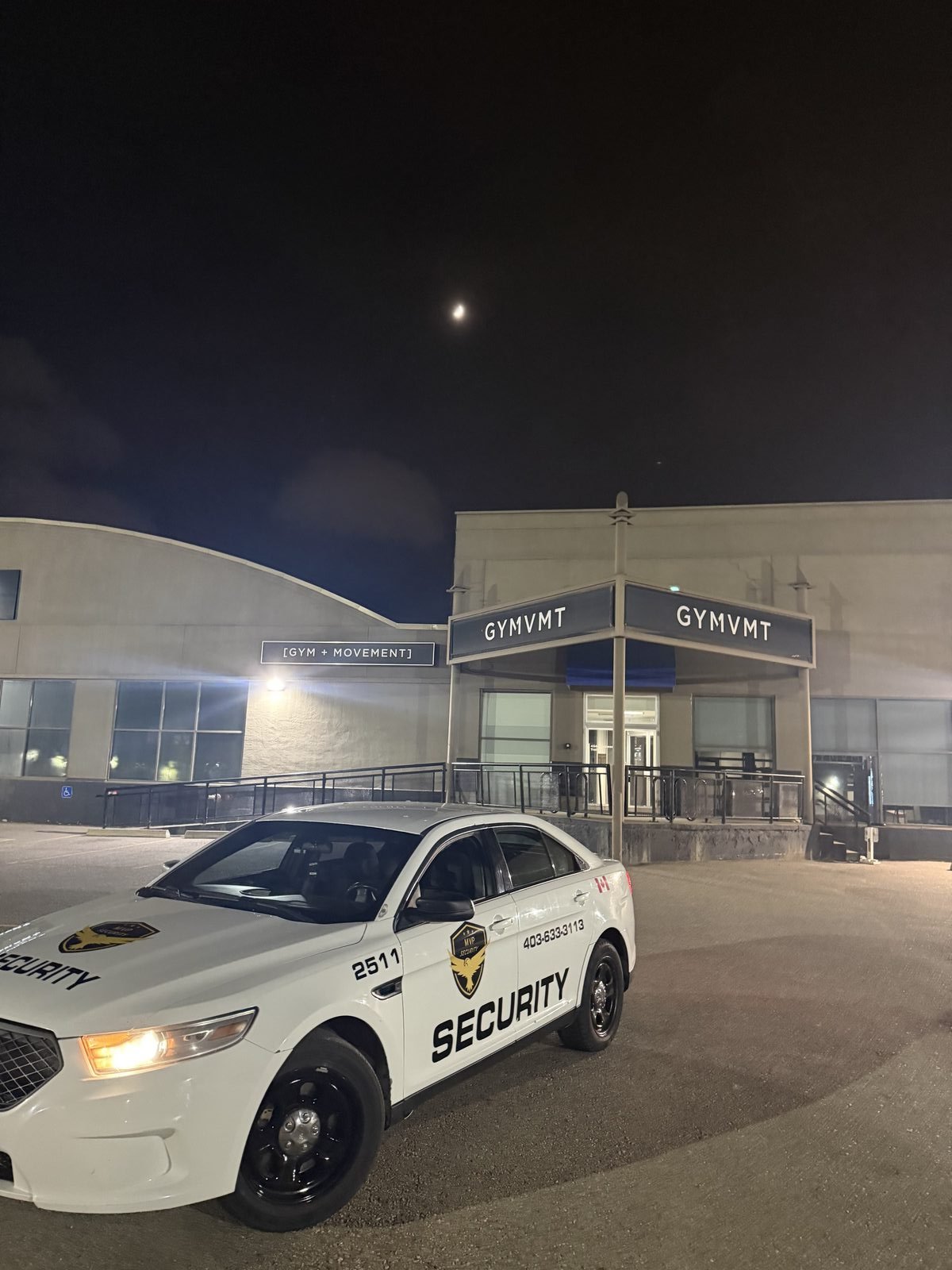
Professional event security should include reliable reporting, especially for access refusals, disturbances, property damage, medical concerns, suspicious activity, and post-event observations. GPS-tracked patrol activity and photo-documented reporting add another layer of accountability when events include multiple zones, exterior assets, or overnight protection needs.
This matters for more than record-keeping. It helps organizers evaluate staffing levels, improve future event plans, and address liability concerns. It also gives property owners, venue managers, and stakeholders a clear picture of how the event was managed.
Balancing budget with actual risk
Every organizer has a budget. The challenge is making sure cost control does not create preventable exposure. Understaffing a high-traffic entry, leaving exterior areas uncovered, or skipping overnight coverage after teardown can save money on paper and create larger losses later.
That said, more guards is not always the answer. Sometimes a better deployment plan does more than simply increasing headcount. A mix of static guards and mobile patrol support may be enough for one event. Another may need tighter front-end access control and less roaming presence inside. It depends on crowd profile, venue layout, operating hours, and whether the site remains vulnerable after guests leave.
A practical provider will talk through those trade-offs instead of pushing a standard package. That includes identifying where a visible presence is essential, where patrols are more efficient, and where concierge-style control may suit the event better than a more overt posture.
When short-notice event coverage is the real test
In this industry, plans change. Vendors cancel. Timelines move. Attendance jumps. Another provider no-shows. The real test of event security is often not the original booking. It is whether coverage can still be deployed quickly and professionally when the plan changes late.
That is where a responsive local team stands out. Same-day or emergency deployment is not just useful for high-risk events. It matters for routine functions too, because even low-drama events can become high-pressure when a staffing gap opens hours before doors.
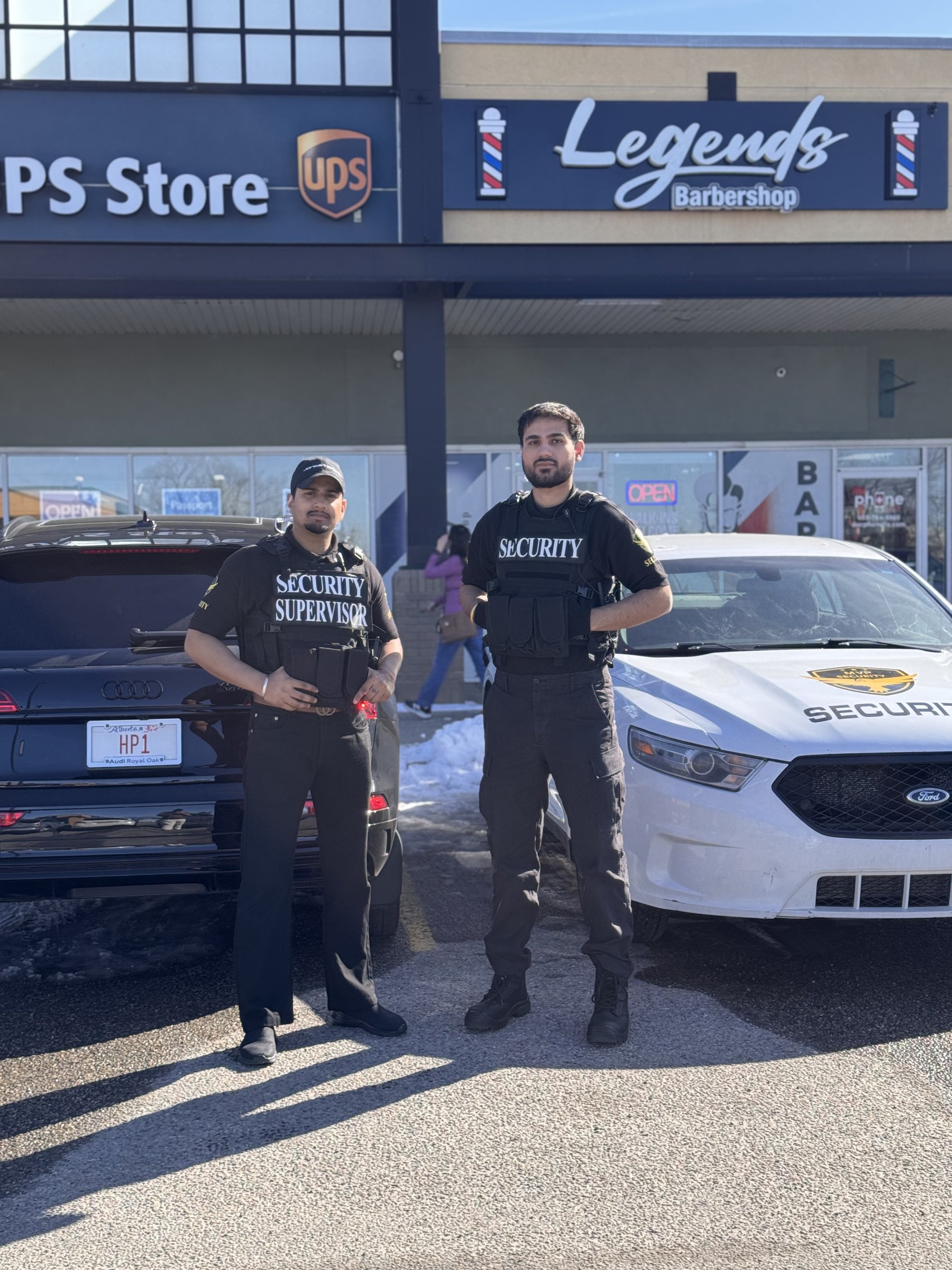
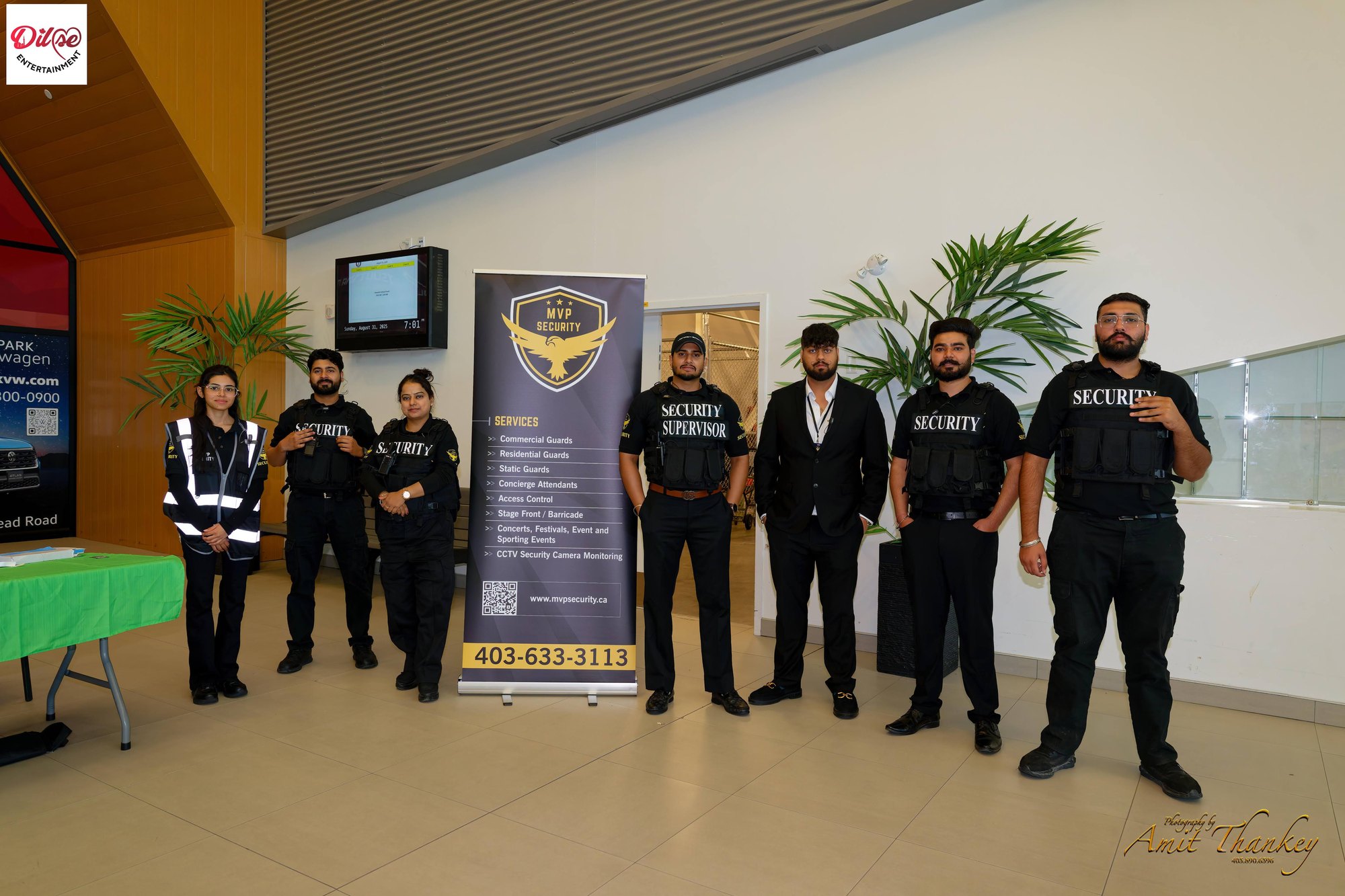
For organizers in Calgary, Airdrie, Cochrane, Chestermere, Okotoks, and High River, the value is simple: when security becomes urgent, you need a provider that can act like it. That means licensed guards, clear communication, and a coverage plan built around the site rather than a generic script. MVP Security Inc. is often chosen for exactly that reason.
The right event security presence should make the event feel controlled, professional, and easier to run. Guests may never notice the planning behind it, and that is usually a good sign. When coverage is tailored properly, the evening moves the way it is supposed to - with fewer disruptions, faster responses, and fewer decisions left to chance.
If you are planning an event, the best time to think seriously about security is before the first problem gives you a reason to.