










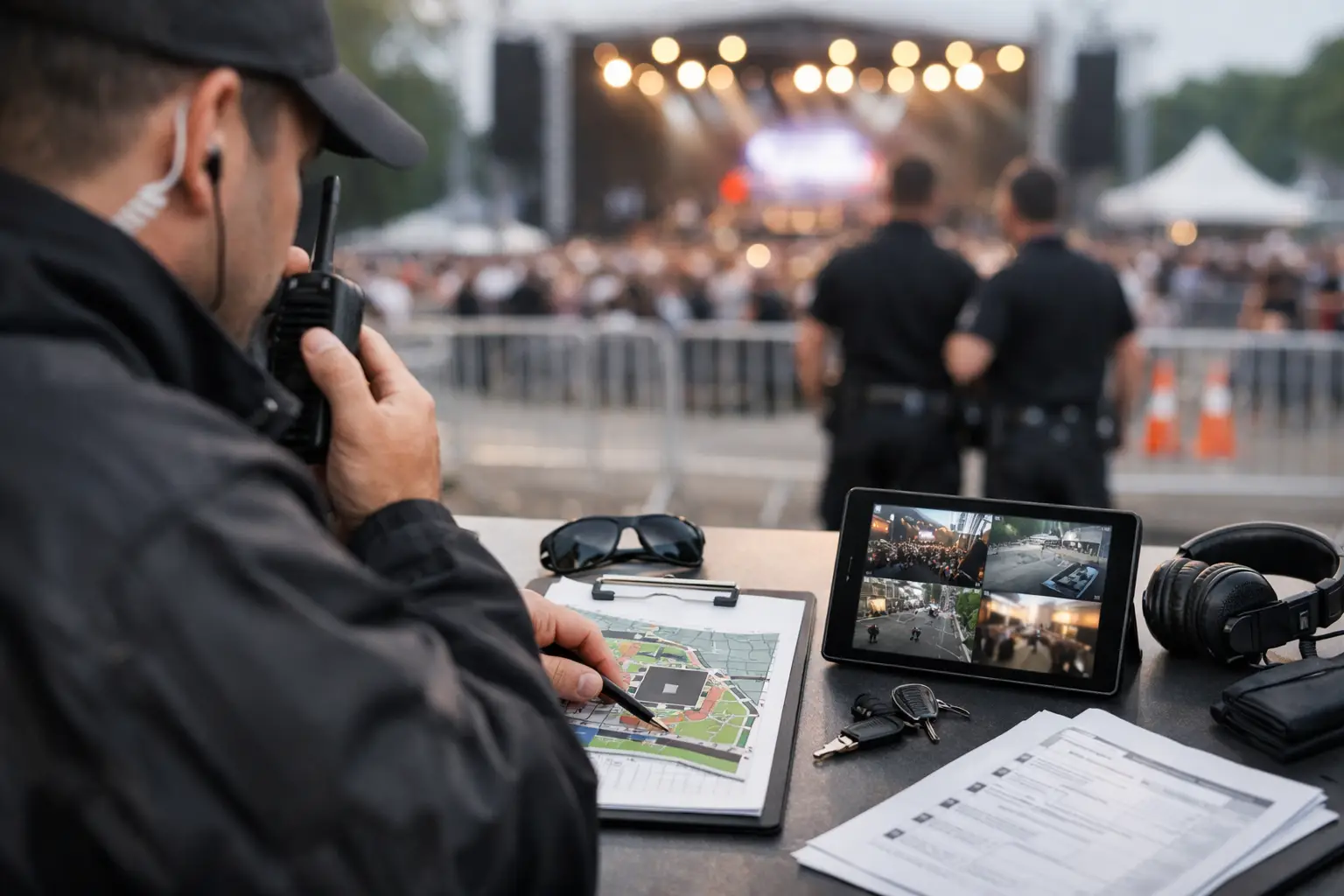
A packed entrance, a delayed vendor load-in, one missing wristband station, and suddenly your event team is solving security problems instead of running the event. That is why an event security planning guide should start well before show day. Good event security is not about adding guards at the last minute. It is about building a coverage plan that matches your crowd, venue, schedule, and risk level.
For organizers in Calgary and surrounding communities, the details matter. A community festival, corporate function, ticketed concert, construction-industry open house, or private residential event all carry different exposure. The right plan balances visible deterrence, controlled access, fast incident response, and practical staffing that fits your budget.
What an event security planning guide should cover
The strongest plans are operational, not theoretical. They define what needs to be protected, who is attending, where the pressure points are, and how the team will respond when something changes. Security planning should cover people, property, brand reputation, and continuity of the event itself.
That starts with a simple question: what could realistically go wrong here? For one event, the main issue may be unauthorized entry. For another, it may be alcohol-related behaviour, cash handling, parking lot incidents, or after-hours asset protection during setup and teardown. A polished ballroom event and an outdoor public activation may both need security, but the deployment will not look the same.
A useful plan also assigns responsibility. Organizers, venue staff, vendors, and security personnel each need clear roles. If everyone assumes someone else is managing bag checks, emergency exits, or backstage access, gaps appear quickly.
Start with the site and crowd profile
Before choosing guard numbers, look at the physical site. Entry and exit points, fencing, loading zones, emergency access routes, washrooms, liquor service areas, cash points, and blind spots all affect coverage. Even a well-run event becomes difficult to secure if guests can move freely between public and restricted areas without supervision.
Crowd profile matters just as much as layout. Consider expected attendance, age group, public or private access, VIP presence, performers, alcohol service, and whether the event has a history of disruptions. A family-friendly daytime event usually needs a different posture than a late-night event with ticket scanning, crowd surges, and elevated intoxication risk.
This is where many organizers either overspend or underspend. They may request a flat number of guards without considering how the event actually functions. In practice, one trained guard at a critical choke point can do more than two guards placed where problems are unlikely.
Match security staffing to actual risk
An effective event security planning guide does not treat staffing as a guess. It ties coverage to real duties. Some events need static guards at entrances and restricted areas. Others need mobile patrols through parking, exterior perimeters, and temporary structures. Some require both.
Guard roles should be defined before the shift starts. Typical assignments include access control, credential verification, line management, backstage security, overnight asset protection, parking lot observation, and incident response. If your event includes multiple access points, vendor entry, and public admission at the same time, each stream needs its own plan.
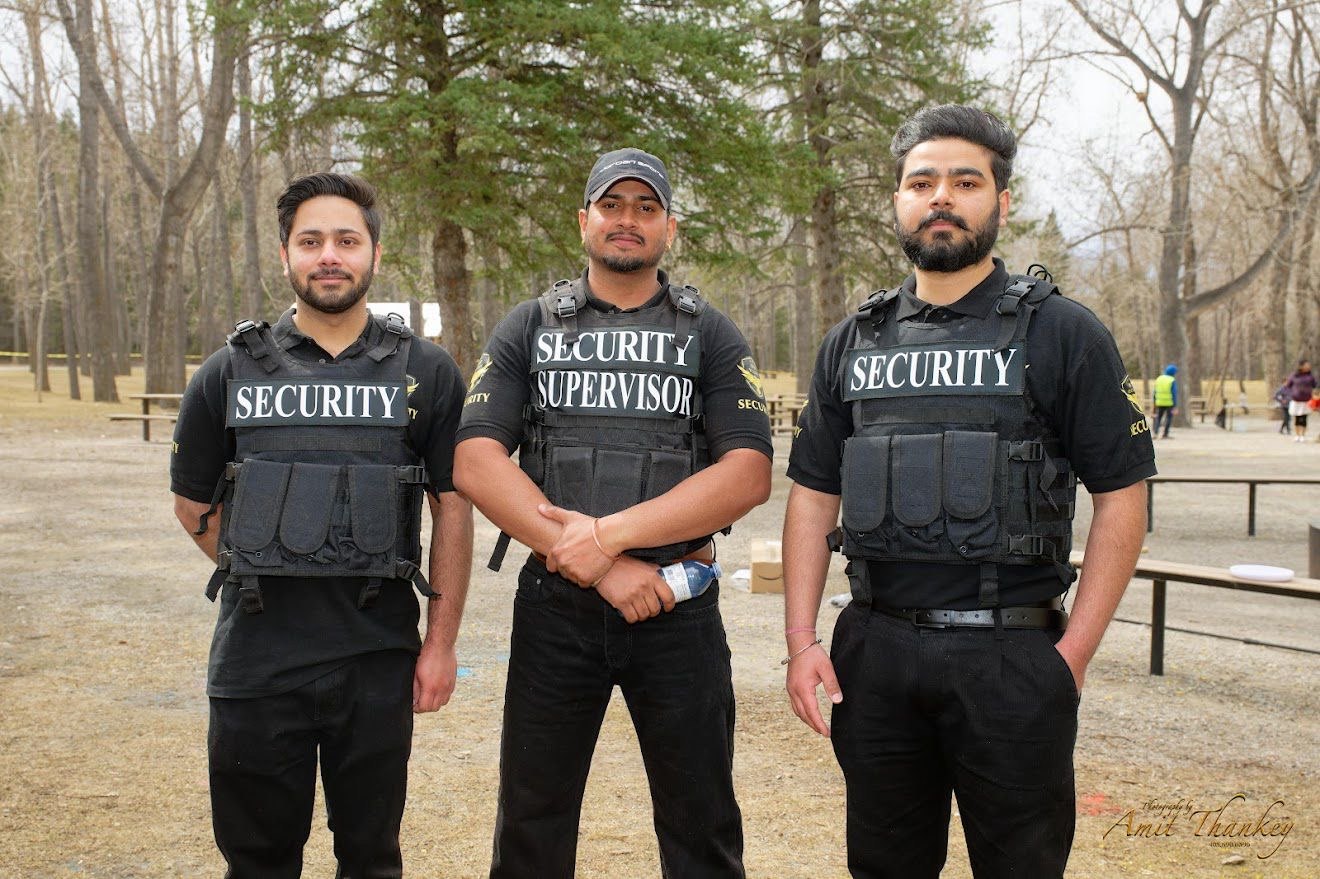
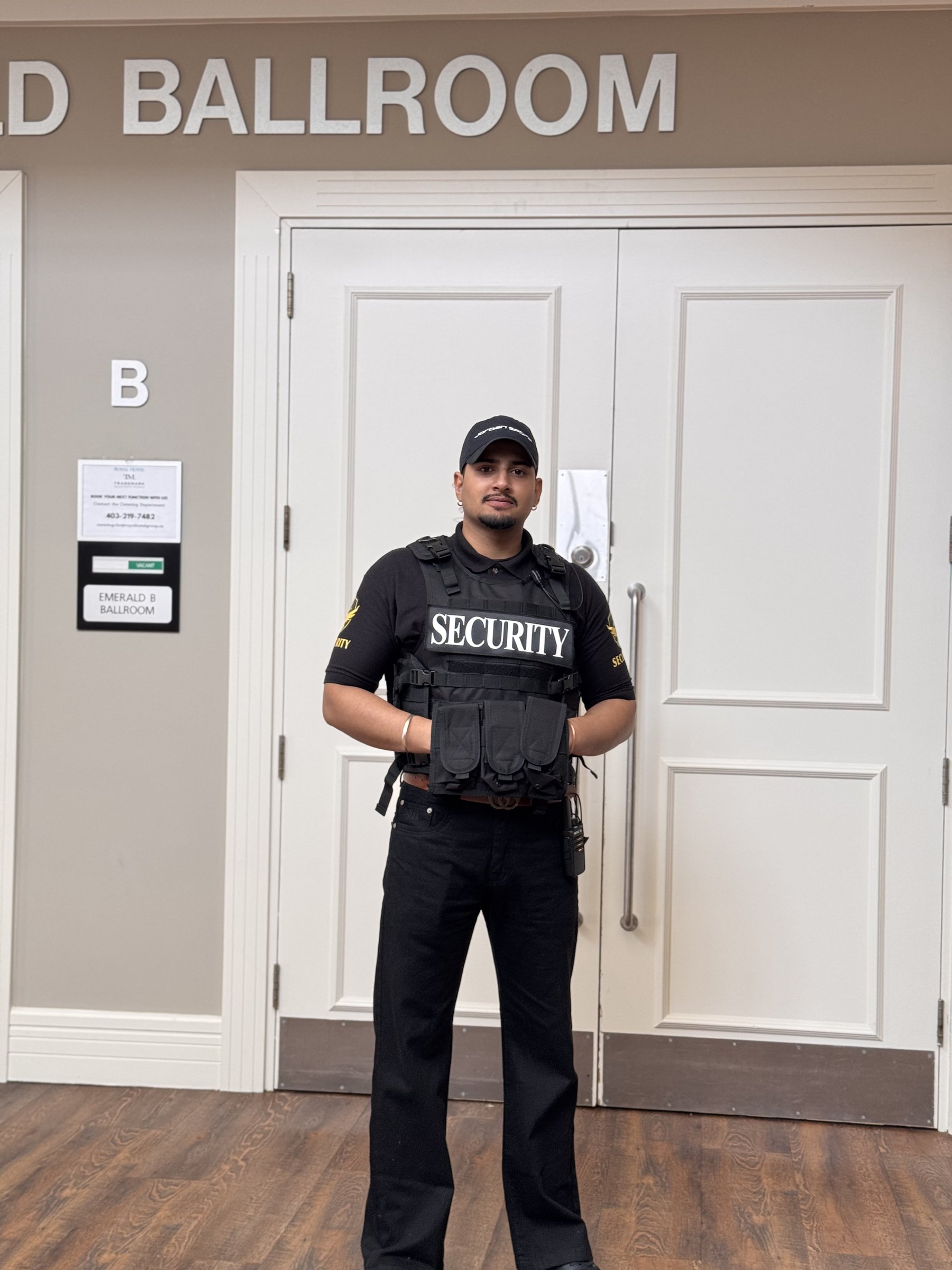
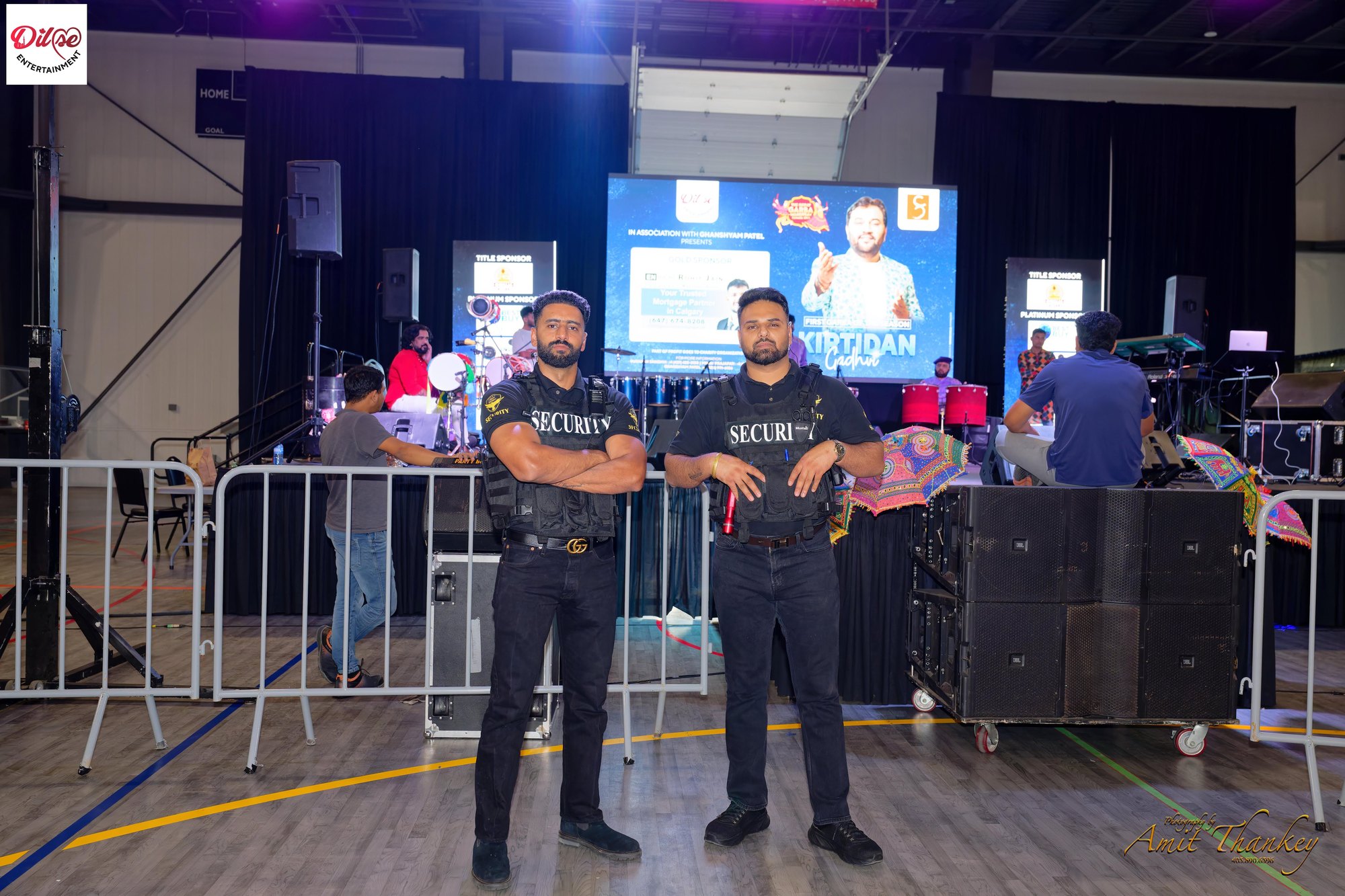
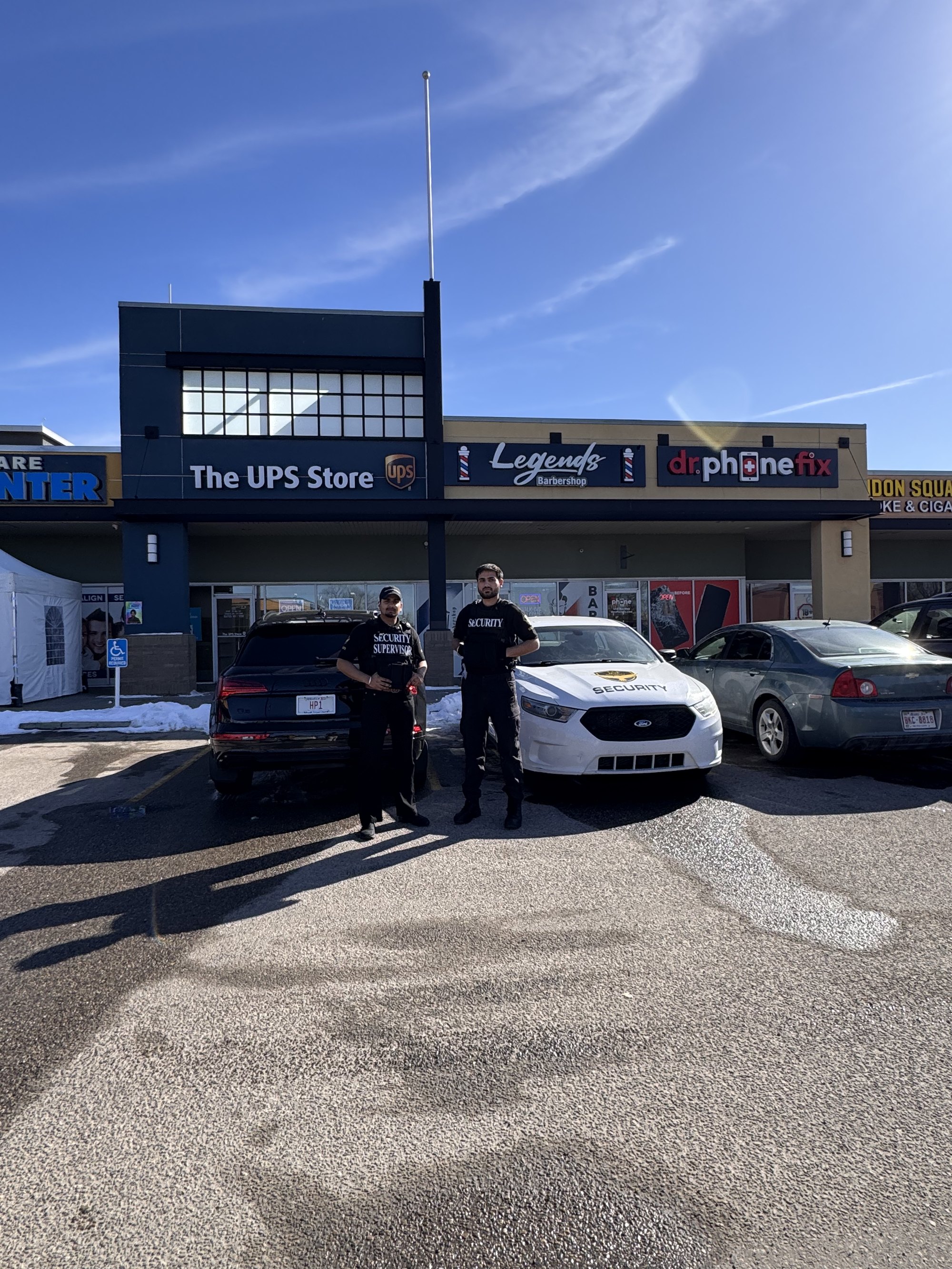
There is also a trade-off between visible presence and low-profile coverage. A highly visible uniformed presence can deter theft, trespassing, and disorderly behaviour. In other settings, a lower-profile approach may better suit the guest experience. The right choice depends on the event type, client expectations, and likelihood of confrontation.
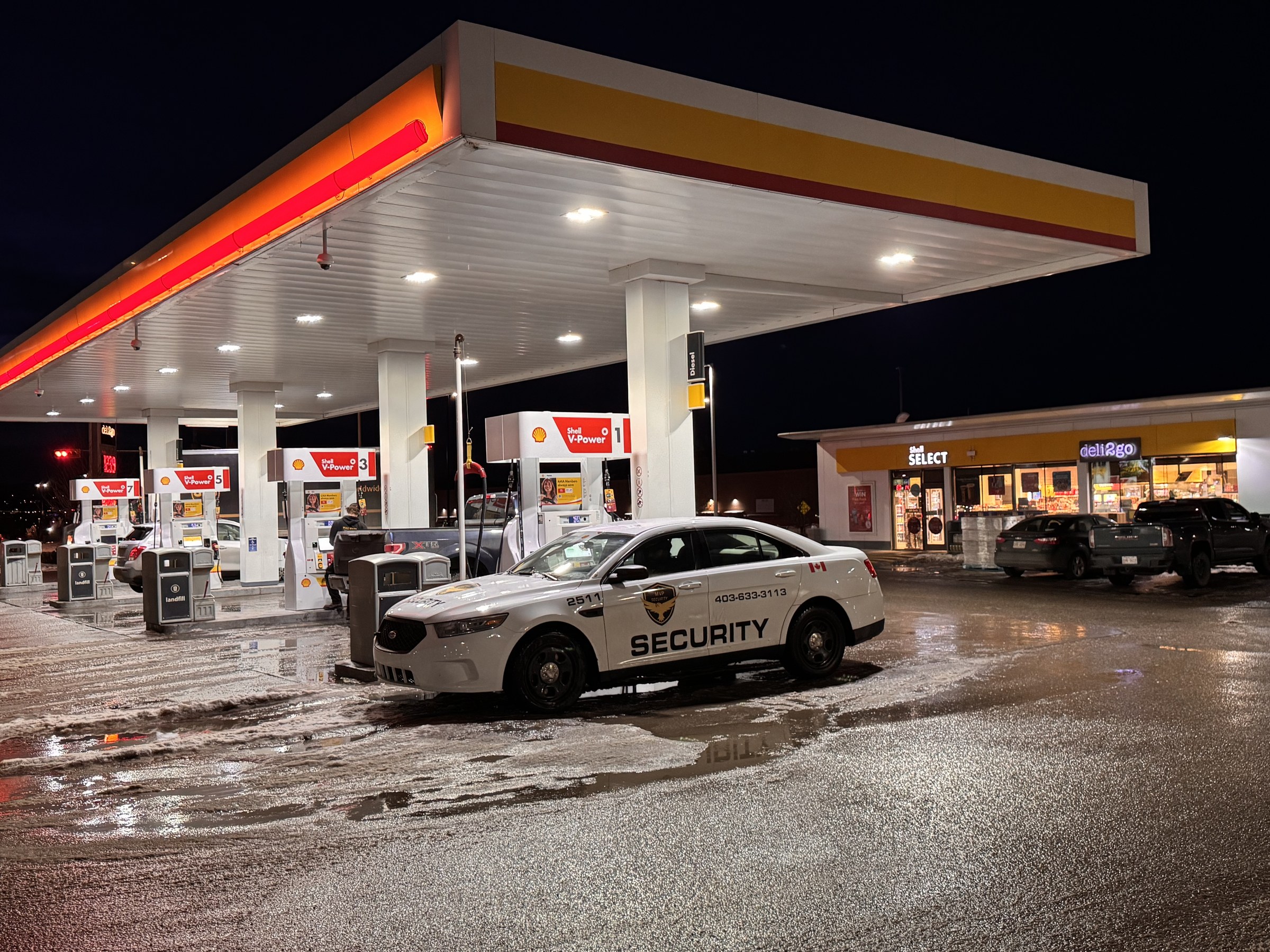
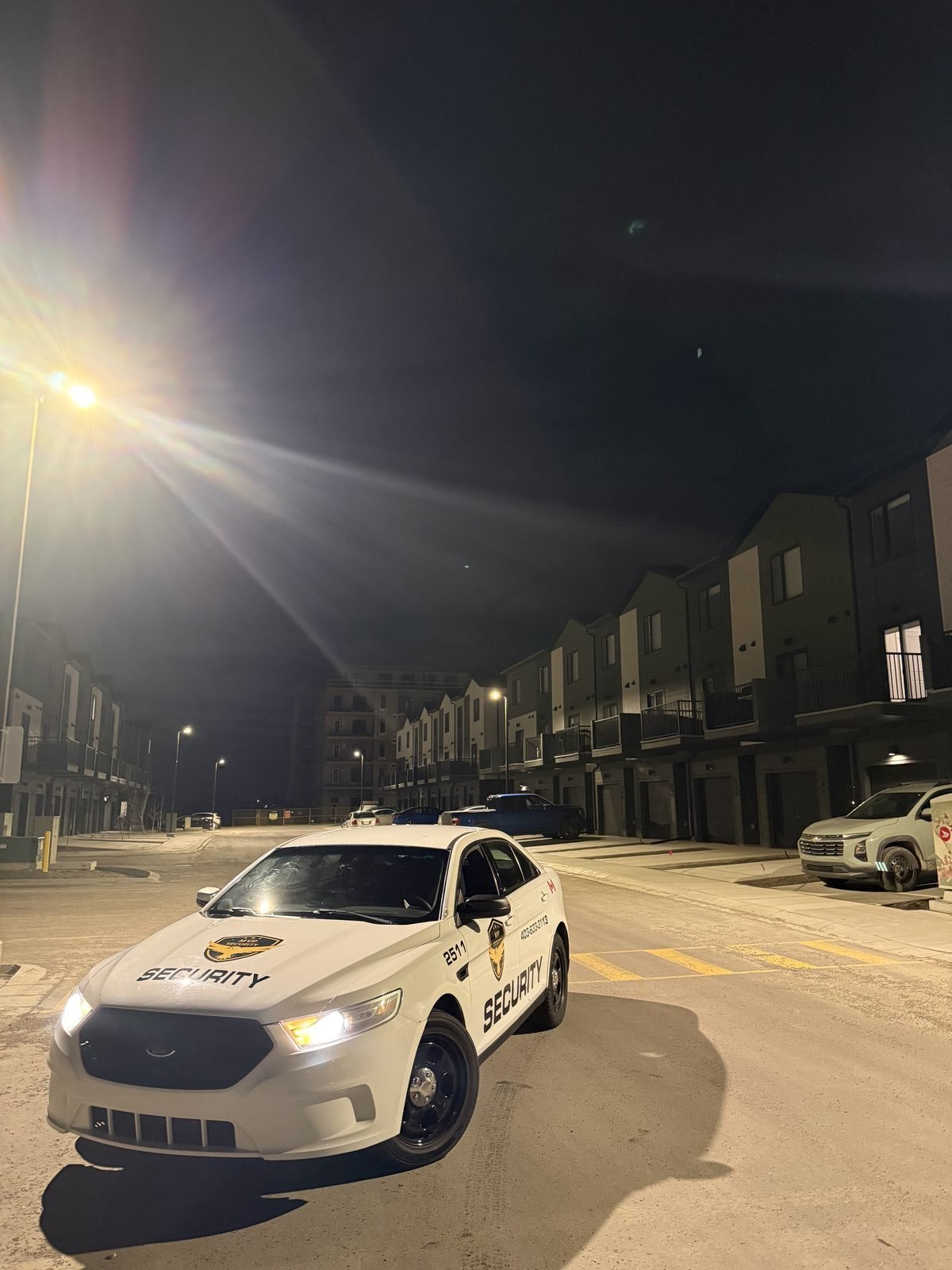
For Calgary-area events, it is also worth planning around weather, daylight changes, and site conditions. Ice, mud, dark perimeters, and temporary fencing all affect patrol routes and line of sight. Security planning that ignores local conditions tends to fail at the edges of the property, where incidents often start.
Access control is where small mistakes become big problems
If there is one area that deserves extra attention, it is access control. Most event issues begin with people entering spaces they should not be in, whether that is without a ticket, without proper credentials, or after the event has closed.
Access control includes more than checking names at the door. It covers guest flow, credentialing, re-entry rules, vendor identification, equipment check-in, and control of side doors and service corridors. For private functions and commercial events, it may also involve protecting tenant-only areas, office spaces, loading docks, or nearby residential access points.
Poor access planning creates a chain reaction. Lines build, staff improvise, guests bypass controls, and the security team gets pulled into customer service issues that should have been settled in advance. Strong entry procedures reduce friction and free guards to focus on actual risk.
It helps to decide early which entrances are public, which are staff-only, and which remain locked except for emergency use. The same applies to parking zones, staging areas, and cash rooms. Temporary events often overlook back-of-house access, even though that is where theft and unauthorized entry commonly occur.
Build a response plan before you need one
Even a well-staffed event needs an incident response structure. Security personnel should know who to contact, how incidents are escalated, when emergency services are called, and where reports are documented. Without that framework, response becomes slow and inconsistent.
The plan should account for medical calls, aggressive behaviour, intoxication, missing persons, property damage, alarm events, evacuation, and suspicious activity. Not every incident requires the same level of intervention. Some are resolved with calm communication and presence. Others need immediate site control and coordination with emergency responders.
Communication is one of the first places events break down. If supervisors, organizers, and front-line guards are not working from the same instructions, small issues turn into repeated disruptions. Radios, contact lists, command points, and reporting procedures should be confirmed before guests arrive.
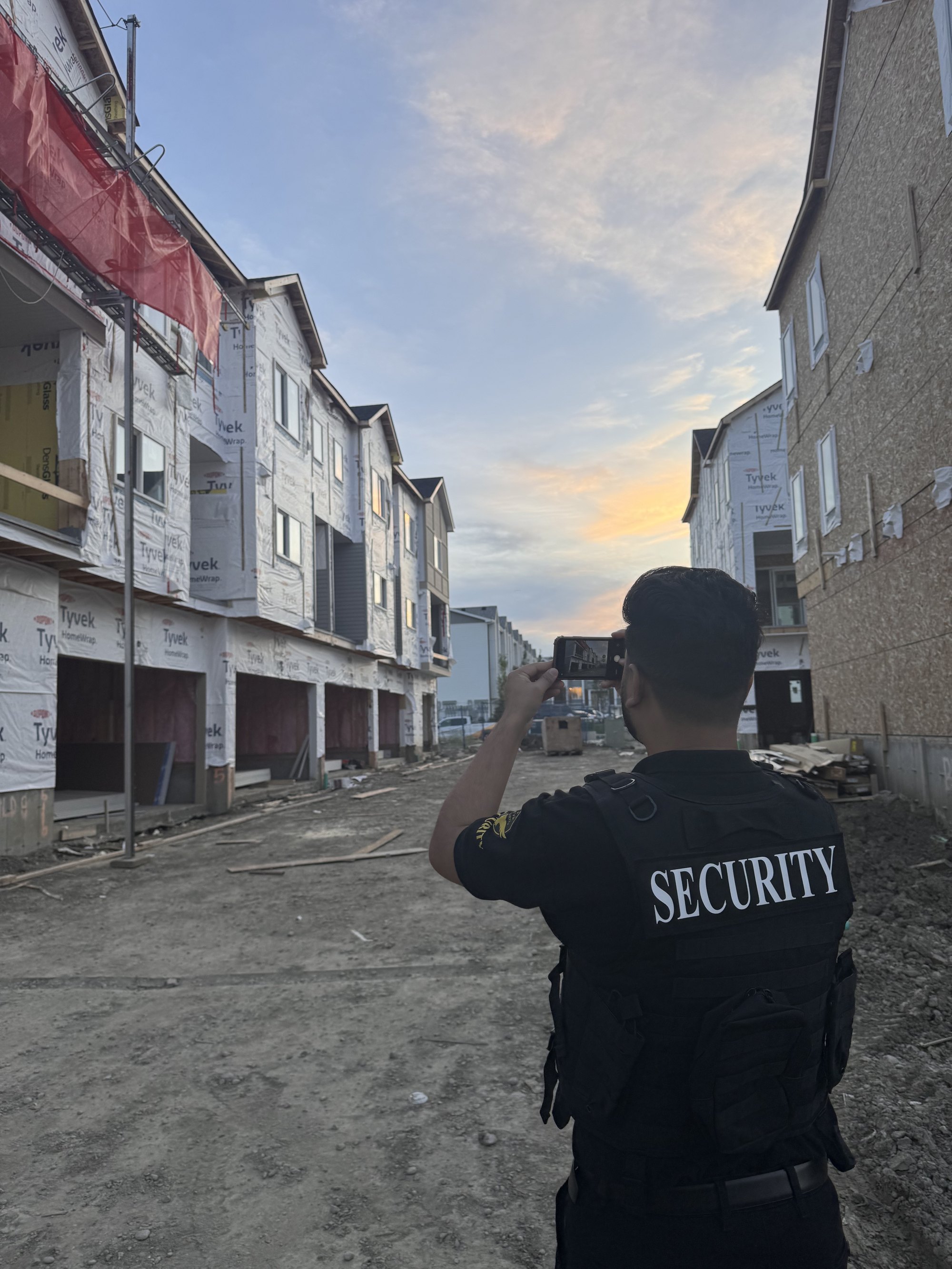
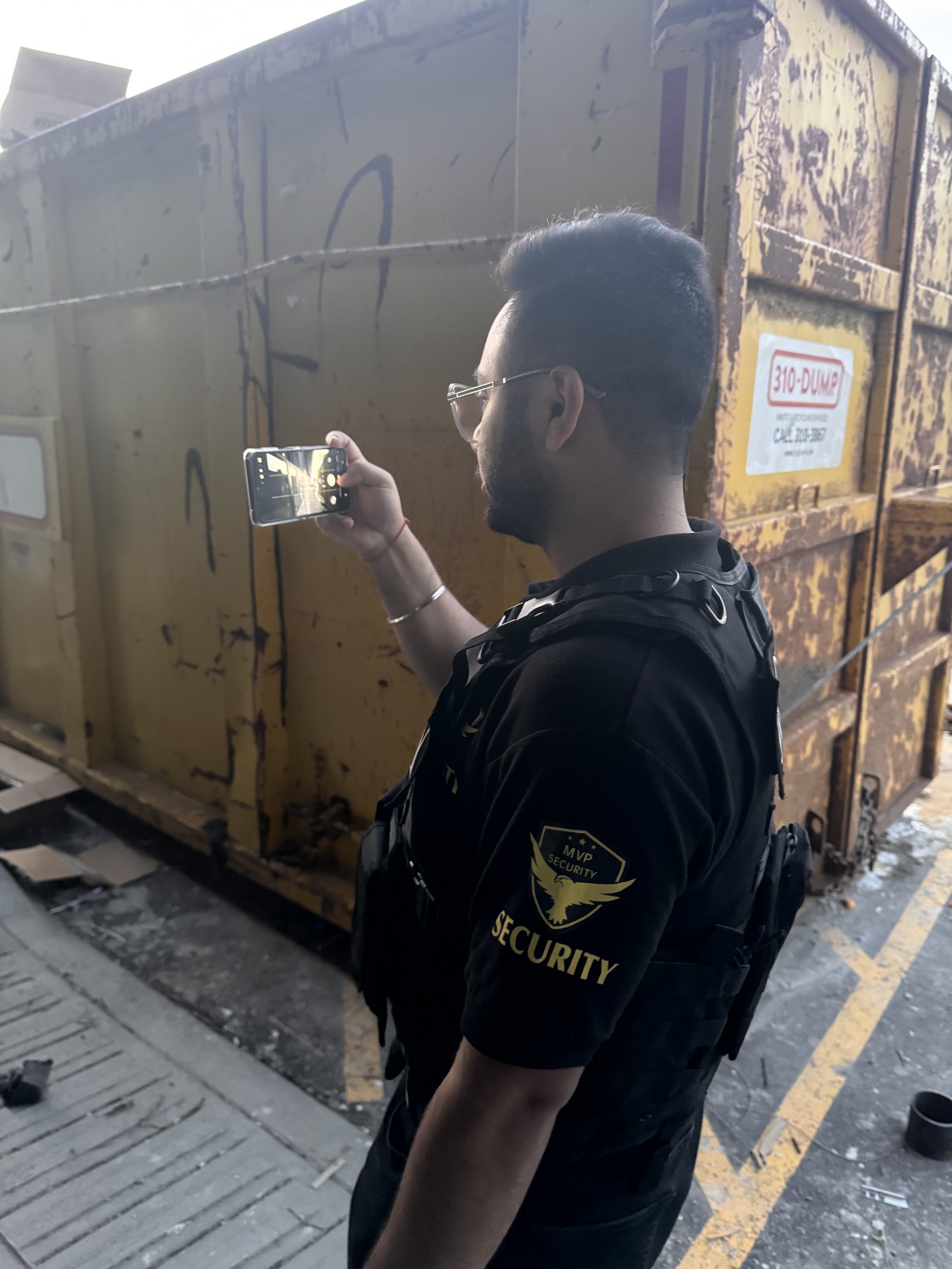
Documented reporting also matters after the event. If there is a complaint, injury, damage claim, or police follow-up, clear incident notes help protect the organizer and clarify what occurred. This is one reason many clients prefer providers that use tracked patrol activity and photo-supported reporting rather than vague end-of-night summaries.
Compliance, licensing, and local execution
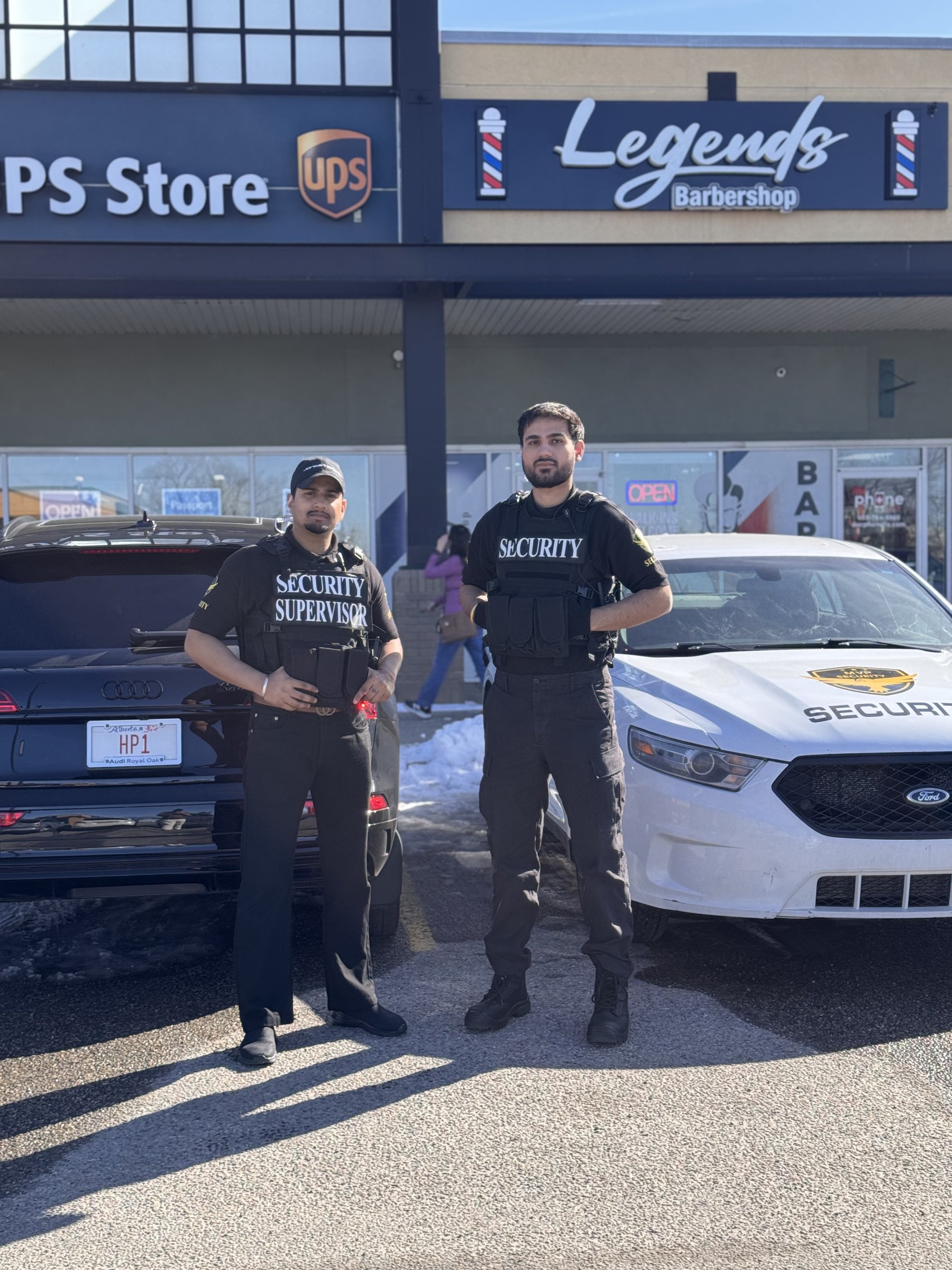
Security coverage should be compliant as well as visible. In Alberta, event organizers should confirm that guards are properly licensed and deployed by an insured provider that understands provincial requirements. This is not paperwork for its own sake. It affects professionalism, accountability, and how incidents are handled on site.
Local execution also has practical value. A team that knows Calgary venues, traffic flow, weather patterns, and surrounding municipalities can often deploy faster and plan more realistically. That matters when coverage is needed on short notice, when schedules change, or when a setup day extends later than expected.
For organizers working in Airdrie, Cochrane, Chestermere, Okotoks, High River, or within Calgary itself, response time and staffing reliability are not minor details. If a provider is late, underprepared, or unclear on site expectations, your internal team pays for it immediately.
How to pressure-test your event security planning guide
A practical plan should survive basic stress testing. Ask what happens if attendance exceeds forecast, if one entry point backs up, if weather forces guests into a smaller area, or if teardown runs past midnight. Ask how restricted areas stay secure while vendors move in and out. Ask who has authority to remove a disruptive guest and how that decision is documented.
You should also test staffing against your schedule, not just your event hours. Many security issues happen before doors open and after the public leaves. Equipment arrives early. Cash-outs happen late. Temporary fencing becomes easier to breach overnight. If your event includes staging, storage, or valuable assets on site, coverage may need to start well before opening and continue through teardown.
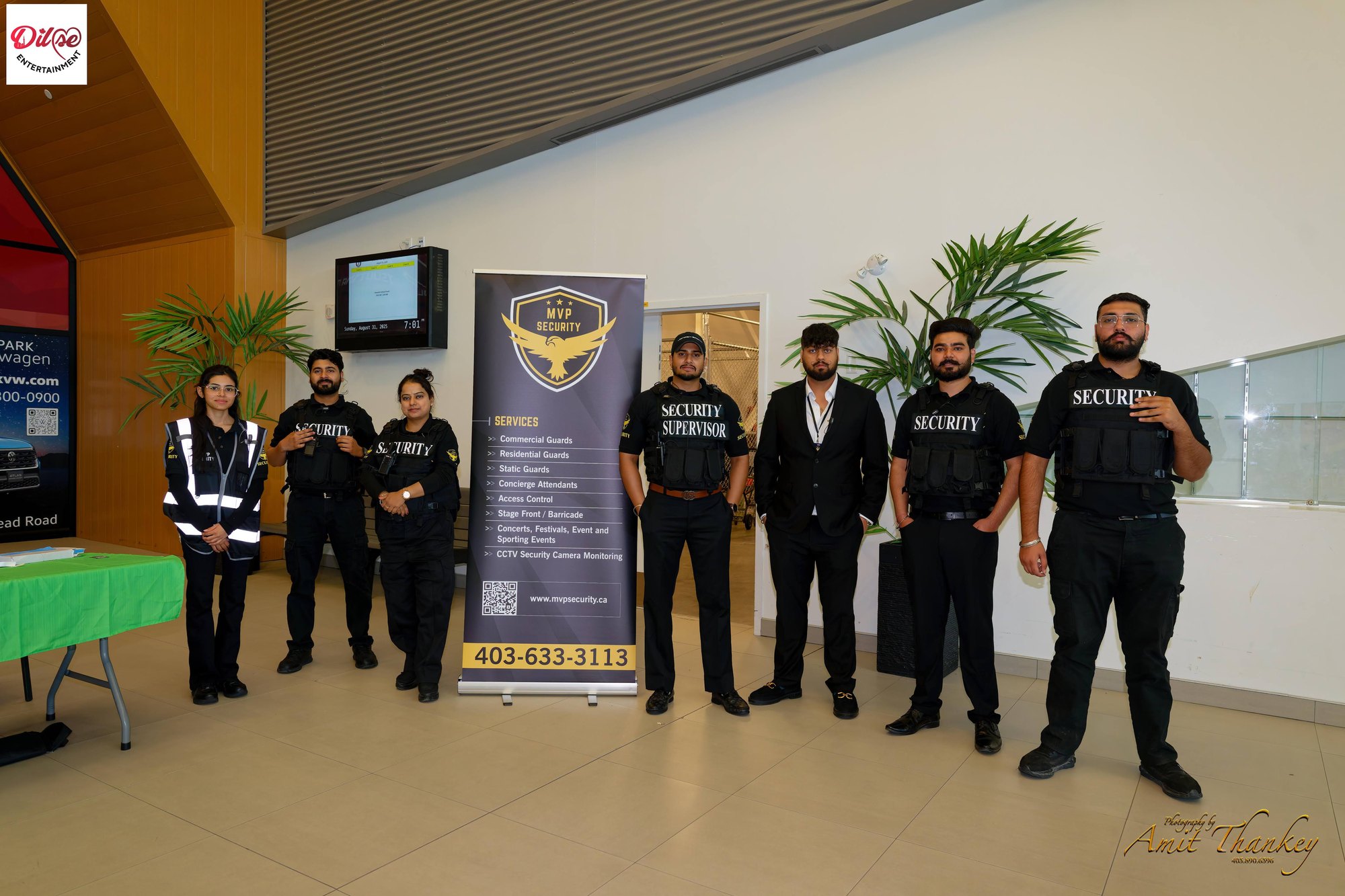
This is where a tailored provider earns its value. MVP Security Inc. approaches event coverage based on site conditions, timing, access points, and expected risk, rather than pushing a one-size-fits-all guard count. That usually leads to a cleaner plan and better use of budget.
A good event does not feel over-secured. It feels controlled, well-organized, and ready for the unexpected. Guests move smoothly, staff know who is responsible, restricted areas stay restricted, and problems are handled early before they spread. That is the standard worth planning for.