











A fire alarm panel goes down at 10:40 p.m., the sprinkler impairment stretches into the night, and suddenly the question is not whether you need coverage - it is whether your site is covered properly. This fire watch compliance guide is written for Calgary property managers, builders, and operators who need fast answers, clear expectations, and documentation that stands up to scrutiny.
Fire watch is not just a guard posted in a hallway. It is a temporary life safety measure used when a building's fire protection systems are impaired, shut down, under repair, or otherwise unable to provide normal protection. If the coverage is poorly planned, undocumented, or assigned to the wrong personnel, the site can still be exposed to regulatory issues, tenant complaints, insurance concerns, and very real safety risks.
What fire watch compliance actually means
In practical terms, compliance means the fire watch is carried out in a way that aligns with the building's circumstances, the authority having jurisdiction, and the documented expectations for patrols, communication, and escalation. The exact requirements can vary depending on occupancy, site use, impairment type, and direction from fire officials or the property's insurer. That is why a one-size-fits-all approach often creates problems.
For most sites, compliant fire watch coverage starts with three basics. First, the guard must understand the impairment and the affected areas. Second, patrols must be performed at the required frequency and recorded properly. Third, there must be a clear response procedure if smoke, fire, unsafe conditions, or unauthorized activity is observed.
This is where many sites get caught off guard. They assume a general security presence is enough, but fire watch duties are more specific than ordinary guard coverage. The assignment needs to be briefed, supervised, and documented with life safety in mind.
When a fire watch is usually required
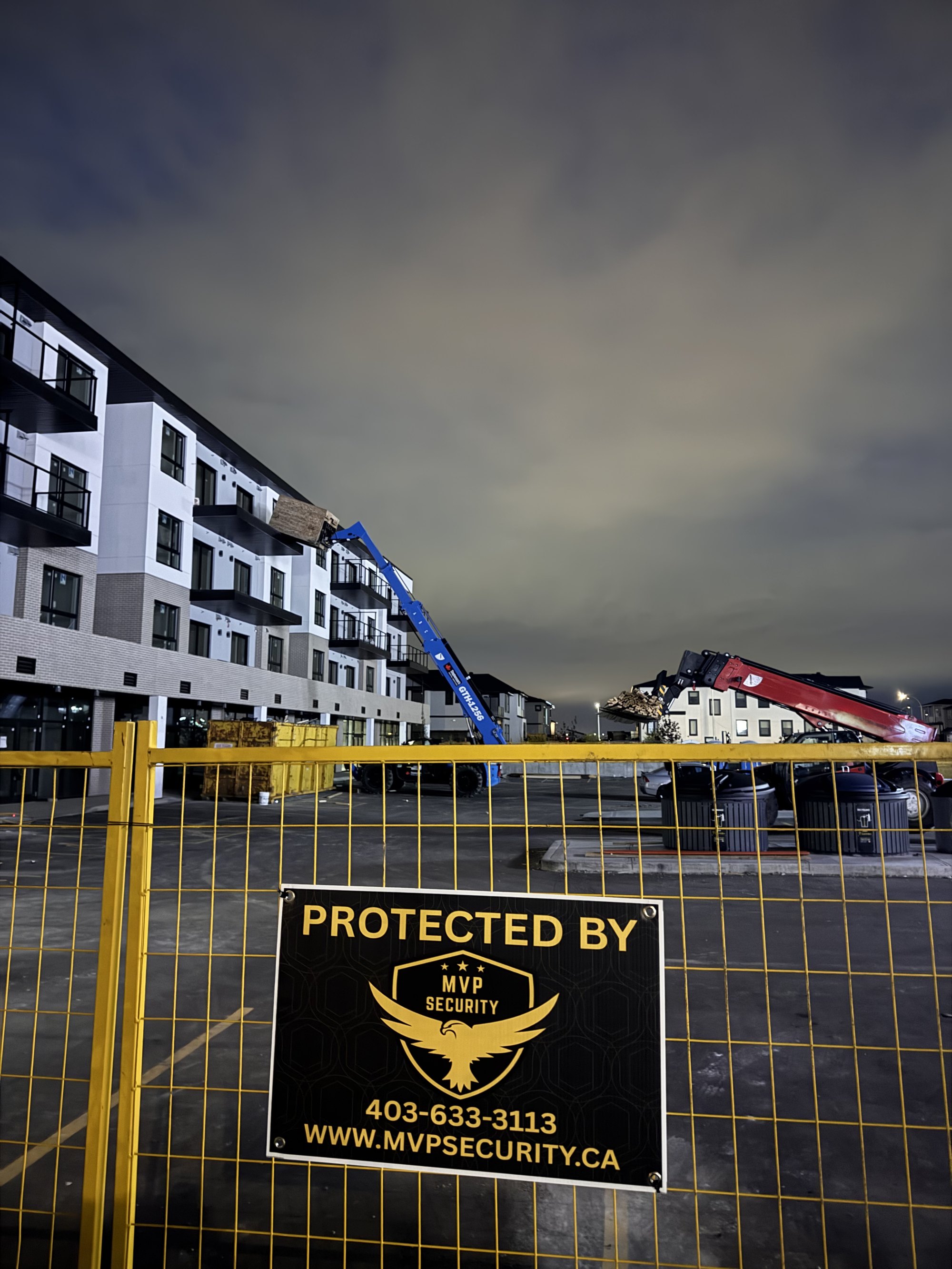
A fire watch is commonly required when a fire alarm system is offline, a sprinkler system is impaired, hot work creates elevated risk, or an occupied building has a known fire protection deficiency awaiting repair. Construction projects often need fire watch during system commissioning, temporary shutdowns, or after-hours work that affects protection systems. Residential and commercial properties may also need coverage after a panel fault, pipe issue, or service interruption.
The urgency depends on the building. A high-rise residential tower, an occupied commercial building, a retail unit with public access, and an industrial facility do not carry the same operating conditions. Some sites need continuous patrols through common areas and mechanical spaces. Others require focused monitoring of specific floors, zones, exits, or temporary hazards.
If the local fire authority has issued instructions, those instructions should guide the deployment. If not, the safest move is to confirm expectations immediately rather than assume yesterday's procedure applies to today's impairment.
Fire watch compliance guide for guard duties
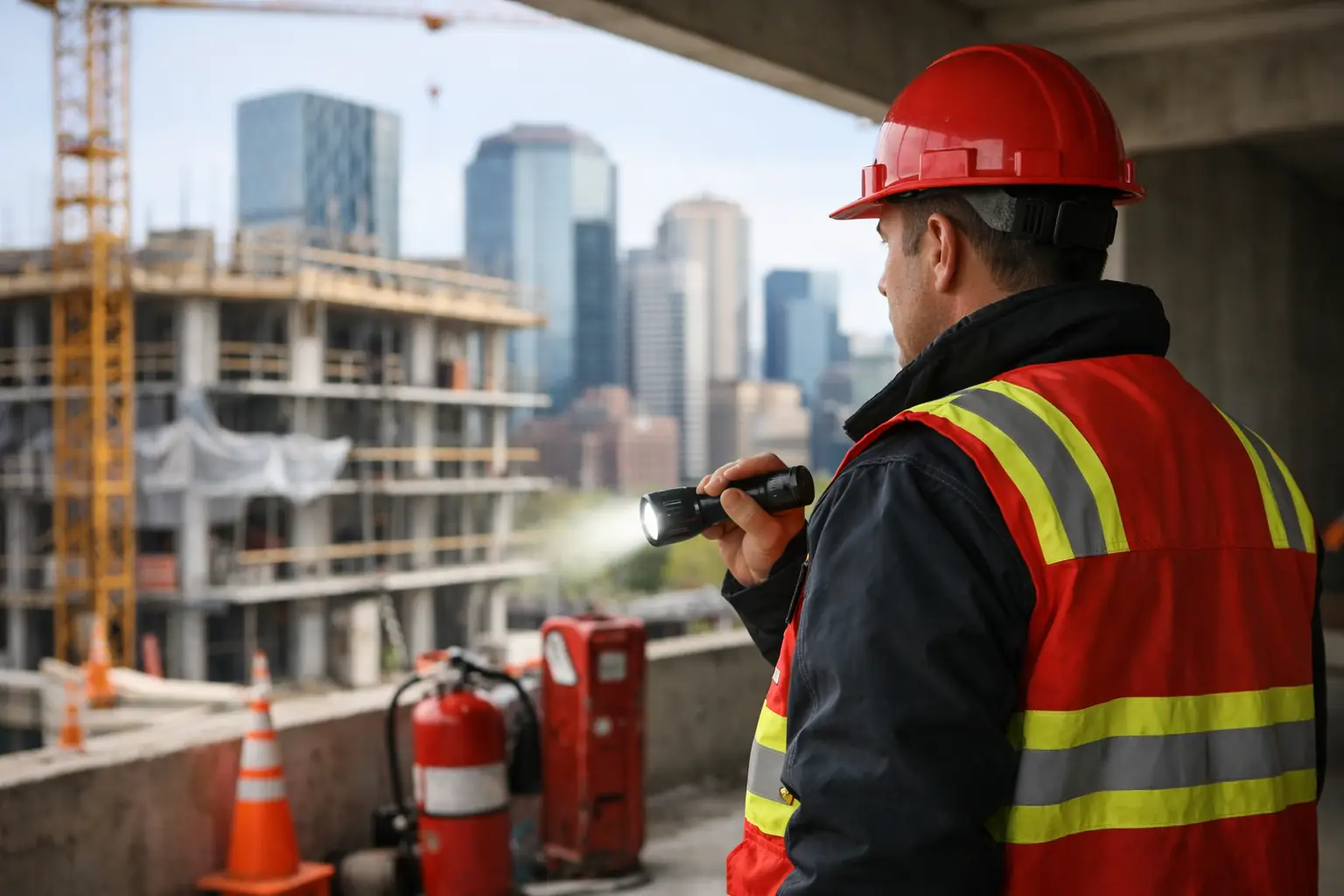
At the site level, a compliant fire watch assignment is built around active observation, not passive presence. The guard's role is to patrol affected areas, look for signs of smoke, fire, blocked exits, hazardous conditions, and unsafe occupant behaviour, then act quickly if an issue is found. Depending on the building, this can also include monitoring mechanical rooms, stairwells, service corridors, electrical areas, and temporary work zones.
The guard should know the fire safety plan, the site address, the alarm impairment details, emergency contacts, evacuation procedures, and how to notify emergency services without delay. If a building has multiple towers, phased occupancy, restricted access floors, or active construction zones, those details matter. A generic handoff is not enough.
There is also a difference between standing by at a panel room and conducting structured patrols. Some impairments and site conditions may justify a fixed post in a key location, but many situations require repeated rounds with time-stamped reporting. If a guard cannot verify the condition of the site because patrol routes are too broad, lighting is poor, or the assignment is split with unrelated duties, compliance becomes harder to defend.
Documentation is where many fire watch programs fail
If there is no reliable record, there is little proof the fire watch was carried out properly. Logs should show patrol times, areas checked, observations, deficiencies, and any action taken. The record needs to be consistent enough that a property manager, fire official, insurer, or investigator can see what happened and when.
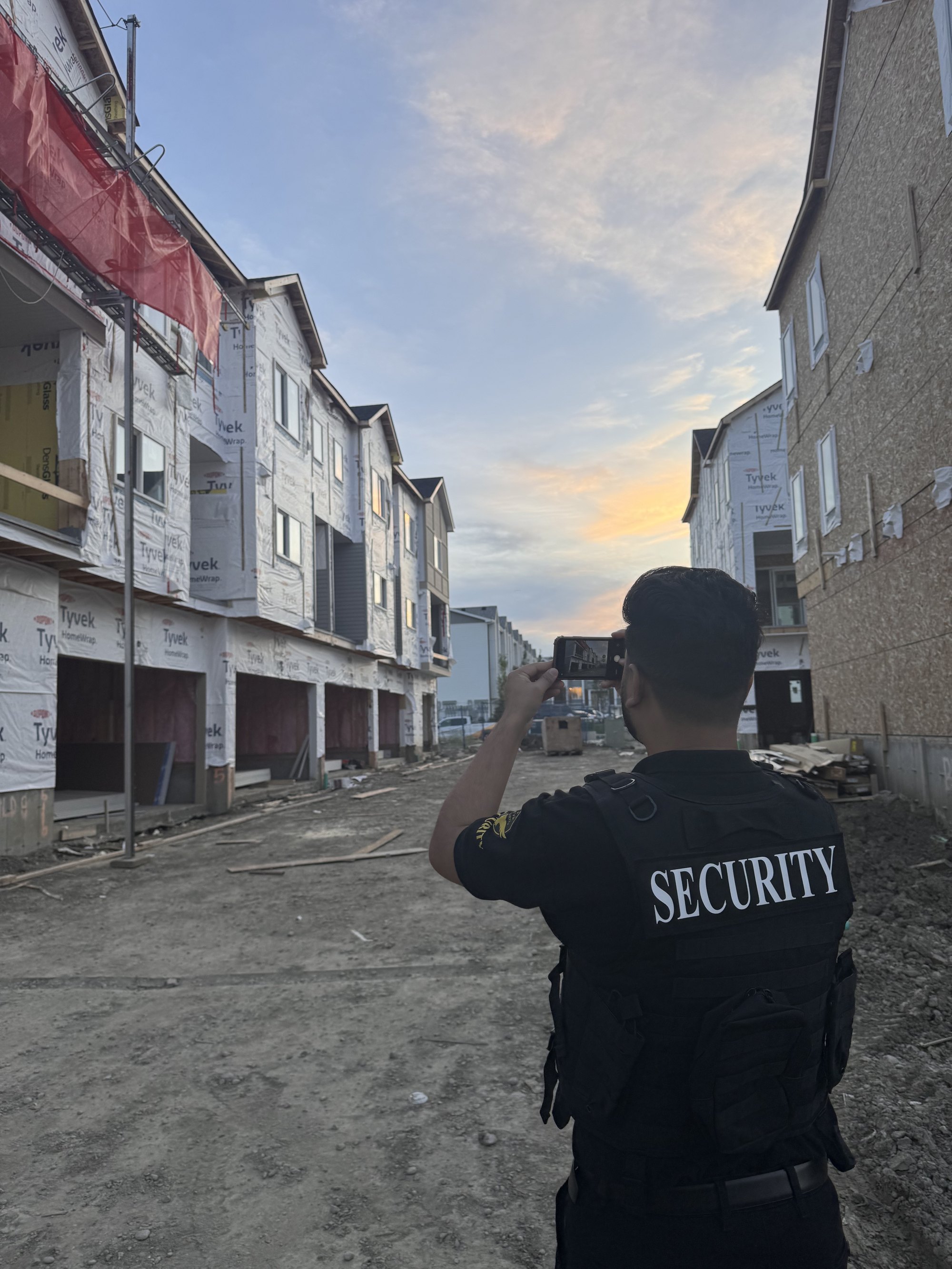
This does not mean paperwork for the sake of paperwork. It means usable documentation. Time gaps, vague entries such as "all clear," or missing notes on known issues can weaken your position fast. Photo-documented reporting can help where site conditions warrant it, especially on construction projects or larger commercial properties where multiple areas are affected.
The same applies to communication records. If the guard reported a blocked exit, a fire door issue, a smoking violation, or an alarm-related concern, that communication should be traceable. Good reporting protects the site and the client. It also gives operations teams what they need to correct issues before they become incidents.
Training, licensing, and site briefing matter
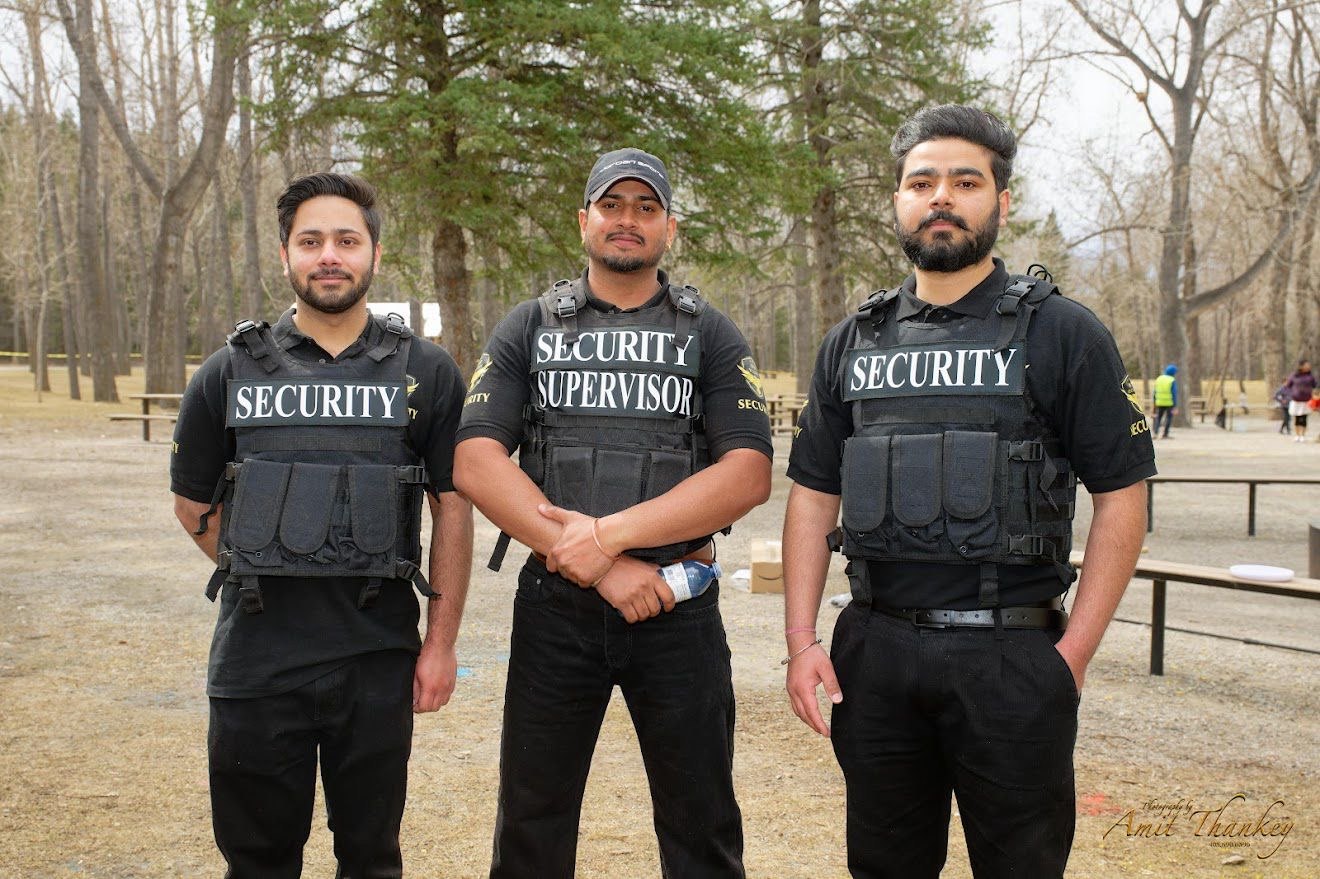
A licensed security guard is not automatically prepared for every fire watch assignment. Fire watch requires specific instructions, situational awareness, and disciplined reporting. The guard must know what they are looking for, what authority they have on site, and when escalation is mandatory.
In Alberta, decision-makers should also pay attention to licensing and company compliance. A provider should be operating properly, dispatch reliably, and supervise guards in the field. On urgent overnight calls, this is where quality separates quickly. A provider that can place someone on site is not always the same as one that can place the right person on site.
A proper briefing should cover occupancy type, impairment scope, patrol frequency, access points, key hazards, emergency contacts, muster points, after-hours personnel, and any recent incidents. If the building has nuisance alarm history, locked service areas, or known tenant issues, the guard should know that before the first patrol begins.
Common gaps that create compliance risk
Most fire watch failures are not dramatic. They are operational gaps that add up.
One common issue is assigning a guard who is also expected to handle front desk traffic, access control, deliveries, or general patrols across unrelated buildings. Another is starting coverage without confirming exactly which systems are impaired and which areas are affected. Sites also run into trouble when logs are handwritten but incomplete, when patrol intervals are inconsistent, or when no supervisor verifies performance during a long shift.
There is also the budget question. Clients understandably want to control costs, but under-staffing a large or complex site can create more expense later if coverage falls short. The right setup depends on the layout, occupancy, and risk exposure. In some cases, one guard is appropriate. In others, multiple guards or a mix of static and mobile coverage is the more defensible option.
Choosing a provider for compliant fire watch coverage
If you are arranging coverage on short notice, ask direct operational questions. How fast can guards be deployed in Calgary or nearby communities? Are they Alberta-licensed? How will patrol activity be documented? Who supervises the assignment overnight? Can the provider adapt if the impairment lasts longer than expected?
Those questions matter more than polished sales language. Fire watch is often ordered under pressure, but the service still needs structure. A dependable provider should be able to explain the assignment plan clearly, confirm reporting methods, and adjust staffing if site conditions change.
For many property managers and site supervisors, local response is a practical advantage. A provider that already works across Calgary, Airdrie, Cochrane, Chestermere, Okotoks, and High River can often mobilize faster and understand the operational realities of the properties in those markets. That local familiarity helps when access is complicated, trades are still on site, or the building has mixed-use occupancy with different after-hours risks.
A practical fire watch compliance guide for decision-makers
If you are responsible for a property or project, the safest approach is simple. Confirm whether fire watch is required, define the affected areas, set the patrol and reporting expectations in writing, and make sure the assigned guards are properly briefed for that exact site. Do not treat fire watch as a standard warm body assignment.
This is one area where detail matters. A documented, site-specific fire watch program helps protect occupants, supports your due diligence, and reduces confusion during a stressful system impairment. That is the standard serious operators should expect.
When coverage needs to start quickly, clarity is your best tool. The more precisely the assignment is defined at the beginning, the more dependable the protection will be through the night.