











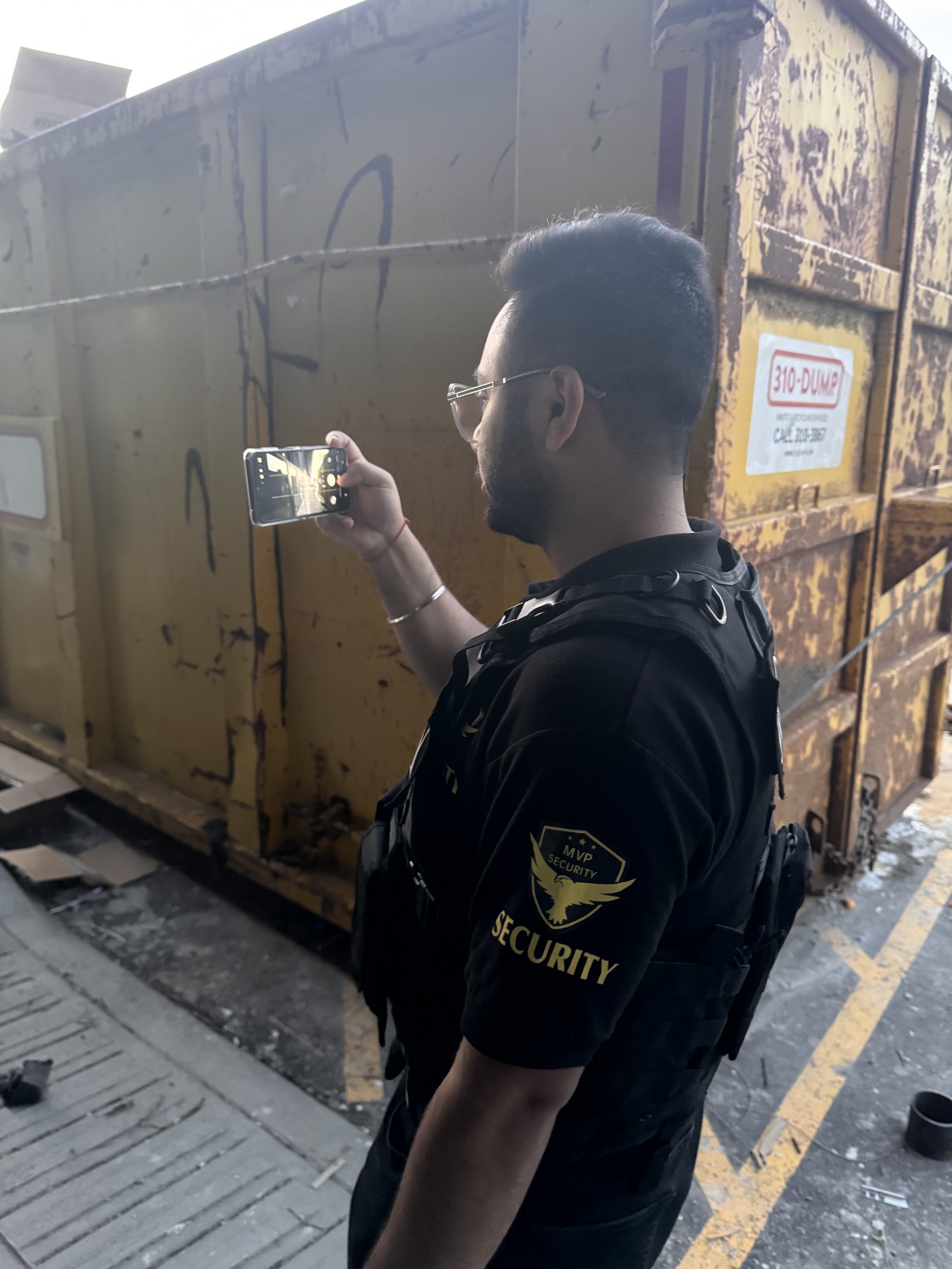
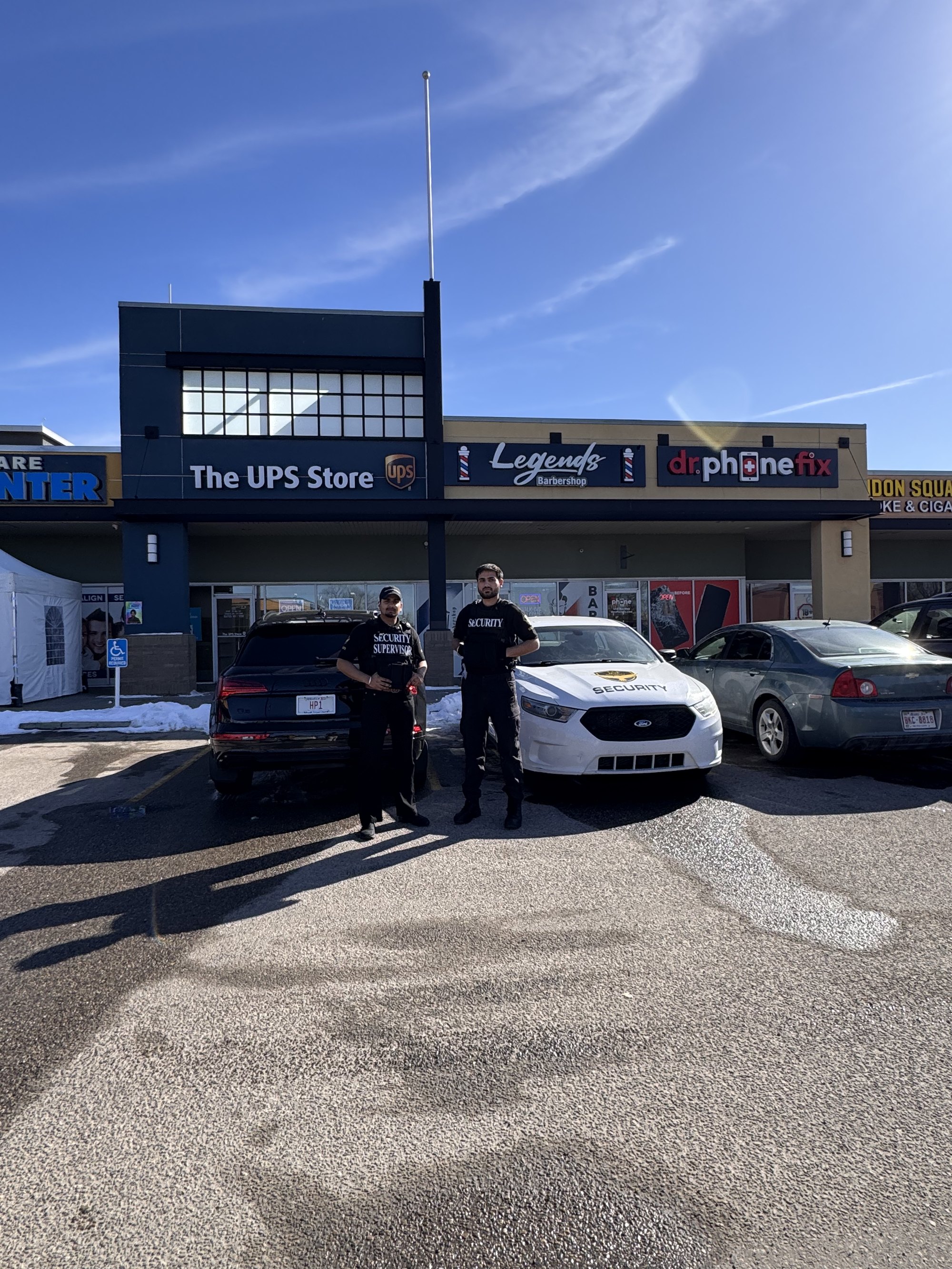
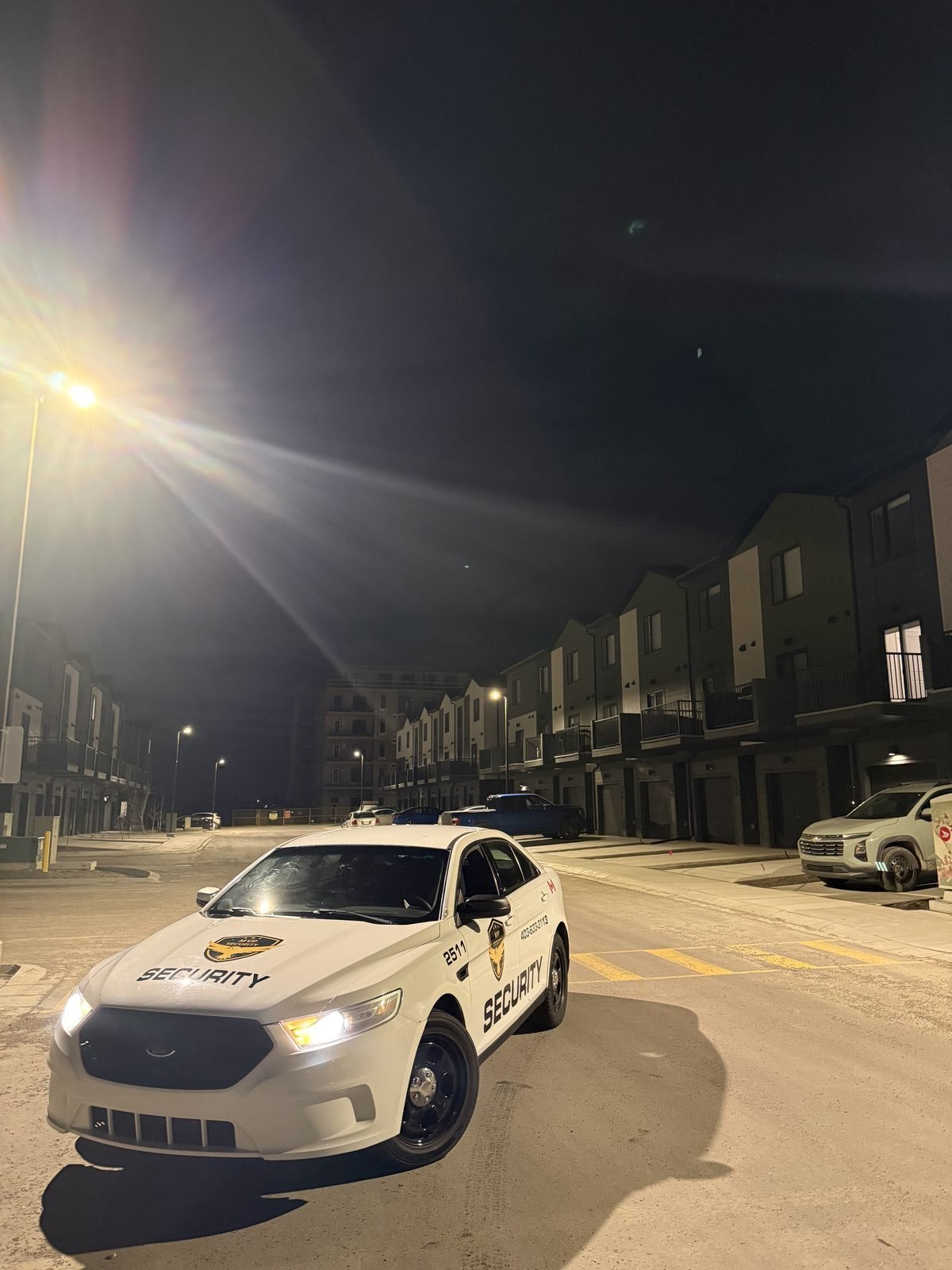
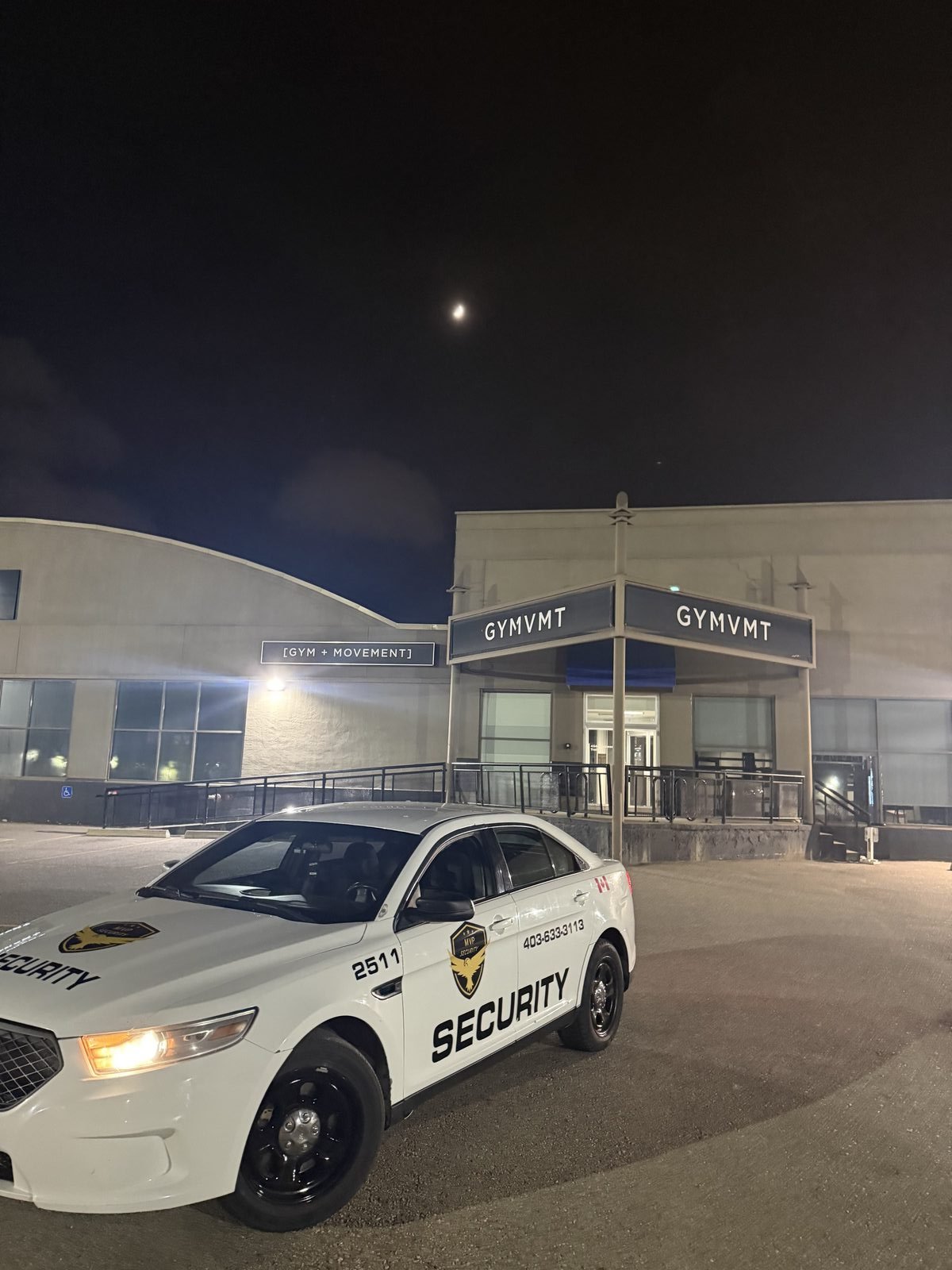
A fire alarm panel in trouble is not a routine maintenance issue when a building is occupied, a construction project is active, or combustible materials are on site. Until the impairment is corrected, someone must actively monitor the property for signs of fire and respond according to the established emergency plan. Fire watch security Calgary coverage fills that gap with trained, visible personnel who can protect people, property, and business continuity while repairs are underway.
For Calgary property managers, builders, facility operators, and site supervisors, the priority is usually immediate: confirm what has failed, notify the right parties, and put reliable coverage in place without leaving the site exposed. A properly managed fire watch is not simply a guard standing near a panel. It is a documented, site-specific safety function designed around the building, the impairment, occupancy, and fire risk.
When Fire Watch Security Calgary Coverage Is Needed
Fire watch may be required when an automatic fire protection or detection system is impaired and the site can no longer rely on its normal safeguards. Common examples include a fire alarm panel fault, sprinkler system shutdown, damaged sprinkler heads, disabled smoke detection, water supply interruption, or planned work affecting a life-safety system.
The exact requirement depends on the nature and duration of the impairment, the building’s use, the direction of the authority having jurisdiction, and sometimes insurer or lease requirements. A brief, controlled shutdown in an unoccupied area may call for a different response than a multi-floor alarm outage in a residential tower or an active warehouse. The safe approach is to treat the issue seriously, document the condition, and confirm the required measures with the appropriate fire protection professional or local authority.
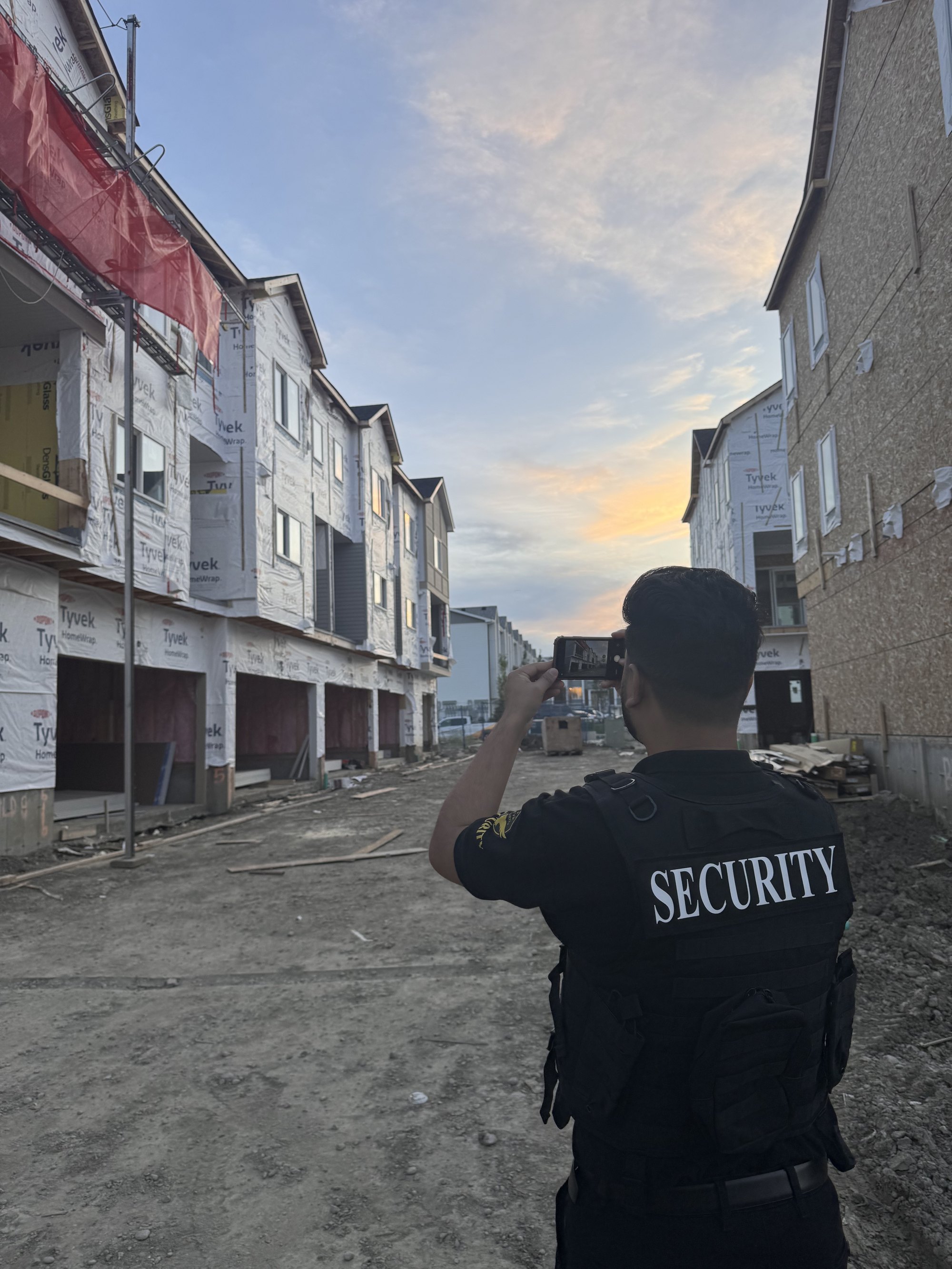
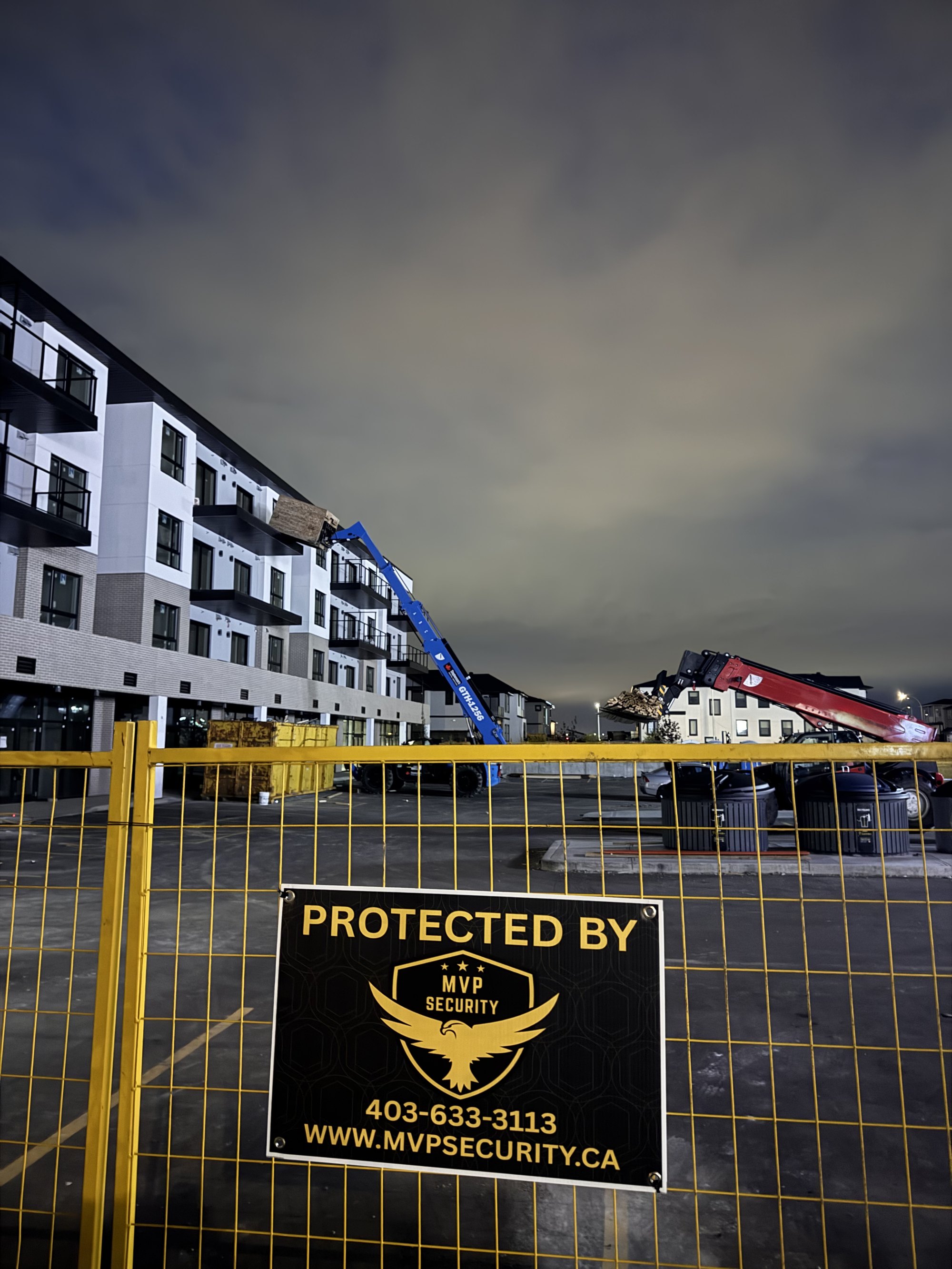
Construction sites often need fire watch for different reasons. Hot work, temporary heating, exposed electrical systems, incomplete fire separations, and unsecured access can raise the risk level quickly. In these conditions, a visible guard presence also helps prevent unauthorized entry and identifies hazards before they become a larger incident.
What a Professional Fire Watch Guard Does
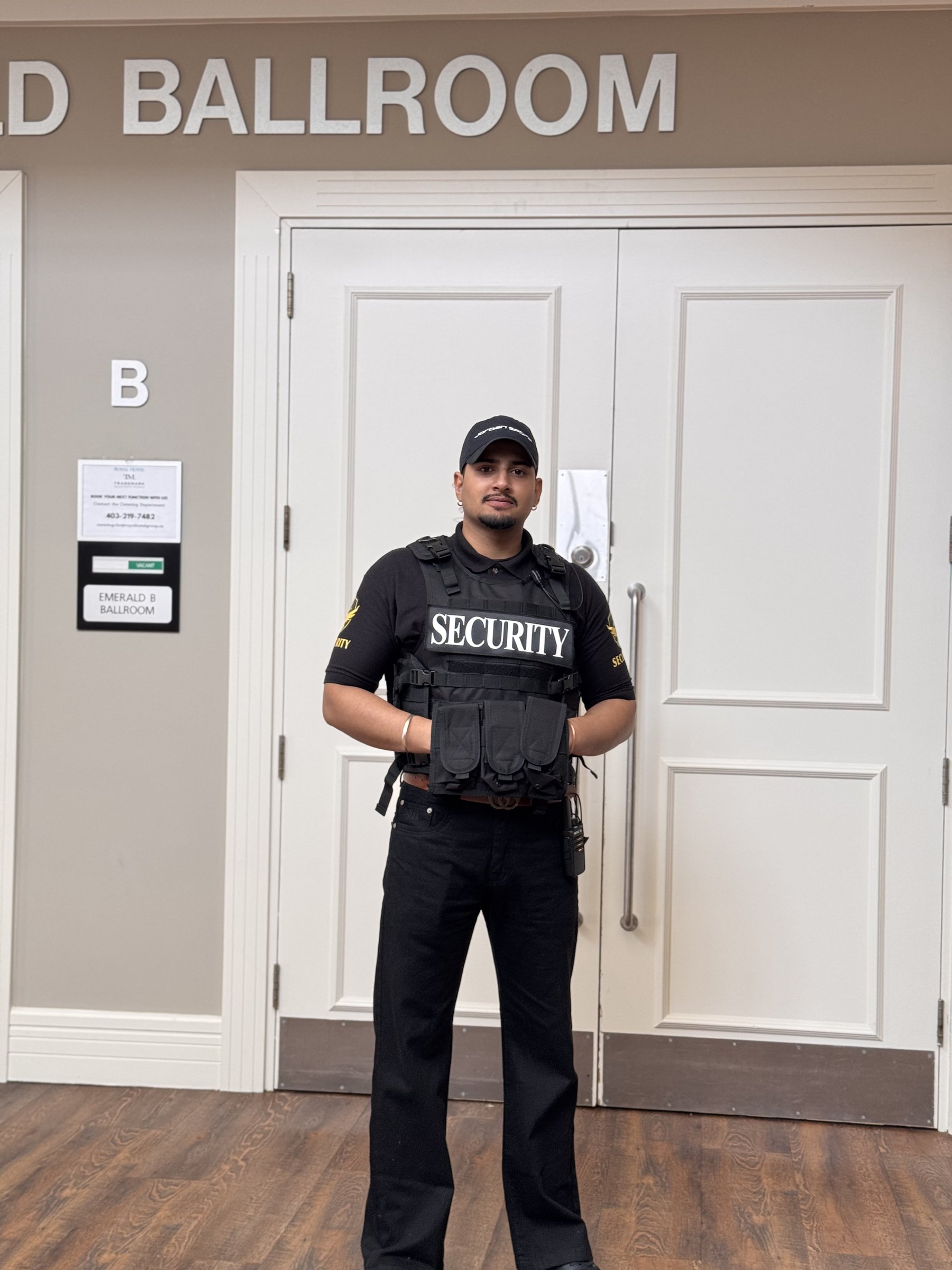
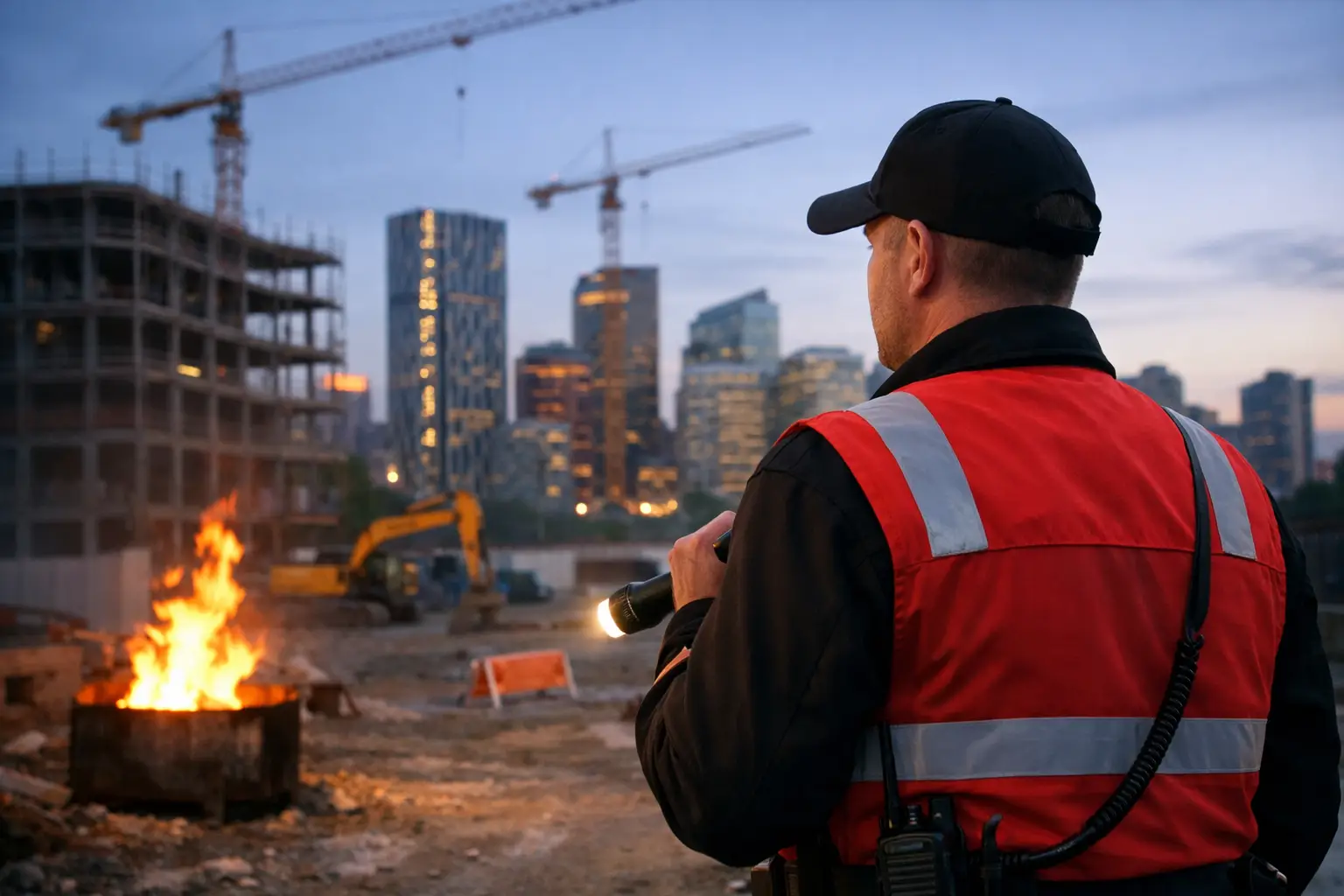
Fire watch coverage is active monitoring, not passive occupancy. Guards conduct scheduled patrols of designated areas, looking for smoke, unusual heat, burning odours, unsafe storage, blocked exits, electrical concerns, and other signs of potential fire or life-safety risk. Patrol frequency and routes should be determined by the site condition and the requirements set for the impairment.
When a concern is found, the guard follows the site’s emergency procedures. That can include alerting occupants, contacting emergency services, notifying site management, restricting access to a hazardous area, and recording what occurred. Guards do not replace firefighters, alarm technicians, sprinkler contractors, or building engineers. Their role is to provide immediate observation, notification, and documented response while the affected system is out of service.
Documentation matters because fire watch often begins during a period of operational pressure. A property manager may be coordinating contractors, tenant communications, restoration work, and insurer reporting at the same time. Clear patrol logs, incident notes, photos where appropriate, and shift handover records give management a defensible record of the measures taken while the impairment existed.
Coverage should match the actual site risk
A small commercial unit with a short-term panel issue does not need the same deployment plan as an occupied high-rise, a seniors’ residence, a distribution facility, or a large construction project. The strongest fire watch plan considers the size of the property, number of floors, access points, occupancy levels, combustible materials, active work, existing cameras, and the ability to communicate with people on site.
For example, one guard may be appropriate for a compact, low-complexity location where regular rounds can cover all affected areas. Larger or higher-risk sites may require multiple guards, fixed positions, more frequent patrols, or overnight coverage. Trying to reduce staffing below what the site condition requires can create blind spots and weak documentation. On the other hand, assigning more coverage than necessary can add avoidable cost. A site assessment keeps the response practical.
Fire Watch Is Different From Standard Security
A standard security shift may focus on access control, theft prevention, visitor management, or alarm response. Fire watch has a more specific life-safety purpose. The guard must understand why the fire protection system is impaired, which areas are affected, where emergency equipment and exits are located, who to contact, and what actions the site expects if there is evidence of fire.
That does not mean fire watch cannot support broader security needs. On construction sites and vacant commercial properties, the same trained guard may also deter trespassing, monitor gates, verify contractor activity, and report vandalism. However, fire watch duties must remain clear. If a guard is pulled too far from required patrol routes to handle unrelated tasks, the core purpose of the assignment is compromised.
A professional provider addresses this at the start of the shift through site instructions and a clear reporting chain. The guard should know the impairment details, the approved patrol intervals, emergency contacts, muster locations, building access procedures, and any areas that require special attention.
What to Confirm Before You Arrange Coverage
When fire watch is needed quickly, having the right details ready helps prevent delays and inaccurate staffing. Site management should be prepared to explain what system is impaired, when the issue began, whether the building is occupied, which floors or zones are affected, and when repairs are expected. It is also useful to identify hazards such as hot work, flammable materials, construction activity, poor lighting, limited access, or overnight operations.
Before coverage begins, confirm who has instructed the fire watch, whether any notifications are required, and who can authorize changes to the deployment. If the repair timeline shifts, the security plan may need to continue longer than expected. A provider should be able to adjust coverage without creating a gap between shifts.
Ask how patrol activity will be recorded and how incidents will be escalated. GPS-tracked patrol verification, time-stamped reports, and photo-documented observations can give property managers and project leads better visibility, especially when they are managing the situation off site. These records are also useful when communicating with ownership, contractors, or insurers.
Choosing a Calgary Fire Watch Provider
Fast dispatch matters, but reliability after dispatch matters more. The provider should supply Alberta-licensed guards, maintain clear supervision, and have a process for shift relief, call-outs, incident escalation, and reporting. Local coverage is a practical advantage when conditions change after hours or a client needs emergency deployment in Calgary, Airdrie, Cochrane, Chestermere, Okotoks, or High River.
Look for a security company that asks operational questions instead of quoting a generic guard shift. A provider should want to understand the impairment, site layout, occupancy, and expected duration before recommending coverage. This protects the client from both undercoverage and unnecessary expense.
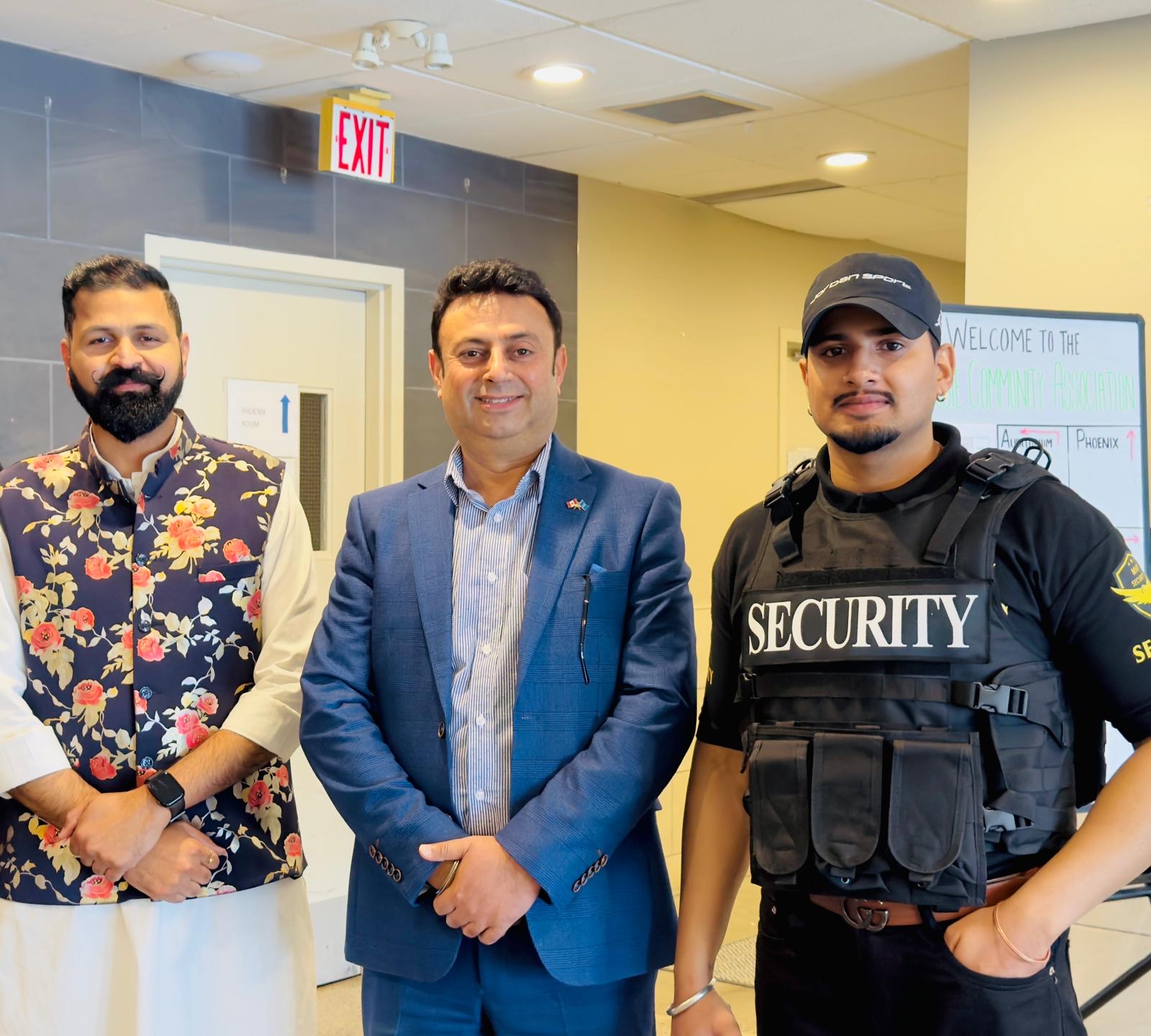
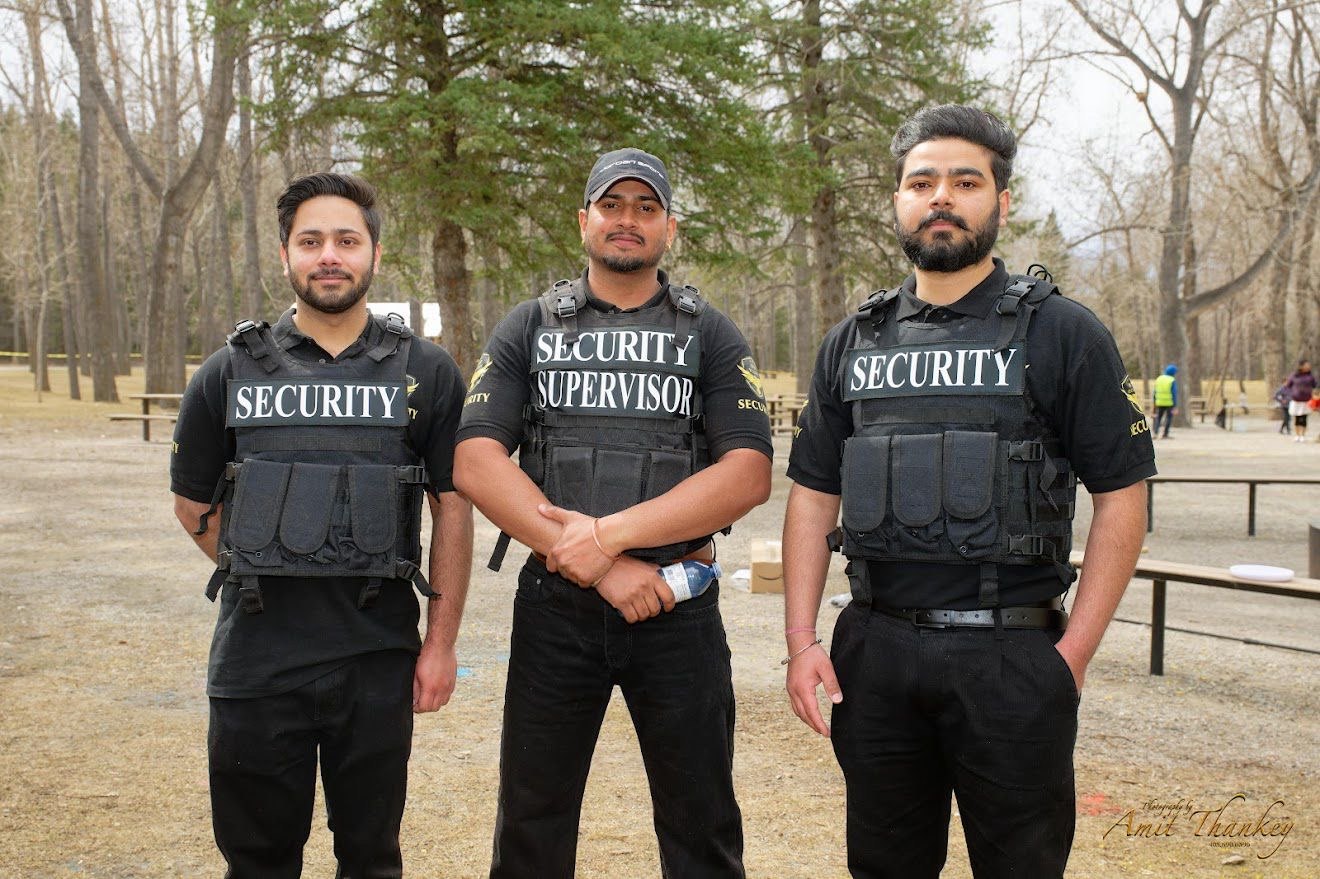
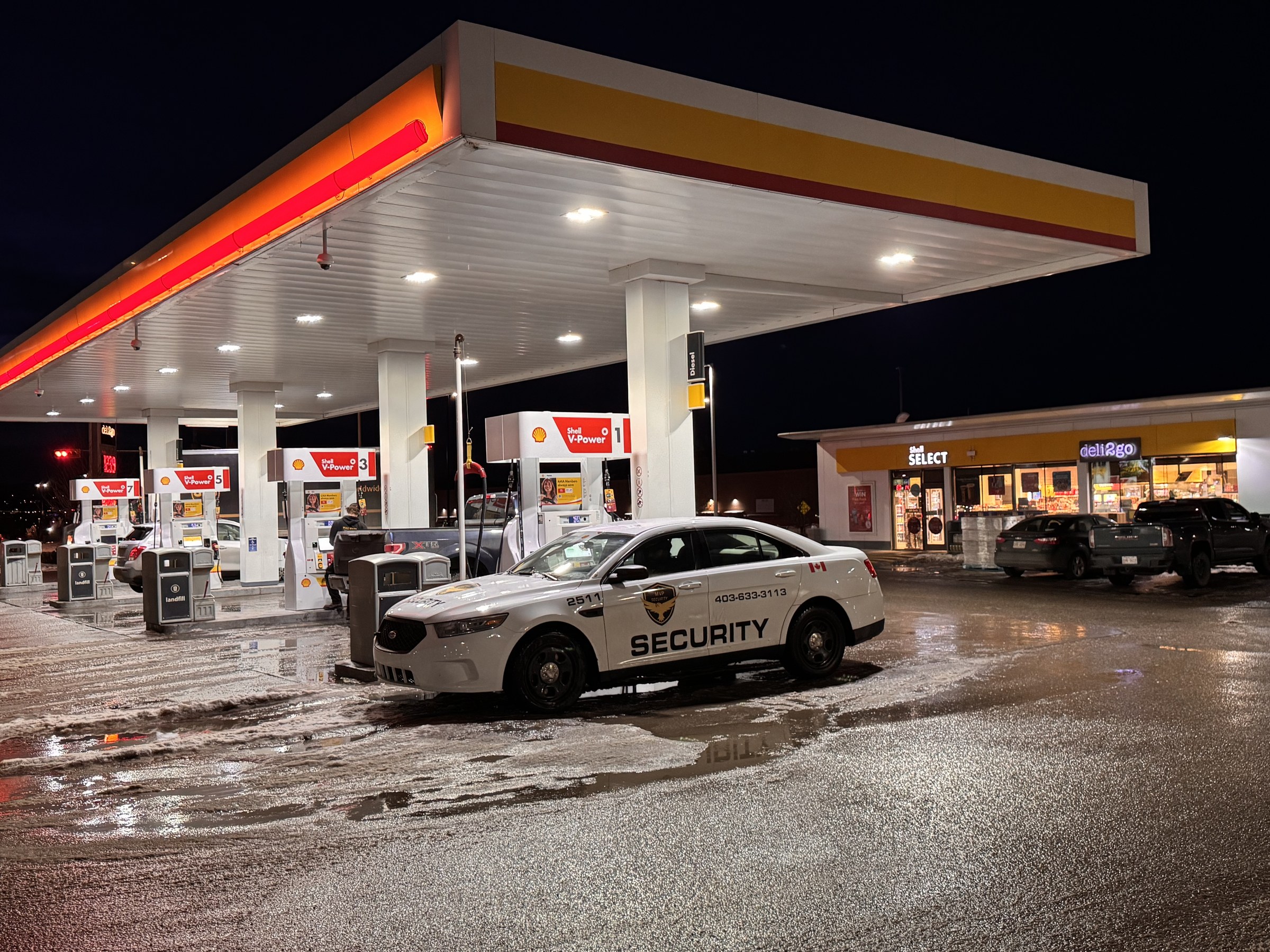
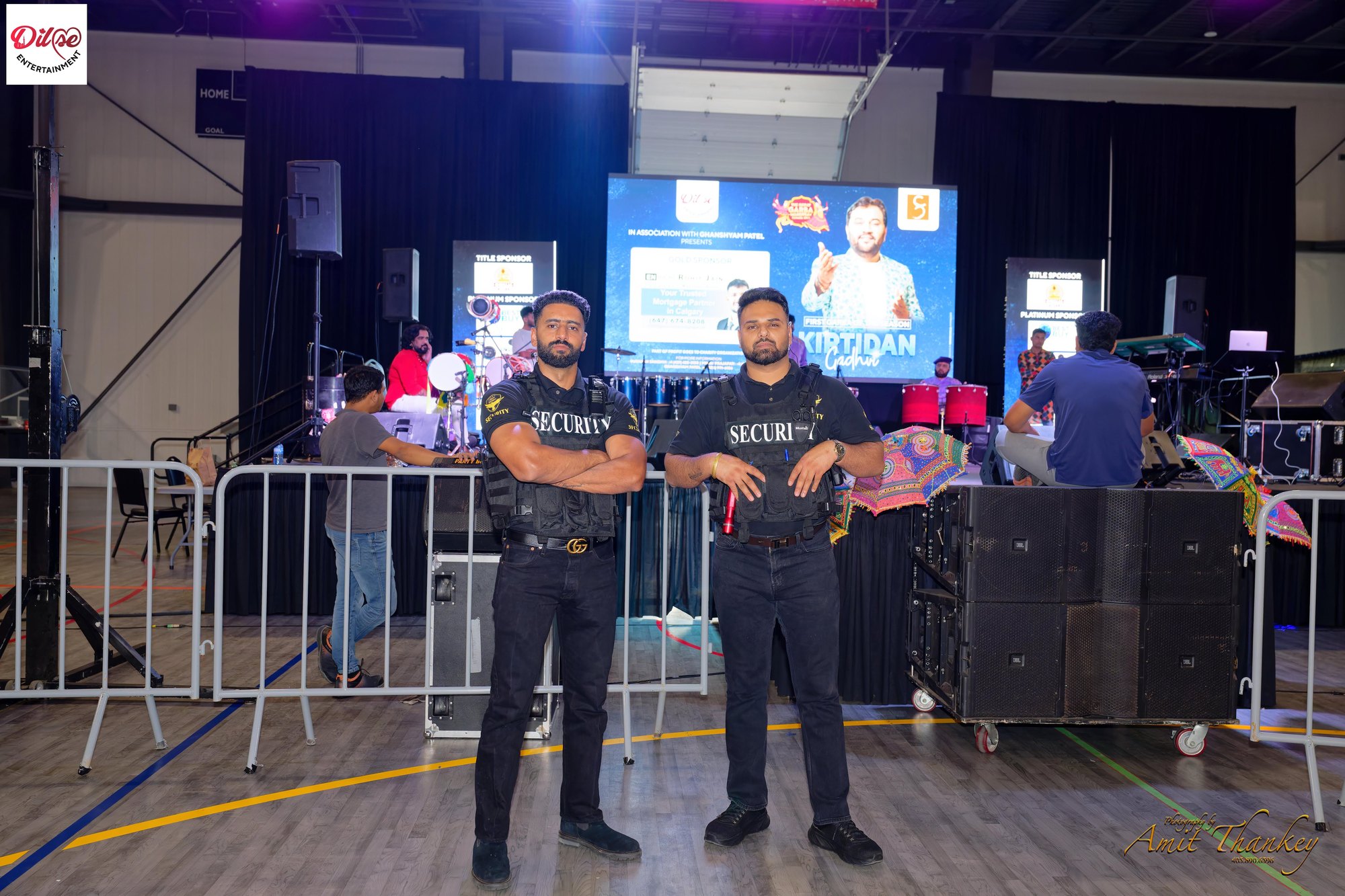
MVP Security Inc. provides locally deployed fire watch guards with 24/7 availability, site-specific instructions, GPS-tracked activity, and documented reporting. That approach is especially valuable when a system failure occurs outside regular business hours and the property cannot wait until morning for a plan.
Keep the Fire Watch Active Until the Impairment Is Resolved
Fire watch should not end simply because a contractor has arrived or a panel appears to return to normal. The responsible site contact should confirm that the affected system has been restored, tested as required, and returned to service before coverage is stood down. Any instruction from the authority having jurisdiction, fire protection contractor, insurer, or building management should be followed.
A clean handoff is part of the job. Final reporting should identify the coverage period, patrol activity, observations, incidents, and the time the client confirmed the fire watch could end. That record closes the loop and gives management confidence that the property was monitored throughout the impairment.
When a life-safety system goes offline, the best response is calm, documented action. Arrange qualified coverage early, give guards clear site information, and keep the plan in place until the building’s normal protection is fully restored.