








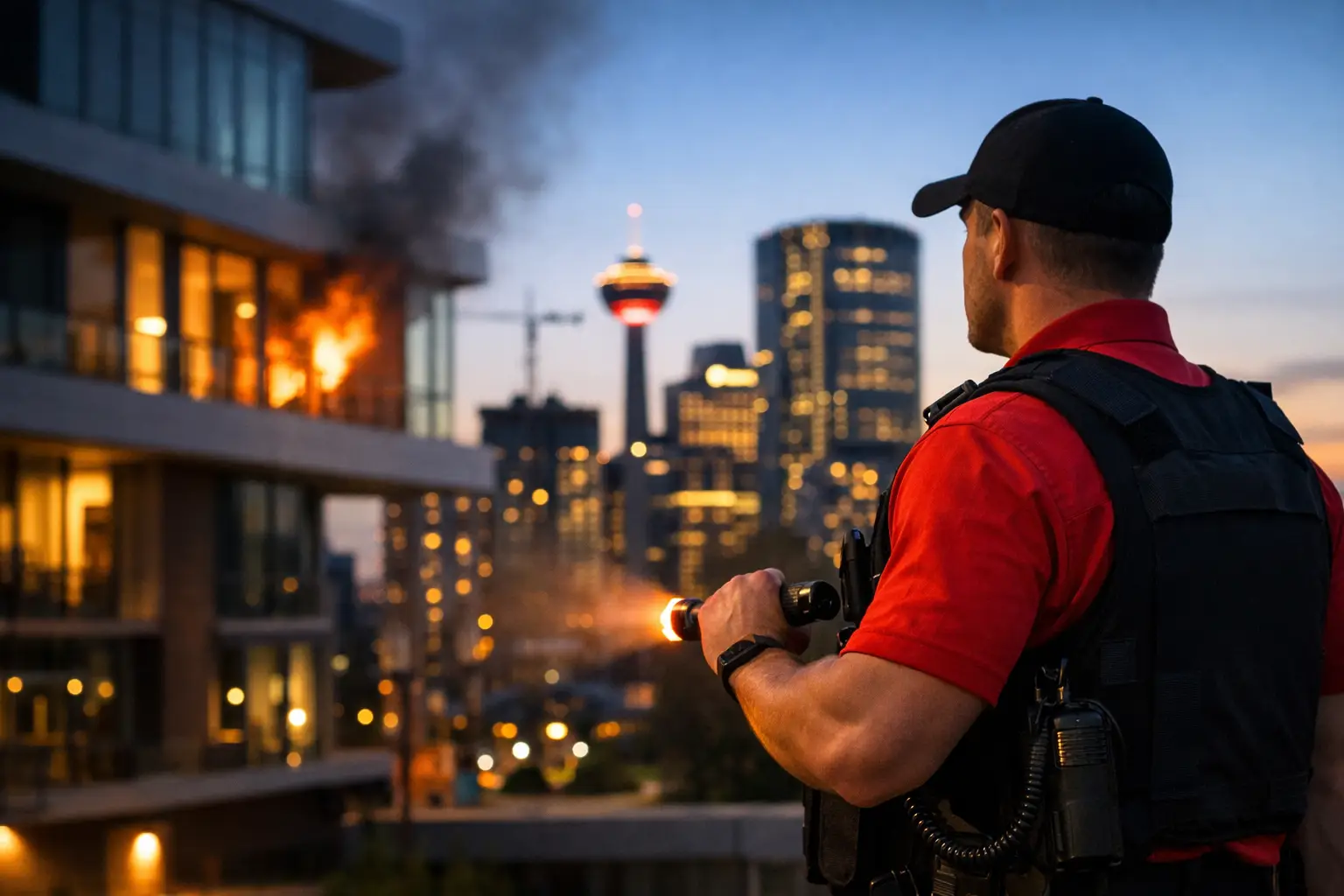
A fire alarm panel showing a trouble signal at 6:00 p.m. can quickly become an operational problem. Tenants may still be in the building, contractors may be working overnight, and a repair technician may not be available until morning. Fire watch services provide a practical layer of documented, on-site monitoring while an impaired fire protection system is repaired, tested, or restored.
For Calgary property managers, builders, and site supervisors, the goal is not simply to place someone at a desk. The goal is to maintain a visible, accountable watch that identifies signs of fire, reports hazards immediately, controls access where needed, and creates a clear record of what occurred during the impairment period.
When Fire Watch Services Are Required
Fire watch coverage is commonly needed when a fire alarm system, sprinkler system, standpipe, fire pump, or other life-safety equipment is partially or fully out of service. The duration may be a few hours during planned maintenance, a full weekend while parts are sourced, or several days after damage, freezing, construction work, or an alarm panel failure.
The correct response depends on the building type, the system affected, the area of the impairment, occupancy levels, the nature of work on site, and direction from the authority having jurisdiction, fire protection contractor, insurer, or building management. A small vacant commercial unit and an occupied high-rise have very different exposure profiles. Fire watch should be planned around that reality rather than treated as a one-size-fits-all guard shift.
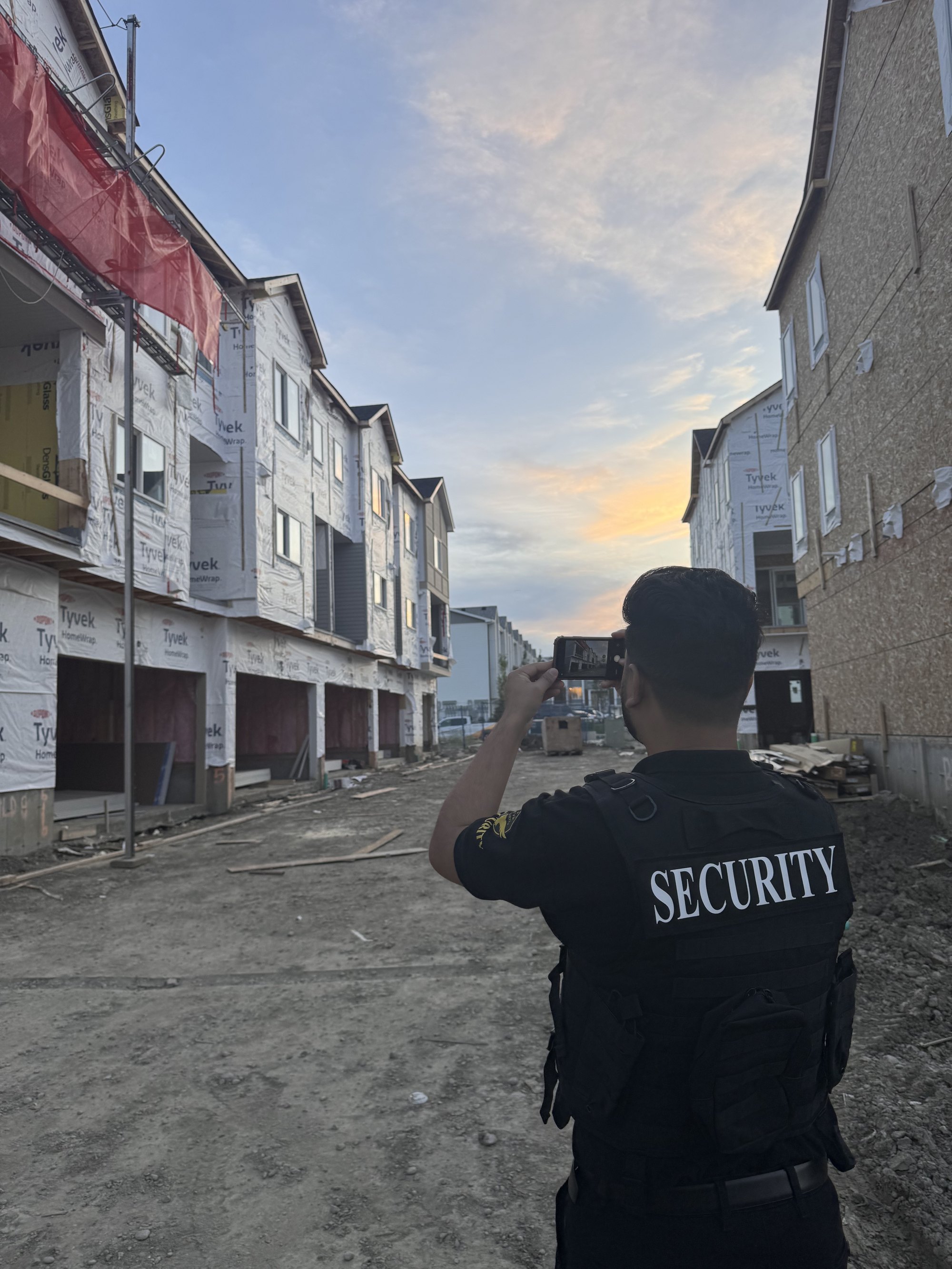
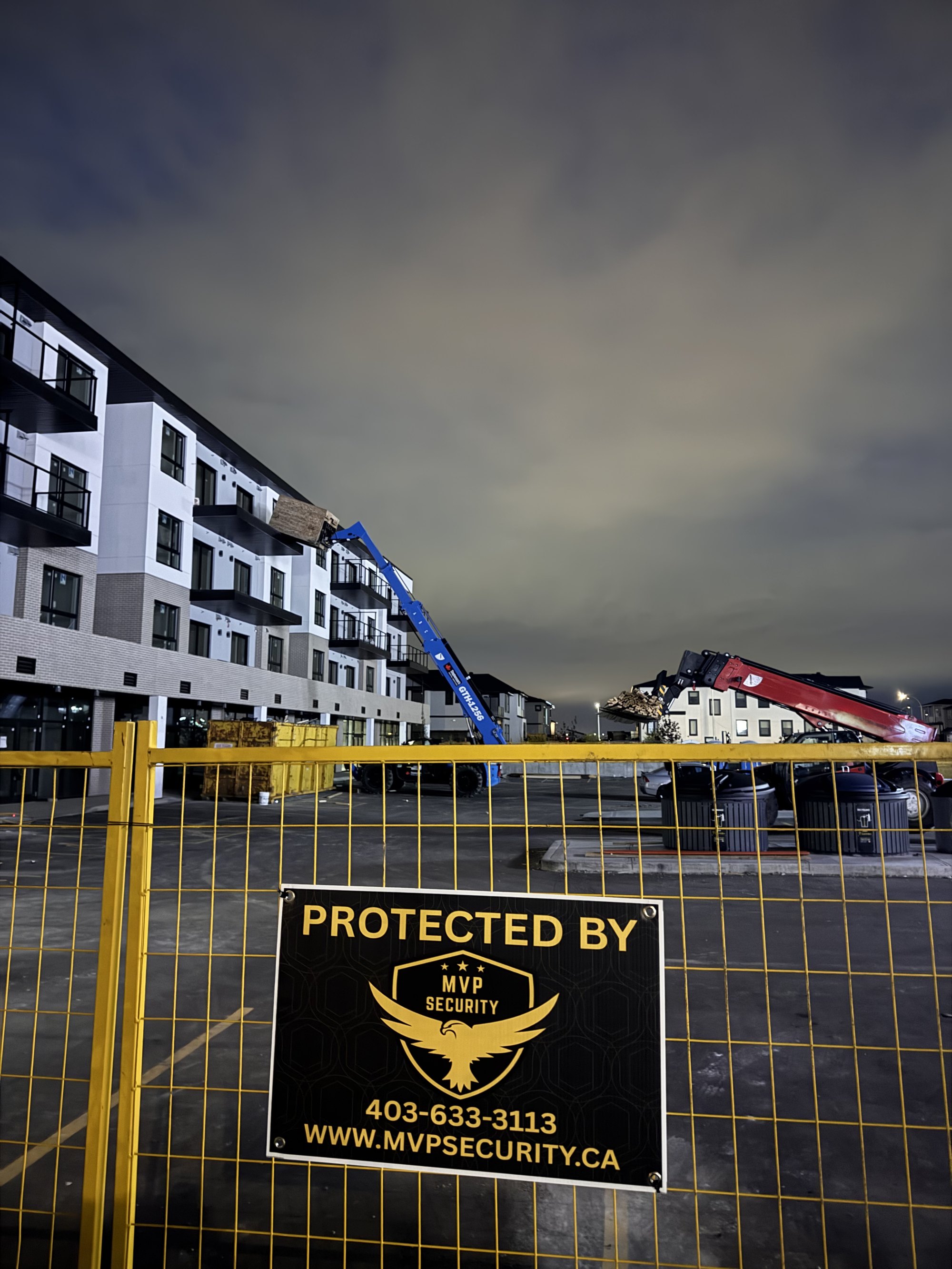
Construction sites also require particular attention. Temporary heat, hot work, exposed materials, changing site access, and incomplete fire separations can increase the consequences of a fire event. A designated watch can help identify hazards early, monitor restricted areas, and keep unauthorized people away from active work zones after regular crews leave.
What a Professional Fire Watch Guard Does
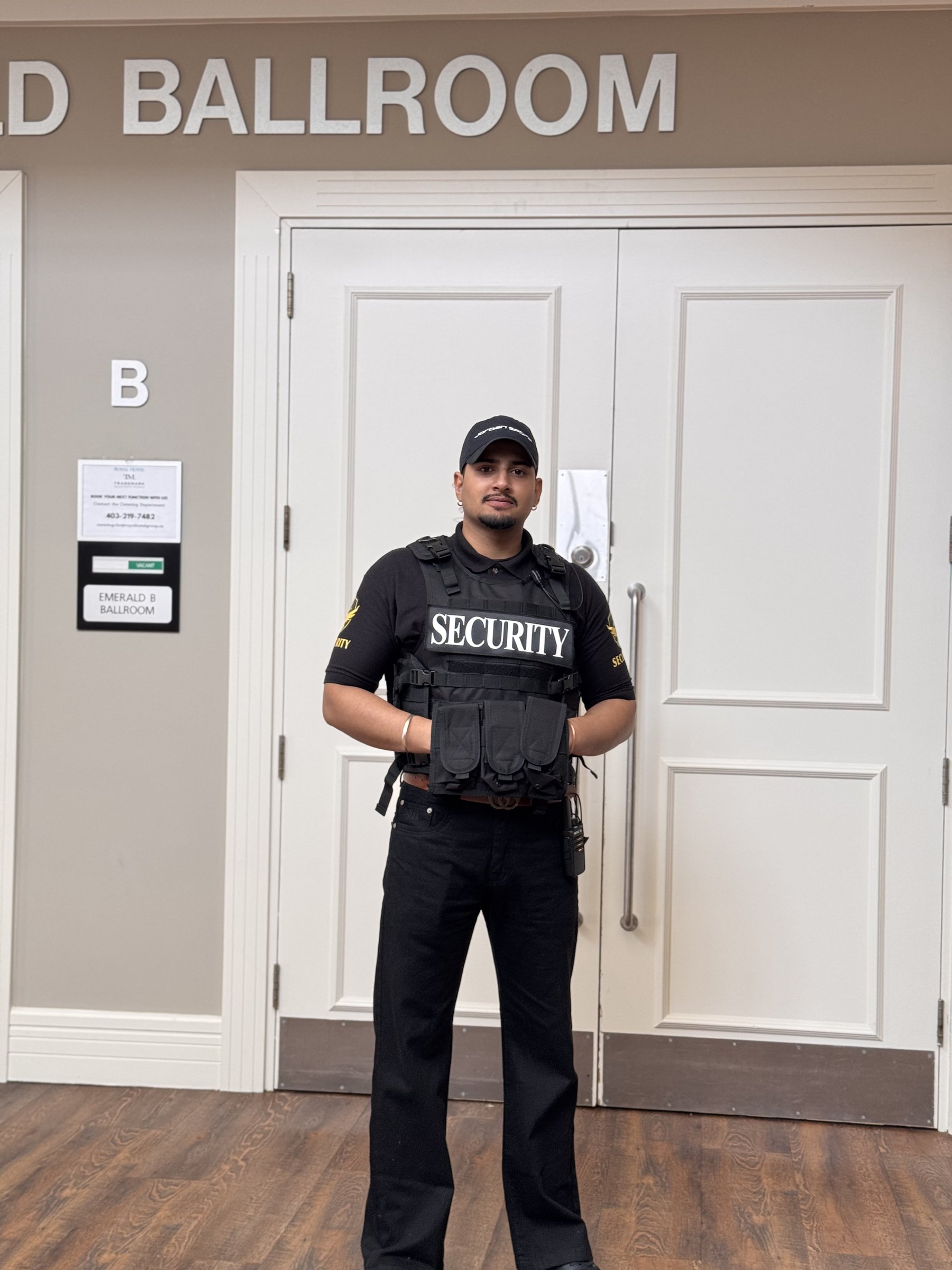
A fire watch guard is not there to repair a fire system or certify that a building meets code. Their role is operational: remain alert, conduct assigned checks, identify visible fire and life-safety concerns, and escalate issues without delay.
At the start of an assignment, the guard should receive clear site instructions. That includes the affected systems and areas, access points, emergency contacts, muster locations, utility rooms, active work zones, tenant considerations, and any hazards that require extra attention. Without this handover, even an experienced guard is working with incomplete information.
During the shift, patrols should be purposeful. Depending on the site plan, this may include hallways, stairwells, mechanical rooms, loading bays, storage areas, parkades, construction floors, exterior access points, and locations where hot work or temporary heating is present. The guard looks for smoke, unusual heat, burning odours, blocked exits, unsafe storage, unsecured doors, and conditions that could delay evacuation or emergency response.
If a fire, smoke condition, or immediate danger is observed, the priority is to follow the emergency procedure, contact emergency services, notify the appropriate site contacts, and help direct responding personnel. A fire watch guard should never assume that a minor-looking issue can wait for the next patrol round.
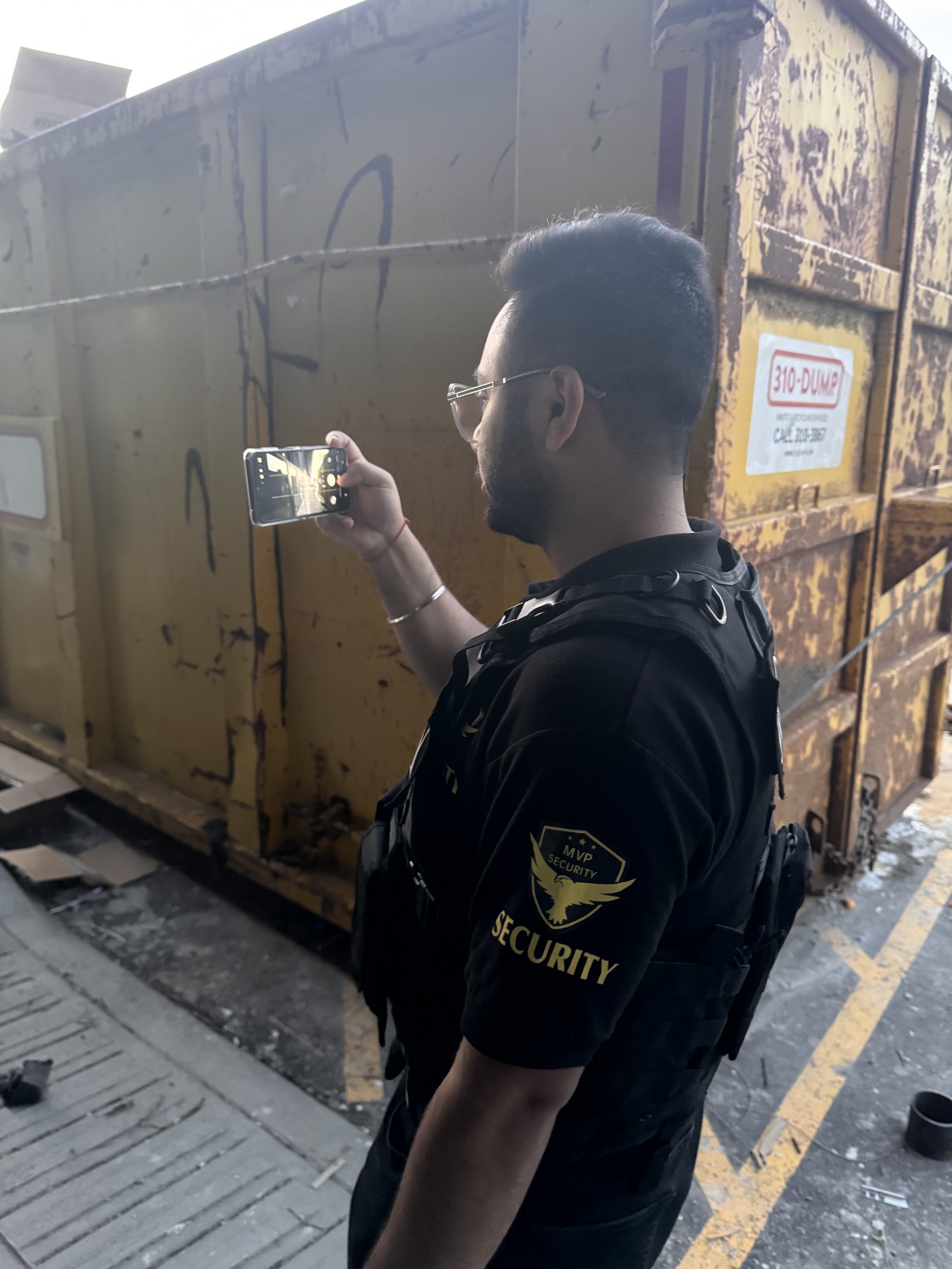
Documentation matters as much as visibility. Time-stamped patrol records, incident notes, and photo documentation where appropriate give property management and contractors evidence of the coverage provided. They also make shift changes cleaner. The incoming guard can see what was found, what was reported, and whether a concern remains unresolved.
Fire Watch Is Different From Standard Security
Security guards and fire watch guards share some duties, but the assignment priorities are different. A typical overnight security shift may focus on unauthorized access, theft, vandalism, alarms, and perimeter control. A fire watch assignment places heightened emphasis on fire detection, life-safety conditions, regular inspections, and rapid escalation during a system impairment.
In many cases, combining duties is reasonable. A guard can monitor access, deter trespassing, and conduct required fire watch rounds on a vacant commercial property or construction site. On a larger, occupied, or higher-risk property, however, a combined role may dilute the attention needed for either task. If a guard is dealing with a confrontation at the loading dock, they may not be able to complete a required interior inspection on schedule.
That is why staffing should be based on the site, not just the lowest hourly rate. A practical security provider will assess whether one trained guard is sufficient, whether a second guard is needed during busy periods, and whether mobile patrol support can add value without replacing the on-site coverage the situation requires.
Building a Coverage Plan That Holds Up
Reliable fire watch begins before the first patrol. Property managers and site supervisors should be ready to provide the location of the impairment, anticipated repair timeline, building access instructions, emergency contact list, and any written direction received from the relevant authority or fire protection contractor.
A strong coverage plan should set out patrol frequency, routes, reporting requirements, escalation contacts, and shift handover procedures. It should also identify any areas that cannot be accessed alone, such as confined spaces or hazardous work areas. Fire watch does not override normal workplace safety rules.
For residential buildings, the plan may need to account for residents entering through multiple doors, elevators or stairwells, and communication with on-call building staff. For industrial facilities, it may include flammable materials, process areas, heavy equipment, and after-hours deliveries. For retail properties, it may need to preserve customer access while monitoring the affected system and keeping emergency exits clear.
The most effective plans are specific enough to guide action but flexible enough to respond to changing conditions. A scheduled system repair can extend unexpectedly. A rainstorm can affect a construction site. A false alarm condition can become a confirmed impairment. The security provider should be able to adjust staffing and instructions quickly.
Choosing a Fire Watch Provider in Calgary
When coverage is urgent, it is tempting to call the first available guard company. Availability matters, but it is not the only question. Ask whether guards are Alberta-licensed, how quickly the company can deploy locally, what instructions the guard will receive, and how patrols and incidents will be documented.
You should also ask who is available after hours. An impairment rarely waits for business hours, and a provider should have a clear escalation process if the assigned guard needs support, the repair timeline changes, or the site experiences an incident.
Look for practical reporting, not vague assurances. GPS-tracked patrol activity, time-stamped reports, supervisor oversight, and photos when suitable provide a more useful record than a generic end-of-shift note. They help managers demonstrate due diligence and understand what happened while a life-safety system was unavailable.
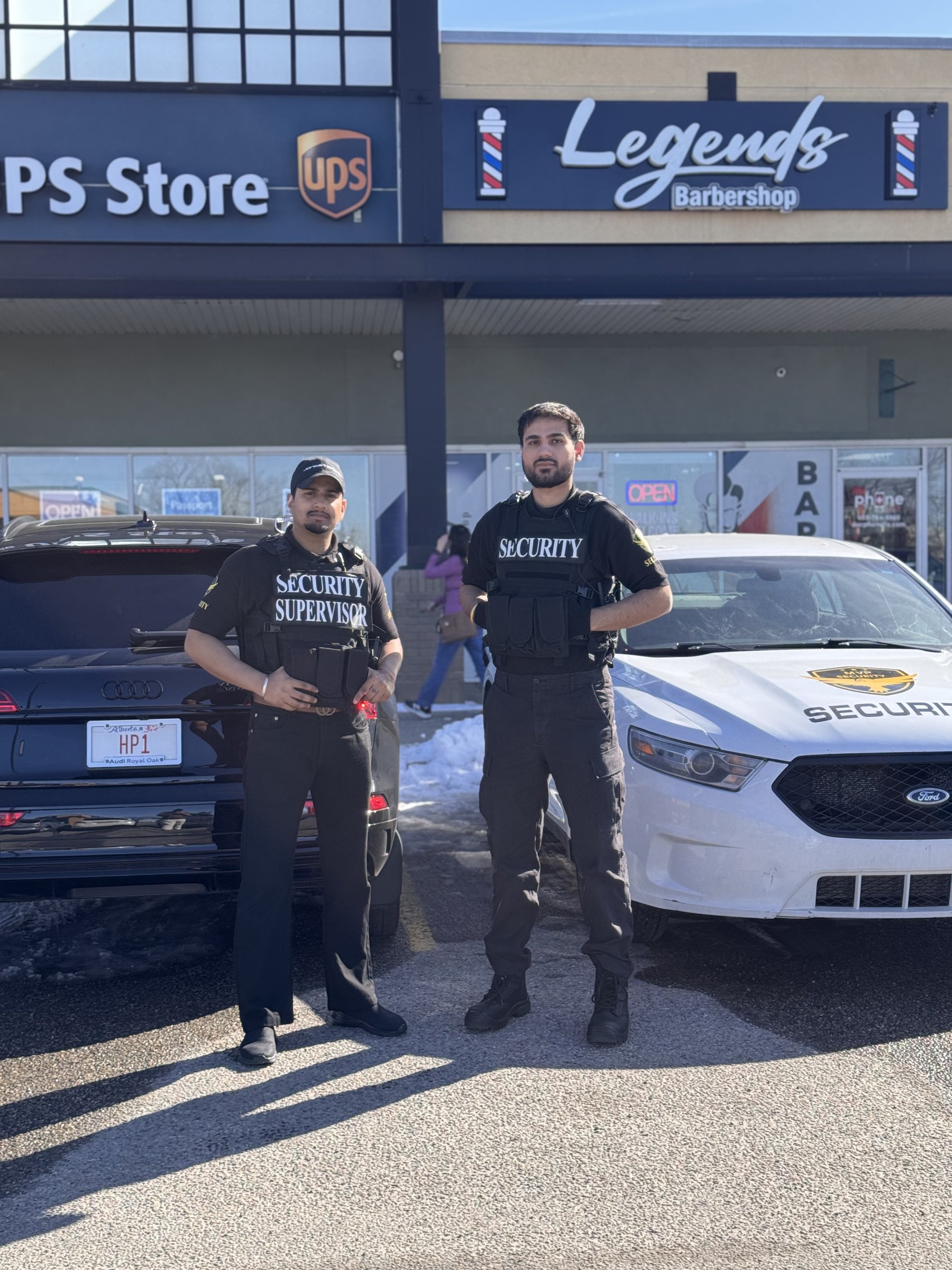
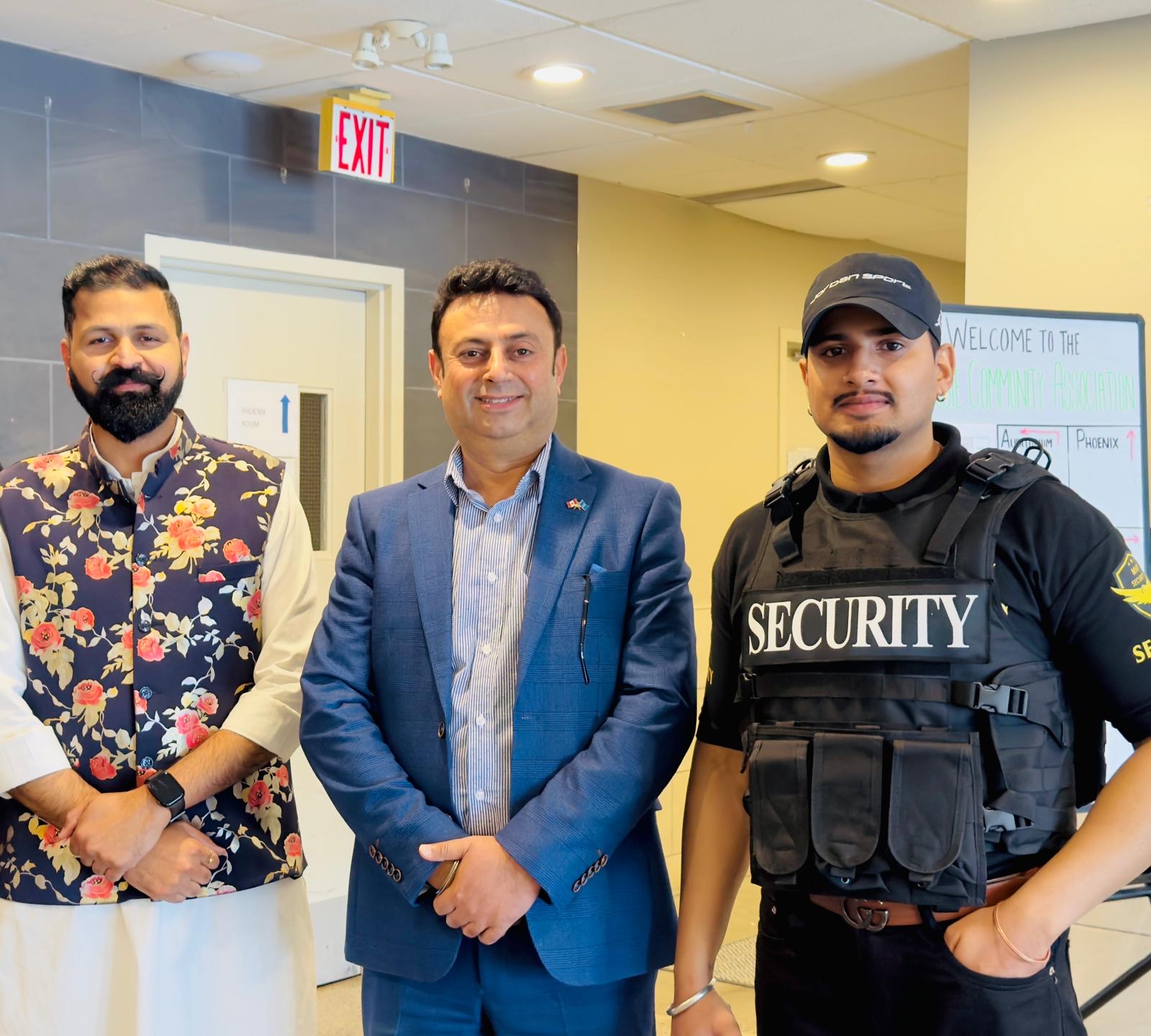
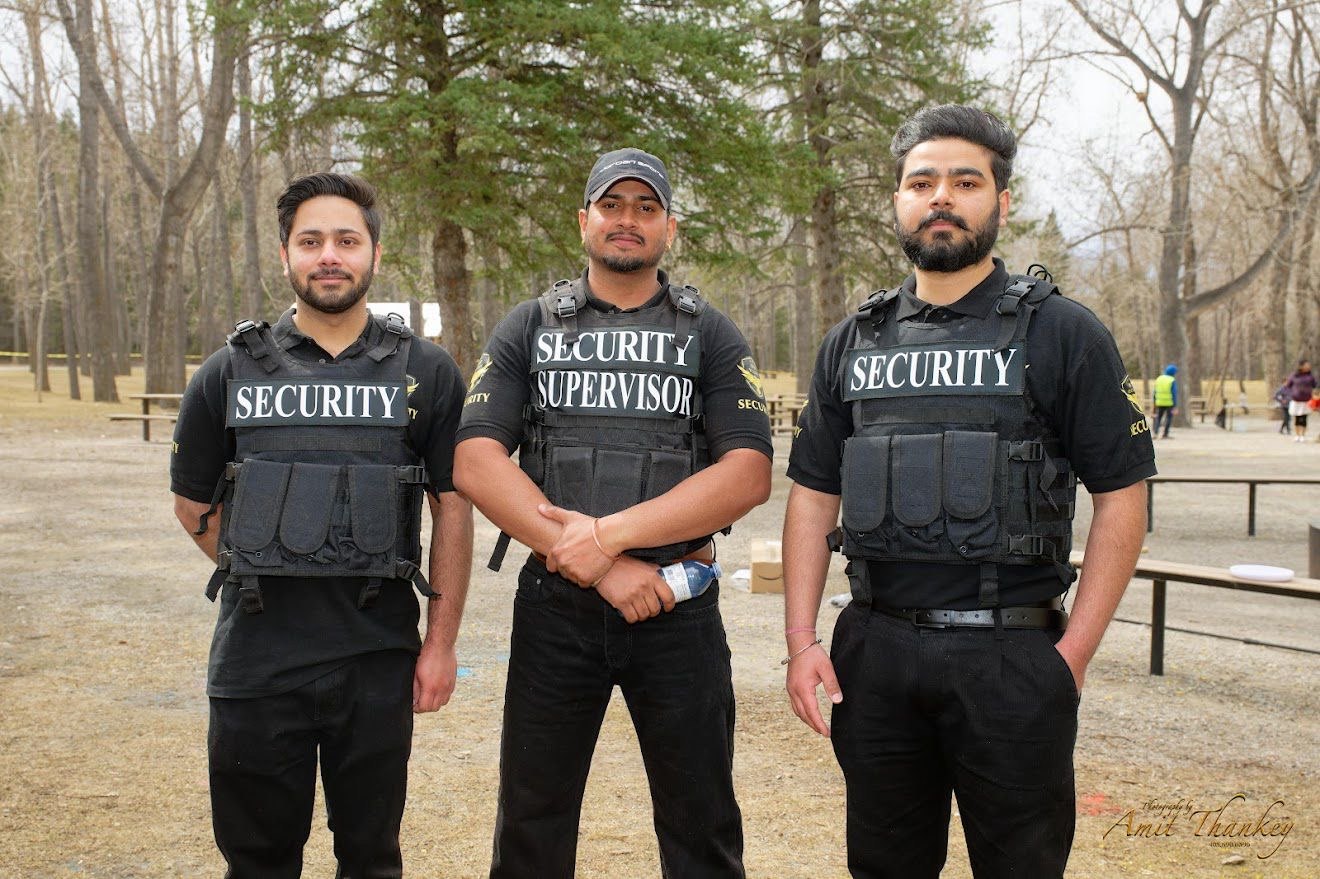
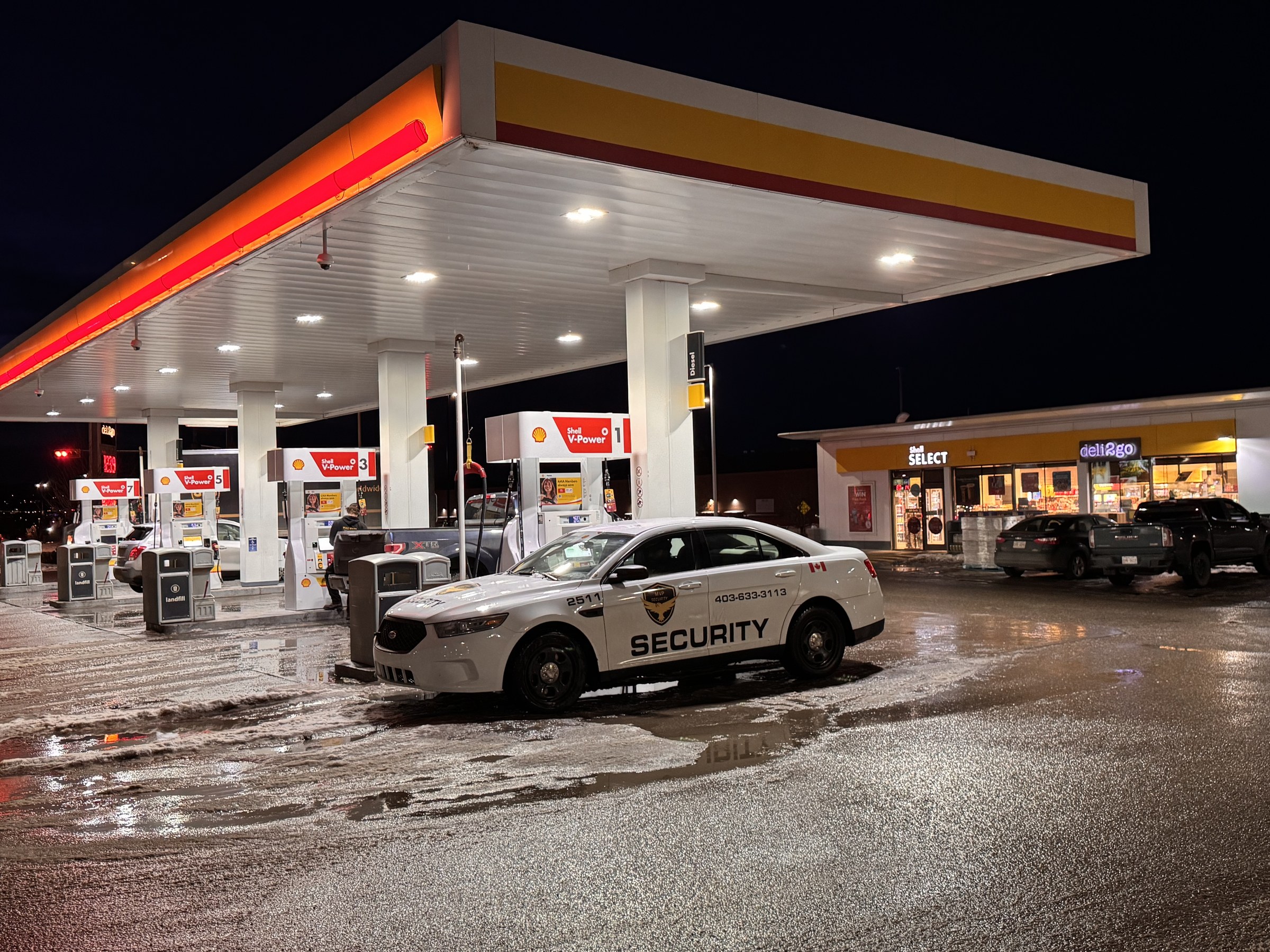
Local knowledge also has value. A Calgary-based team can deploy more quickly across Calgary, Airdrie, Cochrane, Chestermere, Okotoks, and High River than a provider coordinating resources from outside the region. MVP Security Inc. provides licensed, insured guards and site-specific fire watch coverage designed around actual impairment conditions, not a generic checklist.
Avoiding Common Fire Watch Gaps
The most common gap is assuming the guard knows the building because they have worked a similar property. Every site has different panel locations, access controls, hazards, tenant patterns, and emergency contacts. A short, documented briefing prevents avoidable confusion.
Another gap is poor communication when repairs run longer than expected. If the protection system is still impaired at shift end, coverage cannot simply stop because the original booking has expired. Property management, the fire protection contractor, and the security provider need a clear decision point before the guard leaves.
Finally, do not treat reporting as paperwork after the fact. Patrol logs and incident reports are part of the service itself. They confirm that rounds occurred, show what conditions were observed, and create a reliable record if questions arise from management, insurers, or emergency responders.
When a fire protection system is down, the best next step is a calm, site-specific response: confirm the impairment, clarify the required precautions, establish accountable coverage, and keep everyone informed until the system is restored. That approach protects people, property, and the operational decisions made under pressure.