









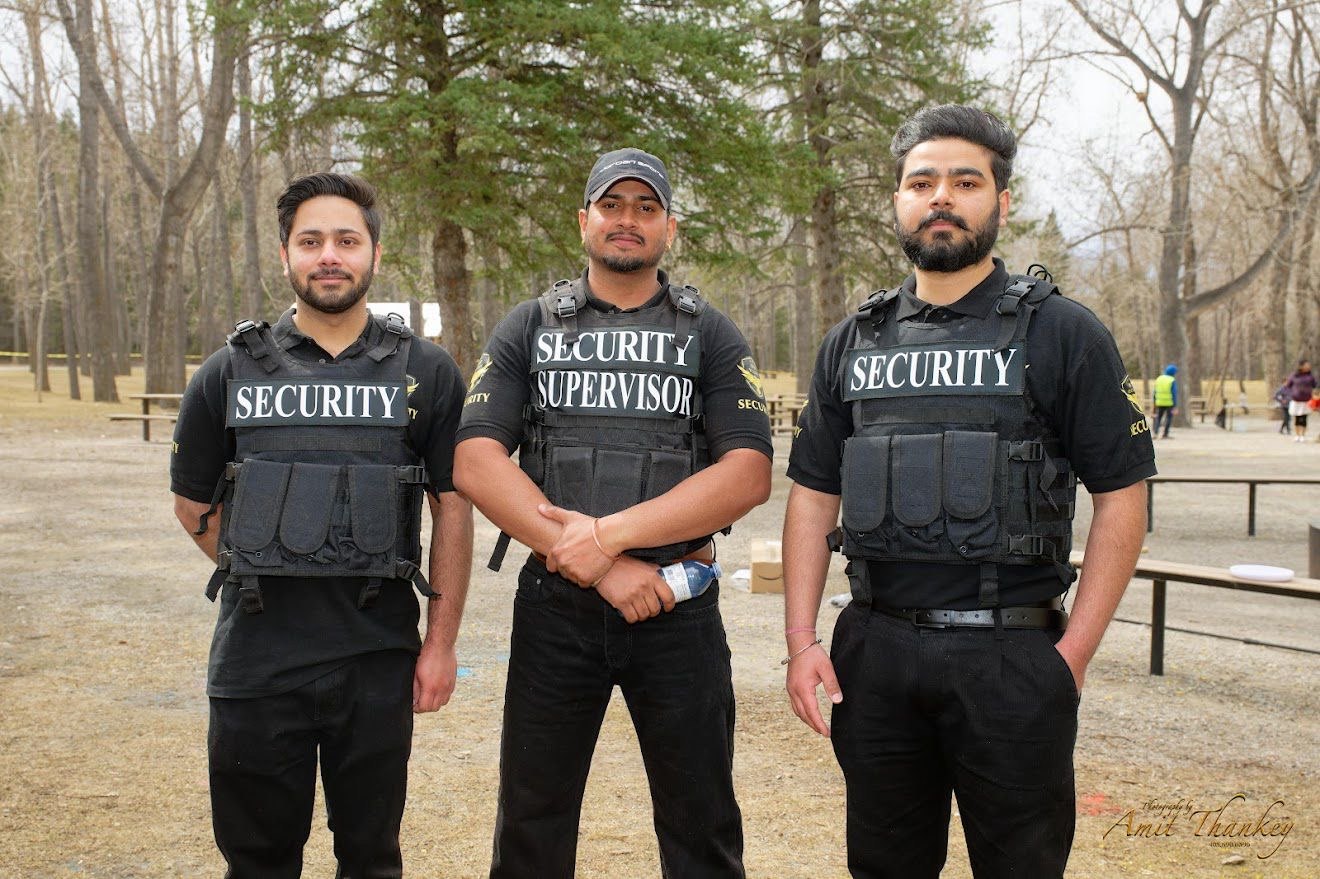
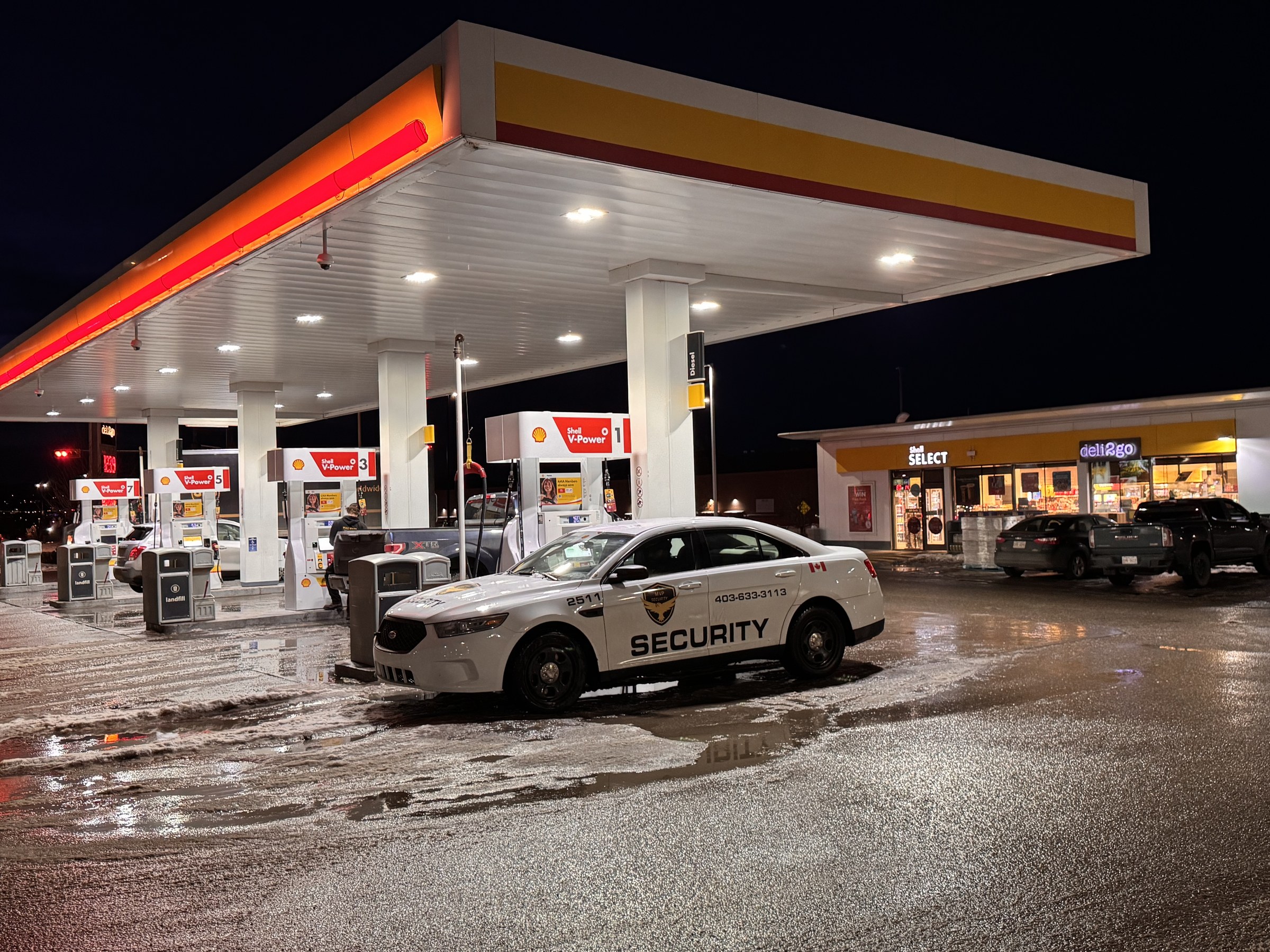
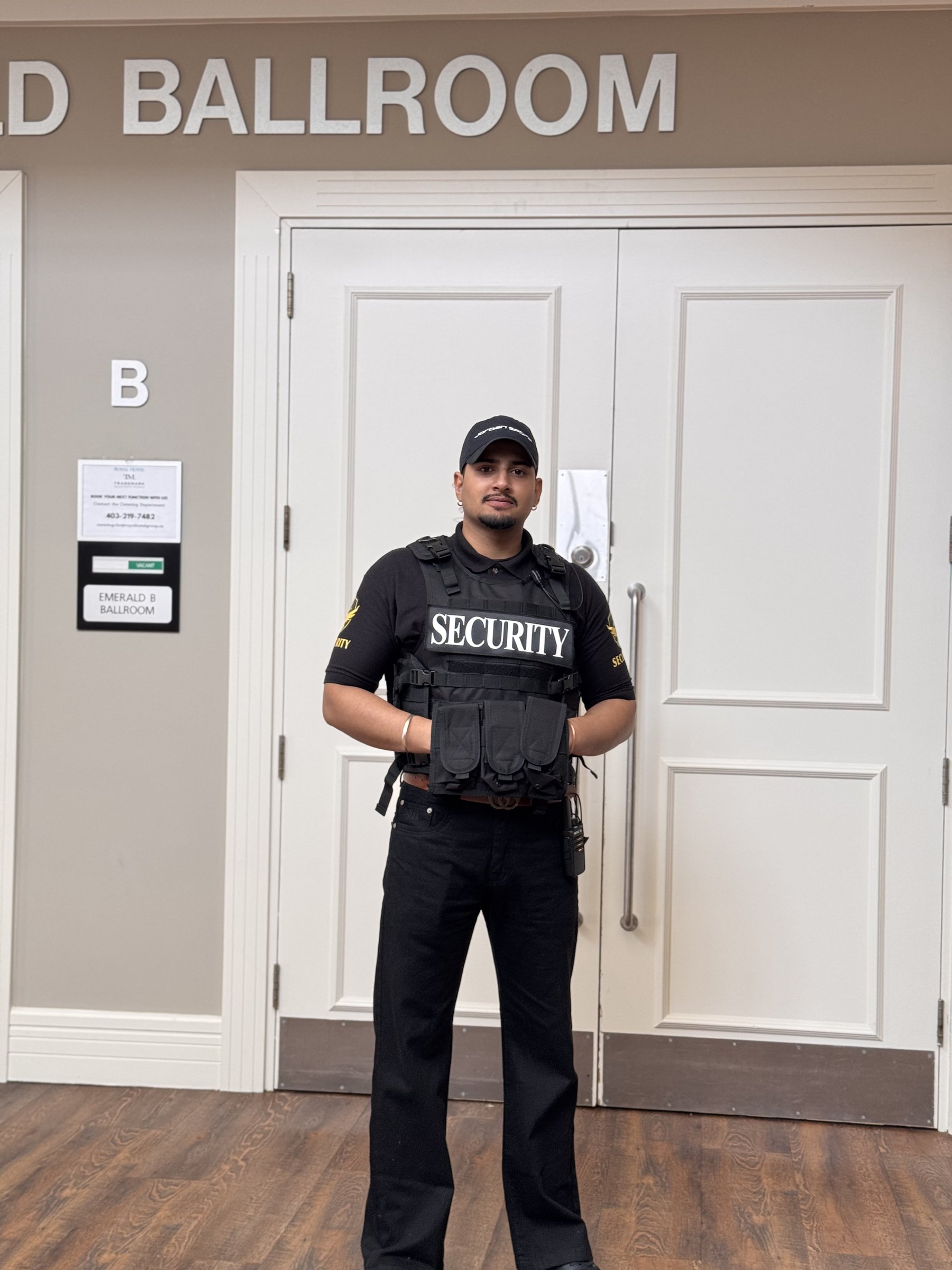
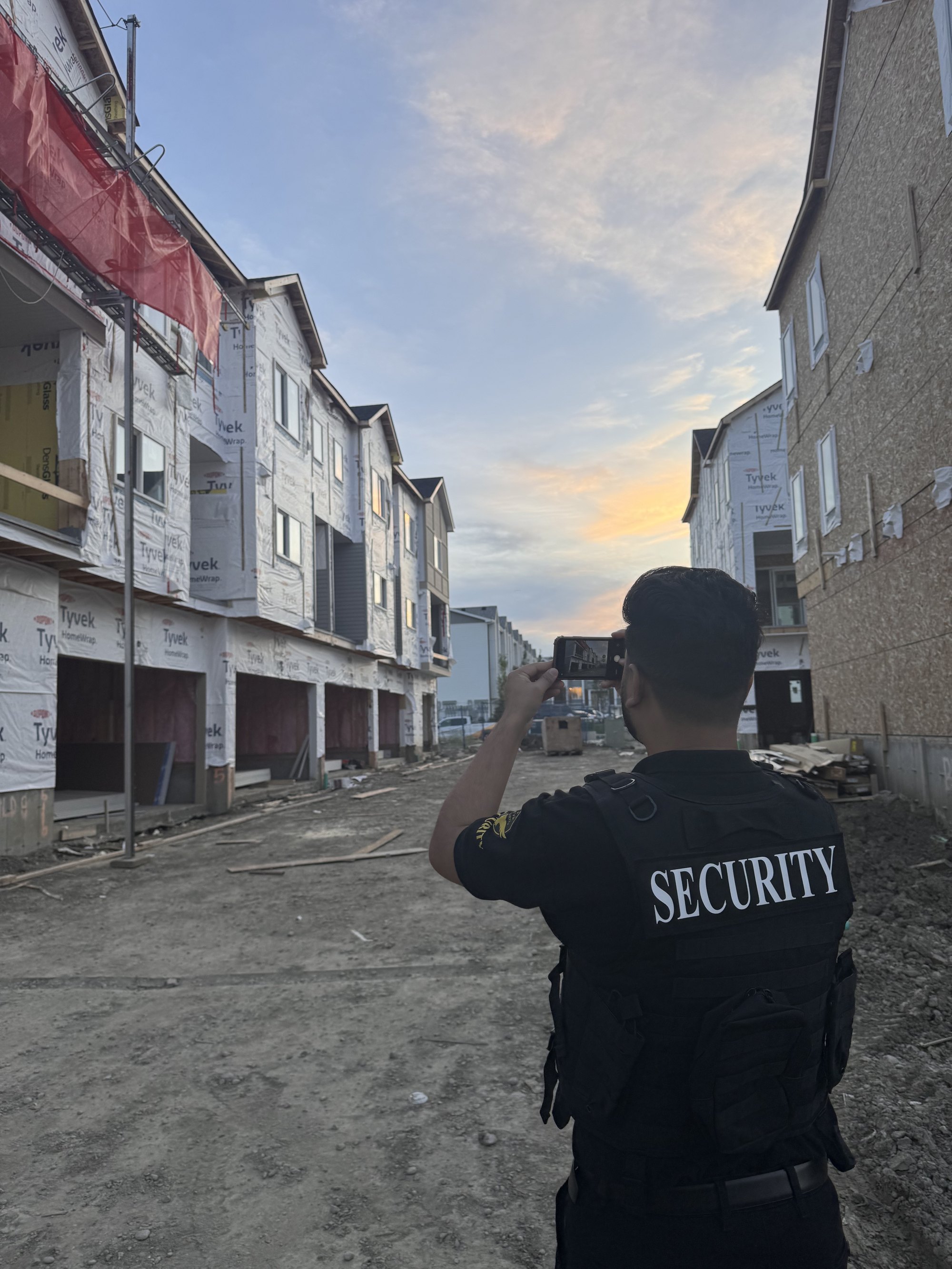
A cut fence at a construction site, an after-hours alarm at a retail plaza, or an unauthorized visitor in a condo lobby creates the same immediate question: who is qualified to respond? Guard licensing Alberta is one of the first checks a property or project manager should make before placing security personnel on site. It confirms a basic legal and professional threshold, but it is not the whole hiring decision.
For Calgary-area sites, the stronger standard is simple: use properly licensed guards through a compliant security provider, then make sure the actual coverage plan fits the risks, hours, access points, and reporting requirements at your property.
What guard licensing Alberta confirms
In Alberta, a person working as a security guard requires the appropriate provincial security service worker licence. Licensing is governed under Alberta's Security Services and Investigators Act, commonly called the SSIA. The process is intended to ensure security personnel meet eligibility requirements, complete approved training, pass the required examination, and undergo the applicable background screening.
For a client, that licence matters because a guard may be asked to control access, observe and report suspicious activity, conduct patrols, document incidents, manage visitor interactions, and respond to alarms within the limits of their role. Those responsibilities affect tenants, staff, contractors, visitors, and the integrity of the site.
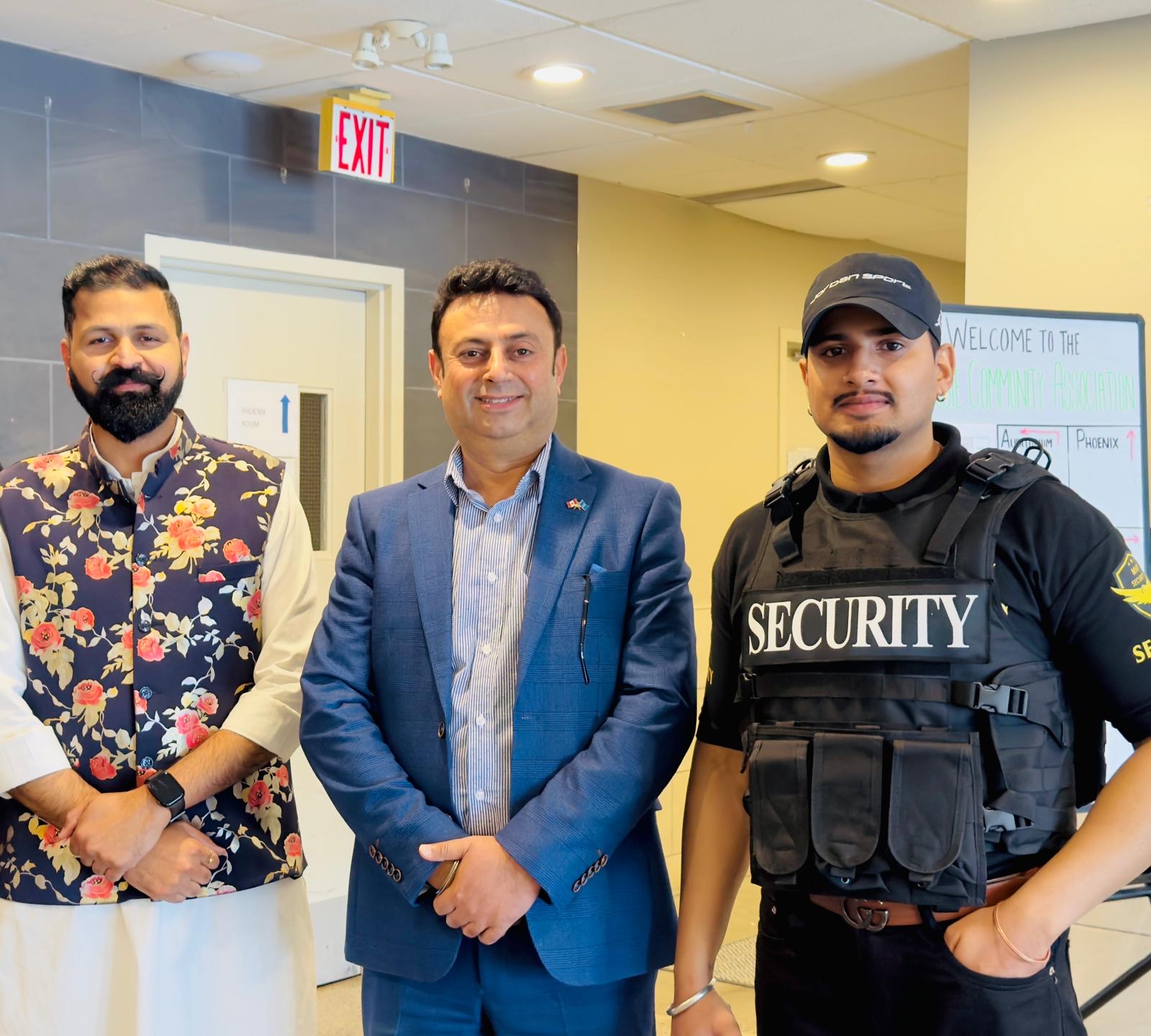
A current licence is evidence that the individual has met Alberta's entry requirements for security work. It does not turn a guard into a peace officer, give them police powers, or allow them to act outside the law. Professional guards protect a site through visible presence, observation, clear communication, de-escalation, documented procedures, and timely escalation to police, fire, emergency services, or the client contact when needed.
The company providing the guard also has compliance responsibilities. A buyer should not assume that an individual guard's licence alone confirms that the provider is operating properly as a security business. Ask how the company verifies licences, maintains insurance, trains staff, supervises shifts, and handles incidents. A credible provider should answer directly, without vague assurances.
A licence is the starting point, not the service standard
Licensing protects against an obvious risk: assigning unqualified personnel to security duties. Yet a licensed guard can still be placed in a poorly managed operation. If a provider has no dispatch support, no supervisor available after hours, unclear patrol instructions, or delayed incident reporting, the site can be exposed even when every guard has the correct credential.
Consider a vacant commercial building with repeated trespassing. A licence confirms that the guard is eligible to work in the role. It does not tell you whether patrols will be completed at the agreed intervals, whether doors and mechanical areas will be checked, whether photos will be captured when damage is found, or whether the property manager will receive a report before morning.
The same distinction matters at a busy condo or event. A professional presence at the entrance is useful only when the guard understands visitor protocols, emergency contacts, delivery procedures, restricted areas, and when to call for assistance. Site-specific direction is where a security program becomes operational rather than merely compliant.
What to ask before assigning guards to your site
A short conversation before service begins can prevent misunderstandings after an incident. The goal is not to interrogate a provider. It is to establish whether they have the controls needed for the type of coverage you are buying.
Confirm licensing and agency compliance
Ask the provider to confirm that assigned personnel hold current Alberta security service worker licences and that the company is authorized to deliver the services offered. If guards will be working in a public-facing environment, also ask how the provider ensures professional identification, uniform standards, conduct expectations, and shift coverage when someone calls in sick.
This is particularly relevant for short-notice assignments. Emergency coverage can be necessary after a break-in, fire system issue, labour disruption, or alarm event. Fast deployment is valuable, but it should not mean cutting corners on licensing, documentation, or supervision.
Ask who is accountable after the guard arrives
A guard on site should not be isolated from the rest of the operation. Find out whether there is a live dispatch contact, a field supervisor, and a defined escalation path for urgent incidents. For overnight and mobile patrol programs, GPS-tracked activity and time-stamped, photo-documented reports give managers practical confirmation that assigned work was completed.
Accountability also includes communication. A useful incident report identifies what happened, where and when it occurred, actions taken, people contacted, and whether follow-up is required. Reports that merely state that a guard was on site do little to help a manager address recurring risks.
Match training and instructions to the environment
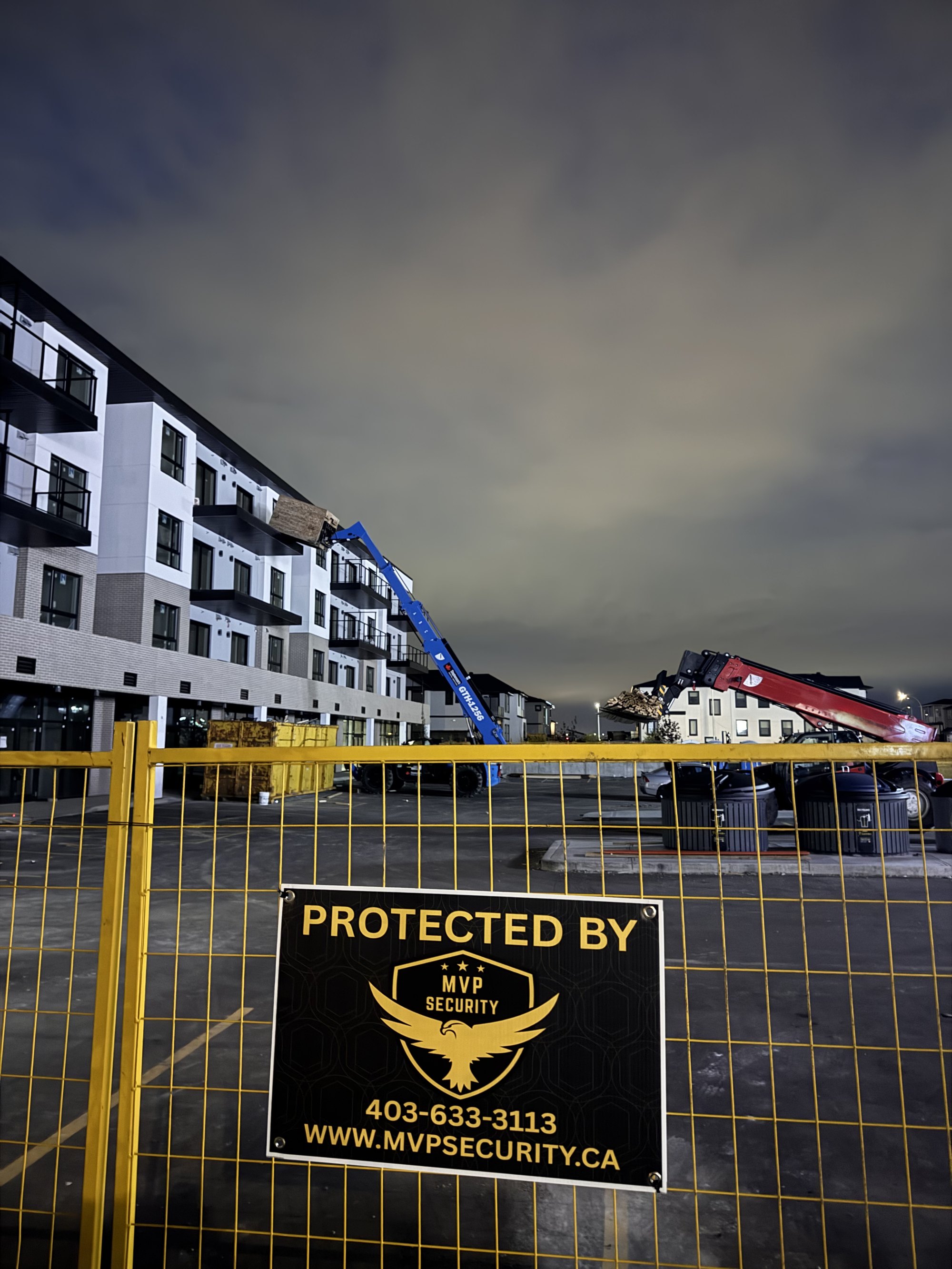
The risk profile of a downtown office lobby is not the same as an industrial yard outside Calgary. Construction sites may need perimeter checks, gate control, equipment observations, and rapid reporting of theft or damage. Residential buildings often need visitor management, common-area patrols, noise or disturbance response, and a professional approach with residents. Retail environments may require a visible deterrent while keeping customer service in mind.
Ask how post orders are prepared and updated. Good instructions identify patrol routes, restricted areas, alarm procedures, key and access-control rules, emergency contacts, reporting thresholds, and site-specific safety concerns. They should be available to the guard before the shift begins, not improvised during an incident.
Define the response standard in writing
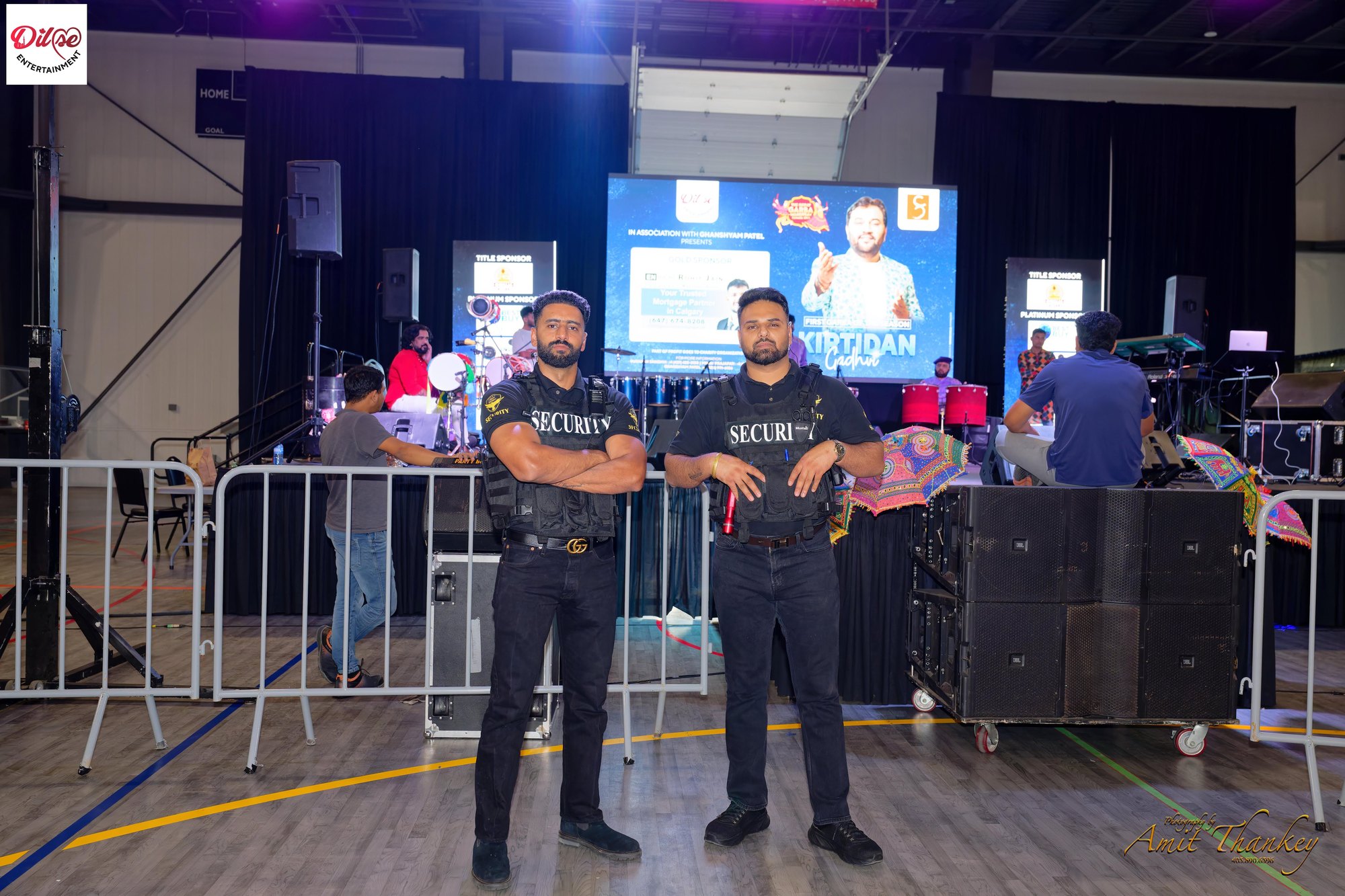
Terms such as rapid response can mean very different things. A mobile patrol program may be appropriate for scheduled property checks and alarm response, while a site with frequent access issues may require a static guard during vulnerable hours. Event security may need multiple personnel positioned at entrances, exits, and high-traffic areas.
Your agreement should clearly set out coverage hours, guard duties, patrol frequency where applicable, reporting expectations, contact procedures, and the process for adding coverage. If a service is sold as 24/7, clarify what that means for dispatch, escalation, replacement staff, and emergency callouts.
Where buyers commonly make the wrong trade-off
The lowest hourly rate can appear attractive until service gaps start creating loss, disruption, or management time. A provider with weak supervision may miss patrols, send incomplete reports, or struggle to replace a guard. Conversely, buying a full-time static post when a site only needs targeted overnight patrols can waste budget without improving protection.
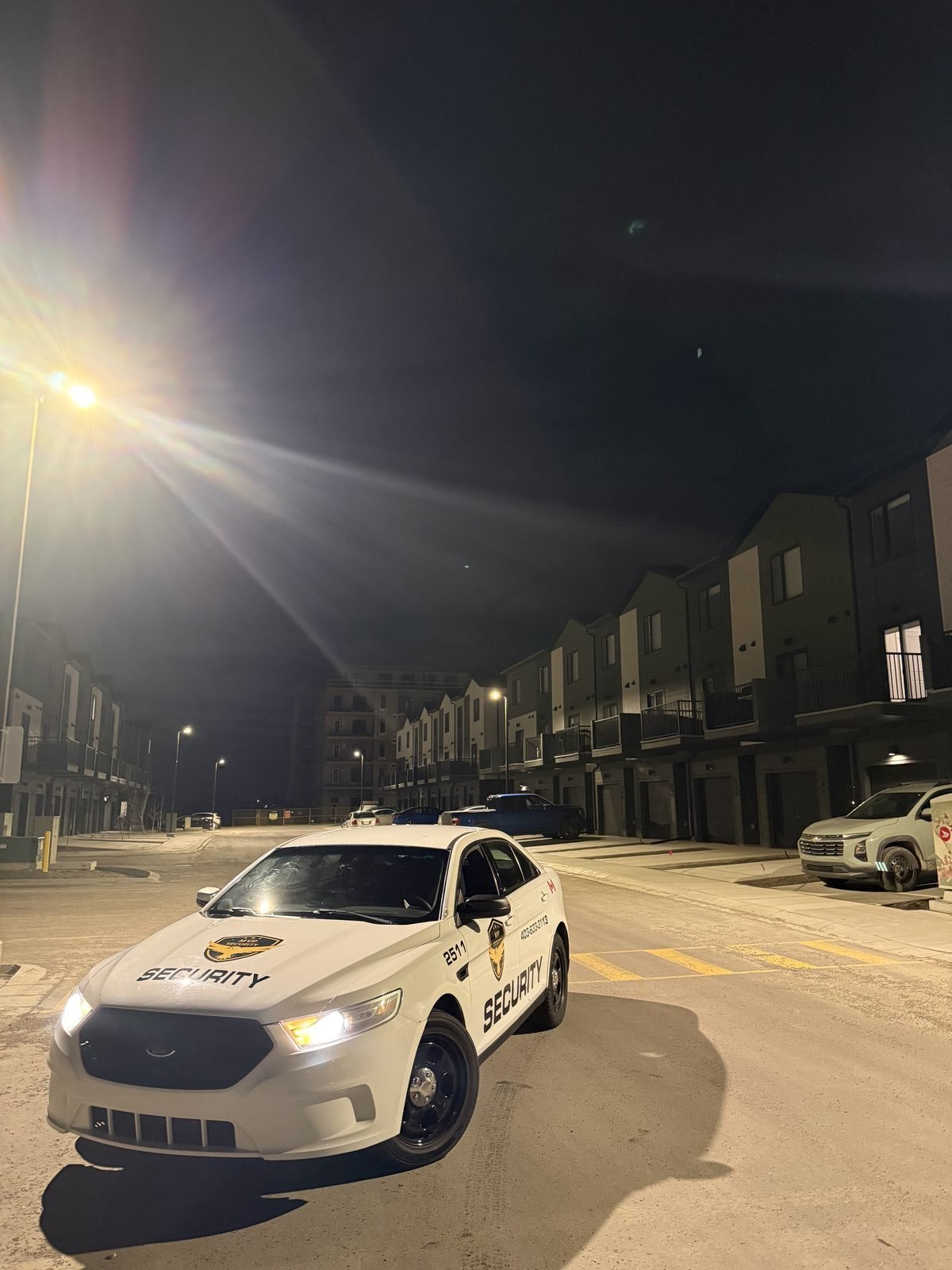
The right model depends on the threat and the site. A remote construction project with recent fuel theft may justify overnight static coverage for a period of time. A small commercial property with occasional alarm activations may be better served by mobile patrol and alarm response. A condominium facing repeated unauthorized entry may need concierge-style access control during peak hours, supported by patrols after hours.
This is why licensing should be treated as non-negotiable, while staffing design remains flexible. A provider should be able to explain why a particular combination of static guards, mobile patrol, alarm response, access control, or fire watch is being recommended.
Build licensing into a practical security plan
When reviewing a security proposal, require more than a statement that guards are licensed. Look for a plan that connects compliant staffing with your actual operating conditions. The plan should address the following four areas:
- Current Alberta licensing and appropriate insurance for the personnel and services being supplied.
- Clear post orders tailored to your property, including access points, patrol expectations, emergency contacts, and reporting rules.
- Active supervision, dispatch availability, and a defined process for urgent escalation or guard replacement.
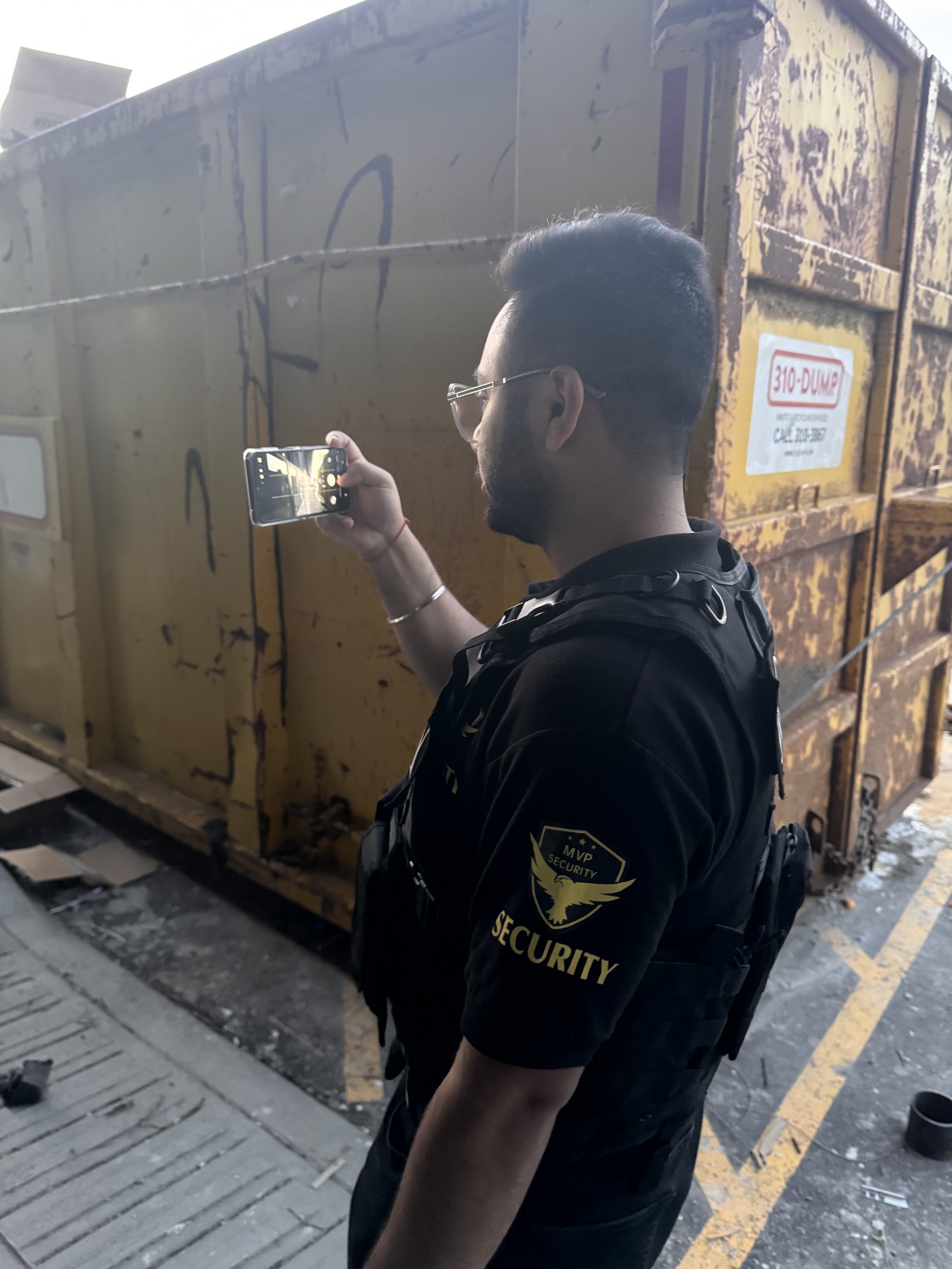
- Verifiable activity records, such as patrol tracking, incident reports, and photos where they are useful to document conditions.
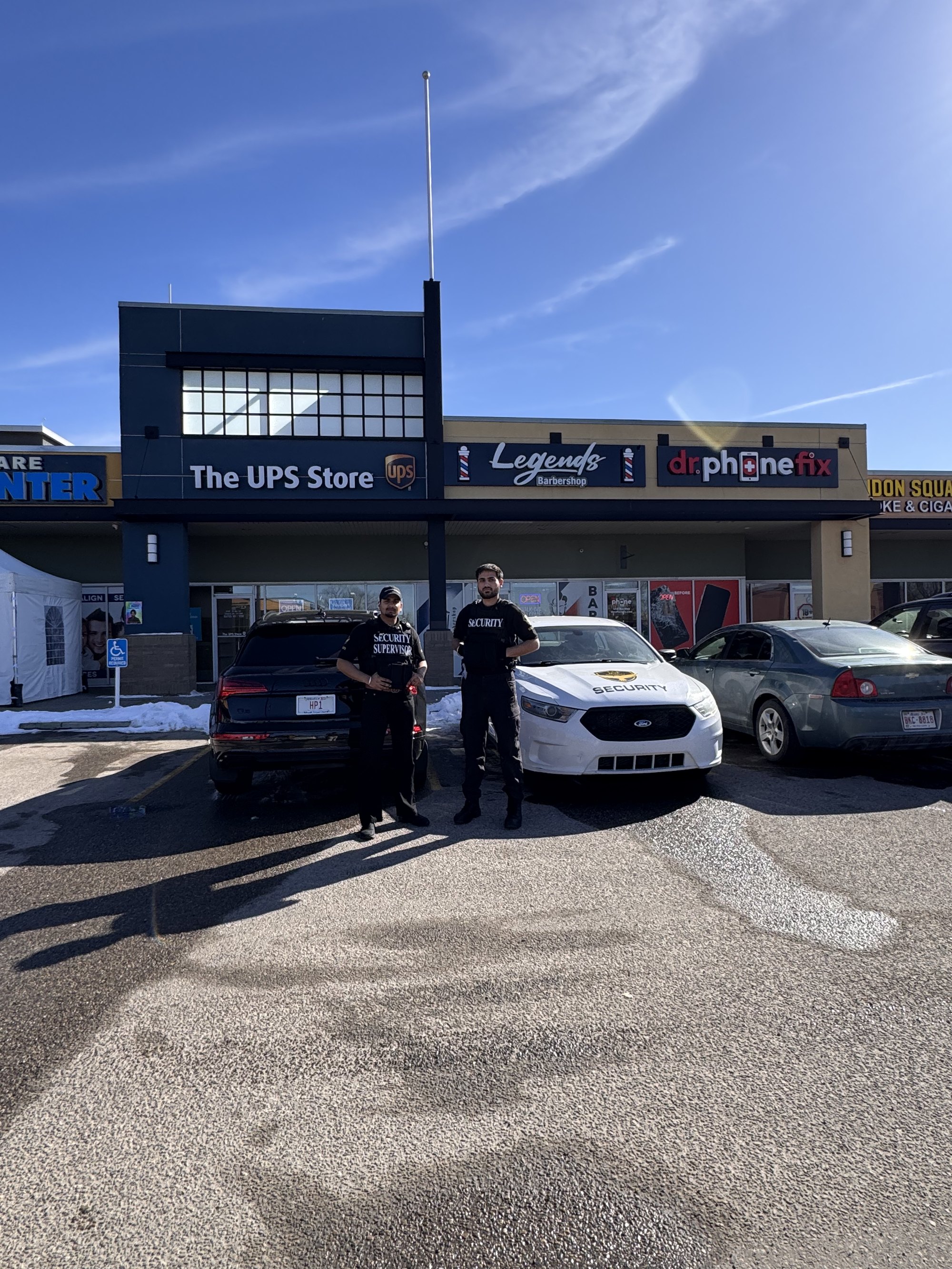
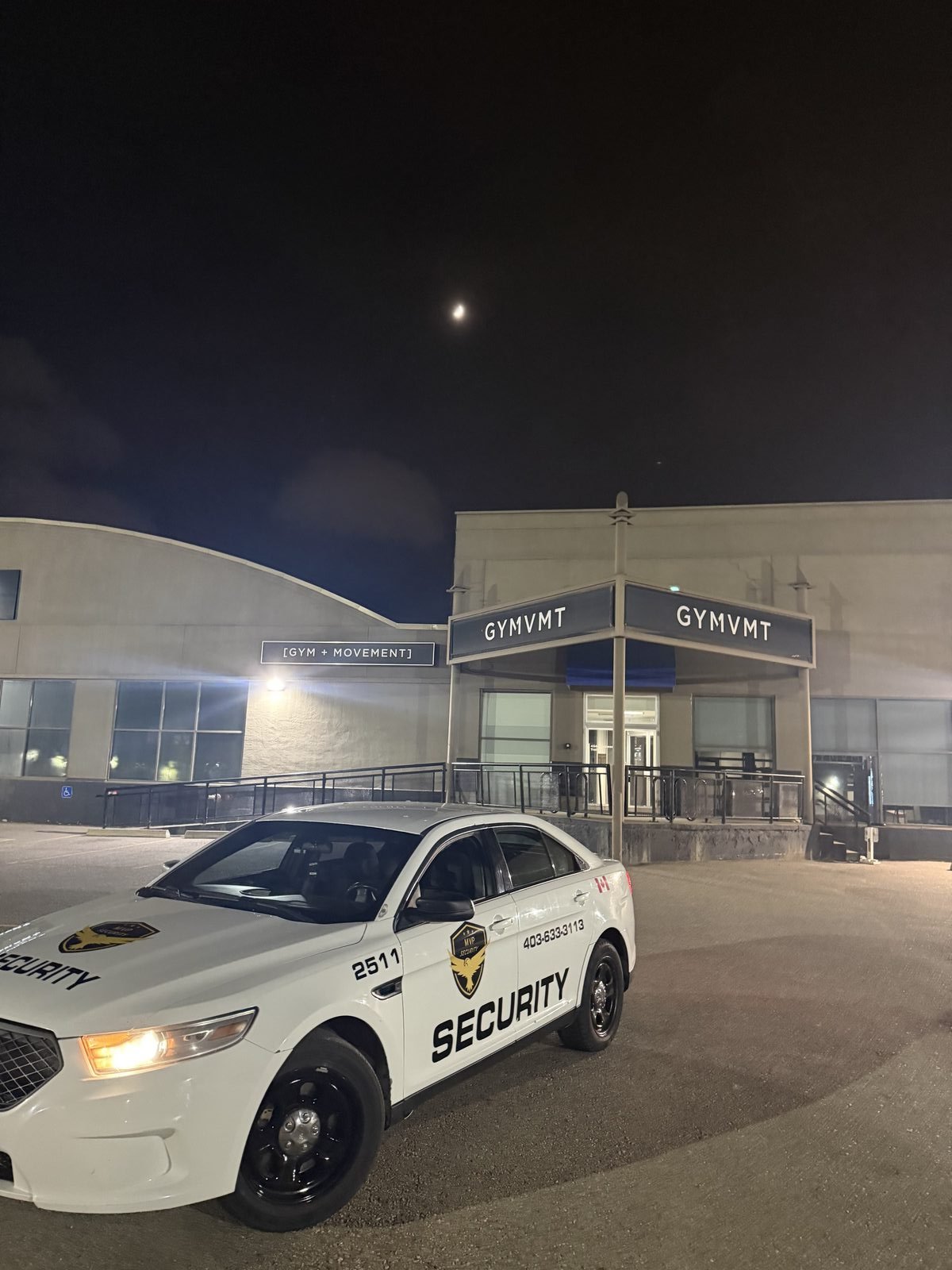
For organizations managing properties across Calgary, Airdrie, Cochrane, Chestermere, Okotoks, or High River, local dispatch and regional familiarity can make a meaningful difference during an after-hours issue. The provider needs to know the area, have available personnel, and communicate with the decision-maker who will be dealing with the incident.
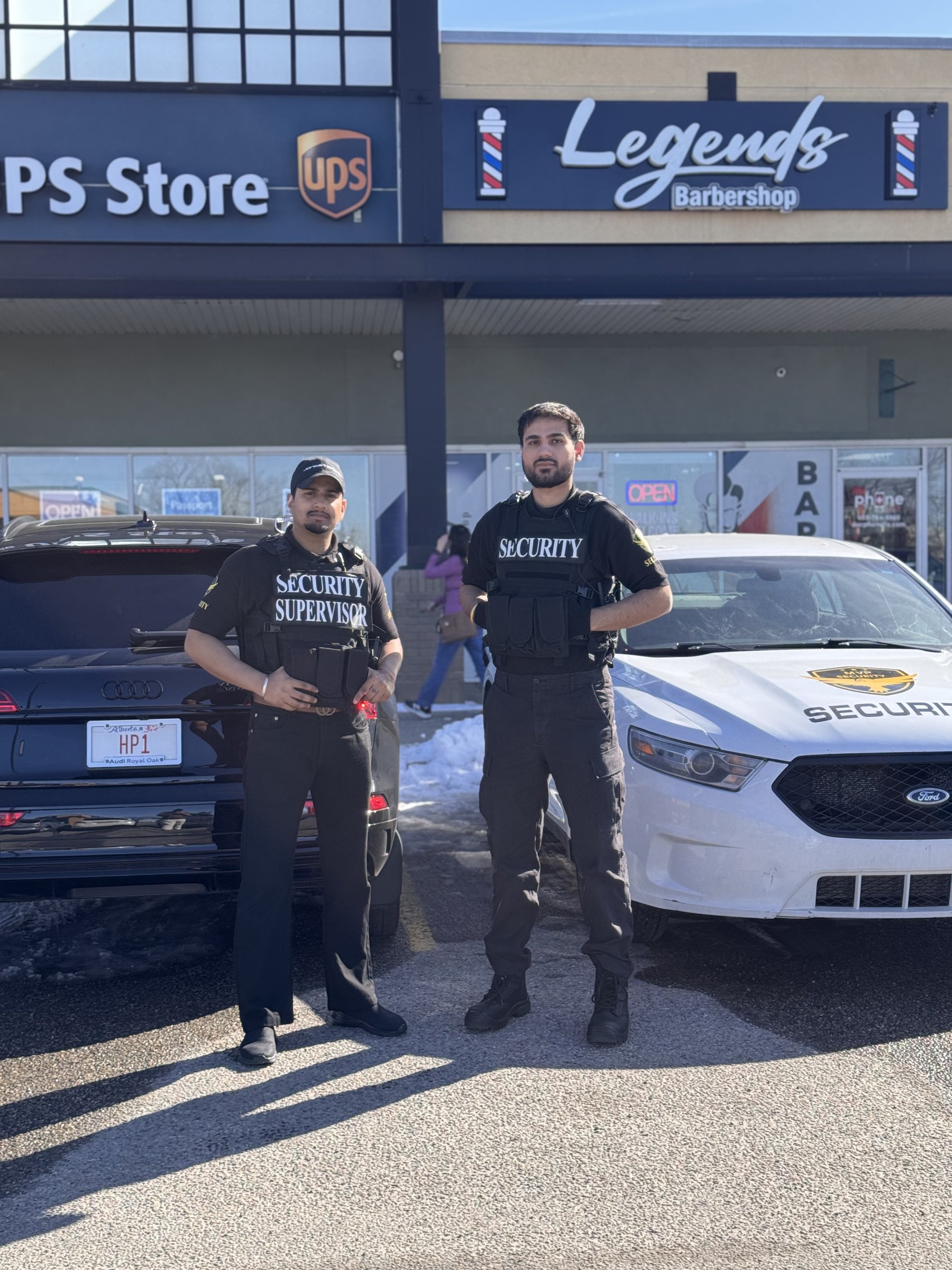
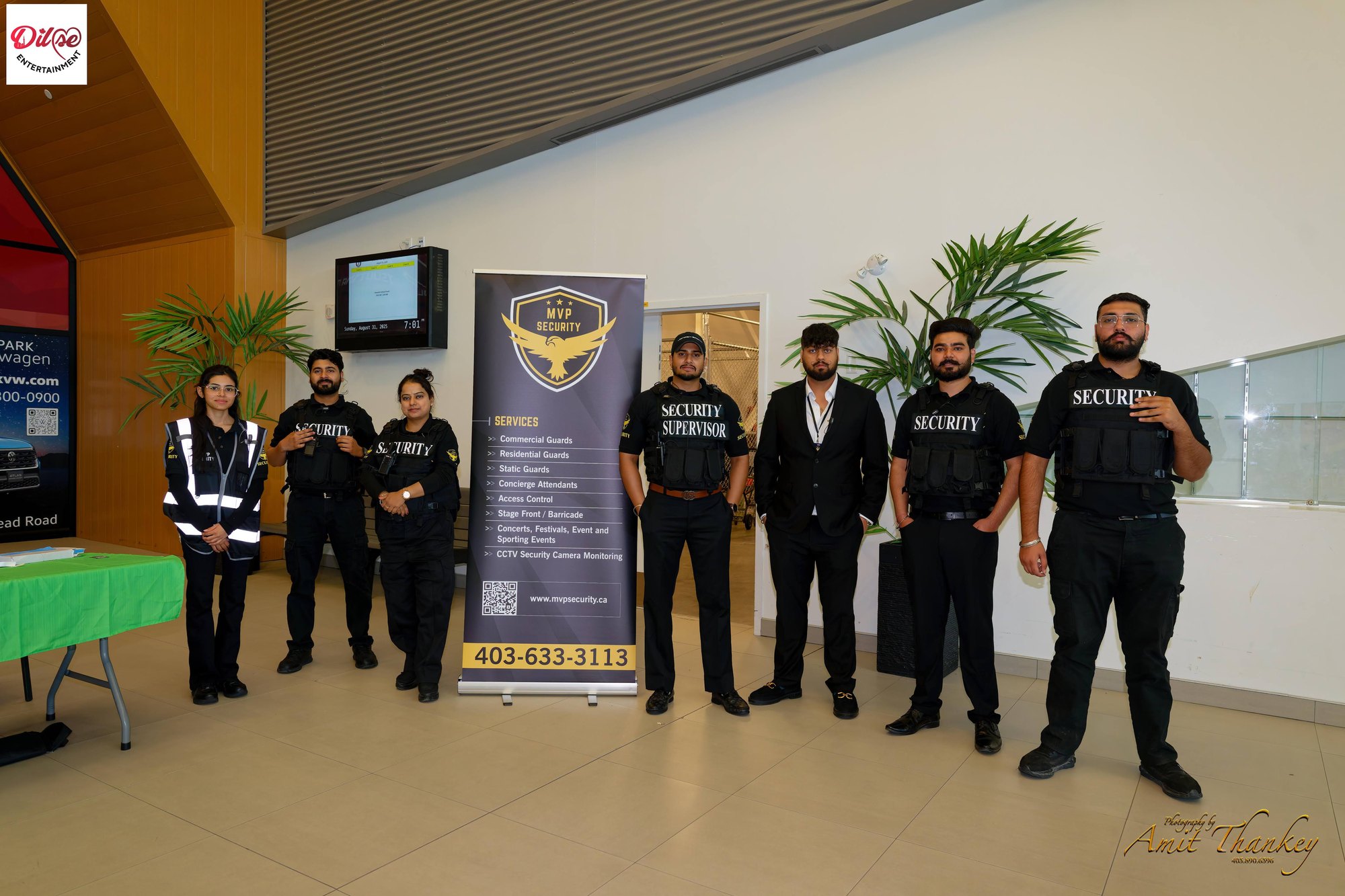
MVP Security approaches guard deployment with that practical standard: licensed Alberta personnel, site-specific instructions, documented activity, and coverage that can be adjusted when conditions change. Whether the concern is theft, unauthorized access, an alarm event, or a temporary gap in coverage, the useful question is not simply whether a guard can be sent. It is whether the right guard, backed by the right process, can protect the site when it matters.
A licence is the baseline. Put equal attention on supervision, reporting, response expectations, and the details of your site, and security coverage becomes easier to assess before a problem tests it.