




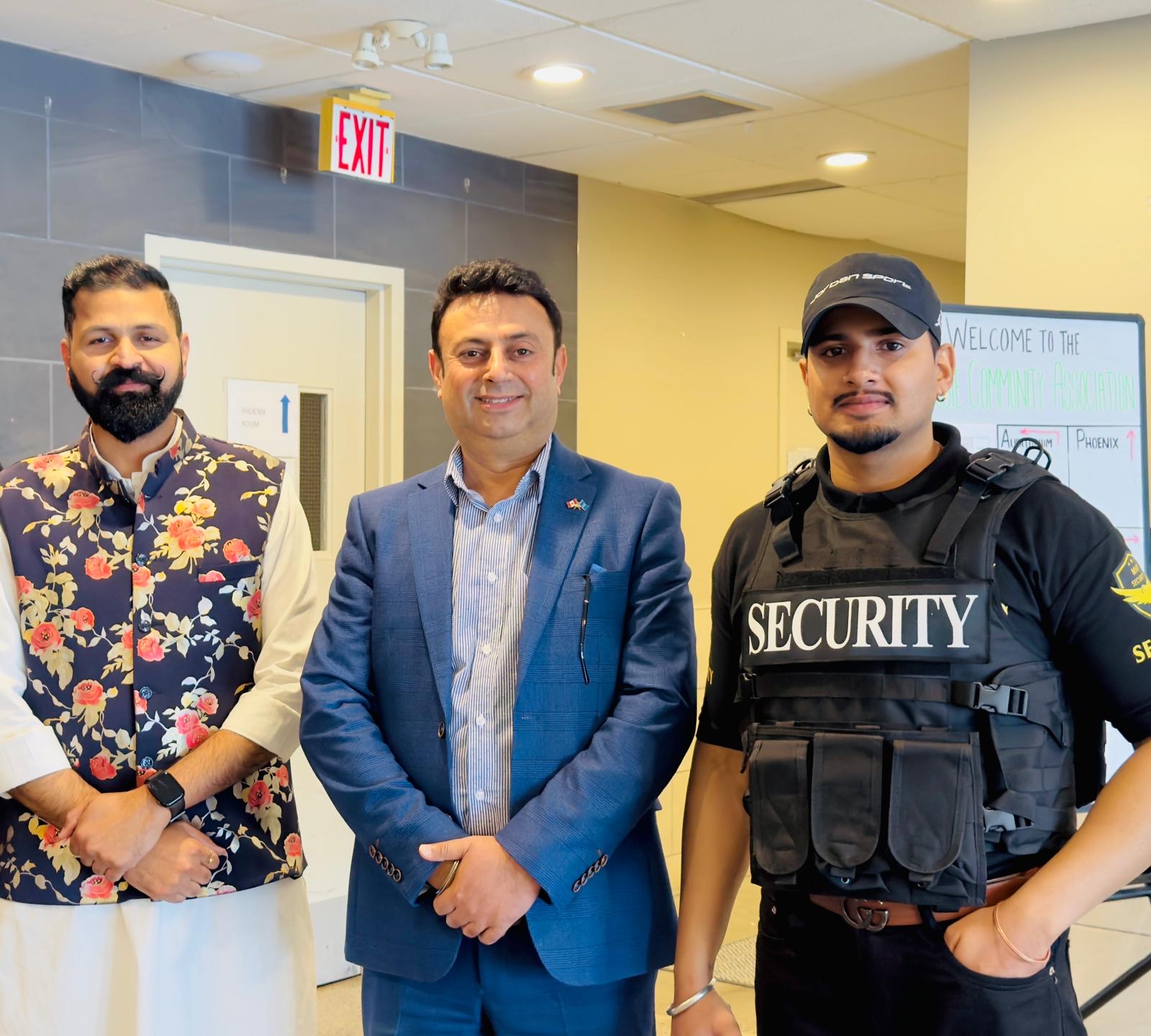
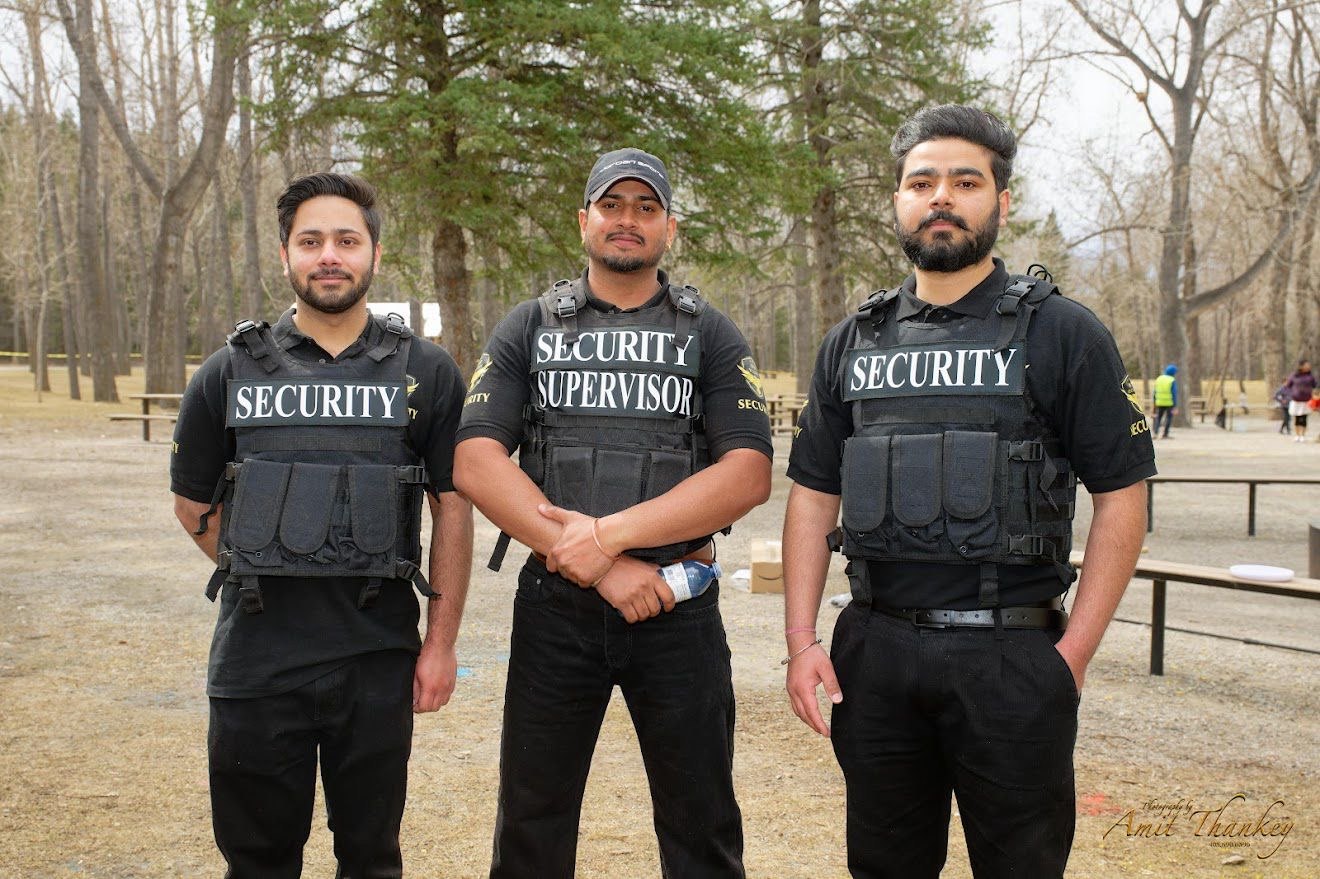
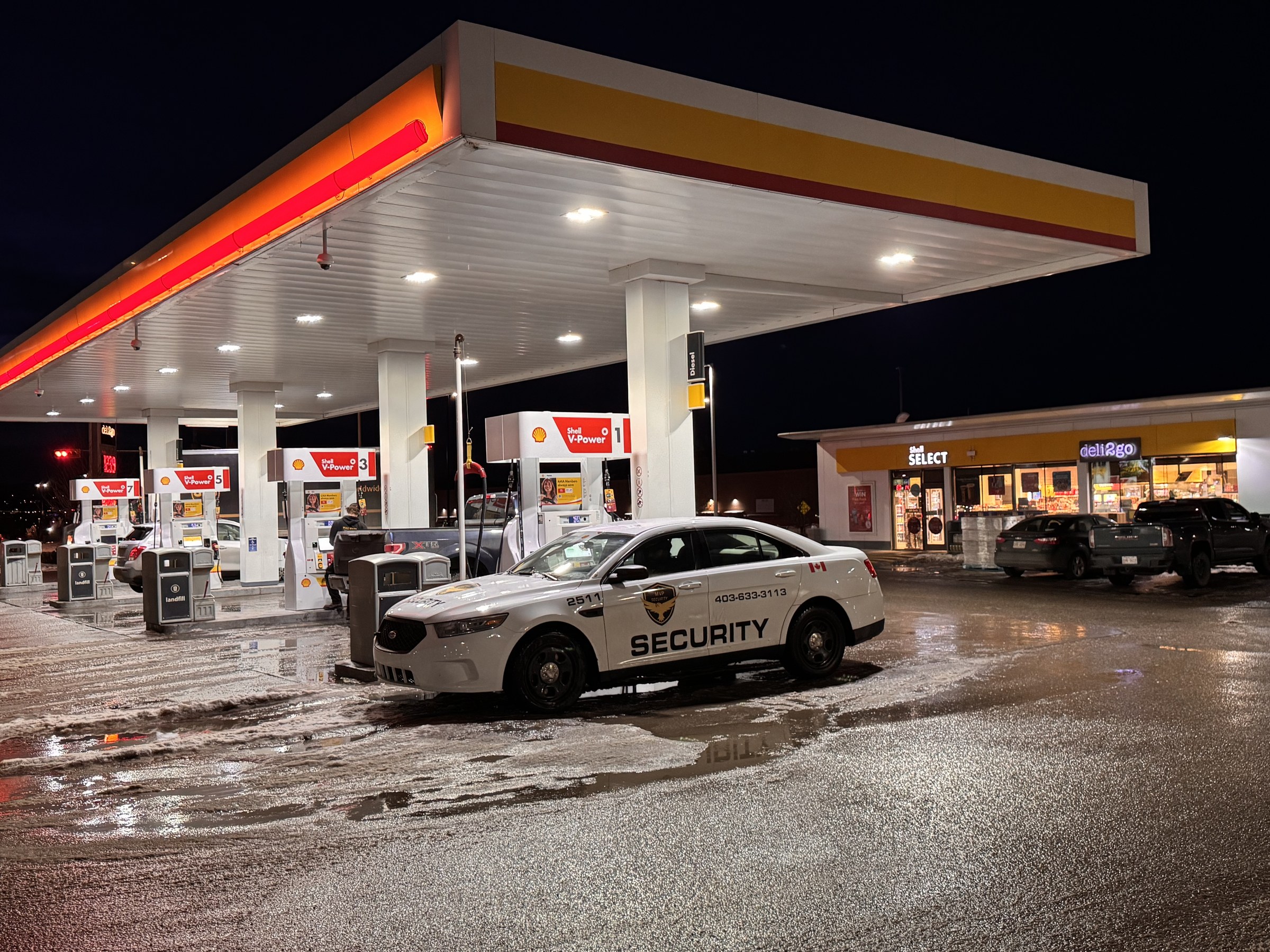
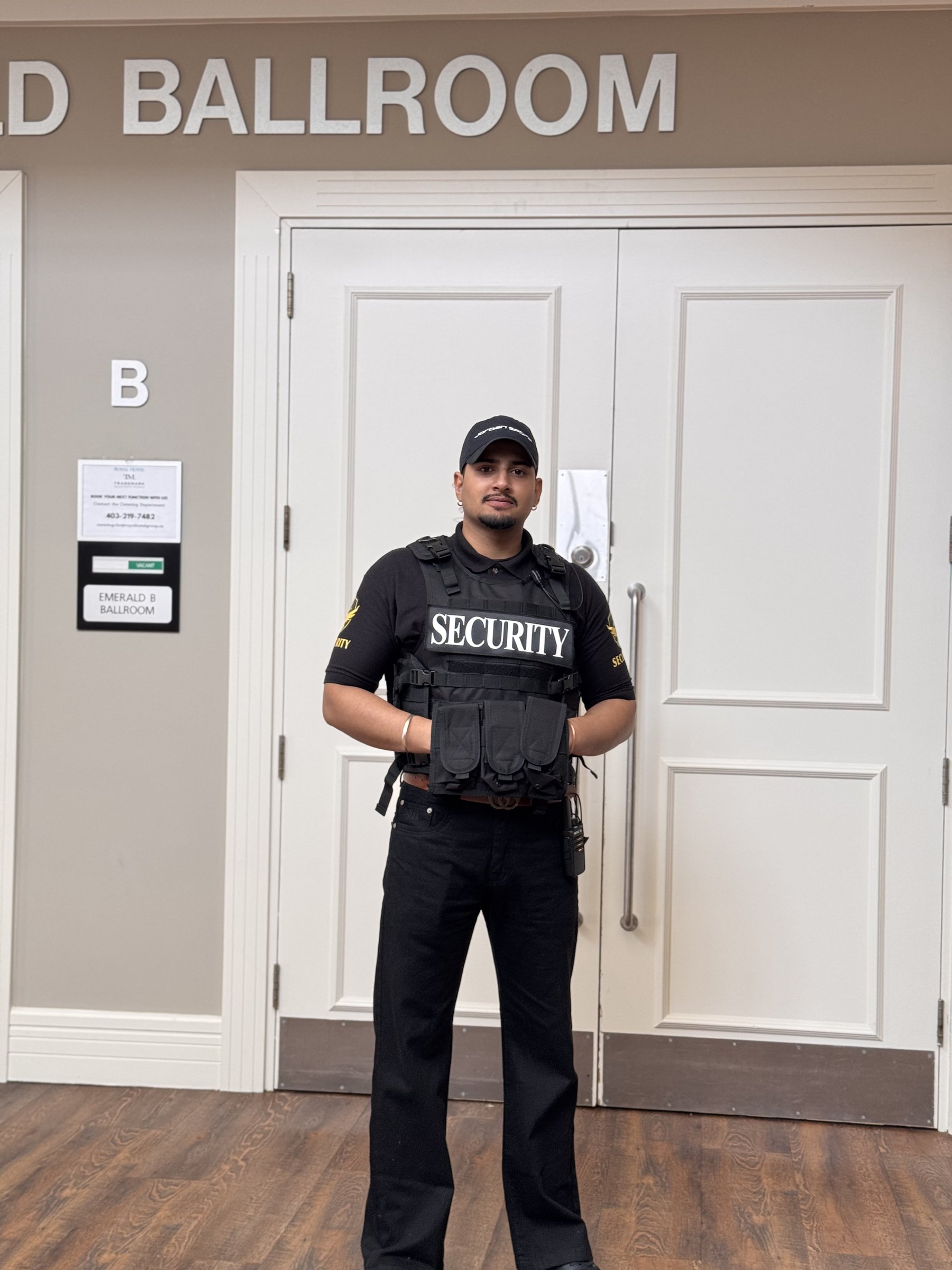
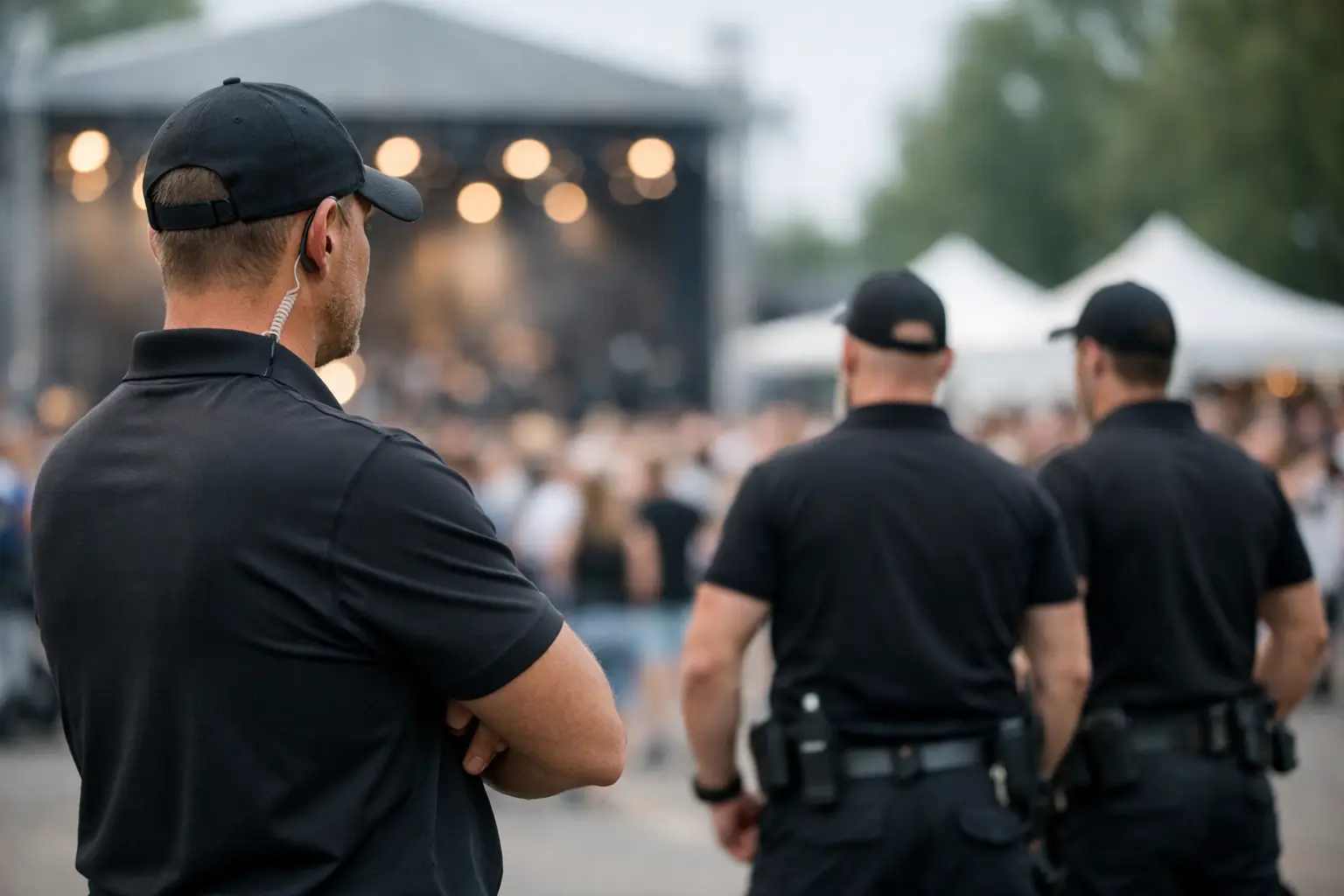
A 150-person corporate reception and a 150-person public festival do not need the same security plan. That is why the question, how many security guards for an event, cannot be answered with one flat ratio. The right number depends on crowd behaviour, access points, alcohol service, venue layout, event timing, and how quickly you need a situation contained if something goes wrong.
For event organizers in Calgary and surrounding communities, the real objective is not simply putting guards on site. It is building enough visible coverage to deter issues, manage entry, respond to incidents, and keep the event moving without overstaffing the budget. Good event security is practical, not excessive.
How many security guards for an event depends on risk
Headcount matters, but risk matters more. A low-key private function with a guest list, one entrance, and no alcohol may need only a small team. A public event with multiple access points, cash handling, vendors, alcohol, and evening hours will usually require more coverage even if attendance is similar.
The first factor is the nature of the crowd. Private invited guests generally create fewer access control problems than open public attendance. If your event is open to the public, expect more issues around screening, line management, trespassing, guest disputes, and lost property.
The second factor is venue complexity. A single ballroom is easier to secure than a venue with several entrances, outdoor zones, parking areas, backstage access, loading points, and restricted staff-only spaces. Every uncontrolled access point creates a staffing demand.
The third factor is consequence. Ask what happens if one incident occurs. If a disturbance at the front door can spill into a dense crowd, or if one unauthorized person can reach performers, liquor storage, equipment, or private areas, your staffing level should reflect that exposure.
A practical starting point for event guard staffing
Many organizers want a rough benchmark before they request a quote. As a starting point, smaller low-risk private events may use one to two licensed guards for presence and access control. Mid-sized events often require a front-entry team plus mobile coverage inside or outside the venue. Large or higher-risk events usually need a layered approach rather than a simple per-person ratio.
That said, per-capita formulas only go so far. One guard per 100 guests may sound neat on paper, but it breaks down quickly if your event has three entrances, liquor service, cash sales, and a parking lot that also needs monitoring. Two guards for 200 attendees may be enough in one setting and clearly inadequate in another.
A better way to estimate is to staff by function first, then check whether that number aligns with expected attendance and risk. In practice, organizers should think in terms of posts and patrols, not just crowd size.
The posts that usually determine guard count
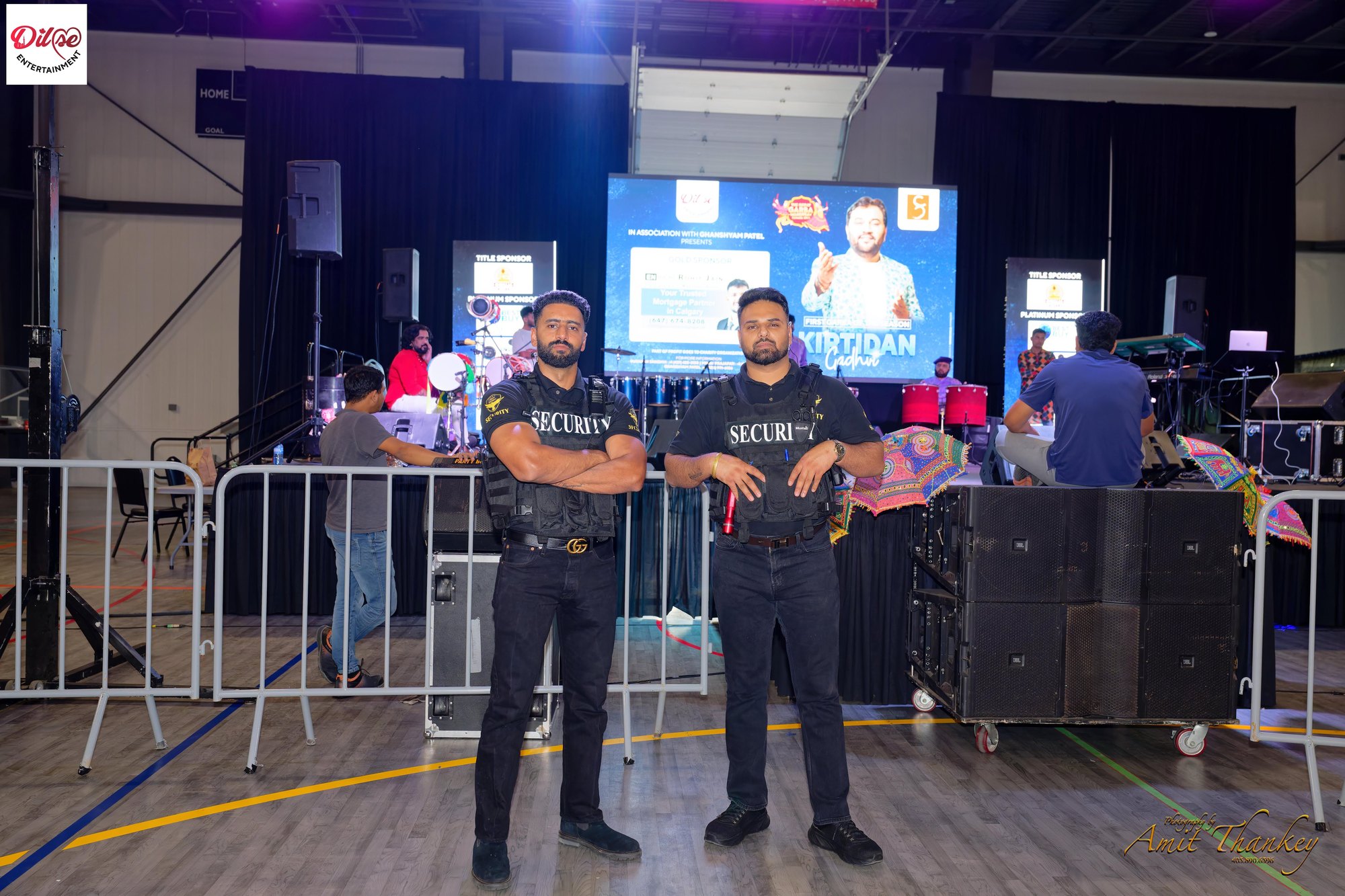
Entry control is often the first staffing driver. If you have guest check-in, bag checks, ticket verification, age verification, or a need to refuse entry, that post needs consistent attention. One busy entrance may require two guards rather than one, especially if the same team is expected to monitor behaviour and support event staff.
Interior floor coverage is the next consideration. Guards inside the venue act as a visible deterrent, respond to disturbances, assist with guest issues, and monitor crowd density. If the event includes a dance floor, bar area, or high-traffic circulation points, interior coverage becomes more important.
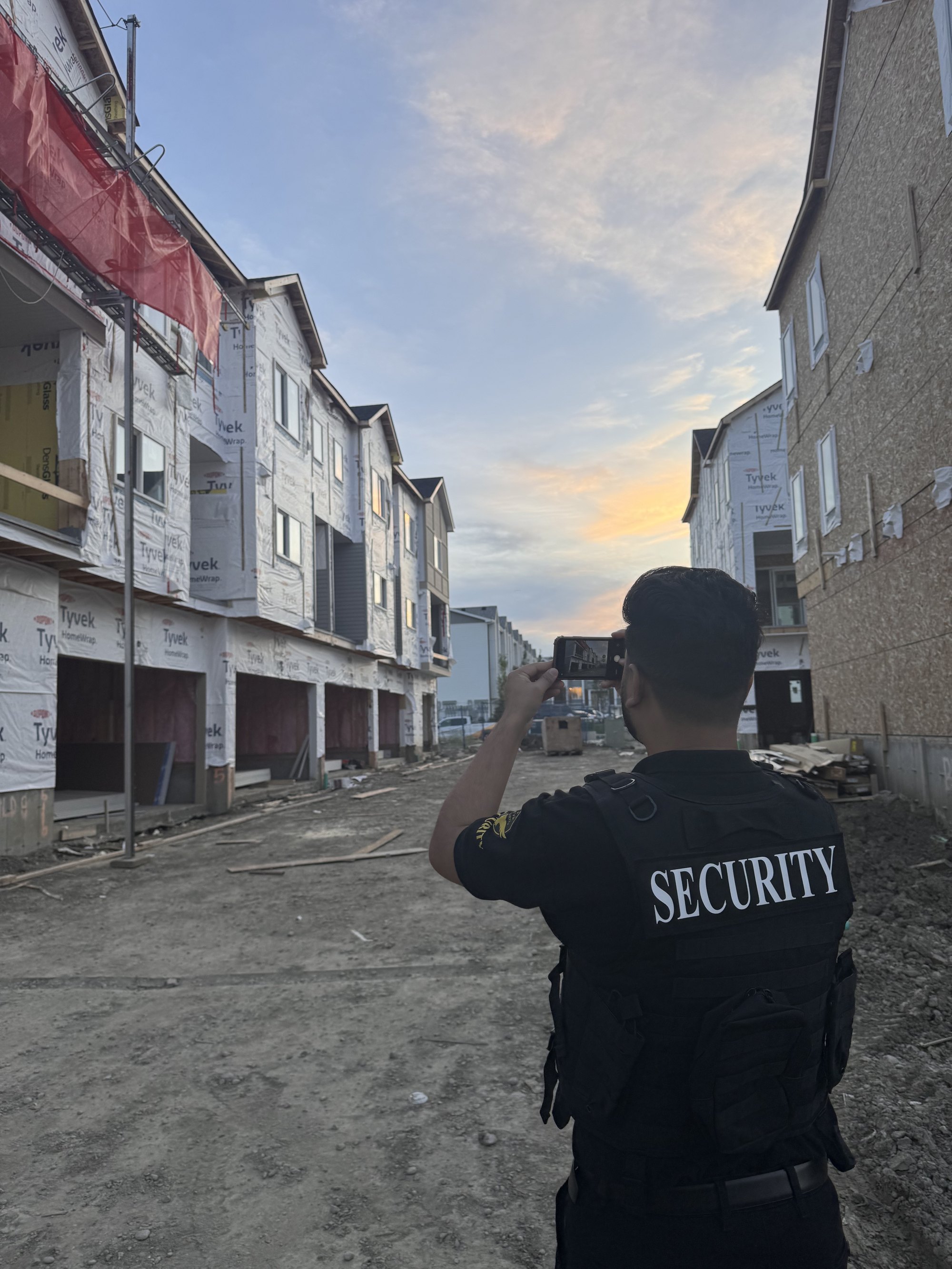
Exterior coverage is commonly overlooked. Parking lots, loading areas, temporary fencing gaps, side doors, and smoking areas create opportunities for theft, unauthorized access, and conflict away from the main room. If your event runs into late evening, exterior patrol is often worth staffing separately.
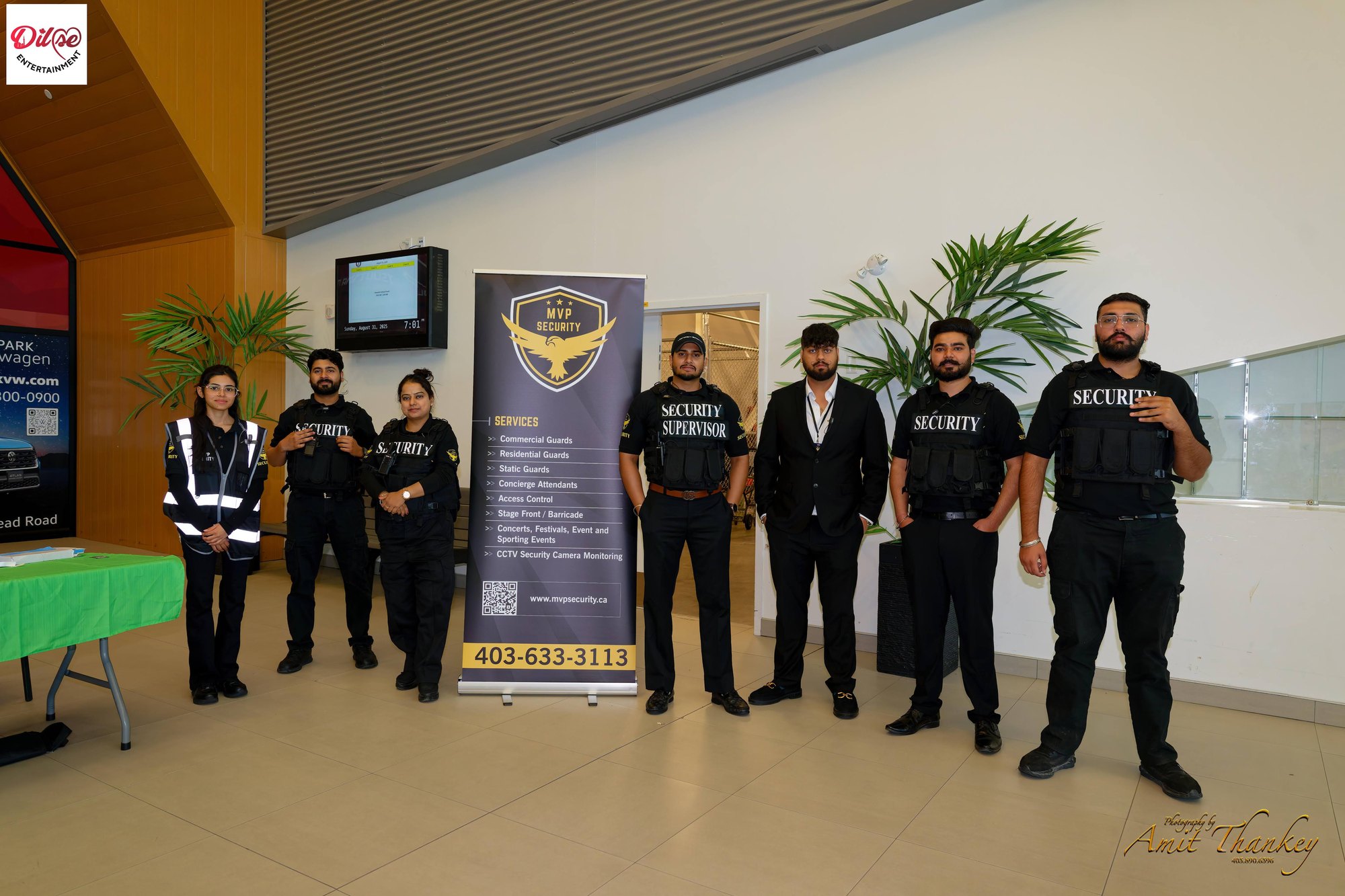
Then there is supervision. Once the event reaches a certain size or complexity, a lead guard or site supervisor helps coordinate posts, communicate with organizers, document incidents, and redeploy staff if conditions change. Without supervision, even a properly sized team can become reactive.
When you need more guards than expected
Some events look straightforward until one or two variables change. Alcohol is the most common reason staffing needs increase. Once liquor is being served, the likelihood of refusal issues, guest disputes, overconsumption, and late-night escalation rises. That does not mean every event with a bar is high risk, but it does mean the guard count should not be based on attendance alone.
Cash handling is another trigger. If admissions, beverage sales, merchandise, or vendor payments are happening on site, security may be needed near payment points and during cash movement at close. The same applies to events with expensive equipment, temporary staging, or sponsor assets left unsecured during setup and teardown.
Public visibility also changes the equation. A community event in a park, plaza, or open lot can attract unplanned attendees. Even if your registered count is modest, actual foot traffic may be much higher. Security planning should consider who can show up, not just who was invited.
Finally, timing matters. Evening events, overnight festivals, and early-morning setup periods create different security demands than daytime functions. Fatigue, lower visibility, and reduced support from surrounding businesses or venue staff can all increase the need for a stronger guard presence.
How venue layout affects how many security guards for an event
A compact indoor venue with one controlled entrance is efficient to secure. A spread-out site is not. If guests, staff, vendors, and performers all enter through different points, each route needs a plan. In many cases, the total guard count is driven less by attendance and more by how many places must be watched at once.
Outdoor events often require more coverage than organizers expect. Fencing helps, but open boundaries, parking flow, public sidewalks, and weather-related changes can make fixed posts harder to manage. If a gate needs to stay staffed, someone else must still be free to respond to incidents, conduct patrols, or assist with ejections.
Multi-zone events also create blind spots. If your event includes a main area, VIP section, back-of-house zone, green room, and loading access, one floating guard cannot realistically manage all of it. Security works best when each critical zone has clear ownership.
Right-sizing the plan without overspending
Most clients are not looking for the largest possible team. They want enough coverage to protect guests, reduce liability, and keep the event organized without paying for idle personnel. That balance comes from identifying essential posts first and adding support where the risk justifies it.
In some cases, a smaller team with a smarter deployment plan is more effective than adding extra guards without defined responsibilities. Two guards at the front and none in the parking area may leave a clear gap. By contrast, a structured plan with entry control, interior presence, and exterior patrol often gives better coverage with fewer people.
It also helps to think beyond the event itself. Setup and teardown periods can be vulnerable, especially when contractors, vendors, or temporary staff are moving through the site. If valuable equipment is present before doors open or after guests leave, security coverage may need to start earlier or stay later than the event schedule suggests.
For organizers who need a tailored answer, a local provider can assess attendance, venue layout, timing, and operational risks to recommend a realistic staffing level. That is usually the fastest way to avoid either understaffing or paying for coverage you do not need.
Questions to settle before booking event security
Before confirming your guard count, be clear on whether the event is public or private, how many entrances will be used, whether alcohol is served, what hours require coverage, and which areas are restricted. You should also identify who is responsible for guest screening, vendor access, emergency coordination, and incident escalation.
If the provider is experienced, they will ask about crowd profile, prior issues at similar events, parking arrangements, and whether a visible deterrent or a more discreet presence is the goal. These details shape staffing far more accurately than attendance alone.
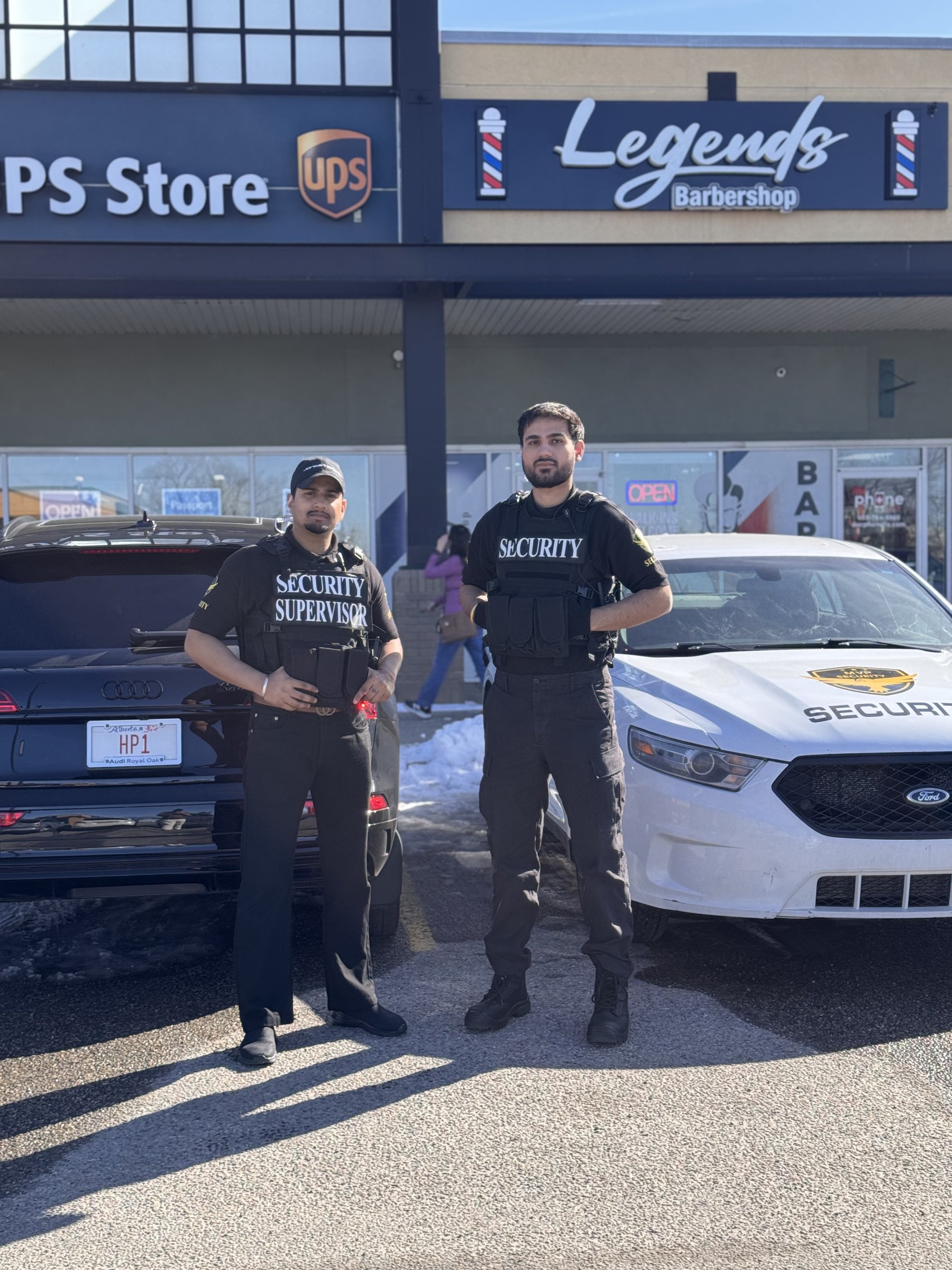
For Calgary-area events, local familiarity matters as well. A team that knows the venue environment, municipal expectations, and regional response realities can plan more efficiently. That is one reason many organizers work with a local company such as MVP Security Inc. when timelines are tight and the staffing decision needs to be made quickly.
There is no universal number that fits every event, and that is actually the good news. It means your security plan can be built around the real conditions on site rather than a generic formula. If you match guard count to access points, risk, crowd type, and event flow, you are far more likely to get coverage that is both effective and cost-conscious.