









A security gap usually becomes obvious after something goes wrong - copper disappears from a build site, a tenant reports repeated trespassing, or an event team realizes too late that access control is not enough. If you are figuring out how to hire security guards, the real job is not just filling a shift. It is choosing coverage that fits your site, your risks, and your response expectations.
That matters because not every property needs the same guard presence, and not every security provider delivers the same level of oversight. A condo tower dealing with after-hours access issues needs a different approach than a retail site facing shoplifting, or a construction project trying to stop theft and vandalism overnight. The best hiring decisions start with the operational reality on the ground.
How to hire security guards based on actual site risk
Before you request pricing, define what problem you are trying to solve. That sounds basic, but it is where many hiring decisions go off track. If the instruction is simply to "put a guard there," you may end up paying for coverage that is too light, too heavy, or poorly timed.
Start with the site itself. Ask when incidents happen, where weak points are, and what type of presence is needed. A visible uniformed guard at the front may deter unwanted activity in a commercial building, but it will not do much for a sprawling industrial yard with multiple access points after midnight. In that case, a mix of mobile patrol, lock checks, alarm response, and photo-documented reporting may make more sense than a static position.
You should also consider who the guard will be dealing with. Tenants, contractors, visitors, customers, and event attendees all require different communication styles. Some assignments are mainly about deterrence. Others require concierge-style professionalism, incident de-escalation, visitor management, or strong report writing.
Decide what kind of guard coverage you need
Hiring security guards is easier when the scope is clear. Most clients are choosing between ongoing site coverage, scheduled patrols, or short-term support for a specific risk period.
Static guards are often the right fit when you need a consistent on-site presence. That includes front desk coverage, controlled access, fire watch, overnight building security, or a construction gate that must stay monitored. Mobile patrol is often more cost-effective for lower-frequency risk, especially when the main need is after-hours checks, lockups, alarm response, or visible patrol activity across a larger property.
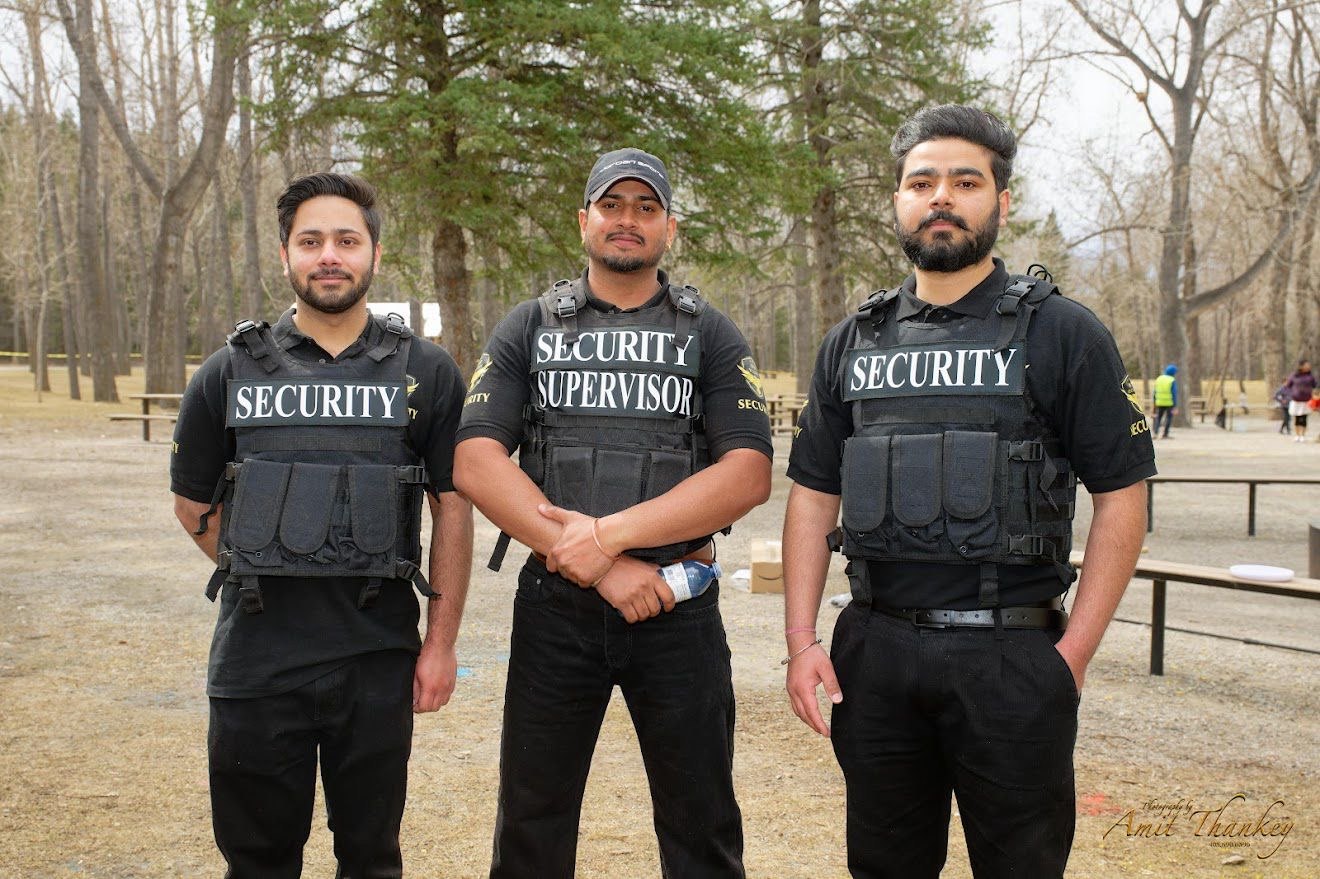
Events are their own category. If you are planning a public or private event, guard staffing should be tied to crowd flow, entrances, alcohol service, emergency access, and load-in or tear-down windows. Too few guards creates exposure. Too many, placed poorly, adds cost without solving the actual control issues.
A good provider should be able to recommend the right mix instead of pushing one model for every site.
Check licensing, insurance, and local compliance
If you want to know how to hire security guards without creating new liability, start here. In Alberta, guards must be properly licensed, and the company providing them should carry appropriate insurance and operate in line with provincial requirements. That should not be treated as a bonus. It is the baseline.
Ask direct questions. Are the guards Alberta-licensed? Is the company insured for the type of assignment you need? Are supervisors available? How are incidents documented? If a provider hesitates on any of that, keep looking.
This is especially important for higher-risk assignments such as construction security, late-night retail, emergency deployment, and sites with frequent public interaction. Compliance protects you, but it also tells you something about the operator behind the uniform. Companies that are disciplined about licensing, scheduling, reporting, and supervision are usually more reliable in the field.
Look beyond price and ask how the service is managed
Security pricing matters, but hourly rates by themselves can be misleading. A lower rate may reflect minimal supervision, weak screening, inconsistent scheduling, or poor reporting. Those issues do not always show up in the quote. They show up later, when no one answers during an alarm event or when incident details are missing after a problem on site.
A better comparison is operational value. Ask how the guards are assigned, how attendance is verified, and how supervisors monitor performance. Ask whether patrols are GPS-tracked, whether incident reports include photos when appropriate, and how quickly you are notified when something happens.
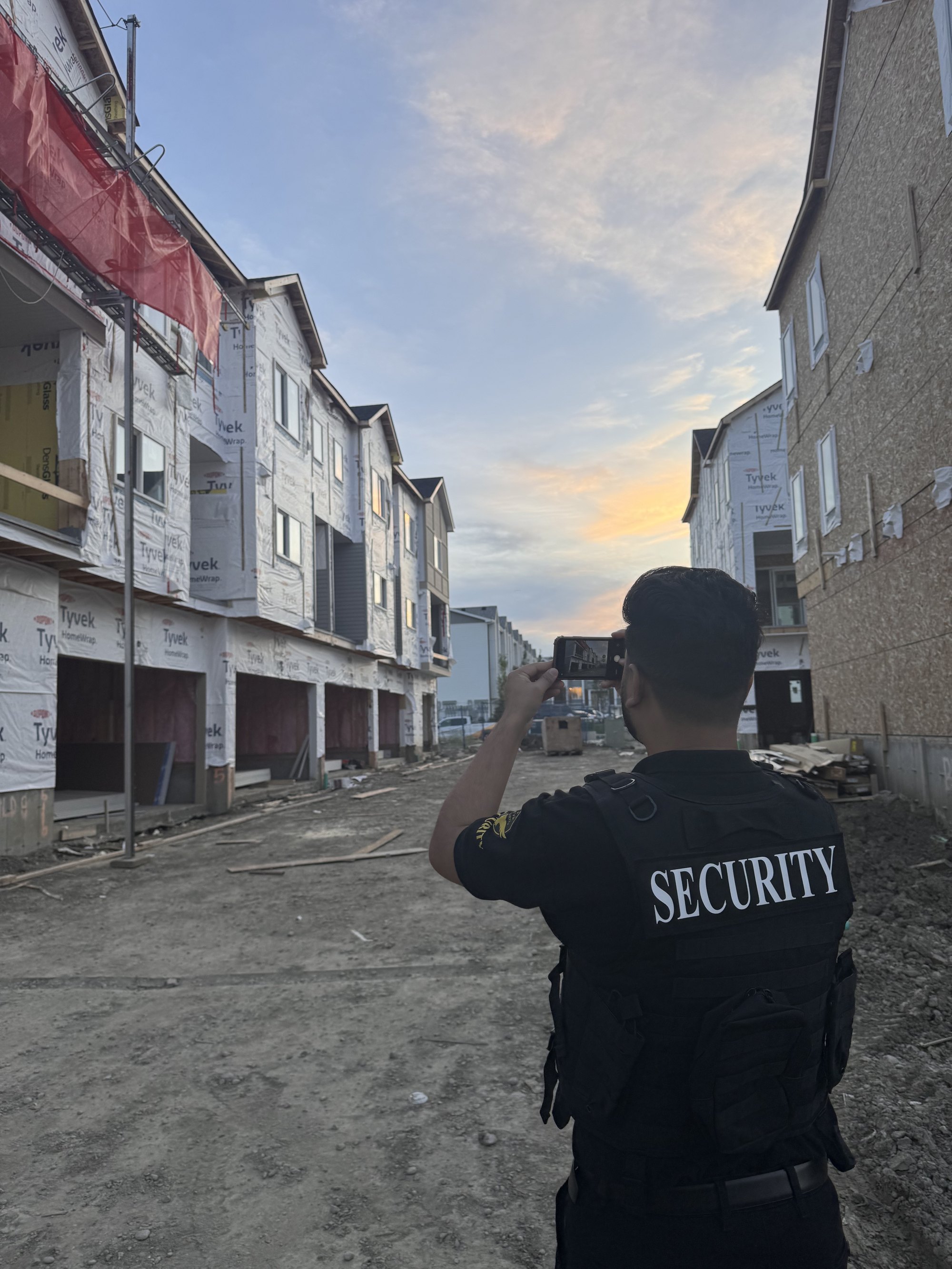
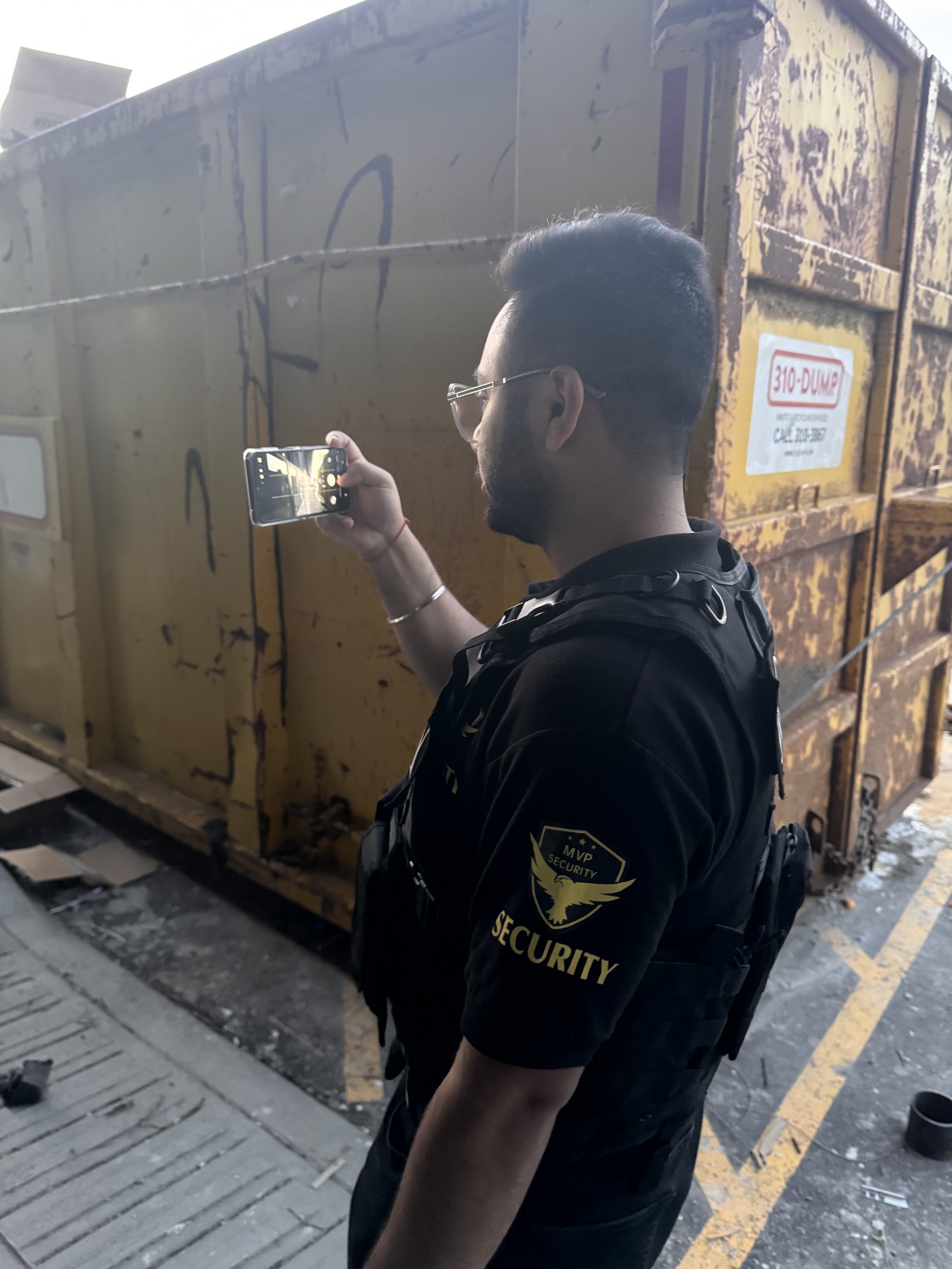
For many property managers and site supervisors, the reporting standard is just as important as the physical presence. If a trespasser is removed, a fence breach is found, or a lock is compromised, you need more than a verbal update. You need usable documentation that supports decision-making, insurance discussions, internal follow-up, and trend tracking over time.
Ask how fast they can respond when plans change
One of the biggest differences between providers is responsiveness. On paper, many companies offer similar guard services. In practice, the real test is whether they can deploy quickly, adjust coverage, and communicate clearly when conditions change.
That is particularly relevant in Calgary and surrounding communities, where weather, construction schedules, tenant issues, and event timelines can shift fast. If your assigned guard calls off, if a break-in creates an urgent overnight need, or if a project suddenly requires weekend coverage, you need a provider that can move without turning a simple request into a long approval process.
Local presence matters here. A company that knows the area, staffs it regularly, and supervises locally is generally better positioned to respond than a remote operator managing coverage from outside the region. That local familiarity also helps with routing, dispatch, and understanding common site issues across commercial, residential, industrial, and construction environments.
How to evaluate guard quality before you sign
The strongest proposals usually include more than rates and availability. They show how the assignment will actually run.
Look for site-specific planning. A serious provider should ask about access points, operating hours, known incidents, camera coverage, alarm systems, escalation contacts, and any tenant, contractor, or public-facing concerns. If the quote arrives without much discussion, there is a good chance the service will be generic too.
It also helps to ask who will supervise the account and what onboarding looks like. Are post orders written for your site? Are there clear incident escalation steps? Will the guards understand your rules around deliveries, visitor access, parking enforcement, key control, or after-hours trades? Strong security coverage depends on those details.
If you are hiring for a customer-facing environment, ask about professionalism as much as presence. A good guard should be alert, visible, and capable of handling difficult situations, but also composed and respectful. In residential buildings and commercial properties, that balance matters every day.
Choose a provider that can scale with your needs
Security needs rarely stay fixed. A construction site becomes a finished building. A retail location adds holiday coverage. A condo board starts with overnight patrols, then adds concierge support. A one-day event turns into recurring seasonal work.
That is why flexibility should factor into your decision. When you hire security guards, think beyond the immediate shift. Can the provider increase coverage during incident spikes? Can they reduce hours when risk drops? Can they combine guard service with mobile patrol, alarm response, or overnight checks instead of forcing a one-size-fits-all contract?
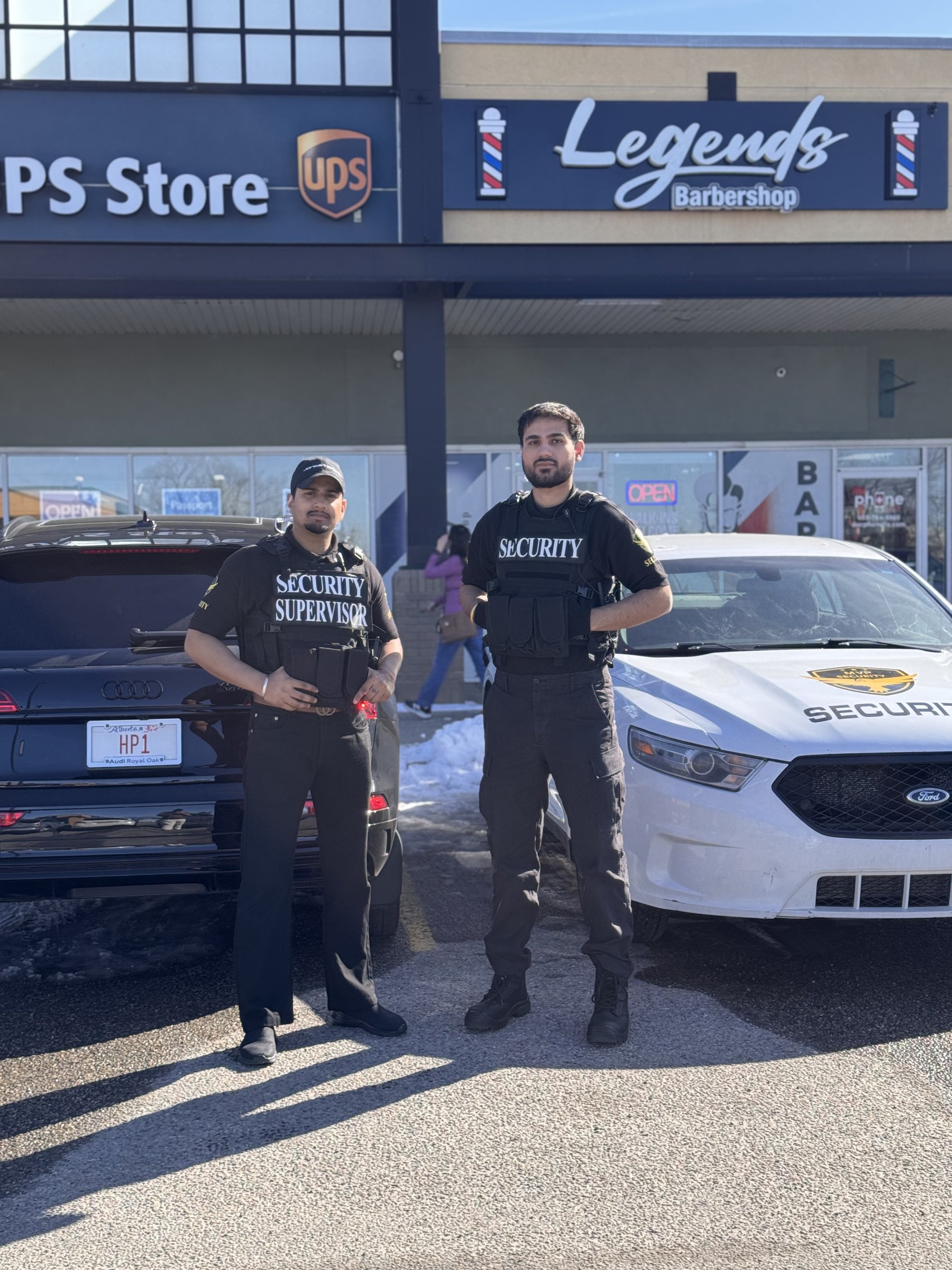
The right fit is usually a company that can scale service up or down without losing accountability. For buyers in Calgary, Airdrie, Cochrane, Chestermere, Okotoks, and High River, that often means working with a local operator that can deploy quickly and customize coverage by site type, hours, and budget. That is where a firm like MVP Security tends to stand apart from larger providers that rely on more rigid account structures.
What a good hiring process should feel like
It should feel clear. You explain the site, the risks, the schedule, and the budget range. The provider asks practical questions, recommends a coverage model, confirms licensing and insurance, explains reporting and supervision, and gives you a realistic deployment timeline. You should come away knowing who is responsible, what the guards will do, and how issues will be handled.
If the process feels vague at the proposal stage, it usually gets worse after service starts. Security works best when expectations are precise, communication is direct, and the provider is accountable from day one.
The right guard coverage is not always the most expensive option, and it is not always the one with the longest feature list. It is the one that matches the site, solves the real exposure, and gives you confidence that when something happens, the response will be professional, documented, and fast.