








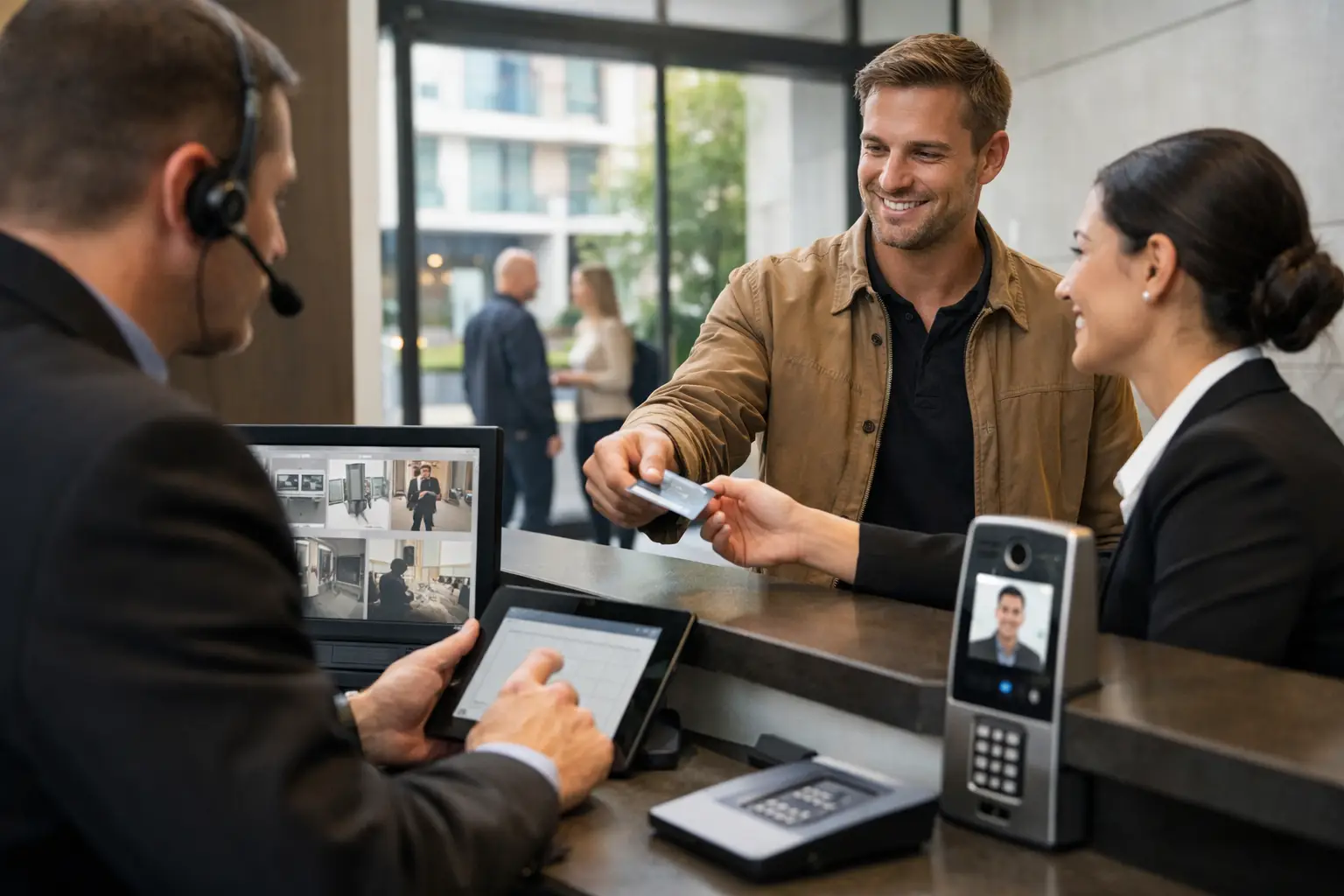
A delivery driver reaches the lobby during the evening rush. A resident buzzes them in without confirming the unit number, the side door is propped open by someone moving boxes, and the concierge is managing three other requests. That is how small access-control gaps become unauthorized entry, package theft, property damage, or a difficult incident investigation. Knowing how to improve condo visitor screening starts with treating every entrance as an operational process, not simply a front-desk task.
For condo boards and property managers in Calgary, effective screening must balance building security with reasonable resident convenience. A system that is too loose creates avoidable risk. One that is overly restrictive can frustrate residents, overwhelm staff, and lead people to bypass the process. The right approach is clear, consistent, documented, and tailored to the building's traffic patterns.
Start With a Clear Visitor Entry Standard
Visitor screening works only when staff, residents, contractors, and delivery personnel understand what is expected. Establish a written entry standard for the property that answers basic operational questions: who can authorize a visitor, what information must be confirmed, which entrances visitors may use, and what happens when authorization cannot be verified.
For a staffed condo, this usually means confirming the visitor's name, destination suite, and purpose before granting access. The concierge or access-control guard should contact the resident using the approved method, rather than relying on a visitor's claim that they have been expected. If the resident cannot be reached, the visitor should not proceed beyond the controlled area unless another authorized process applies.
The standard should also distinguish between visitor types. A guest arriving for dinner does not present the same access needs as a contractor carrying tools, a real estate showing, a caregiver, or a courier with multiple packages. Treating every person at the door identically can either create unnecessary friction or leave the building exposed.
Define Exceptions Before They Become Problems
Exceptions are where inconsistent access decisions usually begin. Put practical rules in place for residents who pre-register guests, recurring home-care workers, moving companies, cleaners, and trades attending a booked service appointment. Confirm how long an authorization remains active and who can change or cancel it.
Emergency personnel should never be delayed when responding to an active emergency. At the same time, staff should document the responding agency, time of arrival, entry point, and any available incident details once it is safe to do so. This protects the building's records without interfering with emergency response.
Match Screening to the Building's Real Risk
A 40-unit low-rise with a quiet daytime lobby needs a different plan than a high-rise with underground parking, retail access, frequent short-term rentals, and evening deliveries. Before changing procedures, review where unauthorized access is most likely to happen.
Look at visitor volume by time of day, recent incidents, resident complaints, package theft patterns, parking access, elevator controls, and doors that are routinely left unsecured. CCTV footage and concierge logs can reveal whether the real issue is the main entrance, the parkade, a loading area, or residents admitting unknown people behind them.
This review should lead to site-specific controls. For example, a building with frequent food deliveries may require drivers to remain in the lobby while residents collect orders. A property with a high volume of contractors may require pre-booked work orders, photo identification, company information, and a sign-in and sign-out record. Where the risk is concentrated overnight, mobile patrols or overnight concierge coverage may provide better value than adding daytime staff.
Improve Condo Visitor Screening at Every Entry Point
The front desk is only one part of the process. Visitor screening breaks down when other entrances provide an easier route inside. Property managers should map every access point, including front and rear doors, parkade gates, loading entrances, amenity doors, stairwells, and fob-controlled side entrances.
Each point needs a defined purpose and a clear control. A loading door may be appropriate for scheduled move-ins and contractors but should not become an informal visitor entrance. A parkade pedestrian door should close and latch properly, with damaged hardware corrected promptly. Doors that fail to close consistently create a security problem no concierge can fully solve.
Access credentials require the same discipline. Deactivate lost fobs promptly, remove credentials when tenants move out, and avoid issuing shared credentials without accountability. If a building uses visitor parking or temporary access codes, review who can create them, how long they remain active, and whether usage can be audited.
Give Staff the Tools and Authority to Act
A screening procedure is only as strong as the person expected to enforce it. Concierges, guards, and building staff need training that covers the entry protocol, de-escalation, privacy expectations, suspicious-behaviour indicators, emergency escalation, and incident reporting.
They also need clear authority. If a visitor cannot be verified, staff should know they are supported in refusing access politely and professionally. Mixed messages from management create hesitation at the desk, and hesitation is often what determined unauthorized visitors rely on.
A practical script can keep interactions consistent: staff can advise that building policy requires resident confirmation before access is granted, then offer to contact the suite. The tone should remain courteous, but the standard should not change because a person is impatient, well-dressed, familiar-looking, or carrying a delivery bag.
Staffing decisions matter as well. During busy periods, one person may not be able to monitor cameras, answer the phone, manage residents, process deliveries, and screen visitors properly. Review traffic at shift changes, evenings, weekends, and major move-in periods. Additional coverage during high-volume windows is often more effective than maintaining the same staffing level around the clock.
Use Technology to Support, Not Replace, Verification
Video intercoms, visitor-management platforms, digital pre-registration, CCTV, electronic fobs, and licence plate records can improve accountability. They are most useful when they support a defined process rather than replace judgment.
For example, a video intercom may help a resident identify a guest before allowing them into the lobby, but it does not prevent tailgating through a door. A visitor log can identify who entered and when, but only if staff consistently record accurate information. CCTV can support an investigation, but camera placement, image quality, retention settings, and regular checks all affect its value.
Keep the system proportionate to the property. A smaller building may need reliable door hardware, a clear resident authorization process, and periodic patrol checks more than a complex software platform. A larger tower may benefit from digital visitor records and integrated access controls because of its volume and multiple entry points.
When collecting visitor information, limit records to what is operationally necessary, store them securely, and establish a retention schedule. Condo corporations should also ensure their practices align with applicable privacy obligations and their own policies. Screening should create accountability, not an unnecessary database of personal information.
Make Documentation Useful After an Incident
The value of a visitor log is not the log itself. It is the ability to answer clear questions after an incident: who was admitted, how were they authorized, which door did they use, what did staff observe, and what action followed?
Require concise, factual reporting for refused entry, suspicious activity, door-propping, unauthorized access attempts, conflicts, and damage. Reports should record dates, times, descriptions, actions taken, and relevant camera references where available. Avoid assumptions or inflammatory language. Clear facts are more useful to property managers, police, insurers, and legal advisors than opinions.
Review incident reports regularly. If several reports identify delivery personnel entering through the same unsecured door, the answer may be a hardware repair or revised delivery protocol, not another reminder to staff. Repeated patterns should drive changes in coverage, access rules, resident communication, or patrol priorities.
Bring Residents Into the Process
Residents are part of the access-control system whether they intend to be or not. They can strengthen screening by pre-registering expected guests, meeting deliveries in the lobby, reporting malfunctioning doors, and refusing to let unknown people tailgate into the building.
Communication should be direct and specific. Rather than sending a generic reminder about security, explain the current concern and the expected action. If there have been unauthorized entries through the parkade, tell residents not to allow vehicles to follow them through the gate and provide a simple way to report suspicious activity.
Avoid placing all responsibility on residents. Building management still needs reliable procedures, working equipment, and accountable staff. But clear resident participation closes gaps that no guard or camera can cover at every moment.
Review the Program After Hours, Not Just on Paper
The most accurate test of a condo visitor-screening process happens when the building is busy or lightly staffed. Walk the site after normal office hours. Check whether doors latch, whether signage is visible, whether contractors can enter without confirmation, and whether staff have a workable way to manage multiple arrivals.
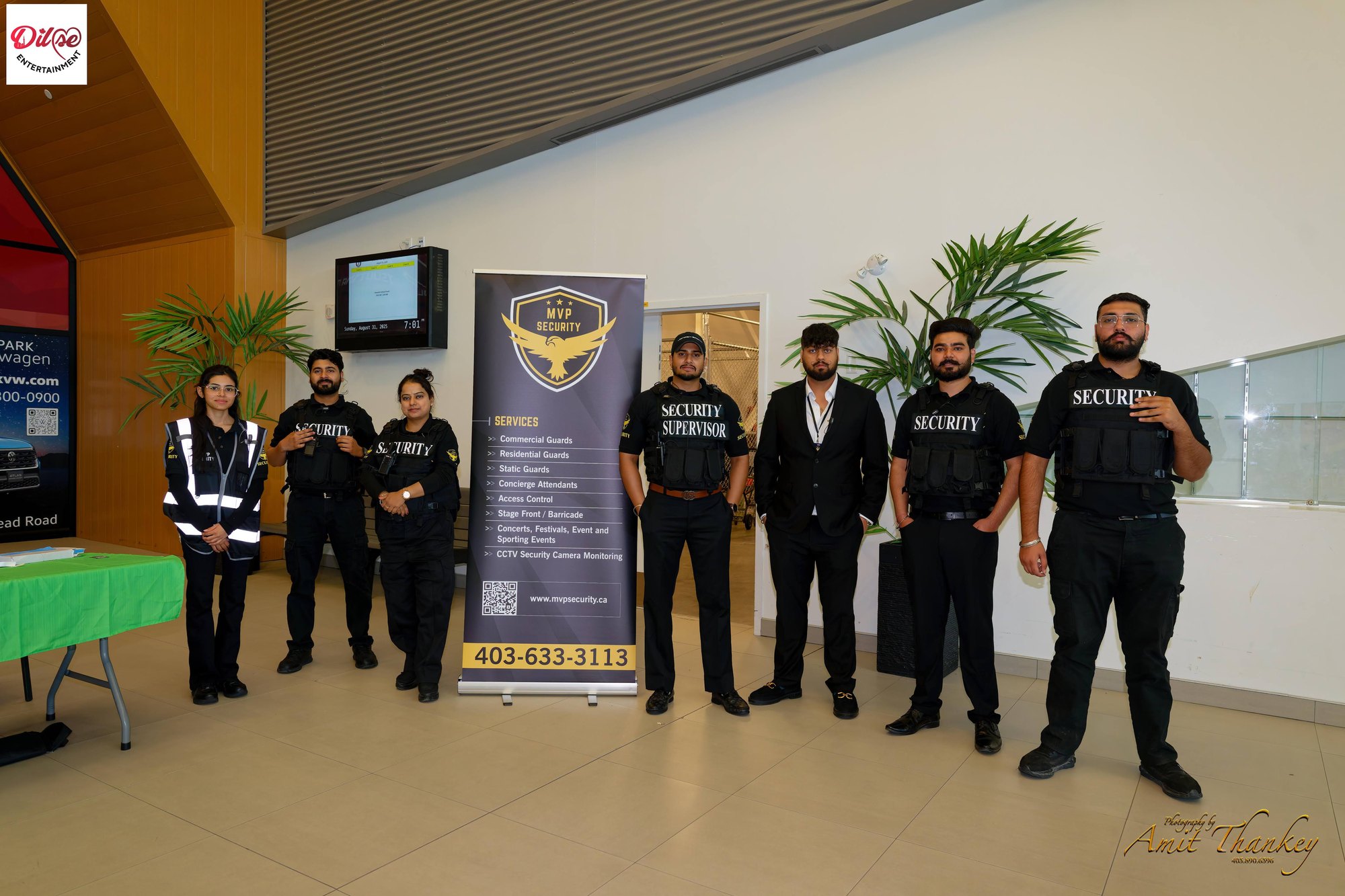
A professional security assessment can identify gaps between written policy and actual conditions. MVP Security Inc. develops site-specific concierge, access-control, mobile patrol, and reporting programs for Calgary-area residential properties, with Alberta-licensed personnel and documented activity where coverage is required.
The goal is not to make a condo feel unwelcoming. It is to make access predictable: authorized people get in through the right process, staff know what to do when something does not add up, and property managers have records that support confident follow-up.