









A missing lock, an unmonitored side entrance, or a contractor who has not been checked in can turn an ordinary shift into an avoidable incident. For property managers, builders, retail operators, and industrial supervisors, knowing how to improve site safety means treating security as part of daily operations, not as something arranged after a theft, confrontation, or alarm event.
The right approach is not identical for every site. A downtown commercial building has different exposure than an active construction project in Calgary, a condominium lobby, or a weekend event. The practical goal is the same: make unauthorized access harder, give legitimate occupants clear expectations, and ensure someone can respond and document what happened when conditions change.
Start With the Risks That Actually Affect Your Site
Generic security plans tend to create generic results. Before adding guards, cameras, or patrols, identify the periods, locations, and activities where your site is most exposed. Review recent incidents, near misses, alarm calls, tenant complaints, and damage reports. If records are incomplete, speak with the people who open, close, receive deliveries, supervise crews, or work alone.
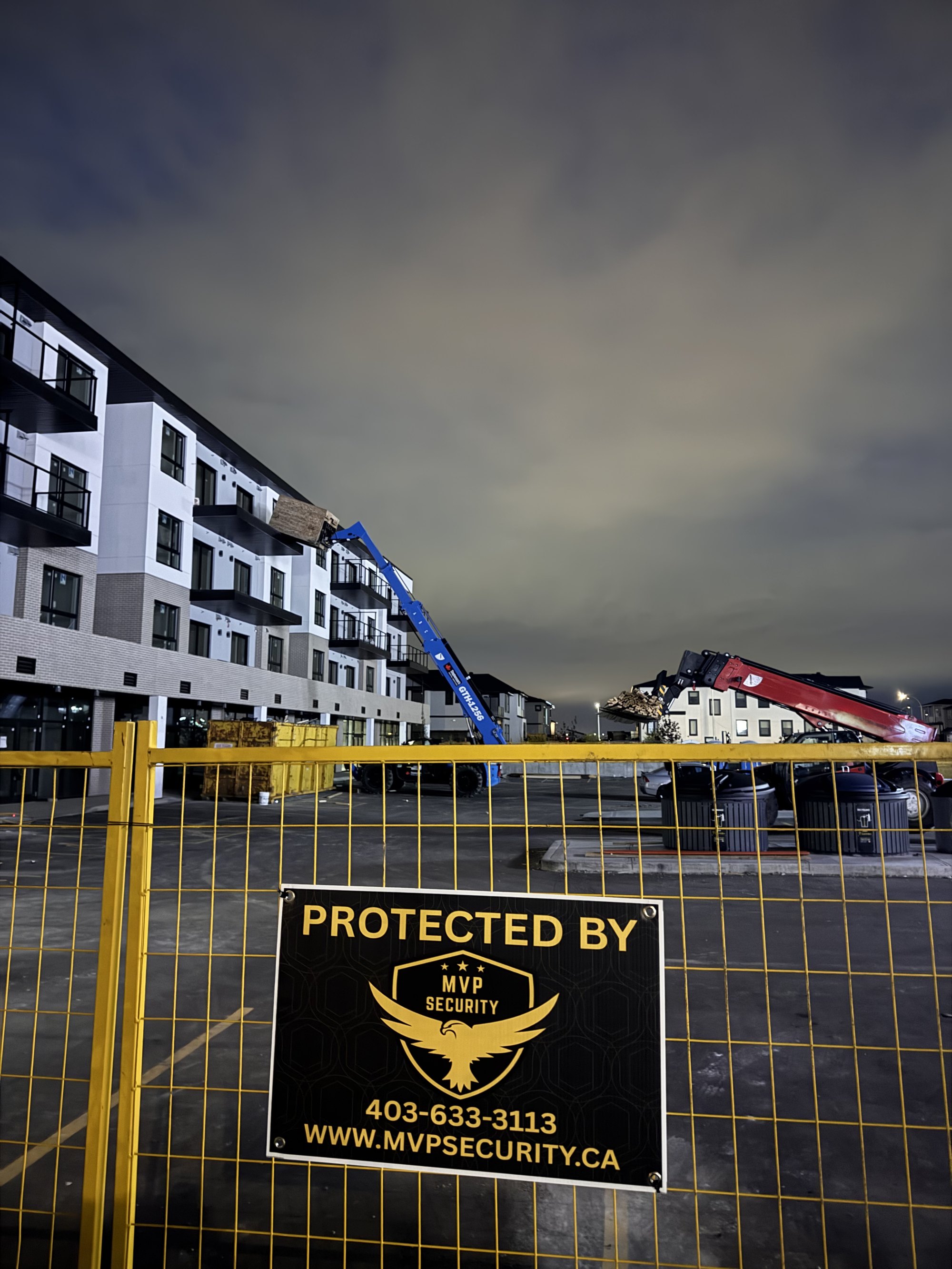
Look beyond the obvious perimeter. A well-lit front entrance does not help if a loading door is routinely propped open after hours. A fenced construction site still has exposure when valuable tools are left near an accessible gate or when temporary access points change as the project progresses.
For most properties, risk assessment should answer three operational questions: who should be on site, where should they be allowed to go, and what should happen when someone or something falls outside those expectations? Those answers shape the coverage you need and prevent spending money on measures that do not address the real problem.
Control Access Without Creating Delays
Access control is one of the most effective ways to improve site safety because it reduces uncertainty. When staff, contractors, visitors, and delivery drivers use different entry points with different rules, it becomes difficult to recognize unauthorized activity quickly.
Set clear access points and keep them consistent. Staff should know which doors are for routine entry, which are emergency exits only, and which entrances require sign-in or escorting. For residential and commercial properties, this may include visitor procedures, key control, fob deactivation, and after-hours delivery instructions. On construction and industrial sites, it may include gate logs, contractor verification, vehicle checks, and controlled access to equipment or hazardous areas.
The trade-off is convenience. Tightening access can slow a busy morning or frustrate a tenant who expects unrestricted entry. The answer is not to remove the controls. It is to design them around the site schedule, use clearly posted instructions, and provide a reliable contact for exceptions. A procedure people can follow is more effective than a strict policy that is routinely ignored.
Keep the Physical Environment Working for You
Physical security is often decided by small details. Damaged fencing, burnt-out lights, obscured sightlines, unmarked exits, and poor housekeeping create opportunities for theft and increase the chance that staff miss a developing issue.
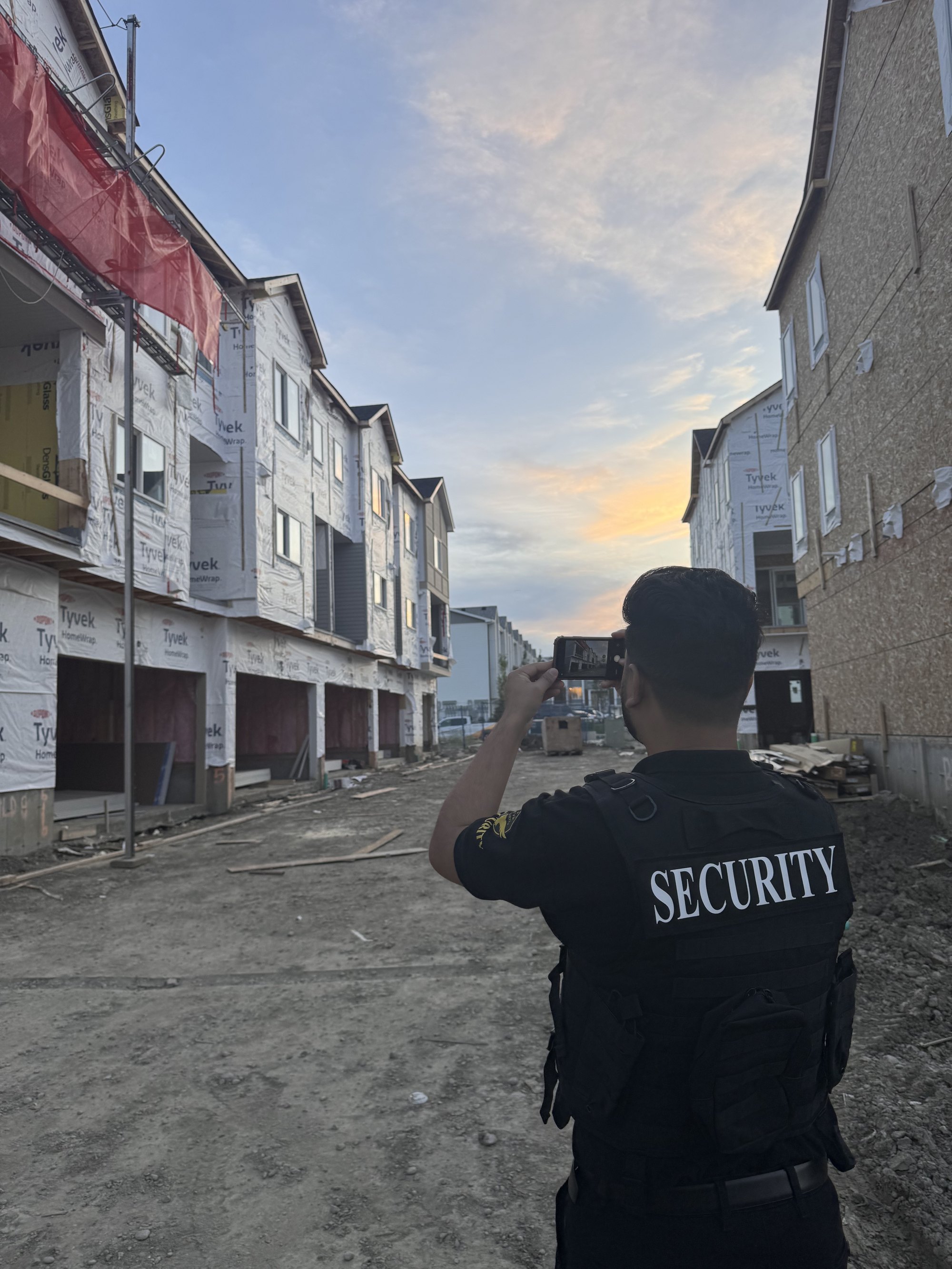
Walk the property at the same times it operates, including after dark where possible. Check gates, locks, exterior lighting, door closers, stairwells, parking areas, waste enclosures, storage areas, and blind corners. On job sites, include temporary fencing, site trailers, fuel storage, equipment compounds, and material laydown areas. Conditions change quickly as a build advances, so a review completed at project start should not be treated as permanent.
CCTV can provide useful oversight, but it is not a replacement for active response. Cameras must have a clear view, reliable recording, and a defined process for reviewing alarms or footage. If no one is assigned to act when suspicious activity appears, the system may document a loss without preventing it.
Use Visible, Trained Security Where It Has the Most Value
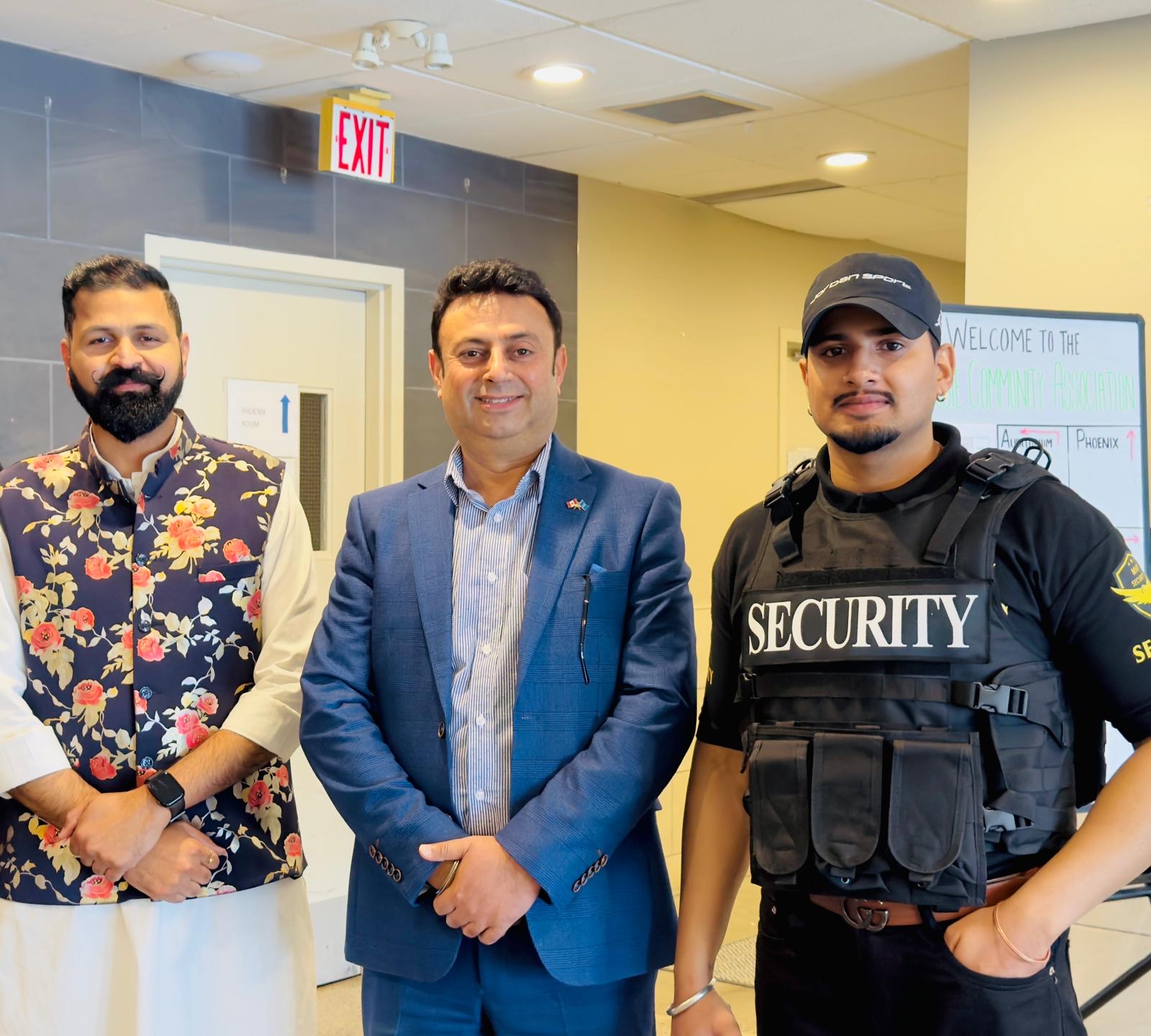
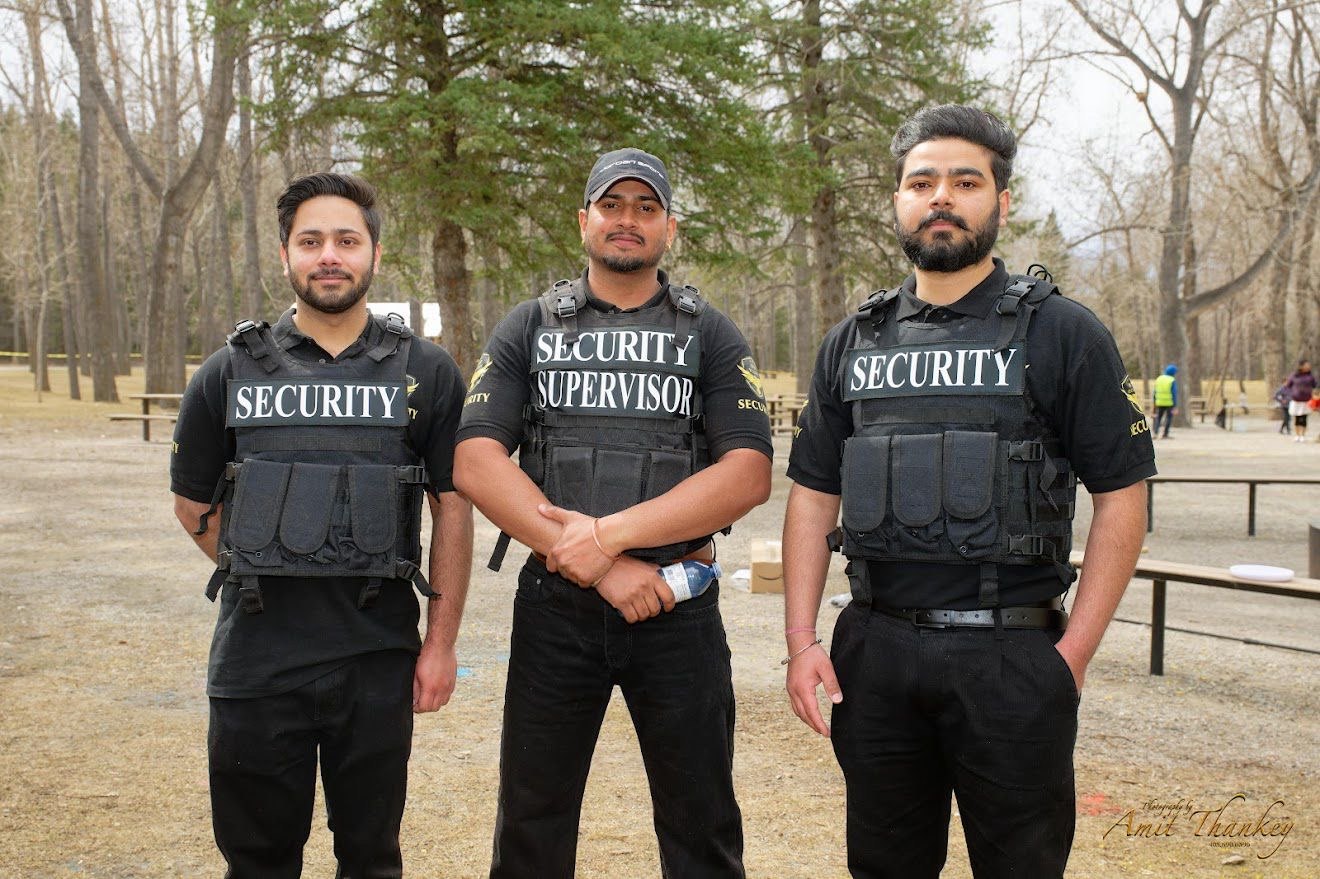
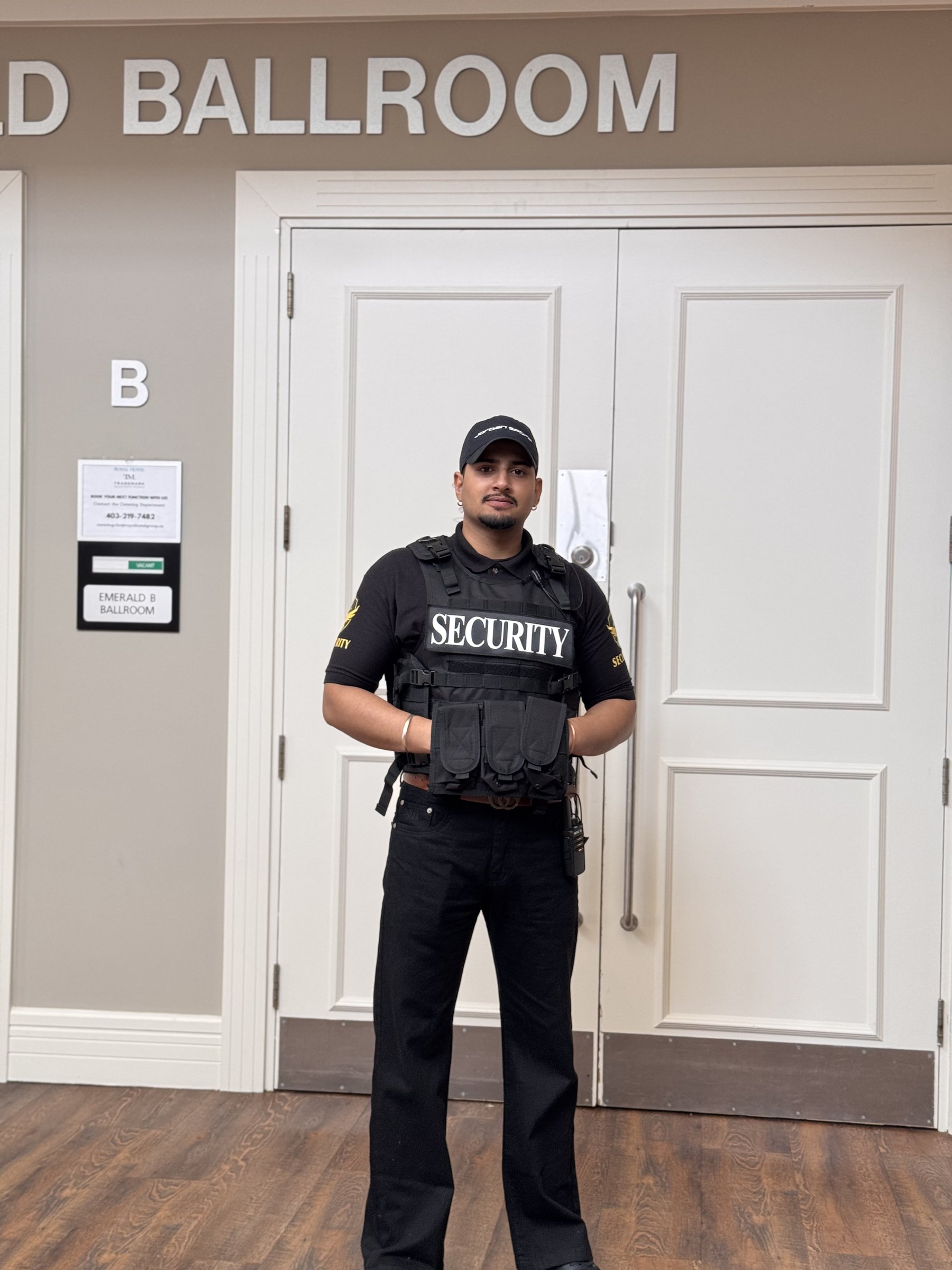
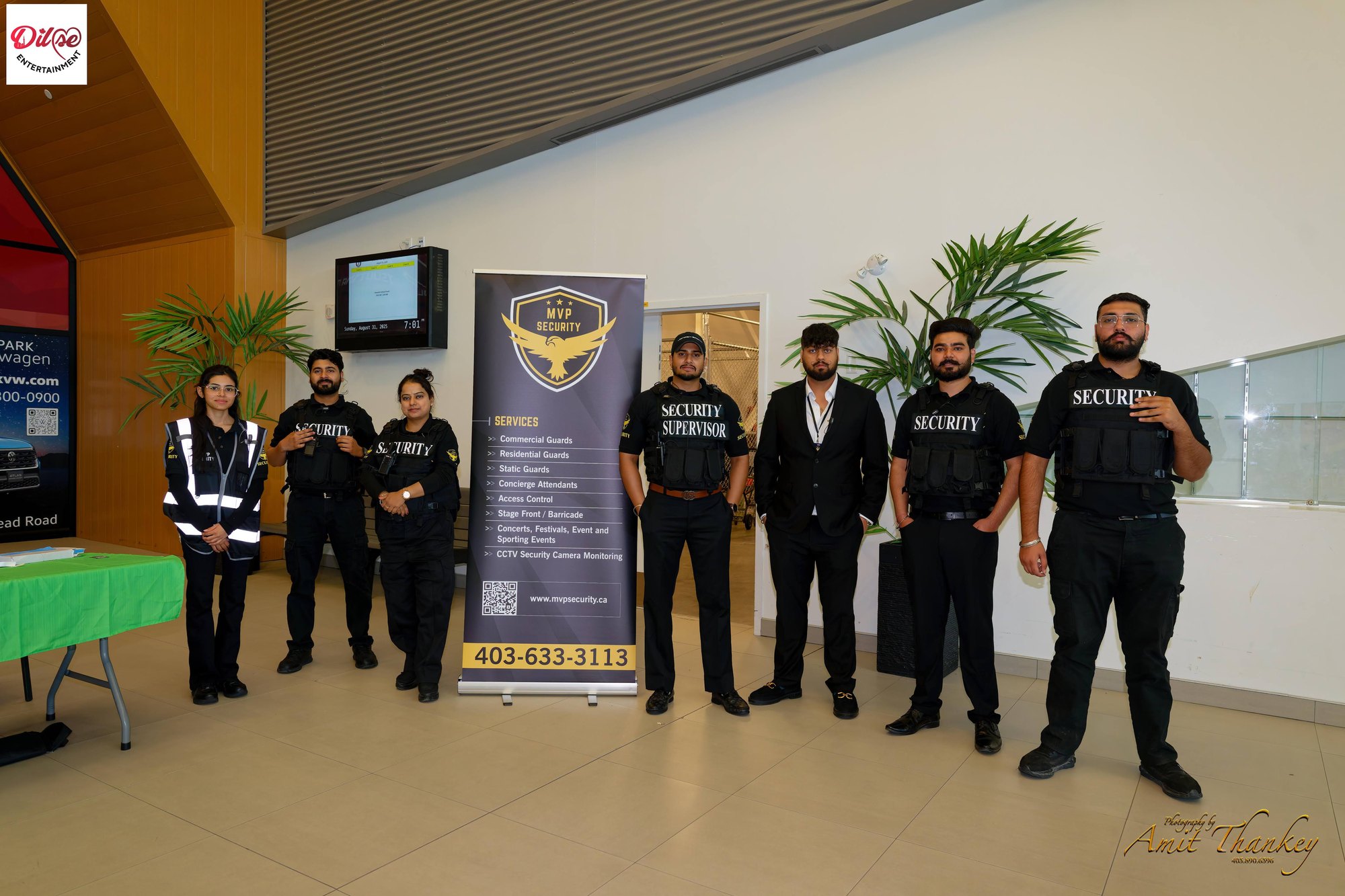
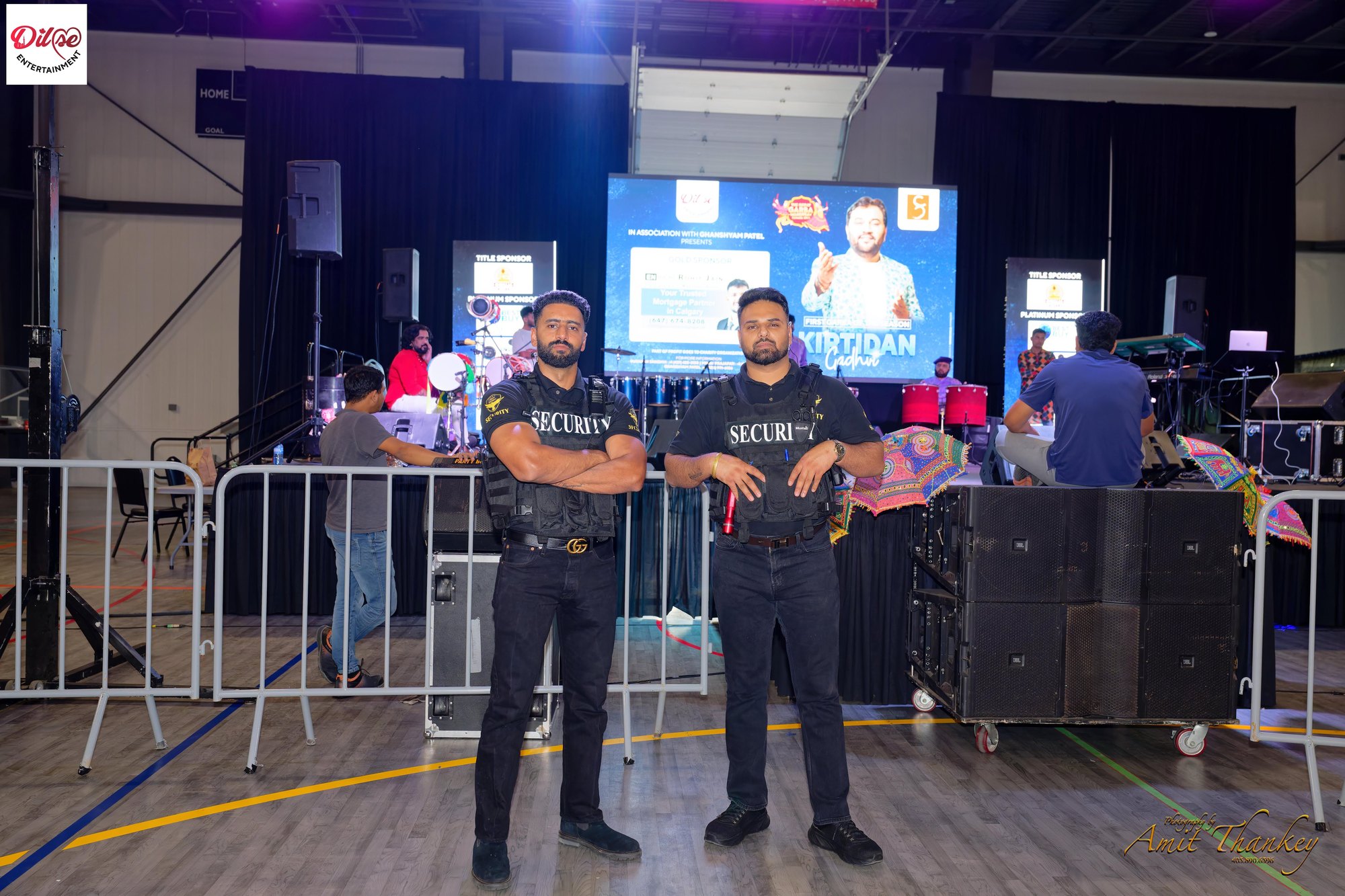
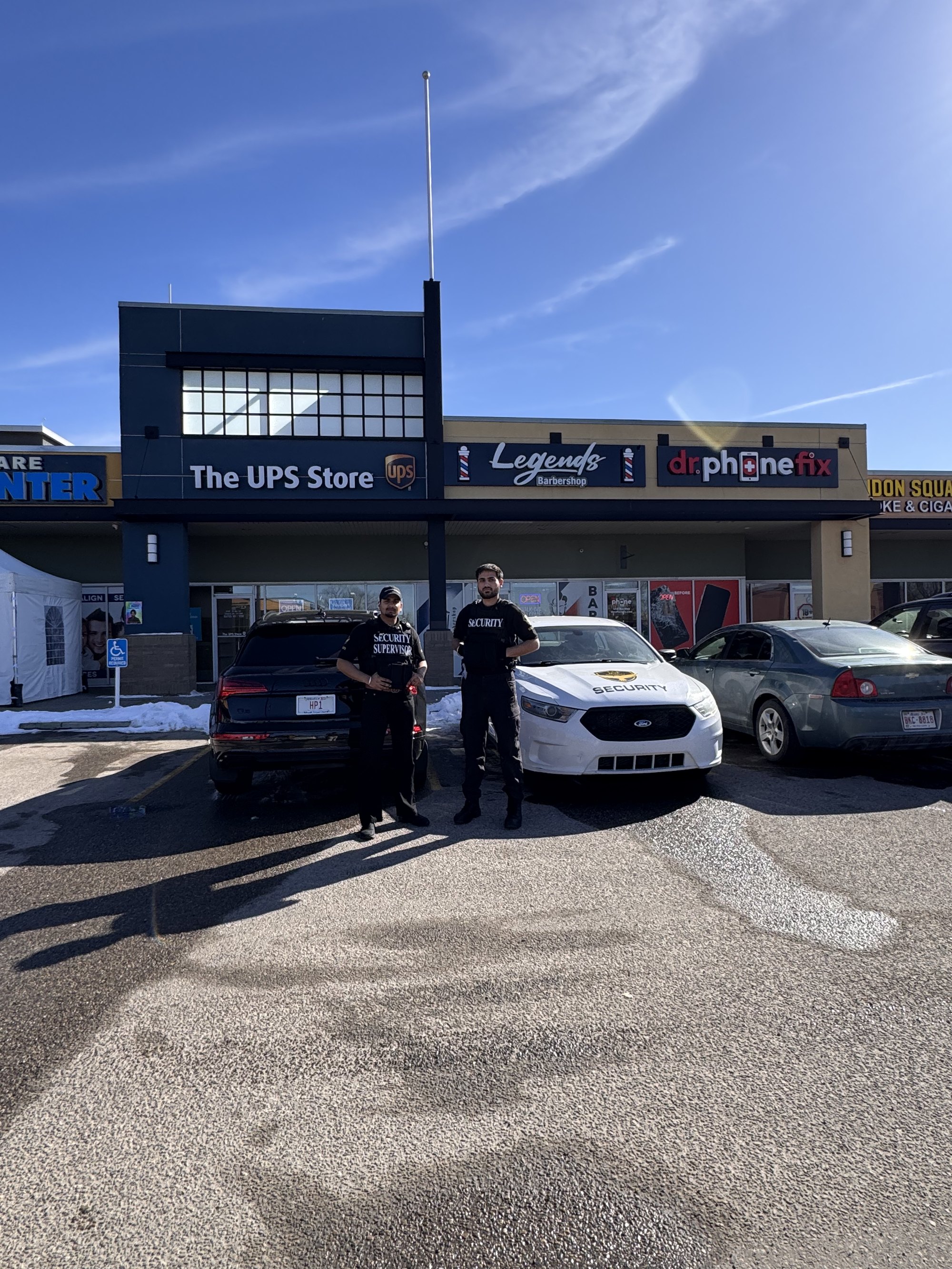
A trained, Alberta-licensed security guard can provide more than a presence at a door. Guards can control access, conduct patrols, assist with visitor management, identify hazards, respond to alarms, and create incident records that help management make informed decisions.
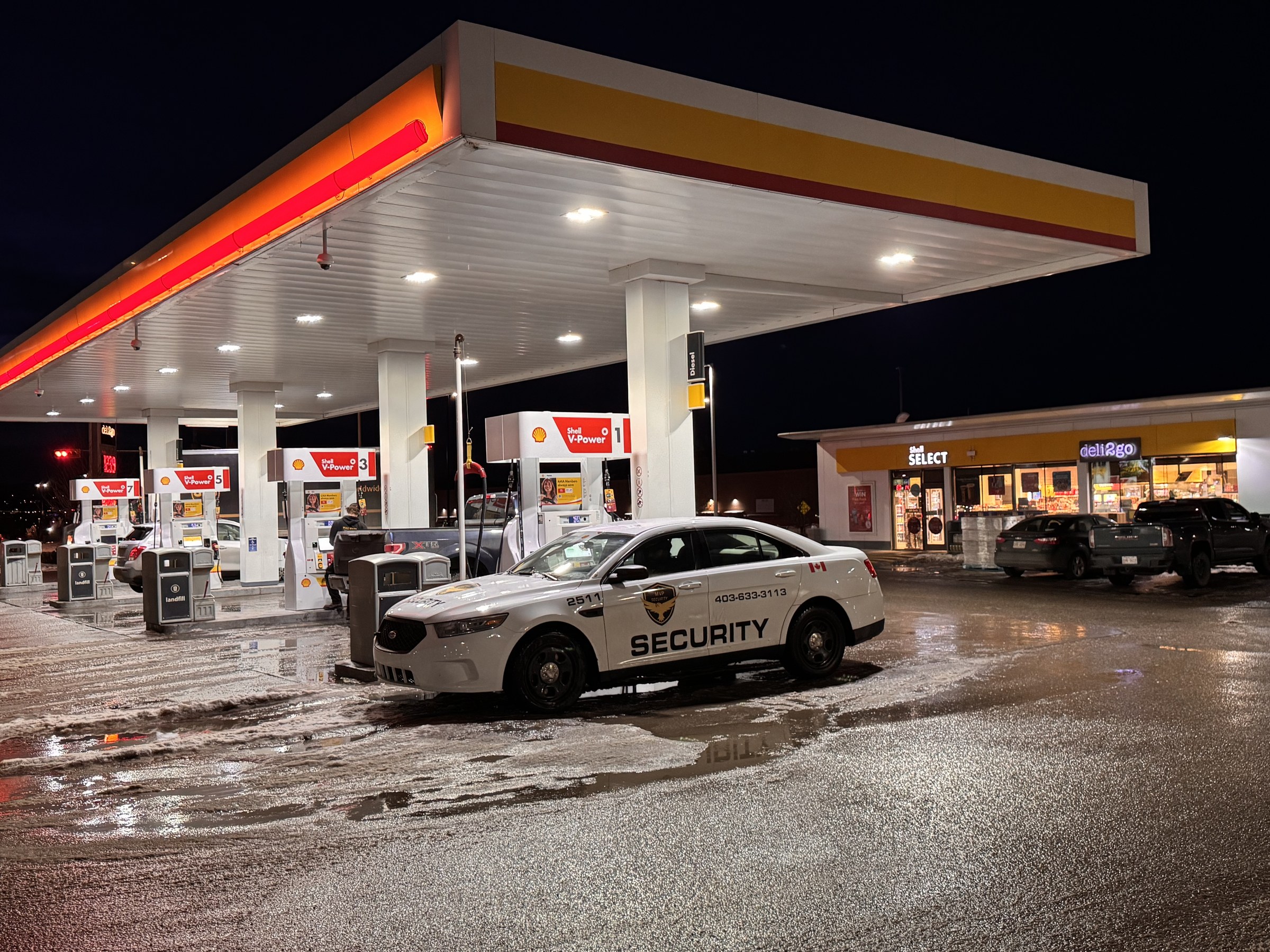
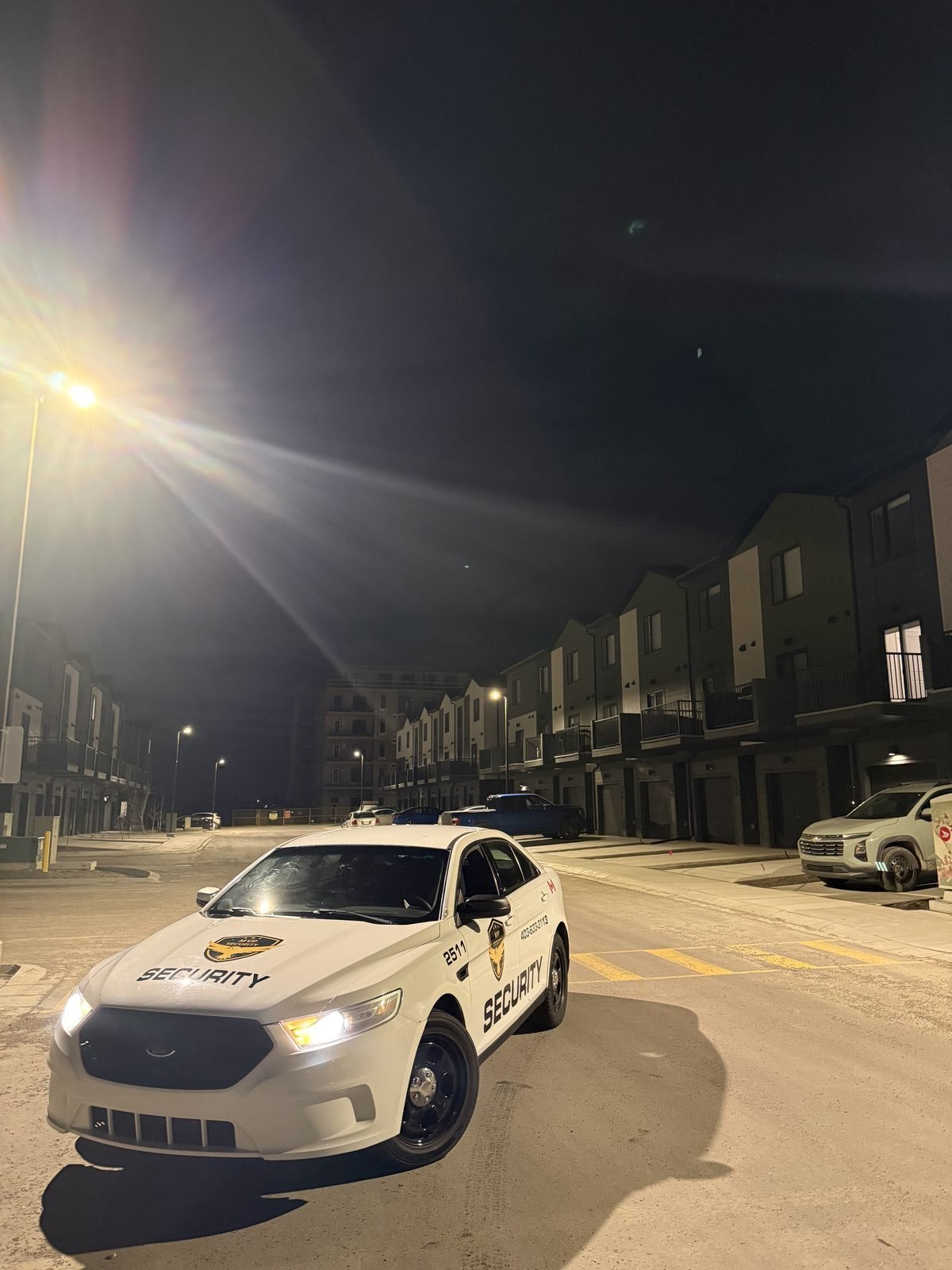
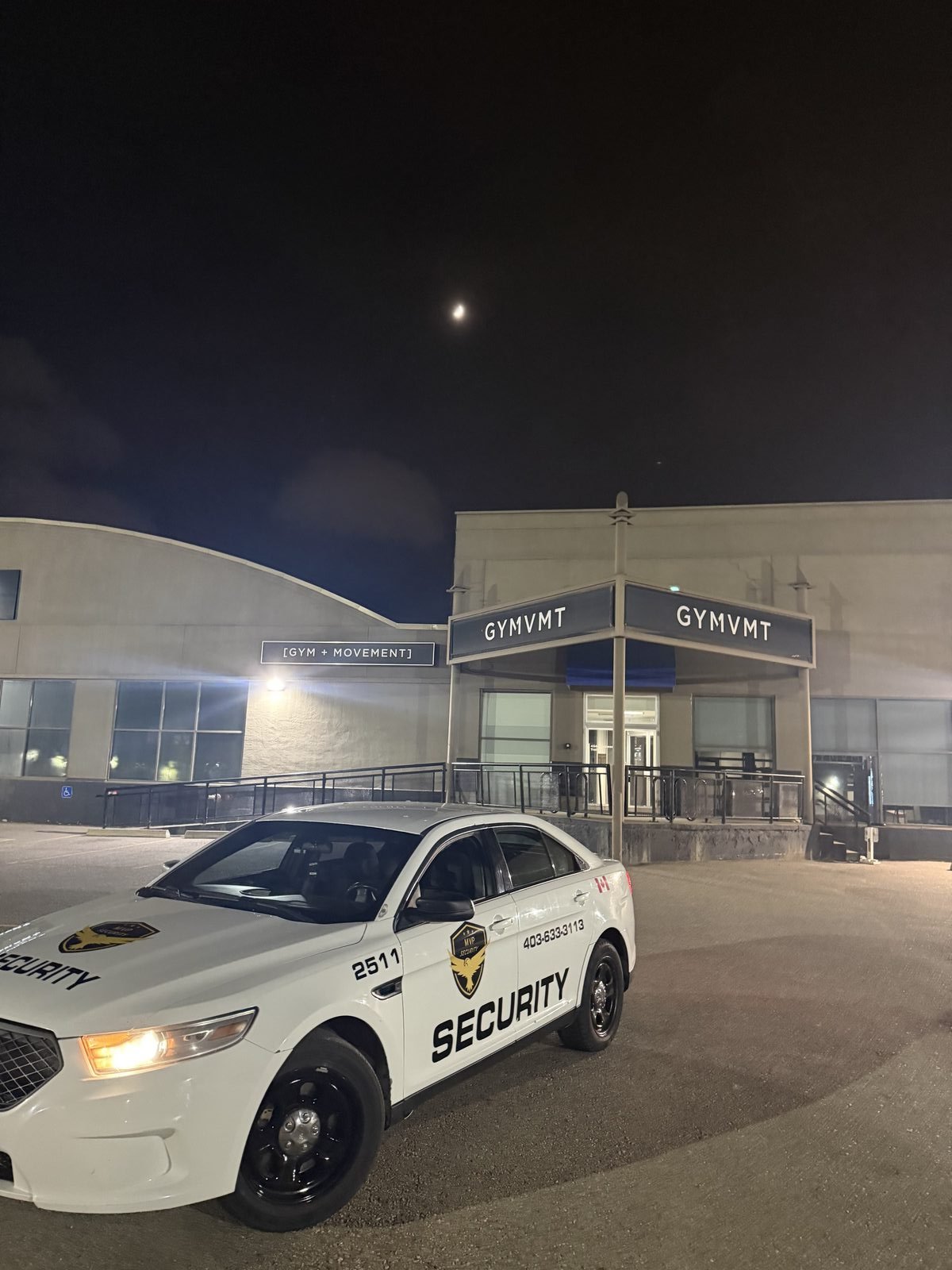
Coverage should match the risk window. A retail operation may need visible support during opening and closing periods. A construction project may benefit most from overnight patrols, weekend checks, or static coverage during material deliveries. A condo building may require concierge-style access control at high-traffic times, with mobile patrol support overnight. There is no single staffing model that fits every location.
Clear post orders are essential. They should state where guards patrol, what they check, who they contact, how they handle trespassers or suspicious behaviour, and when emergency services must be called. They should also identify site-specific concerns, such as fire panel procedures, elevator access, key locations, tenant sensitivities, or active work zones.
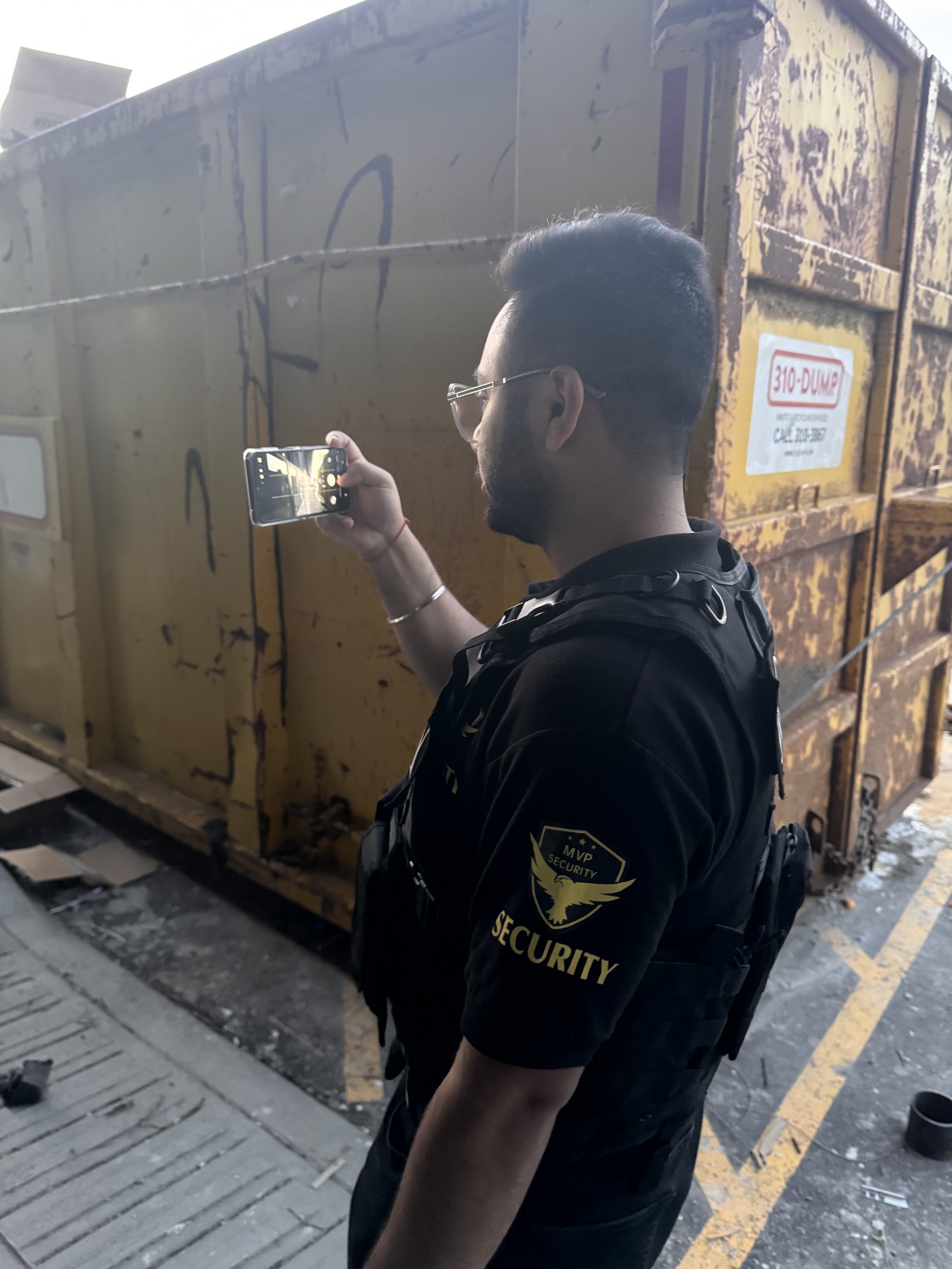
MVP Security Inc. builds these instructions around each site’s hours, risk profile, and operational needs, supported by GPS-tracked patrol activity and photo-documented reporting. For a manager responsible for several locations, that documentation matters: it confirms coverage occurred and shows what was found before a small issue becomes a larger one.
Make Reporting Fast, Clear, and Useful
A safety issue that is not reported properly is difficult to correct. Reports should do more than say that a patrol was completed or an alarm was attended. They should record the time, location, people involved where appropriate, observations, actions taken, notifications made, and any follow-up required.
This creates accountability across the team. If a rear gate has been found unsecured three times in two weeks, management can address the cause rather than treating each occurrence as isolated. If a particular parkade has repeated loitering concerns, patrol routes and lighting can be adjusted based on a documented pattern.
Avoid reporting systems that bury urgent information in end-of-shift paperwork. Serious issues should be escalated immediately to the appropriate site contact, emergency service, or supervisor. Routine observations can be compiled into regular reports that highlight trends, maintenance needs, and recommendations.
Prepare for the First Ten Minutes of an Incident
During an alarm event, medical emergency, fire watch requirement, aggressive encounter, or suspected break-in, confusion wastes time. A simple response plan gives staff and security personnel a common starting point.
Every site should establish who has authority to make decisions after hours, how they can be reached, which hazards require evacuation, and when police, fire, or EMS should be contacted. Keep current contact information available to those responsible for responding. For multi-tenant properties and busy work sites, ensure the plan accounts for people who may not know the building well, including contractors, visitors, and temporary staff.
Training should be realistic. A short review of the alarm response process is useful only if employees know which entrance responders should use, where the muster point is, and who has keys or access credentials. Revisit these details after renovations, staffing changes, tenant turnover, or changes to site layout.
Review Site Safety as Conditions Change
Site safety is not a one-time installation or a binder on a shelf. It needs review when there is a new tenant, a rise in theft, a major delivery program, a seasonal shift in daylight, a change in construction phase, or an incident that exposes a gap.
A quarterly walkthrough is a practical baseline for many sites, while higher-risk locations may need more frequent review. Bring together operations, maintenance, and security perspectives. Maintenance may see a broken door closer, a supervisor may know a crew is bypassing a gate, and a patrol officer may notice repeated activity near a boundary that cameras do not cover.
The strongest safety programs make the right action easy to take. Clear access rules, visible deterrence, reliable response, and documented follow-up give people confidence that the property is being actively managed. That confidence is built one checked door, one timely report, and one well-handled incident at a time.