





















A side door propped open for a delivery, an unverified contractor arriving after hours, or a former employee whose credential still works can create the same problem: someone is on site without a clear reason, record, or escort. Knowing how to manage site access means controlling who enters, where they can go, and what happens when the usual process is not followed.
For Calgary property managers, builders, retailers, and industrial supervisors, access control is not about making every entrance feel restrictive. It is about keeping operations moving while reducing theft, vandalism, safety incidents, and liability. The right plan reflects the site, the hours of operation, the people using it, and the risks that exist after staff leave.
Start With the Access Risks at Your Site
Before choosing guards, key systems, gates, or cameras, identify what needs protection and how unauthorized people could get in. A downtown office tower has different access concerns than an active construction site in Airdrie or a warehouse in southeast Calgary. One may need visitor screening and tenant support; another may need perimeter checks, vehicle logging, and after-hours patrols.
Walk the property at different times of day. Look at every pedestrian door, loading bay, parkade entrance, emergency exit, fence line, stairwell, rooftop access point, and temporary opening created by construction work. The main entrance is rarely the only concern.
Document where access is required, who requires it, and when. Employees, tenants, trades, delivery drivers, cleaners, guests, suppliers, and emergency responders do not all need the same level of access. A practical plan separates routine access from exceptions rather than relying on staff to make judgment calls each time someone arrives.
Set Clear Rules for Who Can Enter
Access management works best when permissions are based on roles. A tenant may need 24-hour building access but not a mechanical room. A subcontractor may need entry to a defined work area during scheduled hours but not access to storage containers or other floors. A delivery driver may need a loading dock appointment and a defined handoff point.
Keep the rules simple enough that staff, guards, and visitors can follow them consistently. A written access schedule should establish which entrances are open, when they are staffed, which doors remain locked, and who can authorize an exception.
For higher-risk sites, use a current authorized-person list. This is especially useful for construction projects with changing crews, vacant properties, industrial facilities, and buildings with frequent contractor activity. The list should include a contact person who can confirm unexpected arrivals. If no one can verify the person or purpose, entry should wait.
Choose Controls That Match the Site
There is no single answer to how to manage site access because physical layouts and operating demands vary. Most effective programs combine physical barriers, technology, and trained personnel.
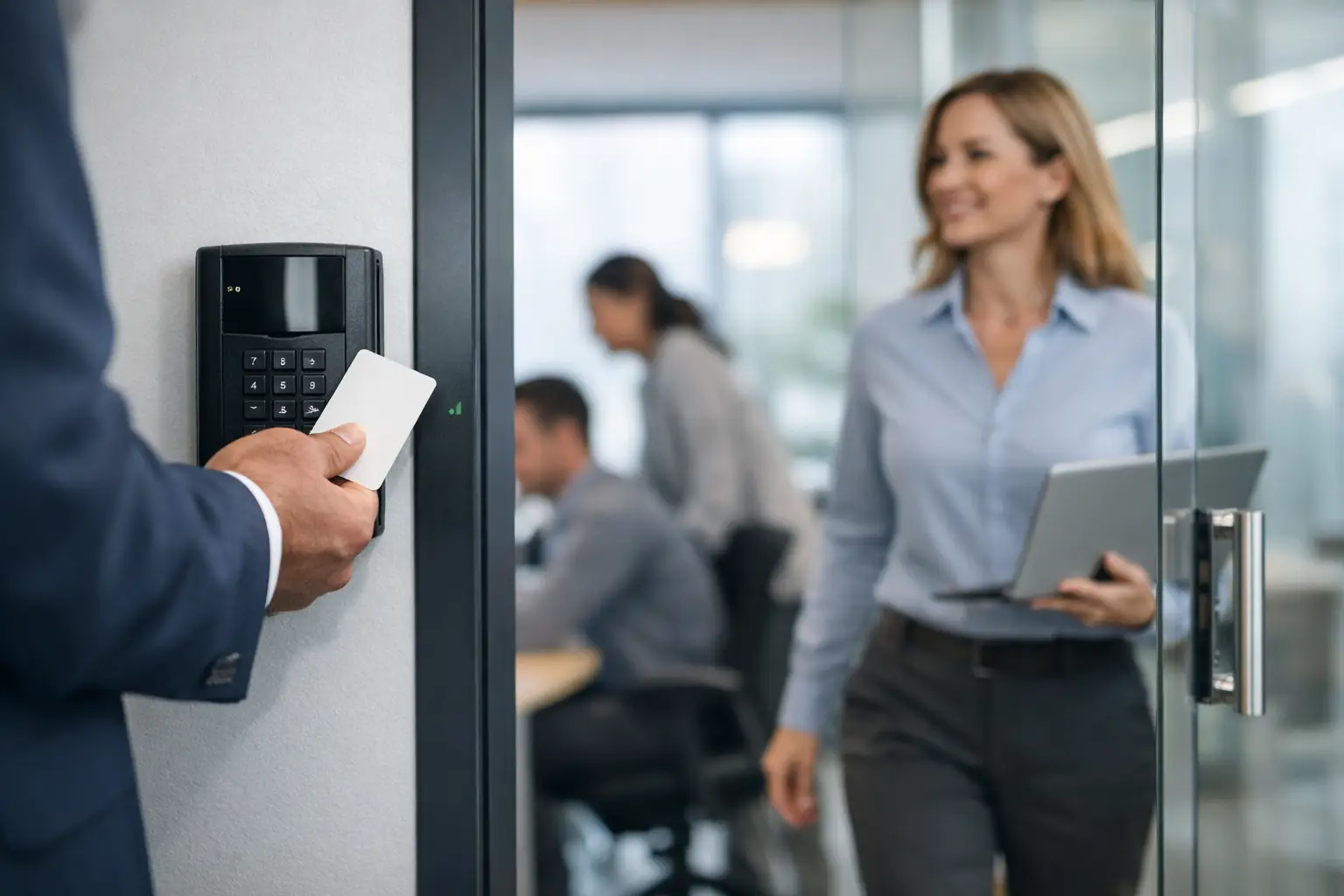
A controlled door system, fob, card, keypad, or mobile credential can create a useful record of entry. These tools work well when user lists are maintained and lost credentials are cancelled promptly. They are less effective when doors are routinely left open, codes are shared, or access is granted broadly for convenience.
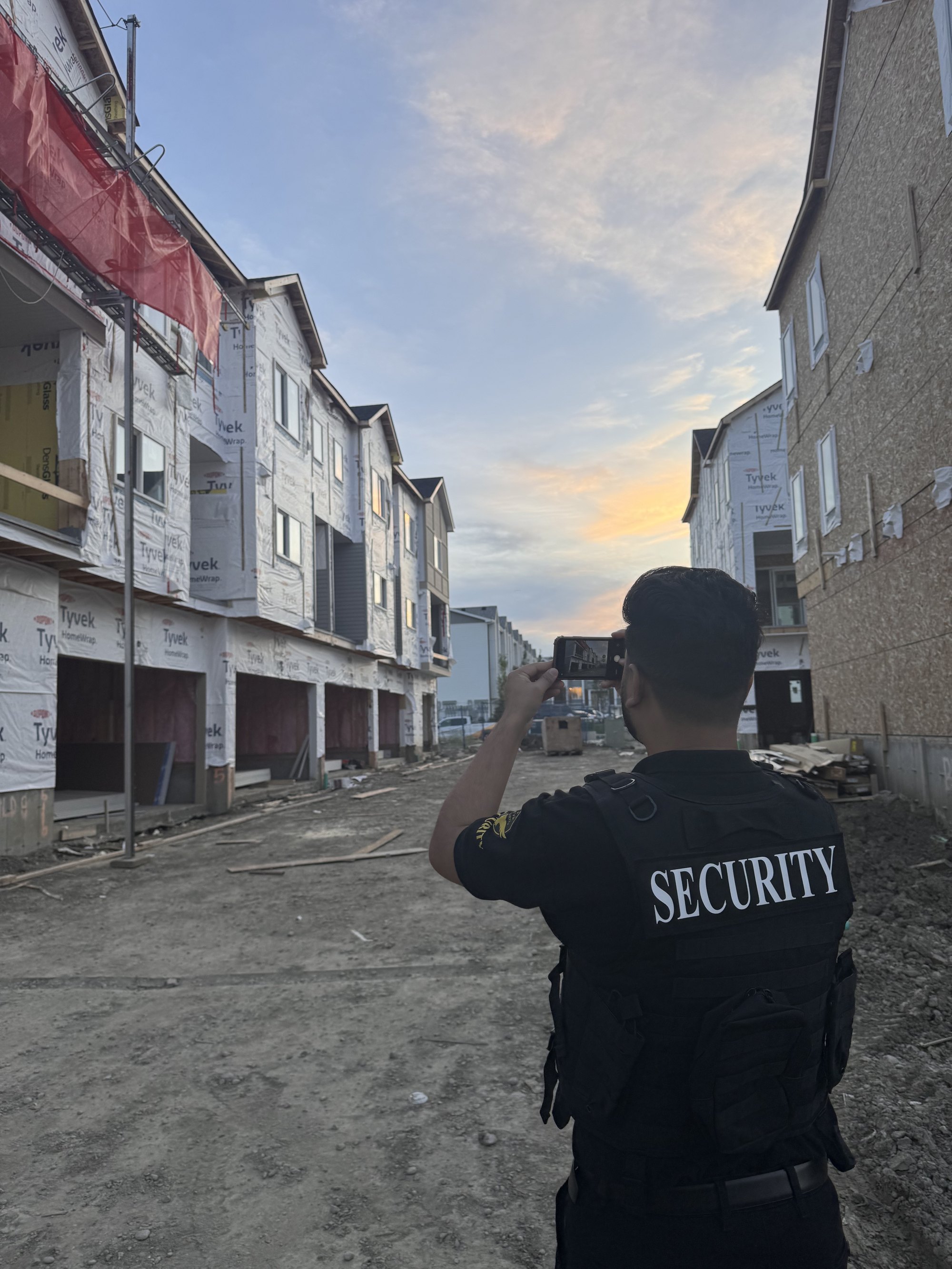
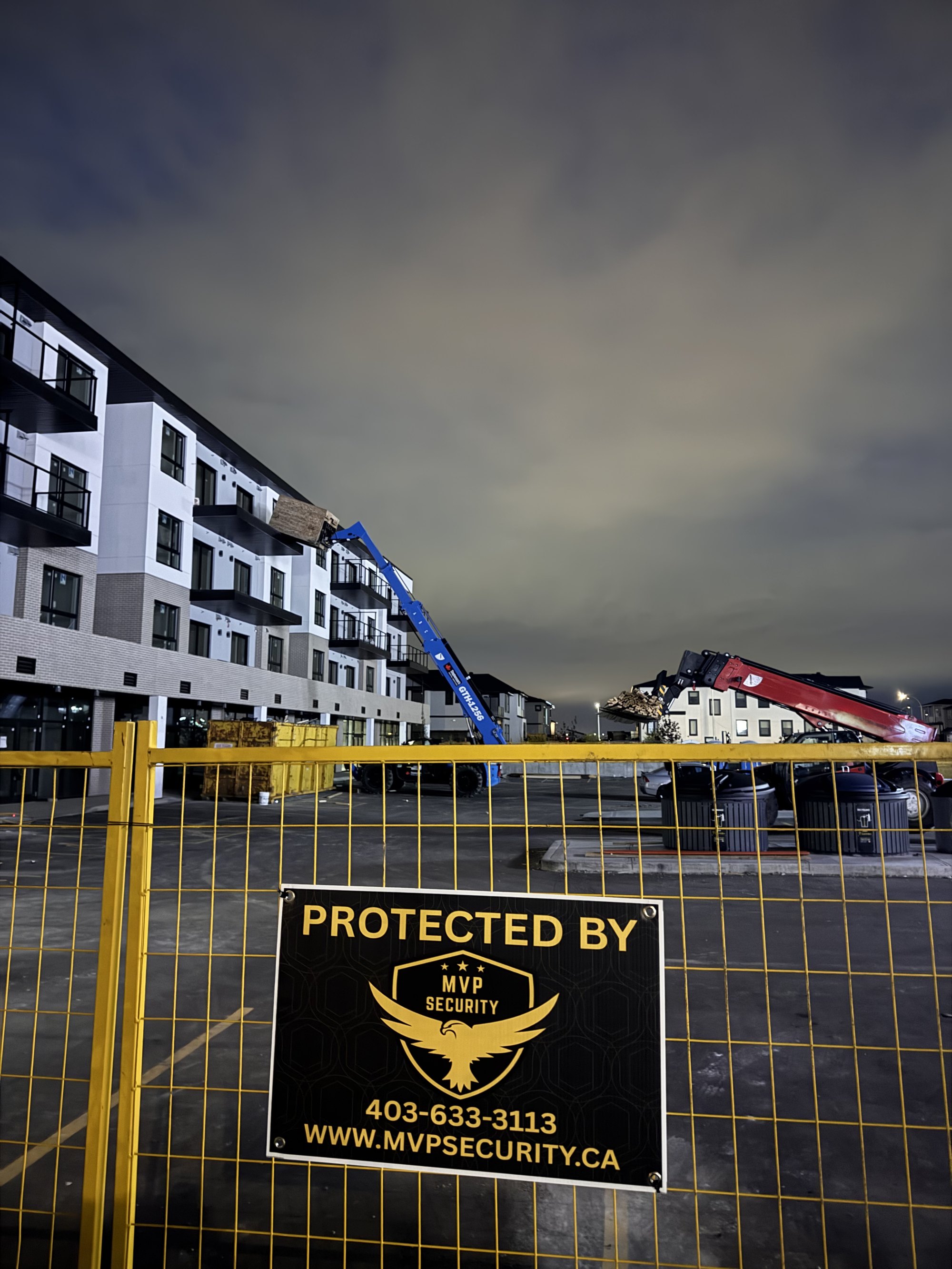
Fencing, gates, lighting, locked storage, and visible signage create the first layer of control at construction and industrial sites. They do not replace active monitoring, particularly overnight or on weekends. A fence only helps if breaches are noticed and addressed quickly.
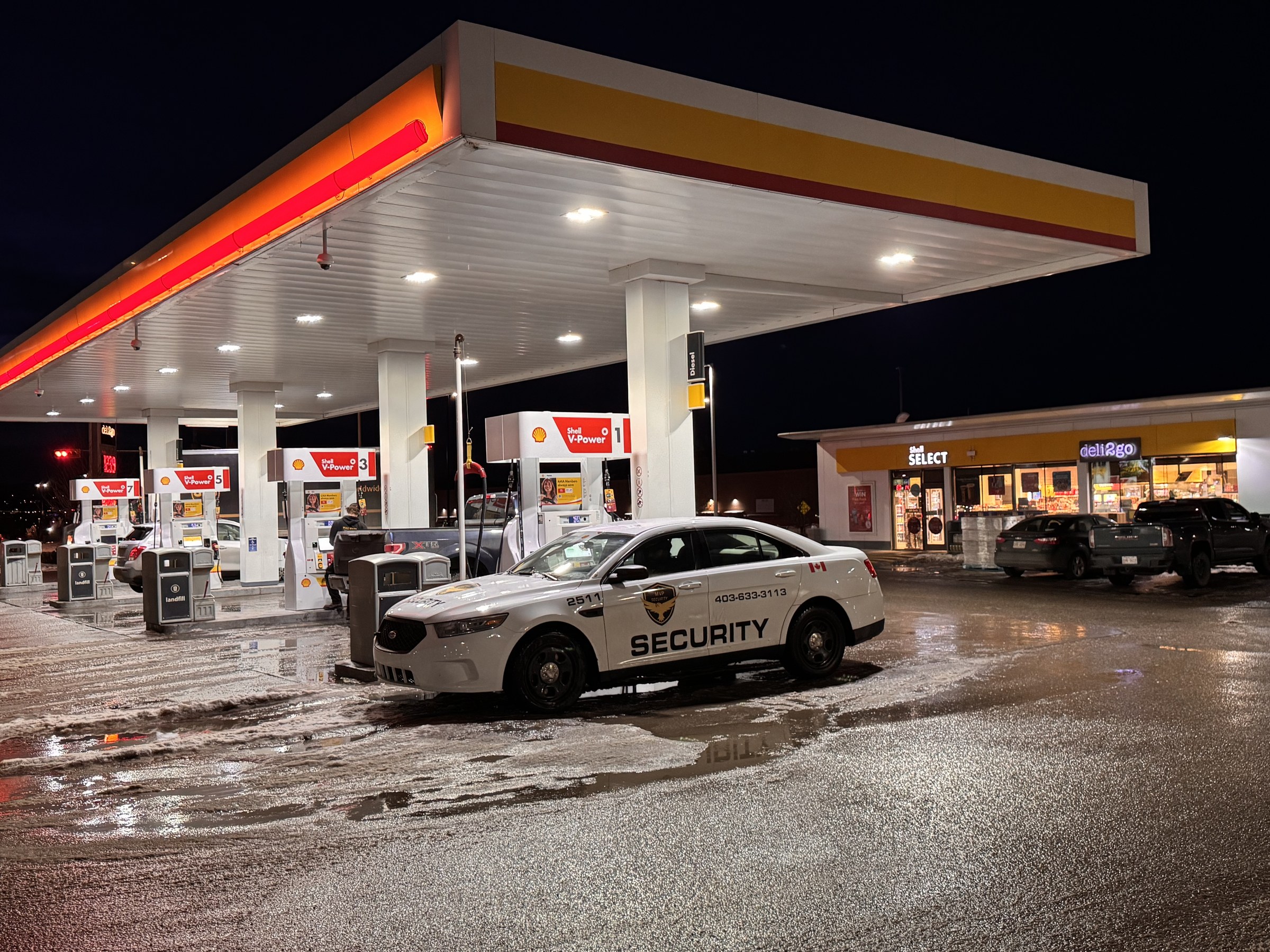
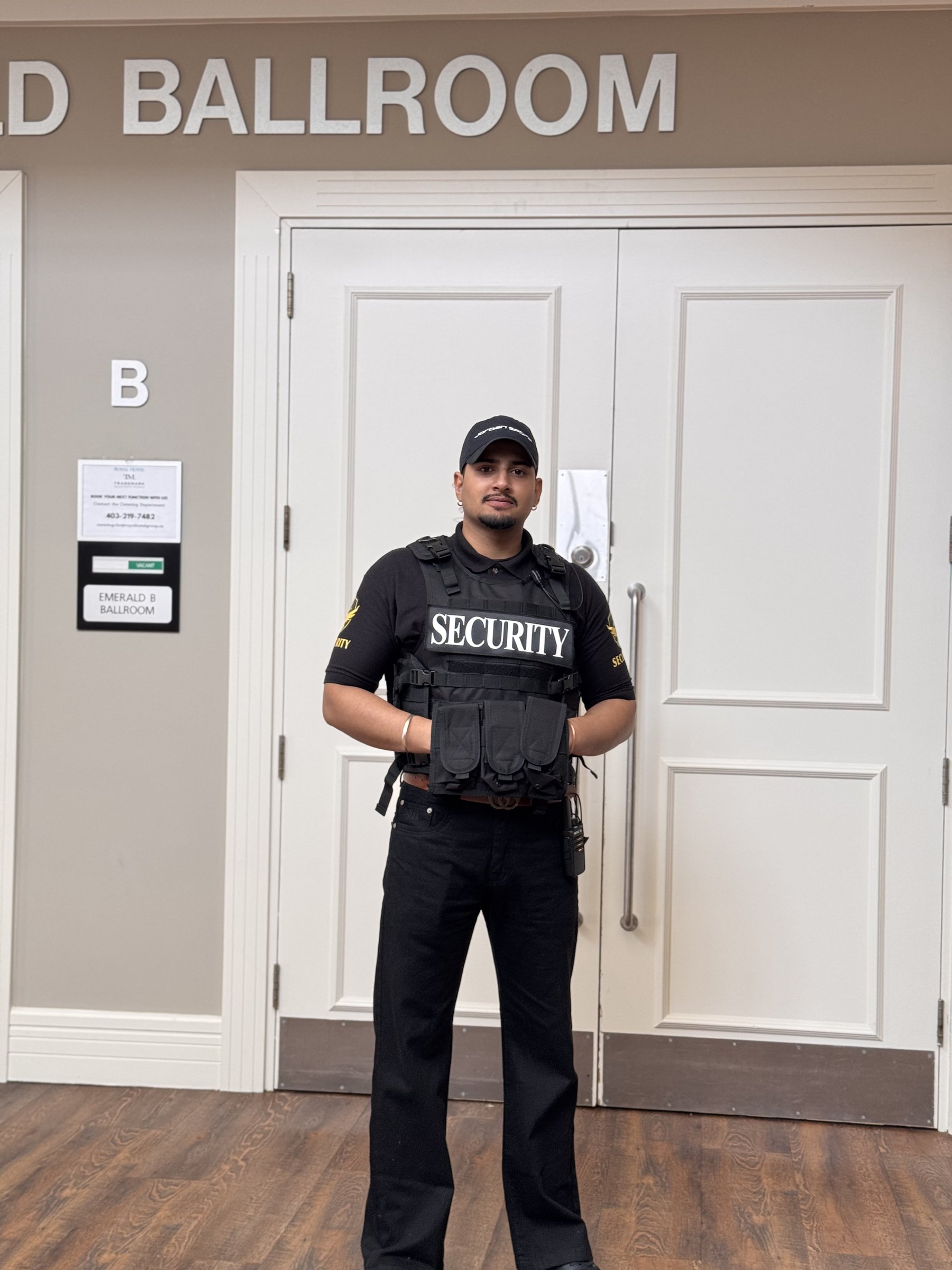
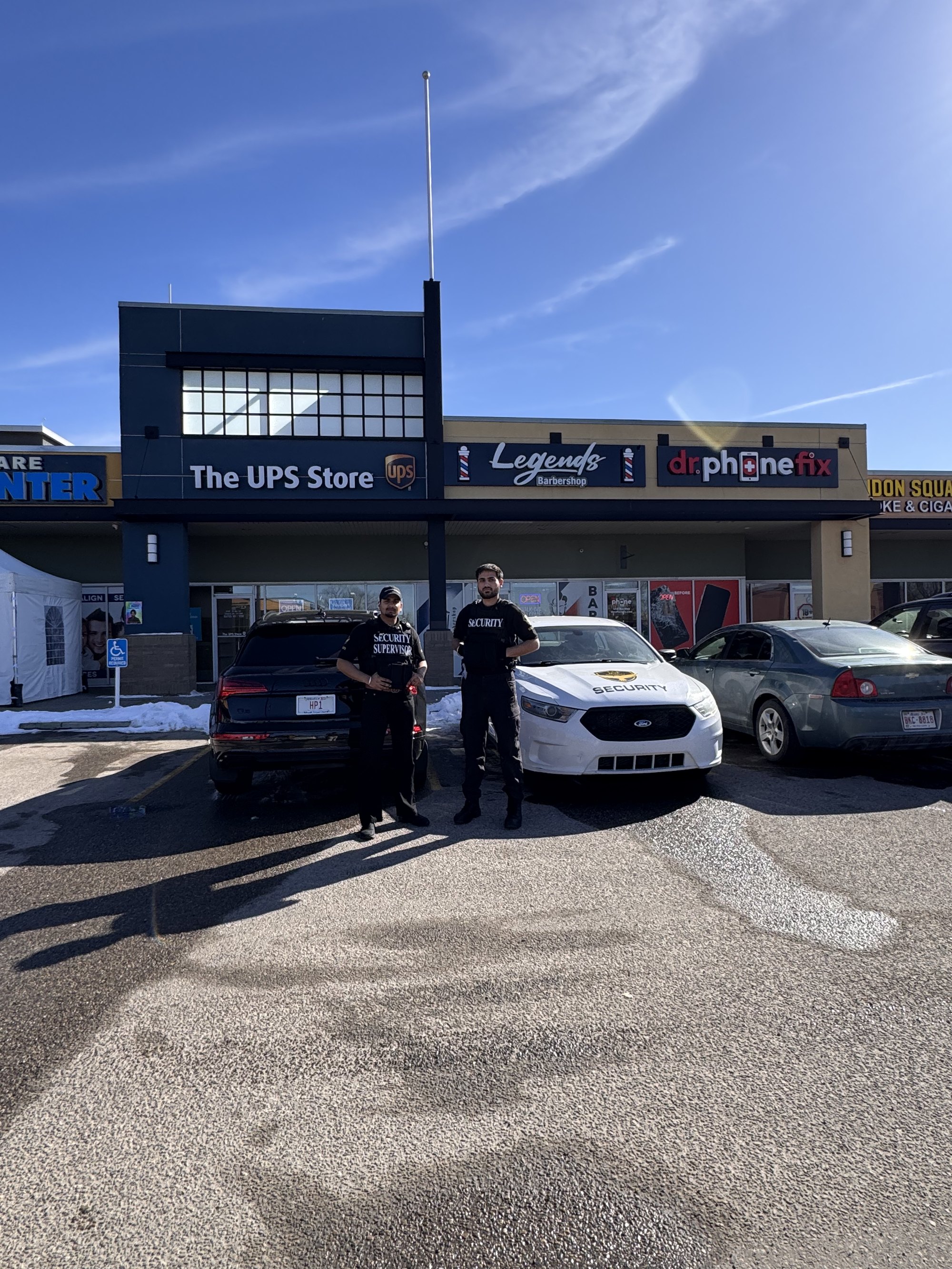
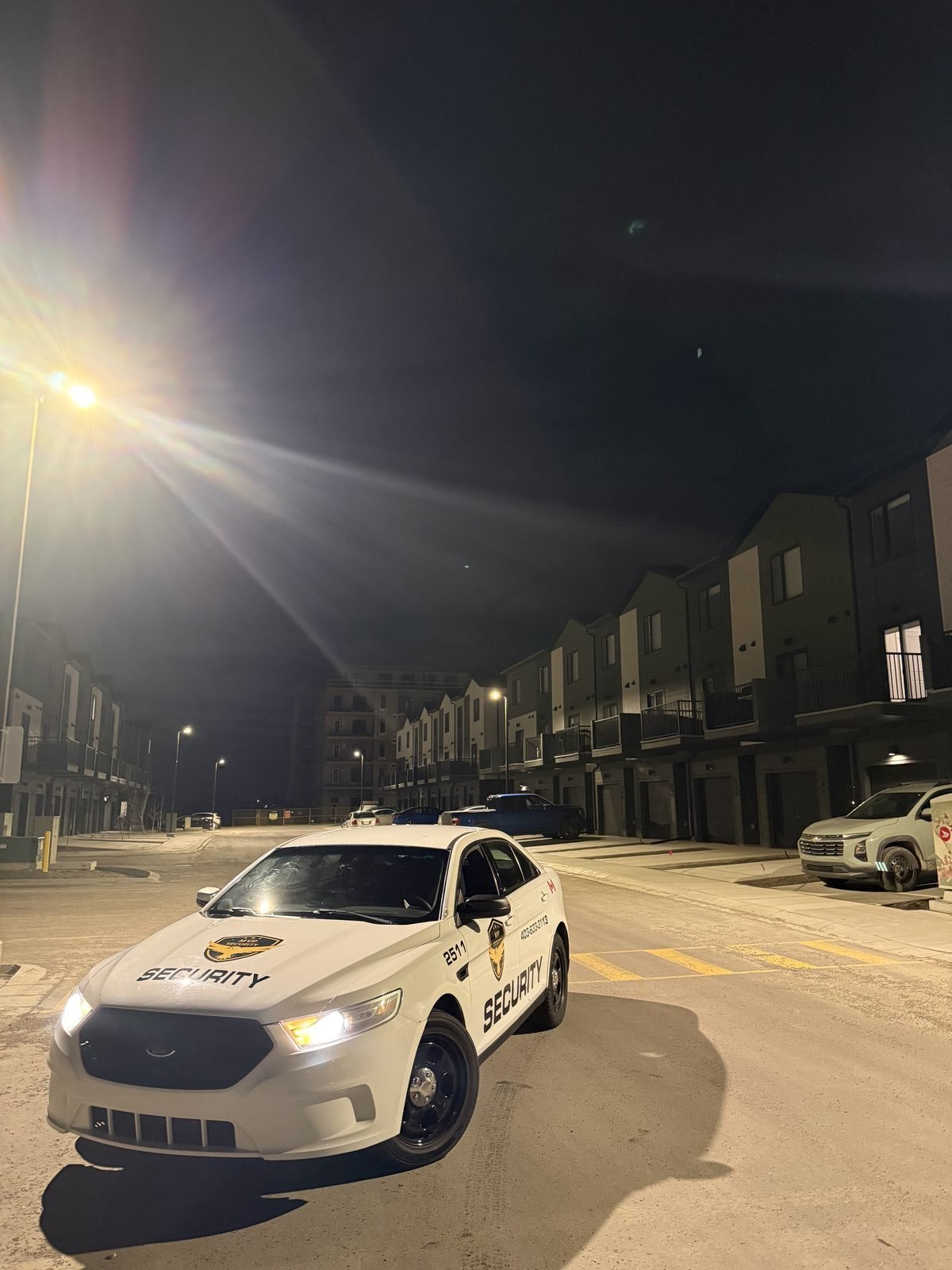
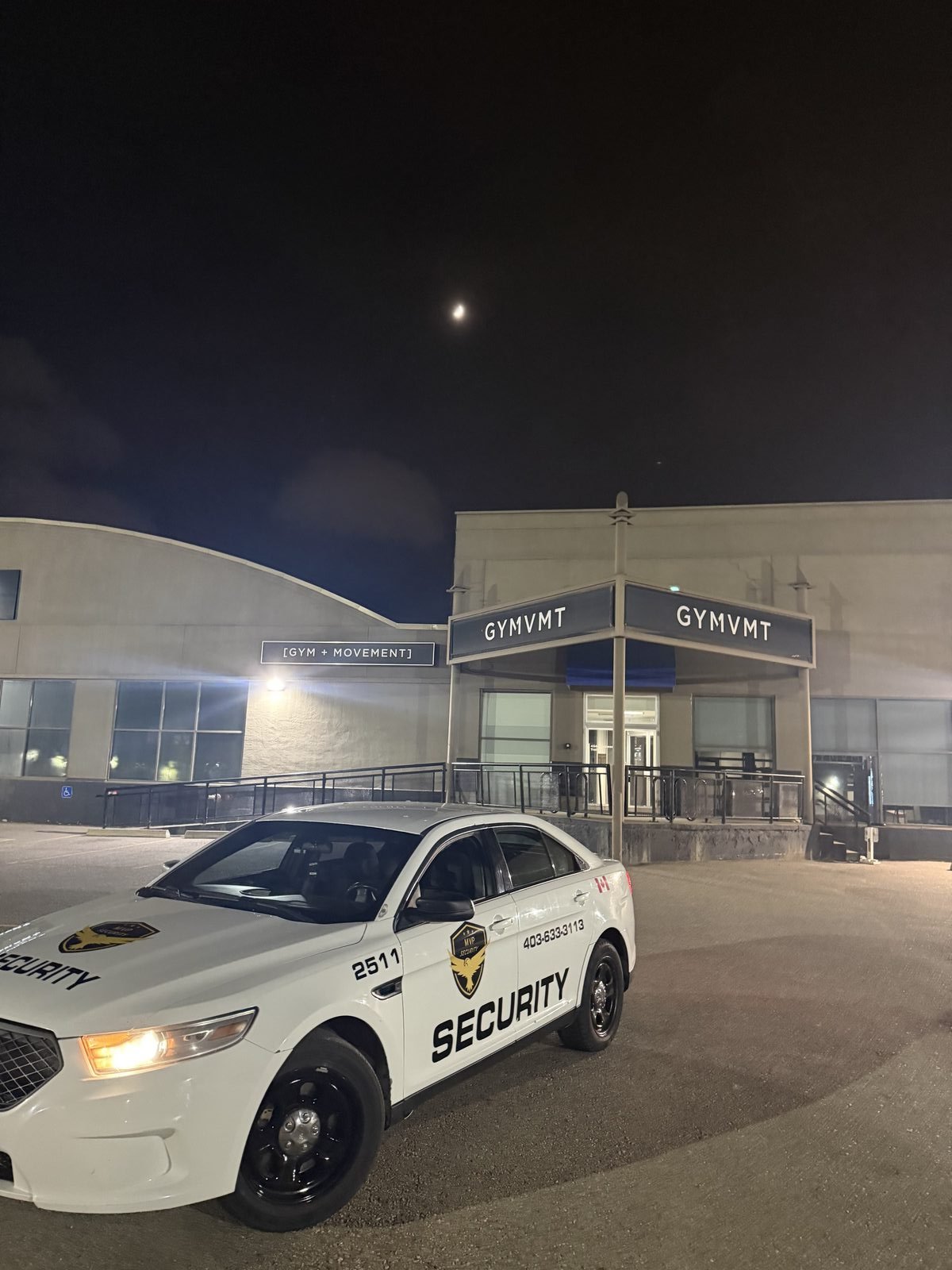
On sites with frequent visitors or complicated traffic flow, a licensed security guard at the entrance can add value that technology alone cannot provide. A guard can confirm identification, direct guests, check deliveries, enforce PPE or sign-in requirements, and respond to unusual behaviour in real time. Concierge and access control coverage is often a better fit for occupied residential buildings, commercial properties, events, and active work locations where people need clear direction as well as supervision.
Make Visitor and Contractor Check-In Meaningful
A sign-in sheet is not enough if no one reviews it or verifies the information provided. Visitor management should create a reliable record of who arrived, whom they were meeting, when they entered, and when they left.
At a minimum, require visitors and contractors to provide their name, company, contact person, purpose of visit, arrival time, and departure time. On construction, industrial, or restricted sites, the check-in process may also confirm orientation status, required PPE, work authorization, and vehicle details.
Visitors should be issued a badge, pass, or other visible identifier where practical. This gives staff and guards a straightforward way to identify people who have not checked in. It also supports a respectful challenge process: instead of assuming someone does not belong, staff can ask whether they have been issued a visitor pass and direct them to the proper check-in point.
Contractor access needs closer attention than one-time visitor access. Review contractor lists regularly, remove completed trades, and require project contacts to notify security when crews, work hours, or delivery schedules change. Outdated lists are a common source of unauthorized entry.
Protect Keys, Codes, and Credentials
Access credentials are security assets, not administrative conveniences. Every key, fob, card, gate remote, and alarm code should have an assigned owner and a documented return process.
Avoid shared master keys and universal door codes whenever possible. Shared access makes accountability difficult after an incident. If a common code is necessary for short-term use, change it when the work is complete or when personnel change.
For properties with multiple keys, maintain a sign-out log that records the key number, recipient, time out, expected return time, and actual return time. Secure master keys in a controlled cabinet rather than an unlocked office drawer or site trailer. At the end of a construction phase, tenant turnover, or staffing change, conduct a credential review before assuming all old access has been removed.
Build an After-Hours Response Plan
Many access failures happen when the site is quiet. A door alarm, gate breach, or motion alert at 2:00 a.m. requires more than a notification on someone's phone. It requires a defined response process.
Establish who receives alarm notifications, who can authorize access after hours, and when police or emergency services should be contacted. Security personnel should know where to attend, how to enter safely, what areas to inspect, and who must receive an incident report.
Mobile patrols can be an effective option when a full-time guard is not required. Randomized checks of doors, gates, perimeter fencing, parkades, and vulnerable areas create a visible deterrent while identifying unsecured access points before they lead to a larger loss. GPS-tracked patrol activity and photo-documented reports give managers evidence that checks were completed and show what was found.
For monitored alarm systems, the response plan should be tested, not assumed. Confirm contact numbers, keyholder availability, access instructions, and escalation procedures at regular intervals. A response plan that depends on an unreachable manager is not a reliable plan.
Train Staff to Support Access Control
Even strong equipment can be undermined by everyday habits. Staff may hold doors open for strangers, allow tailgating through secured entrances, overlook an alarmed door, or fail to report a damaged lock because they assume someone else will handle it.
Brief employees, tenants, and regular contractors on the access rules that affect them. They should know which entrances to use, how to report a lost credential, who can approve a visitor, and what to do if they see someone in a restricted area. Keep the message practical. People are more likely to comply when they understand that access procedures protect their workplace, equipment, and personal safety.
Security staff also need site-specific post orders. A guard should not be left to interpret vague instructions such as “monitor the entrance.” Clear post orders identify authorized access points, visitor procedures, restricted spaces, emergency contacts, patrol expectations, and reporting requirements. Alberta-licensed guards can then apply consistent procedures while using judgment when conditions change.
Review the System After Incidents and Changes
Access control is not a one-time installation. Review it after thefts, vandalism, unauthorized entries, tenant concerns, staffing changes, construction phase changes, or repeated alarm calls. Incident reports often reveal patterns, such as a rear door that does not latch, deliveries arriving outside scheduled hours, or a particular area where visitors become unescorted.
Adjustments do not always require a major capital expense. Moving a check-in point, changing a delivery window, improving lighting, revising a patrol route, or restricting a single credential group may solve the immediate weakness. For more complex properties, a site-specific security assessment can clarify whether the gap is procedural, physical, or related to staffing.
MVP Security Inc. develops access control coverage around real operating conditions, including staffed entry points, mobile patrols, alarm response, and documented reporting for Calgary-area properties and worksites. The objective is not to add unnecessary friction. It is to ensure the people on your property are expected, accounted for, and able to move through the site safely.
The most useful access plan is one your team can follow on a busy day and trust after hours. Start with the entry points people use in practice, keep permissions current, and make sure someone is ready to respond when the plan is tested.