

















A single overnight theft can put a project behind by days, not hours. Missing copper, tools, fuel, or small equipment often creates a chain reaction - replacement delays, subcontractor downtime, insurance claims, and difficult questions from owners. If you are looking at how to prevent construction theft, the answer is not one product or one guard. It is a site-specific security plan built around deterrence, control, visibility, and response.
Construction sites are attractive targets because they change constantly. Materials arrive in phases, trades rotate through, temporary fencing gets moved, and access points that made sense last week may be exposed this week. That is why theft prevention on a build site has to be operational, not theoretical. The best approach is to reduce opportunity every day while making your site visibly harder to target than the one down the road.
How to Prevent Construction Theft With Layered Security
The most reliable way to reduce losses is to stop relying on a single measure. A locked gate helps, but not if tools are left unsecured inside. Cameras help, but not if nobody is reviewing alerts or attending alarm events. A patrol helps, but not if there is no documented access procedure for deliveries, after-hours trades, or weekend activity.
Layered security works because it covers the predictable weak spots. At most construction sites, those weak spots include perimeter breaches, poorly controlled keys, unsecured laydown areas, blind spots after dark, and uncertainty about who should be on site after hours. The goal is to make access difficult, activity visible, and incidents actionable.
For project managers and site supervisors, that usually means combining physical barriers, lighting, monitored surveillance, disciplined access control, and a guard or patrol presence scaled to the risk level of the project. High-value builds, remote sites, and projects with frequent overnight deliveries generally need more than passive security.
Start With a Real Site Risk Review
Before adding guards or equipment, look at the site the way a thief would. Where is the easiest entry point? Which materials can be moved quickly? What can be cut, loaded, or drained in under ten minutes? Which areas are hidden from the road or neighbouring properties?
A proper risk review should also account for schedule and stage of construction. Early excavation and forming phases carry different risks than finishing stages with appliances, fixtures, wire, tools, and temporary power in place. Security that worked during one phase may be inadequate later.
This is where many sites lose money. They set one security plan at mobilization and never adjust it. In practice, theft prevention should change as the project changes. A site with basic perimeter concerns in month one may need overnight patrols, controlled access, and incident reporting by month six.
Control the Perimeter, but Do Not Stop There
Perimeter fencing matters because it defines the site and creates a visible boundary. But temporary fencing alone rarely stops determined theft. Panels get lifted, cut, or shifted, especially where there is poor lighting or no road visibility.
Use fencing with stabilized bases, secure tie points, and limited vehicle access points. Gates should be locked consistently, not just when someone remembers at the end of a long shift. If there are multiple access points, close the ones that are not operationally necessary. Every extra opening creates another failure point.
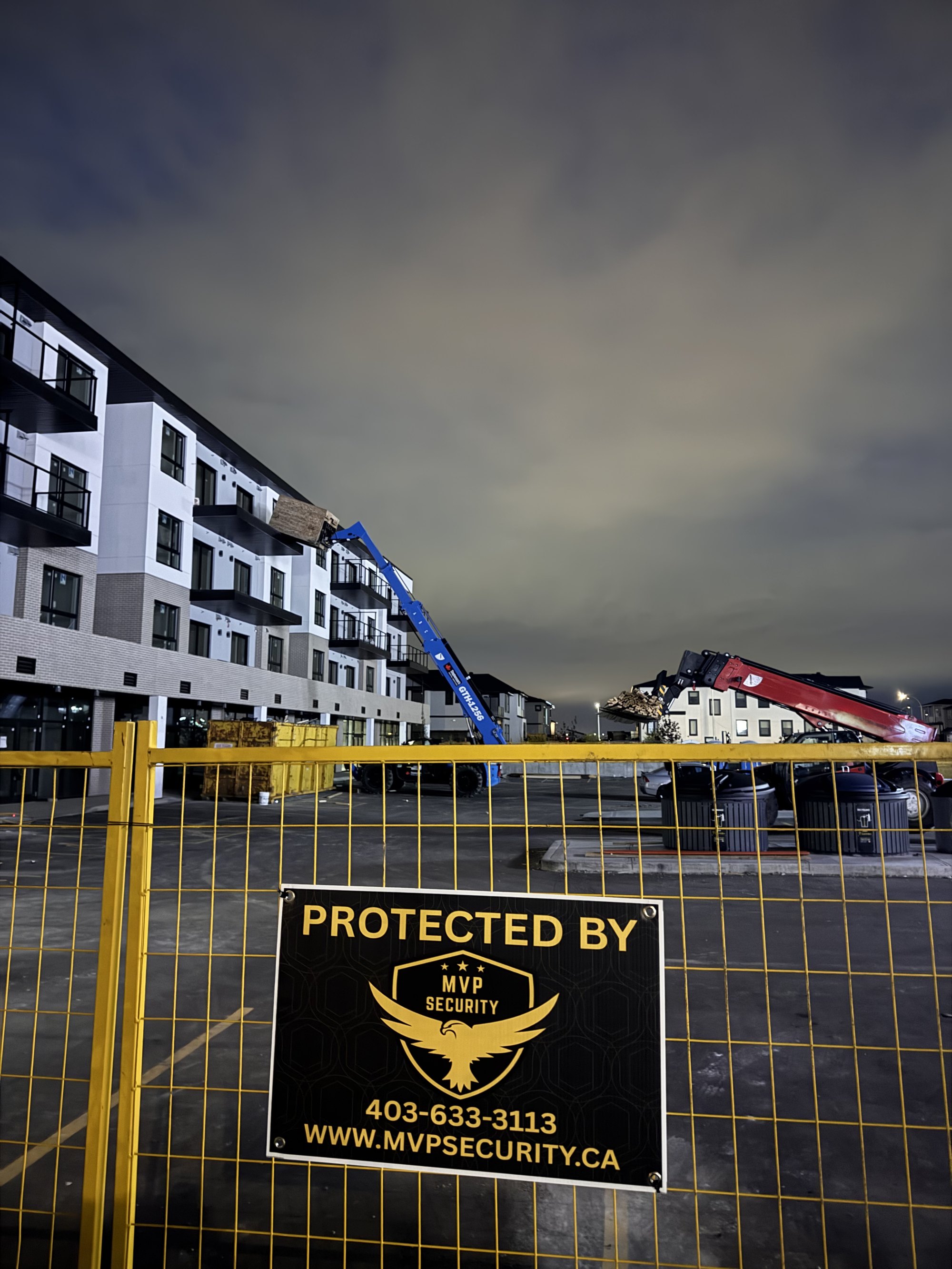
Signage also helps, but only if it reflects reality. Warning signs about surveillance or patrols should correspond to actual site measures. Empty threats do not deter experienced offenders for long.
Lock Up the Right Assets the Right Way
Not every item on site needs the same level of protection. Focus first on what is easiest to steal and hardest to replace quickly: copper, power tools, generators, skid steers, fuel, batteries, and packaged finish materials.
Use locked sea cans or secured storage units for tools and smaller high-value items. Immobilize equipment when it is not in use. Separate fuel storage from easy vehicle access and inspect it routinely. For some projects, it also makes sense to mark or inventory valuable assets by trade and serial number. That will not stop theft by itself, but it makes internal control better and post-incident reporting faster.
The trade-off is simple. Stronger storage and tracking add a little friction to the workday, but that friction is minor compared with replacing stolen tools and rebooking crews.
Access Control Is Where Many Sites Win or Lose
A surprising amount of construction theft is helped by poor access discipline. That does not always mean insider theft. Often, it means people can enter the site without being challenged because nobody is clearly responsible for checking who belongs there.
After-hours access should be tightly controlled. If subcontractors need evening or weekend entry, there should be a documented process for approval, arrival time, and departure. Keys, gate codes, and lock combinations should not be shared casually across multiple crews and left unchanged for months.
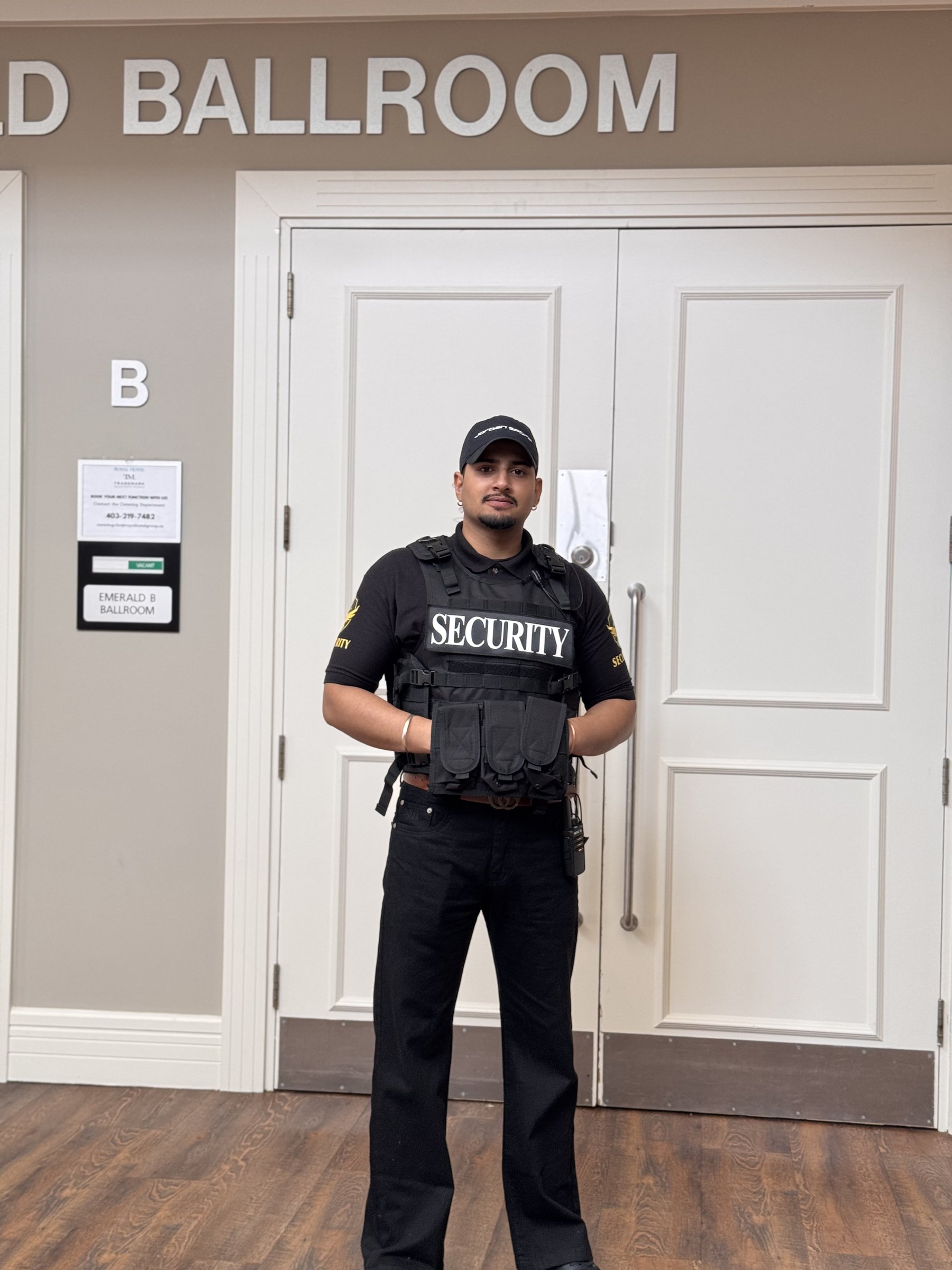
On larger or more exposed sites, a static guard at the gate or access point can make a major difference. The value is not only in deterrence. It is in controlling entry, checking credentials, recording activity, and identifying problems early, before they become theft, damage, or liability issues.
Why Lighting and Visibility Matter More Than People Think
Most opportunistic theft happens where people believe they will not be seen. Good lighting changes that calculation immediately. It improves natural surveillance from the street, helps cameras capture usable footage, and makes patrol activity more effective.
That said, more light is not always better if it creates glare, deep shadow, or blind spots around trailers and material stacks. Lighting should be placed to support actual site lines, vehicle routes, storage areas, and entrances. If your camera images are washed out or your back fence disappears into darkness, the setup needs adjustment.
Visible security measures do not need to look excessive to work. They need to look active, maintained, and deliberate.
Use CCTV and Alarms as Part of a Response Plan
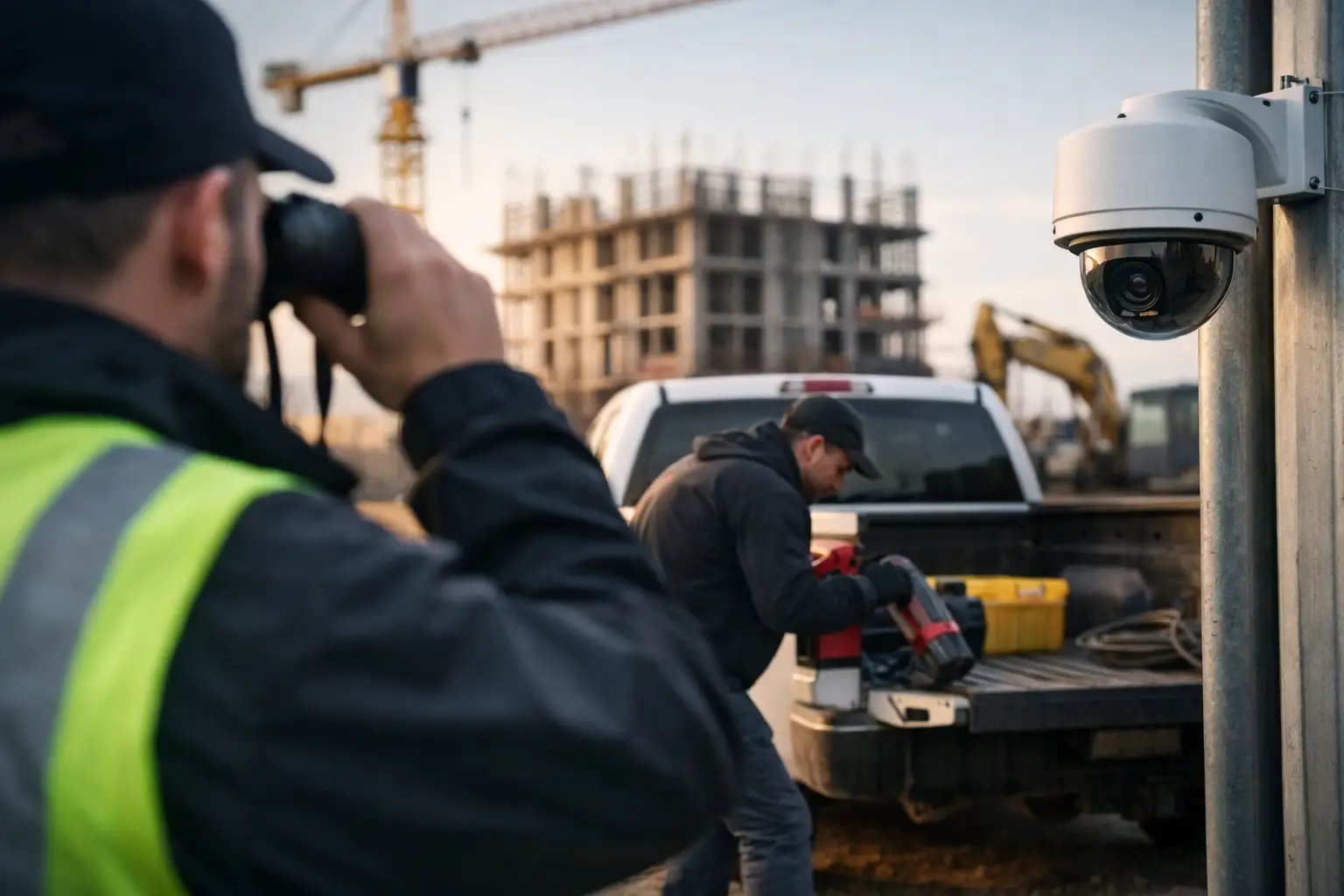
Cameras are useful, but they are often misunderstood. Recorded footage may help after an incident, but it does not recover lost time on a project. The better use of CCTV is live or monitored awareness tied to a clear response procedure.
If your site has cameras, ask practical questions. Who receives alerts? Who verifies whether the event is real? Who attends the site if there is suspicious activity? How quickly can someone respond? If those answers are vague, the system is only doing part of the job.
Alarm systems have the same issue. An alarm that triggers repeatedly without follow-up becomes background noise. A monitored setup paired with mobile patrol or guard dispatch is far more useful because it turns a signal into action.
For many Calgary-area projects, especially those with overnight equipment, materials, or repeated trespassing issues, combining CCTV with scheduled patrols is the most balanced option. It keeps costs below full-time static coverage while still creating visible presence and faster intervention.
Mobile Patrols and Guard Coverage Reduce Opportunity
There is no universal staffing model for construction security because every site has different hours, access challenges, and asset exposure. Some projects need overnight patrol checks at irregular intervals. Others need a dedicated guard during nights, weekends, or high-risk phases.
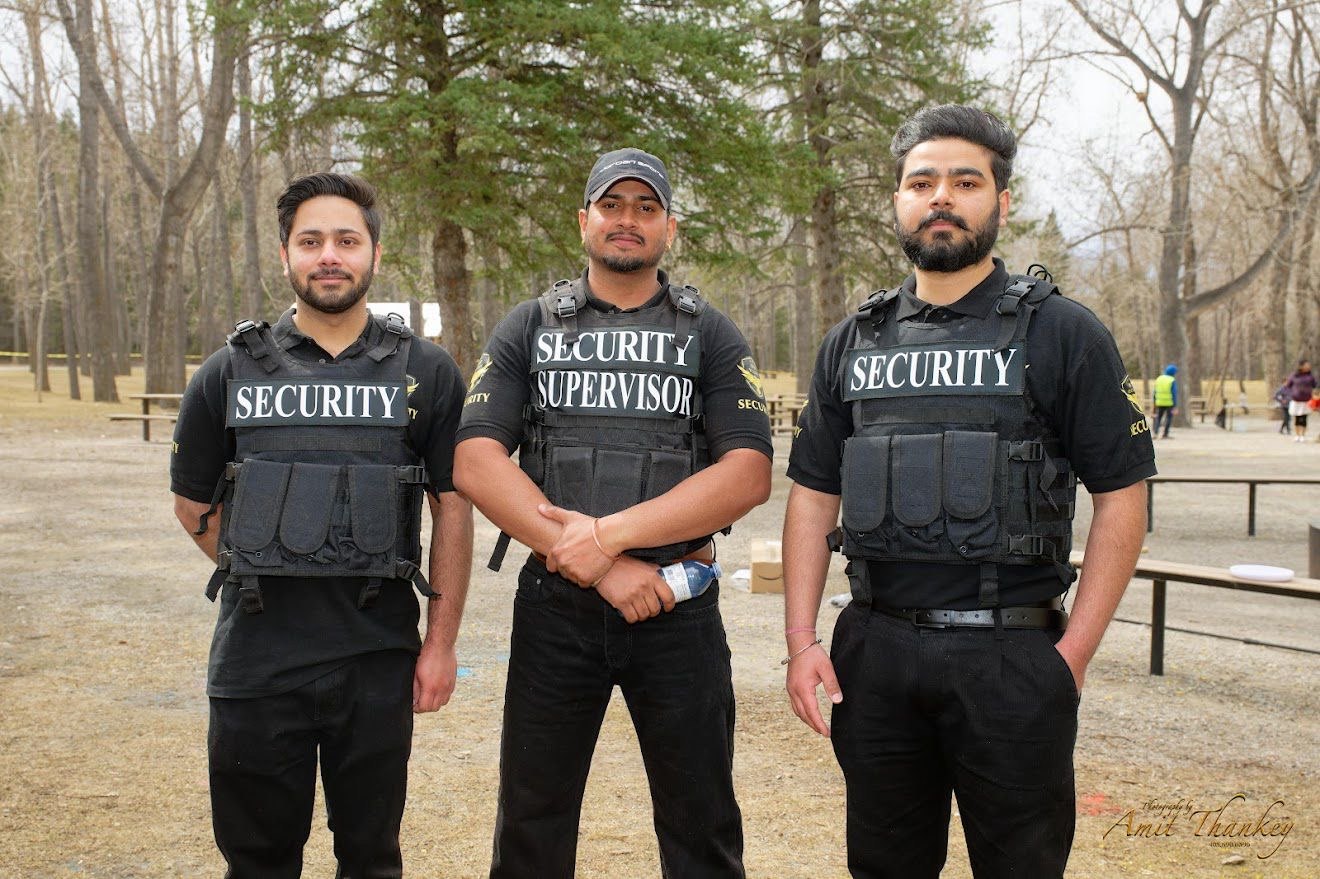
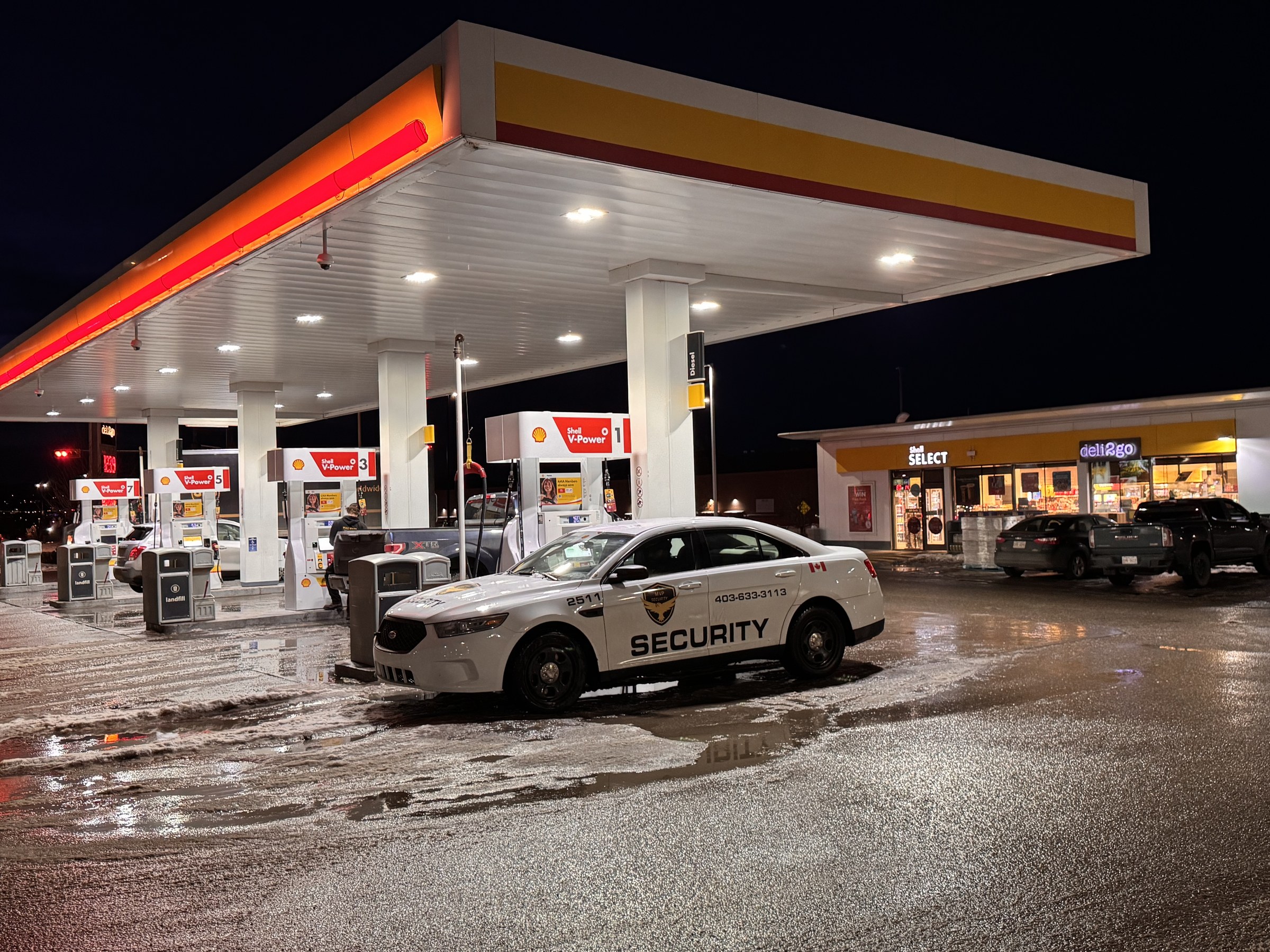
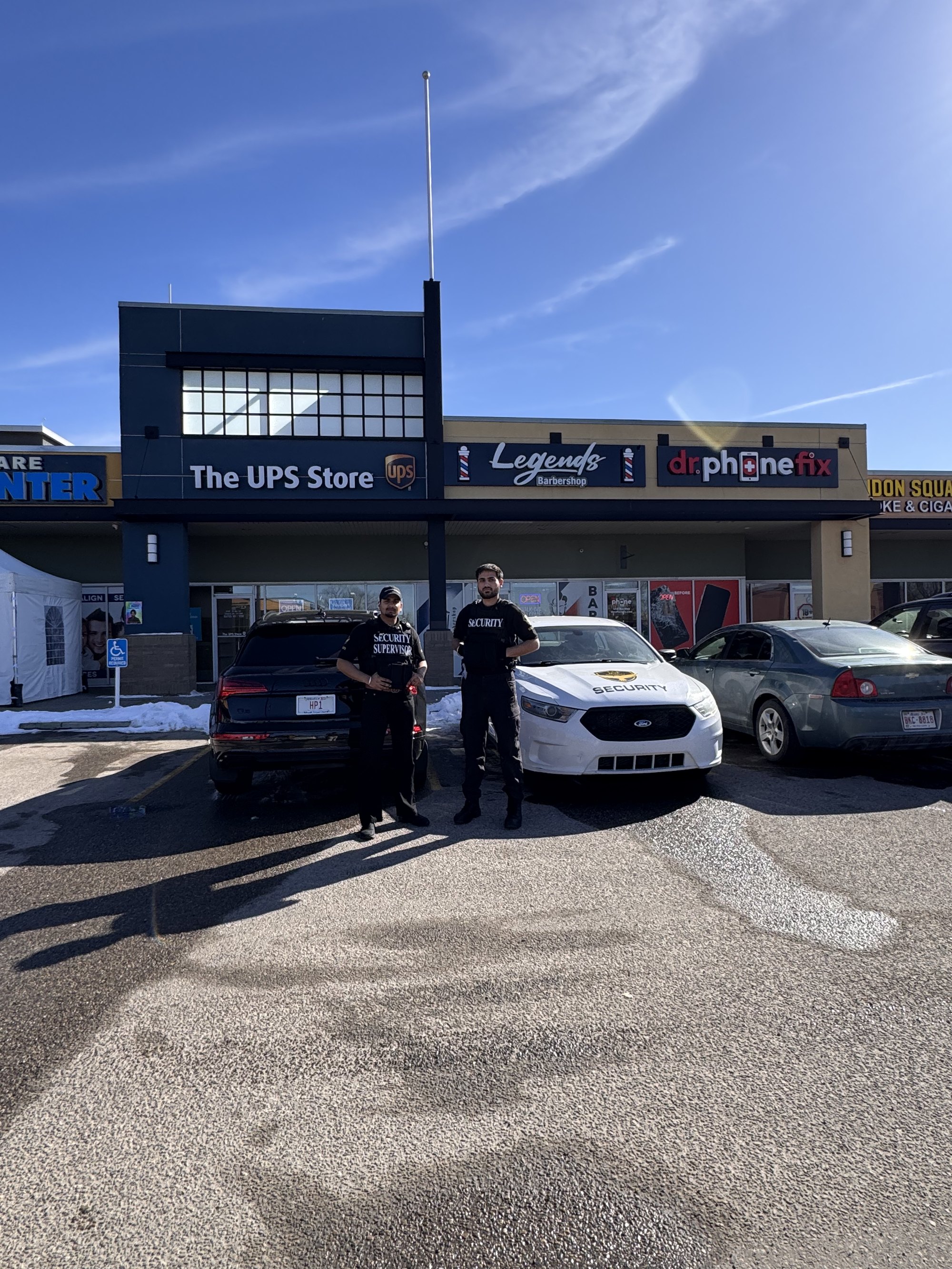
Mobile patrols are effective when the priority is visible deterrence, perimeter checks, lock verification, alarm response, and documented site activity. Static guards make more sense when there is active after-hours access, repeated incidents, or a need for continuous control at one entry point.
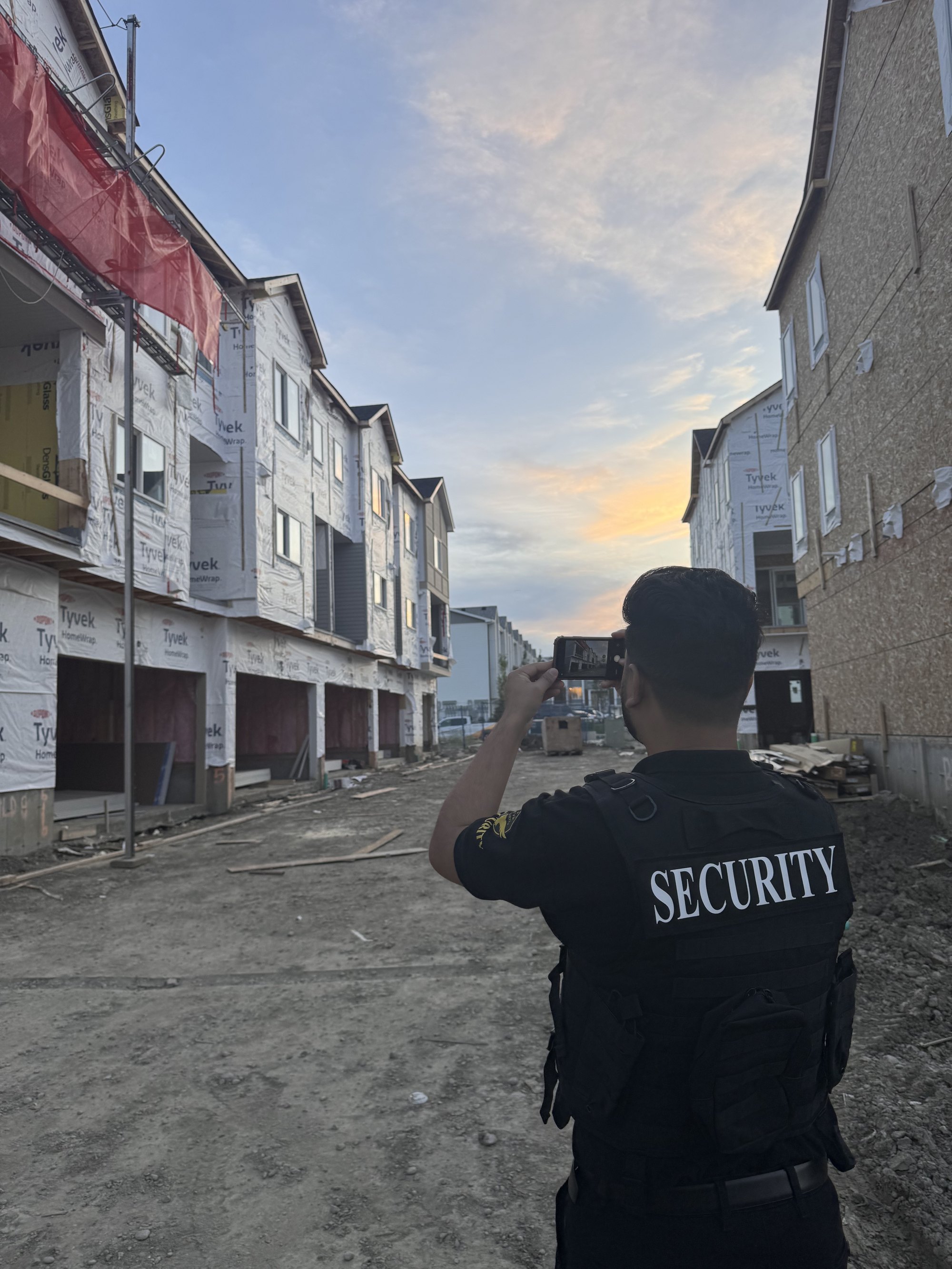
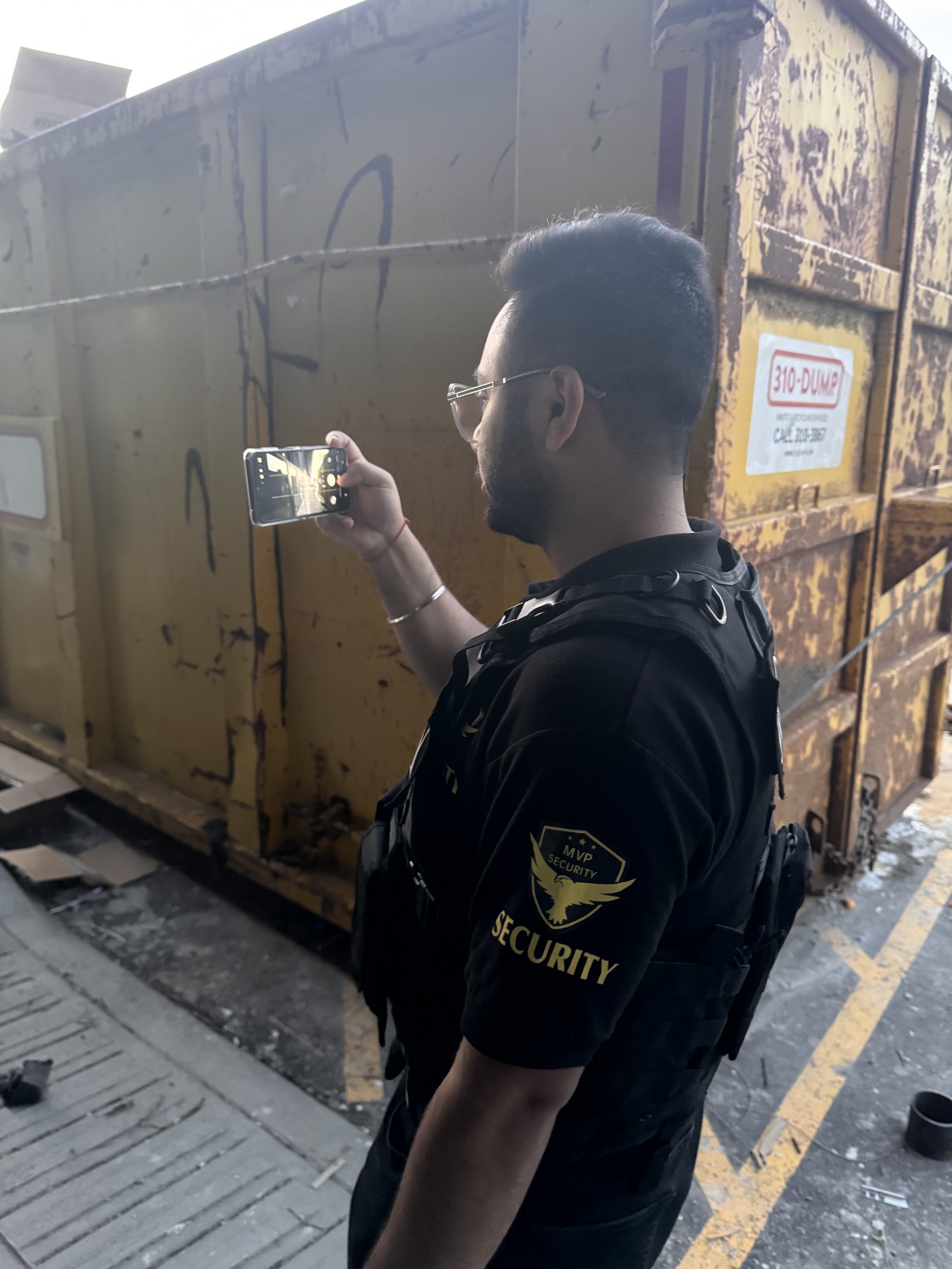
The important detail is documentation. GPS-tracked patrol activity, photo-supported reporting, and incident notes give project stakeholders something concrete to review. That helps with accountability, claim support, and operational decisions. It also shows whether the security plan is actually working or just present on paper.
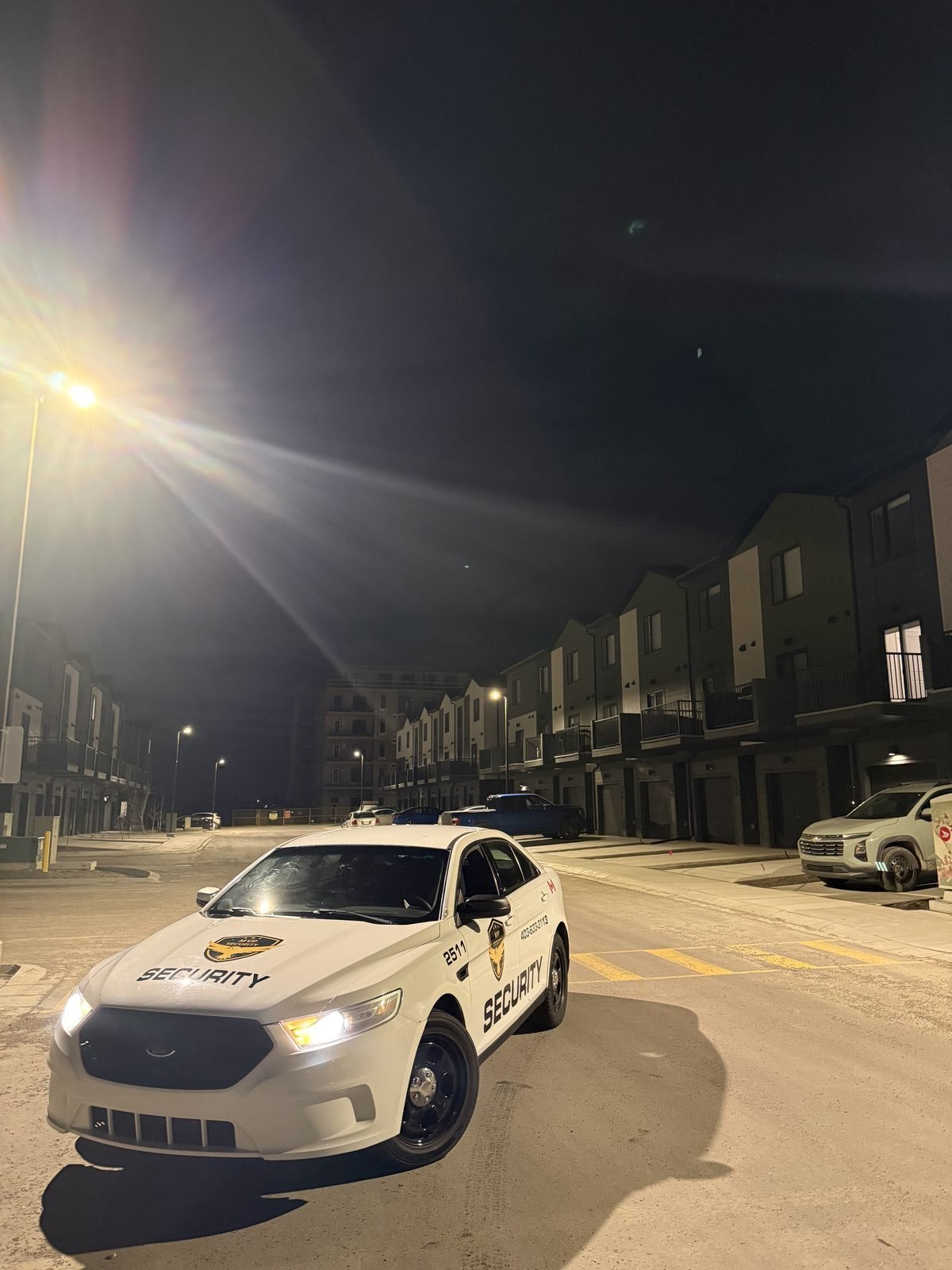
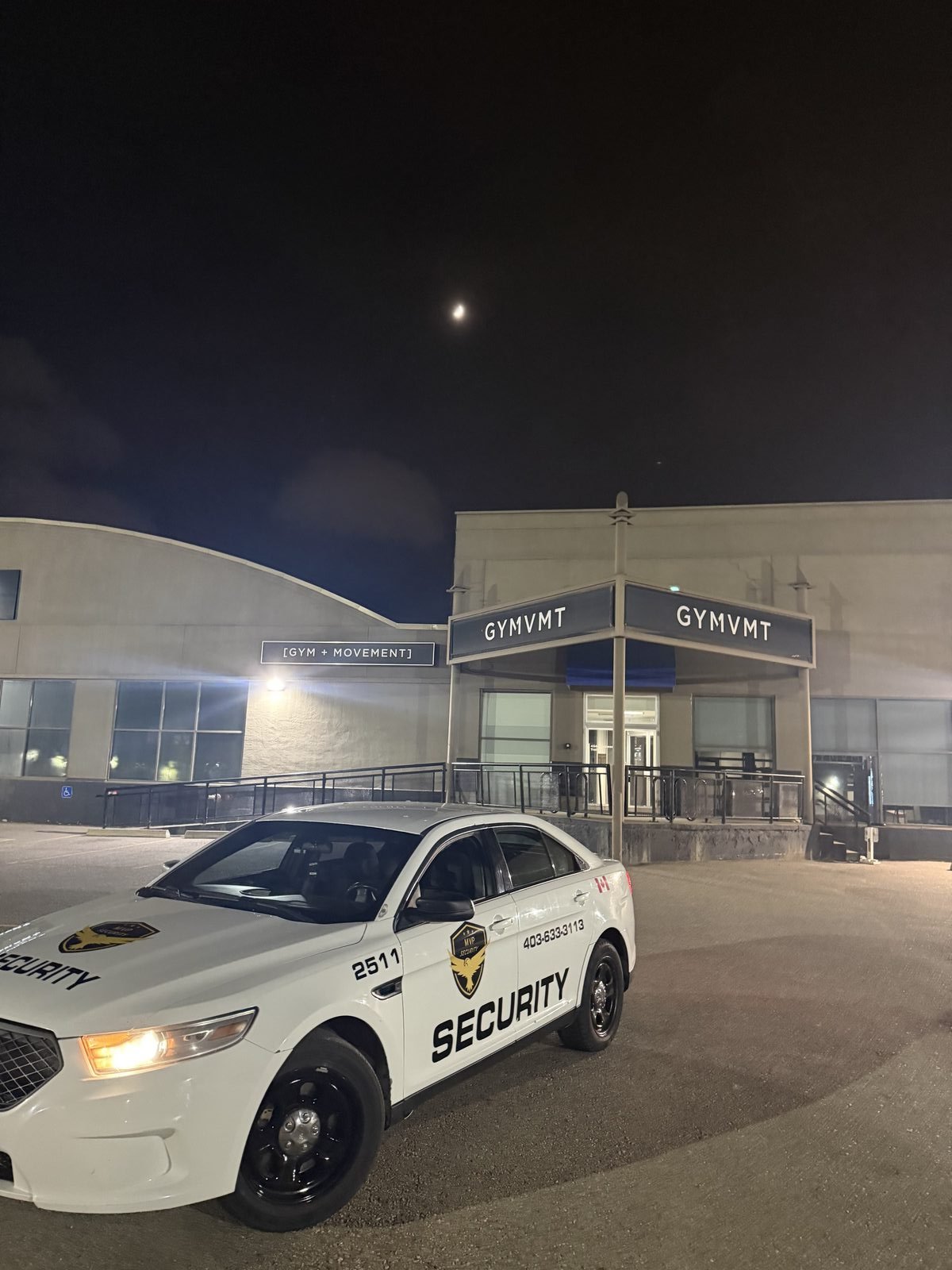
A local provider with construction experience can usually identify site patterns quickly - when trespassing occurs, where materials are most exposed, and which schedule changes increase risk. That kind of adjustment is often what separates basic coverage from effective prevention. For builders in Calgary and surrounding communities, MVP Security is one example of a provider built around that local, responsive model.
Build Theft Prevention Into Daily Operations
If security only exists after hours, gaps remain during the day. Site teams should know where theft risk sits and what daily habits reduce it. That includes locking units consistently, reporting damaged fencing immediately, challenging unknown visitors, and keeping delivery and removal records tight.
Tool and material management also matters. When nobody knows what arrived, what was installed, and what is still on site, losses can sit unnoticed until the next crew is delayed. Daily control does not need to be complicated, but it does need to be consistent.
Supervisors should also treat small incidents seriously. A cut fence, moved panel, broken lock, or minor fuel loss is often an early warning, not an isolated event. Responding quickly can prevent a larger theft later in the week.
What Actually Works Best? It Depends on the Site
If the project is in a dense urban area with good visibility, lighting, access control, and random patrols may be enough. If it is in a quieter industrial pocket or on the edge of a developing area, you may need more visible overnight presence. If high-value finishes are arriving, temporary upgrades to coverage are often justified, even if the site was lower risk earlier.
The strongest plans are flexible. They match current site conditions, not assumptions made at kickoff. That is the practical answer to how to prevent construction theft: reduce opportunity, make presence visible, respond quickly, and adjust before losses become routine.
A construction site does not have to be easy to steal from. When the perimeter is controlled, access is documented, assets are secured, and after-hours activity is actively watched, most offenders move on to a softer target.