











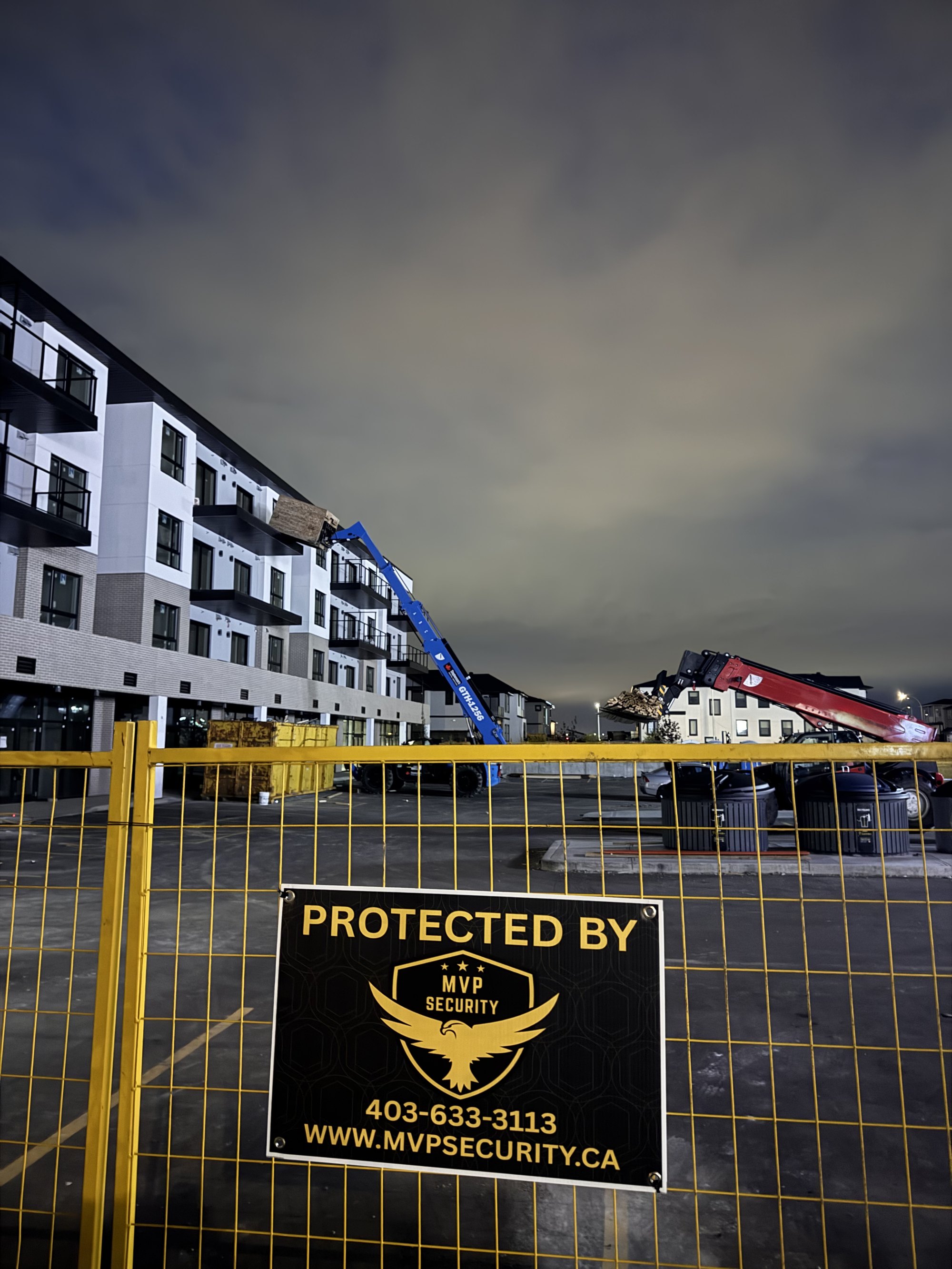

A gate left open for twenty minutes is often all it takes. On a construction site, that can mean stolen tools or copper. At a condo, it can mean a non-resident entering through a parkade door. At a retail or industrial property, it can turn into trespassing, vandalism, or a safety issue before anyone on staff notices. If you are responsible for a property, knowing how to prevent unauthorized site access is less about one fix and more about closing the small gaps that people exploit.
The challenge is that unauthorized access rarely happens because a site has no security at all. It usually happens because the security measures in place do not match how the site actually operates. A property may have cameras but no active monitoring. A building may have access control at the front entrance but weak coverage at loading doors. A construction project may have fencing, but no overnight patrol presence to catch repeated attempts.
How to prevent unauthorized site access starts with site reality
The first step is to assess where access is really happening, not just where it is supposed to happen. Many sites have a formal entry point and several informal ones created by habit, convenience, or poor layout. Staff prop open doors. Trades use side gates. Tenants let visitors in without verification. Delivery drivers enter through service corridors that are rarely supervised.
A practical assessment looks at the site during normal operating hours and after hours. The risks are often different. During the day, the issue may be tailgating or poor visitor control. Overnight, it may be perimeter breaches, alarm events, or individuals testing doors and blind spots. A useful security plan reflects both patterns.
This is where many property managers and site supervisors lose time and money. They assume a camera or a lock is enough, but unauthorized access is usually a process failure first and a hardware failure second. If the process is weak, the equipment only records the problem.
Secure the perimeter without creating operational bottlenecks
Perimeter control matters because it shapes behaviour before someone reaches your building, trailer, or restricted area. Fencing, gates, bollards, lighting, and signage all play a role, but they need to work together.
On construction sites, temporary fencing is common, but it is only effective if it is regularly checked for cuts, lifted panels, or weak gate latches. On commercial and industrial properties, perimeter vulnerabilities often include loading docks, rear service roads, and parkade access points. In residential settings, side entrances, amenity doors, and underground access are often targeted because they receive less attention than the front lobby.
There is a trade-off here. If perimeter controls are too restrictive, they frustrate tenants, staff, trades, and deliveries. If they are too loose, they invite testing. The right balance depends on site traffic, hours of operation, and the consequences of a breach. A warehouse with high-value inventory needs a different access posture than a mixed-use residential building with frequent visitor flow.
Good lighting is one of the most overlooked controls. Poorly lit areas make it easier to approach unnoticed and harder for cameras or patrols to identify suspicious activity. Lighting does not replace security personnel, but it improves deterrence and visibility, especially around gates, walkways, loading zones, and temporary site offices.
Access control needs active management, not just credentials
If your site uses fobs, keycards, intercoms, or coded entry, the biggest risk is often not the system itself. It is how permissions are issued and managed. Former staff, subcontractors, and short-term vendors should not retain active access after their need ends. Temporary permissions should expire. Shared credentials should be avoided wherever possible.
For condos and commercial buildings, access control works best when it is paired with clear front-of-house procedures. Concierge staff or security personnel should know who is expected, what deliveries are authorized, and how to respond when someone tries to follow a resident or employee inside. Tailgating is one of the most common forms of unauthorized entry because it relies on social pressure rather than force.
On construction and industrial sites, credential control should be tied to current workforce lists. If crews change frequently, access records need regular review. Otherwise, people who should no longer be on site can move freely without immediate detection.
Technology helps, but it does not remove the need for site discipline. A locked door is useful. A locked door that people keep bypassing because it slows workflow is not.
Train staff and occupants to spot behaviour, not just badges
People tend to focus on whether someone looks like they belong. That is not a reliable test. Unauthorized individuals often blend in by carrying tools, wearing a vest, or moving confidently through common areas.
Staff, tenants, and on-site teams should know the behaviours that matter more than appearance. Someone trying multiple doors, avoiding check-in, following others through a secured entrance, lingering near storage areas, or refusing to identify themselves should trigger a response. Training does not need to be complicated, but it does need to be consistent.
The response also matters. Employees should know when to challenge, when to observe, and when to call security or police. That decision depends on the environment. In a lobby, a polite verification may be appropriate. On an isolated overnight job site, direct confrontation may not be the safest option.
Use visible security presence where risk justifies it
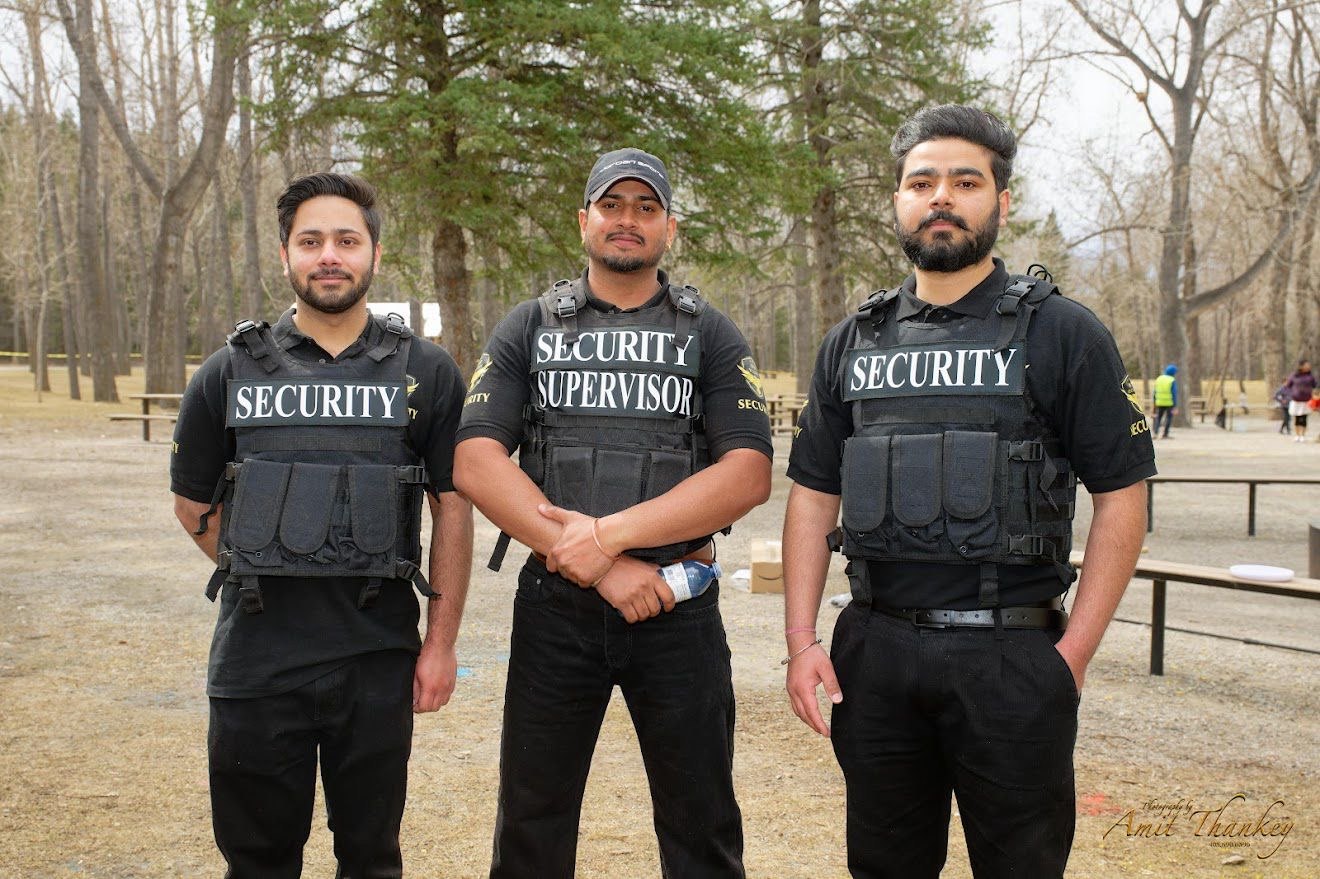
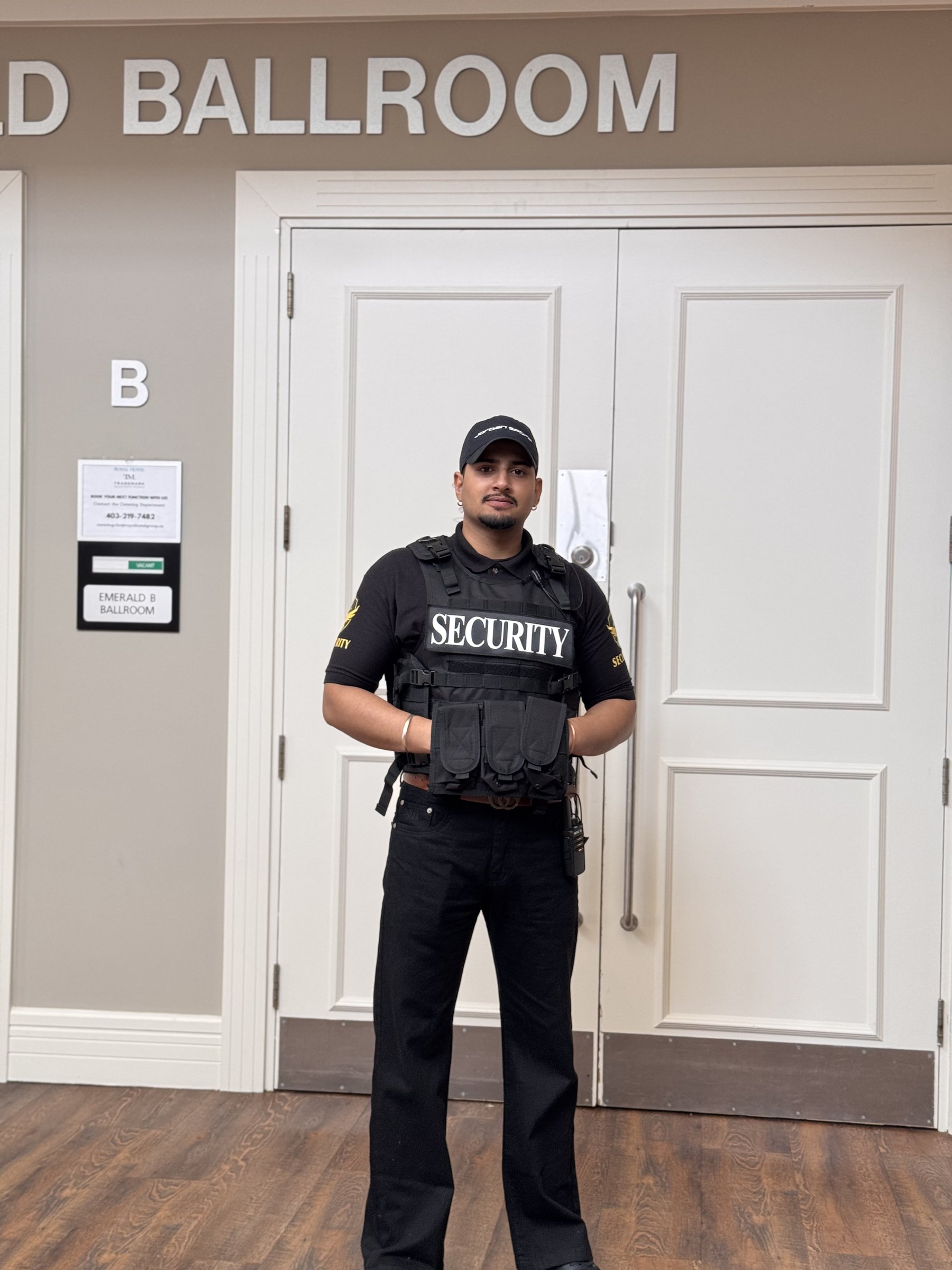
Some access issues can be reduced with better locks, lighting, and procedures. Others require visible deterrence. Uniformed guards, mobile patrols, and controlled-entry staffing are often what stops repeat trespassing, after-hours entry attempts, and unauthorized loitering from becoming a pattern.
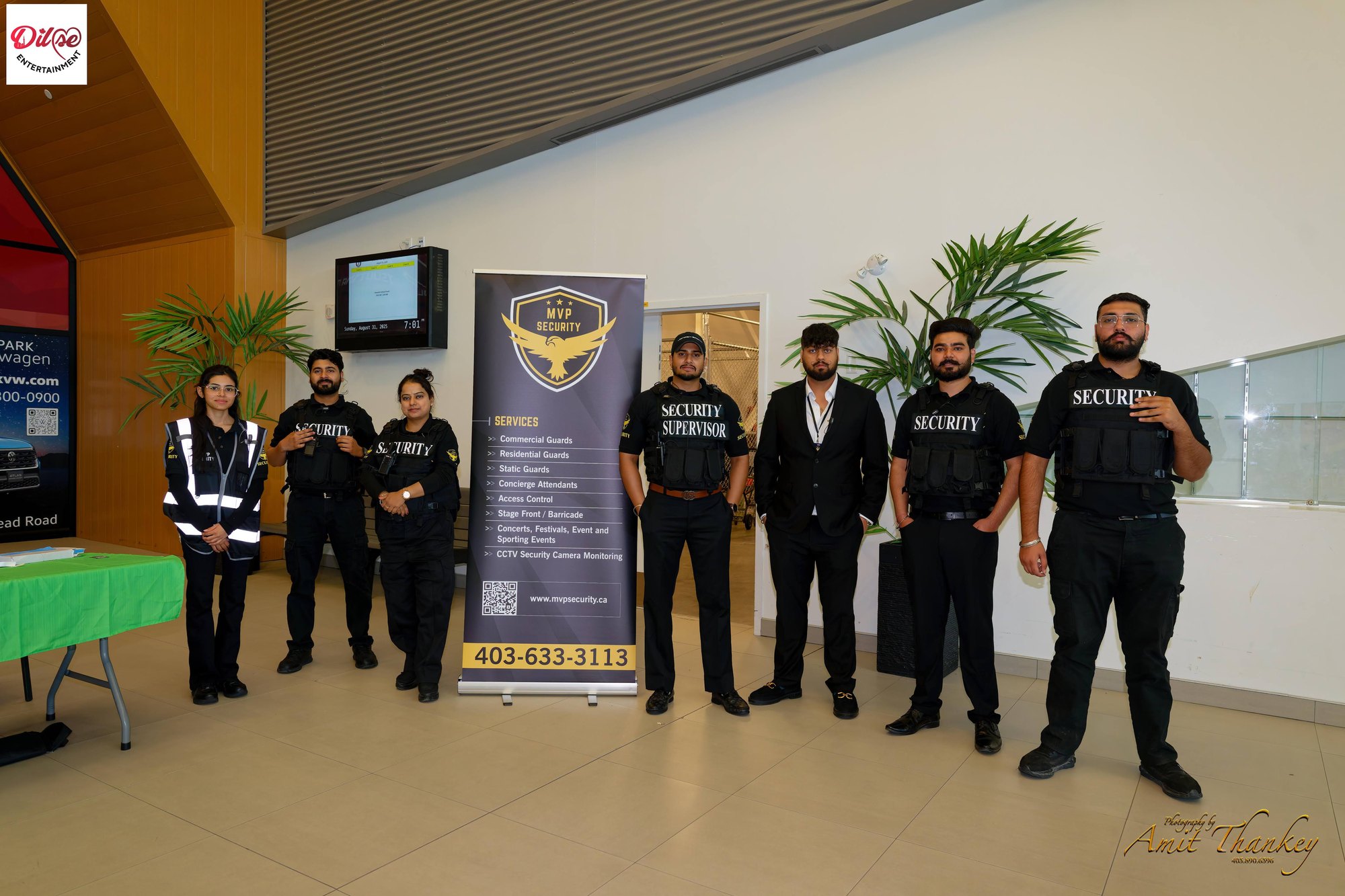
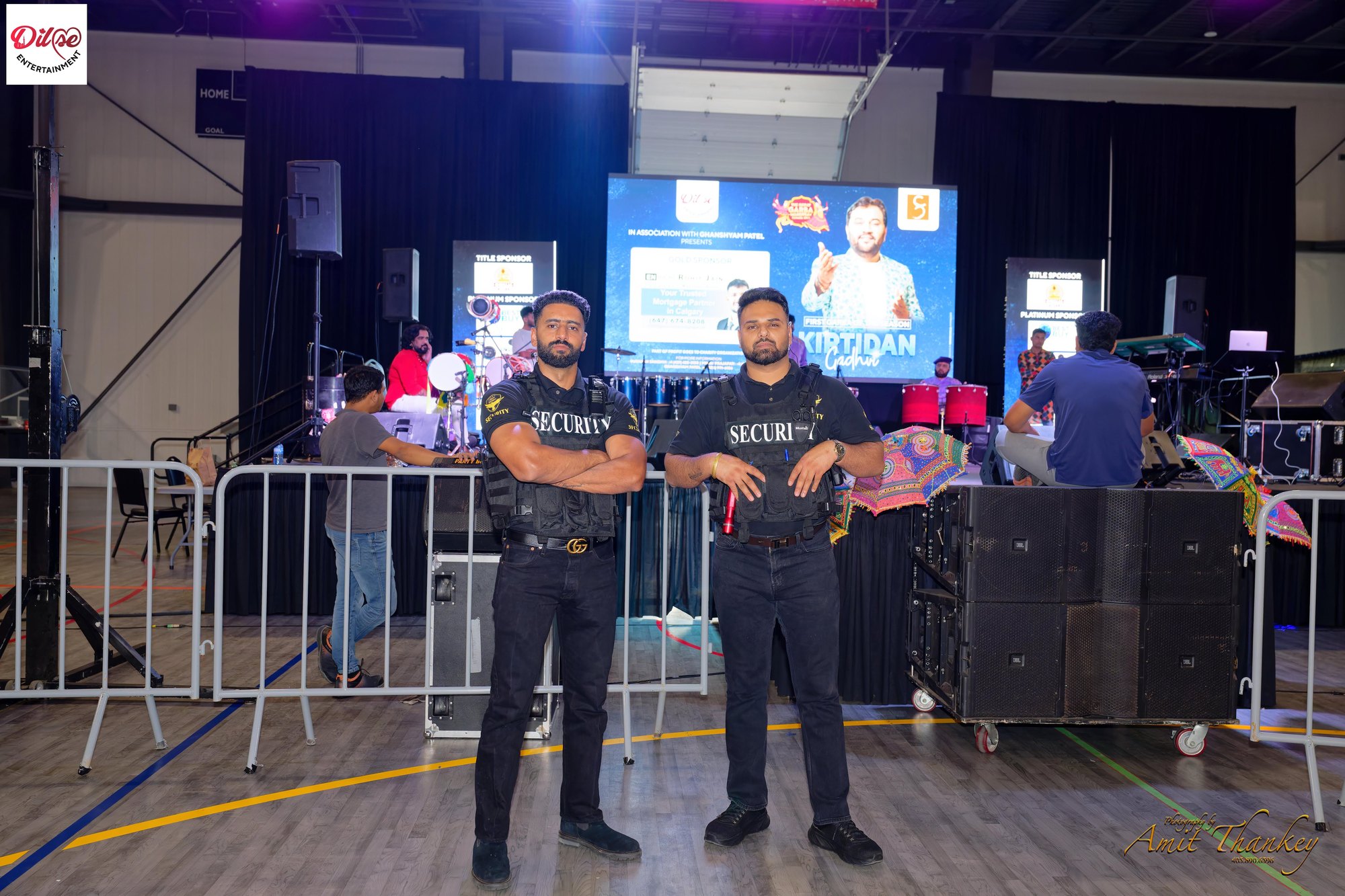
A static guard is useful when a property has a high-traffic entry point, active visitor management needs, or a history of repeated incidents. This is common in condo buildings, commercial towers, and event environments where screening and presence matter throughout the shift.
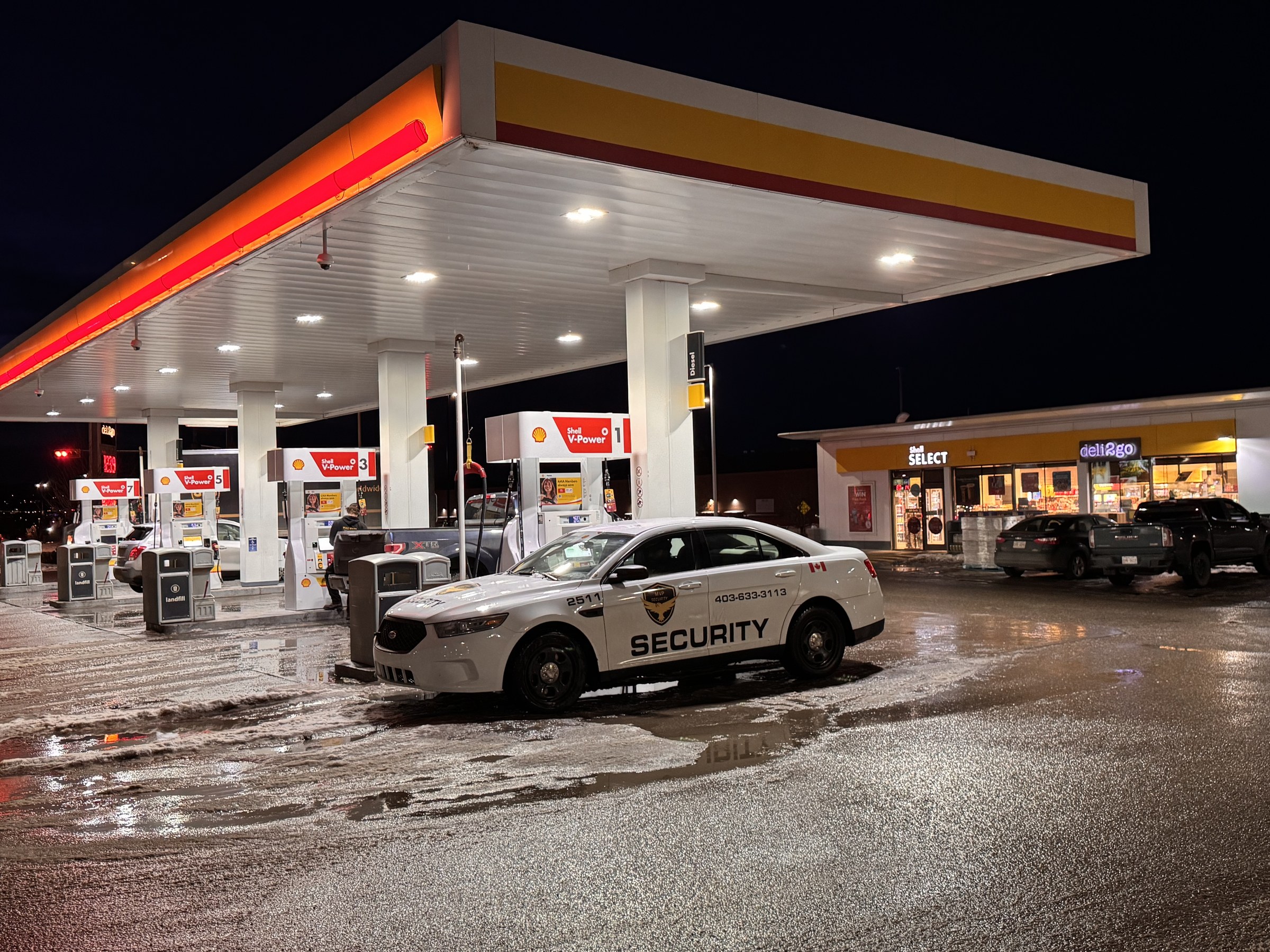
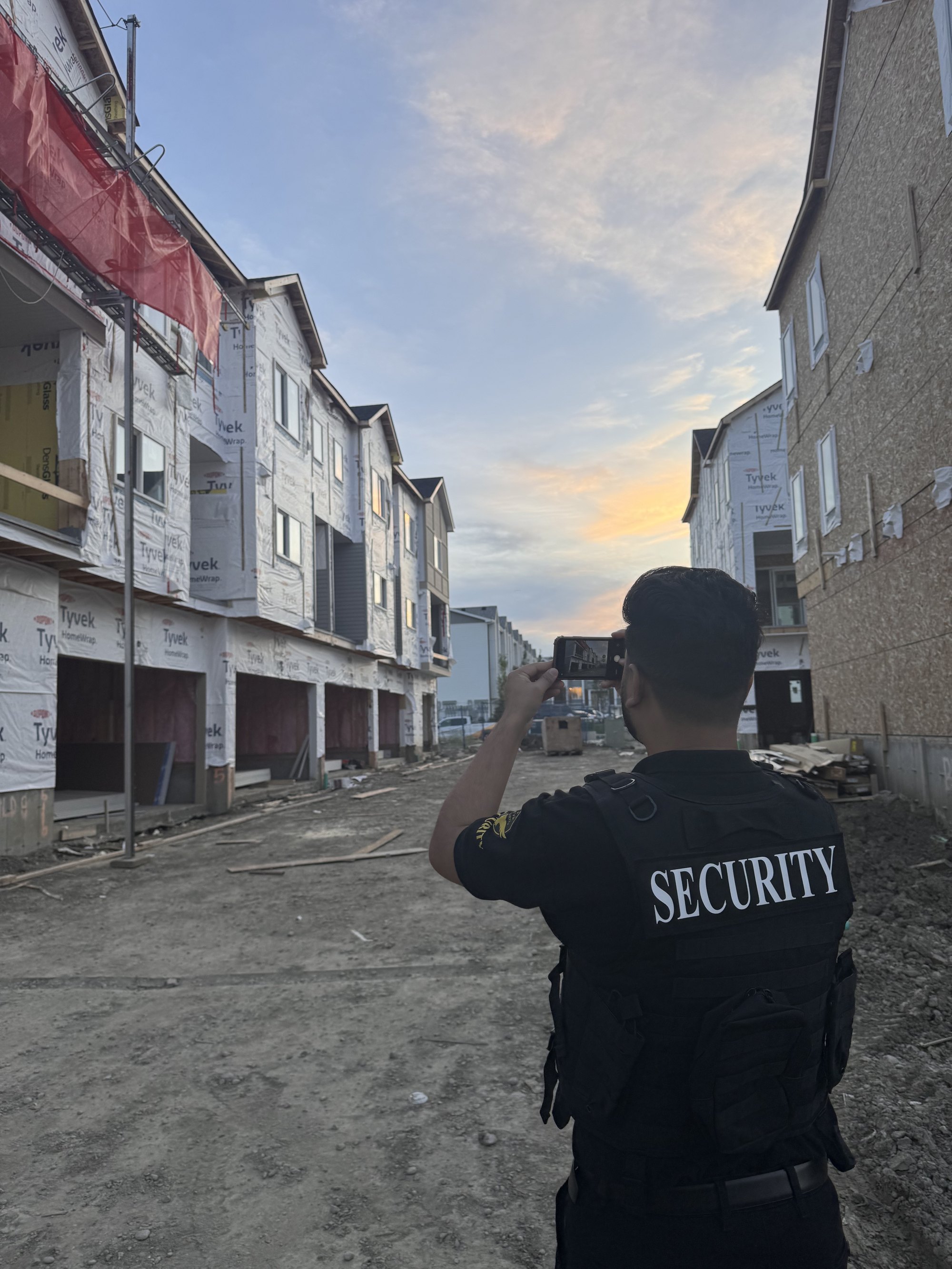
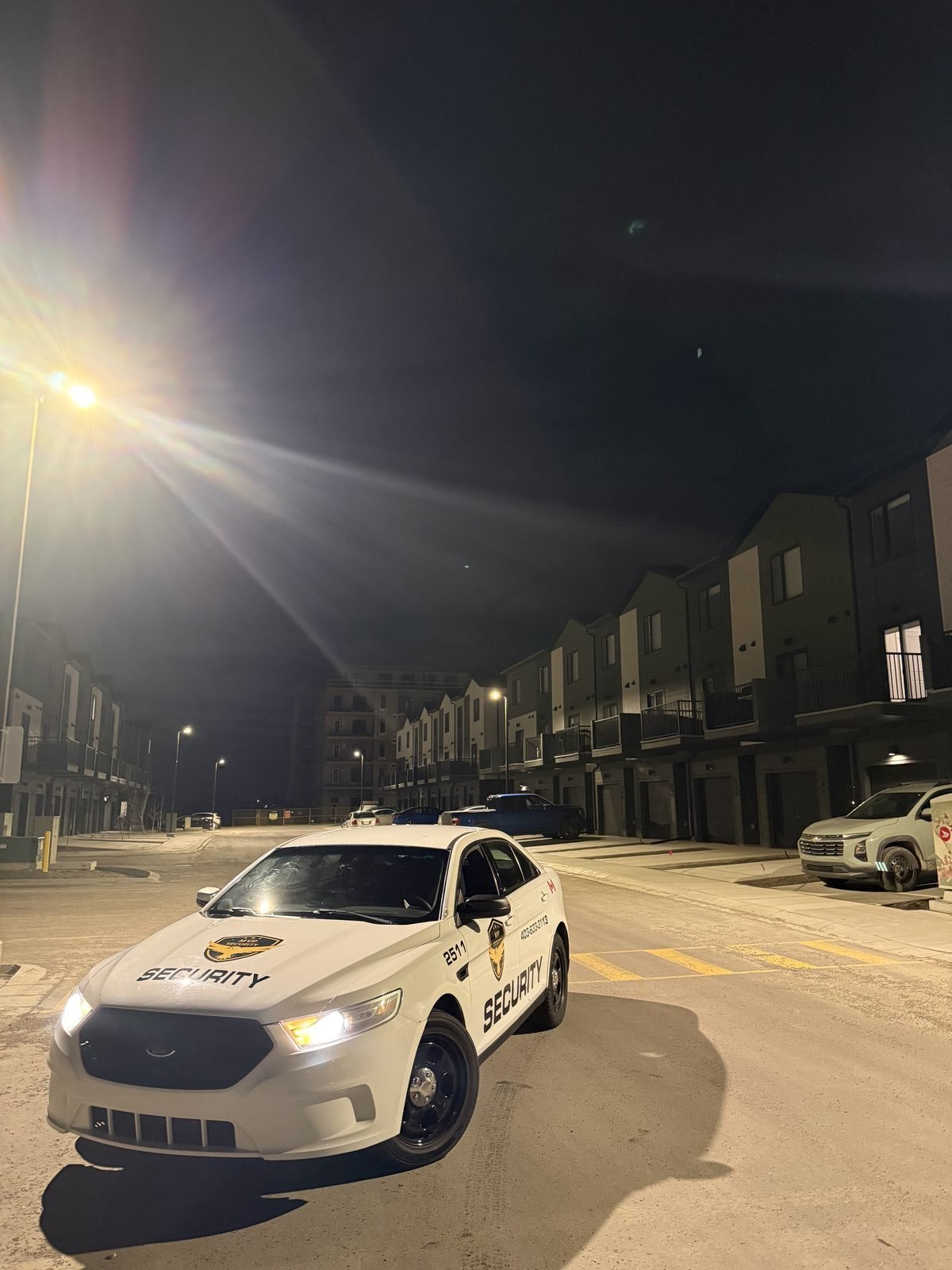
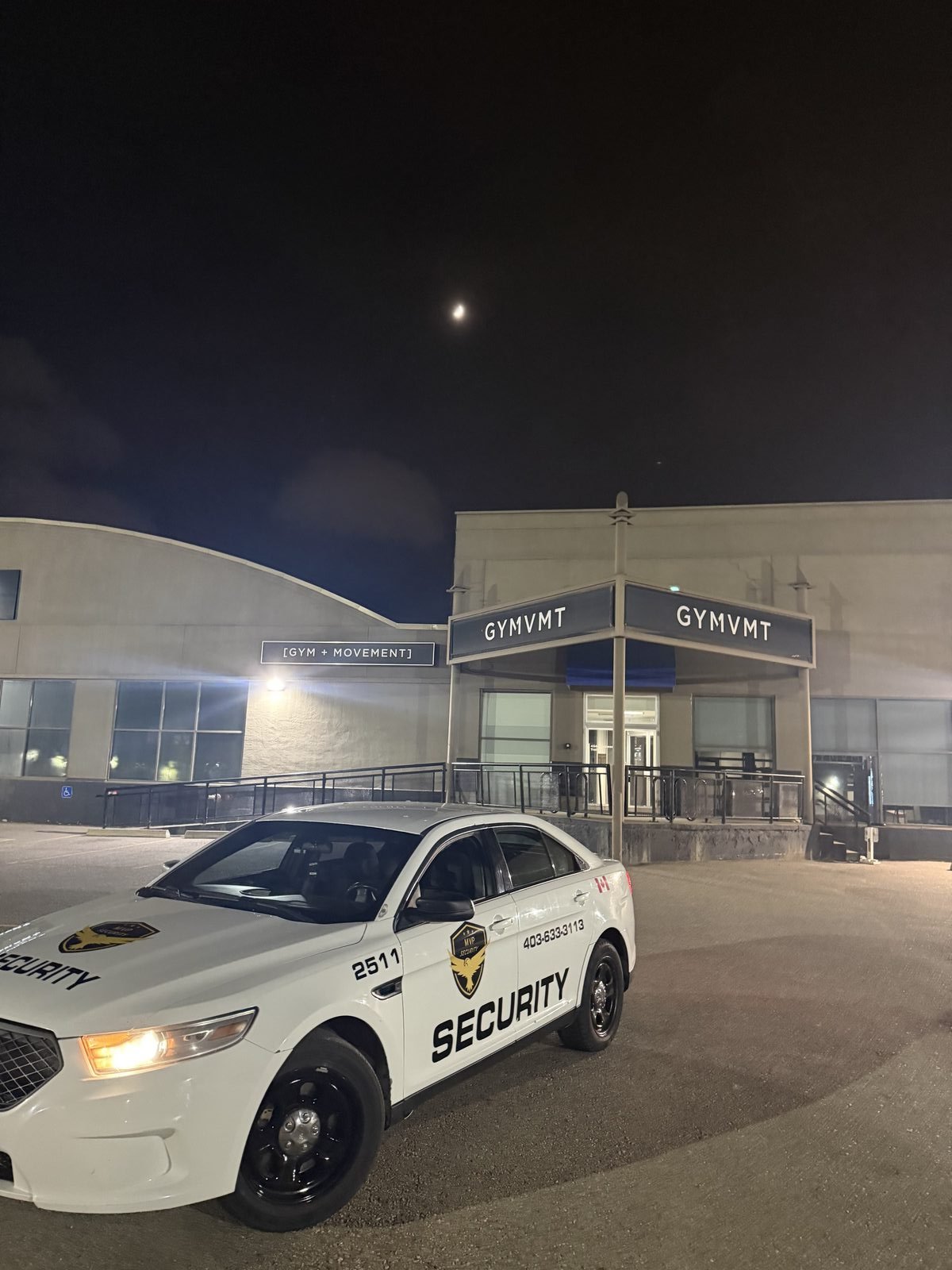
Mobile patrol is often the better fit when the risk is spread across a larger area or concentrated after hours. Patrol units can check doors, gates, fencing, equipment laydown areas, and alarm conditions while maintaining a visible presence that is difficult to predict. For many sites, this is a more cost-effective way to strengthen access control without full-time on-site staffing.
In Calgary and surrounding communities, local deployment speed also matters. If an alarm triggers or a site is found unsecured, delayed response reduces the value of every other control in place. That is why many decision-makers look for guard coverage tied to documented patrol activity, incident reporting, and clear escalation procedures rather than a generic guard booking.
Cameras help most when they support response
CCTV is valuable, but only when it supports action. If cameras are poorly placed, not monitored, or not reviewed after minor incidents, they become passive documentation rather than prevention.
Camera coverage should focus on entry and exit points, loading areas, parkades, fences, storage compounds, elevator lobbies, and any location where unauthorized movement is likely to begin. Blind spots around corners, stairwells, or temporary structures should be reviewed as site conditions change.
For construction and overnight commercial protection, cameras are often strongest when paired with patrol response or alarm verification. Video may show a breach, but someone still needs to attend, assess, and take control of the situation. That operational link is what turns surveillance into site protection.
Documentation closes the loop
If unauthorized access happens more than once, your reports should tell you where, when, and how. Photo-documented incident reporting, patrol logs, alarm response records, and access event reviews give site managers something concrete to work from.
Without documentation, security decisions tend to be reactive and repetitive. The same gate gets repaired three times. The same entrance remains a problem because no one has tracked the pattern. Clear reporting helps you adjust coverage, justify budget, and show stakeholders that the issue is being managed properly.
Match the security plan to the site, not a standard package
There is no single answer to how to prevent unauthorized site access because a downtown commercial property, a suburban condo, and an active construction site do not carry the same risks. Even two similar buildings may need different coverage based on tenant traffic, neighbourhood conditions, operating hours, and prior incidents.
A practical plan usually combines physical controls, access procedures, staff awareness, and some level of guard or patrol support. The mix depends on what is being protected, how often the site is occupied, and how quickly a breach can turn into loss or liability.
For some sites, a stronger key and credential process will make the biggest difference. For others, the real fix is overnight patrols, controlled access staffing, or a faster response model tied to alarm events and suspicious activity. MVP Security Inc. works with Calgary-area clients on that site-specific approach because the best deterrent is the one that fits how the property actually runs.
If you are seeing repeated trespassing, after-hours activity, or entry point failures, treat those signs as early warnings rather than isolated events. The right adjustments made now are usually far less expensive than dealing with theft, damage, or an avoidable safety incident later.