

















A vacant building can become a target within days, not months. A broken window, an unsecured service door, or an alarm that goes unanswered can invite trespassing, copper theft, vandalism, fire risk, and costly insurance issues. Knowing how to protect vacant buildings means treating the property as an active security site until it is occupied, renovated, sold, or demolished.
For Calgary property managers, builders, landlords, and commercial owners, the right level of protection depends on the building's condition, location, contents, and period of vacancy. A boarded-up retail unit needs a different plan than an empty industrial warehouse, a condo building awaiting repairs, or a construction project between phases. The common requirement is clear accountability: someone must know what is happening at the site after hours and be able to respond when it changes.
Start With a Site-Specific Risk Assessment
Vacancy removes the natural supervision created by staff, tenants, customers, and regular deliveries. Before selecting guards, cameras, or patrol frequency, walk the site as an intruder would. Look closely at perimeter fencing, gates, windows, roof access, loading bays, utility rooms, parkades, stairwells, and temporary construction openings.
Document existing damage and note every point where someone could enter without being seen. Pay attention to whether the property is visible from the street, close to transit, adjacent to other vacant sites, or located in an area with repeated after-hours activity. A site near active businesses may benefit from visible patrols at closing time, while an isolated industrial property may require stronger perimeter control and alarm response overnight.
The assessment should also identify what remains inside. Appliances, tools, wiring, mechanical equipment, fuel, fixtures, and stored materials all change the risk profile. Even an apparently empty building may contain valuable copper, HVAC components, or equipment that can be removed quickly.
Secure the Perimeter Before Problems Start
Physical security is the first layer. If an offender can enter easily, cameras alone will only record the loss. Repair damaged fencing, use secure locks and protected lock boxes, and make sure gates close and latch properly. Remove debris, pallets, ladders, and bins that could help someone climb a fence or access upper floors.
Windows and doors require particular attention. Replace compromised locks, reinforce weak frames, and board or screen vulnerable openings where appropriate. Boarding should be installed professionally and checked regularly, especially after wind, storms, or attempted entry. Poorly installed plywood can signal that a property is unmanaged and create an opening rather than a barrier.
Good exterior lighting makes it harder to approach unseen and helps cameras capture usable footage. Lighting should cover entrances, rear access points, loading areas, and the perimeter without creating glare or deep shadows. On properties where power has been shut off or is unreliable, temporary lighting and monitored alternatives may be necessary.
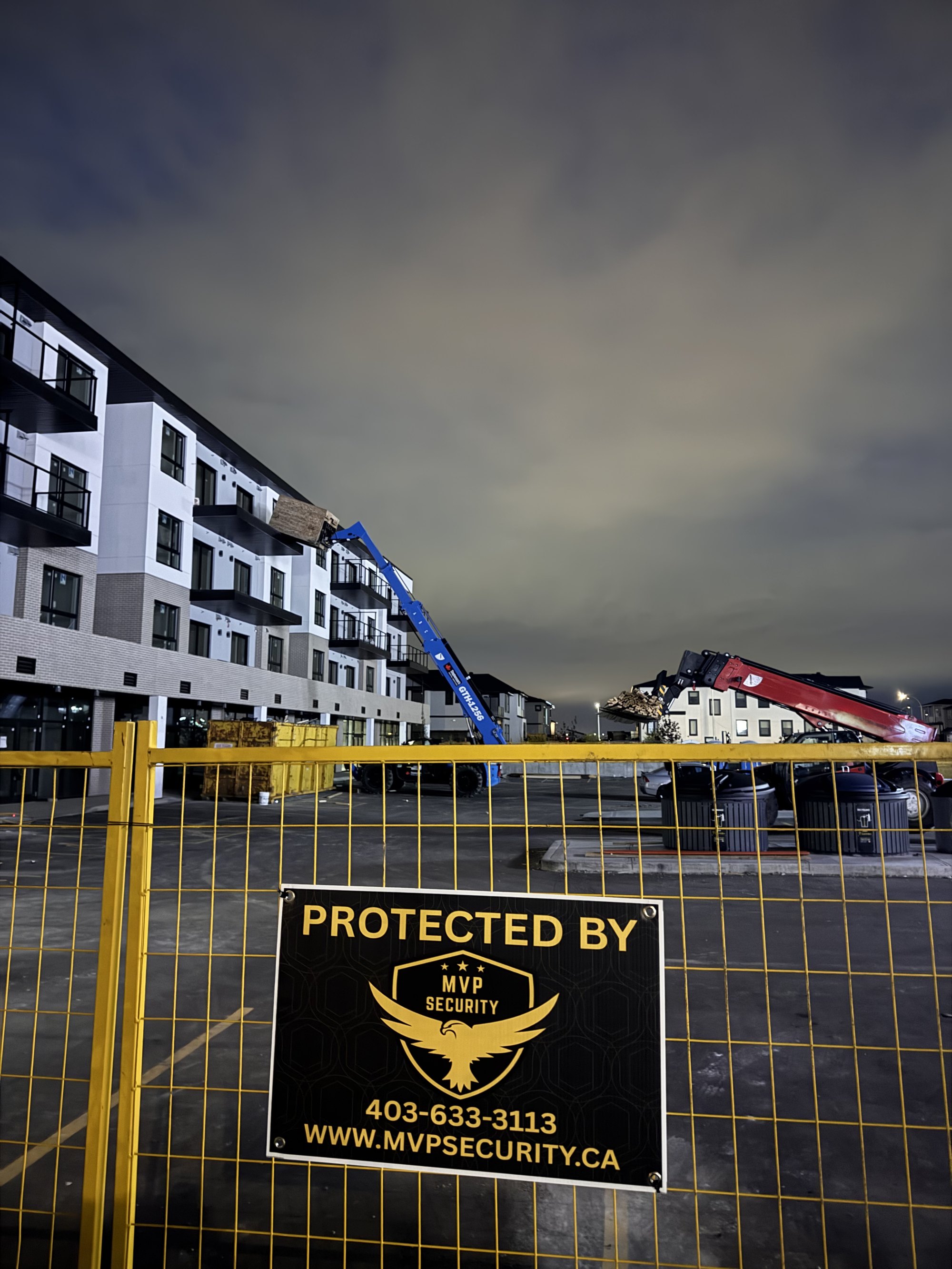
Visible signage can support the physical measures. Signs stating that the site is monitored, patrolled, or restricted will not stop every trespasser, but they establish that the building is actively managed. Avoid posting contact details that could be misused or leaving emergency keys in predictable locations.
Use Layers, Not One Security Measure
The most effective plans combine deterrence, detection, and response. Each layer covers a different failure point. A fence may discourage casual trespassing, an alarm can detect entry, a camera can provide verification, and a patrol officer can investigate and escalate the situation.
A practical vacant-building program may include the following elements:
- Controlled access to gates, doors, keys, and contractor entry
- Monitored intrusion alarms at high-risk access points
- CCTV coverage of entrances, perimeter areas, and valuable equipment
- Scheduled and randomized mobile patrols
- Static guards for sites with repeated incidents, active work, or major loss exposure
- Written alarm response and emergency escalation procedures
The right mix depends on the exposure. For example, a small vacant office may only need secured access, monitored alarms, and overnight mobile patrols. A large building with copper, equipment, or a history of break-ins may justify a static guard during high-risk hours. If renovations are underway, access control becomes especially important because trades, deliveries, and subcontractors can create frequent openings in the security plan.
Make Patrols Visible and Verifiable
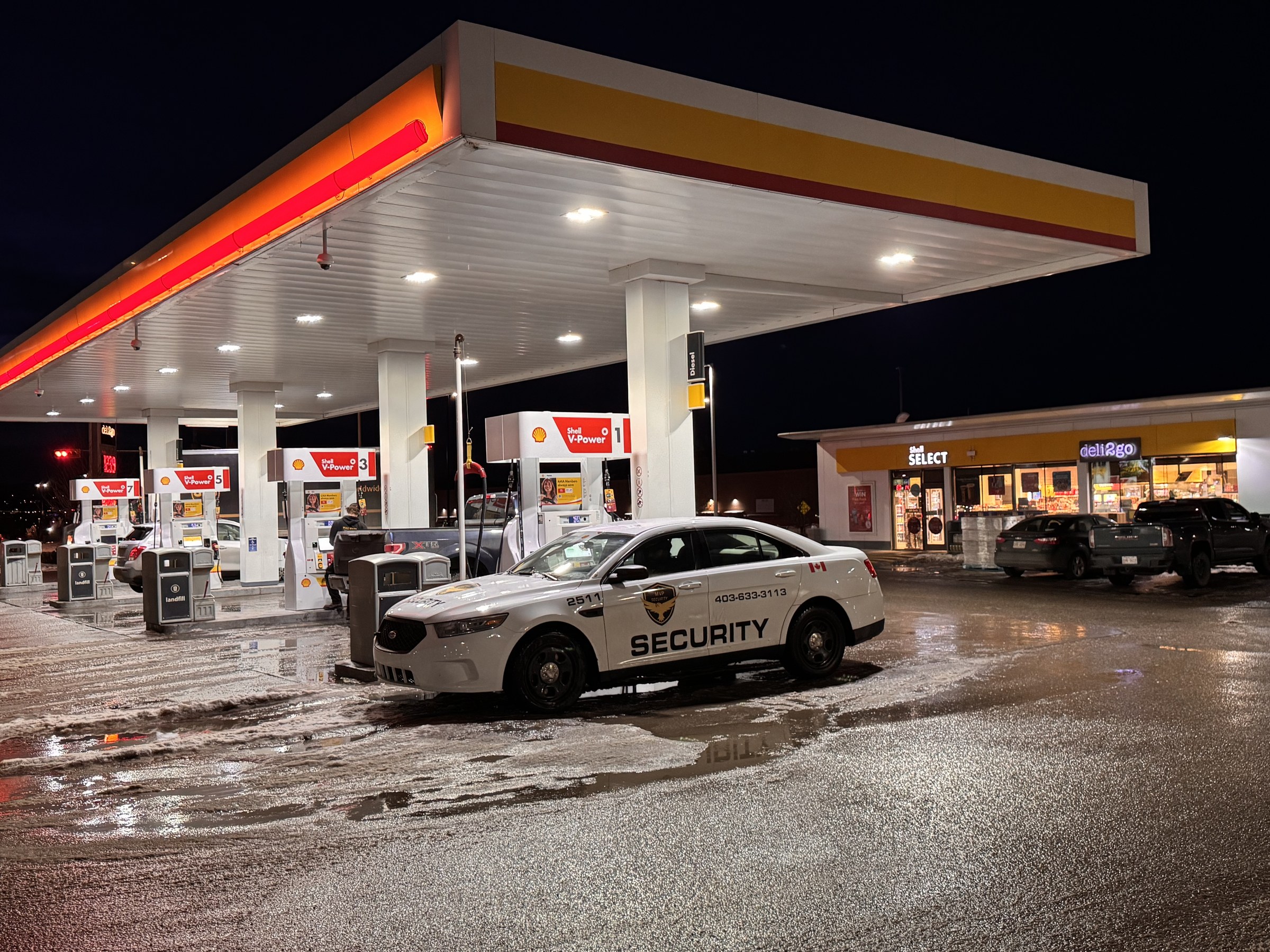
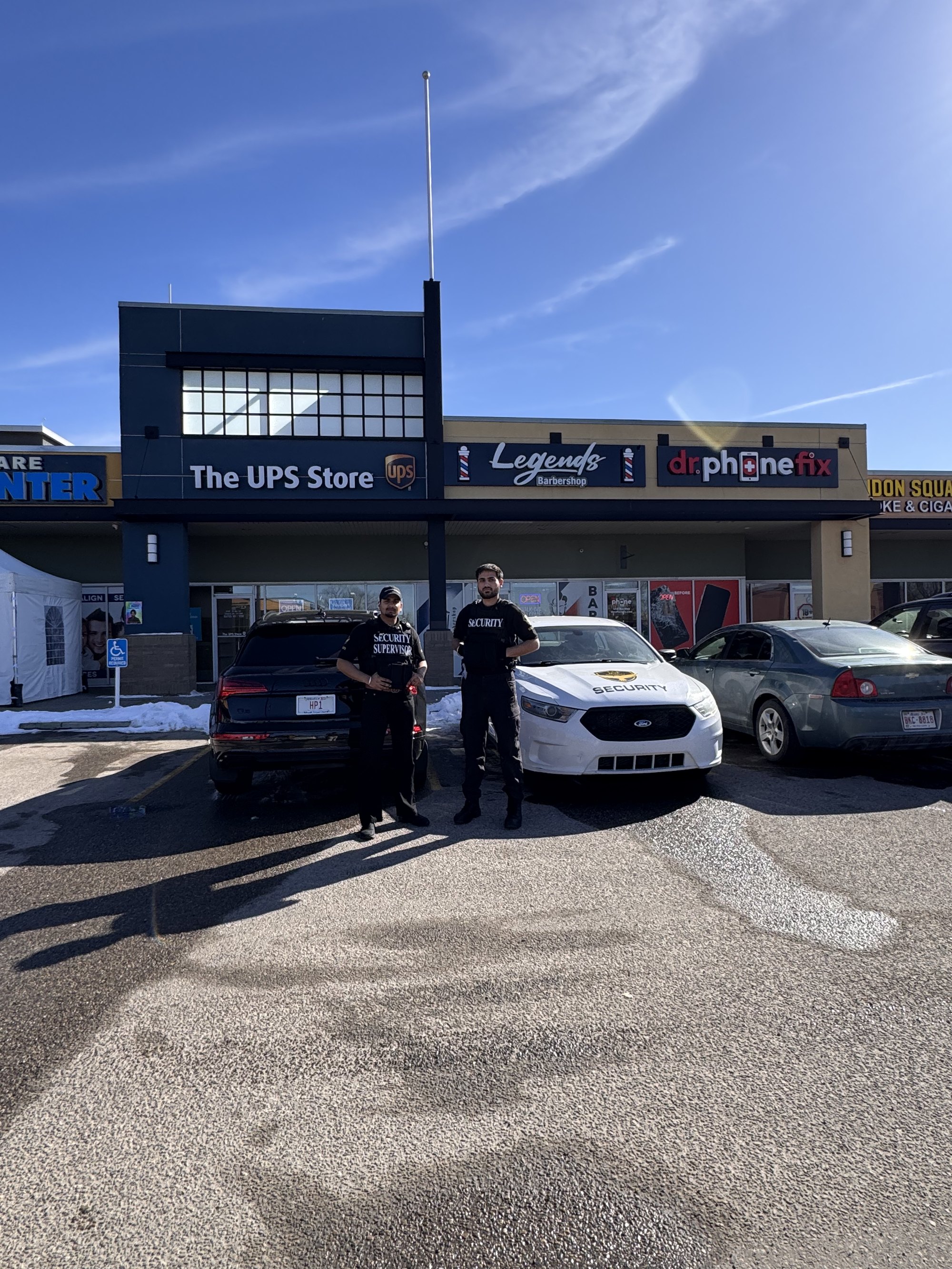
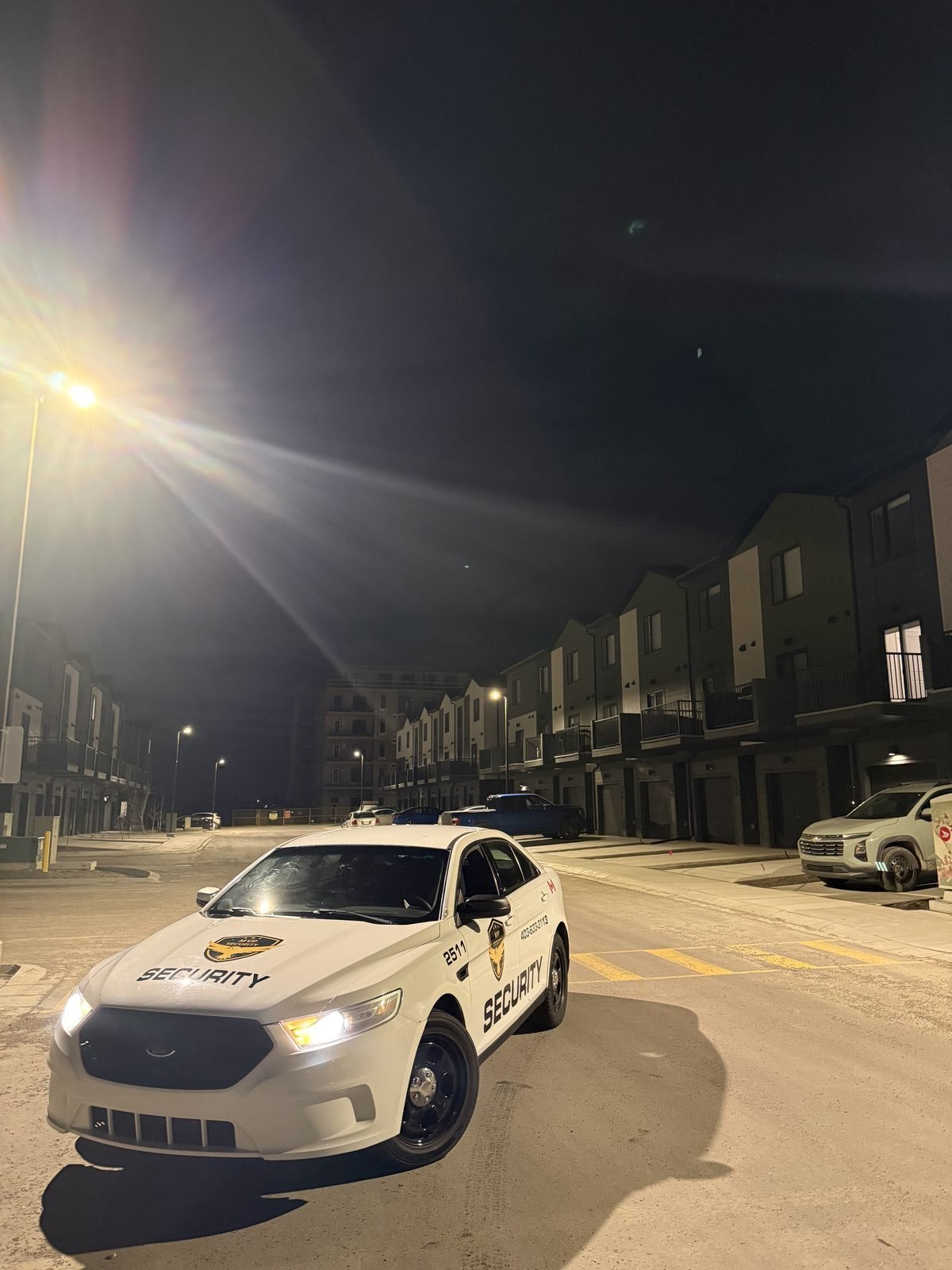
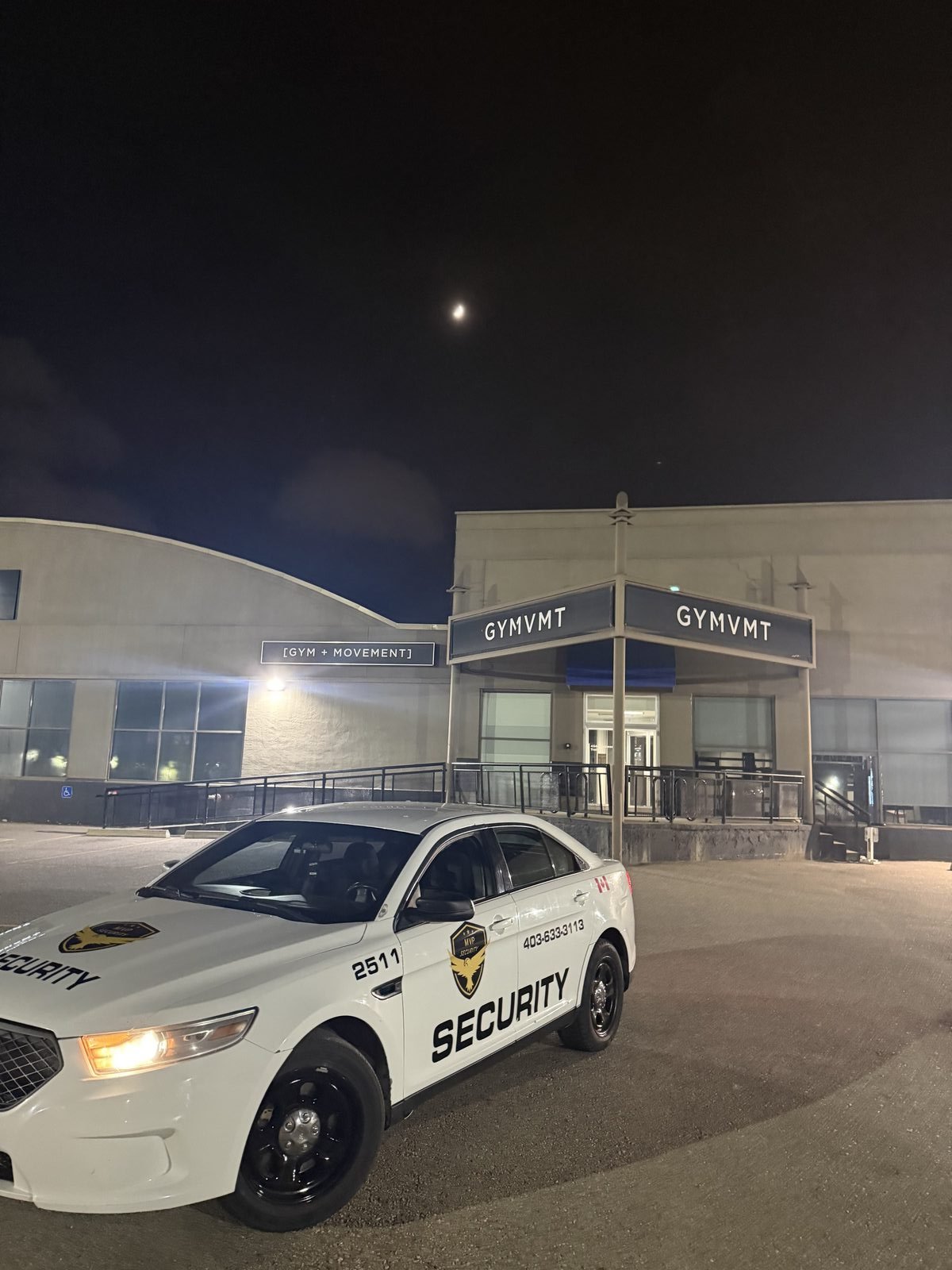
Mobile patrol is often a cost-effective option for vacant properties, particularly when the objective is to prevent opportunistic activity and identify problems early. A marked patrol vehicle, uniformed officer, and regular site checks send a clear message that someone is watching the property.
Patrols should not be limited to a quick drive past the building. Officers need clear post orders that identify the areas to inspect, such as doors, windows, fencing, mechanical rooms, fire panels, evidence of forced entry, suspicious vehicles, and people sheltering on site. Timing should vary where possible. Predictable patrols are easier to avoid.
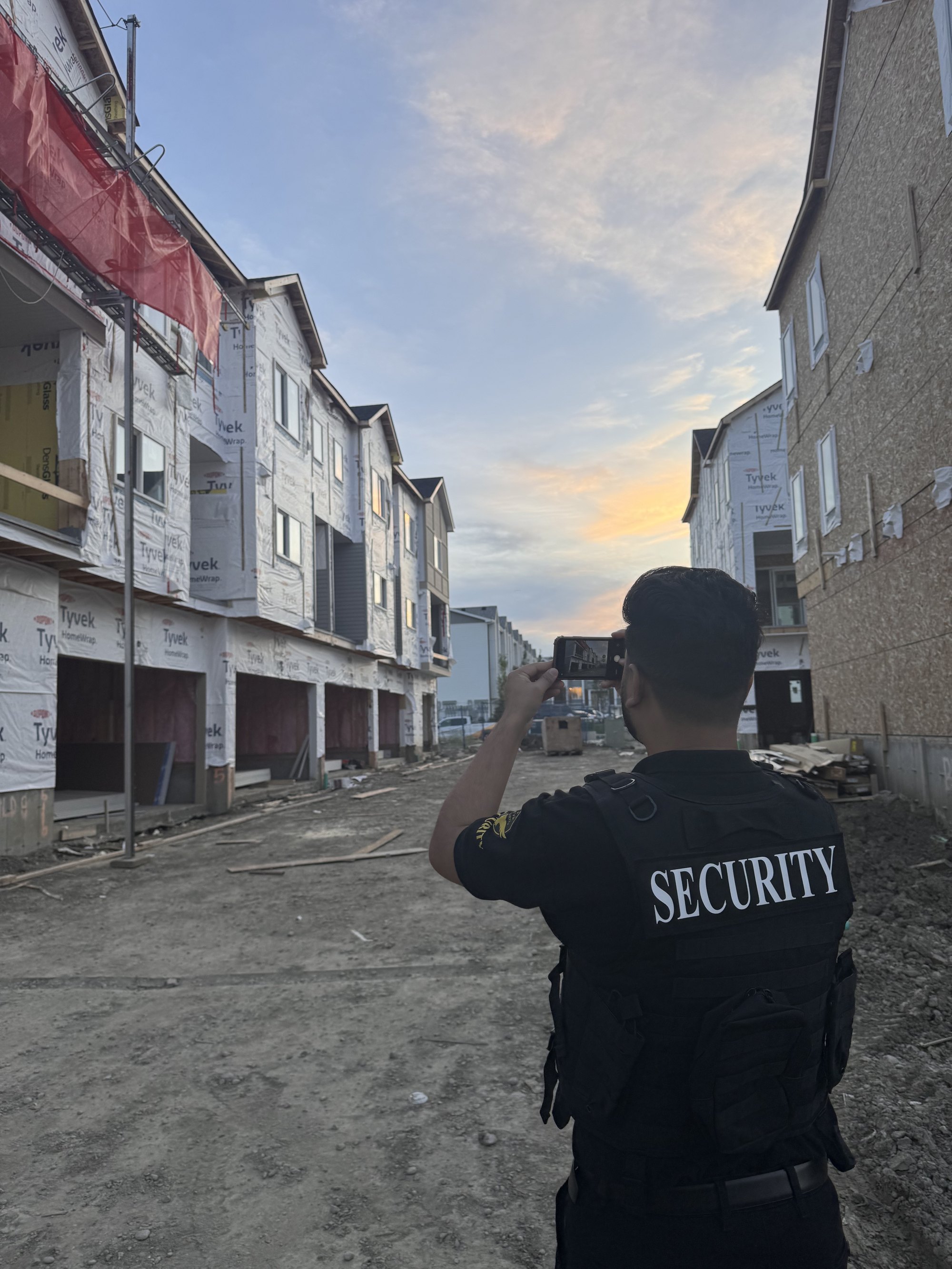
Accountability matters as much as presence. GPS-tracked patrol activity and photo-documented reporting give property managers a record of when checks occurred and what was found. This is useful when reviewing recurring concerns, documenting damage for insurers, or showing owners that vacant-property obligations are being managed.
Plan for Alarms, Fire, and Utility Issues
An alarm is only useful when the response process is defined. Determine who receives alarm notifications, who is authorized to attend, and what happens if there are signs of entry or a safety hazard. Sending an unprepared employee to an alarm event can create unnecessary risk. A trained, licensed security officer can attend, assess the situation, preserve the scene, contact police or emergency services when needed, and provide a written incident report.
Vacant buildings also face risks that are not criminal. A burst pipe, furnace failure, water leak, fire panel trouble, or open door during a cold Calgary night can create serious damage before morning. During winter, regular exterior and interior checks may be required to identify heating failures, water intrusion, ice-related access issues, or damage caused by severe weather.
If a fire protection system is impaired, speak with the appropriate fire protection provider and local authority about the required precautions. Fire watch coverage may be needed in some circumstances. Do not assume that a standard patrol is a substitute for a required fire watch, as the inspection frequency, documentation, and duties can be different.
Control Keys, Contractors, and Site Information
Many vacant-building incidents involve access that was never properly controlled. Keys may remain with former tenants, trades, cleaners, realtors, or staff. Codes may be shared informally, and temporary doors may be left unsecured after work is complete.
Change locks or rekey the building when occupancy changes. Maintain a current key register, limit access codes, and collect credentials from former occupants and contractors. If workers need access during a renovation or repair period, establish sign-in procedures and confirm who is responsible for securing the building at the end of each shift.
Provide the security team with up-to-date site information: emergency contacts, floor plans where available, hazardous areas, utility shutoffs, alarm instructions, known access points, and approved contractor schedules. A guard who arrives without this information loses valuable time during an incident.
Document Incidents and Adjust the Plan
Vacant sites change quickly. One attempted break-in can reveal a weakness that did not appear during the initial assessment. Review every incident for the cause, response time, damage, and follow-up action. If offenders are targeting a specific rear door, add reinforcement, lighting, camera coverage, or increased patrol attention rather than simply repairing the damage and hoping it does not happen again.
Clear reporting also supports insurance claims and owner communication. Incident reports should record the date, time, location, observations, photos where appropriate, actions taken, and whether police, fire, maintenance, or management were contacted. Keep reports organized so patterns can be identified over weeks or months.
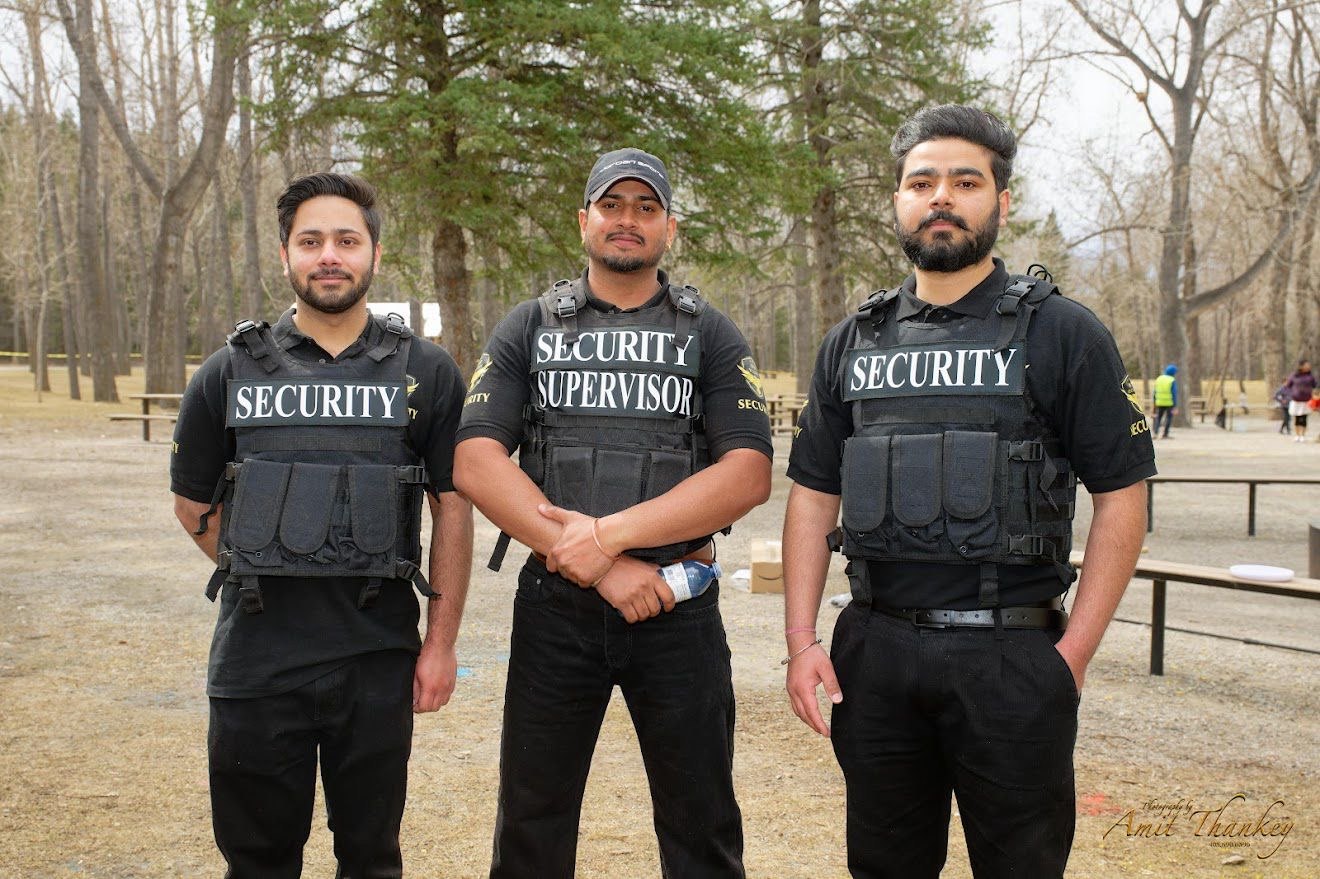
This is where a local security provider can make a practical difference. MVP Security Inc. can build site-specific vacant-property coverage using Alberta-licensed guards, mobile patrols, alarm response, and documented reporting designed around the building's hours, risk, and budget. For urgent vacancies, rapid deployment may be more valuable than waiting for a long-term solution to be finalized.
Know When to Increase Coverage
Security needs should rise when the risk rises. Consider increased patrol frequency or static guard coverage after a break-in, during demolition or renovation, when valuable materials are delivered, when a building has been vacant for an extended period, or when nearby properties experience repeated theft and trespassing.
There is a cost trade-off. Full-time static coverage provides the strongest visible presence but is not necessary for every site. Mobile patrols can provide meaningful deterrence at a lower cost, provided the property is physically secure and the patrol scope is detailed. The best approach is not the most expensive package. It is the level of coverage that closes the actual gaps on the property.
A vacant building should never feel abandoned. Assign responsibility, inspect the site often, and make every access point, alarm event, and incident part of a documented process. That preparation protects more than the building itself - it protects timelines, budgets, insurance standing, and the people who will eventually return to use the property.