


















A vacant storefront, office unit, warehouse, or development site can attract attention within days of being left unattended. Broken fencing, a dark loading bay, or a door that appears unused signals opportunity to thieves, vandals, and unauthorized occupants. Knowing how to protect vacant commercial properties means treating the vacancy as an active operational risk, not simply locking up and waiting for the next tenant.
For property managers and commercial owners in Calgary and surrounding communities, the right plan depends on the site’s location, value of remaining assets, visibility from the street, vacancy duration, and history of incidents. A short-term vacancy in a busy retail plaza needs different coverage than an empty industrial building on the edge of the city.
How to Protect Vacant Commercial Properties With a Risk Assessment
Start with a physical assessment before the building is fully vacant. Walk the exterior during daylight and after dark. Check every door, overhead bay, roof access point, window, gate, utility enclosure, and area screened from public view. Look for simple weaknesses: damaged hardware, loose plywood, blind camera angles, vegetation that conceals an entry point, or exterior lights that no longer work.
Document what remains on site. Copper, tools, appliances, fixtures, HVAC equipment, electrical panels, computers, furniture, and stored materials can all create a target. Even a building that looks empty may contain assets worth stealing or damaging. Remove portable high-value items where possible, and record the condition of fixed equipment with dated photos.
The assessment should also identify who still requires access. That may include cleaners, maintenance contractors, leasing representatives, utility providers, insurers, and emergency trades. Vacant-property security often fails because too many keys, codes, or informal access arrangements remain in circulation after staff and tenants leave.
Control Access Before It Becomes an Incident
A secure perimeter is the first visible barrier. Repair damaged fencing and gates promptly, secure dumpsters and materials that could be used to climb or force entry, and ensure address signage remains visible for responding personnel. If a rear entrance is hidden from the road, it deserves more attention than the front door that faces passing traffic.
Doors should have commercial-grade locking hardware, protected strike plates, and working closers. Vacant units with glass entry doors may need temporary protective measures, particularly when they face low-traffic areas or have experienced prior break-ins. Boarding windows can be appropriate, but it should be installed professionally and checked regularly. Poorly fitted boards can advertise vacancy while leaving easy gaps for entry.
Key control matters as much as physical hardware. Collect keys from former tenants and contractors, change locks or rekey when control is uncertain, and cancel unused access credentials. Keep a clear authorization list for anyone who needs entry. A guard, patrol supervisor, or property representative should be able to confirm whether a person on site is authorized without relying on guesswork.
Use Layers of Deterrence, Not One Device
An alarm system, camera, or sign on its own is rarely enough. Effective vacant-property protection uses layers that make access harder, increase the chance of detection, and ensure someone can respond when an event occurs.
Lighting is one of the most practical measures. Well-lit entries, loading bays, parking areas, and side yards remove concealment and make suspicious activity more visible from the street. Timers and photocells should be tested, especially during seasonal changes when darkness arrives earlier. Avoid creating light pollution that bothers neighbouring tenants, but do not leave common intrusion points unlit to save a small amount on power.
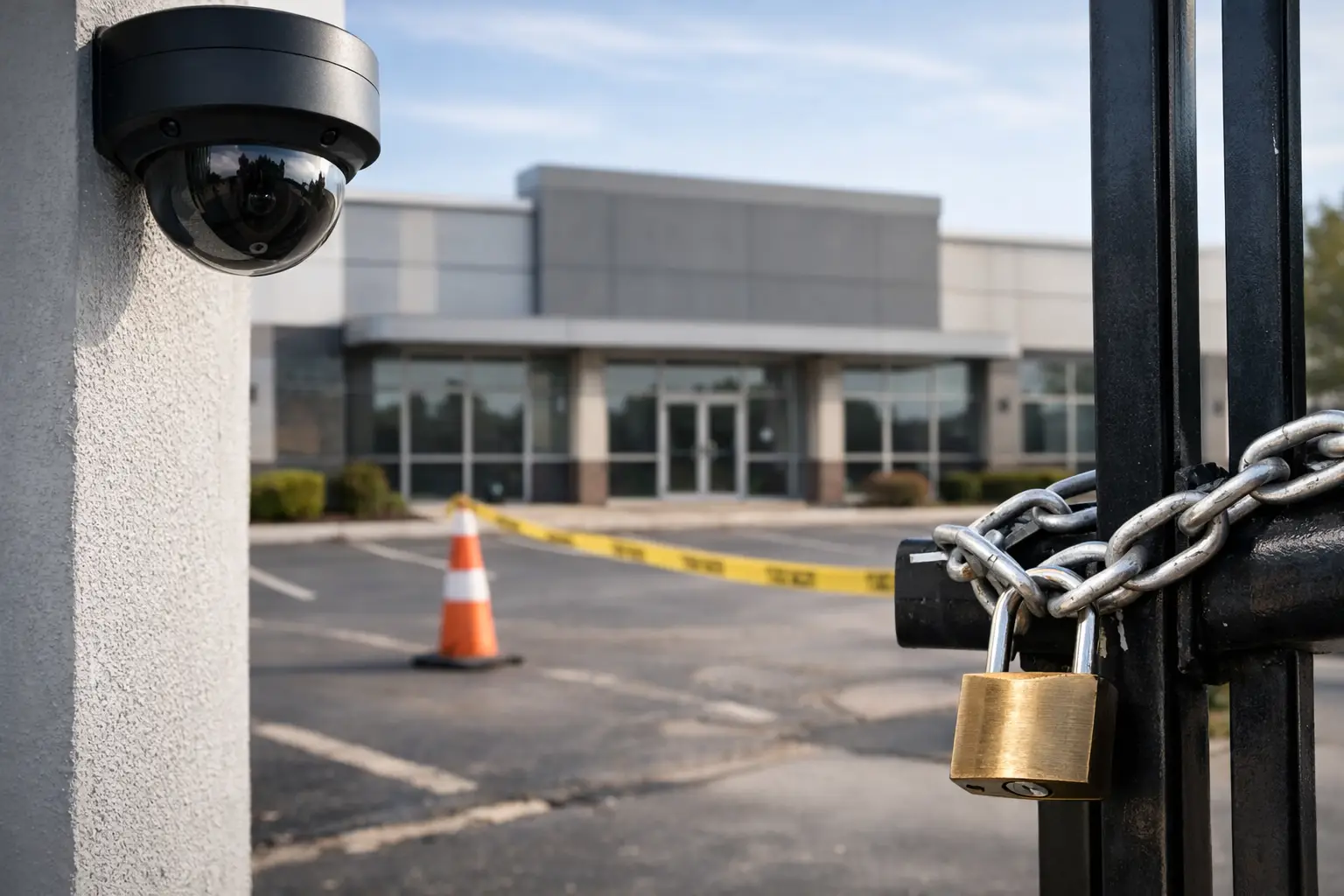
CCTV can support investigations and provide remote visibility, provided cameras cover useful areas and recordings are retained. Review camera placement when a property becomes vacant. A system designed for tenant operations may not capture a rear gate, rooftop access, vacant suite entrance, or equipment yard. Cameras should complement physical security and response coverage, not replace them.
Monitored alarms add value only when the response process is clear. Confirm the monitoring company has current contact details, instructions for dispatch, and accurate information about which zones are active. If alarms occur repeatedly without a site response, offenders may learn that the property is unattended. Alarm response should include a documented site check, escalation to police or emergency services when required, and immediate reporting to the designated property contact.
Match Guard Coverage to the Actual Risk
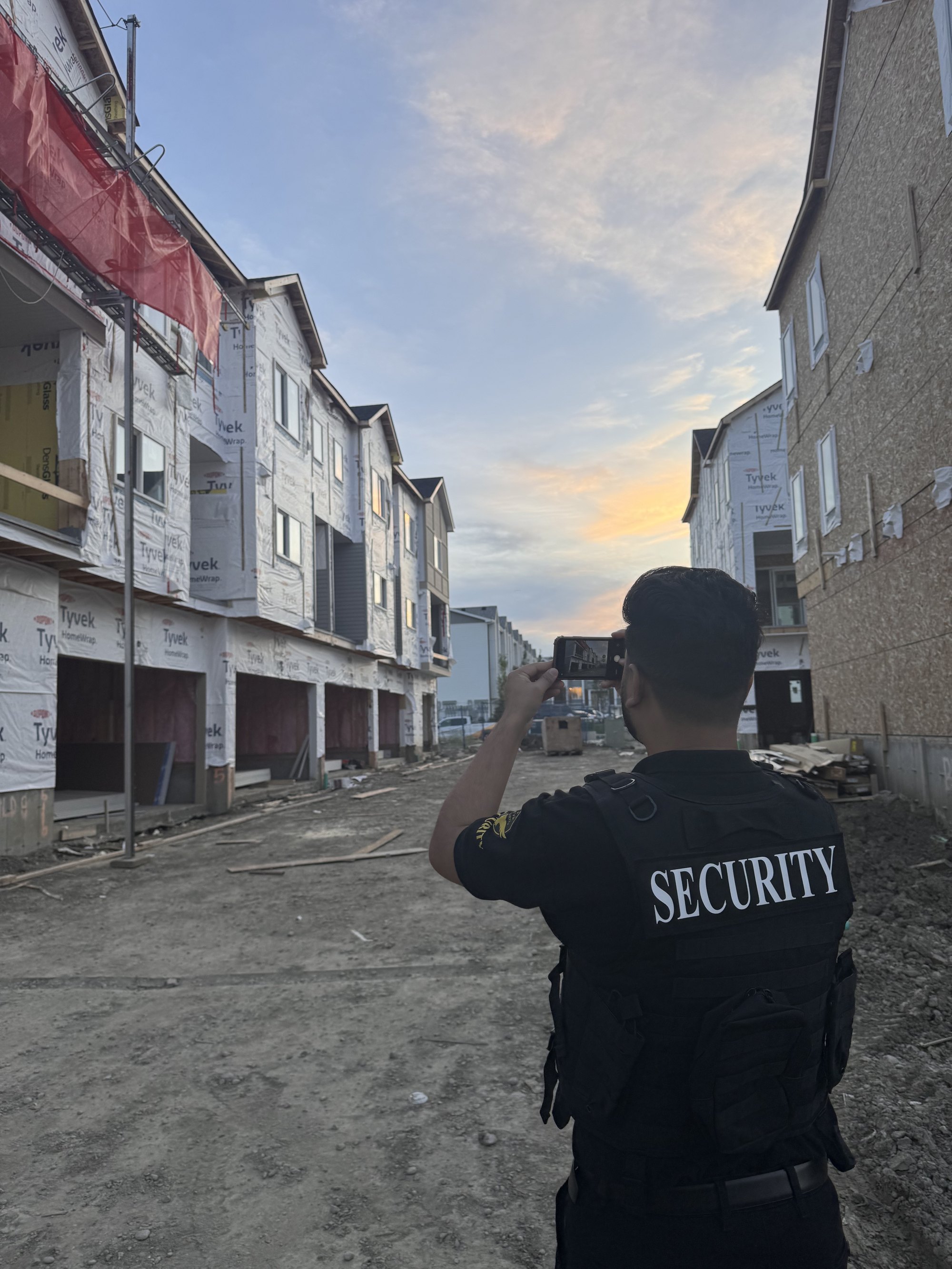
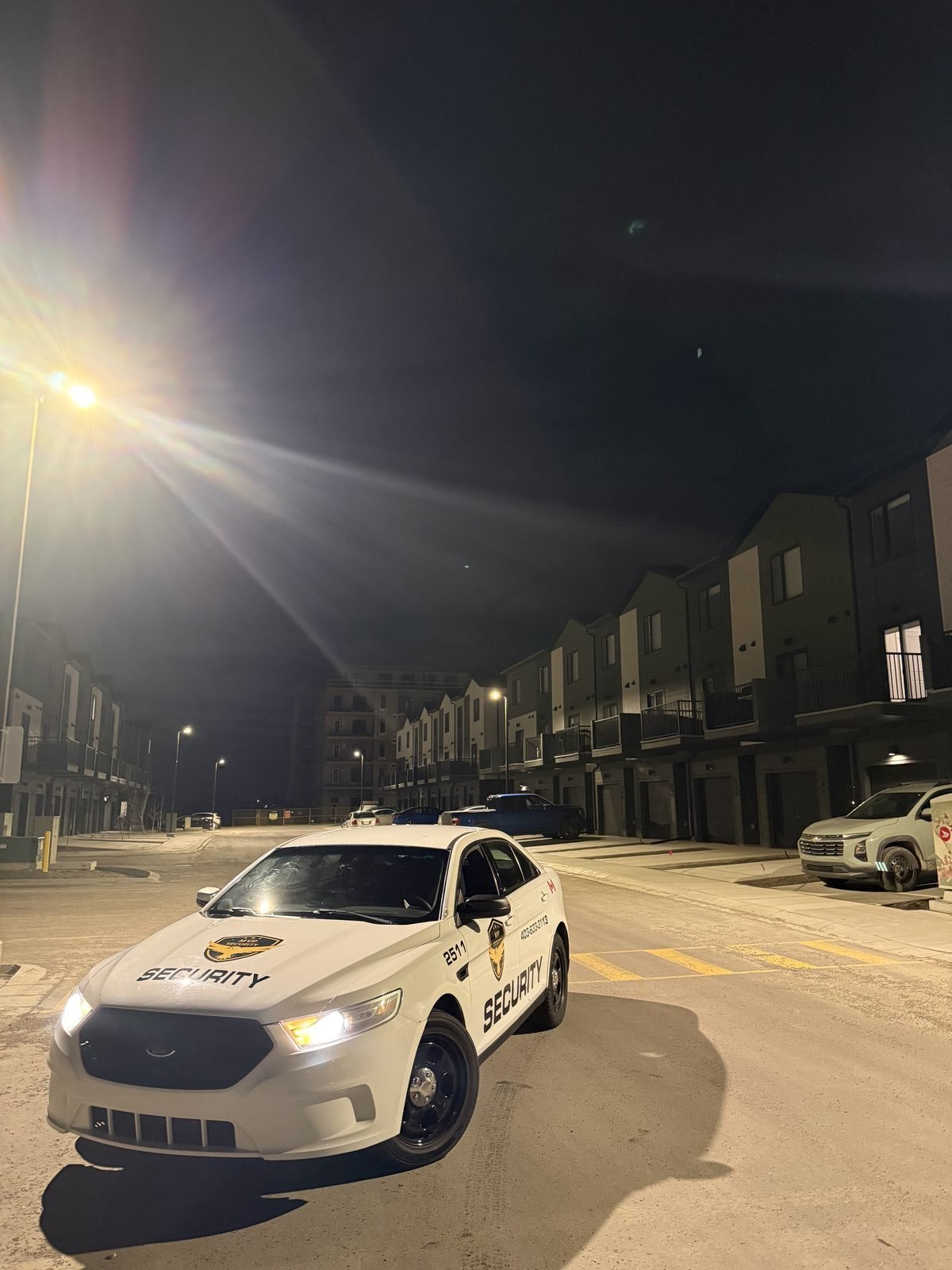
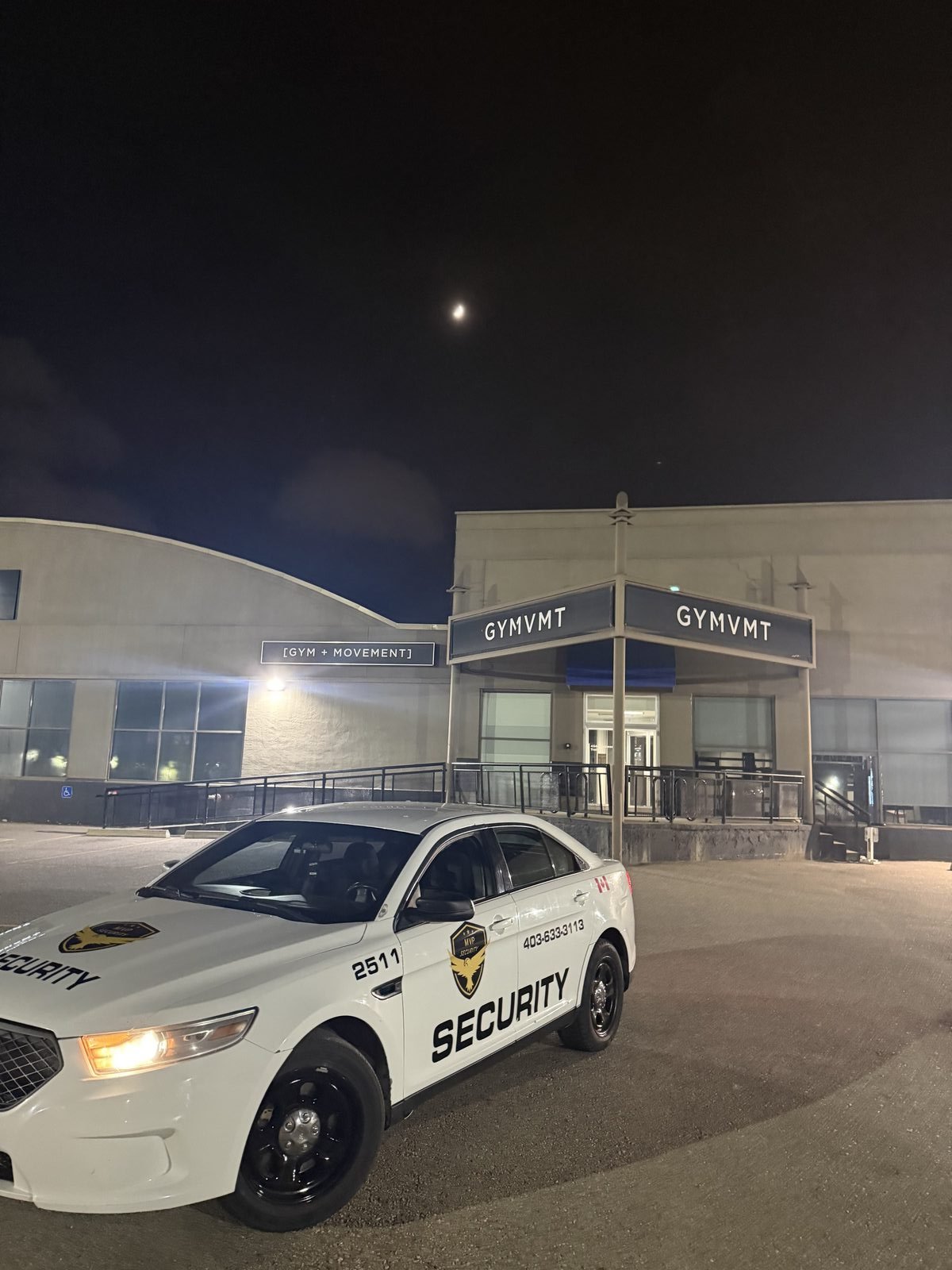
The choice between mobile patrol and a static security guard should be based on exposure, not habit. Mobile patrol is often a cost-effective option for vacant offices, retail bays, and industrial units where regular, unpredictable inspections can deter trespassing and identify damage early. GPS-tracked patrol activity and photo-documented reports give property managers evidence that required checks occurred.
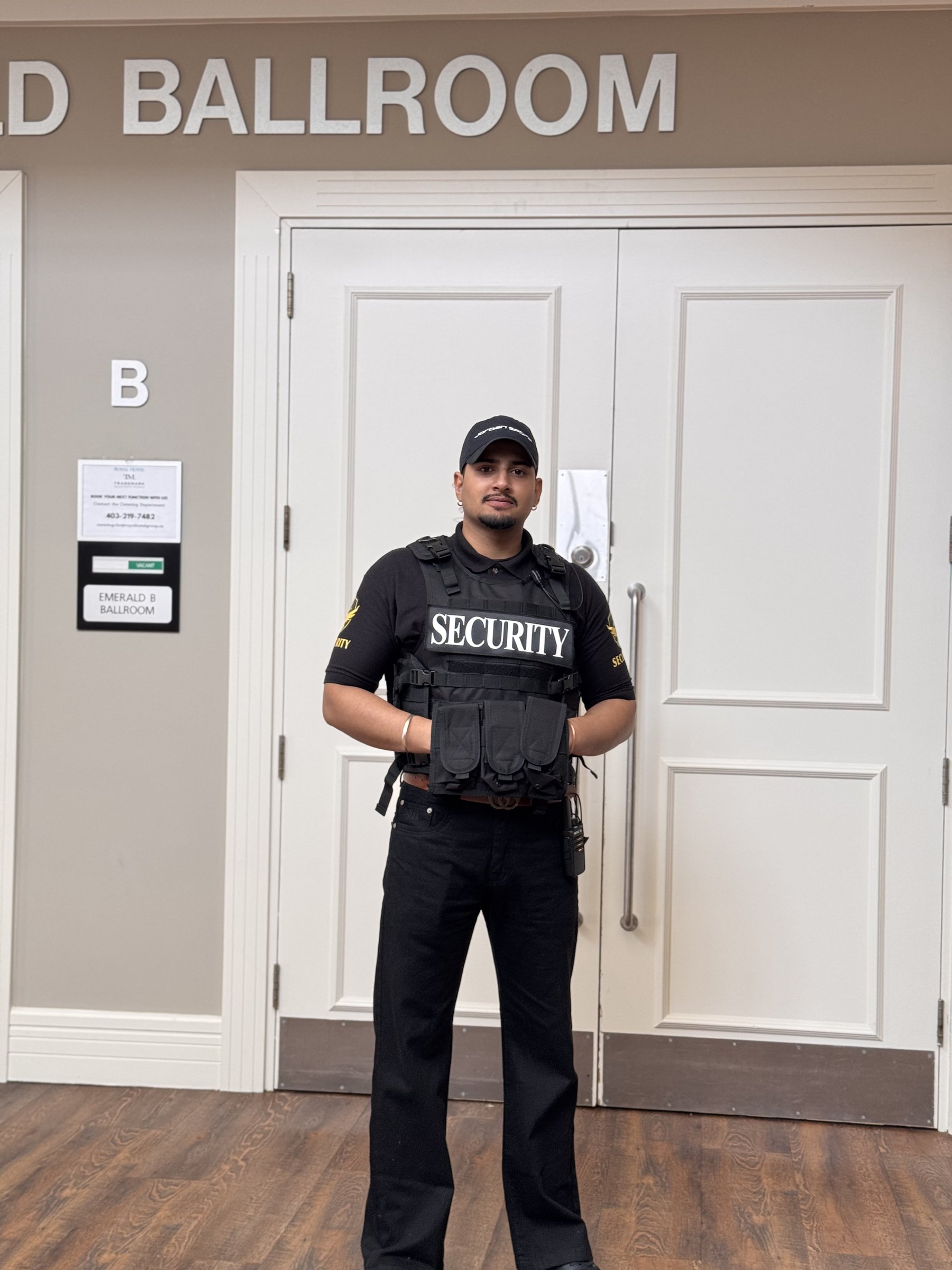
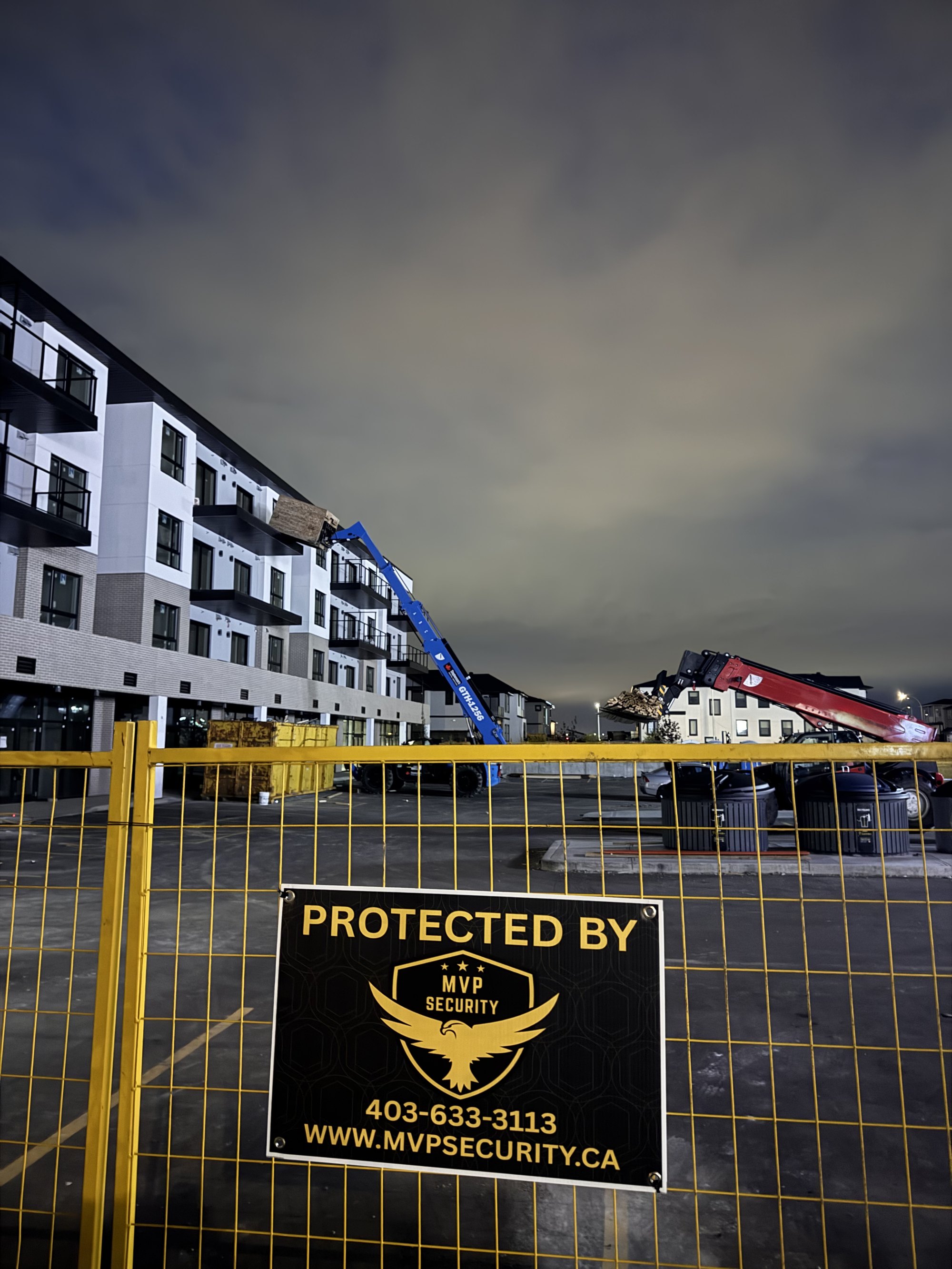
Static guard coverage is better suited to high-risk sites, active construction projects, properties with repeated break-ins, or locations where access must be controlled continuously. A visible licensed guard can stop unauthorized entry, manage contractors, observe safety issues, and respond immediately to developing concerns. It costs more than periodic patrols, but the cost can be justified when one theft, fire, flood, or liability event would create a larger loss.
There is also a middle ground. A property may need overnight patrols, extra checks on weekends, or temporary static coverage during a transition period. For example, an empty retail unit awaiting demolition may be low risk during weekday daylight hours but vulnerable after dark when nearby businesses close. Coverage should change when the risk changes.
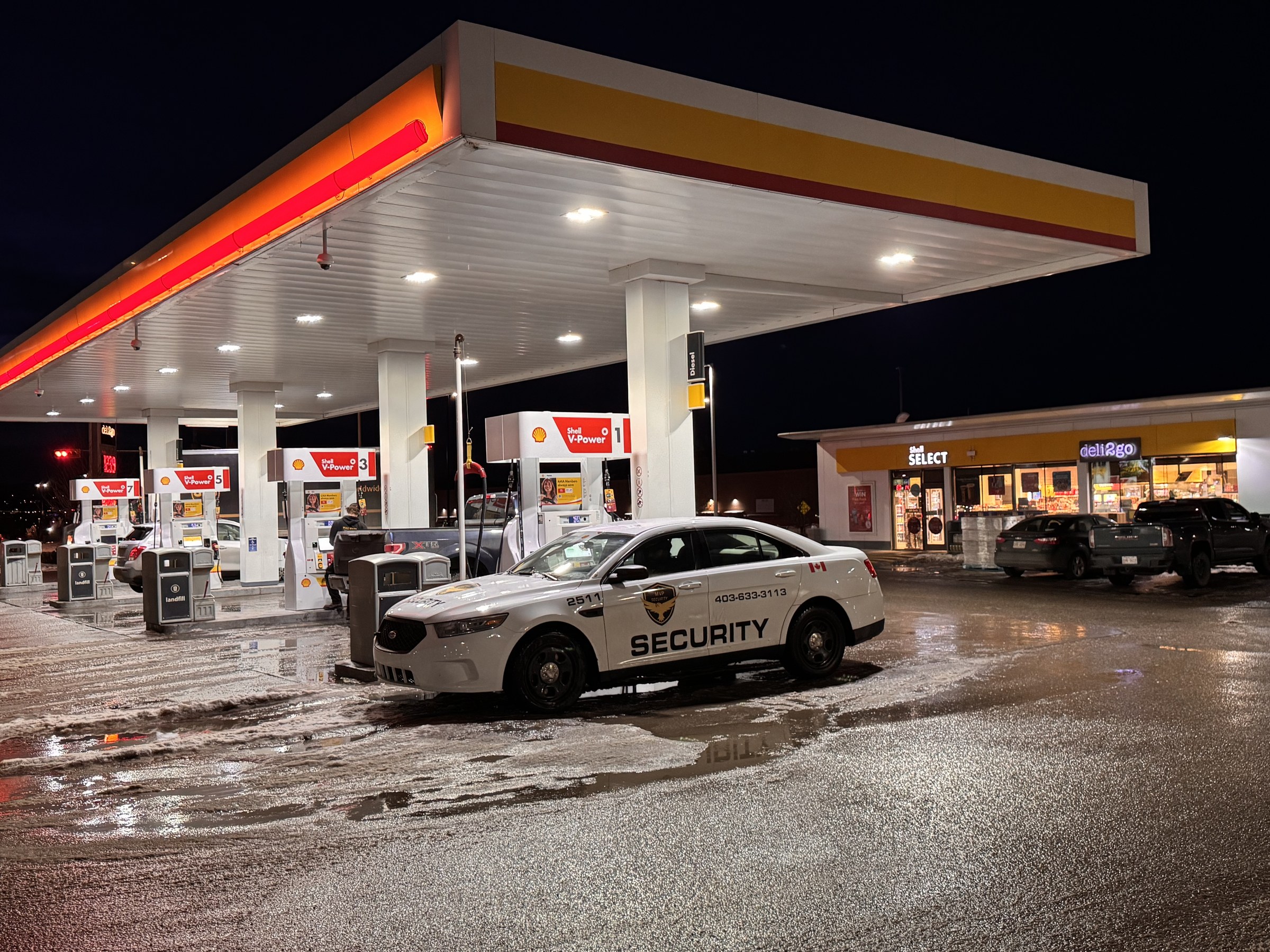
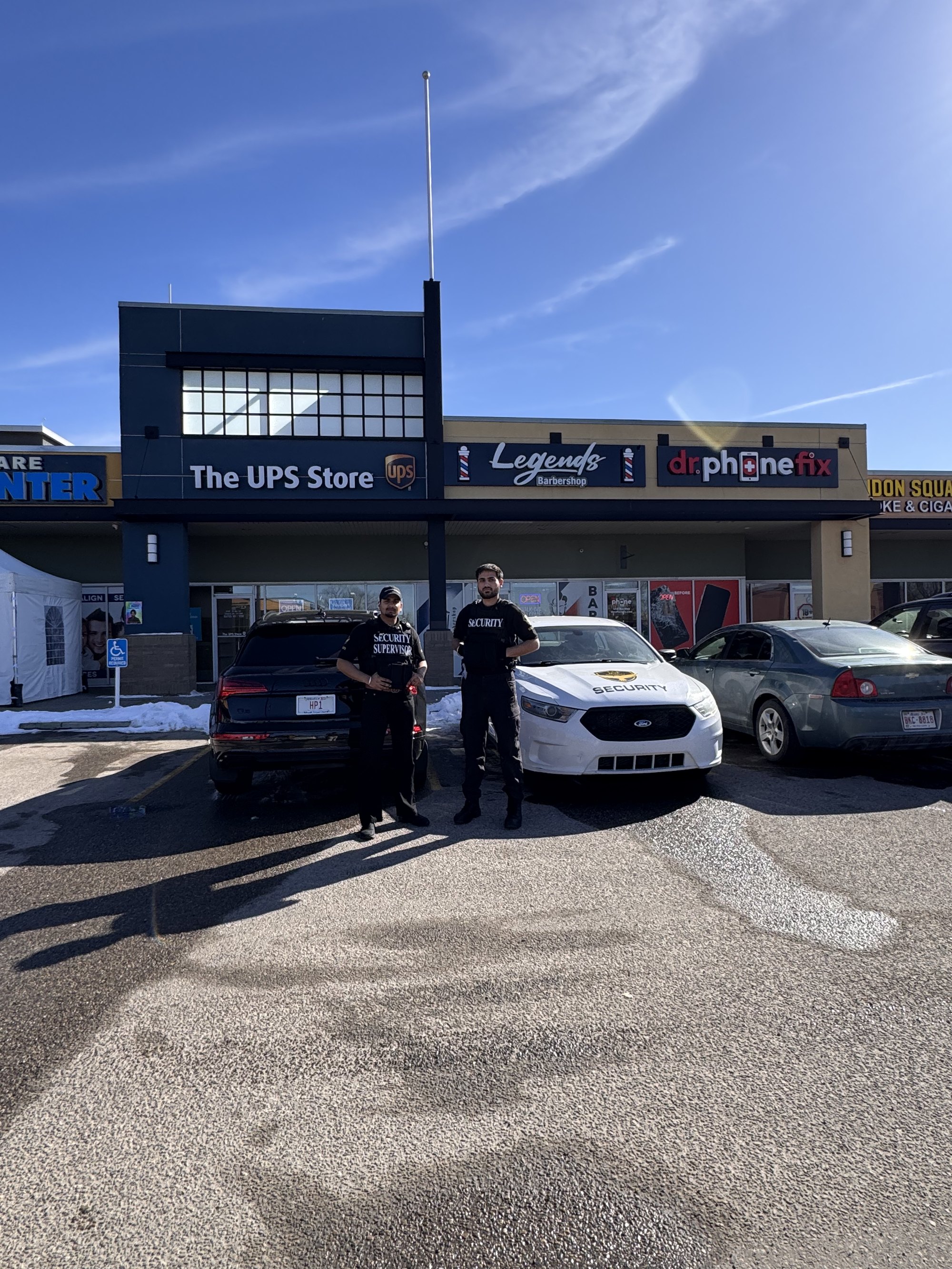
For Calgary-area properties, local deployment is particularly useful during alarm events, extreme weather, or short-notice vacancies. MVP Security Inc. can build site-specific coverage around patrol frequency, access procedures, alarm response requirements, and the property’s available budget, using Alberta-licensed guards and documented reporting.
Inspect the Property for More Than Crime
Security inspections should look beyond forced entry. Vacant buildings can develop hazards that become expensive if no one sees them early. Water leaks, furnace failures, burst pipes, roof damage, fire panel trouble signals, unsecured electrical rooms, and accumulating combustible waste all require attention.
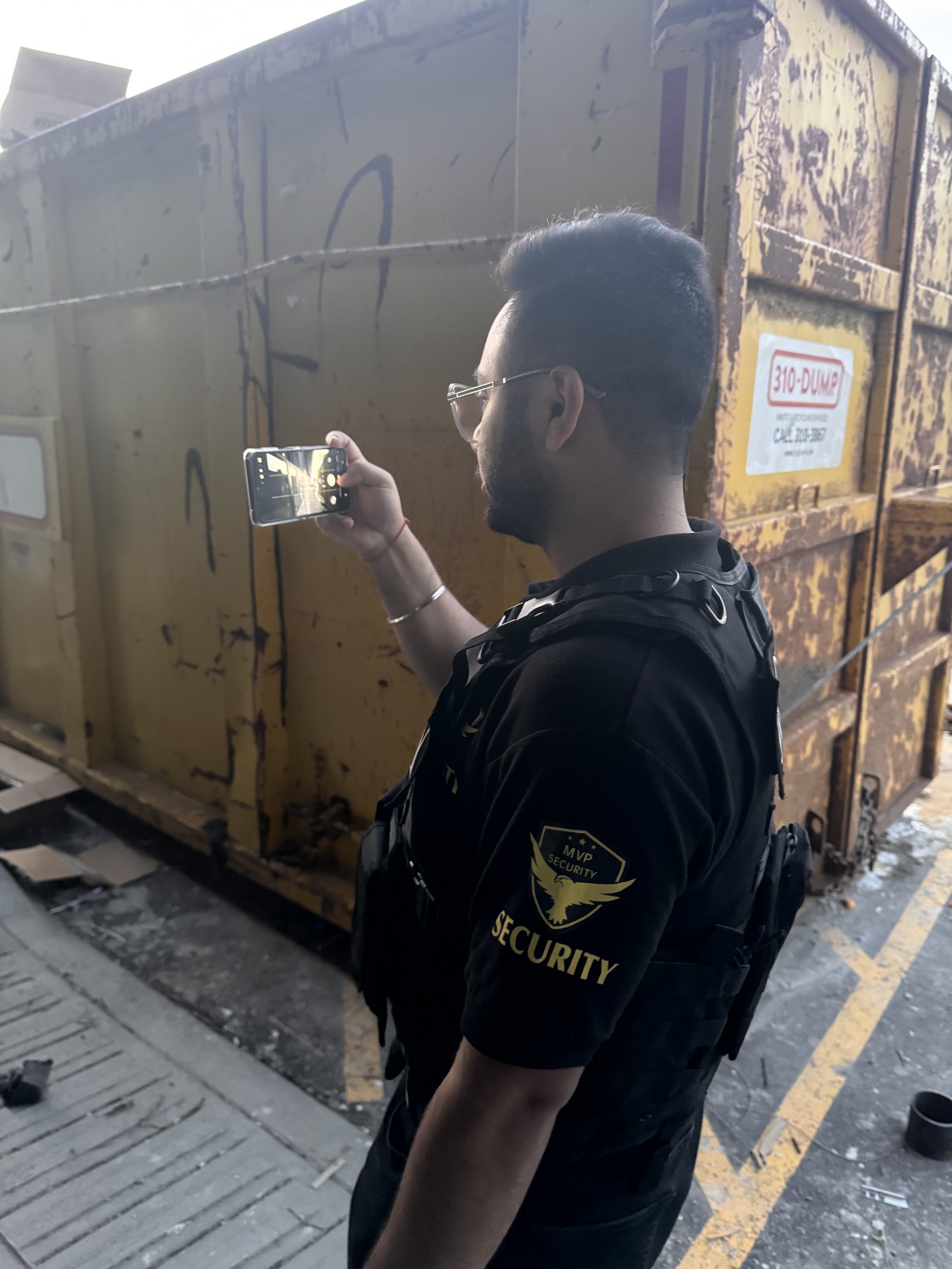
Patrol instructions should tell guards what normal conditions look like and what must be reported. That includes checking doors and gates, signs of entry, exterior damage, unusual vehicles, people on site, lighting failures, leaks, alarms, and environmental concerns. A useful report does not simply state that a patrol was completed. It records observations, photographs exceptions, and identifies what action was taken.
This documentation helps property managers make timely decisions and creates a record for ownership, insurers, contractors, and police if an incident occurs. It also exposes patterns. Repeated activity at the same rear door, recurring false alarms, or persistent trespassing may indicate that patrol timing, lighting, fencing, or camera placement needs to change.
Keep the Building Looking Managed
A neglected appearance can invite attention. Maintain snow clearing where practical, remove graffiti quickly, collect mail and flyers, manage waste, cut back vegetation, and repair visible damage. These actions are not cosmetic. They signal that the site is watched and that unauthorized activity is likely to be noticed.
Avoid posting detailed vacancy information on doors or windows. Leasing signs are often necessary, but they should not disclose alarm codes, contact names, vacancy timelines, or operational details. If tours are being conducted, establish a check-in process and ensure the suite is resecured after every showing.
Review Coverage as the Vacancy Changes
Vacant commercial property risk is not fixed. A building may become more vulnerable after neighbouring businesses close, during a long weekend, when construction activity ends, or after a break-in becomes known locally. Reassess the security plan after any incident, major weather event, tenant transition, or change in site condition.
The most effective protection is visible, documented, and responsive. When access is controlled, weak points are inspected, alarms lead to action, and trained personnel can attend the site quickly, a vacant building is far less likely to look like an easy opportunity.