

















A few broken lights, one blind corner, and a parking lot can start attracting the wrong kind of attention fast. For property managers, retail operators, condo boards, and site supervisors, figuring out how to reduce parking lot vandalism is usually less about one dramatic fix and more about tightening the conditions that make damage easy in the first place.
Vandalism in parking areas tends to follow patterns. Offenders look for low visibility, weak oversight, inconsistent traffic, and signs that nobody will respond quickly. Graffiti, smashed glass, damaged gates, tampered vehicles, and loitering-related mischief rarely happen at random. In most cases, the site is signalling opportunity.
How to reduce parking lot vandalism starts with site visibility
The fastest way to lower risk is to make the lot feel watched, active, and difficult to use without being noticed. Lighting plays a major role here, but not just brightness alone. Uneven lighting creates pockets where people can hide, test doors, or damage property without drawing attention.
A proper review should look at entry points, stairwell exits, dumpster enclosures, loading zones, rear fences, and the outer edges of tenant or visitor parking. These are common problem areas because they often sit just outside the main line of sight from the building. If your lot has lighting, but tenants still avoid certain sections at night, that usually tells you the coverage is not working as intended.
Trimmed landscaping matters too. Overgrown shrubs, low tree canopies, and decorative screening can create cover that helps vandalism happen quickly. The goal is not to make the property feel harsh. It is to remove concealment and improve natural surveillance for tenants, staff, and patrols.
Cameras help, but only if they support response
Many operators assume that adding CCTV is the full answer. It helps, but only when the camera plan matches the real risk points on site. A single overview camera mounted high above the lot may record activity, yet still miss faces, licence plates, or the exact point of entry.
If you are reviewing how to reduce parking lot vandalism, place camera coverage where incidents begin, not just where they end. That usually means entrances and exits, pedestrian cut-throughs, pay stations, garage doors, side lanes, and any area where vehicles or individuals can pause without being challenged. Camera placement should also account for glare, winter conditions, and overnight image quality.
There is also a trade-off to consider. Cameras are valuable for deterrence and evidence, but passive recording alone does not stop an incident while it is happening. If no one is monitoring alerts or responding to suspicious behaviour, offenders often learn that the system is there for after-the-fact review only. That is why cameras work best when they are paired with alarm response, mobile patrol, or scheduled guard presence.
A visible security presence changes behaviour
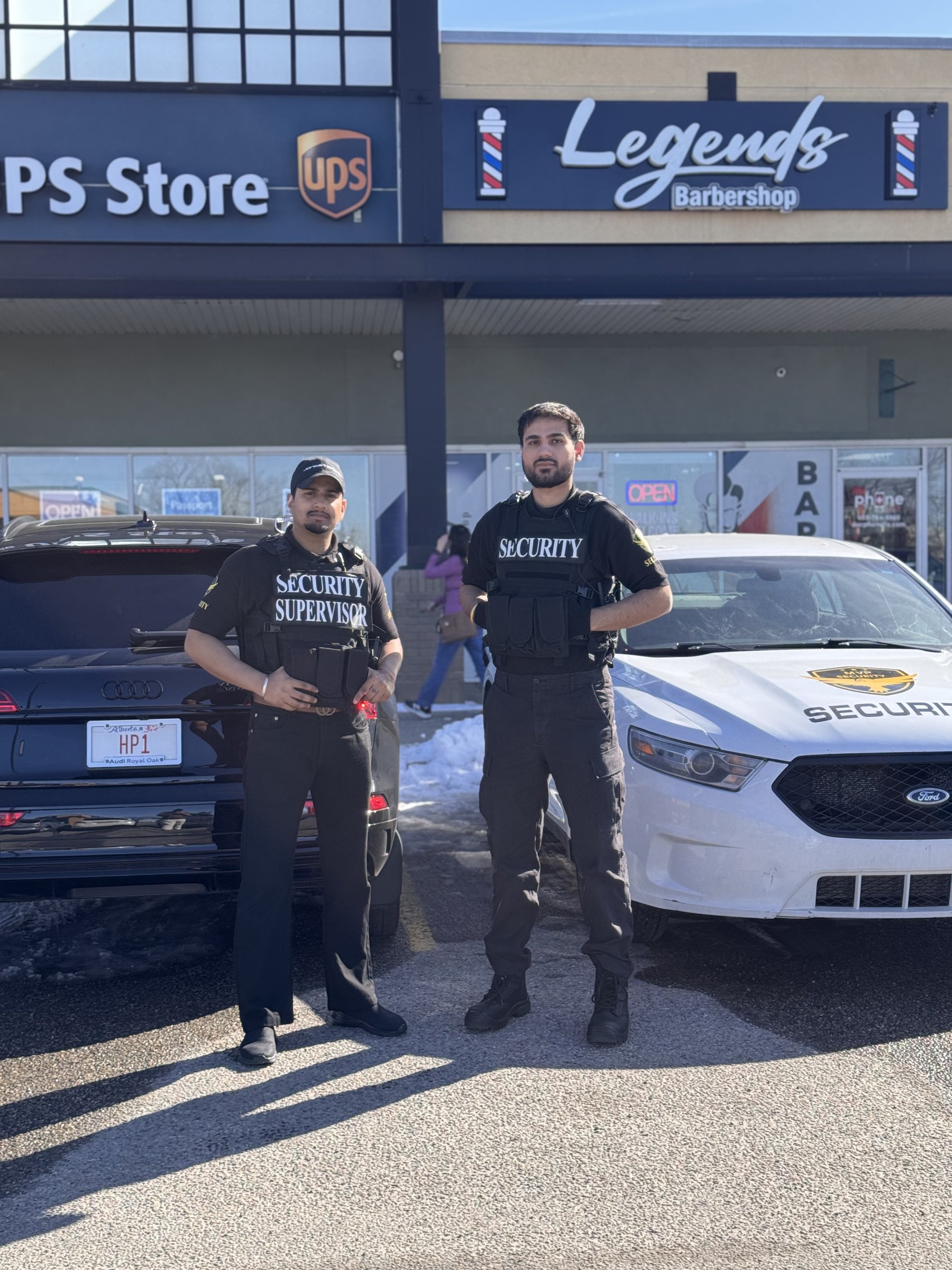
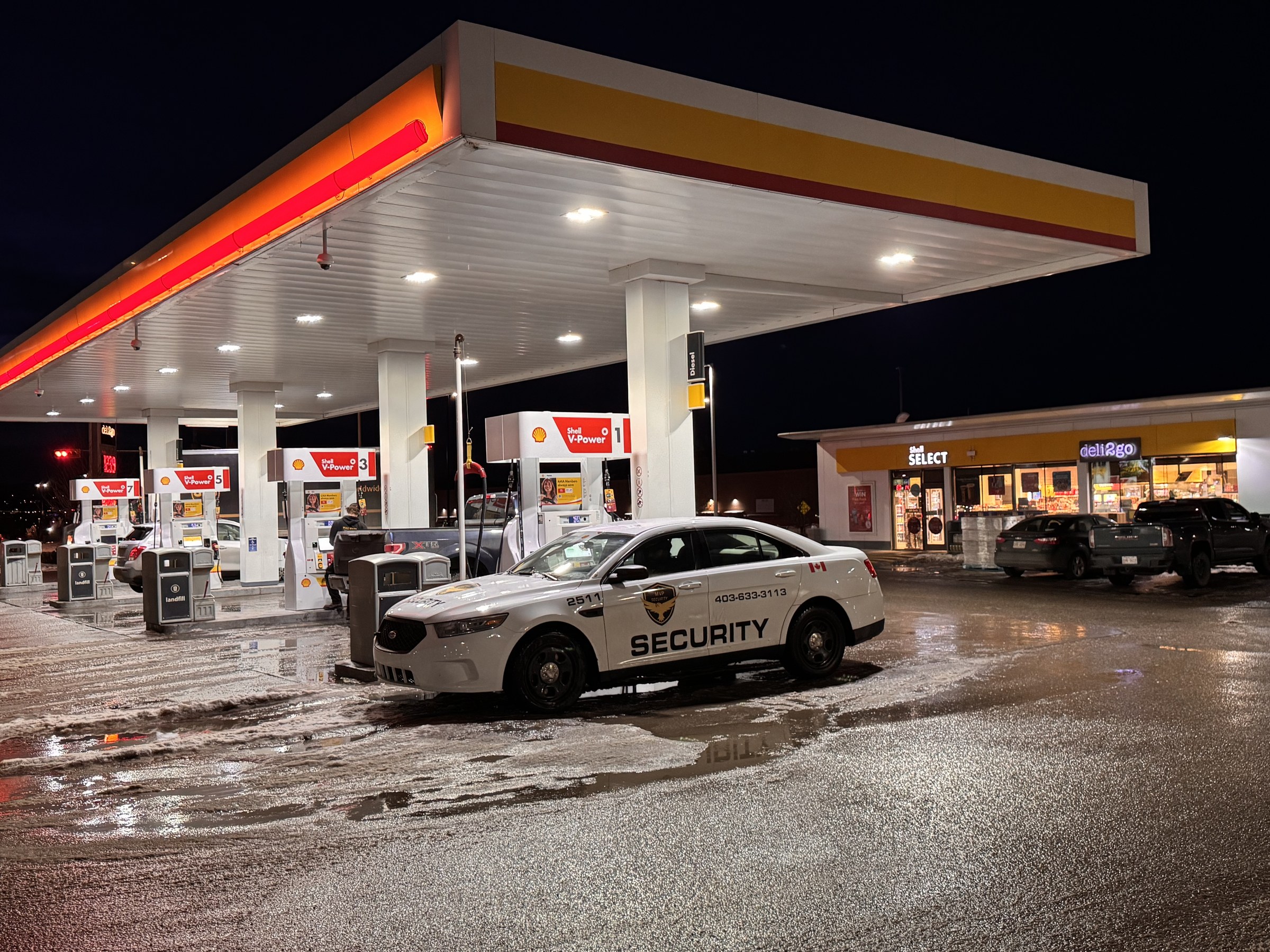
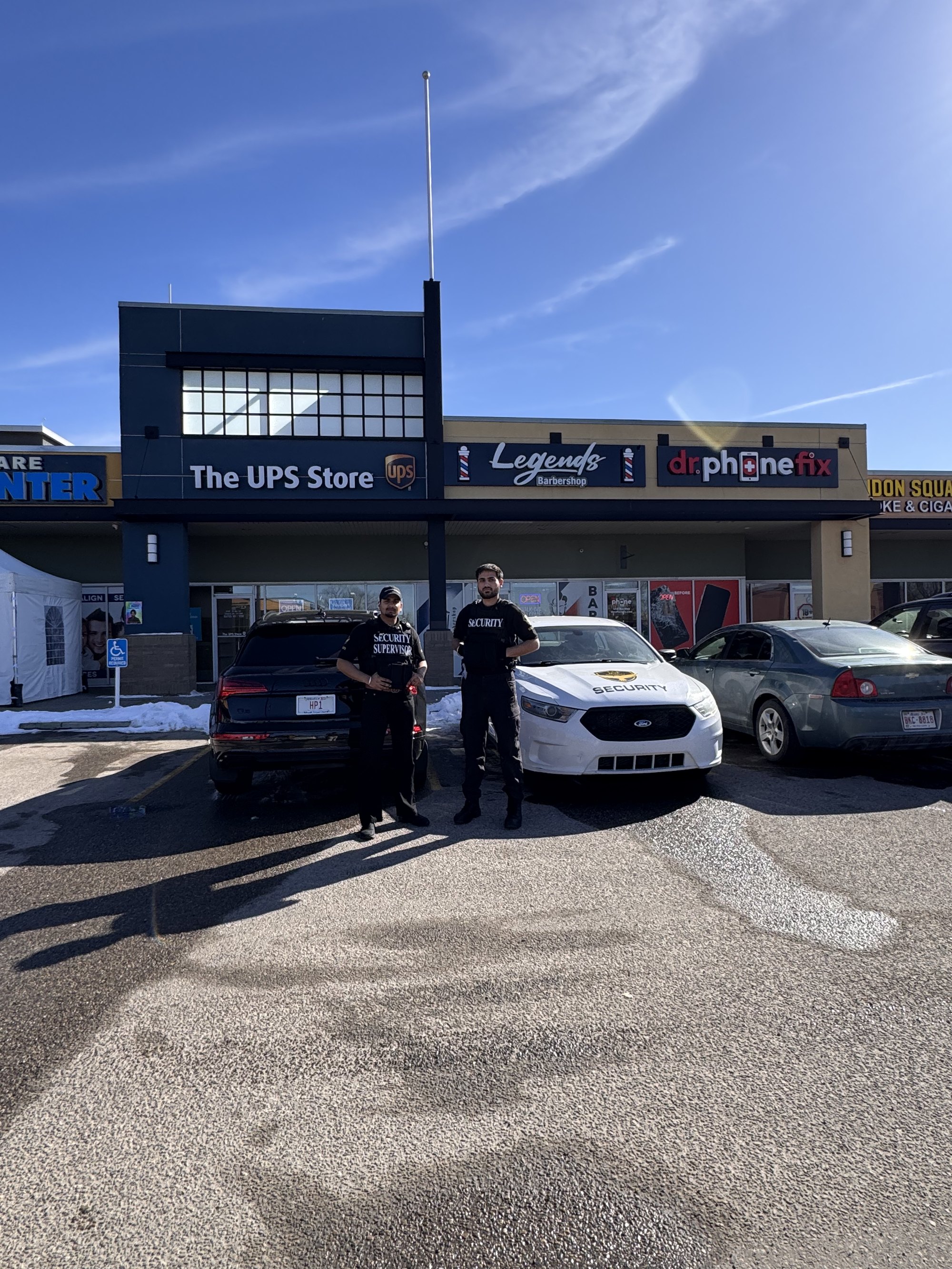
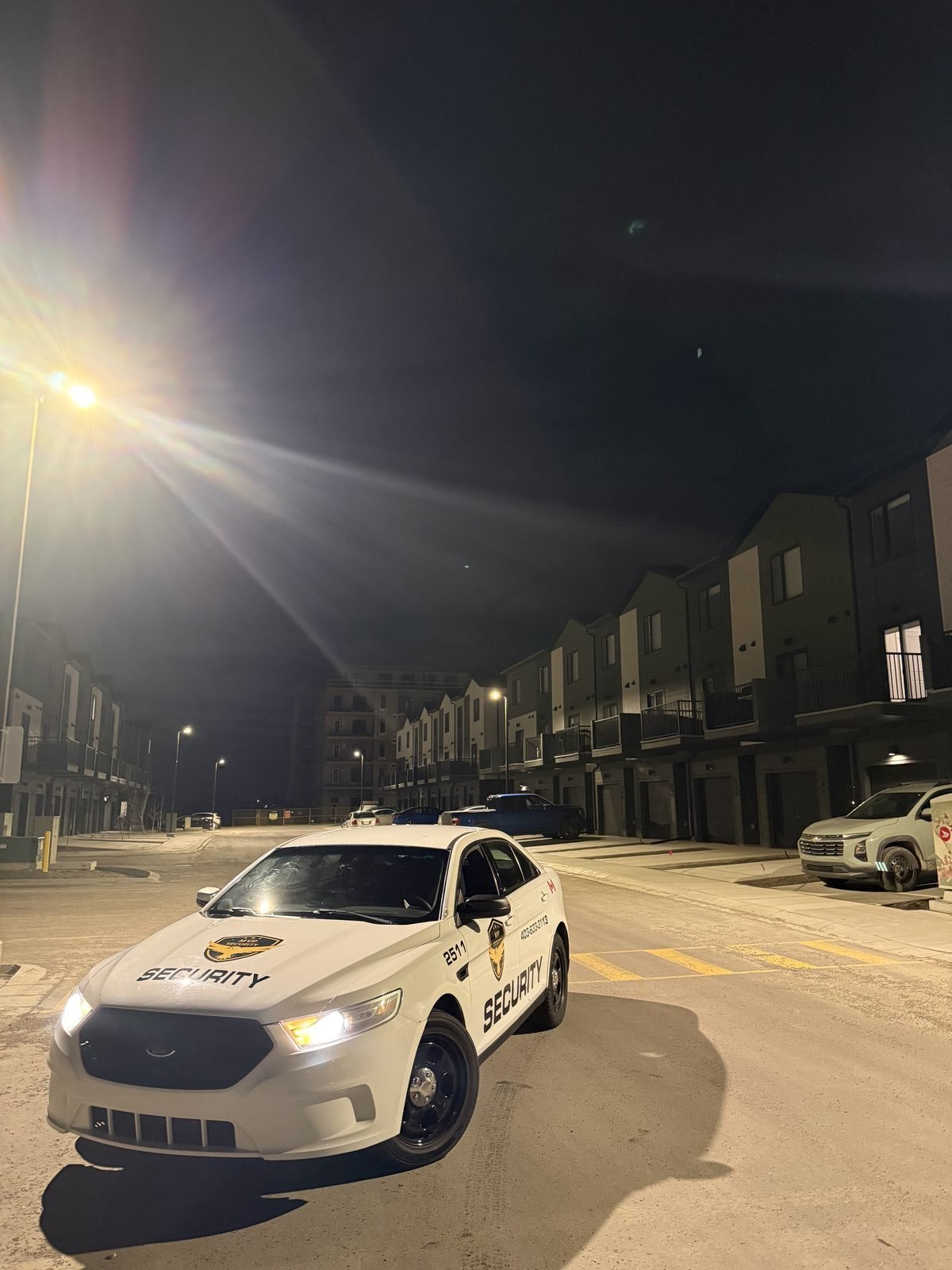
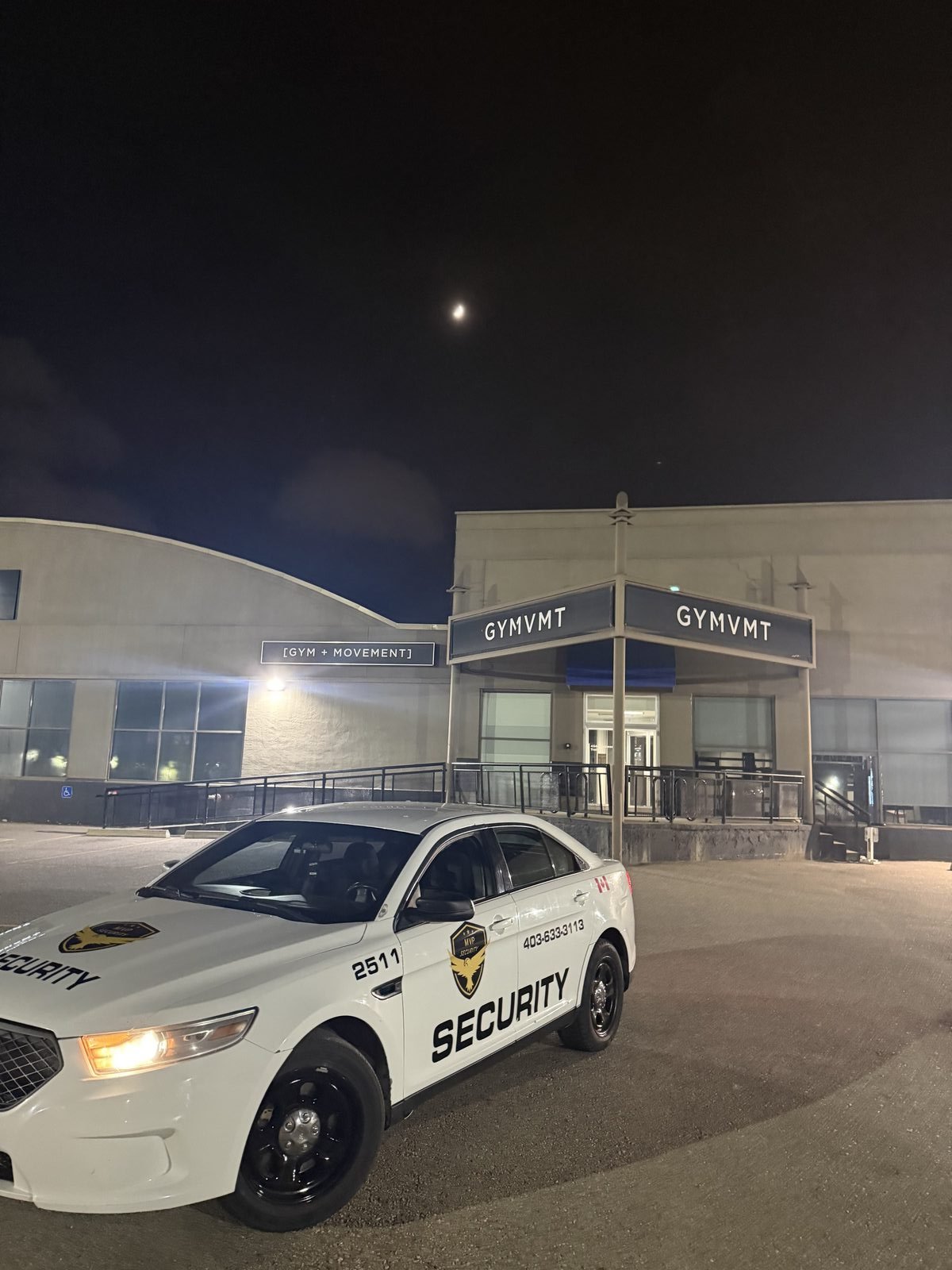
One of the most effective deterrents in a parking lot is visible, unpredictable patrol activity. Offenders are far less comfortable targeting a site when they cannot predict when a marked vehicle or uniformed guard will appear.
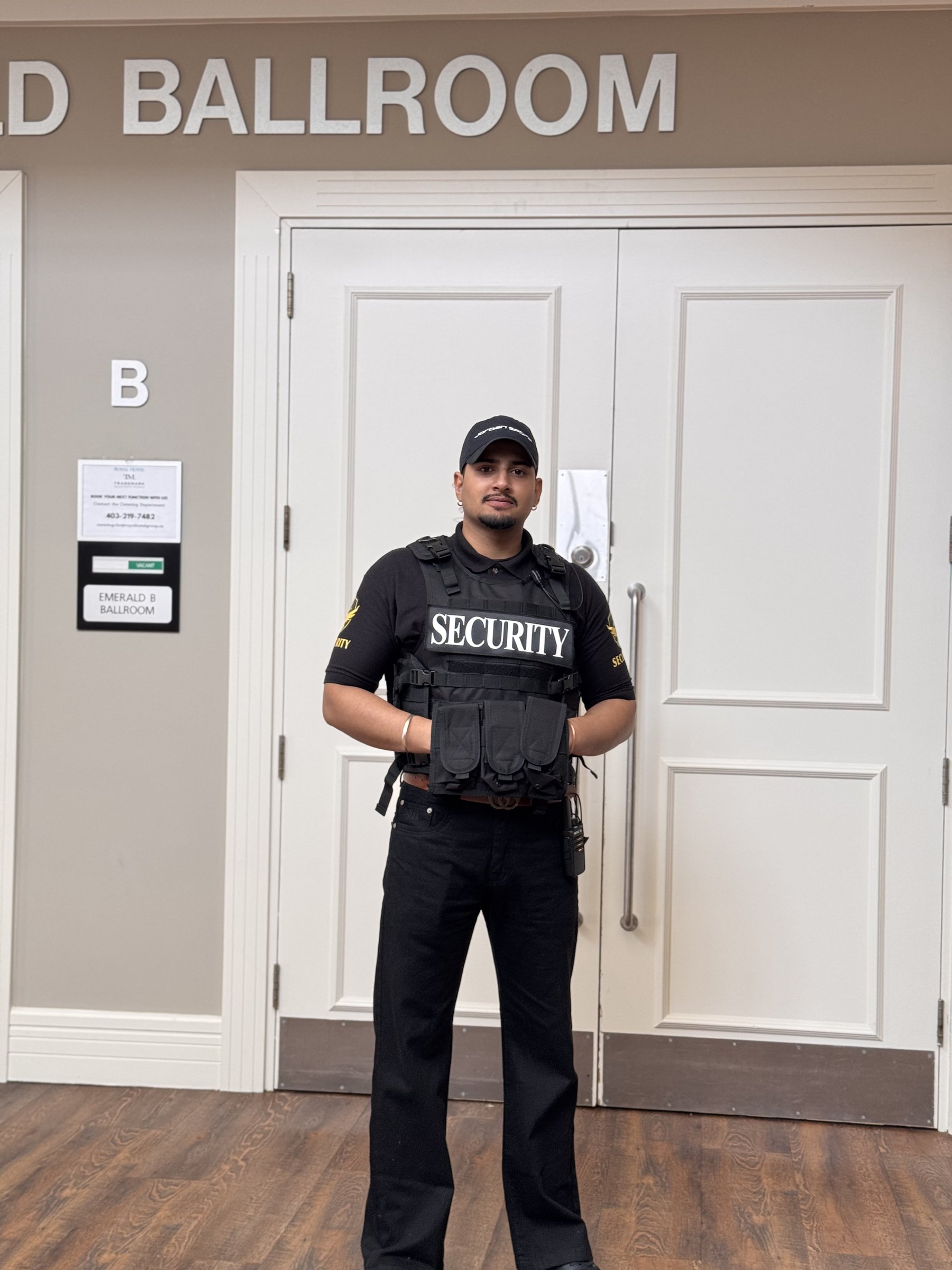
This is where many properties see the difference between nominal coverage and useful coverage. A guard who stays inside a lobby may help with access control, but that will not fully address vandalism in an exterior lot two buildings over. On the other hand, a mobile patrol program that checks the lot at variable intervals, documents conditions, and responds to emerging issues can interrupt the pattern before damage escalates.
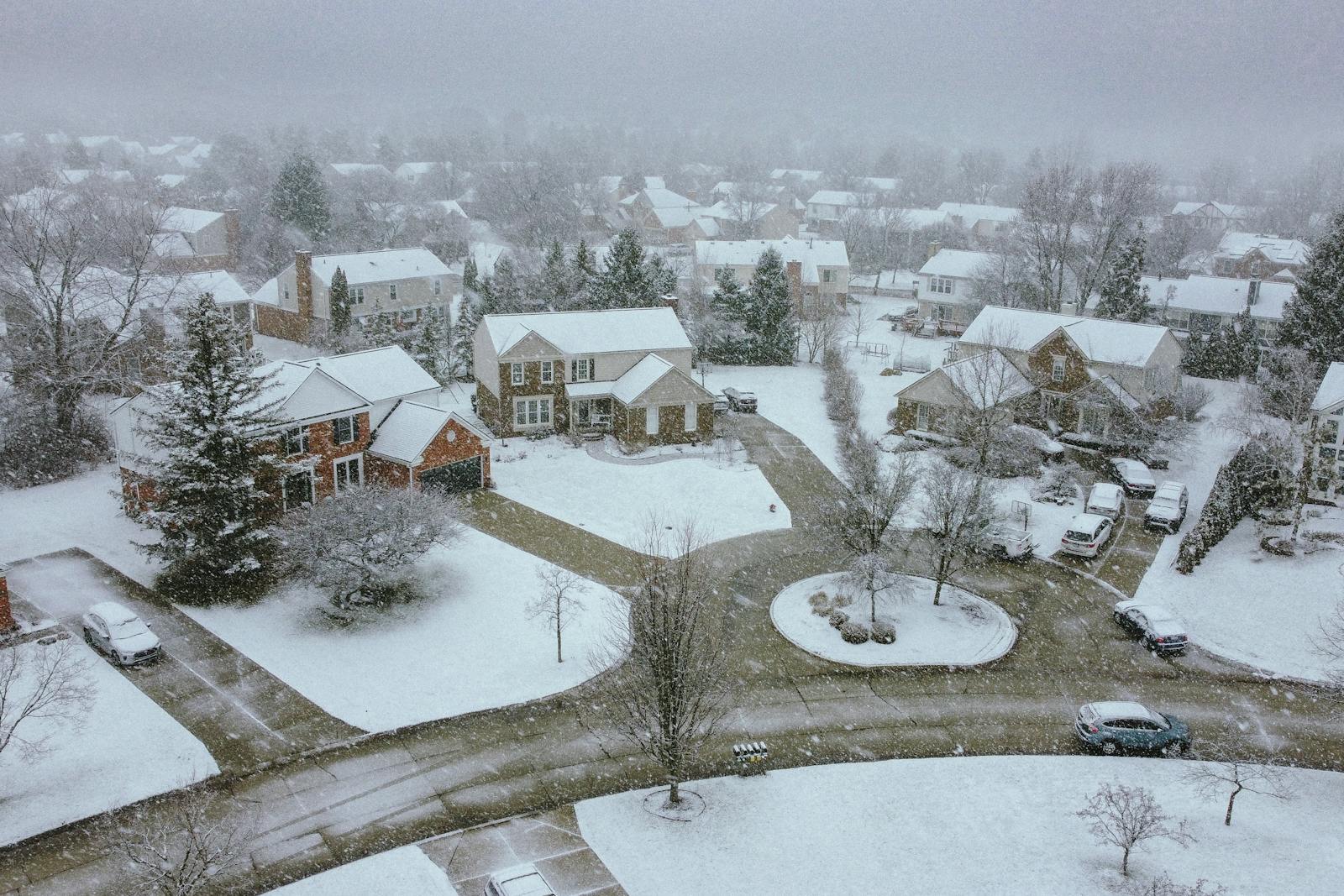
In Calgary and surrounding communities, seasonal factors matter as well. Longer winter darkness, reduced foot traffic, and snowbanks that narrow sightlines can all increase vulnerability. Patrol routines should reflect those conditions. The best security plans are site-specific, not copied from another property with a different layout, user mix, or operating schedule.
Access control should match how the lot is actually used
Open access is one of the biggest drivers of repeat vandalism. If anyone can enter the lot on foot or by vehicle without challenge, the site becomes convenient not just for legitimate users, but also for people looking for privacy, shelter, or easy targets.
The right access measures depend on the property. A residential building may need tighter control around visitor parking, fob-protected entries, and better separation between public and resident areas. A commercial site may benefit from gate timing, after-hours restrictions, and clear rules for contractor or delivery access. A retail property has a different balance to manage, because making the lot too restrictive can frustrate customers.
That is the practical reality with parking lot security. There is no single standard fix. The best approach is the one that limits anonymous access without making daily operations harder than they need to be.
Signage and maintenance send a message
Sites that look neglected tend to get tested more often. Burned-out lights, damaged fencing, broken signage, old graffiti, and litter all suggest weak oversight. This matters because vandalism is often opportunistic. People look for signs that no one is paying close attention.
Prompt maintenance changes that perception. When graffiti is removed quickly, damaged fixtures are repaired, and signage is clear and current, the lot signals active management. That alone can reduce repeat incidents.
Signage should be direct and visible at decision points, not hidden near the building entrance where nobody reads it. Mark camera-monitored areas, indicate authorized parking rules, and make it clear that patrols or security checks occur. The wording does not need to be aggressive. It just needs to remove ambiguity.
Reporting is what turns incidents into prevention
If vandalism has happened more than once, the solution is rarely just adding more hardware. You need a better picture of when, where, and how it is happening.
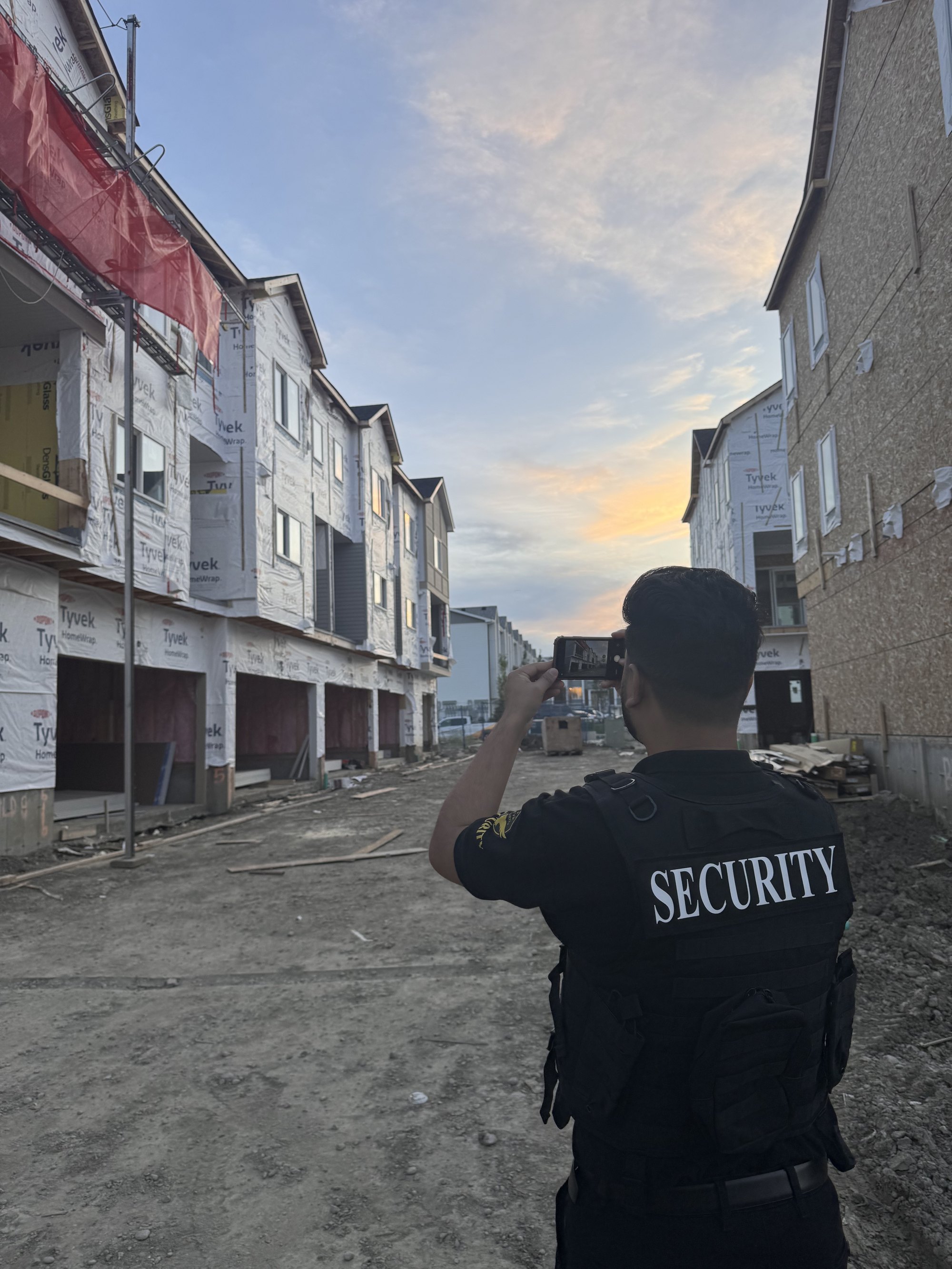
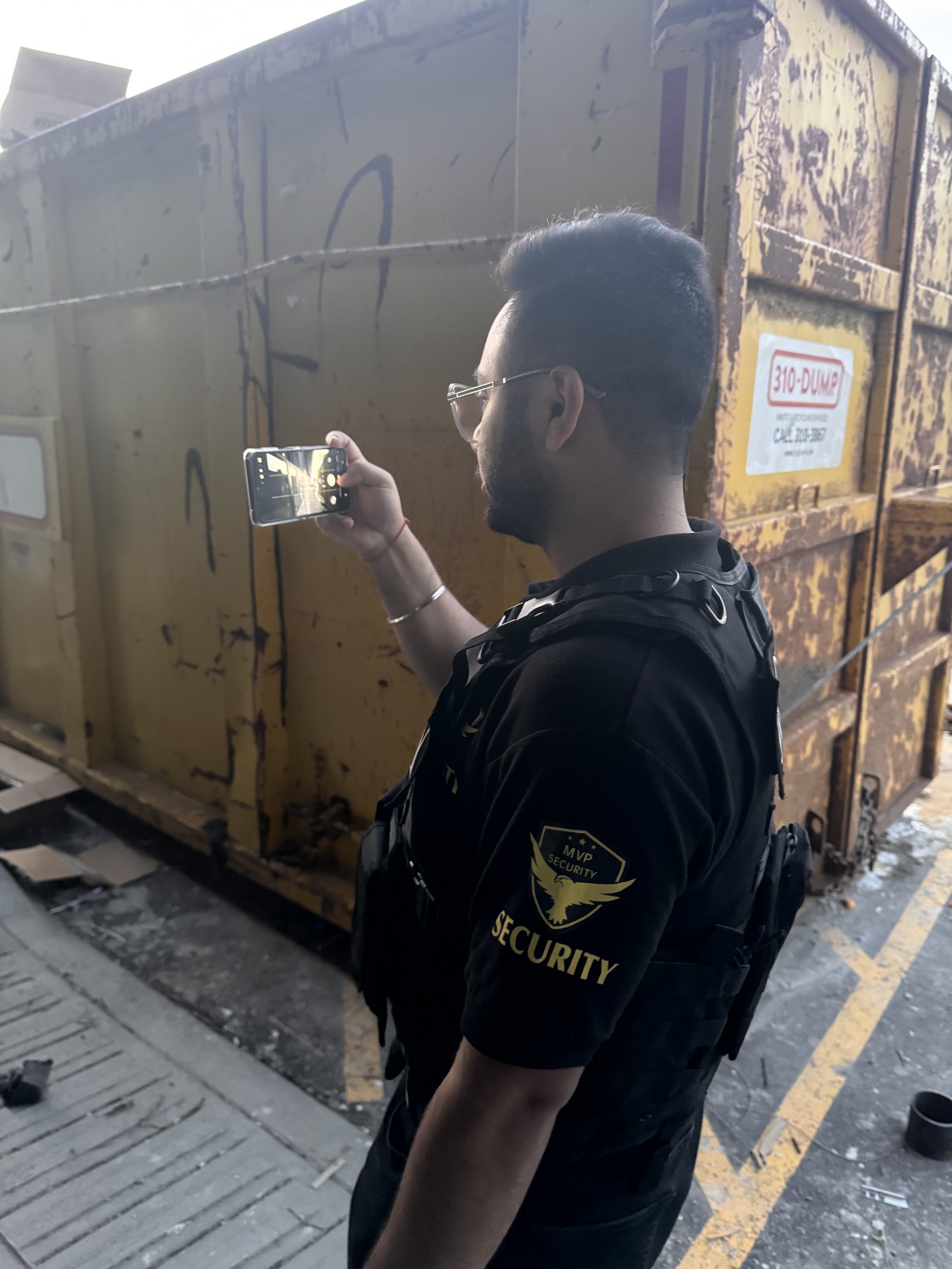
Incident reporting should track dates, times, exact locations, methods of entry, target types, and whether there were any precursor behaviours such as loitering, trespassing, or minor damage beforehand. Photo documentation is particularly useful because it helps identify patterns that written notes can miss.
For example, if incidents keep happening near one stairwell between 11 p.m. and 2 a.m., that tells you something specific about patrol timing, lighting, or access. If vehicle damage clusters around month-end tenant turnover, you may have a temporary access management issue rather than a general security failure.
This is where accountable security providers stand apart. A patrol that simply drives through is not enough. The real value comes from documented activity, clear observations, and enough consistency to show whether the plan is working.
Staff, tenants, and contractors are part of the security picture
Property protection is stronger when the people using the lot know what to report and how to report it. Many vandalism problems continue because suspicious behaviour gets written off as harmless until damage appears the next day.
Building staff should know what conditions deserve immediate attention, such as groups lingering in low-traffic areas, propped-open gates, repeated after-hours vehicle presence, or individuals testing doors and handles. Tenants and users should also have a simple reporting path. If reporting is cumbersome, most small warning signs never get passed along.
This does not mean asking tenants to act like security personnel. It means making sure they understand what abnormal activity looks like and that management will respond when concerns are raised.
When to bring in professional parking lot security
If vandalism is recurring, escalating, or spreading from nuisance behaviour into property damage and safety concerns, it is time to move beyond basic deterrence. A professional assessment can identify vulnerabilities that are easy to miss when you are dealing with the property every day.
That may mean overnight mobile patrol, static guard coverage during high-risk hours, alarm response integration, or a blended plan based on occupancy and budget. For some sites, a short-term visible presence is enough to disrupt a pattern. For others, especially multi-residential, retail, industrial, or mixed-use properties, ongoing coverage is the more reliable answer.
A local provider such as MVP Security can also account for regional conditions, deployment timelines, and Alberta compliance requirements in a way that generic national programs often do not. That matters when you need practical coverage quickly, not a delayed rollout built around a standard package.
The best parking lot security plans are not built around fear. They are built around control - better sightlines, fewer blind spots, faster response, documented patrols, and a site that clearly shows someone is paying attention. When a lot feels managed and offenders know they can be seen, challenged, and reported, vandalism becomes a much less attractive option.
If your parking lot has started showing the same problems more than once, treat that as a pattern, not an isolated annoyance. Small signs usually come before larger incidents, and acting early is almost always less costly than repairing the damage later.