














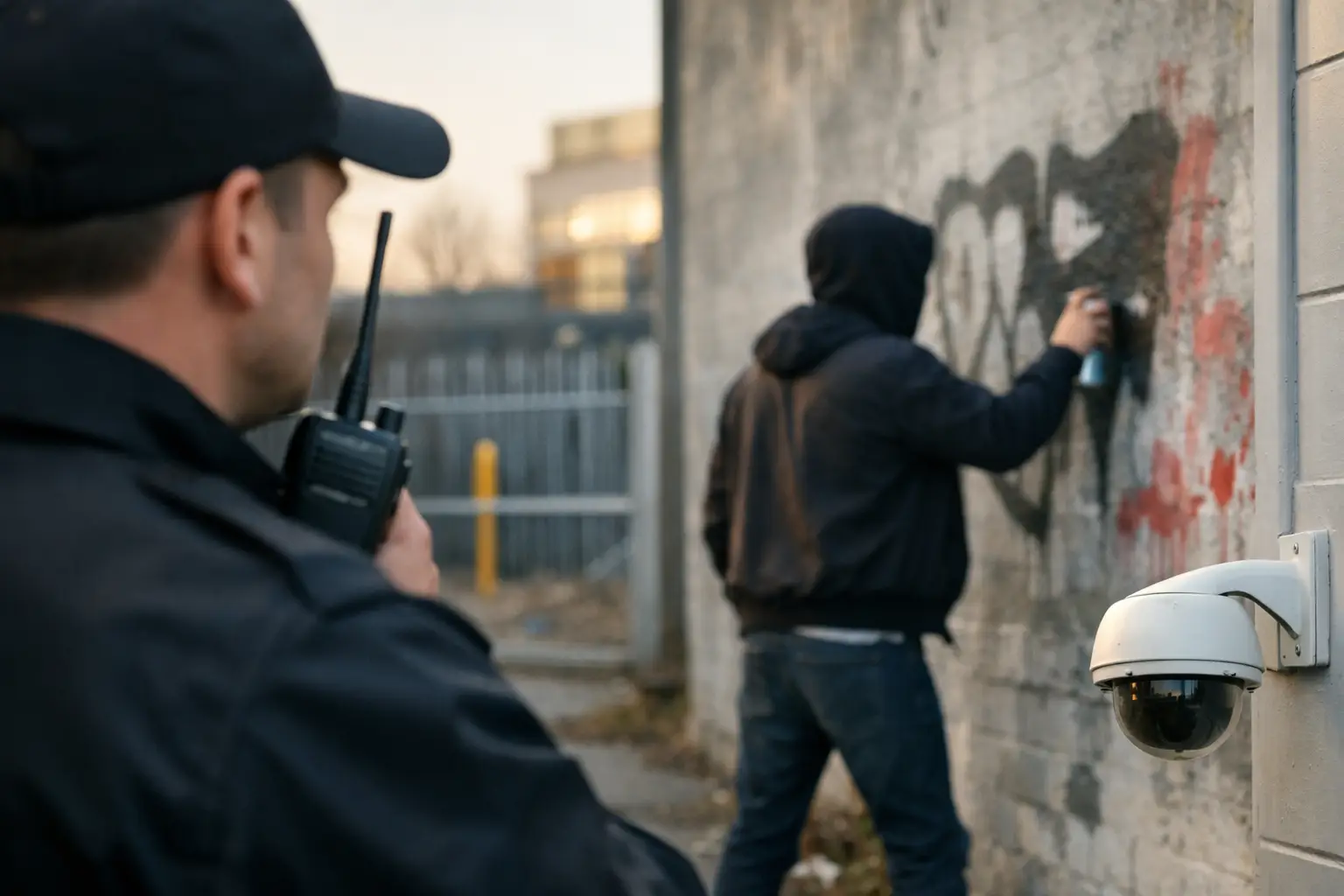
A smashed glass door, sprayed exterior wall, damaged gate, or broken site light can create more than a repair bill. Vandalism disrupts tenants, delays trades, affects customer confidence, and can signal that a property is easy to enter after hours. Knowing how to reduce property vandalism starts with identifying where opportunity exists and closing those gaps before an incident occurs.
For Calgary-area property managers, builders, retail operators, and industrial supervisors, the most effective approach is rarely one camera or one warning sign. It is a practical combination of visibility, access control, active response, and consistent site oversight built around the property’s real risks.
Start With the Conditions That Invite Vandalism
Vandalism is often opportunistic. Offenders look for low visibility, easy access, limited activity, and enough time to act without interruption. A vacant unit with a dark rear entrance has a different risk profile than a construction site with open fencing or a retail plaza with recurring overnight loitering.
Walk the property after normal business hours, not just during the day. Look at the site from the perspective of someone trying to avoid being seen. Are rear doors, loading areas, parkades, waste enclosures, scaffolding, electrical equipment, or perimeter gates hidden from the street? Are address signs, cameras, and warning notices visible? Does vegetation block sightlines around entrances or pathways?
Document prior incidents by location, time, damage type, and day of the week. Patterns matter. Repeated graffiti near a particular wall, damage around a stairwell, or tampering at a gate after midnight points to a specific coverage problem rather than a general need for more security.
Improve Visibility Without Creating New Problems
Good lighting is one of the most practical deterrents, particularly around entries, walkways, dumpsters, parking areas, fences, and valuable equipment. The goal is not to flood the site with harsh light. It is to remove hiding places and allow cameras, staff, tenants, and patrol personnel to identify unusual activity.
Check for burnt-out fixtures, shadows created by landscaping, and lights that are blocked by temporary construction materials. Motion-activated lighting can work well in low-traffic areas, while consistent illumination may be more suitable for public entrances and commercial parking lots. On construction sites, lighting should be positioned so it supports safe work access and does not create glare for nearby roads or residences.
Lighting has limits. A well-lit but unsecured rear yard can still be an easy target, and poorly placed lights can create shadows directly outside a camera’s field of view. Pair lighting improvements with physical controls and a plan for responding when activity is detected.
Control Access at Every Entry Point
Most properties have more entry points than decision-makers initially realize. This includes vehicle gates, pedestrian gates, loading doors, roof access, utility rooms, temporary fencing, emergency exits, and openings created during renovations.
Access control does not always require a major capital project. In some cases, better key management, a repaired latch, a self-closing gate, numbered credentials, or a clear visitor sign-in procedure closes the immediate gap. For larger commercial and residential buildings, electronic access records can help identify who entered sensitive areas and when.
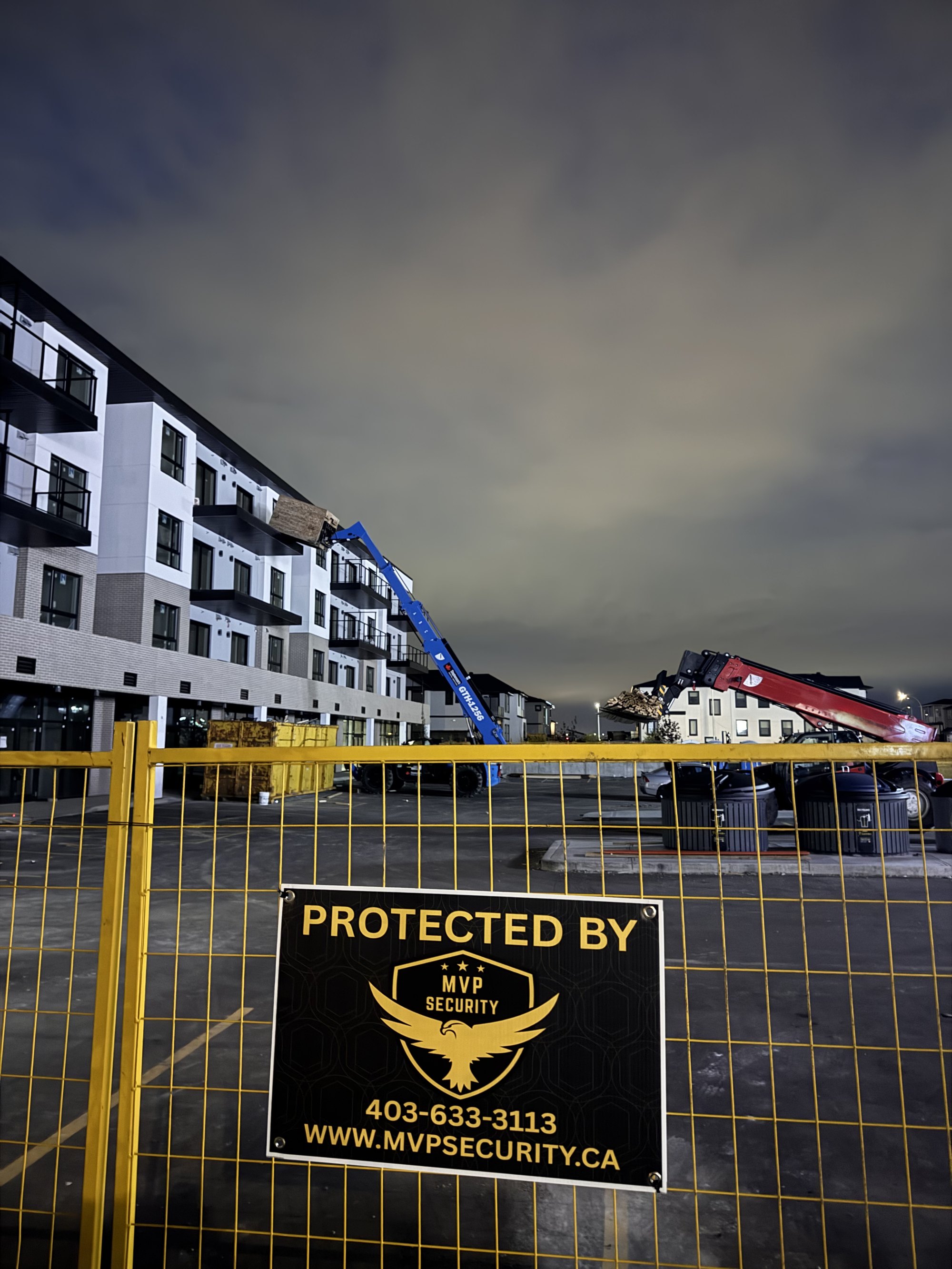
Construction sites need particular attention because conditions change daily. Fencing may be moved, gates may be left open for deliveries, and contractors may need access outside regular hours. Establish who is authorized to access the site, how that access is verified, and what happens when crews leave. A perimeter is only useful if it is inspected after weather events, deliveries, and shift changes.
Use Cameras as Part of an Active Security Plan
CCTV is valuable for deterrence, monitoring, and evidence, but cameras alone do not stop an incident in progress. A camera that is poorly positioned, offline, unmonitored, or unable to capture a useful image may offer little support after damage has occurred.
Place cameras to cover approaches to the property, entrances and exits, high-value assets, recurring problem areas, and vehicle access points. Test footage at night as well as during daylight. Confirm that date and time settings are accurate, views are not blocked, and recordings are retained long enough for an incident to be reported and reviewed.
If your site uses monitored cameras or alarm systems, response procedures should be clear. Who receives the alert? Who can verify the condition of the property? Who contacts police, trades, ownership, or emergency services when required? A monitored system is far more useful when it leads to prompt, documented action rather than an unanswered notification.
Add a Visible, Unpredictable Presence
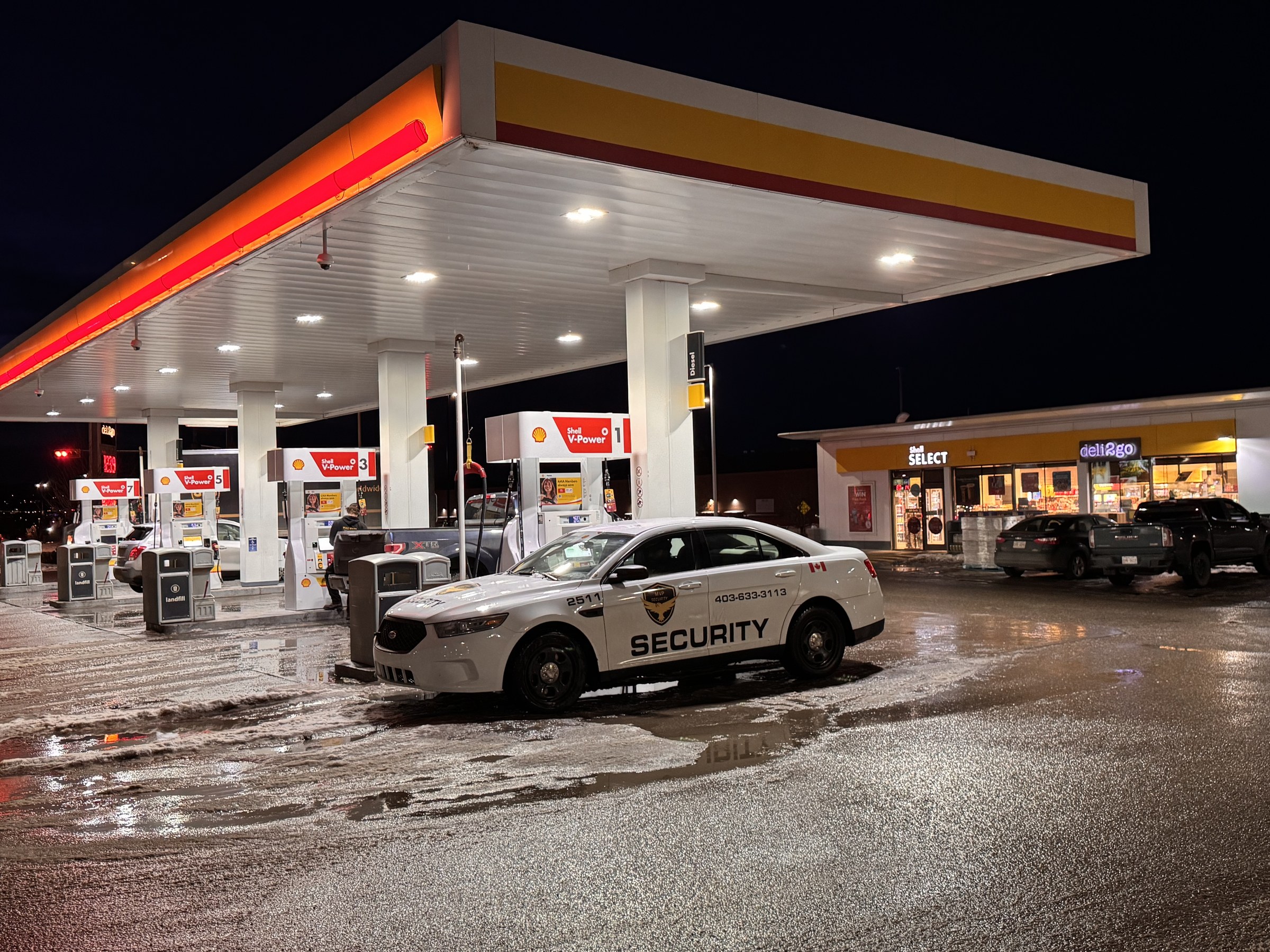
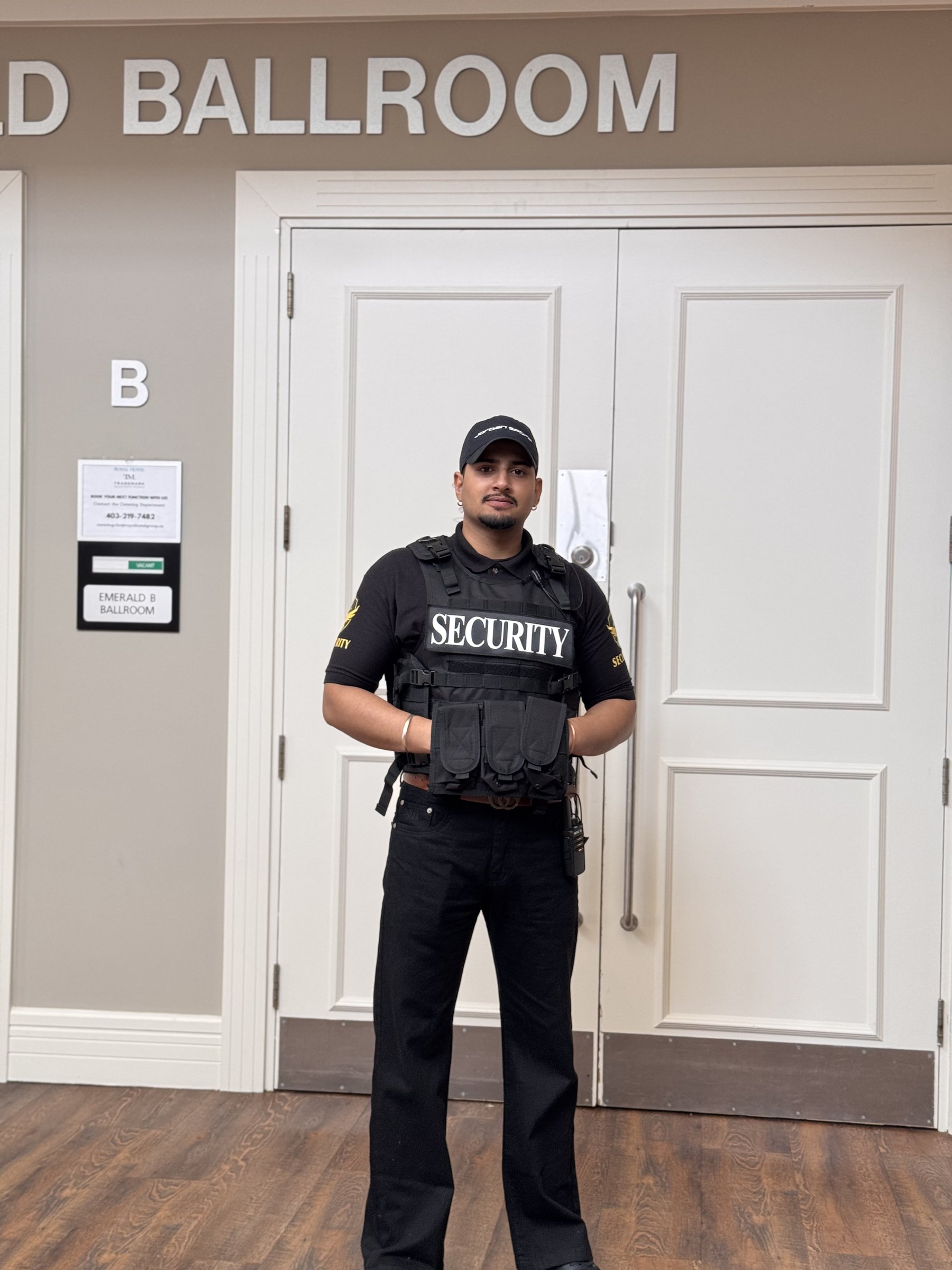
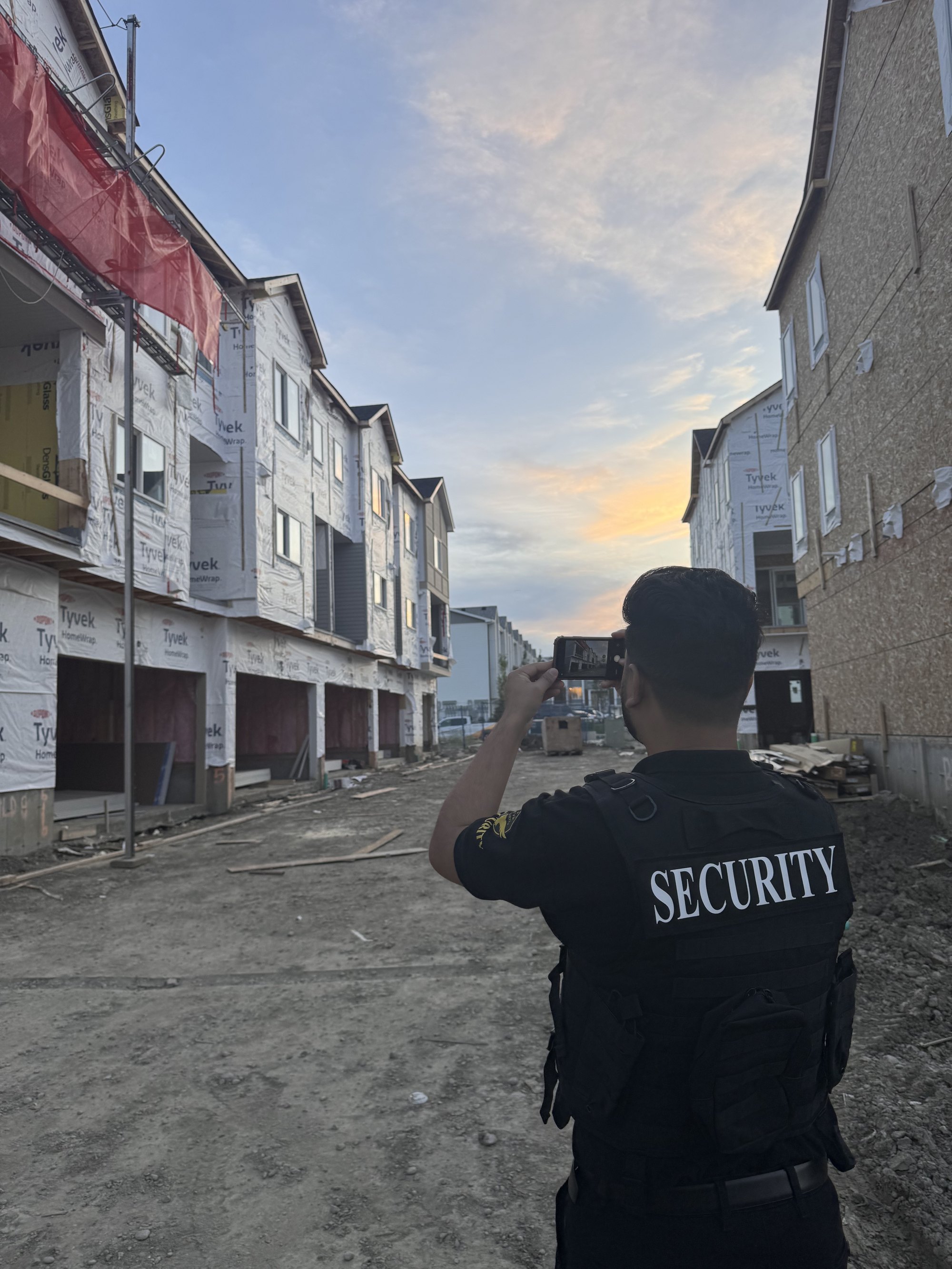
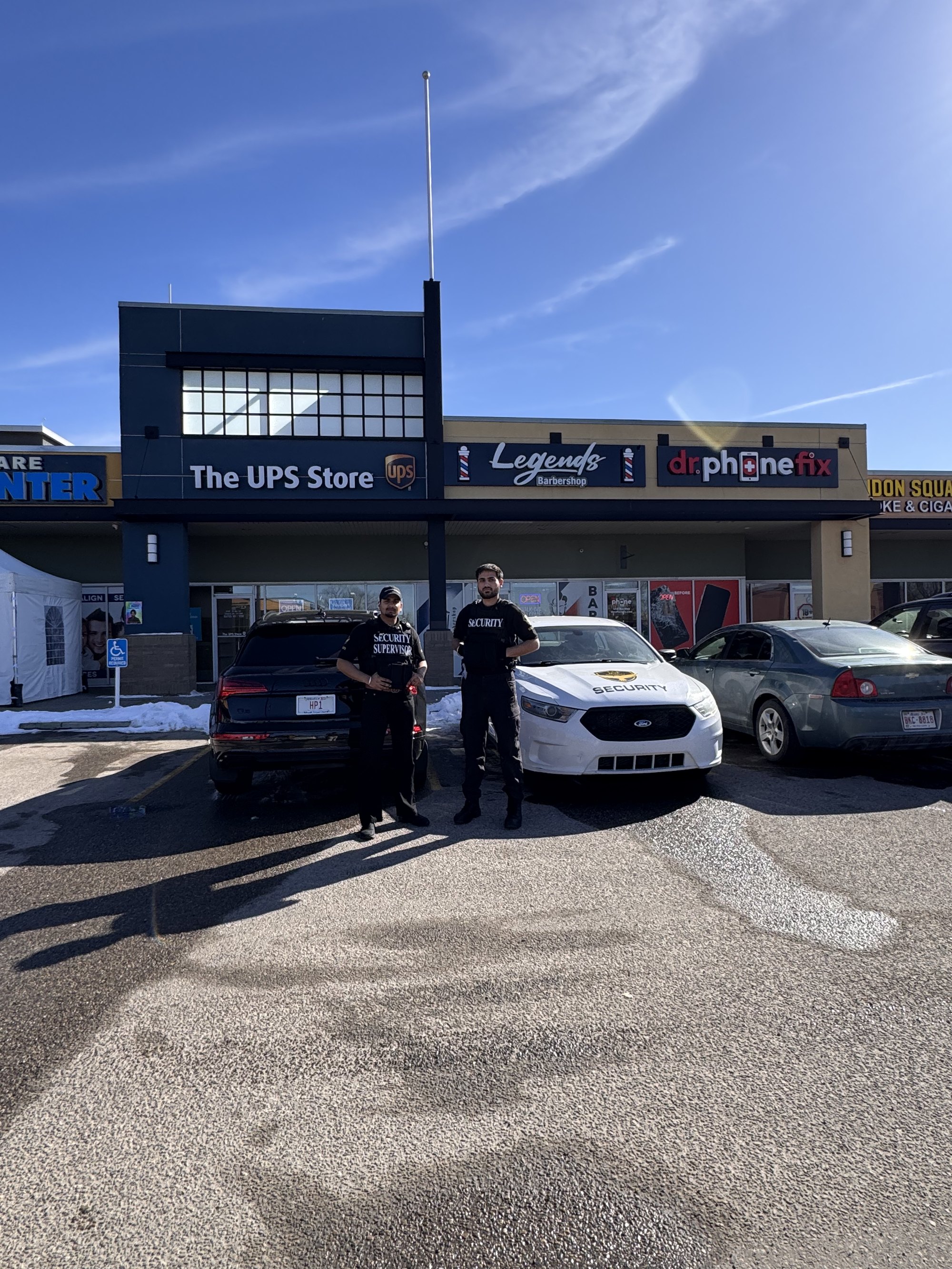
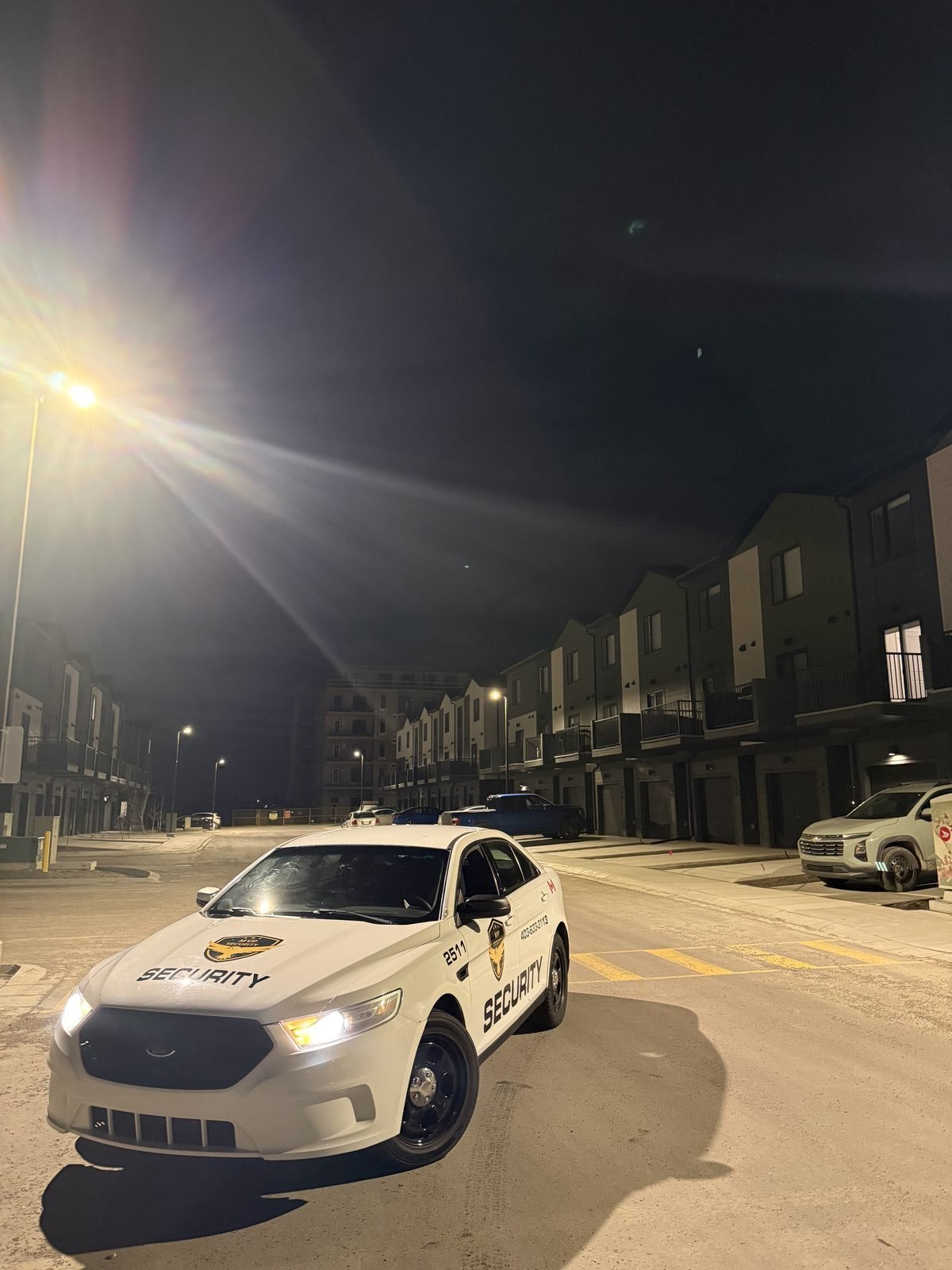
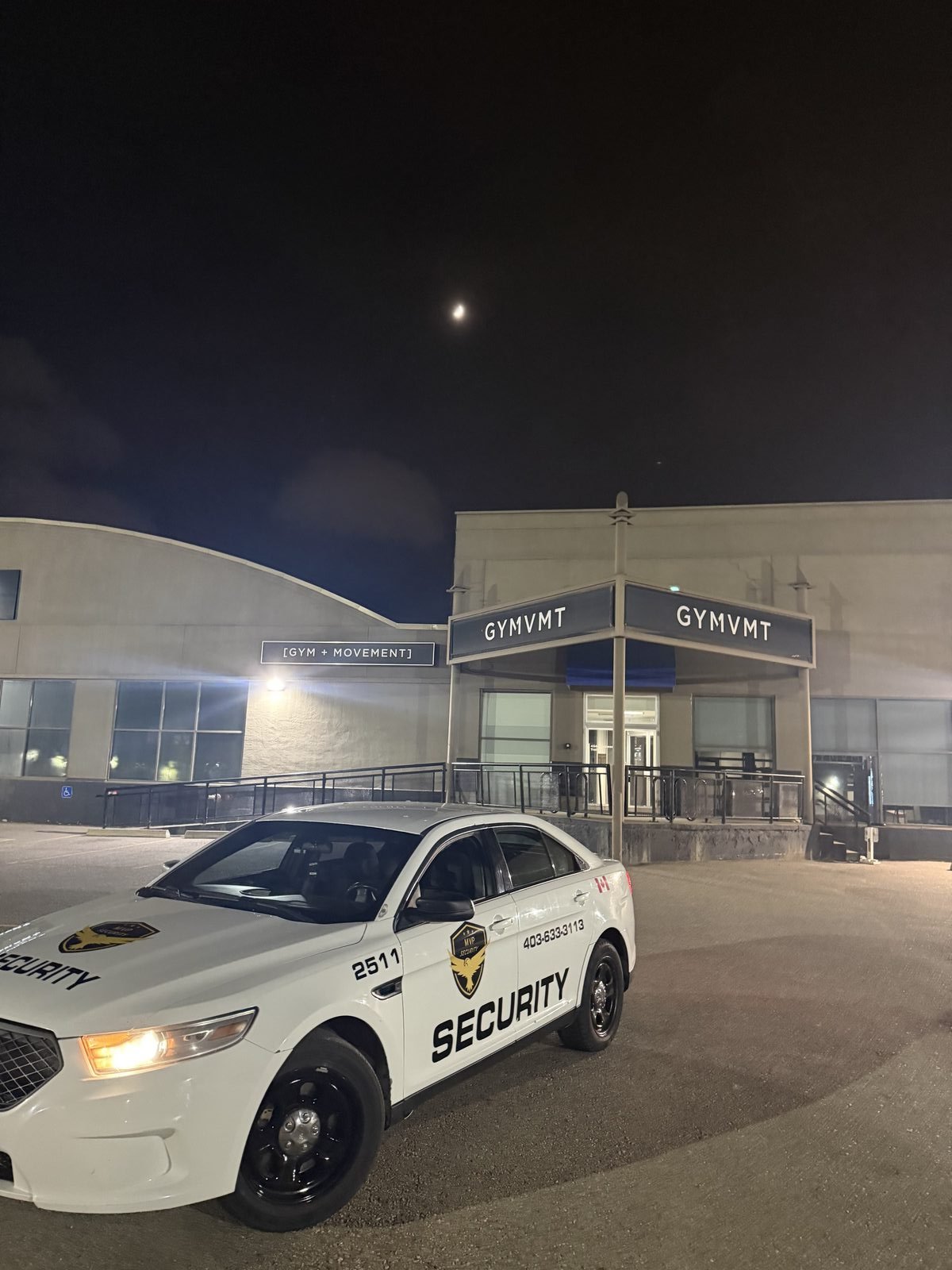
A visible security presence changes the calculation for someone considering property damage. Marked mobile patrols, uniformed guards, and regular perimeter checks show that the site is actively managed. The strongest programs avoid a pattern that can be easily predicted.
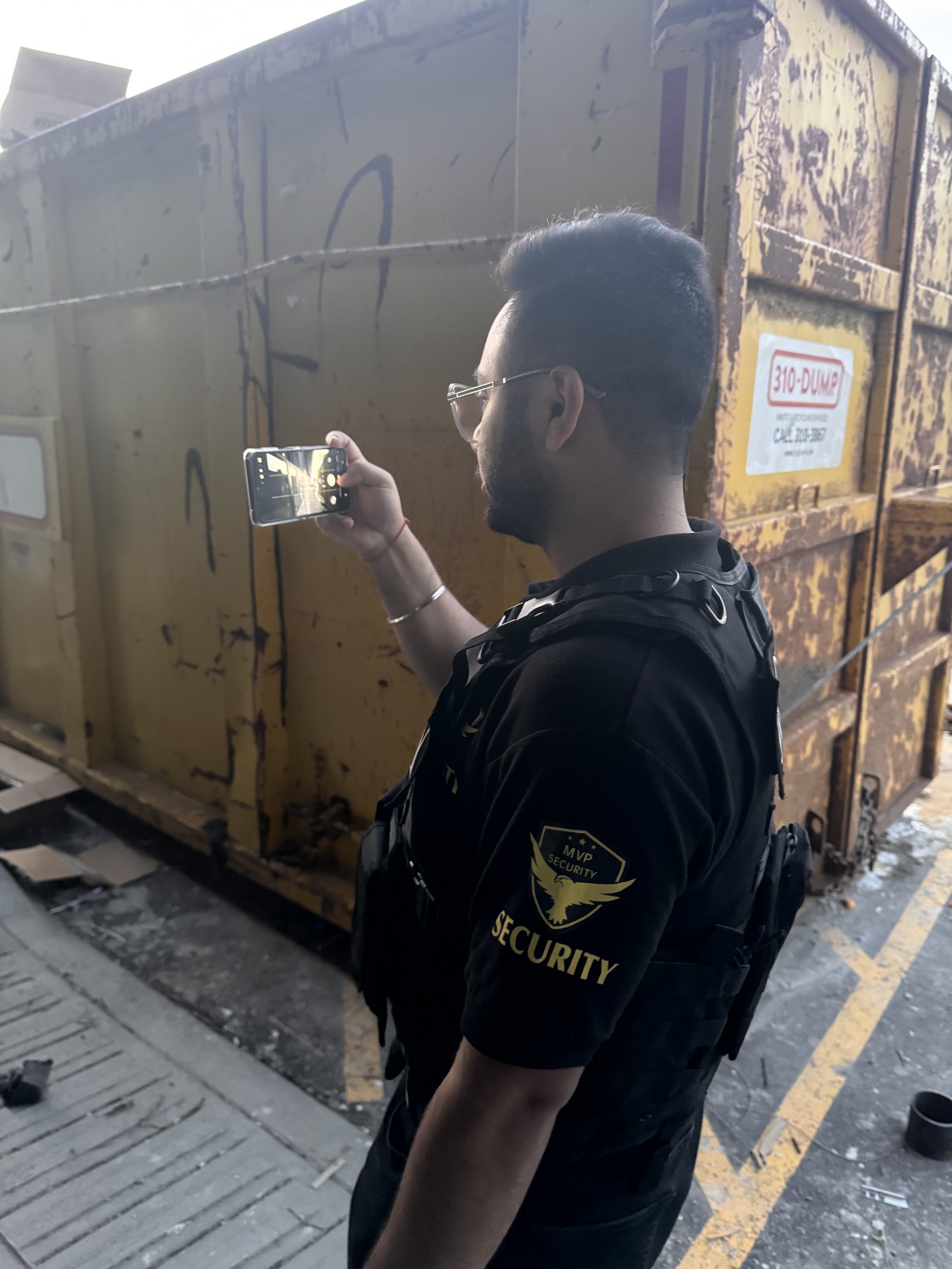
Mobile patrol is often a practical fit for commercial plazas, industrial yards, vacant properties, multi-family buildings, and construction sites that do not require a full-time guard. Patrol personnel can inspect doors and gates, check for trespassers, verify alarm conditions, identify hazards, and report damage before it becomes a larger loss. GPS-tracked patrol activity and photo-documented reporting give managers a record of what was checked and what was found.
Static guard coverage may be the better choice where risk is concentrated, such as an active construction entrance, a repeatedly targeted retail location, a building with open public access, or a site affected by a recent incident. It costs more than intermittent patrol, so coverage should be scheduled around the times and locations where risk is highest. A site-specific plan may combine overnight patrols with static coverage during vulnerable periods.
Make Reporting Fast and Consistent
Small incidents are easy to dismiss, especially when the visible damage seems minor. That can be a mistake. Tags, tampered locks, broken lights, and signs of attempted entry can reveal a developing pattern and create a more serious safety issue if left unaddressed.
Give staff, tenants, contractors, and cleaners a simple process for reporting concerns. They should know what to report, who to call, and whether they should avoid touching or moving anything. For serious damage, preserve the area where possible, save relevant camera footage, photograph the condition, and record the time it was discovered.
Good incident reports should distinguish between what was observed and what is assumed. They should include the location, time, description of damage, any witness information, actions taken, and photos where appropriate. Clear documentation supports police reports, insurance claims, maintenance follow-up, and adjustments to the security plan.
Address Graffiti and Damage Promptly
Rapid cleanup is not only about appearance. When graffiti, broken fixtures, or damaged barriers remain visible for long periods, they can suggest that a site has limited oversight. Remove graffiti as soon as practical, repair damaged lighting and fencing, and replace broken signage or locks without delay.
Before repainting or cleaning an area, photograph it and preserve any useful evidence. If the same location is targeted repeatedly, do not simply restore it to its previous condition. Change the environment by improving lighting, adding a camera view, restricting access, applying protective coatings, or increasing patrol attention during the relevant hours.
Build a Plan That Fits the Property
There is no single answer to how to reduce property vandalism because the right controls depend on the site, its hours, its surroundings, and the consequences of an incident. A condo parkade may need stronger access procedures and patrol checks. A construction project may need overnight perimeter inspections, gate control, and rapid alarm response. A retail location may benefit from visible patrols during closing hours and better coverage of rear service areas.
Review the plan after every significant incident and at key operational changes, such as a new tenant, a construction phase change, seasonal closure, or altered business hours. Calgary winters, early darkness, and changing site access can expose weaknesses that were not apparent a few months earlier.
MVP Security Inc. helps property decision-makers across Calgary and surrounding communities develop practical coverage plans using licensed guards, mobile patrols, alarm response, and documented site checks. The useful next step is not to add security everywhere. It is to identify the few conditions that make your property an easy target, then put reliable eyes and response in the places that matter most.