









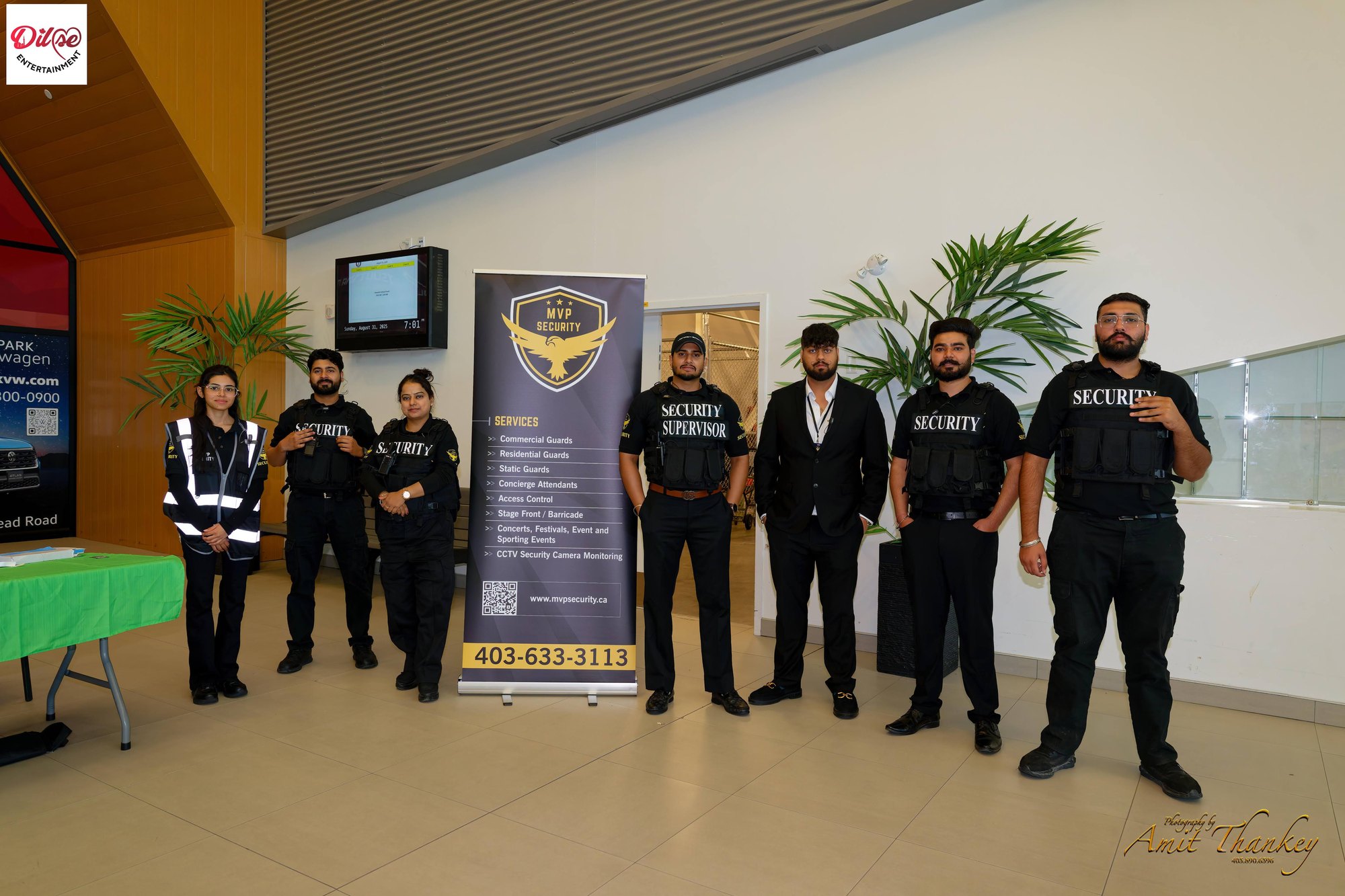
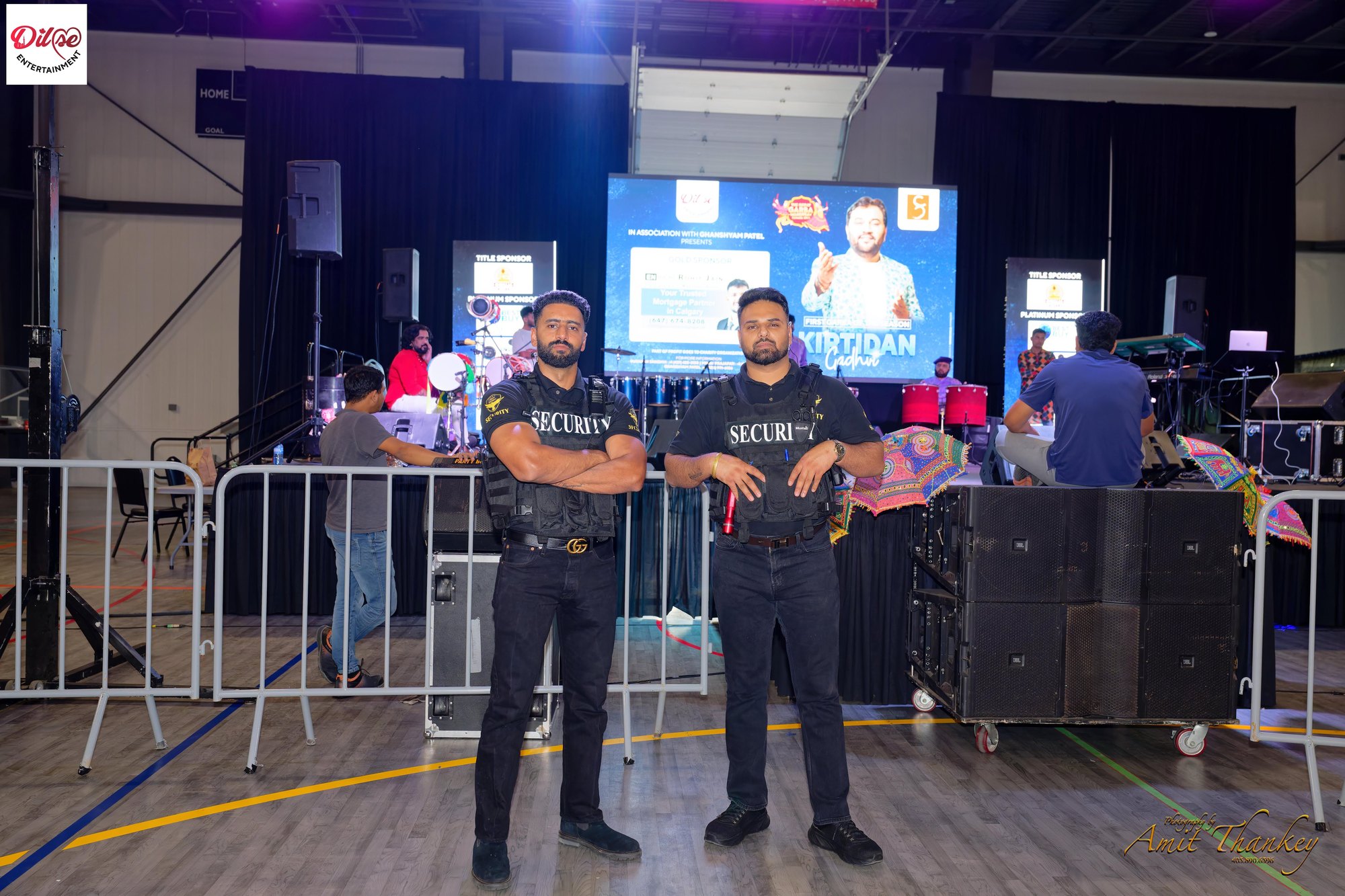
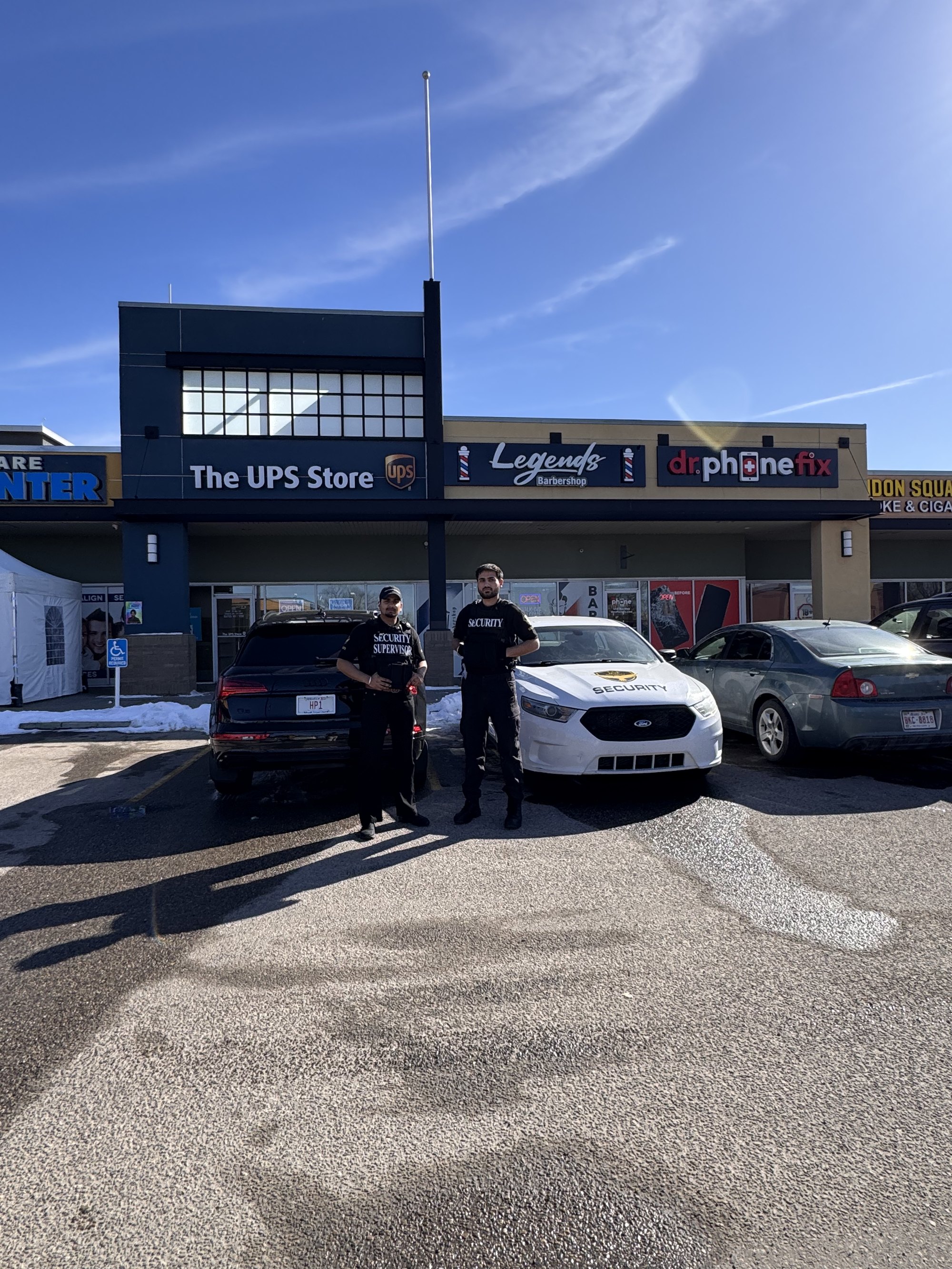
A busy entrance can go from orderly to exposed in a matter of minutes. One late vendor, one side door left unchecked, or one guest pushing past a distracted greeter is often all it takes to create a problem that affects the entire event. If you are planning attendance flow, staffing, and public safety, knowing how to secure event entrances is not a minor detail. It is one of the first operational decisions that shapes everything that happens inside.
For event organizers in Calgary and nearby communities, entrance security is rarely about putting one guard at one door and hoping for the best. It is about controlling access without creating unnecessary friction, matching guard presence to the event profile, and making sure every entry point is covered by a plan that works under real conditions.
Why entrance security matters more than most planners expect
Most incidents tied to event security begin at the perimeter. Unauthorized guests, intoxicated attendees, stolen credentials, aggressive behaviour, gate-crash attempts, and prohibited items usually appear at the entrance before they become a larger issue inside. That makes the front line more than a checkpoint. It is where prevention either happens or fails.
The challenge is that every event has competing priorities. You need people to get in quickly. You need staff and vendors to move efficiently. You need emergency egress to remain clear. You may also need bag checks, ticket verification, age verification, VIP management, and crowd guidance at the same time. Good entrance security balances all of those needs without turning the event into a bottleneck.
How to secure event entrances starts with risk, not hardware
The right setup depends on the event type, the audience, the venue layout, and the hours of operation. A daytime community festival has different access risks than a licensed evening event. A private corporate function has different needs than a public concert or a ticketed sporting event. If children are attending, if alcohol is being served, or if high-profile guests are present, the entrance plan needs to adjust accordingly.
Start by identifying what the entrance actually needs to do. In some cases, the goal is basic credential verification and visible deterrence. In others, it includes bag screening, line management, conflict de-escalation, and enforcement of restricted access zones. The number of entrances matters, but so does the number of people expected to arrive within the same 15- to 30-minute window.
A strong site plan should account for the main public entrance, secondary access points, vendor loading areas, staff-only doors, and any side or rear entry that could be exploited when attention is focused on the front. Many events over-secure the obvious doorway and under-secure the door no one thinks guests will use.
Build access control around the flow of people
If people do not know where to go, they will create their own path. That is why clear access control begins before the actual checkpoint. Barricades, stanchions, signage, and staff positioning should guide attendees into a predictable flow before they reach the screening point.
The best entrance layouts separate functions wherever possible. Public entry, VIP access, performer or vendor entry, and emergency routes should not overlap unless the venue leaves no alternative. When everyone funnels through one opening, verification slows down and confusion increases. That is usually when staff start making exceptions, and exceptions are where security gaps appear.
It also helps to think in layers. The first layer is visible presence and direction. The second is credential or ticket verification. The third is physical screening if required. The fourth is interior observation just past the threshold. That last layer matters because some issues only become visible after someone has entered, especially if they are trying to blend into the crowd.
Staffing the entrance properly
One of the most common mistakes is underestimating how many trained personnel the entrance requires. A single person cannot greet guests, verify credentials, monitor behaviour, manage a line, respond to conflict, and watch for tailgating at the same time.
At minimum, entrance staffing should reflect volume, complexity, and risk. A low-risk private event may only need controlled access with one dedicated guard and one event staff member. A larger public-facing event may require multiple guards, designated screeners, line control, and a supervisor who can make quick decisions if a problem develops.
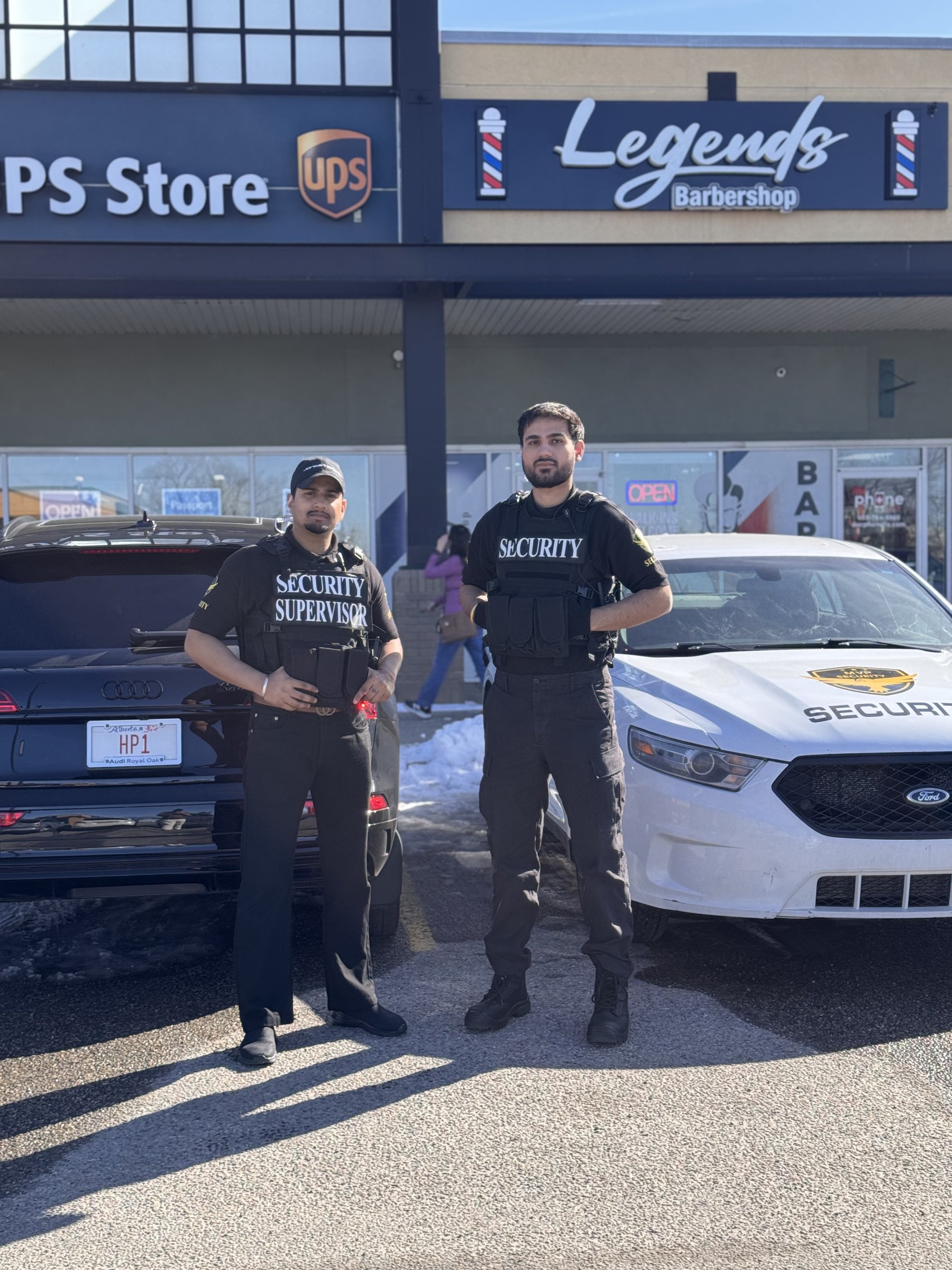
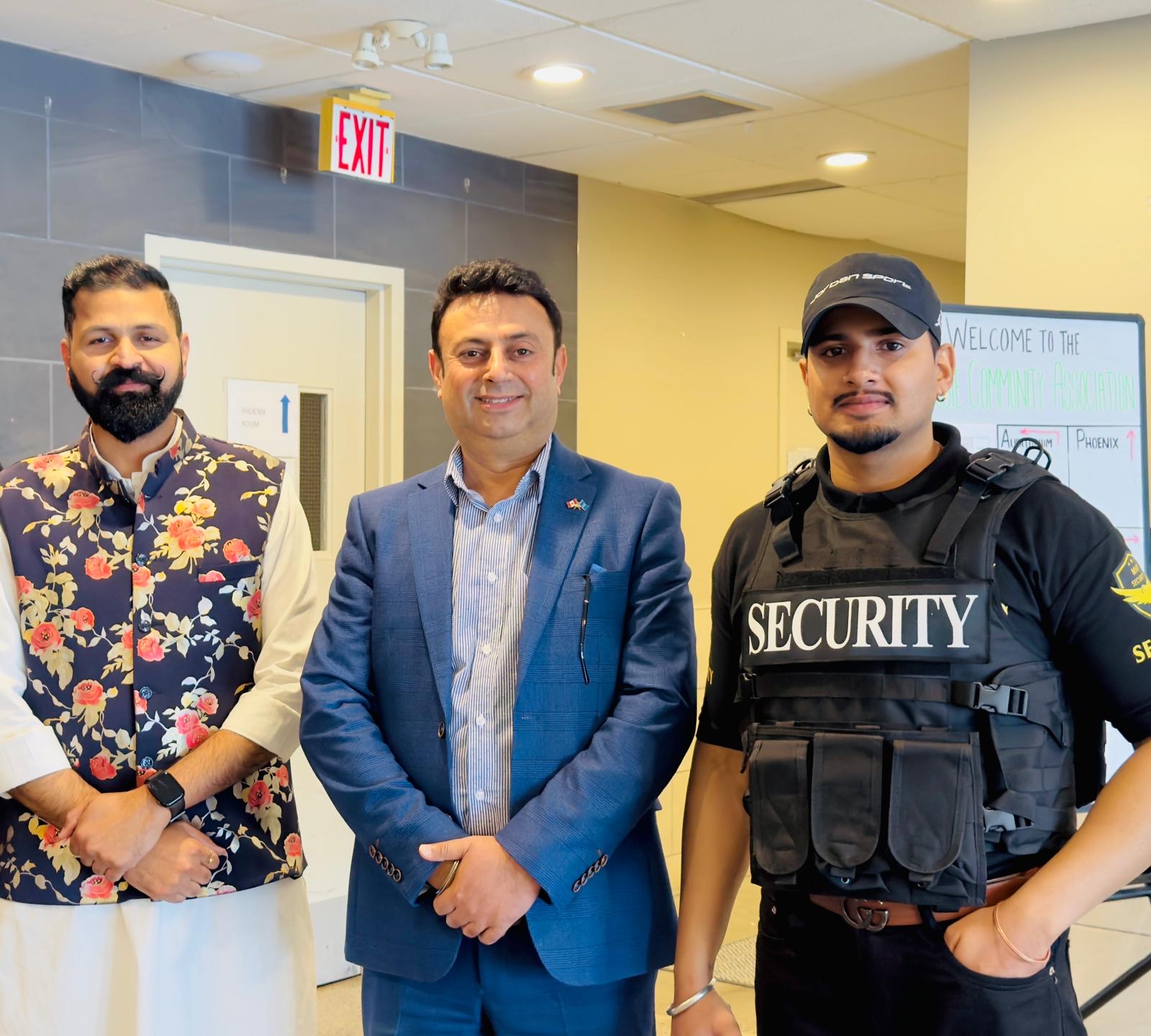
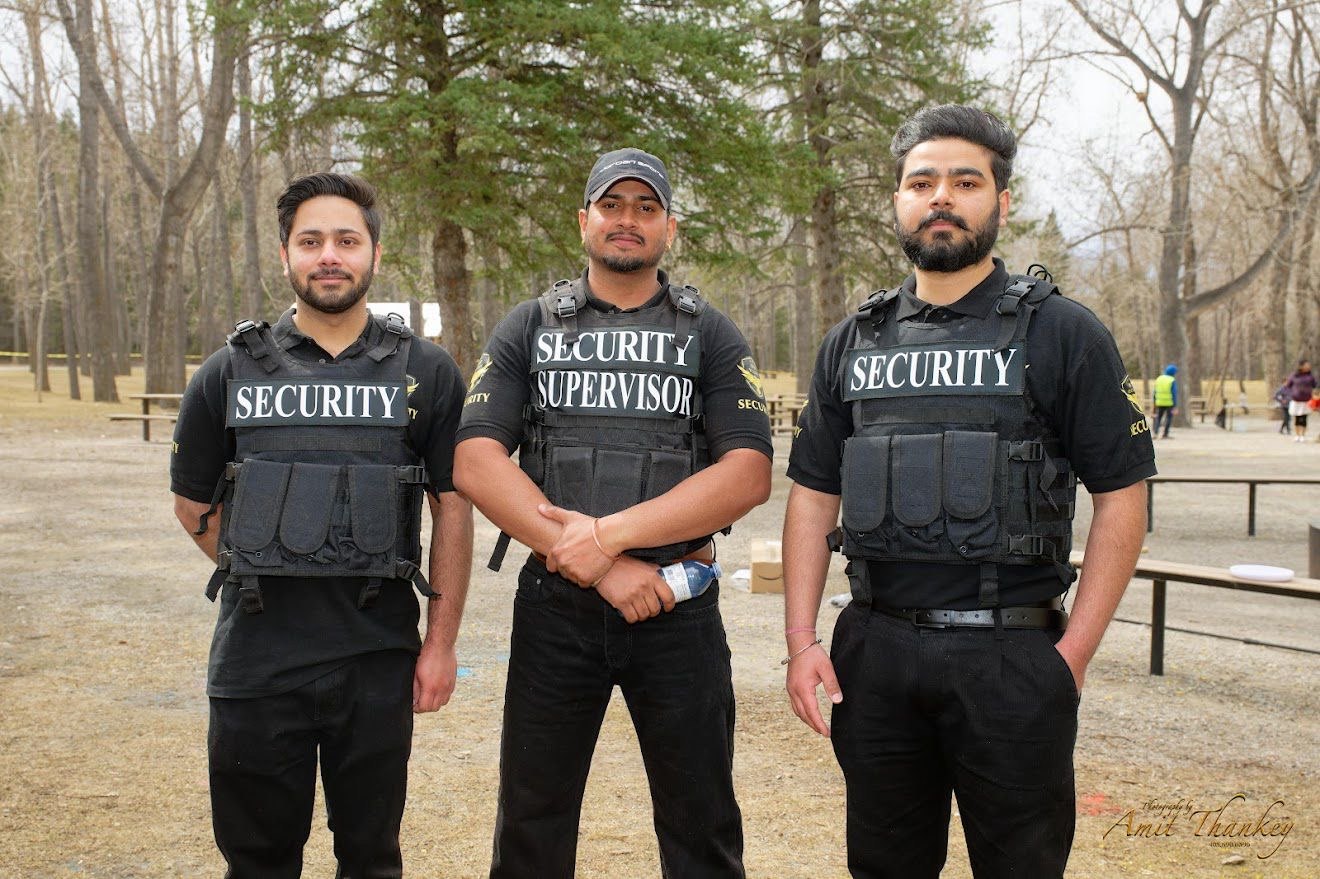
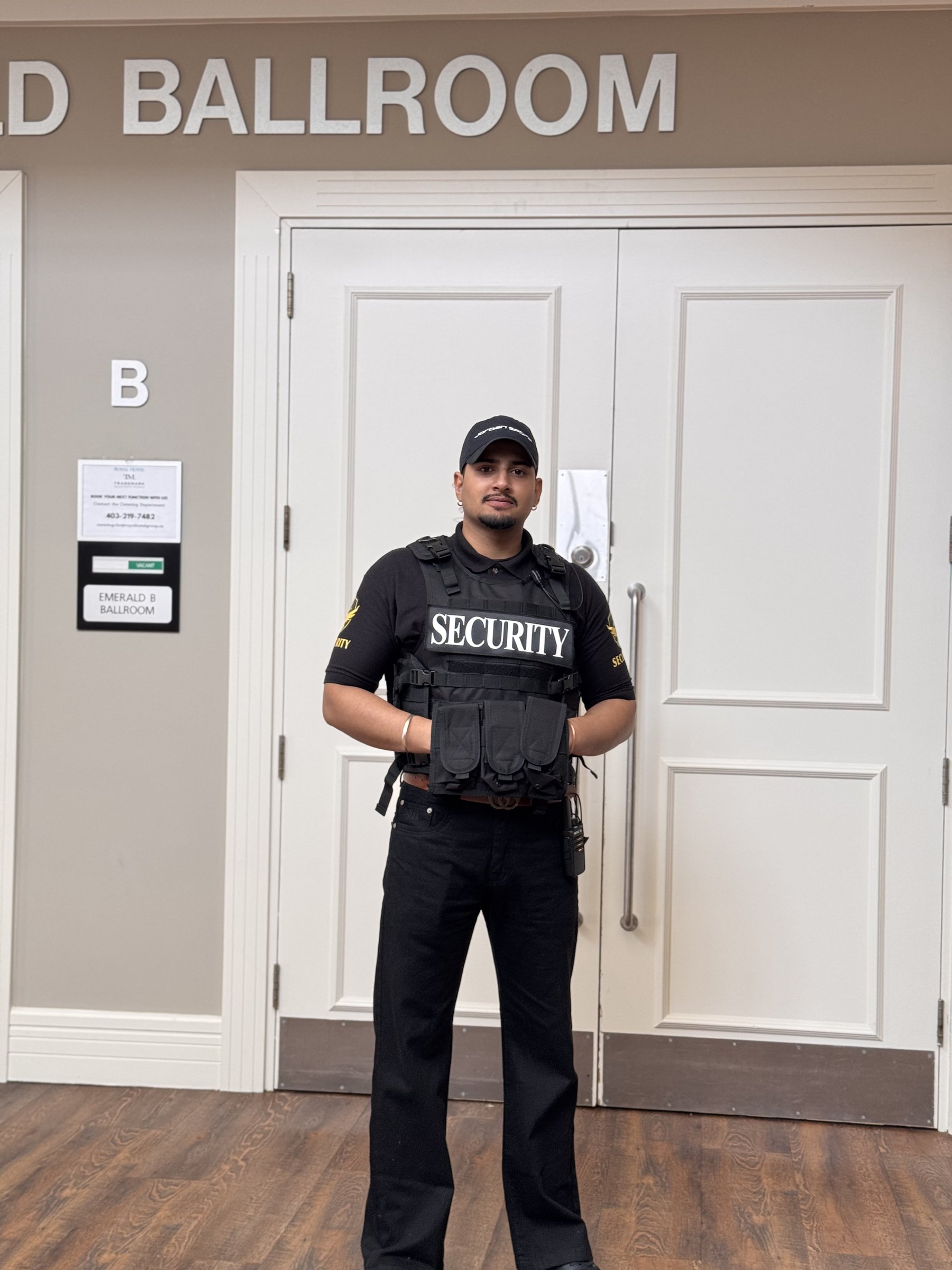
Licensed security guards bring a different function than volunteer staff or event hosts. Hosts can assist with guest service and wayfinding, but guards are there to maintain control, enforce access rules, manage refusals, and respond when behaviour shifts. That distinction matters when someone becomes confrontational or attempts to enter without authorization.
This is where an experienced local provider makes a difference. A team that is used to working Calgary venues, variable weather, mixed public events, and short-notice changes will usually identify weak points before the doors open.
Screening policies need to be clear and enforceable
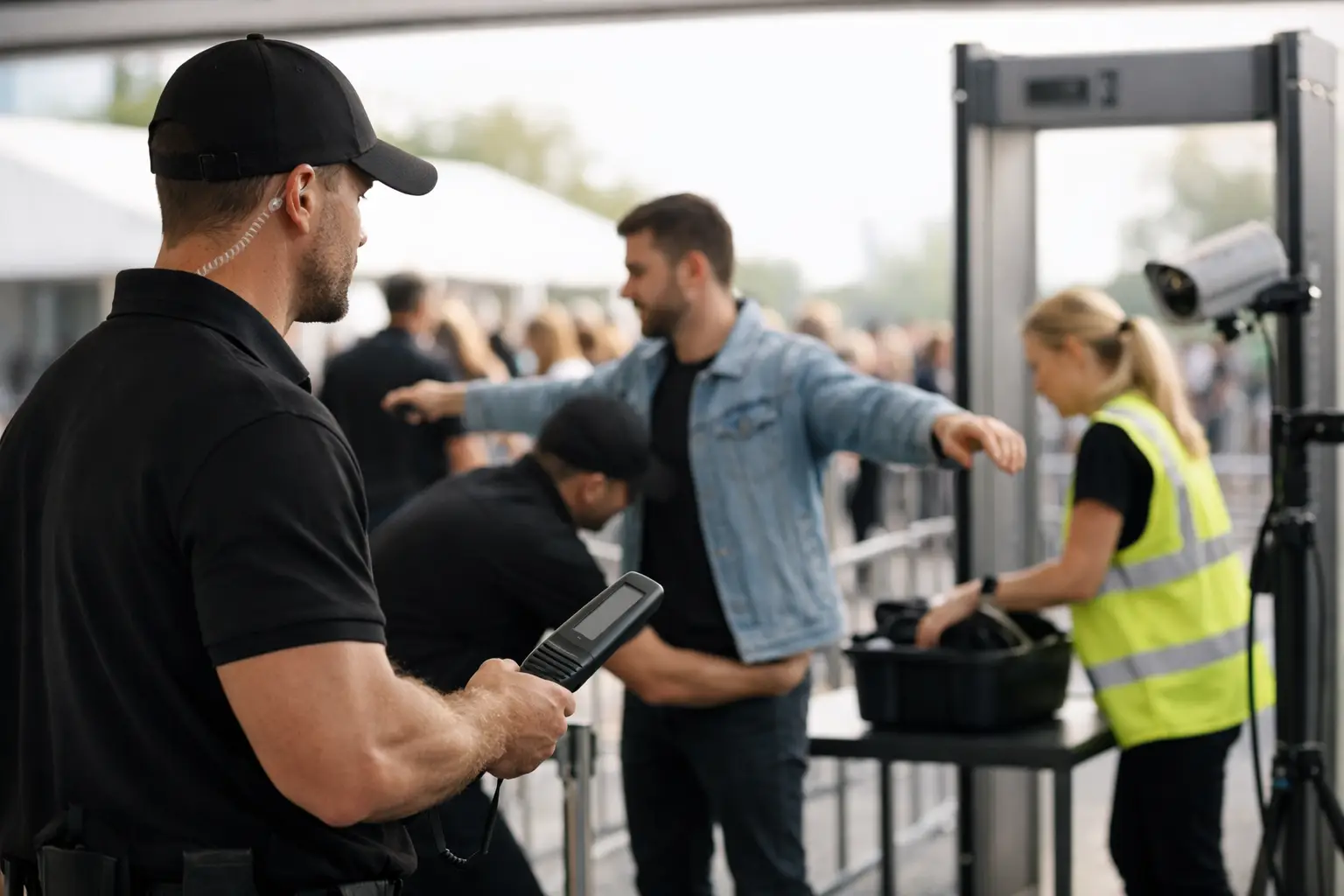
If your event requires bag checks, ID verification, age-gating, or restricted-item screening, the standards need to be set before staff arrive on site. Vague instructions lead to inconsistent enforcement. Inconsistent enforcement creates arguments and delays.
Attendees should understand what is permitted and what is not before they reach the front of the line. Staff should know what to do when they find a prohibited item, when to deny entry, when to escalate to a supervisor, and when law enforcement or emergency services may need to be contacted. Those decisions should not be improvised at the entrance in front of a growing queue.
There is also a practical side to screening. More checks can improve control, but they can also slow entry significantly. If screening is too slow for the size of the crowd, pressure builds outside the venue. That can create its own safety issue, especially in poor weather or in locations with vehicle traffic, limited sidewalks, or nearby businesses.
Do not ignore side doors, service access, and re-entry
When people ask how to secure event entrances, they are often focused on the main gate. The more common failures happen elsewhere. Vendors need access. Performers arrive late. Staff step out for breaks. Guests request re-entry. Someone props open a side door because it is convenient.
Every one of those moments affects your perimeter.
Service and back-of-house access points should be assigned their own control measures, even if that only means scheduled access windows, dedicated credential checks, and periodic guard verification. If re-entry is allowed, use a process that can actually be enforced, whether that is a wristband, stamp, pass, or digital credential. If it cannot be verified quickly and consistently, it should not be part of the plan.
Doors that are not intended for public use should be physically secured, monitored, or both. A closed door is not a secure door if no one is responsible for it.
Communication and incident response at the entrance
Entrance security works best when guards, event staff, and supervisors can communicate immediately. Radios matter. Clear post orders matter. So does knowing who has authority to refuse entry, deal with ejections, approve exceptions, or pause admissions if crowd pressure becomes unsafe.
A written site-specific plan helps avoid hesitation. It should cover opening procedures, credential standards, screening expectations, emergency contacts, escalation paths, and response steps for medical issues, disturbances, lost children, suspicious behaviour, and unauthorized entry attempts.
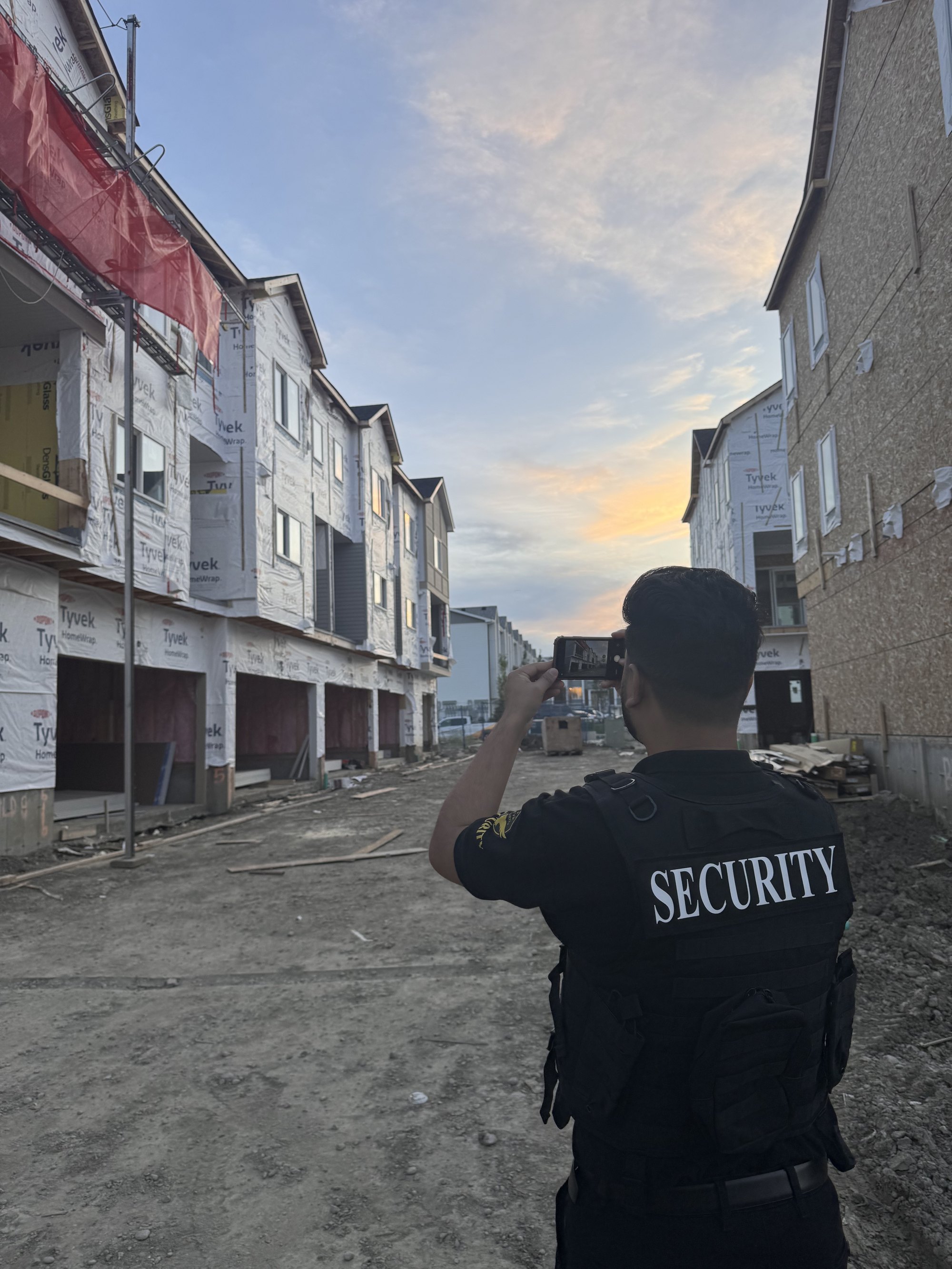
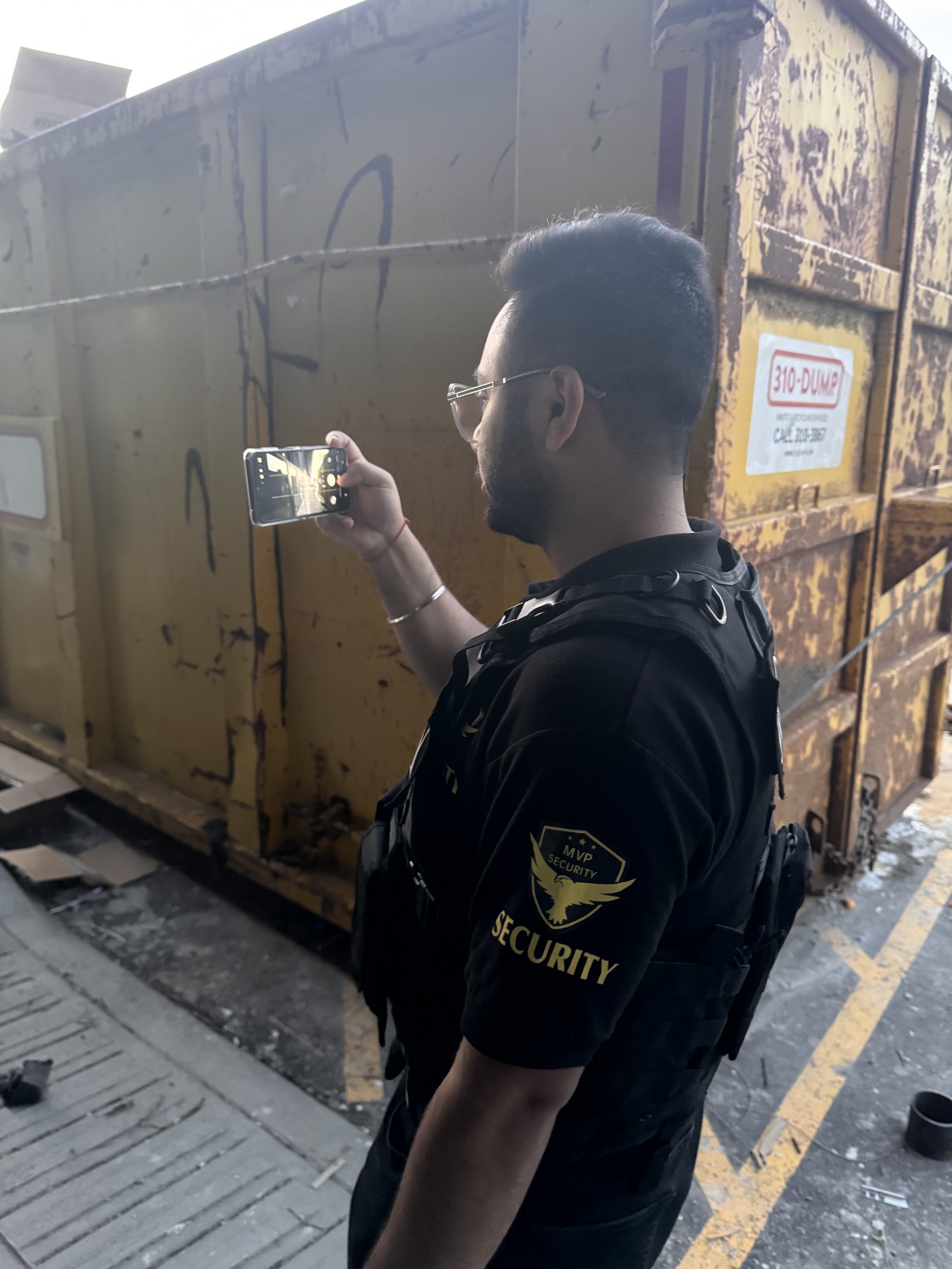
Documentation also matters more than many planners expect. If there is an incident, accurate reporting supports follow-up, insurance requirements, venue records, and accountability. Photo-documented activity logs and incident reports are especially useful for larger public events or multi-day functions where patterns can develop over time.
Technology helps, but only if the operation supports it
Cameras, handheld scanners, monitored alarms, and portable lighting can strengthen entrance control, but they are not a substitute for trained personnel. A camera can record tailgating. It cannot stop it. A ticket scanner can reject an invalid code. It cannot manage the person arguing about the result.
Use technology where it improves speed, visibility, or verification. Temporary CCTV at key access points can support oversight. Good lighting reduces blind spots and improves facial visibility. Credential scanning can reduce fraud at larger ticketed events. But if the staffing model is weak or the checkpoint layout is poor, the equipment will not solve the underlying issue.
Local conditions change the plan
In Alberta, event entrance security often has to account for more than crowd size. Weather can affect line management, visibility, patience, and staffing endurance. Outdoor venues may need sheltered checkpoints or modified queuing. Winter gear can slow screening. Parking layouts and shared-use sites can create access confusion before guests ever reach the door.
That is why local familiarity matters. A security plan that looks fine on paper may need to be adjusted for a Calgary arena entrance, a community hall in Okotoks, or an outdoor site in Chestermere. Response times, staffing availability, and regional compliance expectations all affect what is realistic on event day.
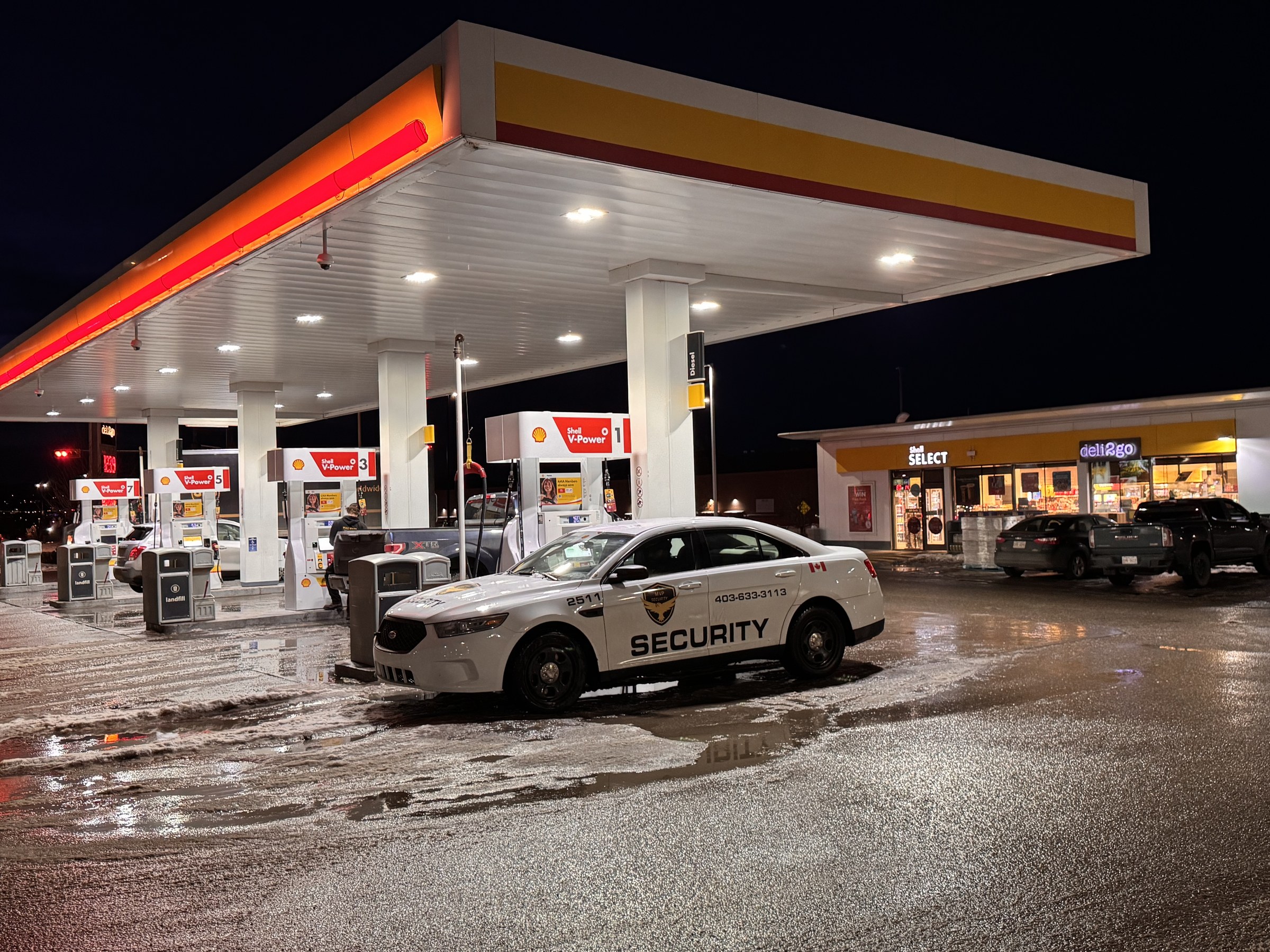
For organizers who need reliable entrance coverage, MVP Security Inc. approaches this work the way it should be handled - with licensed guards, site-specific planning, clear access control procedures, and the ability to respond quickly when event conditions change.
A secure entrance should still feel organized and professional
Guests notice when an entrance is poorly run. They also notice when it feels controlled, respectful, and predictable. That does not happen by accident. It comes from planning the flow, assigning the right people, setting enforceable rules, and covering the access points that are easiest to overlook.
If you are evaluating how to secure event entrances for your next event, the best question is not whether you need security at the door. It is whether your entrance plan can still hold up when the line gets longer, the weather changes, a guest becomes difficult, or a side access point is tested at the worst possible time. That is usually where the real answer shows up.