










A single theft incident during a busy shift can erase a day’s profit, but the bigger issue is what repeated loss does to staff confidence, customer experience, and operating stability. If you are looking at how to secure retail stores, the right answer is rarely one product or one guard. It is a site-specific plan built around your layout, hours, shrink patterns, staffing levels, and response requirements.
Retail security works best when it is visible, consistent, and tailored to how the store actually operates. A high-traffic strip mall unit has different risks than a standalone liquor store, a shopping centre tenant, or a late-night convenience location. The goal is not to overbuild a security program. The goal is to reduce theft, deter aggressive behaviour, control access, and make sure incidents are handled quickly and documented properly.
How to secure retail stores starts with risk mapping
Before adding guards, cameras, or patrols, start with the pressure points. Most retail losses do not happen randomly. They cluster around entrances, blind spots, fitting rooms, receiving doors, stockrooms, self-checkout areas, and opening or closing routines. If management cannot clearly identify where incidents occur, security spending usually becomes reactive instead of effective.
A practical risk review should look at both crime and operations. That includes shoplifting trends, employee theft exposure, loitering, after-hours break-in risk, cash handling, delivery schedules, and whether staff are often working alone. In Calgary and surrounding communities, weather and seasonal darkness can also affect visibility around parking areas, side entrances, and loading zones.
This is where many retail operators benefit from outside assessment. A trained security team can identify vulnerabilities that store staff have simply become used to. Poor sightlines, inconsistent lockup procedures, unmonitored rear exits, and weak alarm response processes are common issues.
Physical security needs to match the store layout
Retail security is strongest when the space itself supports control. Clear sightlines from the till to the sales floor matter. So does product placement. High-value, easily concealed, or frequently targeted items should not sit in dead zones where staff have limited visibility.
Entry and exit control also plays a major role. That does not mean turning every store into a fortress. It means making sure public access points are obvious, staff-only areas are clearly restricted, and rear doors are secured, monitored, and routinely checked. If a receiving entrance is left vulnerable because it is used throughout the day, that gap can become an easy access point for internal and external theft.
Lighting is another basic measure that still gets missed. Exterior lighting around storefronts, side alleys, parking stalls, and loading doors improves visibility and supports both camera performance and patrol effectiveness. Inside the store, even lighting reduces blind spots and makes suspicious behaviour easier to detect.
CCTV and alarms are useful, but only if they are managed properly
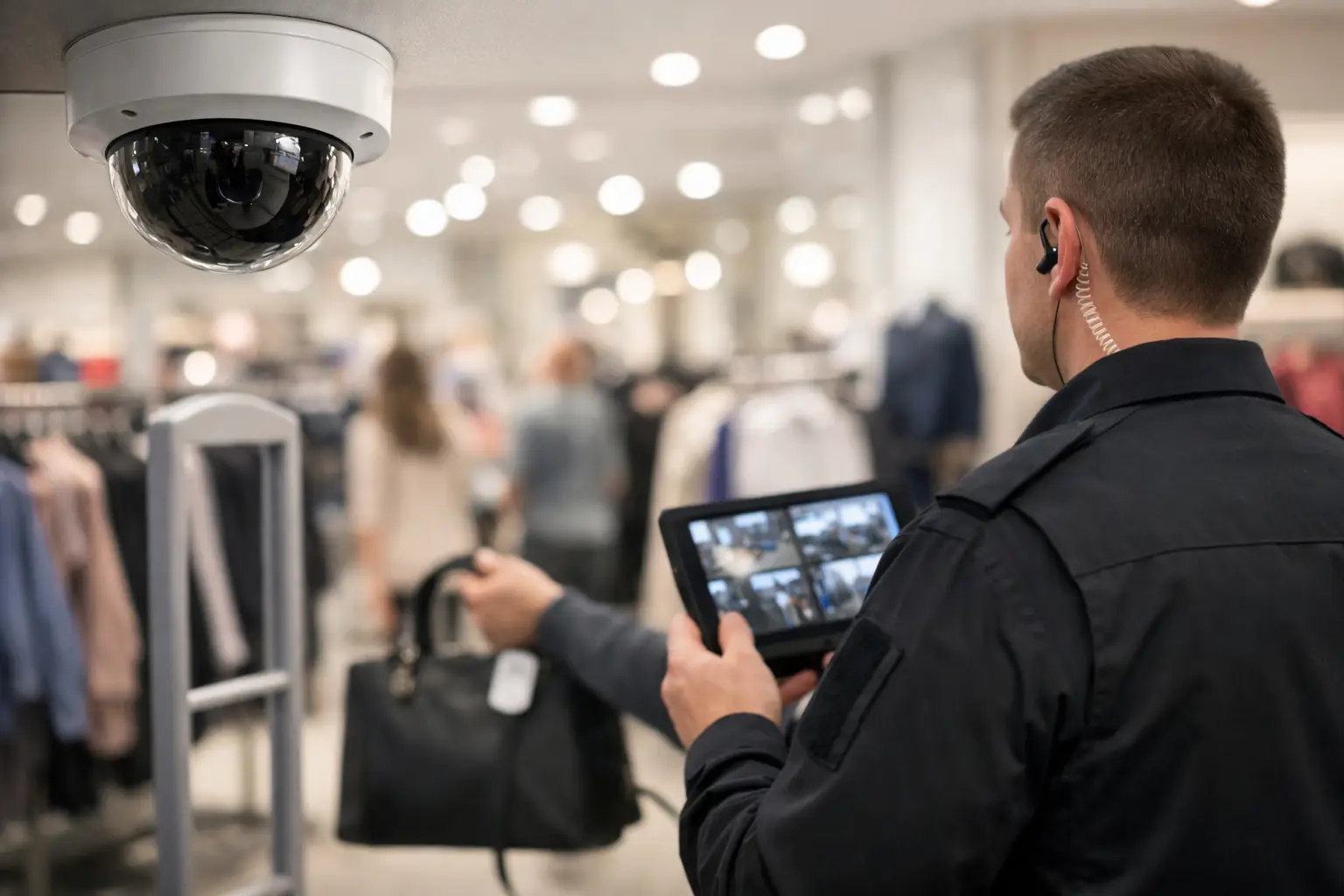
Many retailers already have cameras and monitored alarms, but equipment alone does not secure a site. Camera placement, image quality, retention, and live response all matter. If footage does not clearly capture faces, entrances, transaction areas, and product zones, it may have limited value after an incident.
The same applies to alarms. A monitored alarm is only one part of the response chain. What happens when it activates at 2:30 a.m.? Who attends the site? How quickly? Who confirms whether it is a false alarm, attempted break-in, or active intrusion? Without a clear response plan, alarm events can create delay and uncertainty when fast action matters most.
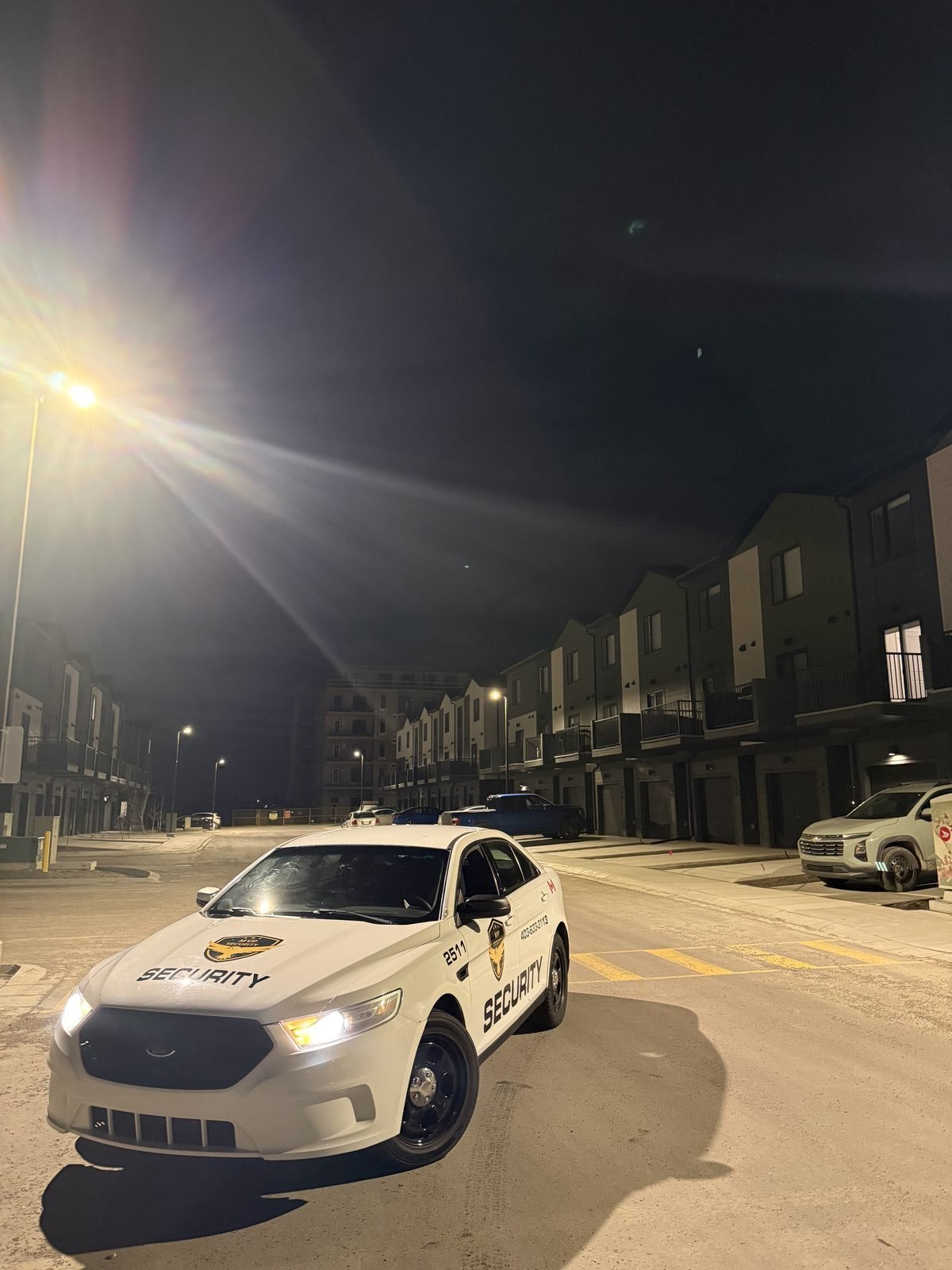
For some retail operators, overnight alarm response paired with mobile patrol or guard attendance is the practical middle ground. It provides a visible presence and a verified site check without staffing the location around the clock. That approach can be especially effective for stores in plazas, standalone retail buildings, and properties with repeated after-hours issues.
Security guards are most effective when their role is clearly defined
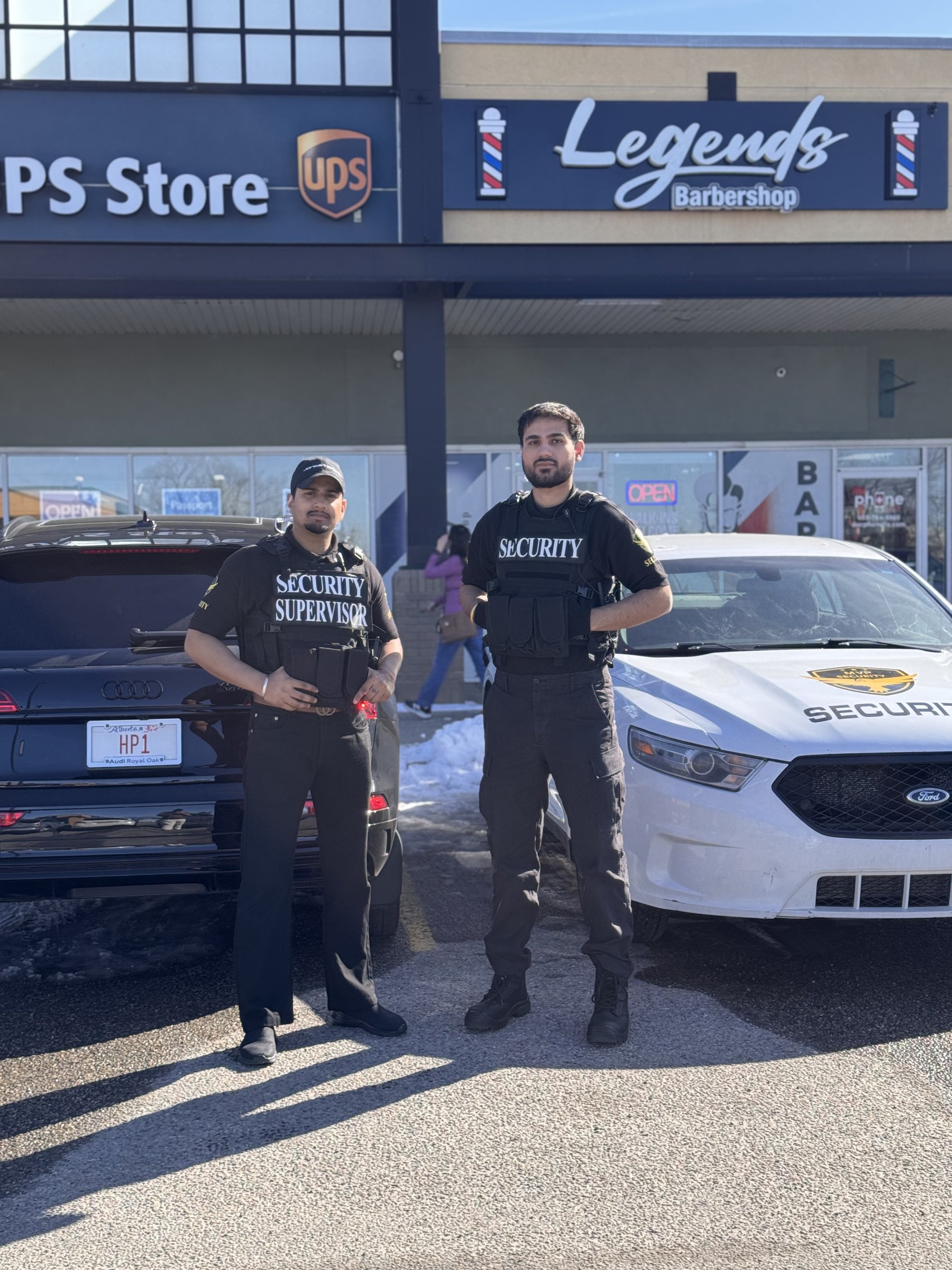
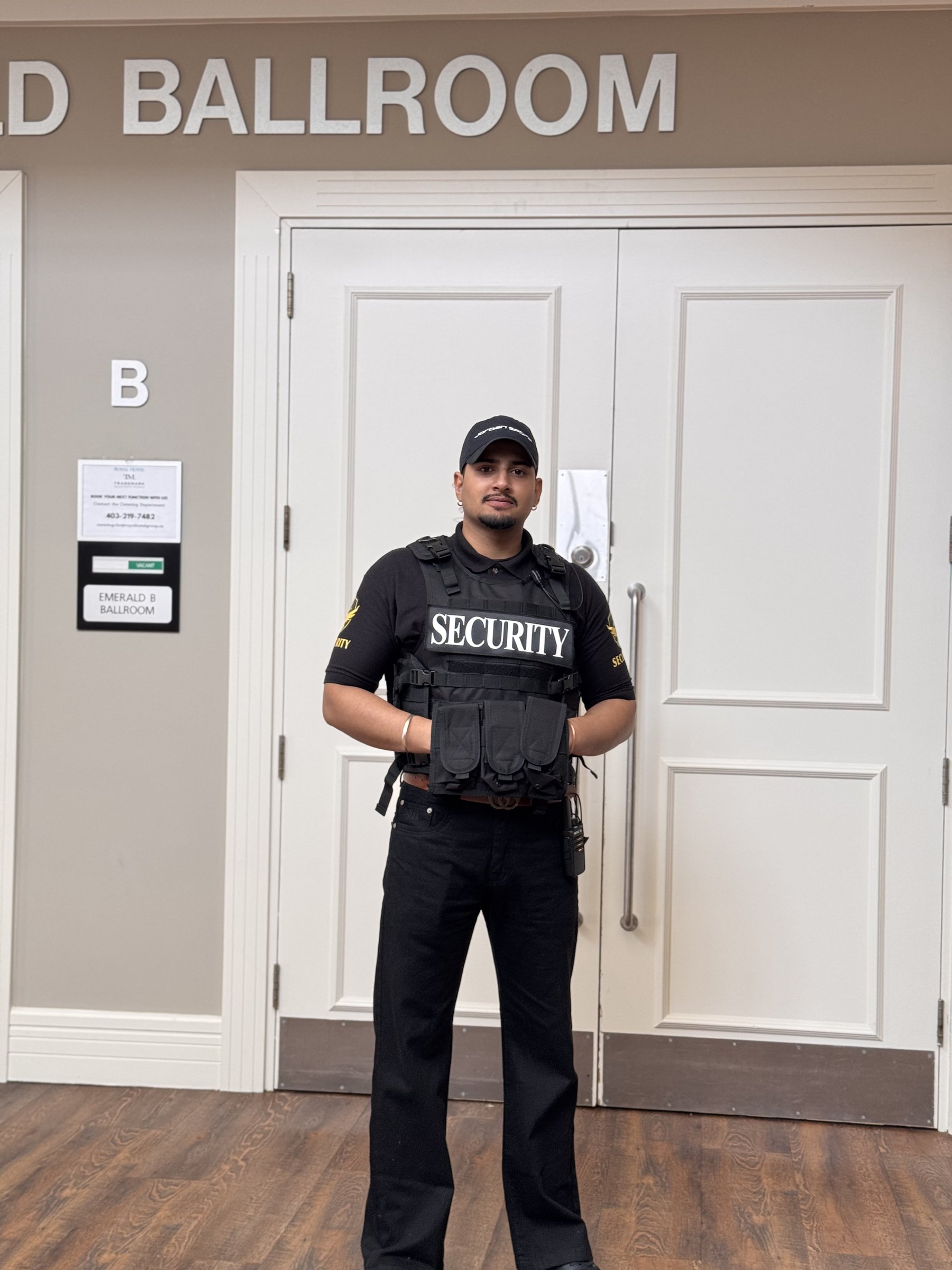
A guard at the front of the store can be a strong deterrent, but results depend on how that guard is deployed. Simply placing a uniformed presence on site without a clear mandate often leads to uneven performance. Retail operators should define whether the priority is customer-facing presence, loss prevention support, access control, de-escalation, closing escort, after-hours protection, or a mix of those tasks.
In higher-risk environments, static guards can help reduce theft, monitor behaviour, manage disruptive individuals, and support staff during peak periods. In lower-risk environments or multi-location operations, mobile patrol may be more cost-effective. A patrol program allows regular lock checks, exterior inspections, alarm follow-up, and documented visits without the full cost of permanent on-site coverage.
There is always a budget trade-off here. A full-time guard gives you constant visibility and immediate intervention. Mobile patrol lowers cost but does not provide continuous presence. The right choice depends on incident frequency, merchandise value, business hours, and how exposed your site is after closing.
Staff procedures are a major part of how to secure retail stores
Even well-equipped stores become vulnerable when procedures are inconsistent. Opening and closing routines should be standardized, especially when staff are arriving early or leaving with deposits after dark. Stores should have clear expectations for lockup checks, alarm setting, key control, cash handling, and response to suspicious behaviour.
Training matters just as much as written policy. Staff should know what to do when someone is concealing merchandise, refusing to leave, attempting to access restricted areas, or escalating verbally. They should also know what not to do. Not every theft incident should trigger confrontation. In many situations, observation, communication, and immediate support from security is the safer route.
Incident reporting should be simple and consistent. If a location is dealing with repeat offenders, recurring loitering, vandalism, or aggressive behaviour, reports need to capture time, description, actions taken, and any available footage or photos. That record helps management identify patterns and justify stronger measures when needed.
After-hours protection is often where losses begin
Retail operators sometimes focus heavily on daytime theft while underestimating overnight exposure. Vacant storefront hours create opportunities for forced entry, vandalism, and unauthorized access through side or rear doors. If your location is in a plaza or mixed-use property, your own controls may only be part of the equation.
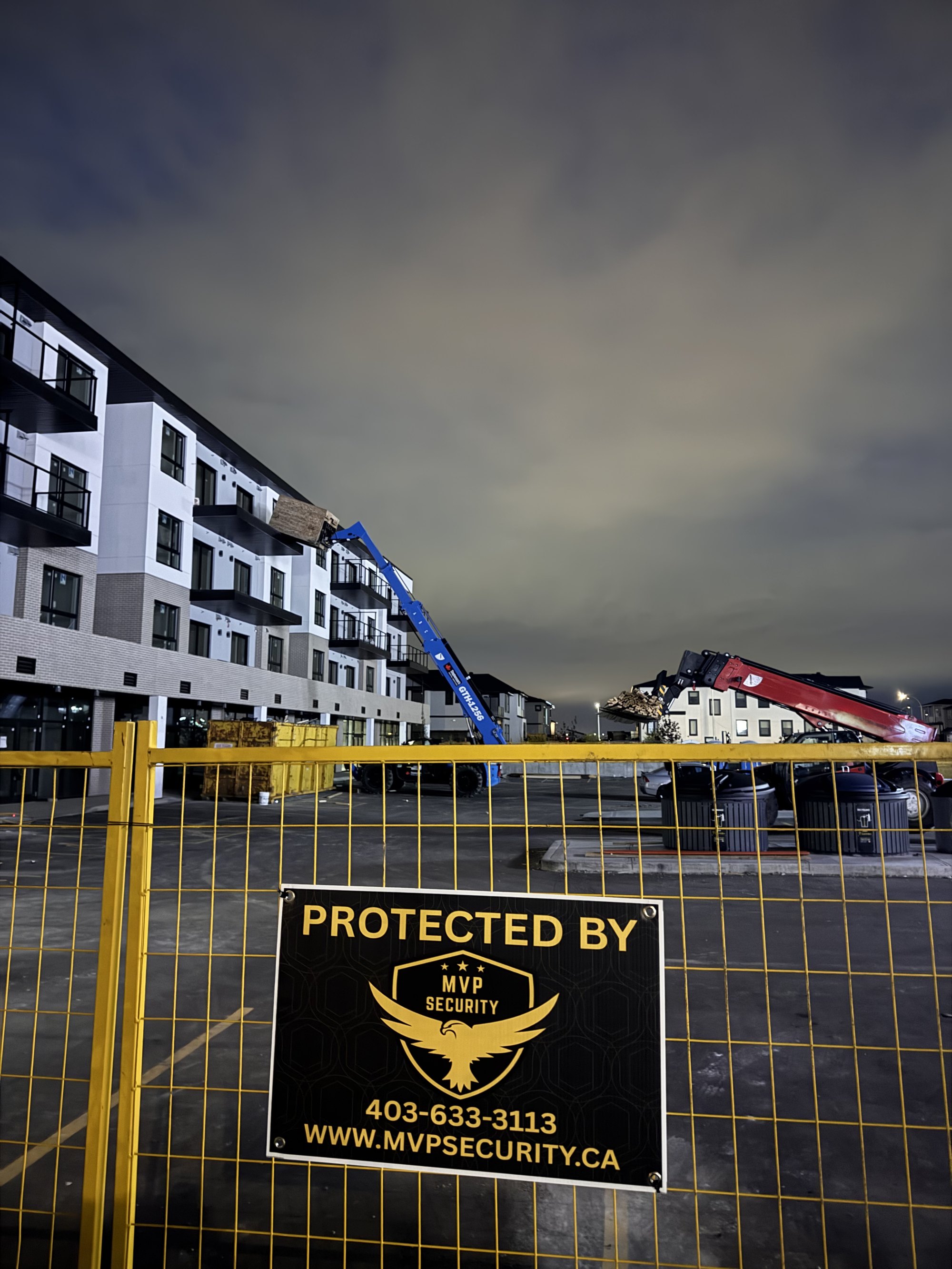
After-hours protection usually works best as layered coverage. Secure locks and doors are the first layer. Alarm monitoring is the second. Patrol attendance or alarm response adds the third. For stores with repeated incidents, overnight guard presence may be justified during high-risk periods such as renovations, holiday inventory buildup, or known crime spikes.
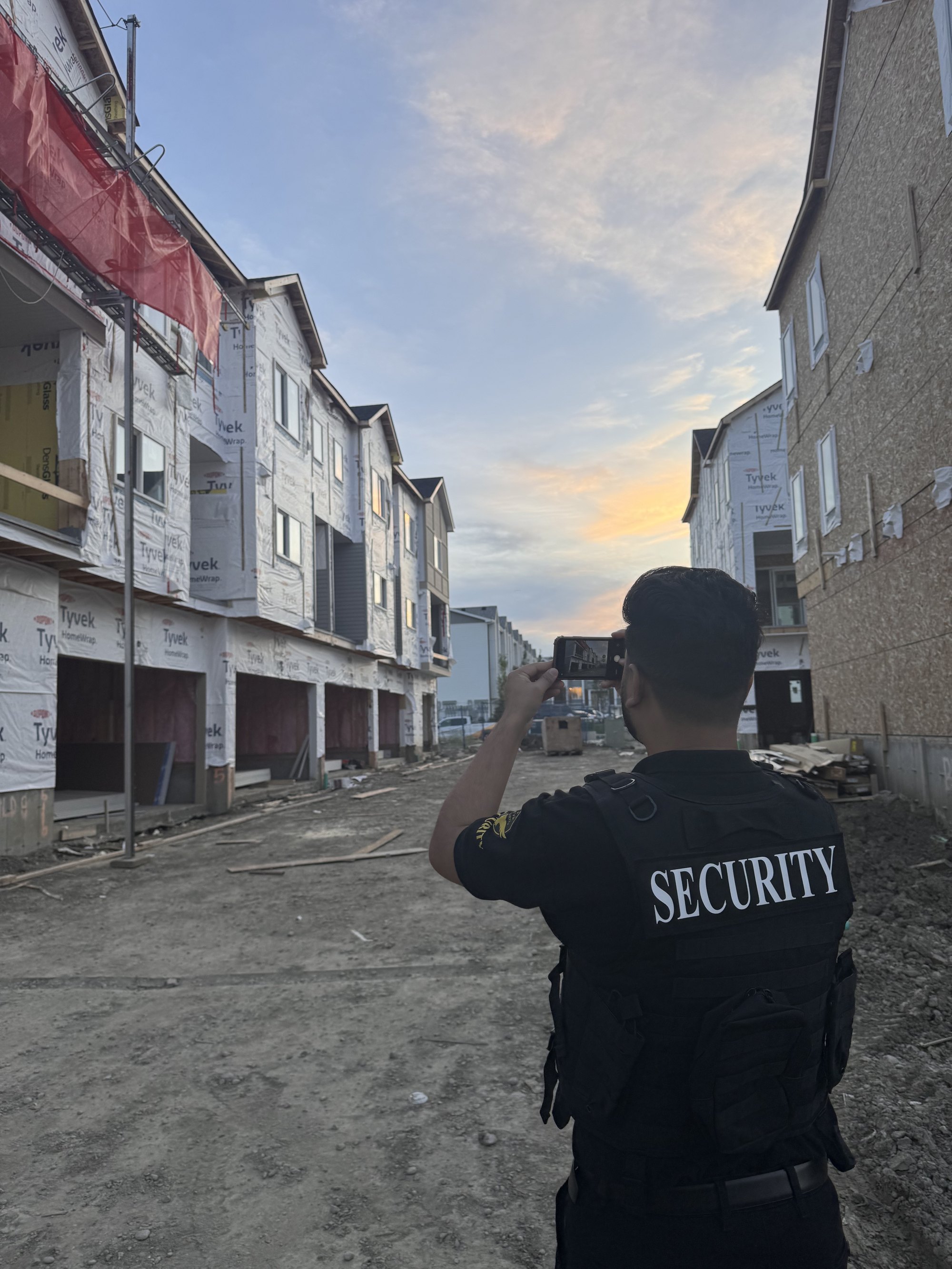
This is also where documented reporting becomes valuable. GPS-tracked patrol activity, photo verification, and written incident logs give retail operators proof that checks happened and that issues were identified early. That level of accountability matters, especially if you have dealt with unreliable coverage in the past.
Local response makes a difference when incidents are active
Retail security is time-sensitive. If a disorder issue is escalating, an alarm has gone off, or a rear access door has been forced, delayed attendance reduces the value of the entire security plan. That is why local deployment matters. A provider that knows Calgary and nearby communities, understands site access challenges, and can dispatch quickly offers a practical advantage over a distant or overloaded operation.
For retail decision-makers, this is not just about getting someone on site. It is about getting the right person on site - licensed, trained, briefed on the property, and able to document what happened clearly. Fast response without accountability still leaves management chasing details after the fact.
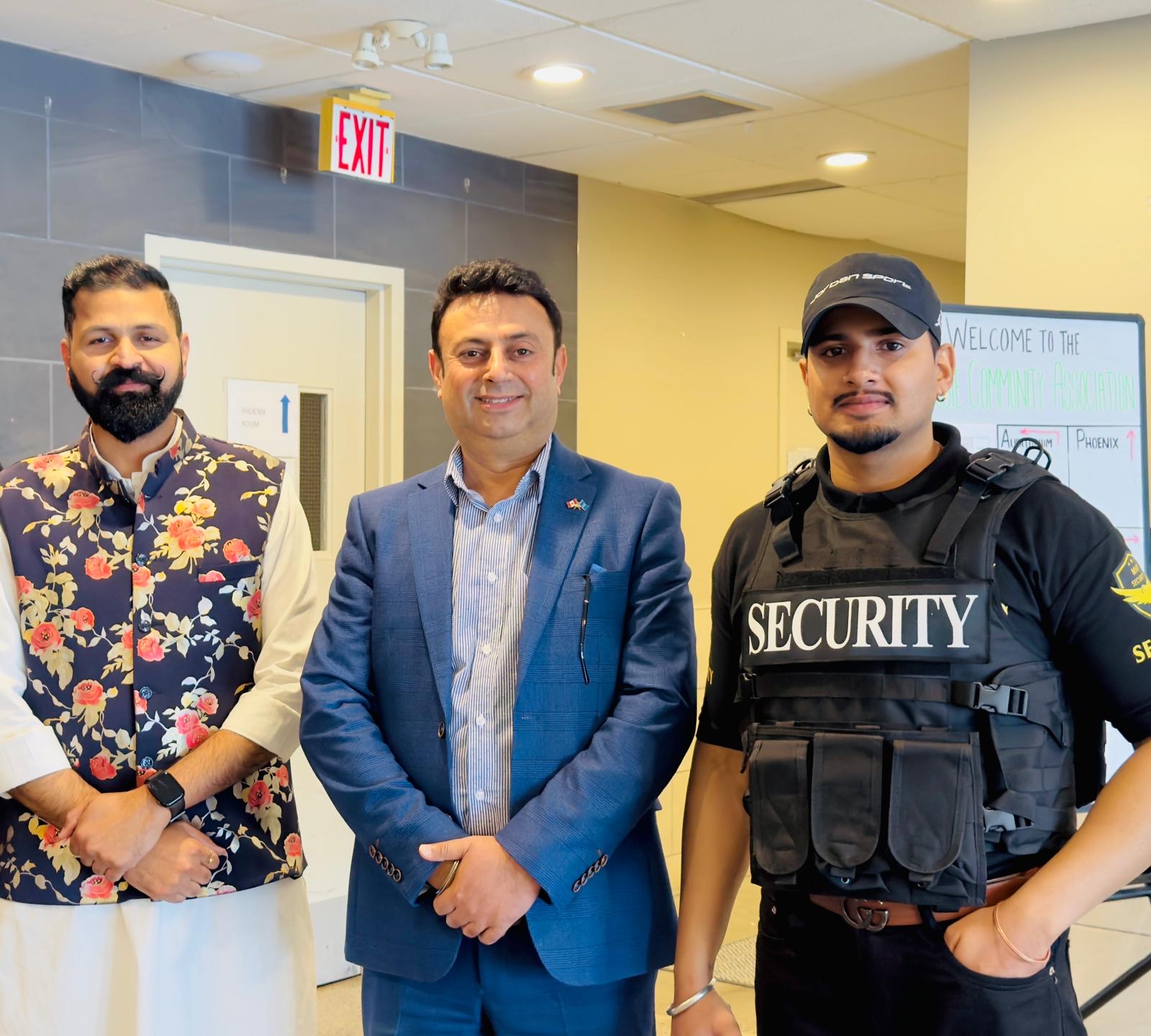
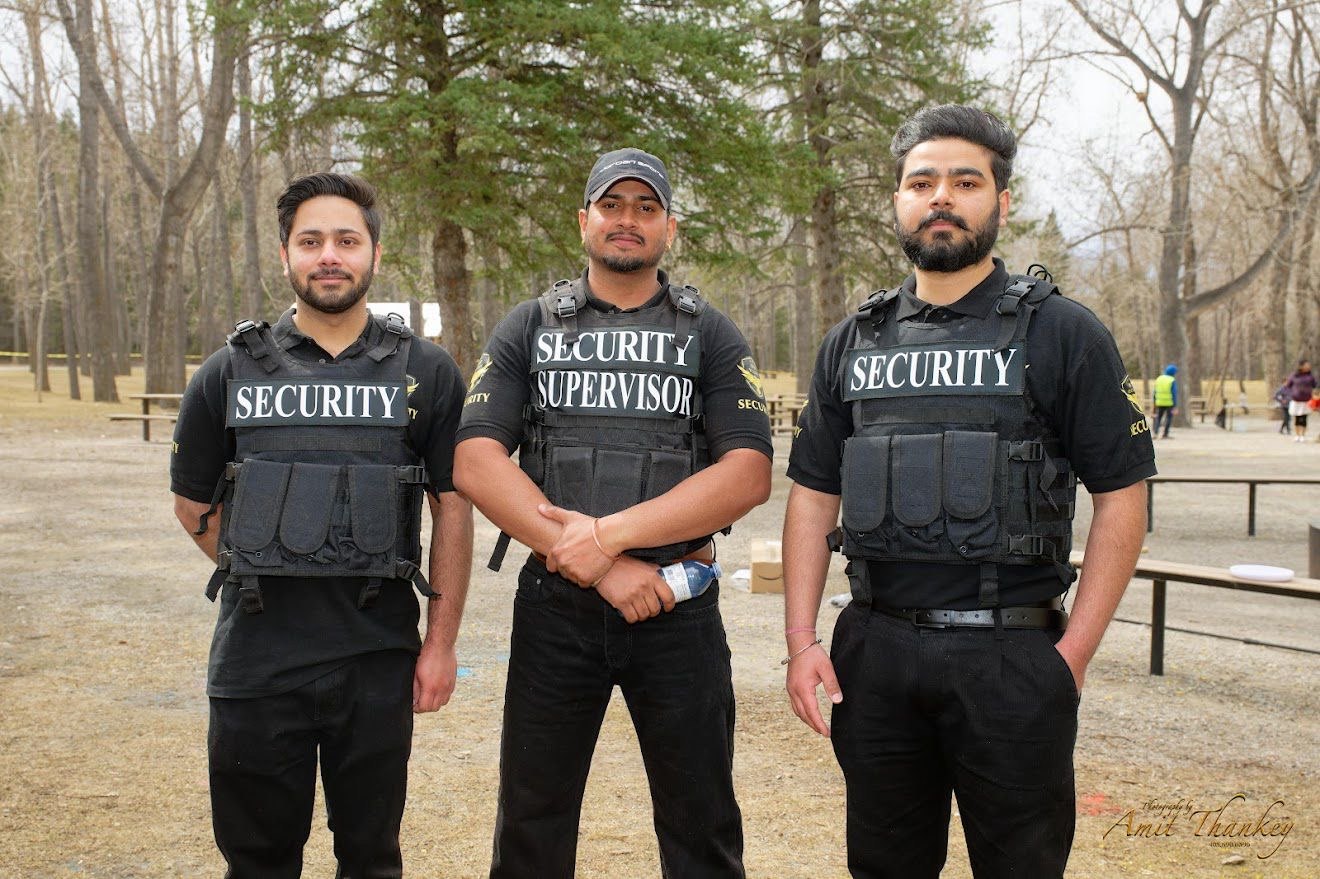
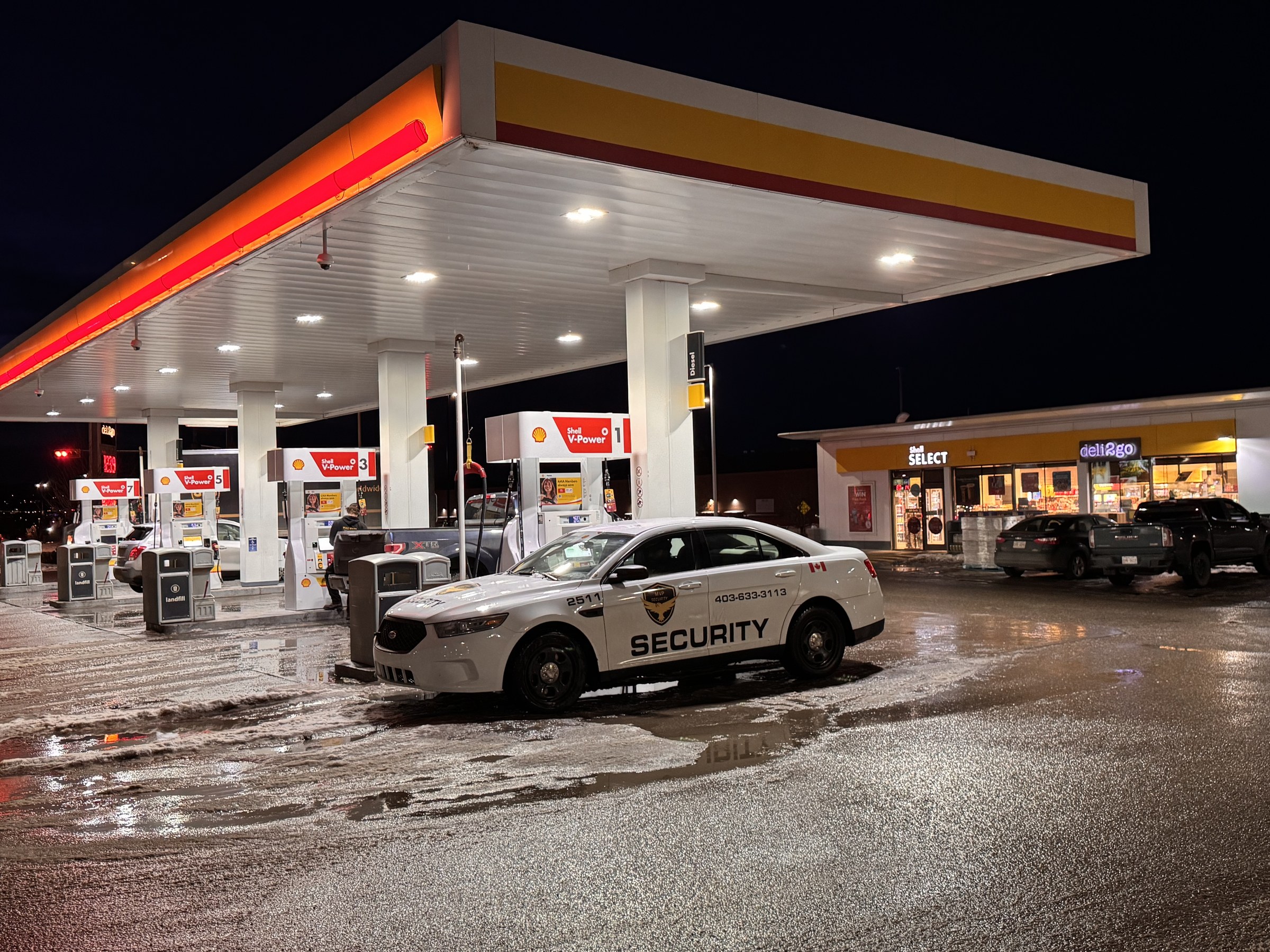
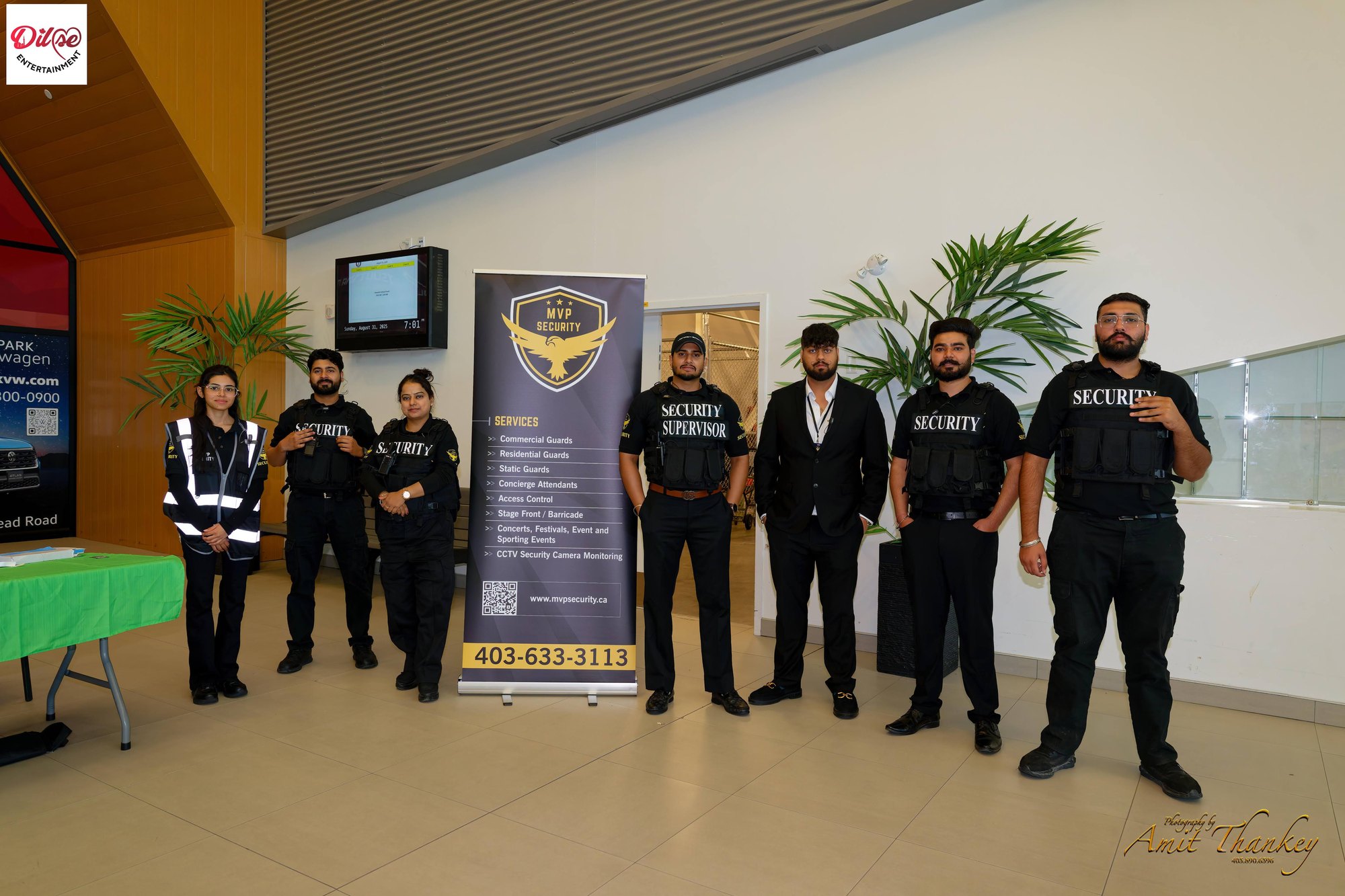
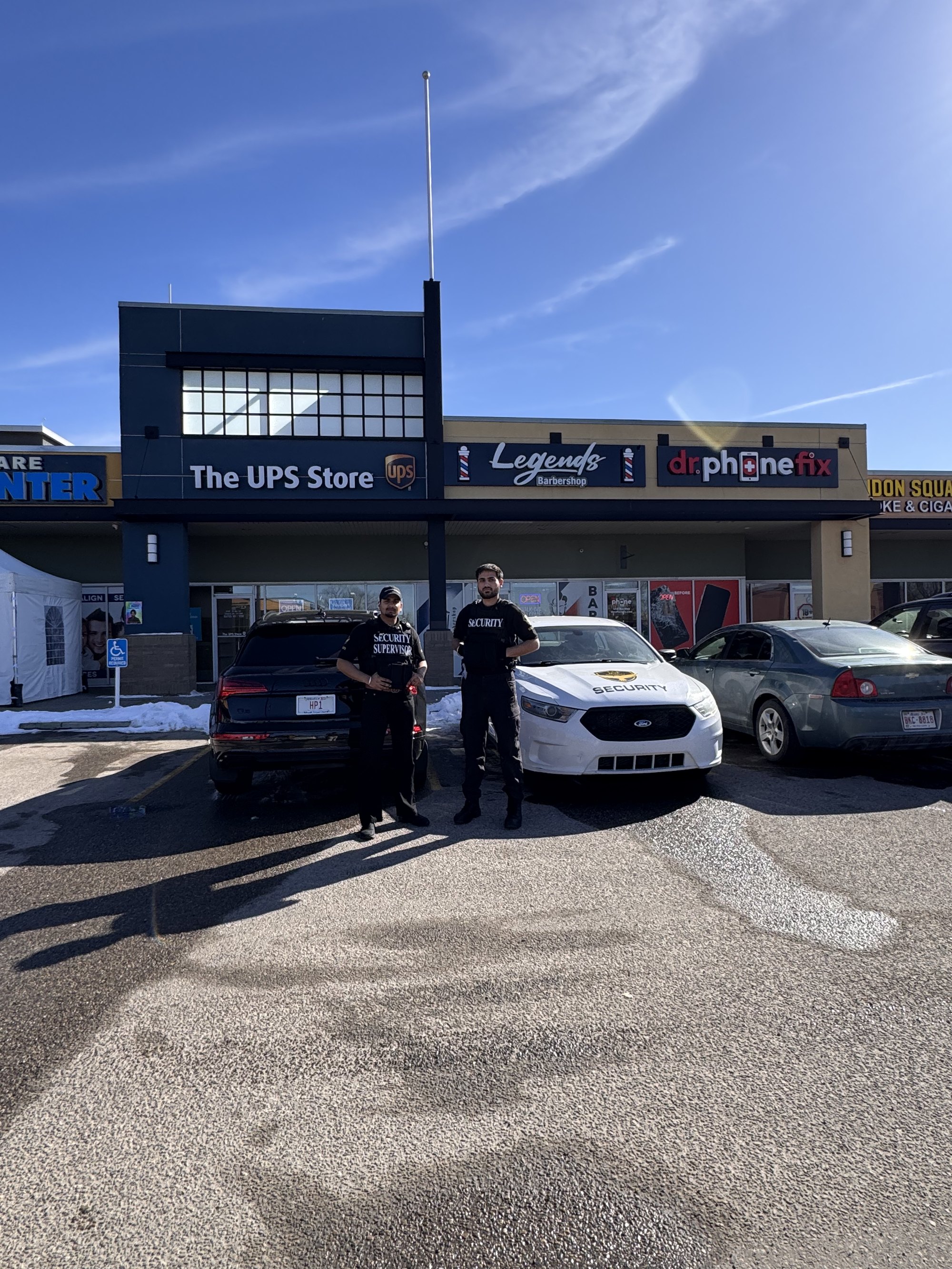
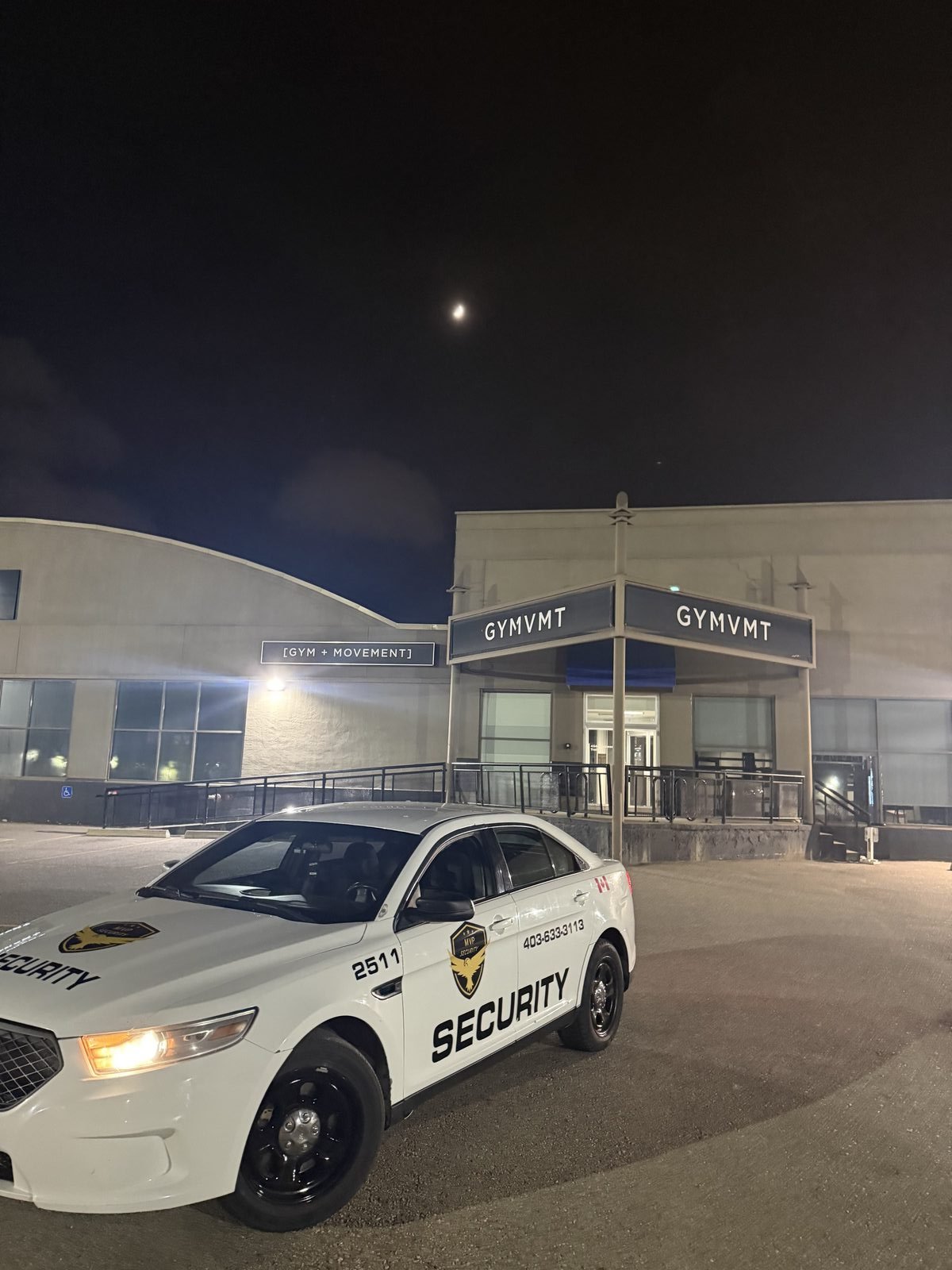
At MVP Security Inc., retail coverage is built around those operational realities. That can mean static guards during vulnerable business hours, mobile patrol for lock checks and exterior sweeps, or alarm response integrated with site instructions and reporting expectations.
Build the plan around your actual risk, not a generic package
The most effective retail security plans are not oversized, and they are not generic. A jewellery store, grocery tenant, cannabis retailer, and neighbourhood convenience store all face different pressures. One may need front-door deterrence. Another may need after-hours patrol, stronger access control, and better incident reporting.
If you are reviewing how to secure retail stores, start by asking a few direct questions. Where are losses happening? When are staff most exposed? What happens after an alarm? Are incidents being documented in a way that supports decisions? Those answers usually point to the right mix of guard coverage, patrol frequency, camera review, and procedural changes.
A good security program should make the store easier to run, not harder. It should give staff confidence, reduce repeated problems, and provide a clear response when something does go wrong. When the plan matches the site, security becomes part of daily operations rather than a last-minute fix.