












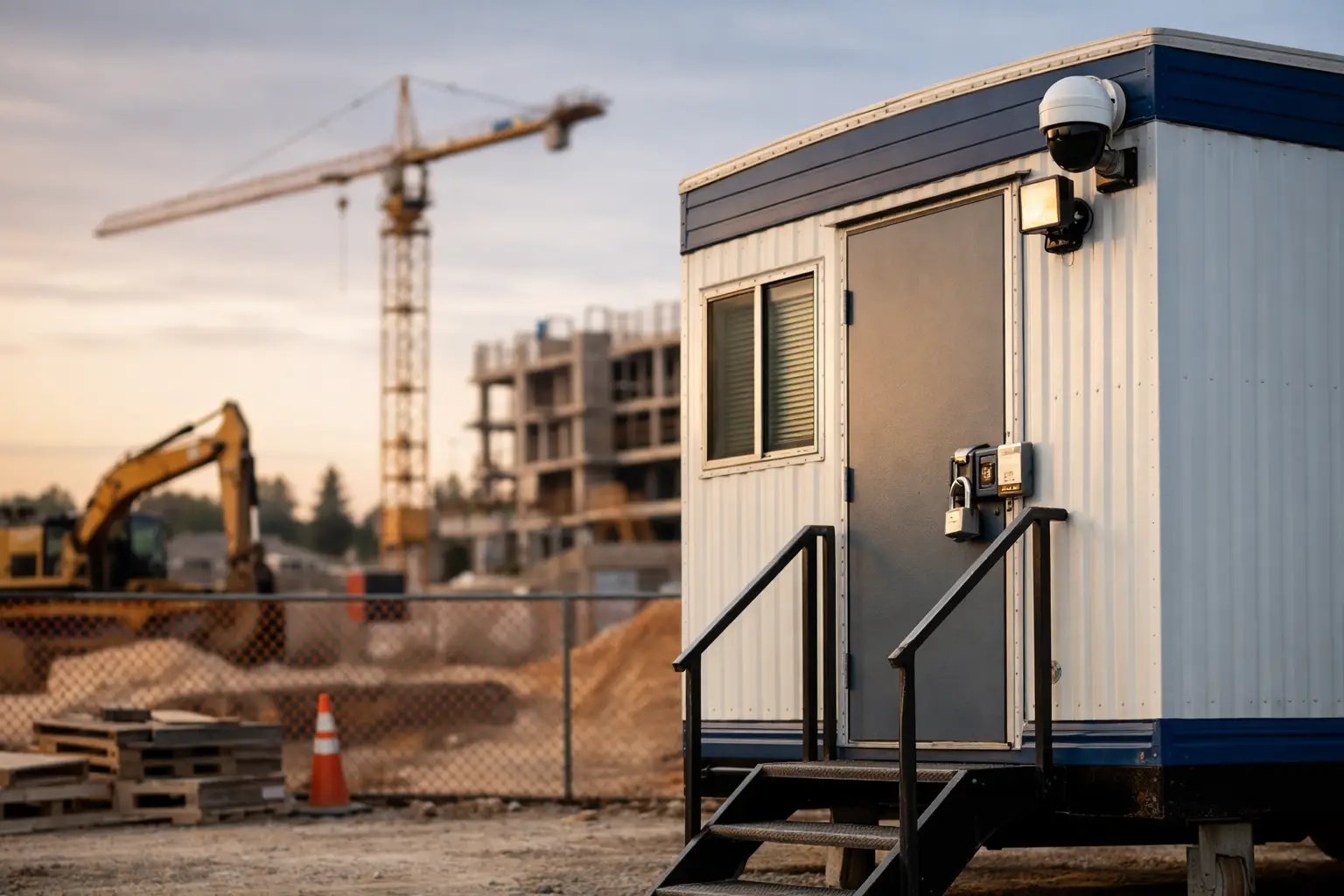
A vacant site trailer can become a target in one quiet weekend. It does not take much - one forced door, one missing key, one blind spot in the lot - and suddenly drawings, tools, electronics, and project records are gone. If you are figuring out how to secure vacant construction trailers, the right answer is not one product or one patrol. It is a layered plan built around how your site actually operates after hours.
On construction projects in Calgary and surrounding communities, trailers are often treated as temporary structures, so they do not always get the same protection as a warehouse or office. That is a mistake. A trailer often holds the site’s admin hub, permit documents, laptops, radios, keys, and sometimes small tools or materials that can be moved fast. When a break-in happens, the direct loss matters, but the bigger issue is disruption. Delays, insurance claims, lock changes, reissued access, and shaken confidence across the project team can cost more than the stolen property.
Why vacant construction trailers are frequently targeted
A vacant trailer tells people two things at once. First, there may be something worth taking. Second, no one is likely to challenge them quickly. Even when the contents are modest, opportunistic thieves may still force entry looking for copper, electronics, fuel cards, or anything easy to resell.
The risk gets higher when the trailer sits near a public road, backs onto an alley, or is tucked behind fencing with limited sightlines. Sites with inconsistent after-hours activity can also create a pattern that outsiders notice. If workers leave by 5:00 p.m. every day and no one returns until morning, your exposure window is obvious.
Seasonality also matters. Long winter nights, reduced neighbouring activity, and weather that keeps people indoors can all help intruders go unnoticed. On some projects, the risk is less about organized theft and more about vandalism, unauthorized sheltering, or people entering to stay warm. The security response should reflect that reality rather than assuming every incident looks the same.
How to secure vacant construction trailers with layered protection
The most effective approach starts with the trailer itself, then expands outward to the lot, the perimeter, and the after-hours response plan. If one layer fails, the next layer still creates delay, visibility, or intervention.
Start with the door, frame, and windows
Most trailer break-ins are not sophisticated. They happen because the weakest point gives way quickly. A standard lock on a light door is rarely enough on its own. Reinforced door hardware, commercial-grade deadbolts, latch guards, and steel strike plates can make forced entry much harder. If the frame is weak or damaged, upgrading the lock alone will not solve the problem.
Windows need the same attention. If they are visible from outside, avoid leaving high-value items in sight. Security film, bars where appropriate, and interior blinds can reduce smash-and-grab access. The right choice depends on your site layout. Bars may add deterrence, but they can also signal that valuables are inside if used poorly. Film is less visible, but it does not stop every attack. In many cases, a combination works best.
Control keys and access without shortcuts
A lot of trailer breaches are not true break-ins. They happen because keys were copied, left in a lockbox everyone knows about, or passed between trades with no tracking. Access control needs to be deliberate, even on a temporary site.
Limit key holders to essential personnel, keep a current log, and rekey immediately when staff or subcontractor access changes. If multiple supervisors need entry, it may be worth using an electronic lock with audit capability instead of chasing physical keys. That is not necessary on every project, but on larger sites or longer builds, it creates real accountability.
Remove what does not need to stay overnight
One of the simplest ways to improve security is to reduce what the trailer can offer a thief. Laptops, tablets, cash floats, fuel cards, portable radios, and sensitive project records should not be left behind unless there is no practical alternative. If they must stay on site, store them in anchored lockable cabinets or safes inside the trailer.
This is where operations and security need to work together. If your team routinely leaves expensive items in the trailer because there is no end-of-day process, the problem is procedural as much as physical. A close-down checklist at shift end can prevent avoidable losses.
Secure the area around the trailer, not just the trailer itself
A strong trailer in an unprotected lot still gives intruders time to work. The surrounding environment should make approach, concealment, and escape harder.
Improve lighting where it changes behaviour
Lighting is useful when it supports visibility, not just brightness. Focus on trailer doors, walk paths, parking edges, blind corners, and any route from the street or fence line to the unit. Motion-activated lighting can help in lower-traffic areas, while steady lighting may suit active sites or compounds with cameras.
Too much poorly placed light can create glare and shadows that work against you. The goal is to support identification and deterrence, especially where a patrol vehicle, camera, or nearby road user would have a clear line of sight.
Position the trailer with security in mind
If the trailer location is still flexible, place it where it is harder to approach unnoticed. Near a controlled gate, in clear view of surrounding businesses, or within a monitored compound is usually better than a remote corner of the lot. Leave enough stand-off space around the trailer so someone cannot work on a door hidden between equipment and fencing.
Vehicle barriers can also matter. If a trailer stores equipment or records worth targeting, prevent easy drive-up access for loading stolen property. Jersey barriers, bollards, or strategic equipment placement can slow a quick haul-away attempt.
Use CCTV where it supports response
Cameras help most when someone is actually reviewing alerts or responding to events. A camera that records a break-in at 2:00 a.m. but gets checked at 9:00 a.m. may help with evidence, but it will not stop the loss. For vacant construction trailers, monitored or actively managed systems are generally more useful than passive recording alone.
Camera placement should cover the trailer entrance, surrounding approaches, and the wider area that shows how someone entered the compound. Audio warnings or visible signage can increase deterrence, but they do not replace intervention. If your site has repeated after-hours issues, cameras should tie into an alarm response or patrol plan.
Add visible after-hours presence
When a trailer is repeatedly vacant, physical security measures need backing from people who can attend the site. This is especially true if the project has already experienced trespassing, theft, or nuisance activity.
Mobile patrols work well when timing is unpredictable
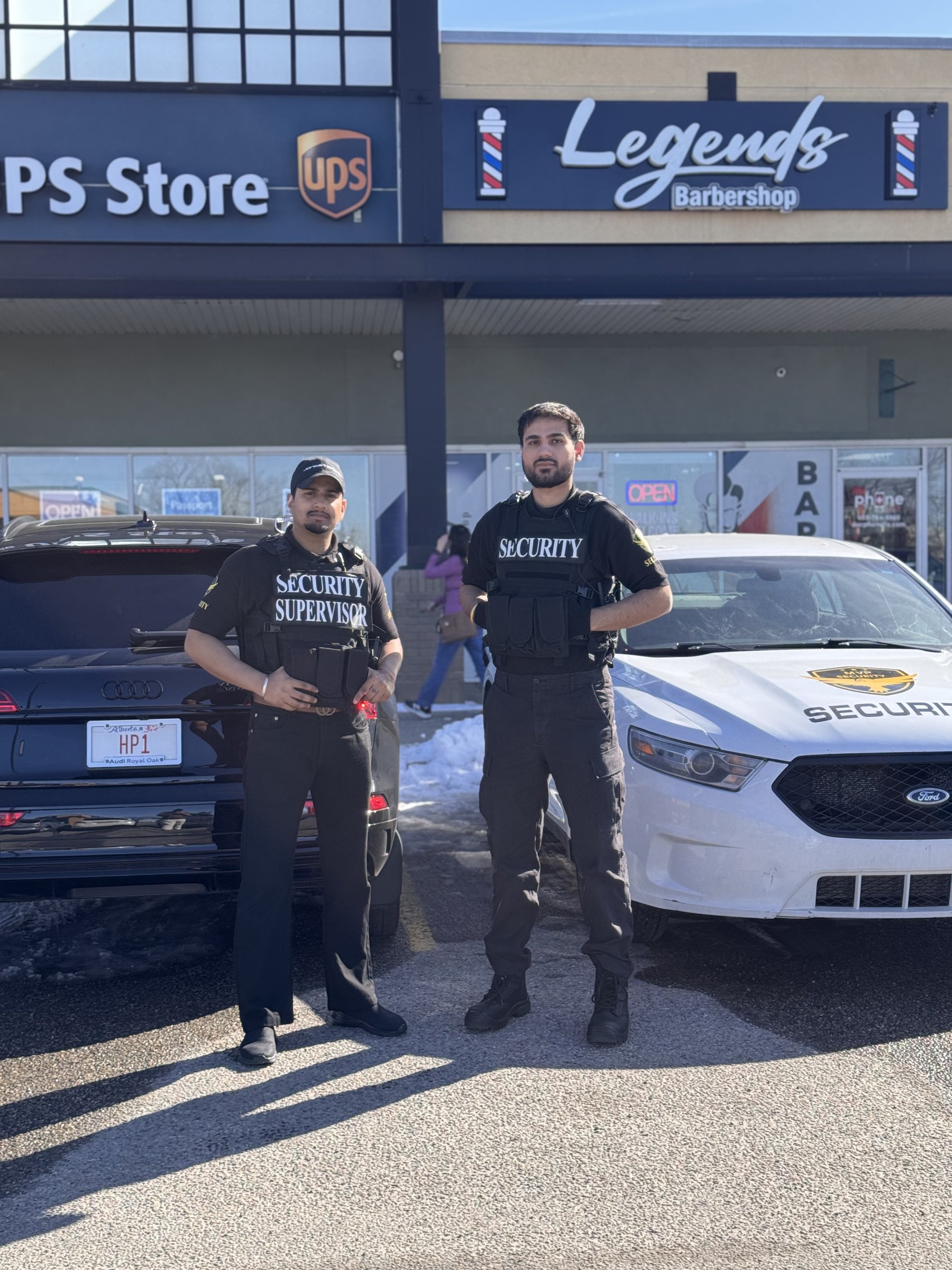
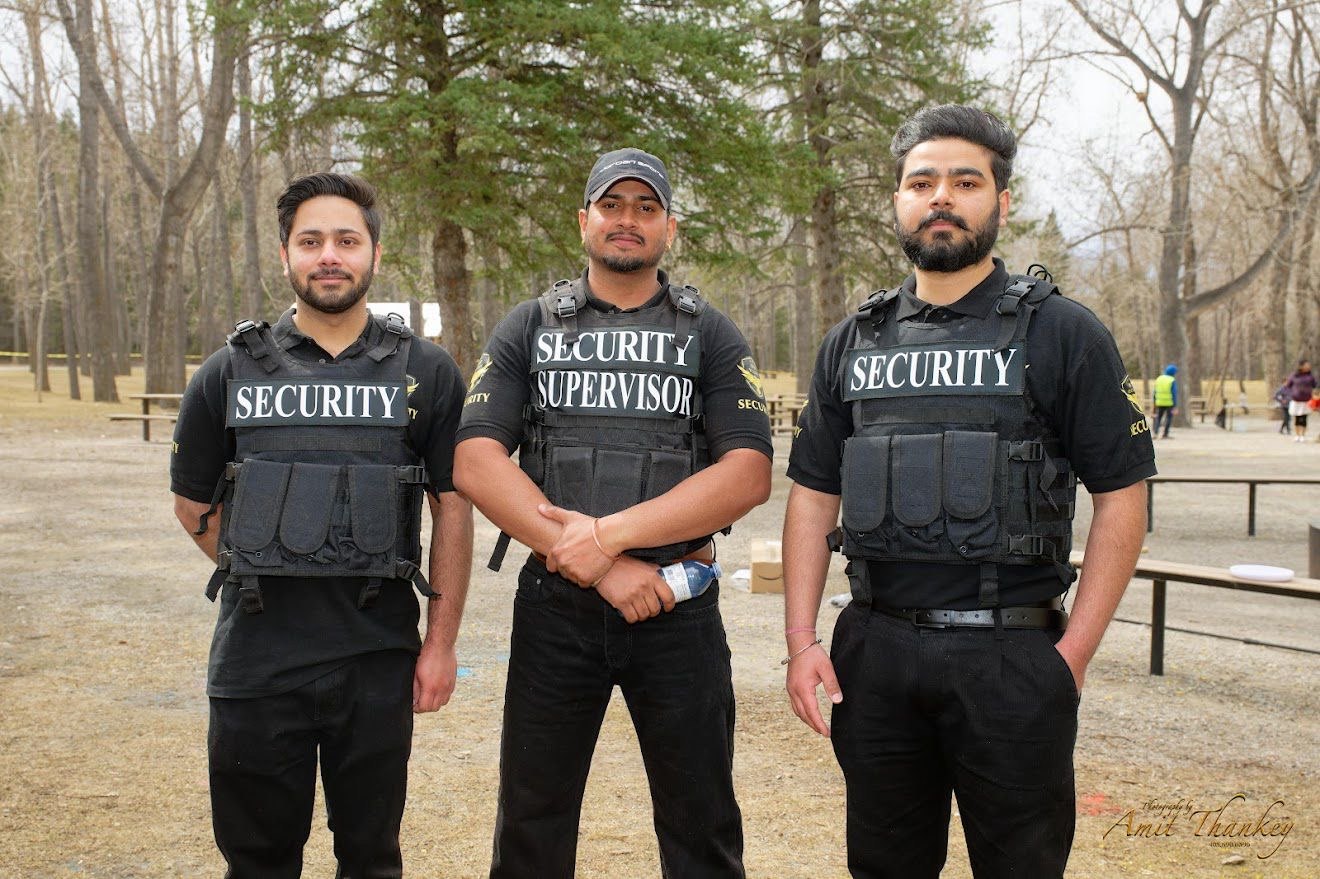
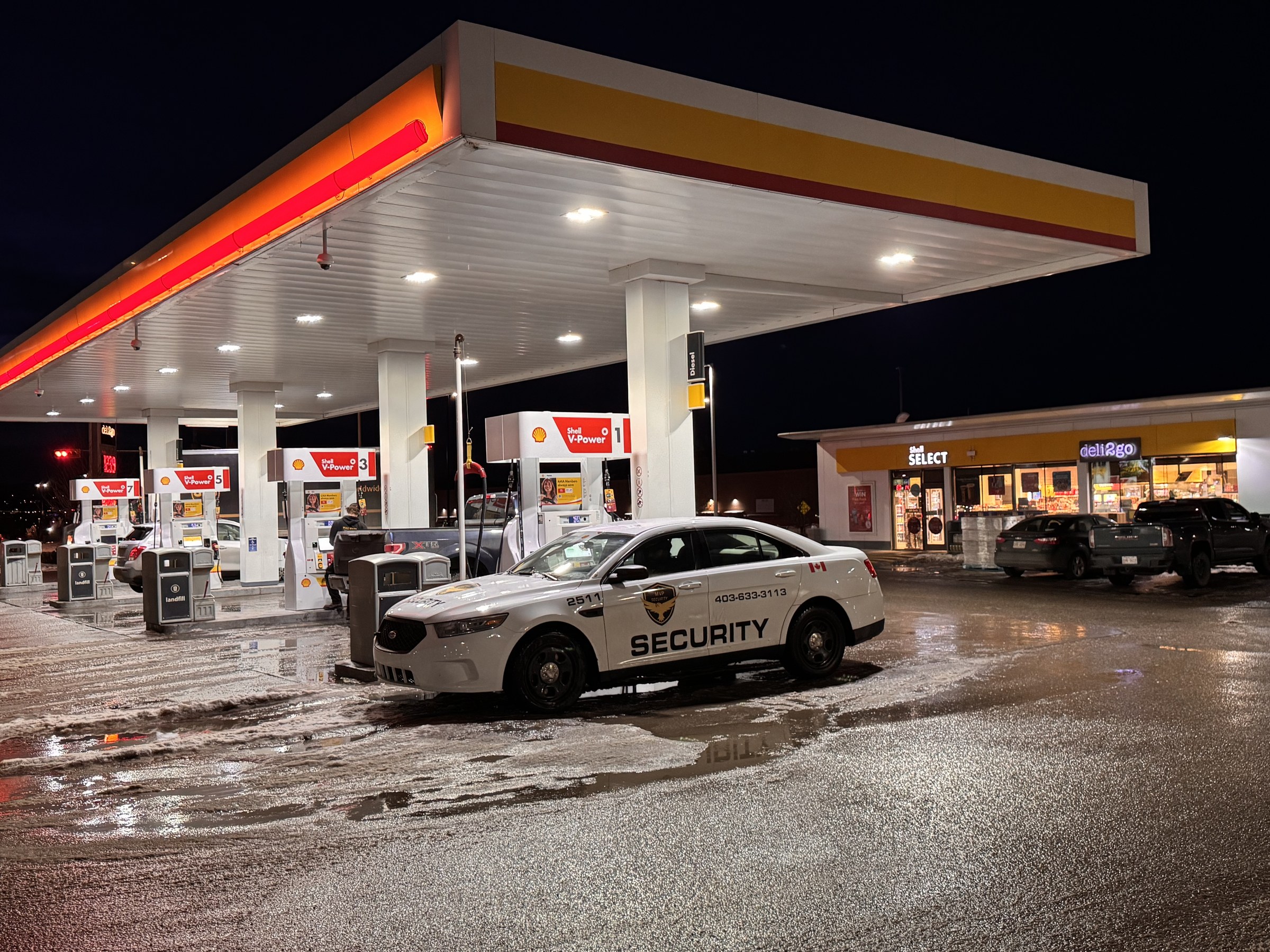
A mobile patrol program is often the best fit for vacant trailers on active construction sites. The value comes from irregular attendance, visible checks, and documented activity. Predictable patrol times are less effective because regular offenders notice patterns quickly.
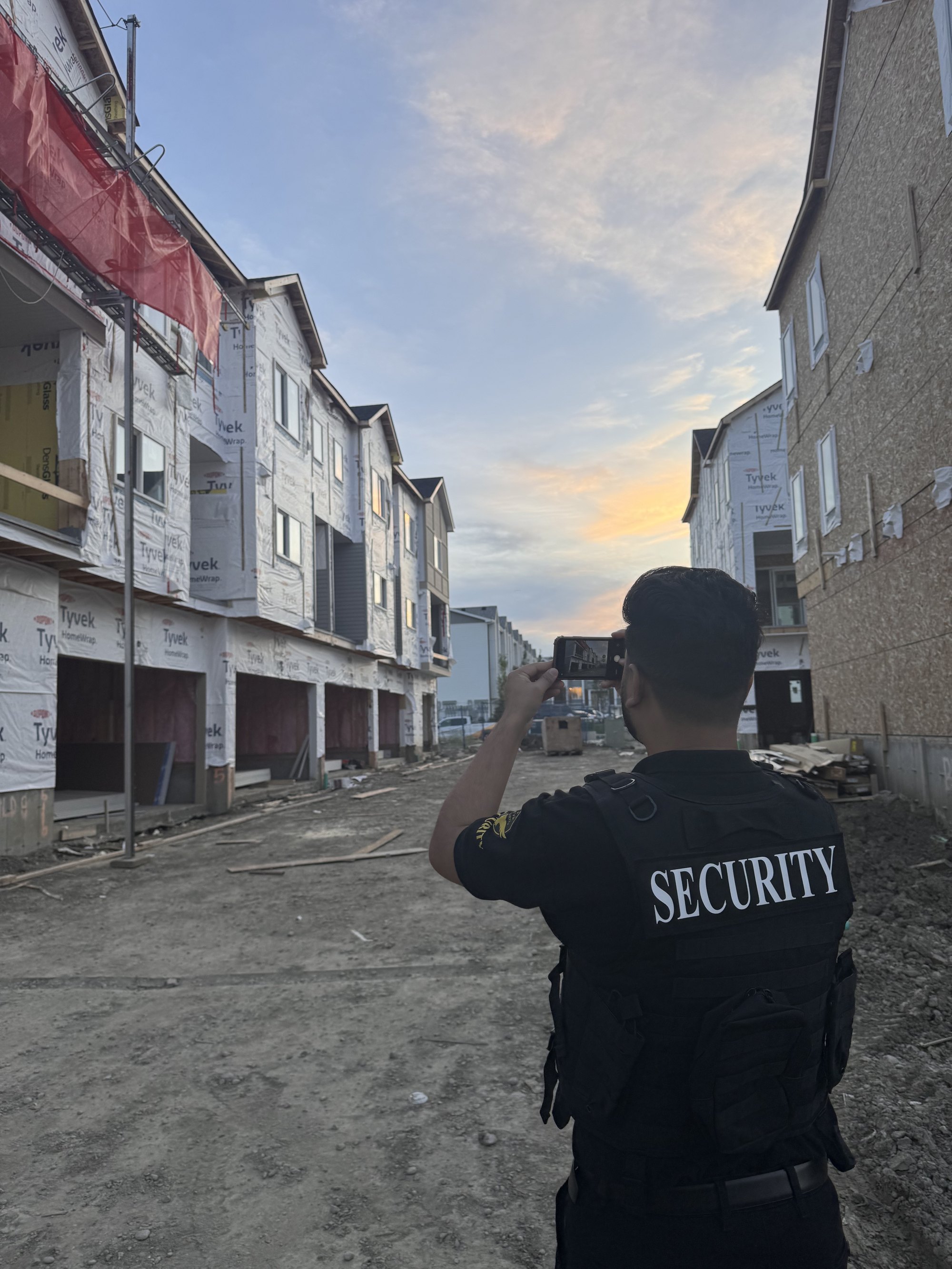
A good patrol plan should include exterior checks of the trailer, doors, windows, fencing, gates, lighting issues, and signs of tampering. GPS-tracked patrol activity and photo-documented reporting give project managers proof that checks were completed and help identify recurring vulnerabilities before they turn into claims.
Static guards make sense for higher-risk phases
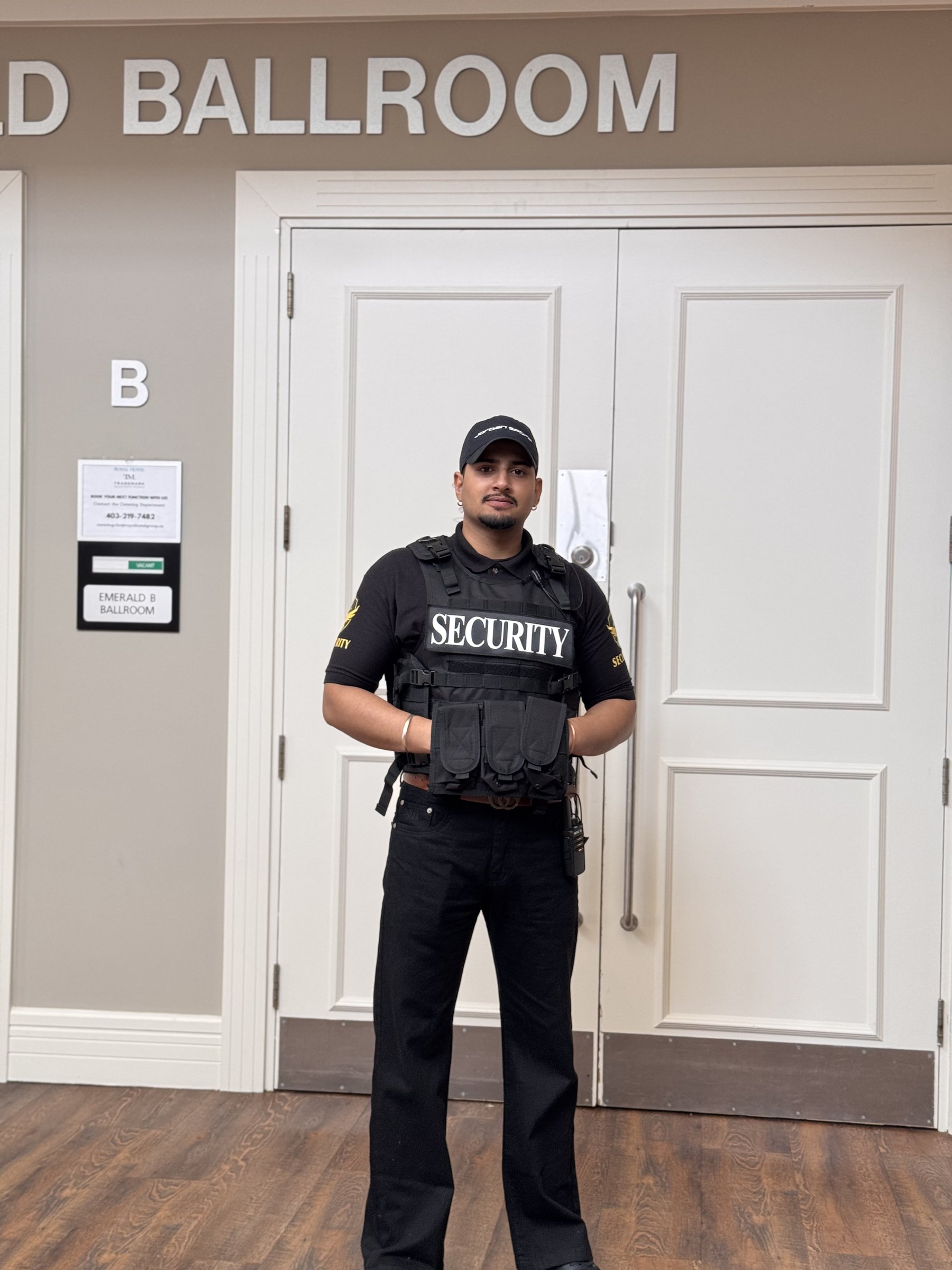
There are times when patrols are not enough. If the trailer contains sensitive project documents, expensive electronics, controlled access materials, or if the site is in a high-traffic area with repeated incidents, a static guard can be justified. This is often the case during shutdowns, long weekends, equipment delivery periods, or after a recent break-in.
The trade-off is cost. Static coverage gives stronger deterrence and faster intervention, but not every site needs it every night. A site-specific plan should match the real risk, not a generic package.
Build your response plan before you need it
Knowing how to secure vacant construction trailers also means knowing what happens when something goes wrong. Who gets called if an alarm trips? Who can authorize police attendance, lock replacement, or emergency boarding? Who receives incident reports overnight?
If those answers are unclear, response slows down when time matters most. Builders and site managers should keep an updated contact tree, clear escalation instructions, and a documented process for alarm events or suspected unauthorized entry. This is where a local security provider has an advantage. Faster dispatch and regional familiarity can reduce the gap between alert and on-site action.
It also helps to review incidents, even minor ones. A cut fence panel, a propped gate, or footprints near the trailer may look small on their own. Together, they often show testing behaviour. Sites rarely go from zero issues to major theft without warning signs.
Common mistakes that leave trailers exposed
The most common mistake is assuming the fence is doing all the work. Perimeter fencing matters, but if the trailer itself is soft, a trespasser who gets inside the compound still has an easy target. Another mistake is relying on a single camera or a single lock upgrade and calling the job done.
There is also a tendency to over-secure low-value trailers while under-securing the ones that actually hold project-critical assets. The right level of protection depends on contents, location, visibility, site history, and how quickly someone can respond after hours. One trailer may need better hardware and weekly patrols. Another may need monitored CCTV and nightly checks. It depends.
For construction sites in Calgary, Airdrie, Cochrane, Chestermere, Okotoks, and High River, the practical standard should be straightforward: make forced entry harder, reduce what can be stolen, improve visibility, and ensure someone can attend when a problem starts. That is the difference between a trailer that looks vacant and a trailer that still looks protected.
If you are reviewing trailer security before a long weekend, a shutdown, or the next project phase, treat it like an operations issue, not just a hardware purchase. The best security plans are the ones that hold up after dark, when the trailer is empty and the site still needs someone looking out for it.