



















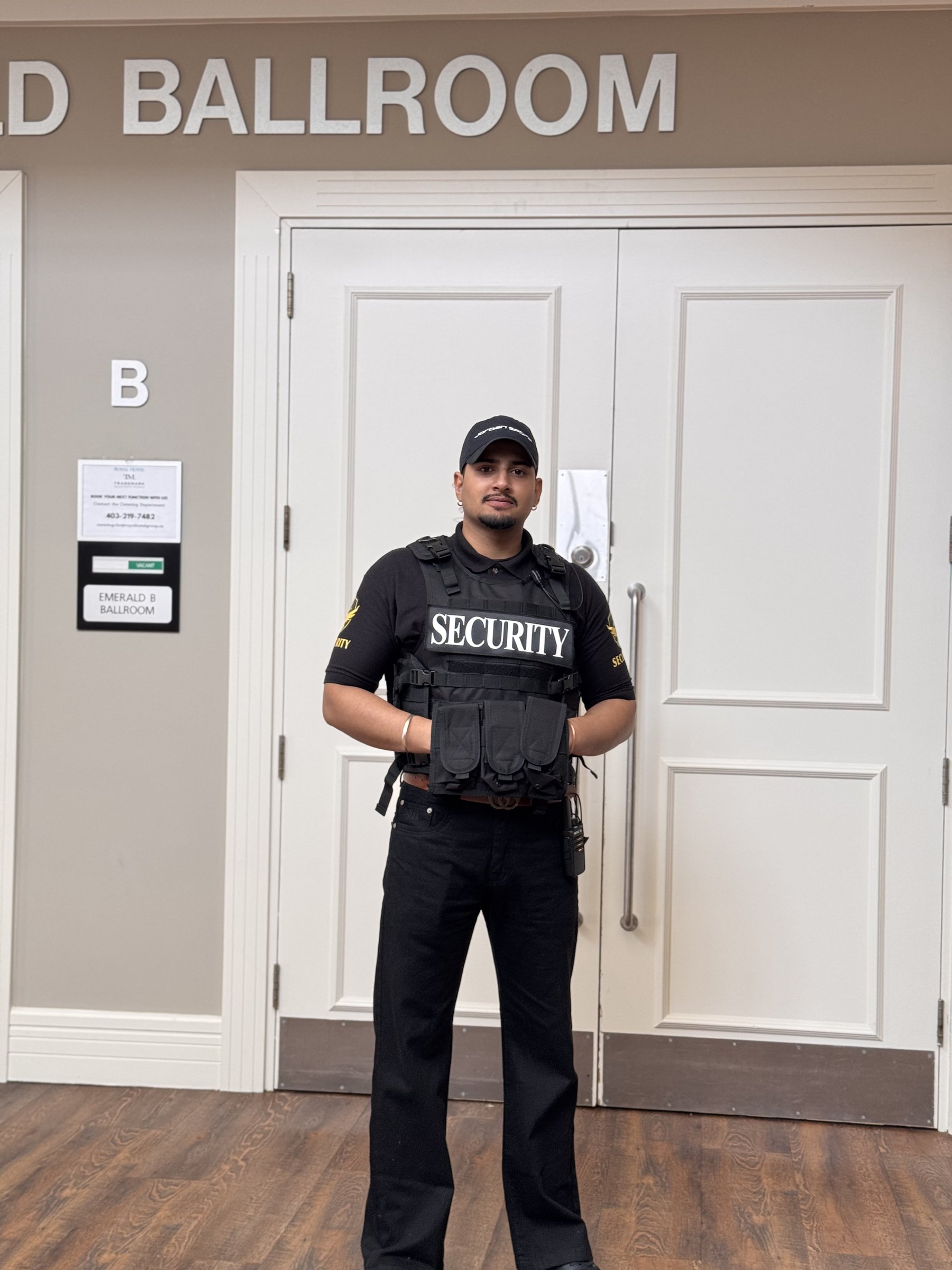
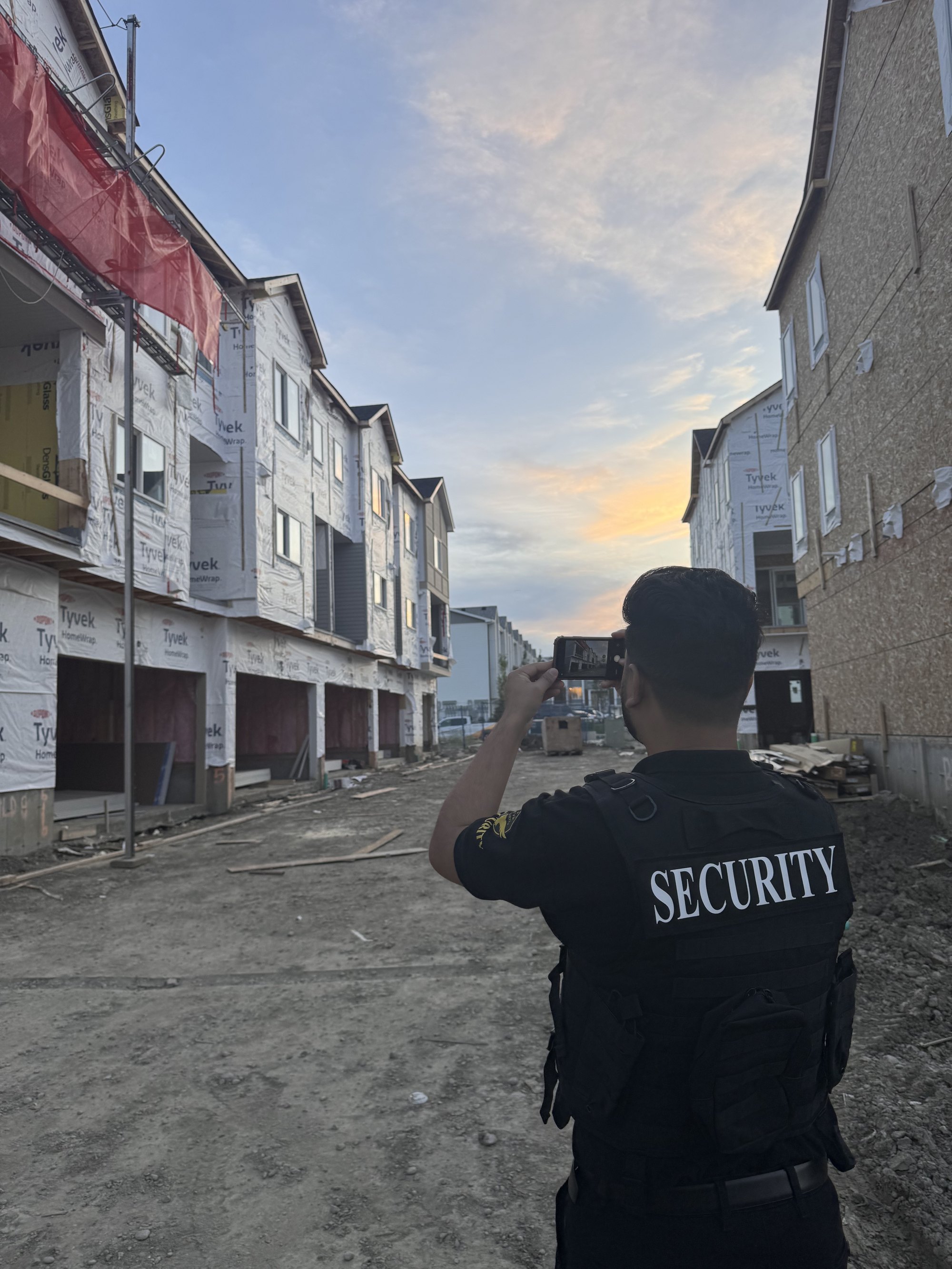


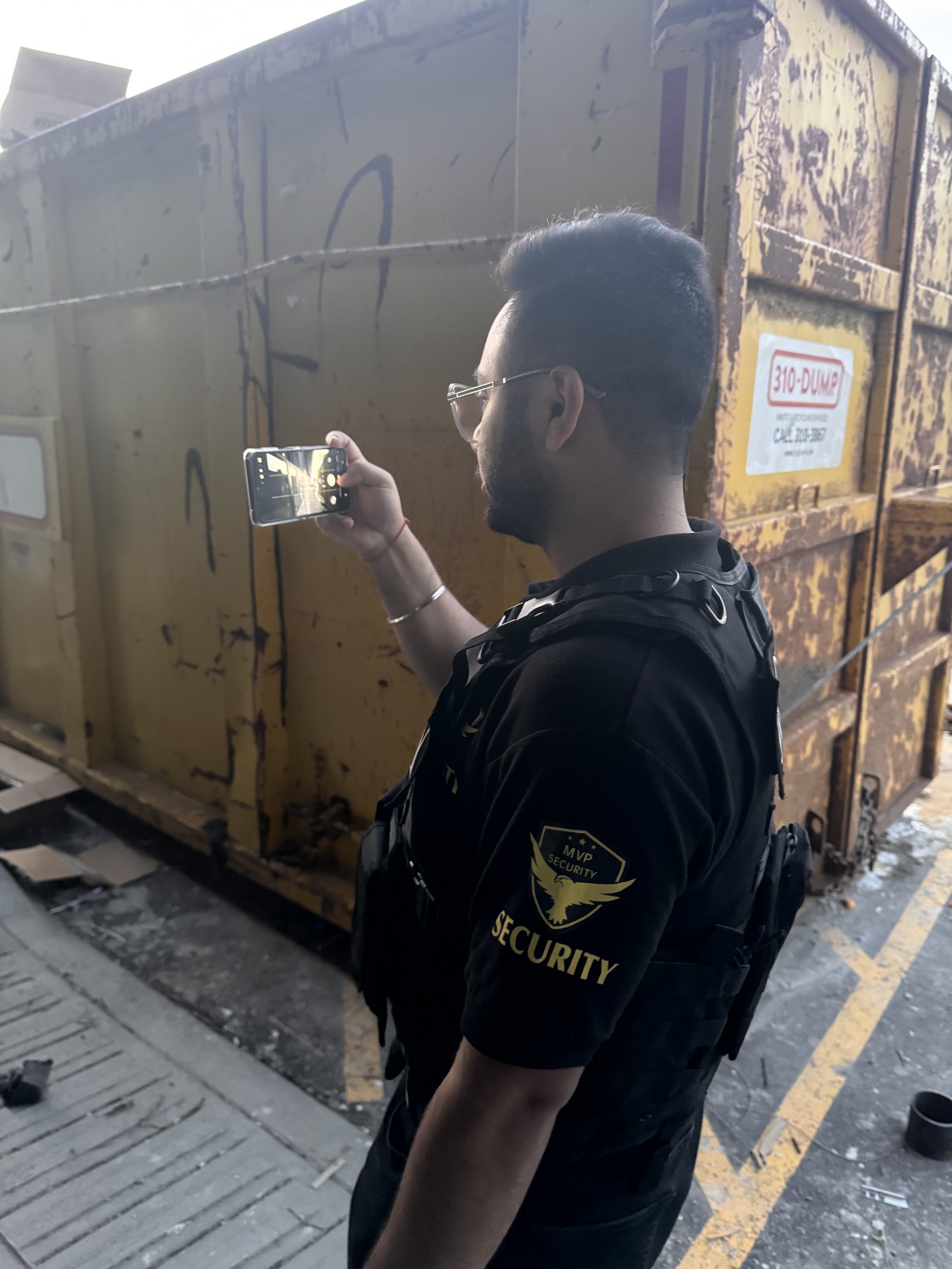
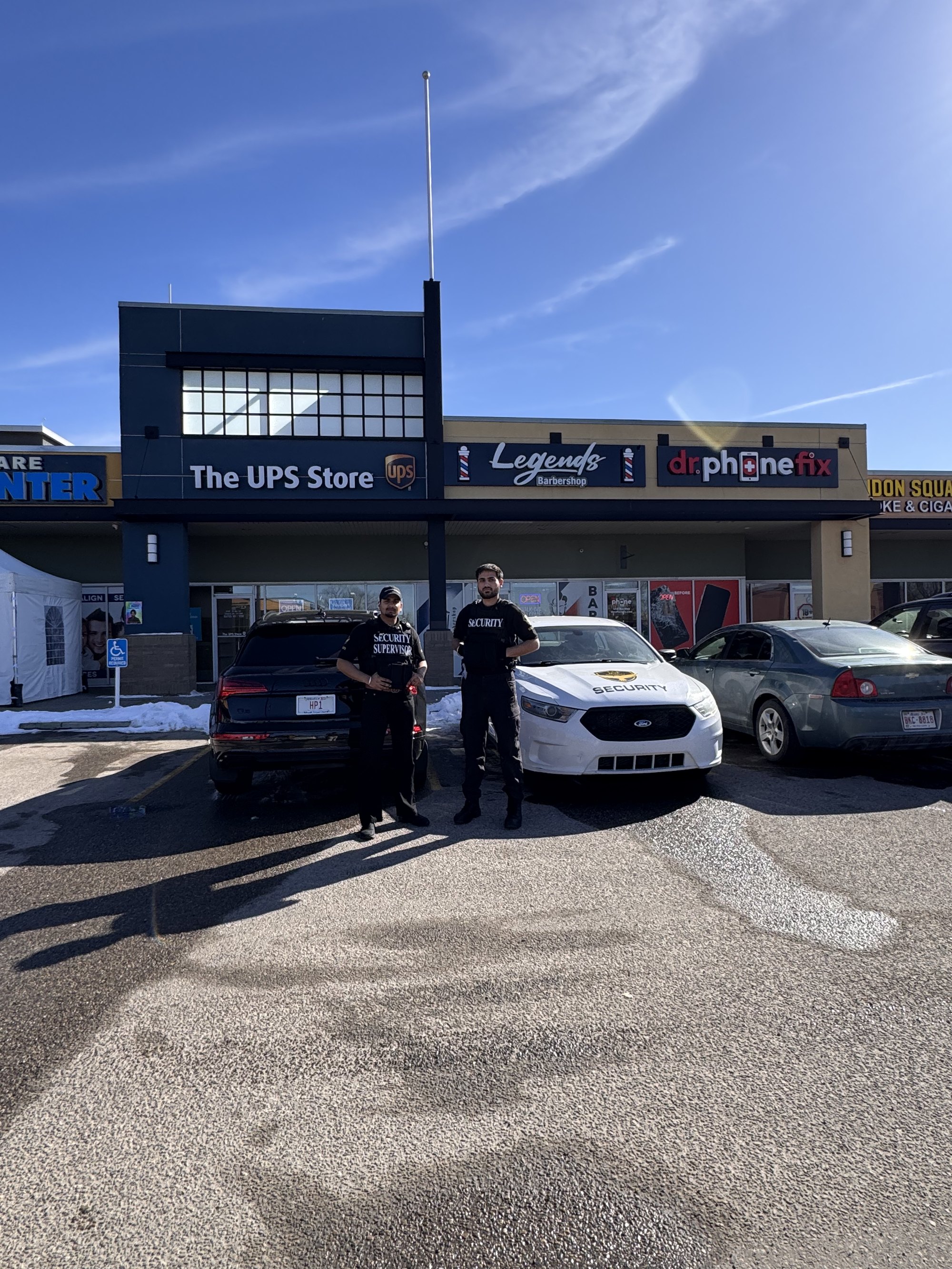

A vacant overnight shift at a construction site is not an HR problem for long. It becomes a theft problem, a trespassing problem, or a delay problem by morning. That is why the in house vs contract security decision matters more than it first appears. For property managers, builders, retail operators, and event organizers in Calgary, the right model affects response times, documentation, liability, and whether coverage actually shows up when needed.
There is no universal winner. Some organizations benefit from keeping security internal, especially when the role is tightly tied to daily operations and customer service. Others need the flexibility, faster staffing, and lower administrative burden that come with a contract provider. The practical question is not which option sounds better on paper. It is which one will reliably protect your site, your people, and your operating schedule.
What in house vs contract security really means
In-house security means the guards or security staff are your employees. You recruit them, train them, schedule them, supervise them, and carry the ongoing responsibility for payroll, coverage, discipline, and compliance. This can work well when security is a permanent part of your operation, such as a large campus, a hospital environment, or a facility with extensive internal procedures.
Contract security means you hire a licensed security company to provide guards, patrols, access control, alarm response, fire watch, or event coverage under a service agreement. The provider handles staffing, licensing, training standards, scheduling, field supervision, and replacement coverage. You still set expectations and site requirements, but the day-to-day labour management shifts to the vendor.
That distinction matters because security is not just about putting a body at a desk or gate. It is about maintaining coverage every day, every shift, with trained personnel who can document incidents, follow site instructions, and respond properly when something goes wrong.
The biggest advantage of in-house security
The strongest case for an in-house team is control. Your staff are fully embedded in your organization, your culture, and your operating priorities. They may know your tenants, staff, vendors, site rules, and recurring issues better than an external provider can in the first few weeks.
That familiarity can be valuable in environments where security overlaps heavily with customer service, internal investigations, or specialized access procedures. A residential tower with complex concierge responsibilities or a large commercial property with daily tenant interaction may prefer a team that feels like an extension of building management.
There is also a branding benefit. In-house personnel represent only your organization, and that can create consistency in appearance, communication style, and service expectations. If you have the scale and management structure to support it, an internal team can become highly aligned with your operation.
The trade-off is that control comes with workload. Every issue lands on your desk. Recruiting, background screening, licensing verification, vacation coverage, call-offs, training refreshers, after-hours supervision, and performance management do not disappear because security is mission-critical. They become your internal responsibility.
Why many sites choose contract security
Contract security is often the more practical choice because it solves the staffing and continuity problem first. Most buyers do not struggle to write post orders. They struggle to ensure there is a trained, licensed person on site at 11 p.m. on a long weekend when the original guard calls off.
A good contract provider is built for that reality. It should have available personnel, dispatch support, field supervision, documented reporting, and a process for replacing guards without leaving the site exposed. That matters for construction projects, commercial properties, retail locations, apartment buildings, and events where the risk of one uncovered shift is far greater than the convenience of self-managing.
Contract security also tends to be more flexible. You can scale coverage up during a tenant issue, down after a project milestone, or add overnight patrols after a spike in theft or vandalism. For event security, fire watch, and temporary risk conditions, this flexibility is often the deciding factor.
In a market like Calgary, where weather, site conditions, and project timelines can change quickly, contract coverage allows buyers to adjust without rebuilding an internal staffing plan every time operations shift.
Cost is not just hourly rate
The in house vs contract security conversation often starts with hourly rates, but that is rarely the full picture. An in-house guard may appear less expensive at first glance, yet the true cost includes recruiting, onboarding, uniforms, payroll administration, vacation pay, benefits, supervision, training, insurance, and the cost of finding replacement coverage when someone is absent.
There is also the cost of inconsistency. If your internal team is short-staffed, the financial impact of a missed shift can be much higher than the difference between one labour model and another. A break-in, damaged fencing, stolen tools, or an unmanaged alarm event can erase perceived savings quickly.
Contract security usually gives you a clearer operating cost because the provider bundles labour management into the service price. You are paying for coverage, not just for the person standing post. That includes the support system behind the guard, assuming you are working with a provider that actually supervises its sites and documents activity properly.
The right question is not who is cheapest per hour. It is which option gives you dependable coverage at the lowest total operational risk.
Compliance, liability, and documentation
Security work in Alberta comes with legal and operational requirements. Guards must be licensed, and providers should carry proper insurance and maintain professional standards around reporting, incident response, and supervision. If you build an in-house team, those responsibilities stay with your organization.
That is manageable for some larger operations. For many businesses, though, it creates a compliance burden they do not want to own. If your focus is property management, construction delivery, retail operations, or event execution, running a security department can become a distraction from your core work.
Contract security reduces that burden when the provider is properly licensed, insured, and operationally sound. It can also improve accountability if patrol activity is GPS tracked and incident reporting includes photos, timestamps, and clear notes. Those details matter when you need to show a client, board, insurer, or internal stakeholder exactly what happened and when.
Where in-house security makes the most sense
In-house security tends to make more sense when the security function is permanent, highly integrated, and large enough to justify full-time management. If your site needs the same coverage pattern every day, has specialized internal procedures, and can support supervisory oversight, an internal model can be effective.
This is more likely in organizations with mature HR systems, internal training capacity, and enough staffing depth to handle absenteeism without creating dangerous gaps. It can also make sense when the role is partly security and partly hospitality or operations support, and you want direct control over every aspect of the position.
Even then, many organizations still use contract support for overflow, special events, emergency coverage, or seasonal risk spikes.
Where contract security usually performs better
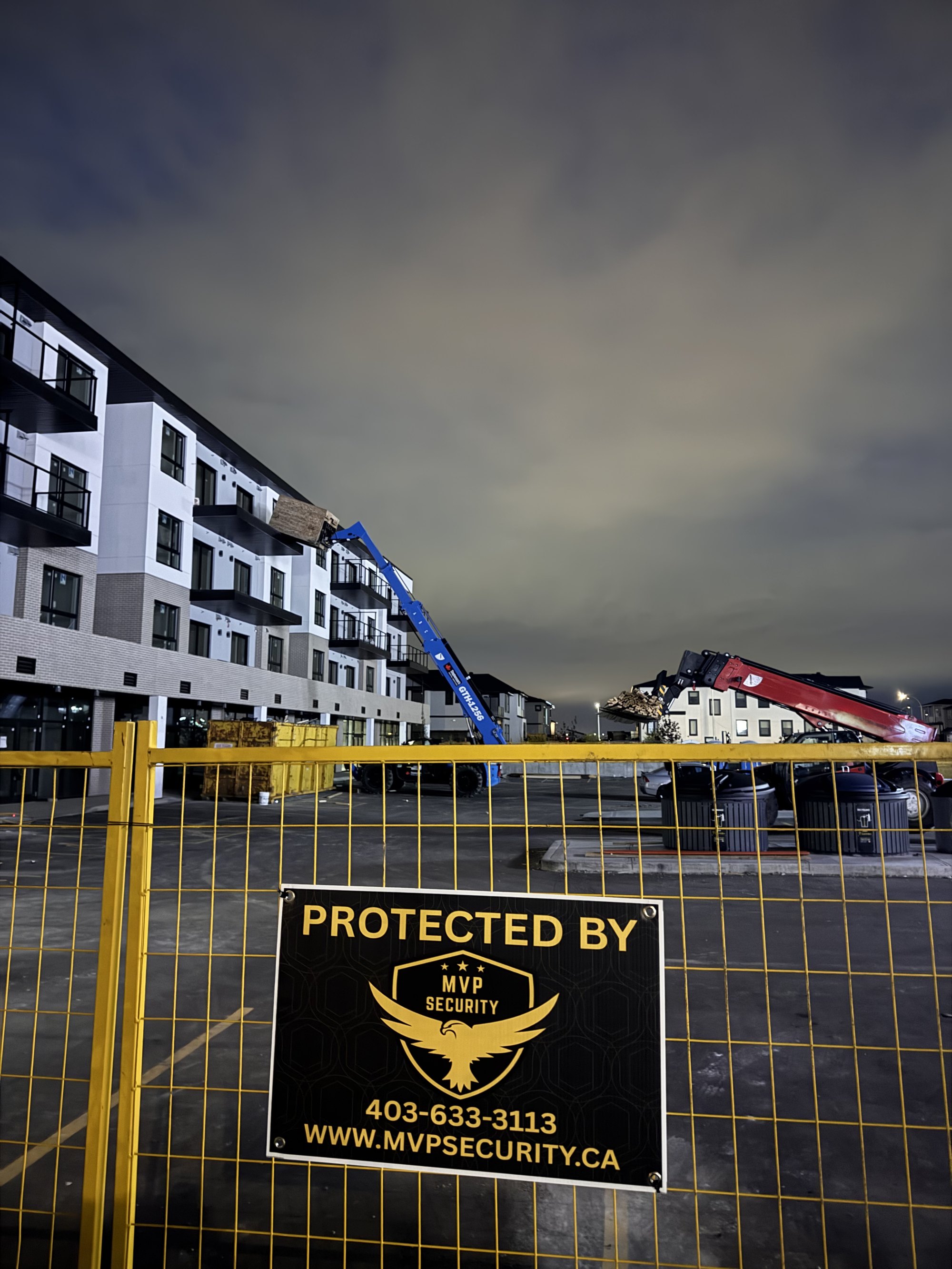
Contract security is often the better fit when the site needs flexibility, fast deployment, or around-the-clock reliability without building an internal department. Construction sites are a clear example. Security needs may change as the project progresses, and overnight coverage has to continue through weather shifts, schedule changes, and high-risk phases.
It is also well suited to condo buildings, commercial properties, retail locations, industrial sites, and events where buyers need visible deterrence, controlled access, incident reporting, and responsive backup. In these settings, the value is not just in having a guard. It is in having a provider that can send relief staff, respond to alarms, adjust patrol frequency, and document activity in a way that supports property management and operations.
For short-notice or urgent coverage, contract security is usually the only realistic option. Building an internal team is not something most organizations can do by tomorrow afternoon.
How to make the right choice for your site
Start with the reality of your operation, not the theory. Ask how often your risk profile changes, how hard it is to staff overnight or weekend shifts, and whether you have internal management capacity to supervise security properly. Be honest about whether you want to manage a security workforce or simply ensure your site is covered by trained professionals.
Then look at the consequences of failure. If one missed shift could lead to copper theft, unauthorized entry, tenant complaints, or a poorly handled incident, reliability should outweigh minor cost differences. The best security model is the one that holds up when the plan goes sideways.
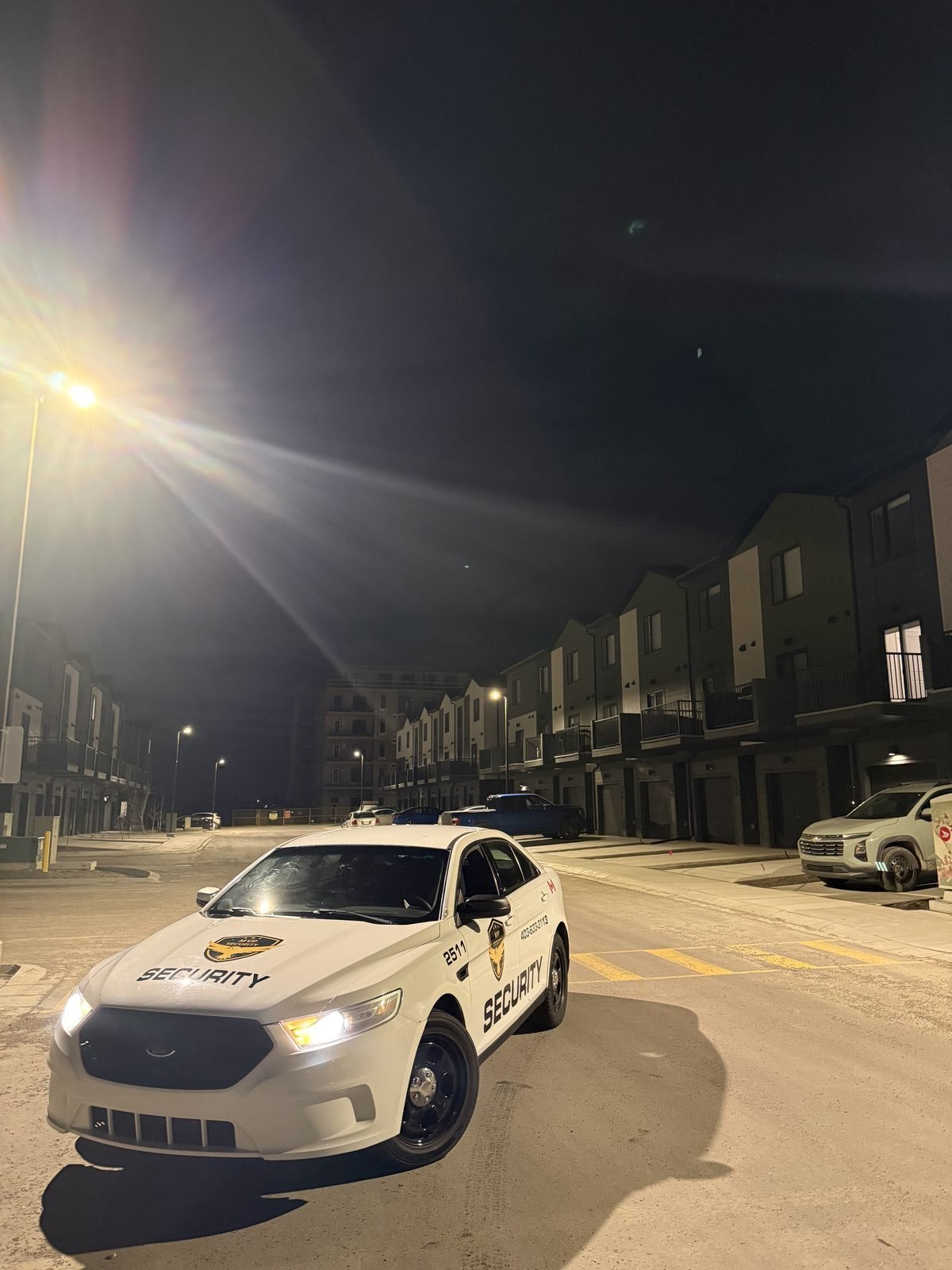
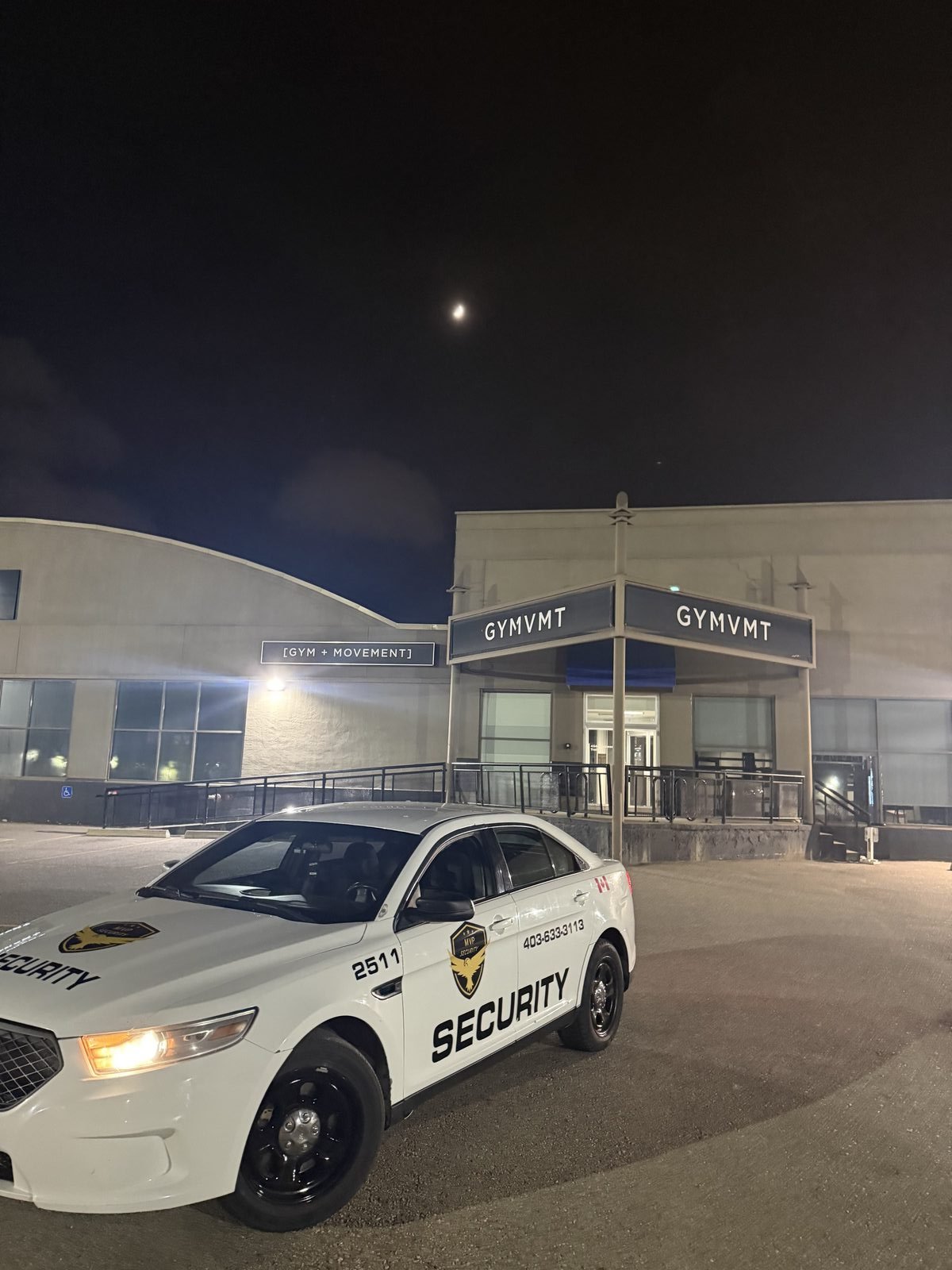
For many Calgary-area properties and projects, that points toward a contract partner with local coverage, documented patrol activity, trained licensed guards, and the ability to deploy quickly. That is why many buyers work with a provider such as MVP Security Inc. when they need practical protection without the overhead of building an internal team.
A good security decision should make your operation easier to run, not harder. If the model you choose gives you confidence that the site is covered, incidents are documented, and backup is available when conditions change, you are on the right track.